
Ferrari has never suffered from a shortage of audacity. While other manufacturers play it safe with focus groups and market research, Maranello has consistently thrown caution to the wind with designs that make you question reality itself. From the earliest days when Enzo was still terrorizing test drivers, the prancing horse has been as much about pushing boundaries as pushing lap times.
Over the decades, Ferrari has unleashed concept cars that range from “bold artistic vision” to “someone definitely had too much espresso that morning.” Some were pure flights of fancy, others were serious attempts at production models that somehow got lost in translation, and a few were technological manifestos designed to make competitors weep into their cappuccinos.
Yet for reasons ranging from “the accountants said no” to “literally no one knew how to build this thing,” many of these concepts never escaped the concept car purgatory. Ferrari fans worldwide have been left playing the ultimate game of “what if”, and trust us, we’ve got some serious FOMO about these missed opportunities. Even if Ferrari has never lacked in audacity, we still want more audacity, especially after seeing these!
How We Chose These Ferraris: Our Selection Approach
Well, the first step was enlisting me! I love concept cars and have a lot to say about them. The wilder and more out-there, the better. What’s the point of a concept car if it’s not to spark our imagination of what could be, challenging performance and design to extremes? So I’m here to show you the Ferrari concepts that had the most impact on not just me, but car culture.
To create this list, we dug through Ferrari’s history of public concept reveals, design competitions, and one-off collaborations. Our criteria focused less on raw performance numbers and more on a combination of design significance, cultural impact, and the potential to enhance Ferrari’s lineup.
We prioritized concepts that broke new ground, whether in styling direction, materials, or intended market segment, and that generated notable buzz among enthusiasts and the automotive press. We also looked at the feasibility factor: could the car have realistically made it into production without completely abandoning Ferrari’s DNA? By balancing design allure, practicality, and historical importance, we identified the concepts that, in our view, could have elevated Ferrari’s portfolio had they been greenlit.
Ferrari, we’re begging you: More. Audacity!
Ferrari Modulo

The Ferrari Modulo looked like someone asked Paolo Martin to design a car for aliens who really, really like triangles. Built by a 25-year-old Martin at Pininfarina who literally doodled his “craziest dream car” on a dashboard technical drawing, the Modulo redefined the phrase “low profile.”
Starting life as a legitimate Ferrari 512 S racing chassis (#27) before being converted to 612 Can-Am spec, this wasn’t just a pretty face sitting on a wooden frame. The Modulo featured a canopy-style cockpit, fully enclosed wheels, and proportions that made contemporary Lamborghinis look positively conservative.
Here’s the kicker: Ferrari could have owned the wedge-shaped supercar movement before anyone else even knew it was a thing. While Lamborghini was still figuring out how to make the Countach’s doors work properly, Ferrari could have been selling actual rolling triangles to wealthy geometrists everywhere. The Modulo proved that radical design could work with genuine Ferrari mechanicals, a lesson that apparently got filed under “too weird for production.”
Ferrari Mythos

The Mythos arrived fashionably late to the ’80s party, but it brought enough presence to make everyone else’s cars look underdressed. This open-top concept captured everything excessive and wonderful about late-’80s automotive design, then cranked it up to eleven and broke off the knob.
Powered by the Testarossa’s 4.9-liter Tipo F113 B flat-12, rated around 390 hp at 6,300 rpm and about 490 N⋅m (361 lb-ft) of torque (depending on market/spec), the Mythos wasn’t just show, it also had the goods to back up its dramatic stance. The car sat nearly five inches wider, was six inches shorter, and three inches lower than the Testarossa it borrowed from, creating proportions that were pure automotive theater.
The Mythos could have bridged Ferrari’s Testarossa era with the modern supercar age, serving as the missing link between the angular ’80s and the flowing ’90s. Instead of letting this design language die with the concept, Ferrari could have created a limited-production barchetta that would be trading hands for eight figures today. But hey, at least we got to see it in a few video games.
Ferrari 512 S Berlinetta Speciale
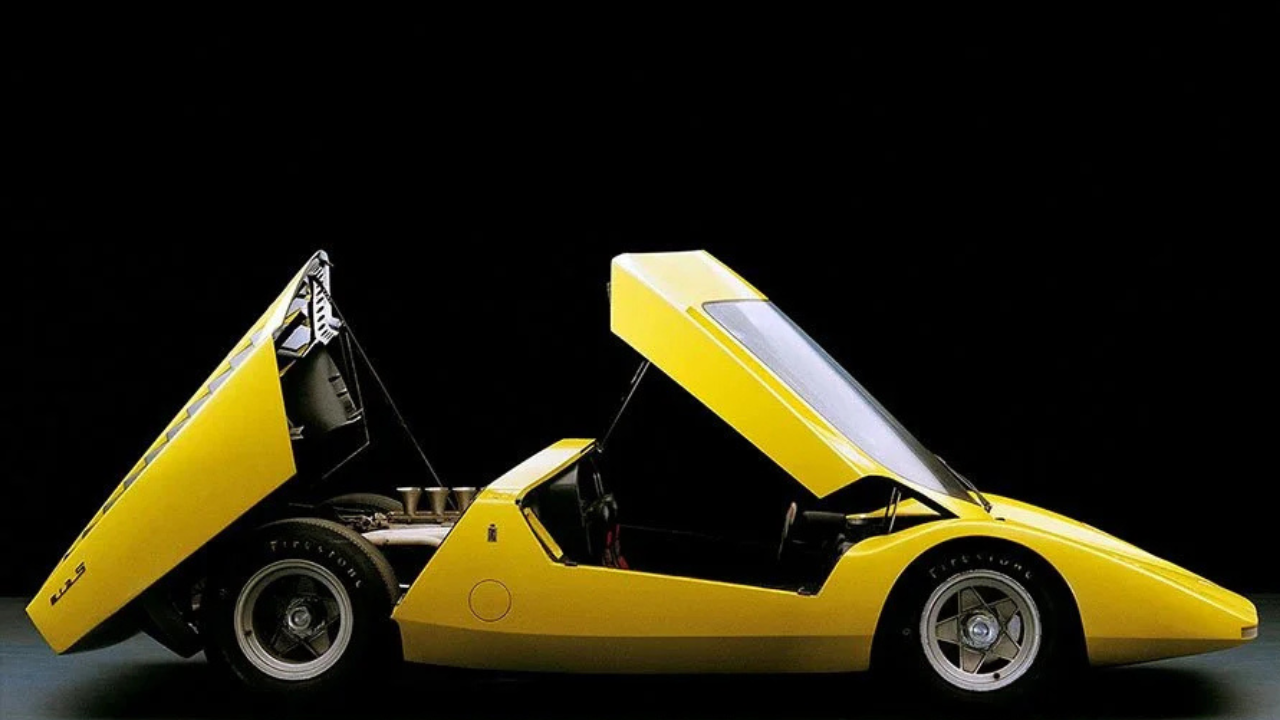
Unveiled a year before the Modulo made everyone question their understanding of physics, the 512 S Berlinetta Speciale was Pininfarina’s first attempt at predicting the future of sports car design. It was like a rough draft of the wedge-shaped revolution that would dominate the ’70s.
This concept makes our list because timing is everything in the automotive world, and Ferrari had a chance to be first to market with the angular aesthetic that would define an entire decade. While everyone else was still drawing curves, Ferrari could have been selling geometric poetry. Instead, they let Lamborghini claim the wedge crown with the Countach, a decision that probably still keeps some Maranello executives awake at night.
The 512 S Berlinetta Speciale wasn’t just ahead of its time; it was practically time travel. If Ferrari had green-lit even a limited run, they could have set the visual template for every supercar poster that adorned bedroom walls throughout the 1970s.
Ferrari FZ93
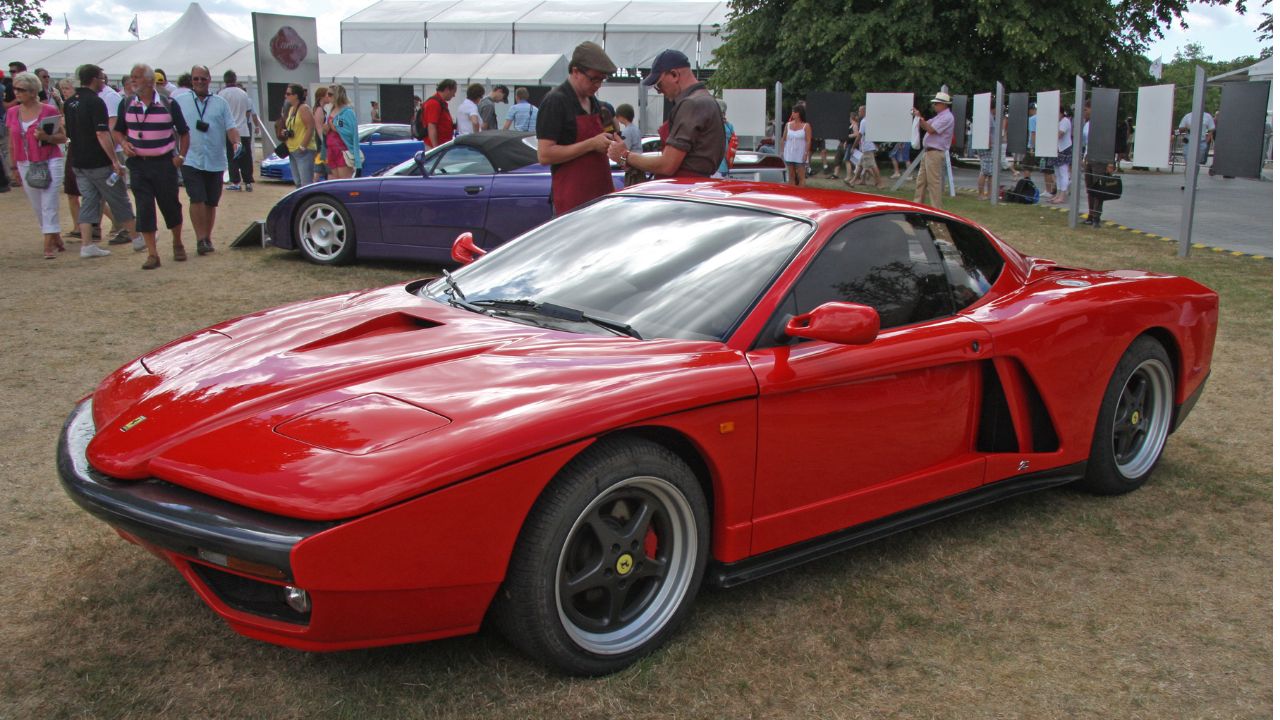
The Ferrari FZ93 was what happened when Ferrari let Zagato loose in their design sandbox, and Zagato decided to build something that looked like it was designed by a very talented robot with strong opinions about geometry. This angular departure from Ferrari’s flowing language divided opinion faster than pineapple on pizza debates.
The FZ93 represented a fascinating “what if” scenario: what if Ferrari had embraced a more avant-garde aesthetic during the early ’90s? This could have been Ferrari’s answer to the increasingly geometric supercars emerging from other manufacturers. A production FZ93 would have given Ferrari a foothold in the “angular and proud of it” market segment.
Sure, it might have confused traditionalists who expected flowing Pininfarina curves, but it could have attracted collectors seeking something genuinely unique. In today’s market where exclusivity trumps almost everything else, an original FZ93 would probably be worth more than some people’s houses.
Ferrari Pinin
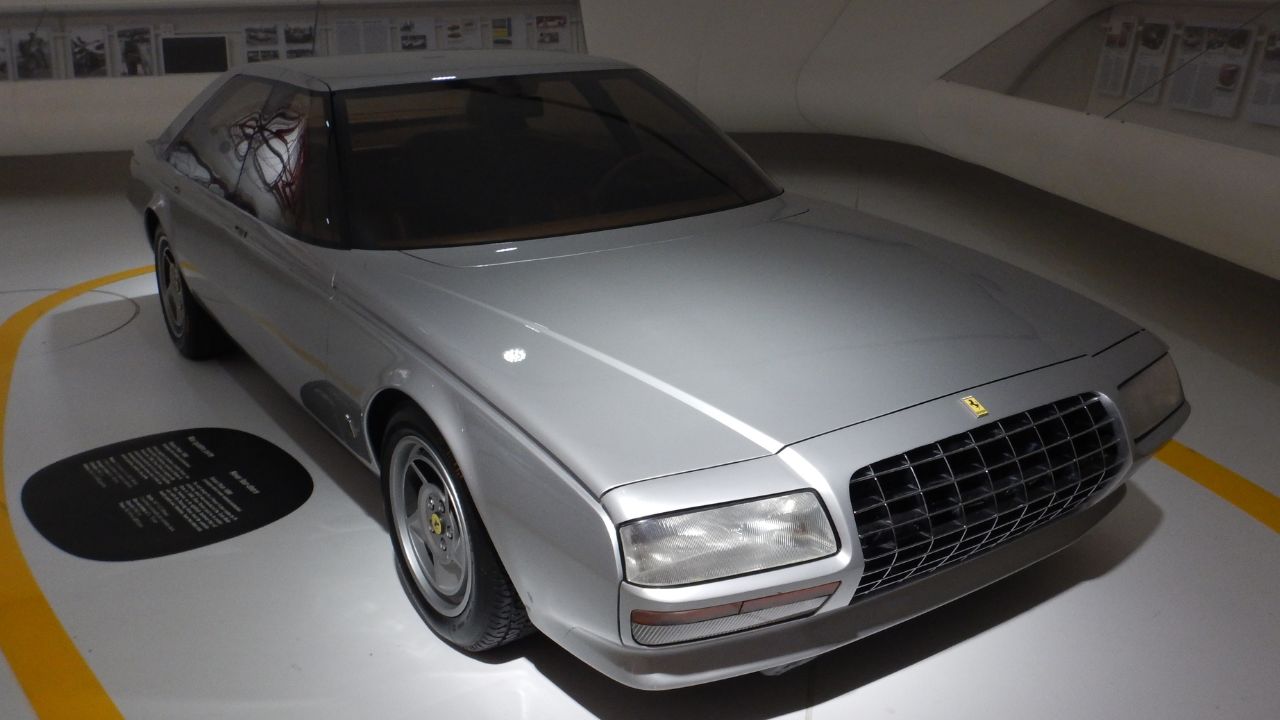
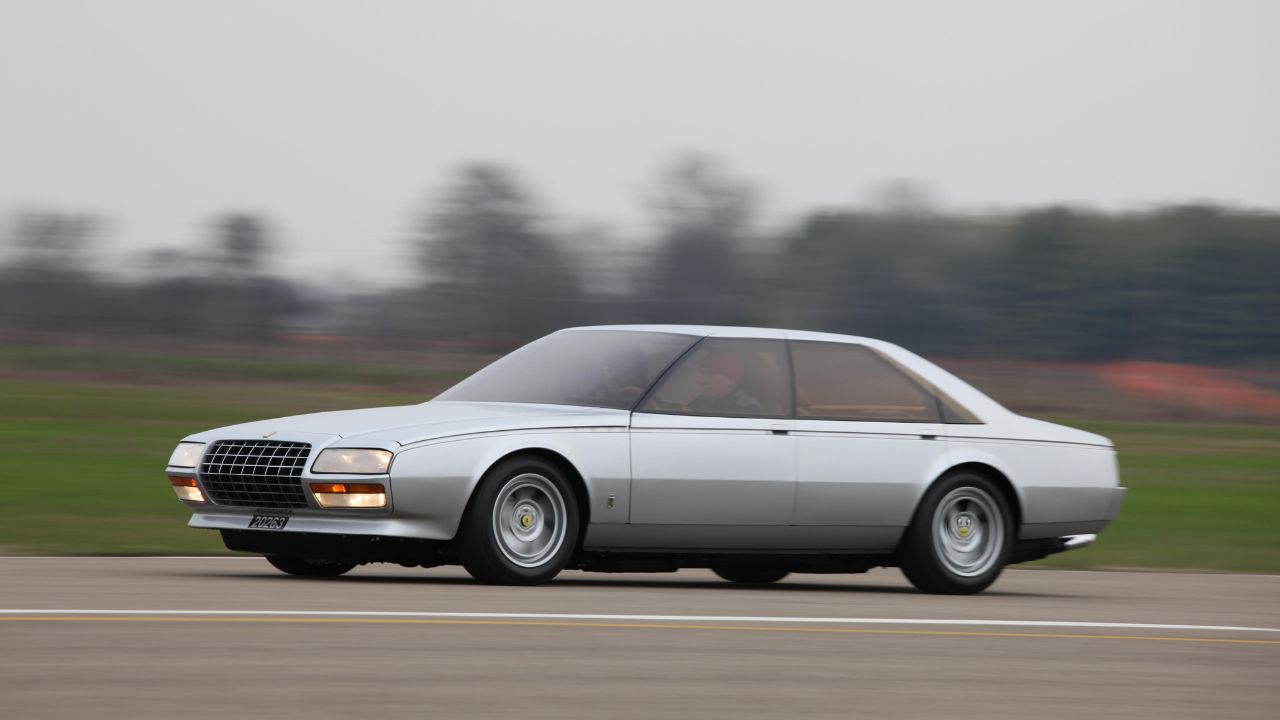
The Ferrari Pinin dropped at the 1980 Turin Motor Show like a bomb in the luxury sedan establishment. Here was Ferrari, the company that built two-door dreams, suddenly presenting a four-door concept that looked like it could chauffeur James Bond to his day job.
Styled around Ferrari flat-12 hardware (often cited as the 4.9-liter unit in roughly 360 hp tune), the Pinin wasn’t just a sedan with a Ferrari badge slapped on it. The flat-12 placement allowed designers to achieve a much lower hood profile than the conventional V12 in the standard 400, creating proportions that actually worked.
The Pinin could have beaten Porsche to the luxury four-door exotic game by decades. While Porsche was still figuring out how to make the 928 appeal to anyone, Ferrari could have been selling practical exotica to wealthy families who needed to transport more than one passenger without looking like they were having a midlife crisis.
Imagine the timeline where Ferrari created the ultra-luxury sedan segment in 1980. We might have been spared decades of “family-friendly supercars” and gone straight to “supercars that happen to have four doors.”
Ferrari Dino 206 Competizione
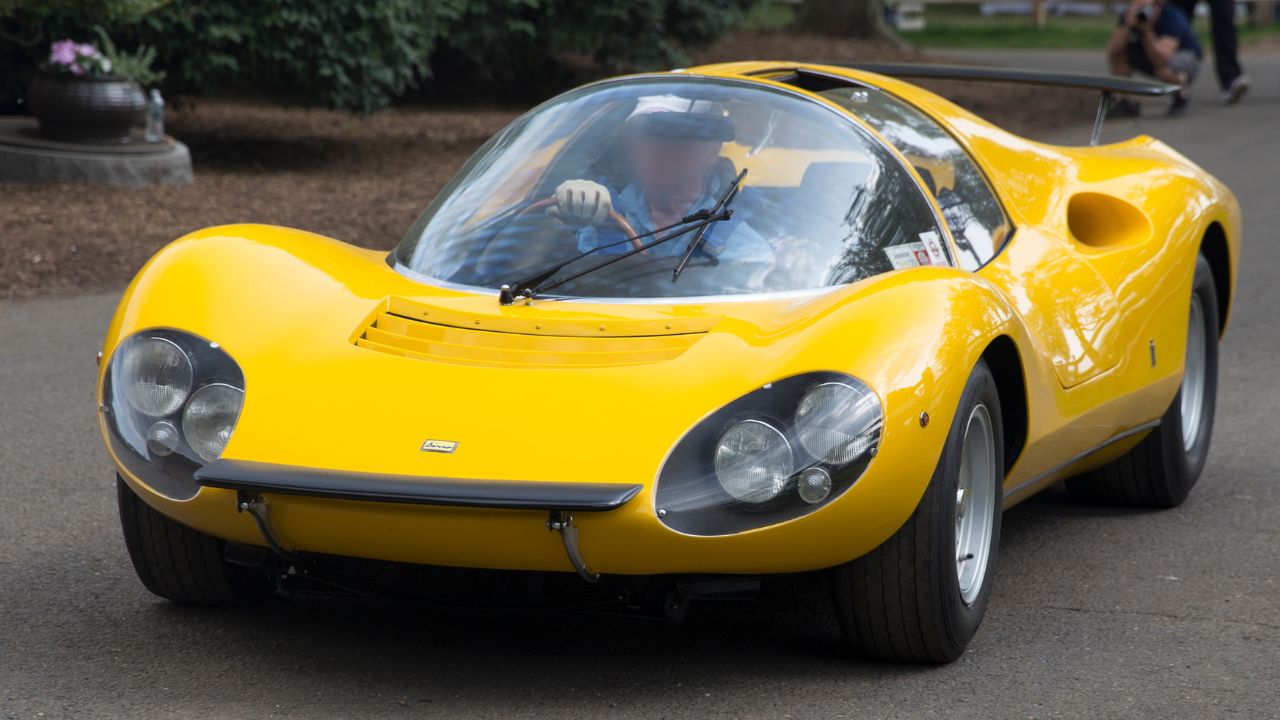
The Dino 206 Competizione was Ferrari’s attempt to create the perfect lightweight sports car recipe: take one gorgeous body, add race-inspired aerodynamics, subtract everything unnecessary, and serve with aggressive stance. It looked like it was ready to dominate both road and track without breaking a sweat (and with a smile).
This concept represented Ferrari’s thinking about smaller, more accessible performance cars: the kind of vehicle that could expand their customer base without diluting the brand. The 206 Competizione could have evolved into a production mid-engined sports car that made exotic performance attainable for mere mortals instead of just oil sheiks.
Ferrari was clearly thinking about market expansion in the late ’60s, and the 206 Competizione could have been their answer to the growing demand for nimble, engaging sports cars. Instead, we had to wait for other manufacturers to figure out that not everyone needed 400+ horsepower to have fun.
Ferrari GG50
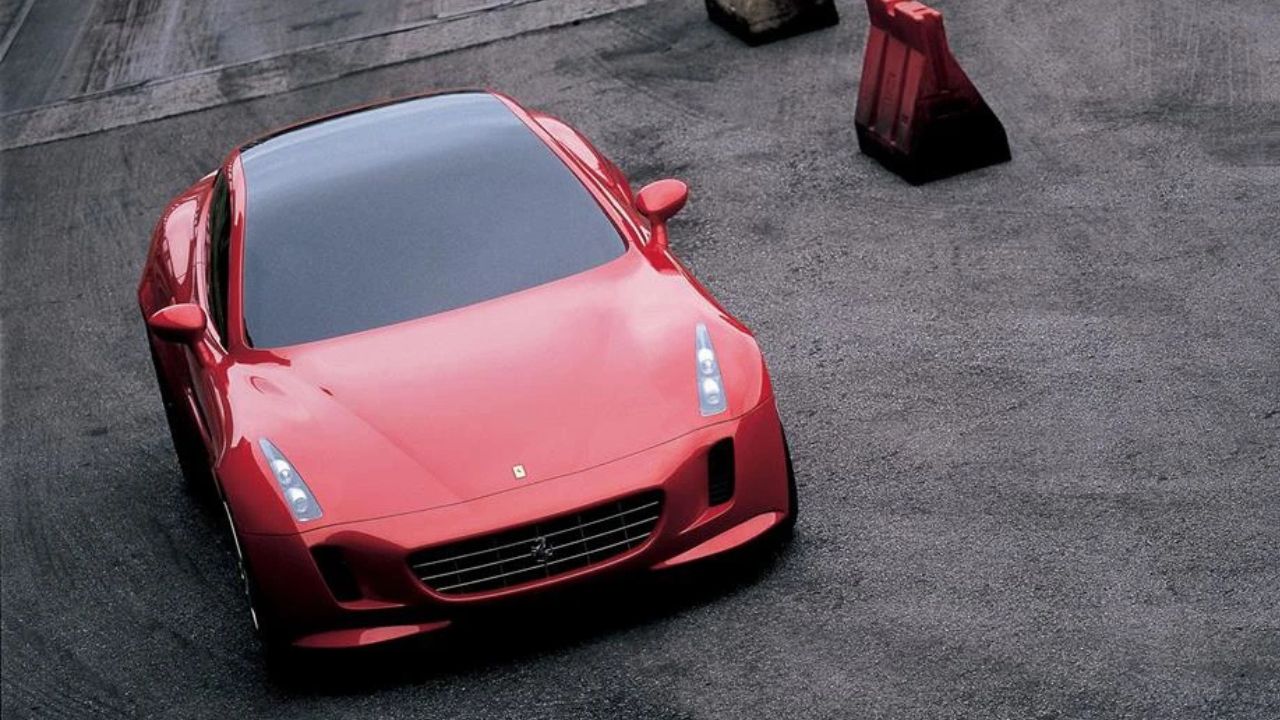
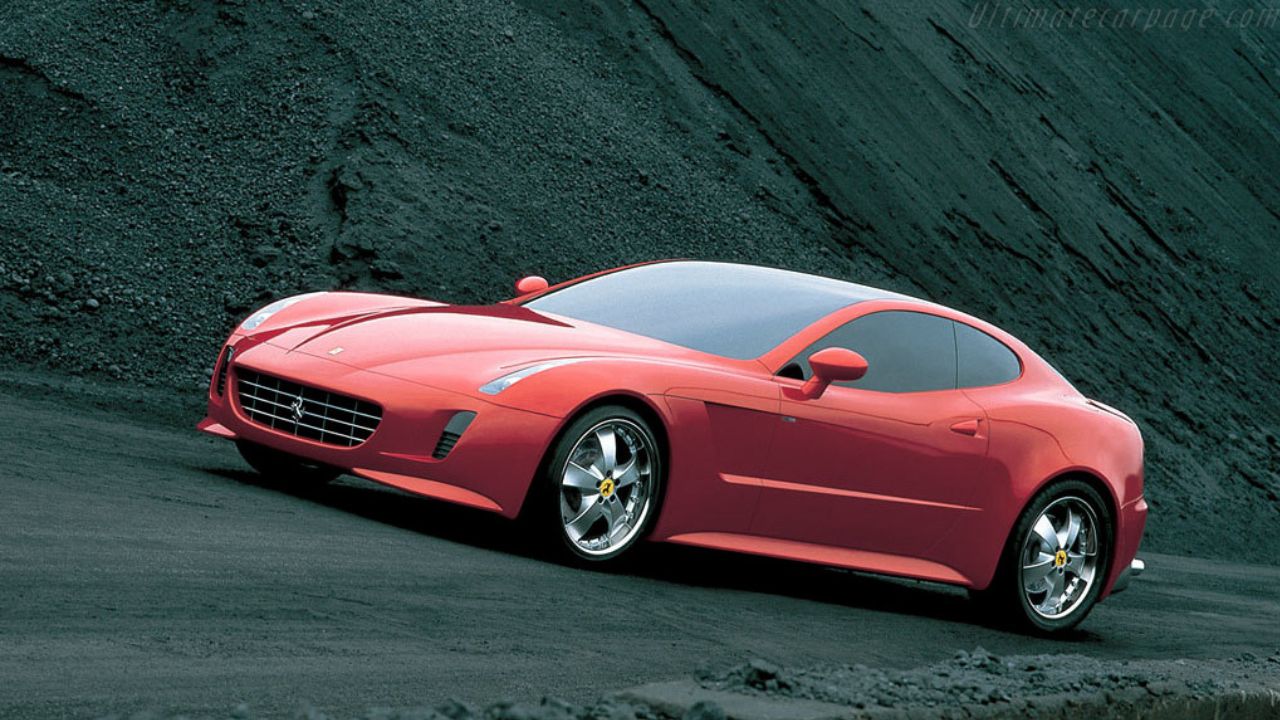
Created by Giorgetto Giugiaro for his 50th anniversary in automotive design (because apparently that’s how legends celebrate milestones), the GG50 was a shooting brake-style Ferrari that managed to blend grand touring comfort with actual practicality. It was like someone finally asked, “What if a Ferrari could carry your golf clubs without requiring a separate vehicle?”
The GG50 could have introduced a completely new body style to Ferrari’s lineup decades before anyone started using phrases like “lifestyle vehicle” or “luxury crossover.” This was Ferrari’s chance to corner the market on practical exotics before the segment even had a name.
Instead of waiting until 2022 to build the Purosangue and argue with purists about whether SUVs belong in Maranello, Ferrari could have been selling stylish, practical grand tourers to customers who wanted performance and functionality. The GG50 proved that utility and beauty weren’t mutually exclusive, a lesson the industry took another 15 years to fully embrace.
Ferrari Sergio
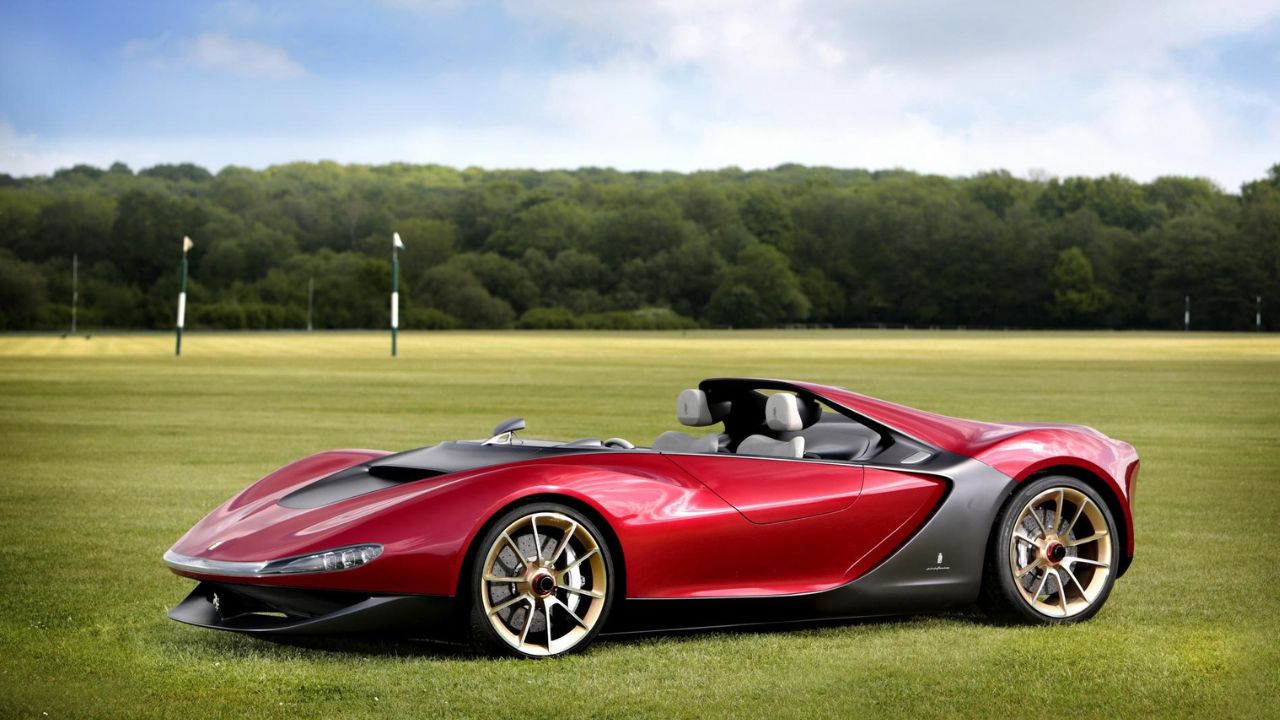
The Pininfarina Sergio, revealed at the 2013 Geneva Motor Show as a tribute to Sergio Pininfarina, was built around the 458 platform with a completely new carbon fiber body. It featured unique 21″ wheels, a bespoke engine cover with round holes inspired by the Ferrari Modulo, and eliminated the windshield entirely, relying on a “virtual windshield” system that deployed at 31 mph.
While Ferrari eventually built six modified production versions for select clients, the original concept’s pure, minimalist form was never fully realized for a broader audience. This open-cockpit barchetta showcased how contemporary performance could be wrapped in bold, wind-in-your-hair design that made every other convertible look overdressed.
A small-scale production run, maintaining the concept’s original show car configuration, could have created one of the most desirable modern Ferraris ever built. Instead, the production versions got sensible things like windshields and safety equipment; practical decisions that somehow made the cars less special in the process.
The Ferraris That Were Never Made But Still Desired
Looking back at these concepts, there’s a clear pattern: Ferrari has consistently dared to dream bigger than their production schedules allowed. Whether it was an extreme styling experiment, a bold collaboration with an innovative design house, or a technological showcase meant to demonstrate engineering prowess, each of these cars carried genuine potential to alter Ferrari’s trajectory.
By not building them, Ferrari maintained focus on their core models and preserved resources for proven winners, a strategy that’s obviously worked well for them financially. However, they also missed opportunities to expand their influence into new visual and cultural territories that could have established them as leaders in segments they’re only now entering.
Some of these concepts might have been impractical in their original form, but with the kind of refinement Ferrari excels at, they could have become highly sought-after collector’s items. In today’s market, where limited-run hypercars routinely sell for millions and design-driven exclusives command premium prices, it’s impossible not to wonder how these “what-ifs” would perform at auction.
For enthusiasts, these concepts remain fascinating reminders of Ferrari’s willingness to explore the outer edges of automotive design. They represent paths not taken, opportunities missed, and most importantly, proof that Ferrari’s best ideas don’t always make it to production. Sometimes, the cars that never were can be just as compelling as the ones sitting in our driveways, or at least the ones we dream about sitting in our driveways.
The real tragedy isn’t that these cars were never built: it’s that we’ll never know just how much better the automotive landscape might have been if Ferrari had taken a few more risks. As boring EV SUVs take over the marketplace and roads, I can’t help but beg once more: Ferrari, please, more audacity!