
When you think of performance cars, you probably picture smooth pavement, apexes, and the occasional tunnel pull. However, a rare breed of machines laughed at that limitation. These were sports cars built to leave the road behind and throw dirt, sand, and snow into the air at full throttle.
From factory rally weapons to lifted exotics on a mission, these cars mixed horsepower with grit and turned the wilderness into their personal playground. They thrived off the pavement, laughing at bigger rigs that couldn’t keep up. This list dives into ten wild creations that brought performance to the dirt and proved that a real sports car doesn’t need perfect asphalt to have a perfect day.
Porsche 911 Dakar
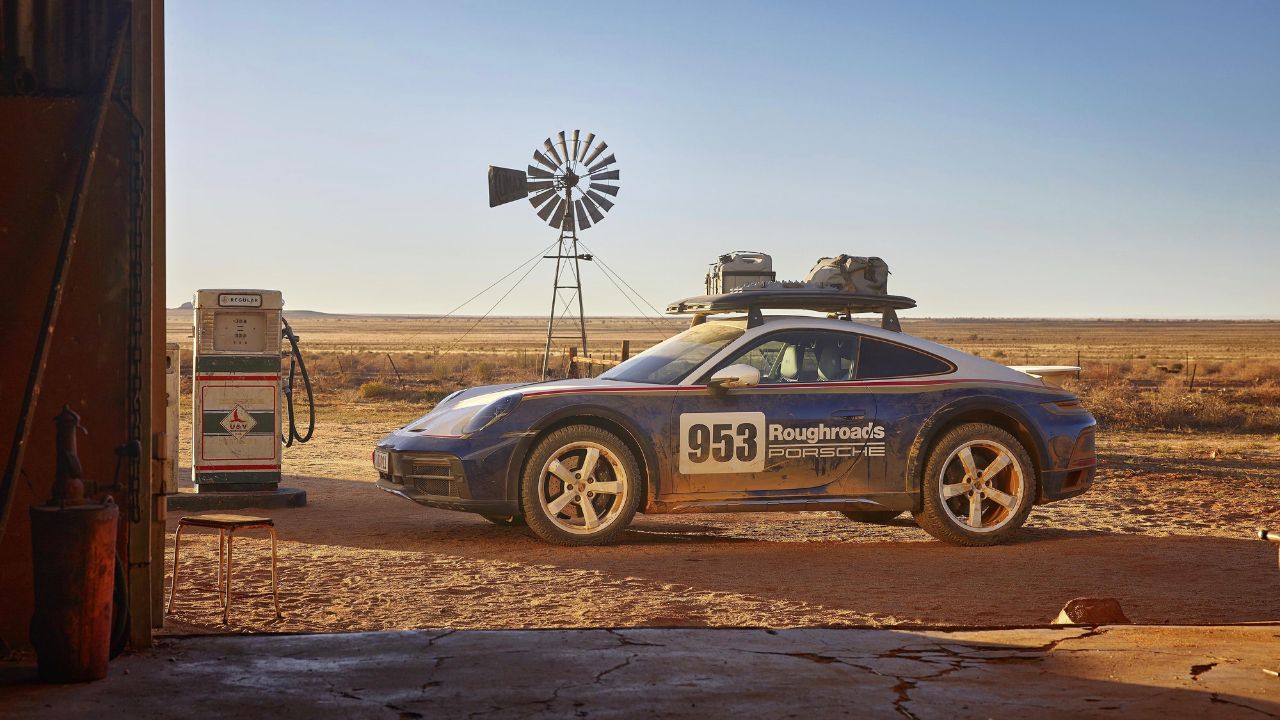
Porsche created the 911 Dakar as a tribute to its rally heritage and victories in events like the Paris-Dakar Rally, using increased ground clearance, reinforced bodywork, and rally-spec suspension to handle sand dunes and rocky trails.
Power from a twin-turbo flat-six delivers brisk acceleration across varied terrain, and a dedicated rally driving mode optimizes traction on loose surfaces. Wheel travel allows the car to soak up bumps with stability, and all-terrain tires provide grip for desert runs and forest tracks.
Acceleration from zero to sixty takes just over three seconds, and inside, sport seats and minimalist trim keep focus on the driving experience. Each element works toward high-speed adventure in places most sports cars never reach, blending capability, style, and rally inspiration in one rare package.
Lamborghini Huracan Sterrato
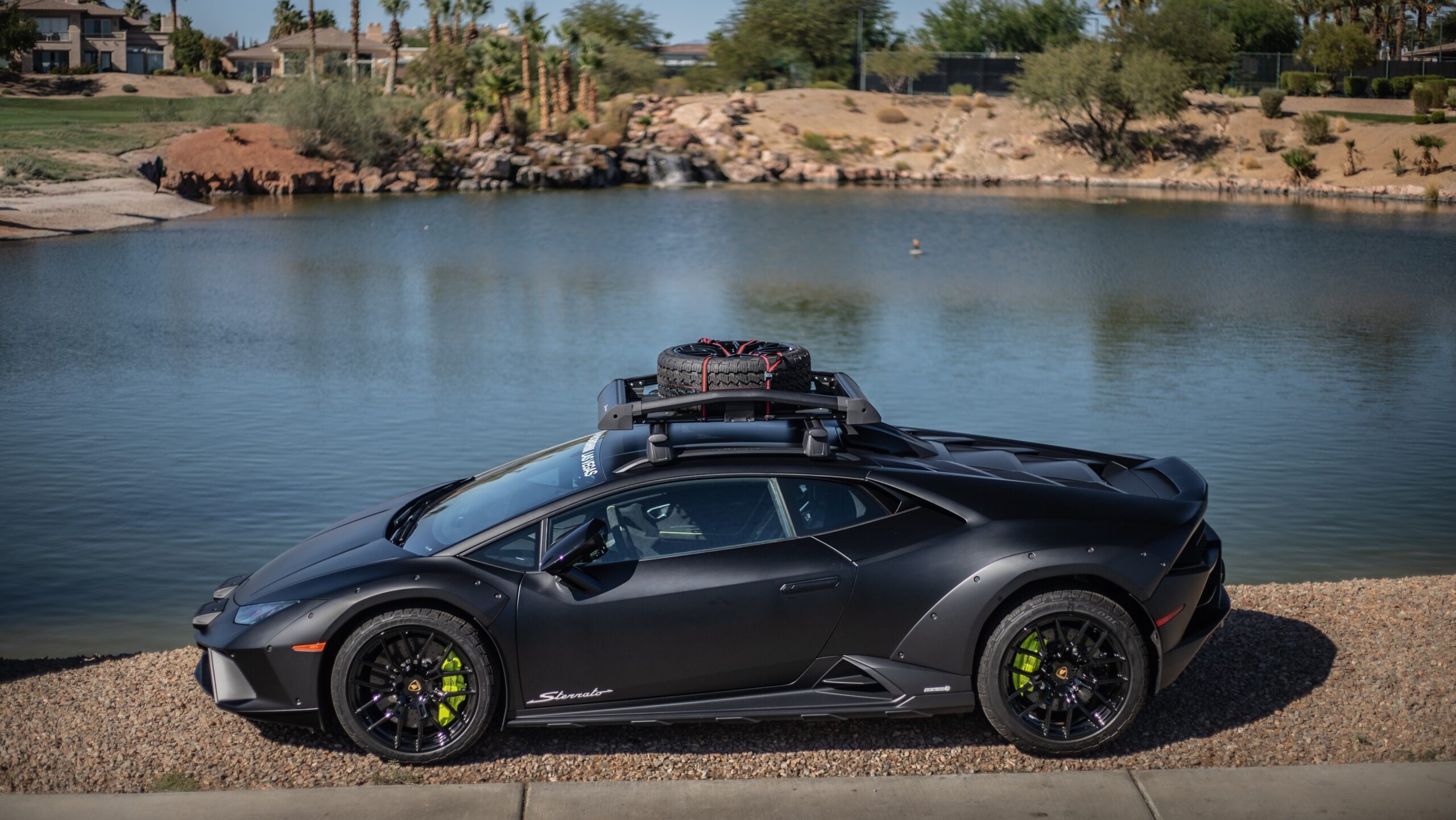
Lamborghini built the Huracan Sterrato to extend its V10 supercar lineage into rugged territory, raising the suspension to clear obstacles and adding protective cladding around wheel arches. Special tires offer strong traction on gravel and dirt while preserving cornering balance, and the naturally aspirated V10 provides urgent response at every throttle press.
Acceleration to sixty miles per hour takes a little over three seconds on pavement, and enhanced underbody protection shields vital components from stones. Steering tuning blends road precision with off-road adaptability, and the cockpit remains driver-focused with clear instrumentation and purposeful seating.
The Huracán Sterrato thrives on the challenge of untamed landscapes, carrying Lamborghini performance into a new realm of dust, gravel, and adventure-ready elegance.
Lancia Stratos HF

Lancia designed the Stratos HF for rally dominance, giving it a wedge-shaped body, short wheelbase, and wide track for agility on twisting dirt roads. Lightweight construction aids acceleration and sharp changes in direction, and a mid-mounted V6 propels it to 60 miles per hour in roughly the 6 to 7 second range, depending on spec and test.
Suspension travel suits uneven rally stages while keeping handling responsive, and body contours direct airflow effectively at speed. Large round headlights and a wraparound windshield improve visibility in changing light, and inside, simple gauges and firm seating reflect its motorsport purpose.
Tires with deep tread patterns grip loose gravel while maintaining speed, and the Stratos HF is remembered as a benchmark of 1970s rally performance, with a design that is still loved today.
Audi Quattro A2 Rally
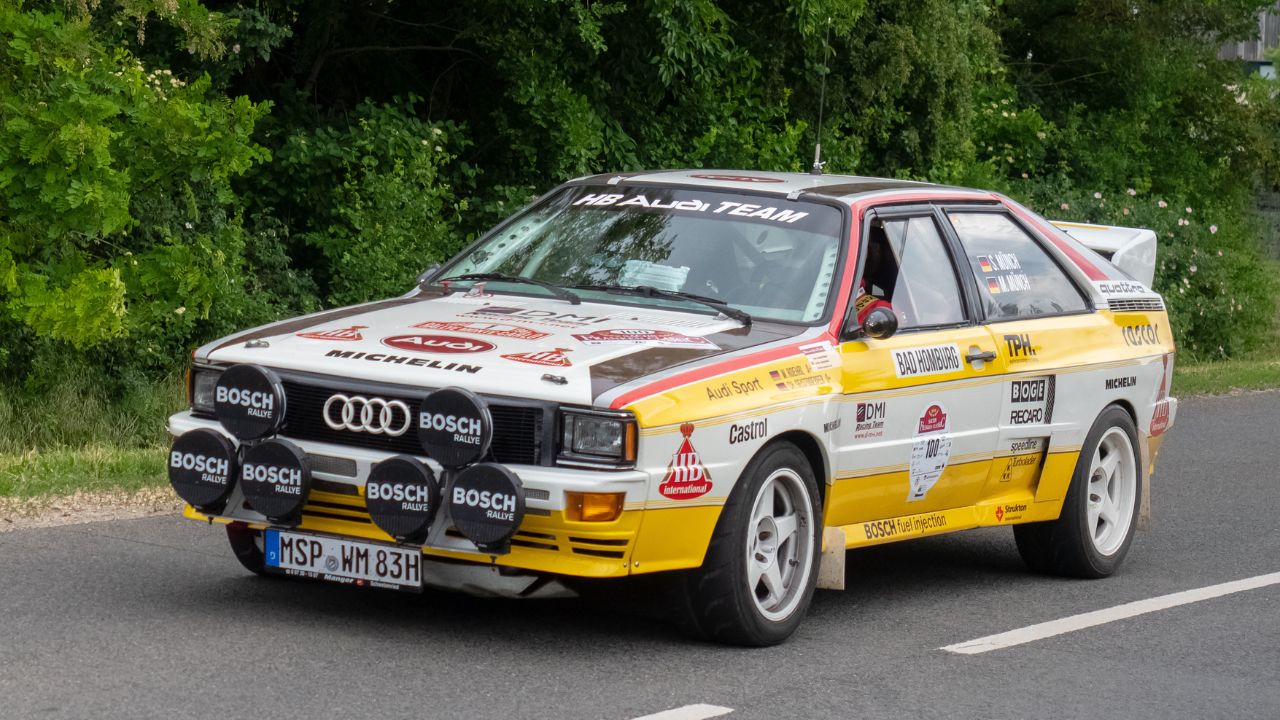
Audi transformed rallying in the 1980s with the Quattro A2, introducing advanced all-wheel-drive technology to the sport and changing competition forever. Turbocharged power sent the car to 60 miles per hour in about 6 seconds, and the drivetrain provided exceptional grip on snow, gravel, and tarmac.
Lightweight body panels improved agility, and suspension systems absorbed the punishment of high-speed runs over ruts and jumps. Aerodynamic aids enhanced stability during long stages, and the cockpit layout kept navigation and driving controls within easy reach.
Large wheel arches housed tires designed for maximum bite on loose surfaces, and iconic factory liveries made it one of the most recognizable cars in rally history. The Quattro A2 stands as both a technological milestone and a pure off-road performance legend.
Aston Martin DBX707

Its twin turbocharged V8 launches it to sixty miles per hour in about 3 seconds, and drive modes help manage traction and stability across changing conditions.
It is not equipped from the factory with rally spec skid plates or dedicated off road tires, so serious trail use still calls for added protection and appropriate rubber, but the DBX707 shows how supercar pace can coexist with real world versatility.
Ferrari 308 GTB Group 4 Rally
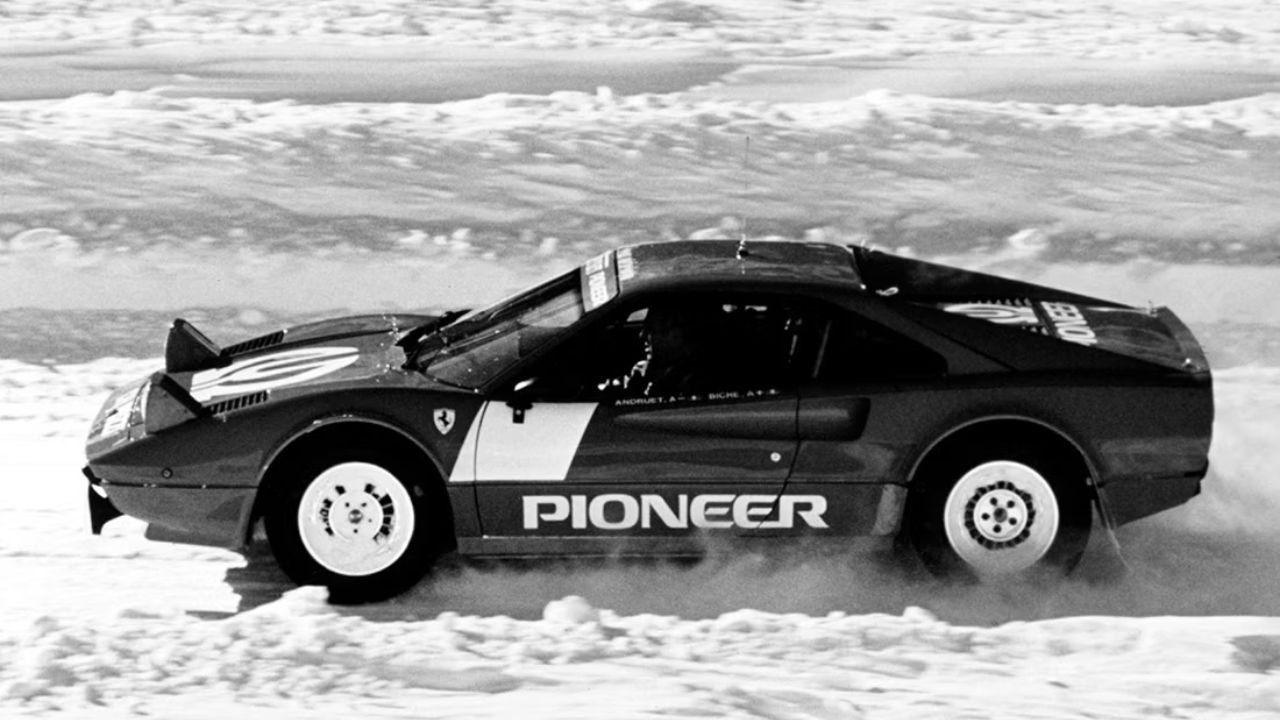
Ferrari adapted the 308 GTB for Group 4 rally competition, strengthening the suspension to handle rough stages and using a V8 that sends it to sixty miles per hour in about six seconds. Wide wheels carry tires built for grip on loose stone, and lightweight body panels keep performance sharp on varied terrain.
Aerodynamic tweaks improve stability at rally speeds, and the stripped-down interior focuses attention on navigation and driving precision.
Roll cages add safety during competitive runs, and bright liveries make the car stand out in historic rally photographs. The 308 GTB proved that Italian style and off-road capability can thrive together in one striking package.
Renault 5 Turbo
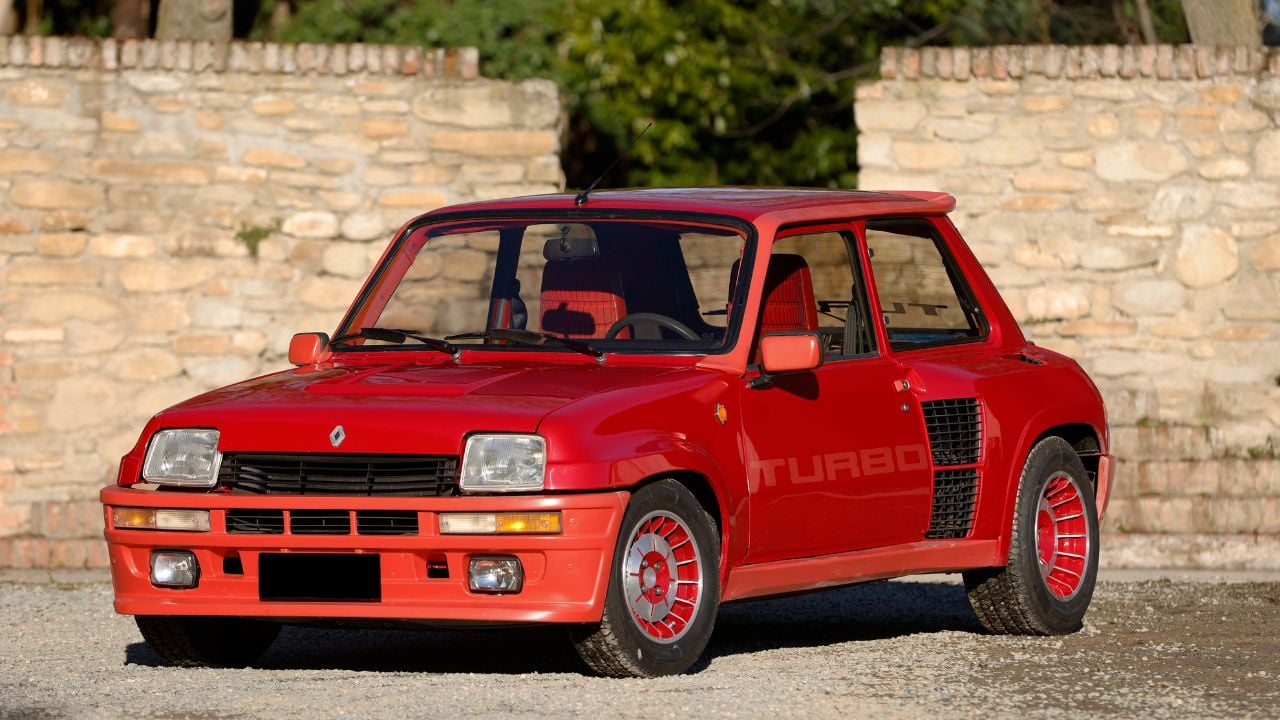
Renault developed the 5 Turbo as a rear-engined hot hatch for rally competition, featuring flared arches, wide tires, and a turbocharged four-cylinder that reaches 60 miles per hour in about 6 seconds.
Short overhangs improve approach angles on rugged routes, and suspension tuning allows rapid transitions between loose and hard surfaces. Side air intakes feed cool air to the engine, and the minimalist interior with supportive seats keeps weight low for long stages.
Livery designs capture the vibrant rally scene of the early 1980s, and the car’s compact dimensions give it an edge on tight, technical sections. The Renault 5 Turbo stands as a rally-bred icon with a distinctive profile and spirited performance.
Ford RS200

Ford created the RS200 for Group B rallying, blending a mid-engine layout with advanced suspension and all-wheel drive for grip on snow, gravel, and tarmac.
A turbocharged engine launches it to sixty miles per hour in about five seconds, and lightweight panels with balanced weight distribution ensure agility. Suspension travel allows confident landings after jumps, and large glass areas improve visibility in varied conditions.
The functional cabin keeps essential controls within easy reach, and aerodynamic shapes channel air efficiently at high speeds. Tires with aggressive tread patterns bite into soft surfaces, and the RS200 remains a daring design that defined a rally era.
Toyota Celica GT-Four ST185
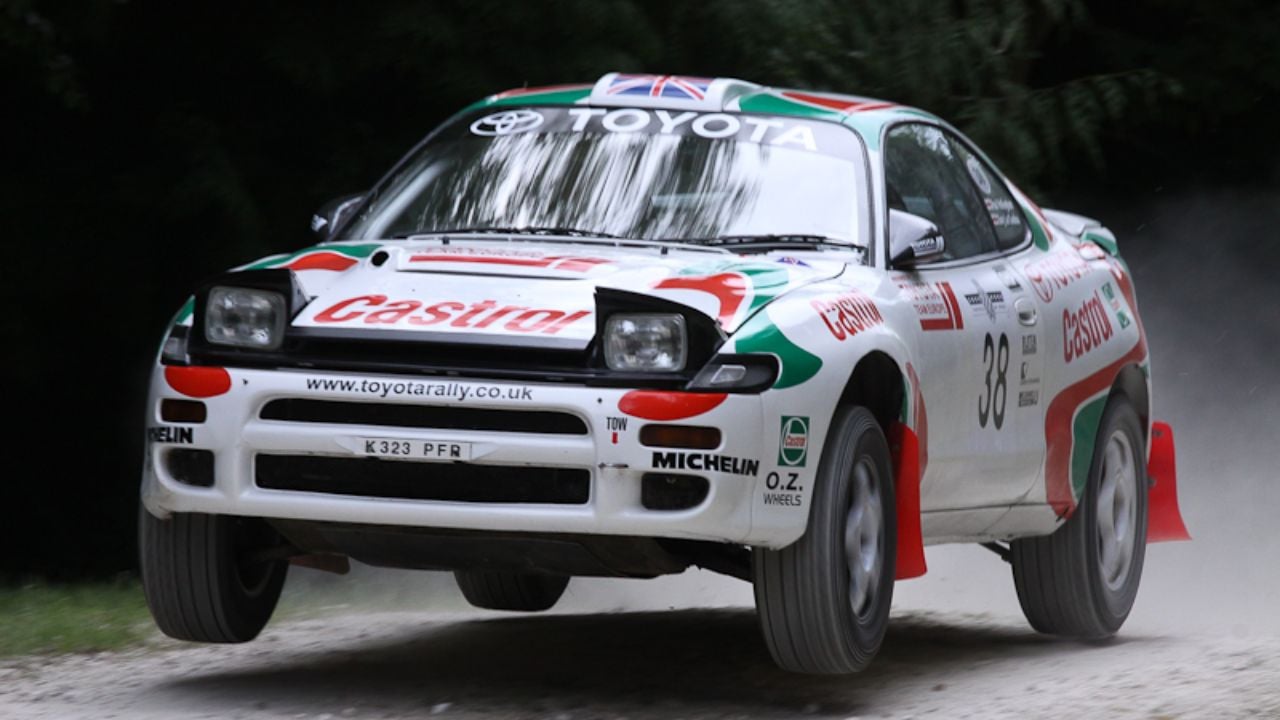
Toyota built the Celica GT-Four ST185 to dominate the World Rally Championship, using a turbocharged engine and all-wheel-drive system to reach sixty miles per hour in roughly the 7-second range, depending on version and test.
Sturdy suspension parts handle rocky stages, and aerodynamic aids keep the car stable at rally speeds. Wide arches fit rally-spec tires, and precise steering inspires confidence on gravel.
Inside, the cabin features essential rally equipment, a comfortable driving position, and heat-resistant materials that maintain performance under heavy use. Livery schemes became instantly recognizable in motorsport, and the ST185 stands among Toyota’s greatest rally successes with a proven record of wins.
Subaru Impreza WRX STI 22B

Subaru released the WRX STI 22B to celebrate its rally victories, giving it wide-body panels, flared arches, and a turbocharged flat-four that reaches 60 miles per hour in around 5 seconds depending on test conditions.
All-wheel drive with adjustable differentials boosts grip on every surface, and suspension settings balance comfort with control. Large wings and splitters guide airflow for stability at speed, and the interior pairs rally controls with ergonomic seating. Tires handle dirt, snow, and wet tarmac with ease, and the exhaust carries a distinctive boxer rumble through mountain passes. The 22B remains a prime example of rally-bred performance adapted for the road.
Why These Off-Road Performance Cars Still Capture Our Imagination

That’s ultimately the appeal of off-road sports cars. On paper, they sound like a contradiction, but in real life, they’re often easier to justify than traditional performance cars. They offer speed and engagement when the road is good while remaining usable when conditions aren’t ideal. Bad weather, rough pavement, gravel roads, or the occasional detour don’t immediately turn the drive into a liability.
They’re also the kind of cars you can make a barely plausible pitch for to a spouse or partner. Sensible enough for real weather, real roads, and real use, at least in theory. Of course, most car spouses can probably see right through the argument when it turns into a pitch for something like a Mustang Raptor as a “family car,” but we can’t blame anyone for trying.
That balance is what keeps these cars interesting.