

Look, we get it. Your 401k has seen better days, your kids keep asking for money, and your spouse thinks your midlife crisis should involve a gym membership, not another car. However, just because you’re not swimming in Scrooge McDuck money doesn’t mean you have to drive like you’ve given up on life. The used car market is absolutely loaded with machines that’ll make passersby crane their necks, your coworkers jealous, and your insurance agent very, very nervous.
Being into cars as a hobby doesn’t have to be dangerous for your savings account. You can enjoy your drive and car meets without spending a fortune. We’re talking about cars with real stories: not the sanitized marketing fluff that comes with new rides, but actual battle scars, racing pedigree, and the kind of character that only comes from being built when engineers still cared more about going fast than meeting EPA regulations.
These are vehicles that whisper (or sometimes scream) about their glory days while sitting in your driveway, making your neighbor’s Prius look like it’s having an existential crisis.
Whether you’re drawn to the sweet song of a naturally aspirated V8, the surgical precision of German over-engineering, or the barely-contained chaos of Japanese turbocharged madness, we’ve found 14 machines that punch so far above their price class they probably violated some sort of physics law in the process.
How We Picked These Cars: The “$15K Thrill Test”

We all look for different things while at car shows. Some of us are immediately drawn to the sports cars — we wanna know their top speed, their track experience — and some of us see a raised truck and can’t stop fantasizing about the off-road adventures they’ve had. So we wanted to include a bit of everything.
Of course, there’s a bit of bias here. Everyone has different tastes, and some of these $15K and under cars may make you scoff while your friend drools. So we just picked vehicles that have a passionate fan base for a built-in group of people at car meets that will admire your new ride. Not all of these cars are fast. It’s about presence, community love, reliability… It’s about getting attention at a car meet, really!
If a car looks great standing still, sounds aggressive, and feels rewarding to drive, it made the cut. That left us with 17 awesome rides that will make your next meet feel like a red carpet event, but with more food trucks and less paparazzi.
Cadillac CTS-V (First Generation)
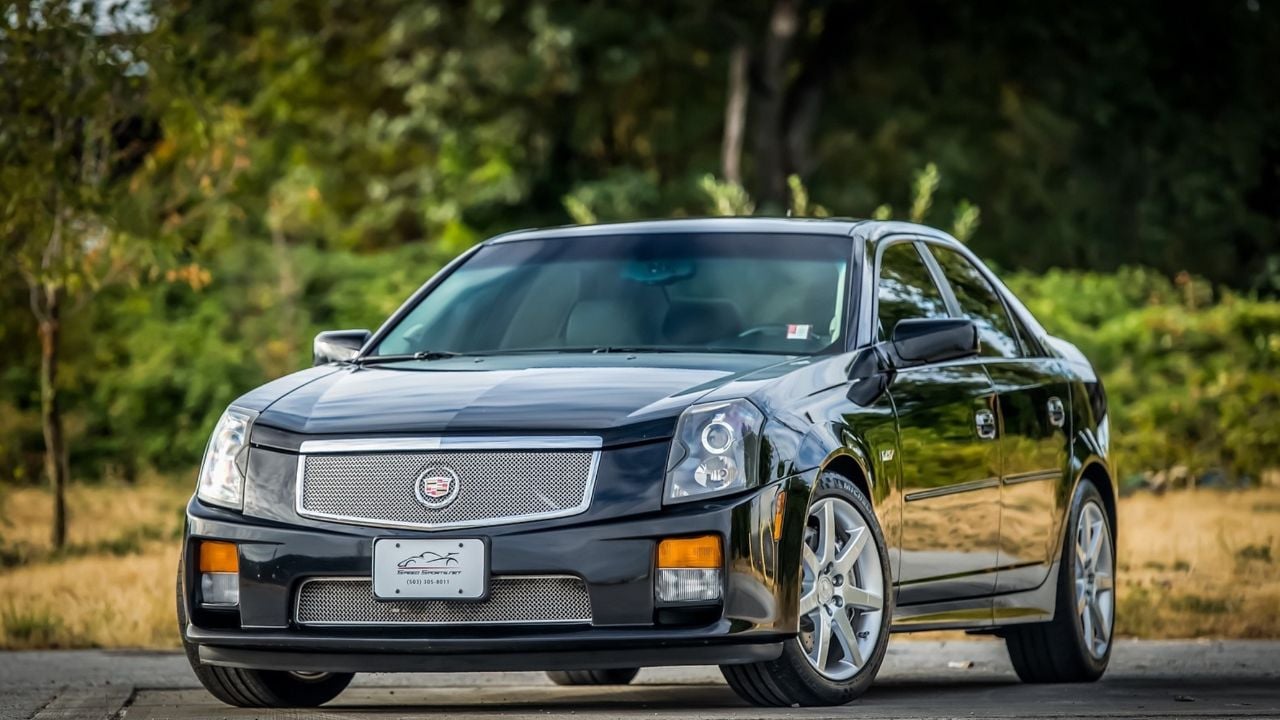
Back in 2004, Cadillac looked around at BMW’s M5 dominance and said, “Hold my Budweiser.” The result was the first-gen CTS-V, a car that proved Americans could build a four-door missile that didn’t handle like a drunk aircraft carrier. With 400 horsepower from a 5.7L LS6 V8 (the same heart that beat in the C5 Corvette Z06), this sedan was GM’s taunt to everyone who said American luxury meant velour and fake wood grain.
The CTS-V was Cadillac’s first real attempt at building a sports sedan that Europeans wouldn’t laugh at, and honestly, they nailed it. Art & Science design language gave it sharp, angular looks that still turn heads today — like a luxury sedan that went to anger management classes but didn’t really learn anything. The six-speed manual (yes, they actually offered one) made it a genuine driving experience, not just a fast couch.
Here’s the beautiful irony: it bombed in the marketplace because Americans weren’t ready for a Cadillac that required actual driving skill. Now those same Americans are paying $80k for Escalades that can’t corner. But their loss is your gain: you can snag a clean example for under $15K and confuse the heck out of BMW owners at Cars & Coffee this weekend.
Mitsubishi Lancer Evolution (Early X or Older)

The Evo exists because some mad Japanese engineers decided that winning rallies was more important than things like “comfort” or “fuel economy” or “not terrifying passengers.” Born from the World Rally Championship’s Group A regulations, every Evolution was basically a street-legal rally car with air conditioning grudgingly bolted on.
Early Evo X models and pristine examples of older generations are creeping into the $15K range, which is frankly criminal considering what you’re getting. We’re talking about a car with a turbocharged 2.0L engine (the same block that powered drag racers to 1000+ hp), an all-wheel-drive system that could teach physics professors a thing or two about grip, and enough aerodynamic addenda to make a Formula 1 car jealous.
The beauty of Evos is that they wear their intentions on their sleeves. That massive rear wing isn’t for show – it actually does something at speeds you definitely shouldn’t be doing on public roads. The wide fender flares, aggressive front splitter, and hood vents all serve functional purposes, unlike the fake vents on modern cars that are about as useful as screen doors on submarines.
At any car meet, an Evo commands respect from people who know and confused stares from people who don’t. It’s a car that speaks fluent drift, rally stage, and “officer, I was just keeping up with traffic.” Plus, the aftermarket support is so extensive that you could probably rebuild one using only parts from Summit Racing.
Mazdaspeed3
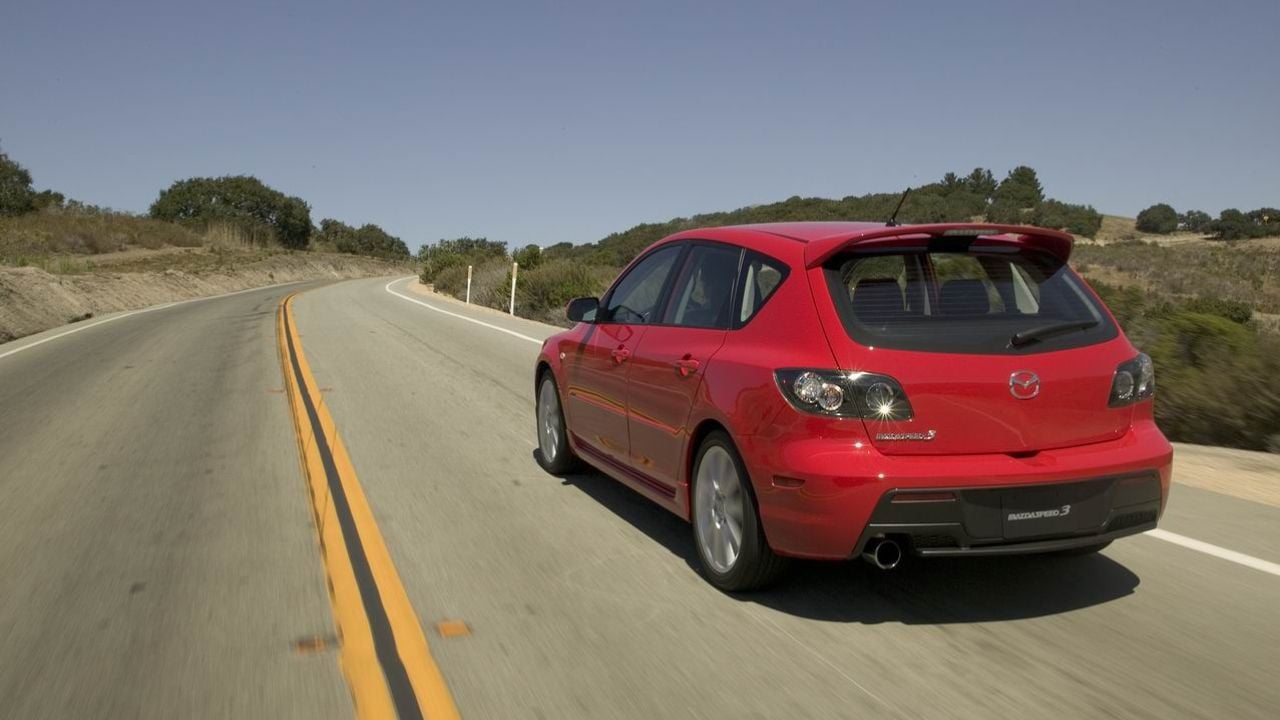
From 2007-2013, Mazda built the Speed3 as its answer to anyone who thought hot hatches had to choose between performance and practicality. This wasn’t just a regular Mazda3 with a turbo bolted on — it was a completely re-engineered machine that happened to share some body panels with its economy car sibling.
The 2.3L turbocharged four-cylinder produced 263-280 hp depending on the generation, all sent to the front wheels through a limited-slip differential and a six-speed manual transmission that was built for abuse. Peak torque came early and stayed strong, making it a genuine sleeper that could embarrass cars costing twice as much.
The chassis modifications were extensive. Stiffer springs, larger anti-roll bars, upgraded brakes, and suspension geometry tweaks that transformed the handling characteristics completely. It still suffered from the inherent limitations of front-wheel drive — torque steer was a real thing, and launch technique mattered — but in the right hands, it was devastatingly quick.
Visually, the Speed3 was subtly aggressive. A larger front bumper with functional air intakes, side skirts, a rear spoiler, and dual exhausts announced its intentions without looking like a teenager’s tuner project. The signature speed3 hood scoop was functional, feeding cold air to the top-mounted intercooler.
The aftermarket support is incredible, with everything from mild bolt-ons to complete engine builds available. The community is active and knowledgeable, making it easy to find advice and parts. Clean examples can be found under $15K, though the good ones are getting harder to find as people realize what excellent performance bargains they represent.
Hyundai Genesis Coupe

In 2010, Hyundai looked at the rear-wheel-drive sports car market and decided they wanted a piece of the action. The Genesis Coupe was their not-so-subtle announcement that Korean cars had evolved beyond being cheap transportation appliances. It was also proof that you could build a legitimate sports car without decades of racing heritage or exotic engineering degrees.
The Genesis Coupe came with two engine options, both of which delivered genuine performance. The 2.0T turbocharged four-cylinder produced 210-274 hp depending on the year and tune, while the 3.8L V6 delivered 306-348 hp in naturally aspirated glory. Both engines were backed by either a proper six-speed manual or a decent automatic, and the whole package felt surprisingly cohesive for a company’s first attempt at a sports car.
The styling was aggressive without being cartoonish: long hood, wide stance, and just enough visual drama to announce its sporting intentions. It looked like Hyundai’s designers had actually studied what made sports cars appealing instead of just checking boxes on a focus group survey. The interior was functional and well-built, even if it wasn’t going to win any luxury awards.
More importantly, the Genesis Coupe drove like a proper sports car. The chassis was well-balanced, the steering was communicative, and the whole package felt like it was engineered by people who understood weight transfer and corner dynamics. The aftermarket embraced it early, and now there’s enough tuning support to build serious power.
Genesis Coupes are solid performers available well under $15K, especially the earlier models. They’re reliable, parts are reasonable, and they offer genuine rear-wheel-drive sports car performance without the premium associated with European or Japanese alternatives.
Lexus IS300 (Early 2000s)

In 2001, Lexus looked at the BMW 3 Series and thought, “We can build that, but make it actually reliable.” The IS300 was their answer — a compact sport sedan that wrapped Toyota’s legendary 2JZ-GE inline-six in a tuxedo and gave it perfect manners. It was sophistication with a secret wild side, like a librarian who drag races on weekends.
The 2JZ engine is pure automotive royalty. It’s the same basic architecture that powered the legendary Supra Turbo, just without the turbos. This naturally aspirated version makes 215 hp and sounds like angels singing in I6 harmony. More importantly, it has bulletproof internals that can handle power upgrades that would reduce other engines to expensive scrap metal.
Rear-wheel drive made it a favorite among drifters who appreciated its predictable handling characteristics and relatively affordable repair costs. The manual transmission cars are increasingly rare and valuable, but even the automatic versions are solid performers that age gracefully.
The IS300’s styling was clean and understated when new, and it’s aged like fine wine. No ridiculous body cladding, no fake vents, just honest proportions and details that work. At car meets, it fits seamlessly among JDM legends while offering the reliability that lets you actually drive it there instead of having it towed.
Lexus SC (SC300 or SC400)
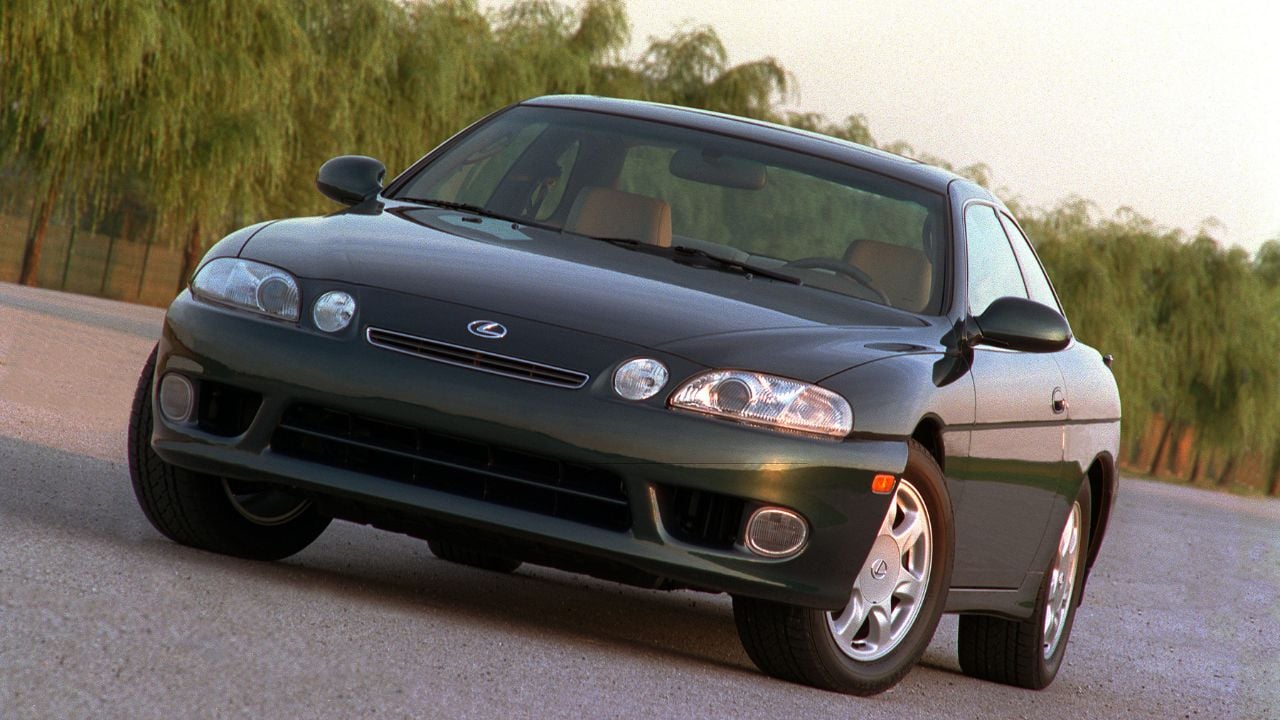
The SC coupe represents the moment when Lexus decided to build the perfect personal luxury coupe, consequences be damned. From 1991-2000, these were the cars for people who wanted to cross continents in comfort while looking absolutely stunning doing it. They’re also proof that the ’90s produced some genuinely timeless automotive design.
The SC300 came with the same 2JZ-GE that powered the IS300, while the SC400 packed a silky-smooth 4.0L V8 that made 260 hp without even raising its voice. Both engines are legendary for their durability: the kind of mills that laugh at 200,000 miles and ask for more punishment. The manual transmission SC300 is the one to find, as it transforms the car from a grand tourer to a legitimate sports car.
These cars were expensive when new — think $40K+ in 1990s money, which is serious luxury car territory. The build quality reflects that heritage. Everything feels substantial, from the solid thunk of the doors to the way the climate control maintains exactly 72 degrees regardless of outside conditions. It’s the kind of engineering integrity that makes modern luxury cars feel like they’re held together with good intentions and warranty extensions.
The styling is pure ’90s elegance without the decade’s typical excess. Clean lines, perfect proportions, and just enough aggression to hint at the performance potential lurking underneath. They look equally at home outside a country club or a tuner meet, which is a rare talent in the automotive world.
Ford Mustang SVT Cobra (New Edge)

Ford’s Special Vehicle Team didn’t mess around when they built the New Edge Cobra. This was their response to everyone who complained that Mustangs were all image and no substance. With 320 hp from the 4.6L DOHC V8, independent rear suspension, and enough attitude to intimidate a Camaro, the SVT Cobra proved that Detroit still knew how to build proper muscle cars.
The New Edge styling was controversial when it debuted in 1999, but it’s aged into something genuinely cool. Sharp creases, aggressive headlights, and purposeful air intakes gave it a modern edge that standard Mustangs lacked. The SVT-specific body work, including the distinctive hood and side exhausts, made it instantly recognizable to those in the know.
But the real magic was underneath. The 4.6L DOHC V8 was a completely different animal than the standard Mustang’s pushrod motor. Higher-revving, more sophisticated, and considerably angrier when provoked. The independent rear suspension (borrowed from the Lincoln LS, of all things) finally gave Mustangs the handling to match their straight-line performance.
These cars have a legitimate racing pedigree, too. The Terminator Cobra that followed was a supercharged monster, but even the naturally aspirated New Edge versions could run with the best of their era. Today, they’re respected members of the muscle car community and reasonable entry points into V8 performance that won’t bankrupt you at the gas pump.
Nissan 370Z

The 370Z is the final chapter in Nissan’s Z-car story that started with the legendary 240Z in 1970. By the time the 370Z debuted in 2009, Nissan had refined the formula to near perfection: rear-wheel drive, naturally aspirated V6, and proportions that scream “sports car” from every angle. It’s also proof that sometimes evolution is better than revolution.
The VQ37VHR 3.7L V6 produces 332 hp and one of the best engine soundtracks in the business. Unlike the turbo motors that dominate today’s landscape, this V6 rewards you for wringing its neck. Peak power comes at 7000 RPM, and it’s happy to sing all the way to the redline. The manual transmission is mechanical and precise: the kind that makes you want to shift even when you don’t need to.
Styling-wise, the 370Z nailed the modern interpretation of classic Z proportions. Long hood, short rear deck, wide stance, and aggressive details that work from every angle. It looks fast sitting still, which is half the battle in the sports car world. The interior is focused and purposeful, with everything oriented toward the driver.
Early examples are now dipping below $15K, which represents incredible value for a genuine sports car. The Z community is passionate and knowledgeable, with decades of accumulated wisdom about modifications and maintenance. Whether you keep it stock or build it into a track weapon, the 370Z provides a solid foundation for automotive fun.
Chevrolet Corvette (C5 Generation)
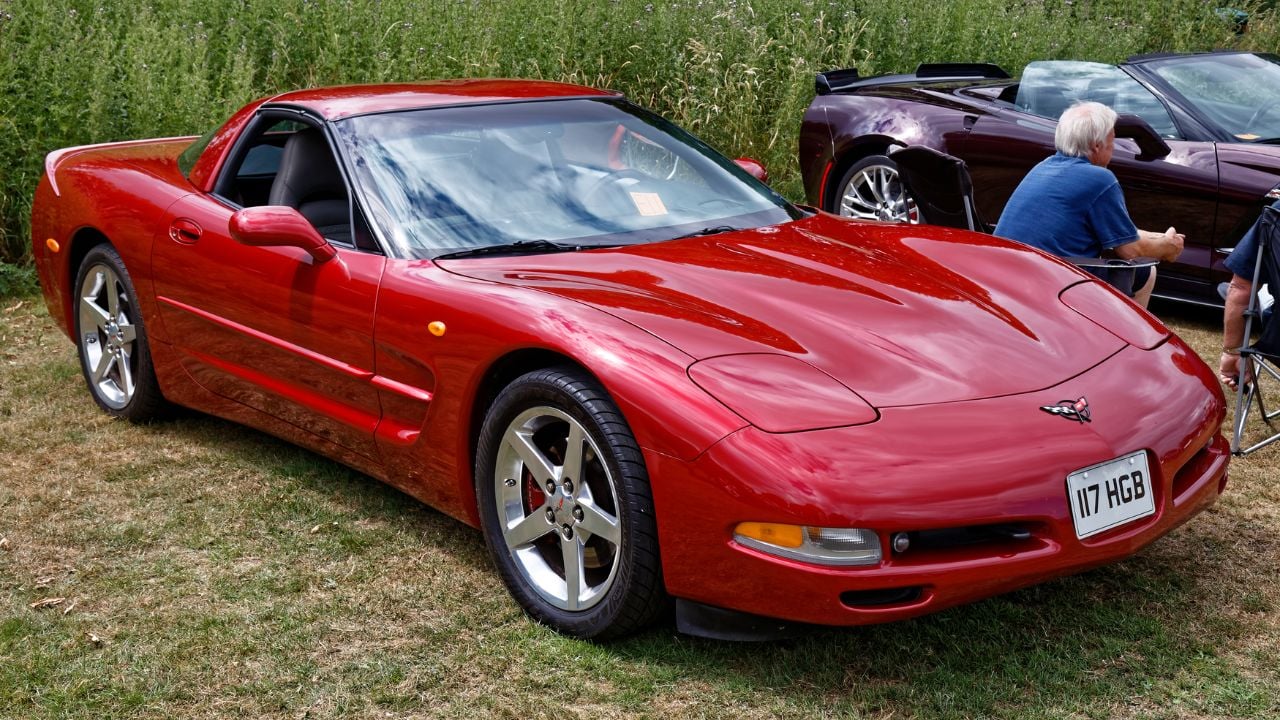
The C5 Corvette marked the moment when America’s sports car finally grew out of its mullet phase and became a legitimate supercar competitor. Introduced in 1997, it combined traditional Corvette values (big engine, fiberglass body, reasonable price) with modern engineering that actually worked.
The LS1 5.7L V8 produces 345-350 hp in base form, but the real magic is in how it delivers that power. Unlike the agricultural small-blocks of previous generations, the LS1 is smooth, refined, and capable of genuine high-RPM performance. It’s also bulletproof, reliable, and responds to modifications like a teenager responds to pizza.
For the first time in Corvette history, the chassis was worthy of the engine. The C5’s backbone frame was incredibly rigid, the suspension was sophisticated, and the handling was genuinely world-class. It could finally embarrass European sports cars in corners, not just on drag strips.
The styling aged remarkably well, too. Clean, purposeful lines without the cartoon aggression of later generations. It looks like what a sports car should look like: fast, focused, and just intimidating enough to make other drivers move out of the passing lane.
C5 values have been surprisingly stable, with clean examples available under $15K. The community is massive and supportive, with more aftermarket parts available than you could install in three lifetimes. Whether you want a weekend cruiser or a track weapon, the C5 provides an excellent foundation.
Subaru BRZ / Scion FR-S / Toyota 86

In 2012, Subaru and Toyota did something unprecedented: they collaborated to build a car that prioritized handling over horsepower. The result was the BRZ/FR-S/86 triplets, identical cars that proved you don’t need 500 hp to have serious fun.
The FA20 2.0L boxer four produces a modest 200 hp, which is still enough to get you into trouble. More importantly, the power delivery is linear and predictable, making it easy to explore the car’s limits without requiring a team of trauma surgeons on standby.
The chassis is the real star. Low center of gravity, perfect weight distribution, and suspension tuning that makes every corner feel like a dance between driver and machine. The car rotates naturally and predictably, making it accessible to novice drivers but rewarding for experienced ones. It’s the kind of car that makes you a better driver simply by driving it.
Styling is clean and purposeful without being overwrought. It looks like a sports car should: low, wide, and aggressive without resorting to boy racer clichés. The interior is focused and functional, with everything oriented toward the driving experience.
The aftermarket support is massive, with everything from mild appearance modifications to complete engine swaps available. The community is active and welcoming, making it easy to find advice, parts, and like-minded enthusiasts.
Early examples are now solidly in the sub-$15K range, making them one of the most accessible modern sports cars available.
Volkswagen GTI (Mk7)
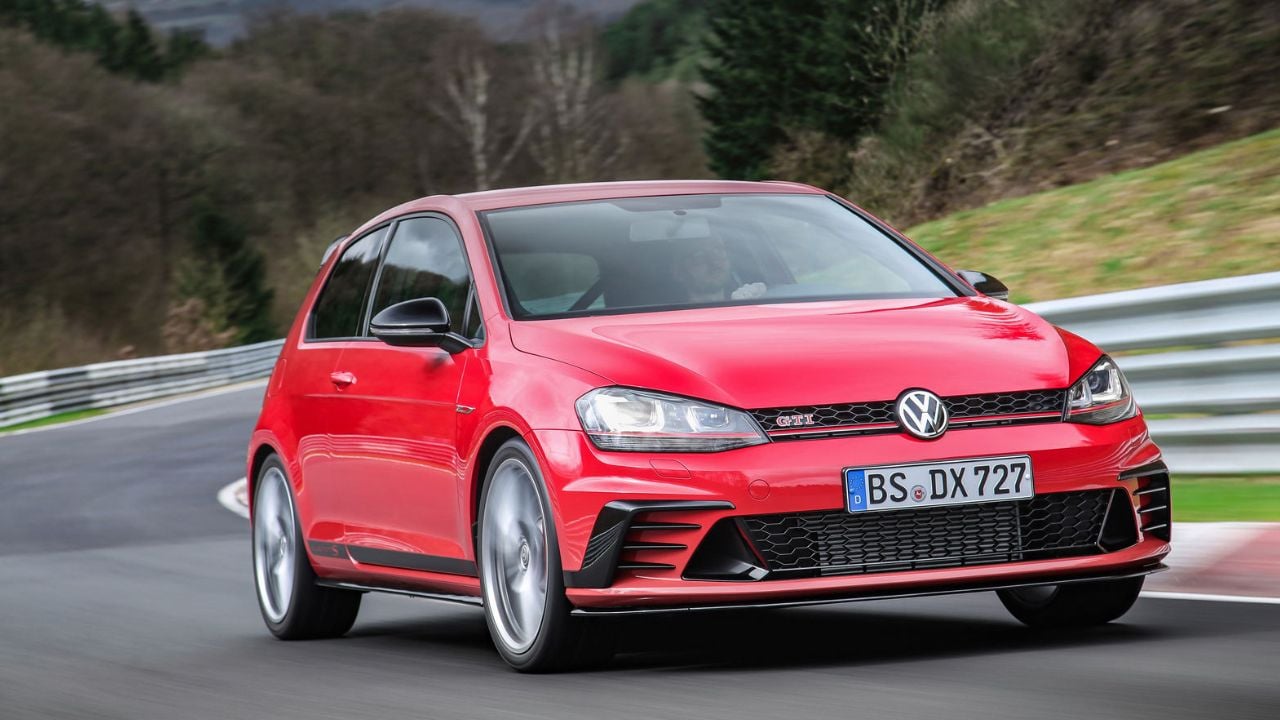
The seventh-generation GTI represents Volkswagen at its absolute peak: serious performance wrapped in sophisticated European style. From 2015-2021, the Mk7 GTI was the answer for people who wanted genuine driving excitement without looking like they were going through a midlife crisis.
The EA888 2.0L turbocharged four-cylinder produces 210-228 hp (depending on trim and year), delivered with the kind of torque curve that makes traffic light grands prix embarrassingly one-sided. The turbo provides immediate response with minimal lag, making it feel considerably more powerful than the numbers suggest.
The real genius is in the chassis tuning. Volkswagen’s engineers somehow managed to create a car that’s comfortable enough for daily driving but transforms into a corner-carving weapon when you find the right road. The electronic differential and sophisticated suspension work together to provide grip and composure that would embarrass cars costing twice as much.
The interior is quintessentially German: clean, logical, and built from materials that feel like they’ll outlast the heat death of the universe. The plaid seat inserts are a nod to GTI tradition, and the overall design is aging gracefully compared to contemporary interiors that look like spaceships designed by committee.
Mk7 GTIs are just beginning to depreciate into the $15K range, making them incredible values for anyone wanting modern performance with European sophistication. Just prepare for maintenance costs that reflect their premium positioning.
Pontiac GTO (2004–2006)
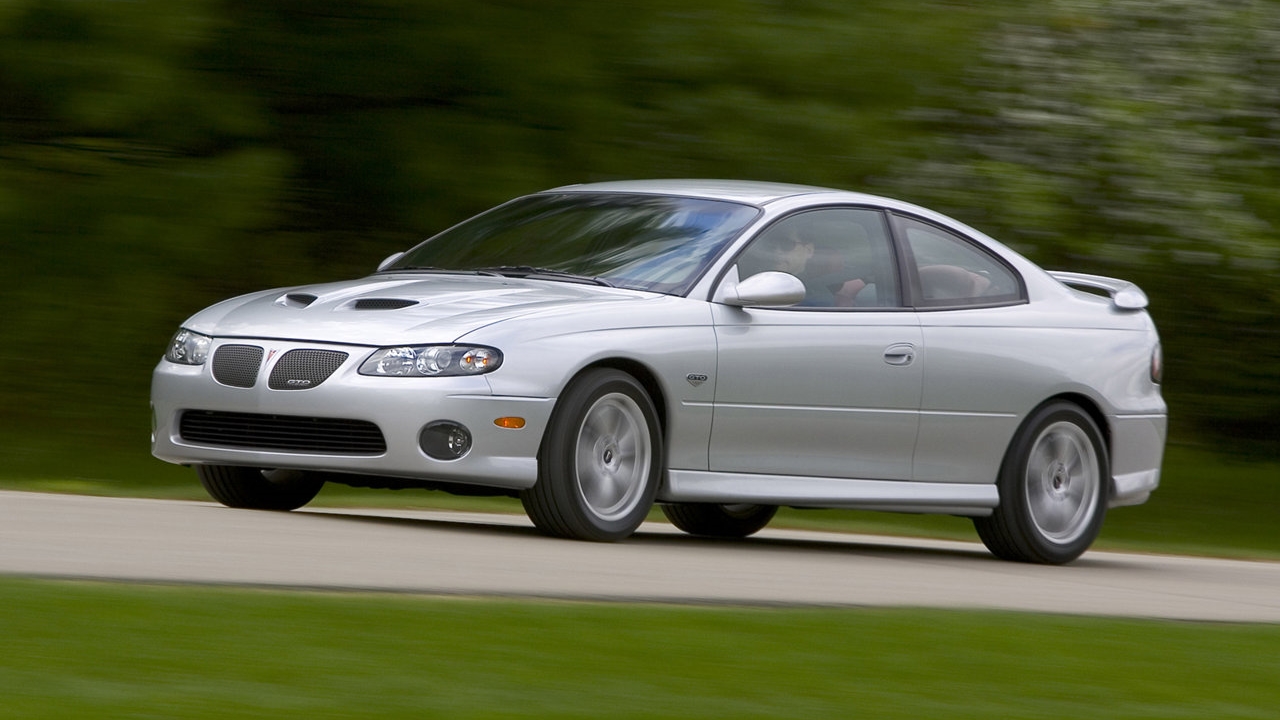
The mid-2000s GTO was GM’s attempt to revive one of the most legendary muscle car nameplates, and they did it by importing a car that Americans had never heard of. The Holden Monaro was Australia’s idea of the perfect performance car: clean styling, sophisticated chassis, and a big V8 that knew how to party.
The LS1 6.0L V8 (upgraded to LS2 in 2005-06) produces 350-400 hp in a package that looks like it’s trying not to attract attention. No hood scoops, no racing stripes, no ridiculous spoilers – just clean, purposeful design that could pass for a luxury coupe until you hear it start.
The chassis was developed by Holden’s engineers, who understood that straight-line performance meant nothing if the car couldn’t corner. Independent rear suspension, sophisticated damping, and excellent weight distribution made the GTO a genuine driver’s car, not just a drag strip hero.
Inside, the GTO felt more like a BMW than a typical American muscle car. Quality materials, excellent ergonomics, and attention to detail that reflected its Australian origins. The driving position was perfect, the controls were intuitive, and everything felt like it was built to last.
The GTO failed commercially because Americans wanted their muscle cars to look angry and intimidating. Ironically, this makes it perfect for enthusiasts who appreciate its understated approach and genuine performance credentials. Clean examples are readily available under $15K, making it one of the best performance bargains on the market.
Subaru WRX (Pre-2015 Models)

The WRX exists because Subaru’s rally team needed a homologation special, and they decided to make it available to anyone brave enough to handle turbocharged all-wheel-drive madness. From its 2002 U.S. debut through 2014, the WRX was Subaru’s ongoing war against anyone who thought all-wheel drive was just for sensible people who lived in snow country.
The turbocharged 2.5L boxer four produces anywhere from 224-268 horsepower depending on the year and model, but the real magic is in how that power gets to the ground. Subaru’s symmetrical all-wheel-drive system provides grip that borders on supernatural, making the WRX capable of accelerating through corners in conditions that would leave other cars spinning into ditches.
The styling is purposefully aggressive: hood scoops that actually feed the intercooler, flared fenders that cover wider wheels, and a stance that suggests the car is always ready for its next rally stage. The blue paint with gold wheels became iconic in the tuner community, instantly recognizable to enthusiasts worldwide.
The community support is incredible, with decades of accumulated knowledge about modifications, maintenance, and extracting maximum performance. The aftermarket is vast and deep, offering everything from mild appearance upgrades to complete engine rebuilds.
Pre-2015 models are solid performers that can be found well under $15K, especially if you’re willing to accept higher mileage. They’re practical enough for daily driving but exciting enough to make every commute feel like a potential rally stage.
Ford Fiesta ST
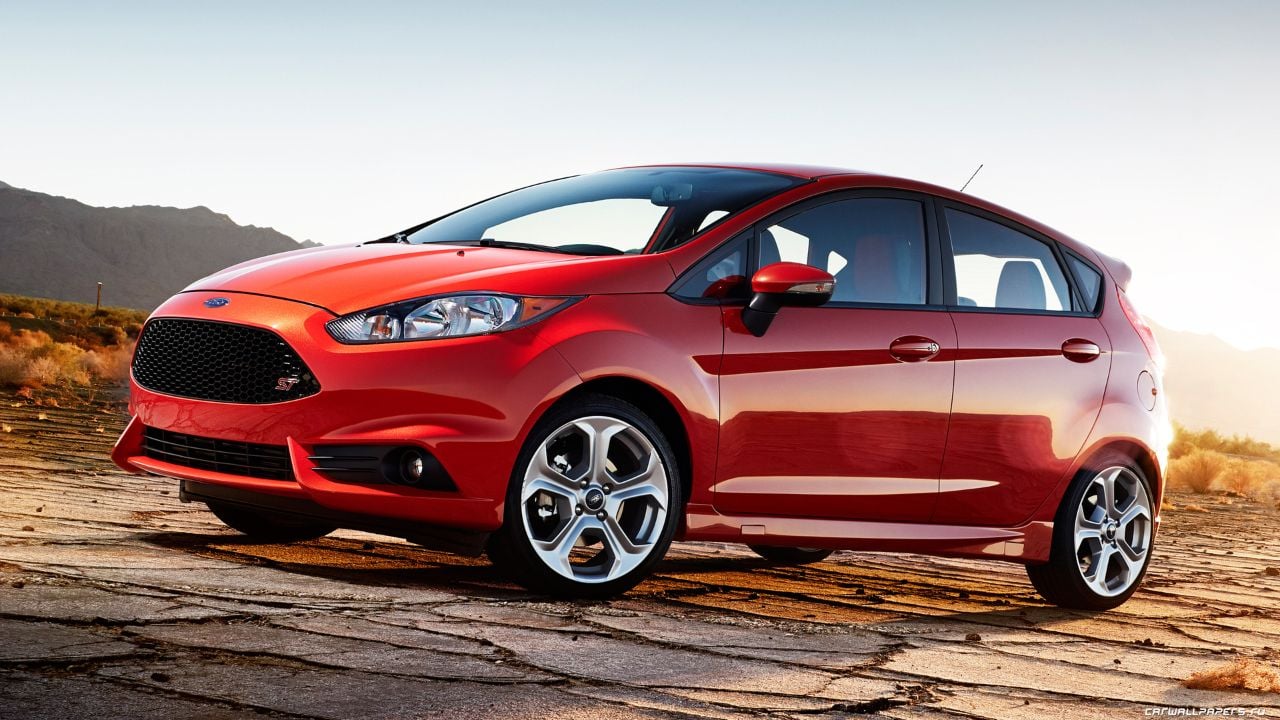
The Fiesta ST proves that you don’t need a massive engine or exotic engineering to create genuine driving excitement. Ford’s hottest hatch takes the lightweight approach to performance, relying on brilliant chassis tuning and a rev-happy turbocharged engine to deliver smiles per dollar that embarrass cars costing 10 times as much.
The 1.6L EcoBoost four-cylinder produces 197 hp, which sounds modest until you consider that the entire car weighs less than 2,700 pounds. The power-to-weight ratio puts it in serious sports car territory, and the turbo provides immediate response that makes every acceleration feel urgent and engaging.
But the chassis is where the Fiesta ST truly shines. Ford’s engineers somehow managed to tune the suspension to be comfortable enough for daily driving while providing handling that would make Lotus engineers weep with envy. The car rotates naturally, responds immediately to steering inputs, and makes every corner feel like an opportunity rather than an obstacle.
The styling is appropriately aggressive for a hot hatch: functional aerodynamic elements, purposeful wheels, and just enough visual drama to announce its intentions without looking ridiculous. The interior is focused and sporty, with excellent seats and controls that make sense.
Early Fiesta STs are now available for less than $15K, making them incredible values for anyone who prioritizes driving experience over straight-line performance. The community is passionate and creative, with endless possibilities for modifications and personalization.
Big Style, Small Price

Here’s the beautiful truth that the automotive industry doesn’t want you to know: some of the best driving experiences money can buy are sitting right now on used car lots, Craigslist ads, and Facebook Marketplace listings, priced lower than a decent riding mower. These aren’t consolation prizes or automotive participation trophies — they’re legitimate performance machines that happen to have depreciated into the realm of mere mortals.
Each car on this list represents a different philosophy of automotive excitement. Want German precision engineering? The BMW M cars deliver surgical handling with just enough unreliability to keep things interesting. Prefer Japanese reliability with character? The S2000 and various Lexus options provide bulletproof performance with actual soul. Need American muscle that doesn’t apologize for being loud? The Corvette and GTO serve up V8 thunder with surprisingly sophisticated manners.
The beauty of buying at this price point is that these cars have already taken their biggest depreciation hits. Buy smart, maintain properly, and you might actually come out ahead when it’s time to sell. More importantly, you’ll spend those years driving something that makes you smile every time you turn the key, instead of calculating loan payments on something that’ll be worth half its purchase price before the warranty expires.
Car culture isn’t about having the newest, fastest, or most expensive machine. It’s about passion, community, and the simple joy of driving something that connects you to the road and to fellow enthusiasts. These 14 cars deliver that experience without requiring you to explain to your spouse why you just spent more than your house is worth on a depreciating asset.
So quit making excuses, start saving your coffee money, and prepare to join the ranks of people who understand that the best cars aren’t necessarily the most expensive ones. They’re the ones that make every drive an event, every car meet a reunion, and every traffic light the starting line of your own personal racing series.
Your neighbors might think you’ve lost your mind, but they’ll definitely be impressed. And isn’t that really what matters?