
SUVs have come a long way from their bare-bones, mud-slinging roots. Today, they’re everywhere, from school pickup lines to valet stands, offering high-riding views, cushy tech-laden cabins, and just enough rugged flair to make you feel ready for a weekend in the wild (even if the wild is the Costco parking lot). Once prized for their durability and utility, modern SUVs now sell just as much on vibe as they do on versatility.
But here’s the catch: all that comfort, capability, and curb appeal? It comes at a price, one that’s often a lot higher than you’d expect. Sure, the base model might fit your budget… until you add the trim you actually want, the features you thought came standard, and the maintenance that comes with moving two tons of metal.
Behind the Wheel of Our Search for Price-Pushing SUVs

Let’s get something straight: this isn’t a list of the worst SUVs, and we’re not here to bash your favorite ride. We’re just calling out the ones that tend to cost more than people expect—whether it’s from expensive options, higher-than-average maintenance, or long-term ownership surprises that creep up like a check engine light at the worst possible time.
We picked 14 SUVs because that’s the number we couldn’t ignore. These were the ones that kept showing up in owner forums, long-term cost reports, and mechanic horror stories. Some of them look like a bargain up front—until you add the trim level that makes it livable. Others just love spending time on a lift. Either way, this list is here to help you go in with your eyes open, not your wallet wide.
BMW X5

The BMW X5 represents a sweet spot between luxury and performance, drawing buyers with its athletic styling and refined interior. Starting prices appear reasonable for a premium German SUV, often beginning around the mid-$60,000 range. Yet real-world purchases rarely stay at that number. Adding must-have packages like the M Sport trim, upgraded sound systems, and adaptive suspension can push totals well beyond $80,000.
Routine maintenance also comes at a premium due to the vehicles complex engineering, and buyers often forget how pricey insurance becomes for such a high-value model. In many ways, the X5 feels worth it, delivering technology and comfort at the level of high-end sedans. Still, it requires a willingness to go well beyond base numbers for the experience BMW promises.
Insurance premiums for the X5 average between $3,000 and $3,500 per year, reflecting its luxury status and advanced technology. These costs often rise further for performance trims like the M50i, making it one of the more expensive midsize SUVs to insure.
Mercedes-Benz GLE

Mercedes-Benz designed the GLE for drivers seeking style and prestige, but ownership quickly exceeds what most expect. With starting prices hovering near $63,000, the GLE tempts with its luxurious cabin and smooth ride. Buyers who add advanced driver-assistance systems, upgraded infotainment, and premium upholstery see their costs climb sharply, often crossing the $80,000 threshold.
The GLE’s sophisticated systems also mean higher-than-average upkeep, with routine servicing priced above mainstream options. Insurance premiums reflect its luxury classification, adding to long-term expenses. Resale values are respectable but do not fully offset depreciation over the first few years. Drivers appreciate its commanding presence and elegant execution, yet the GLE illustrates how one can easily underestimate what it takes to fully enjoy a luxury SUV of this caliber.
Audi Q7
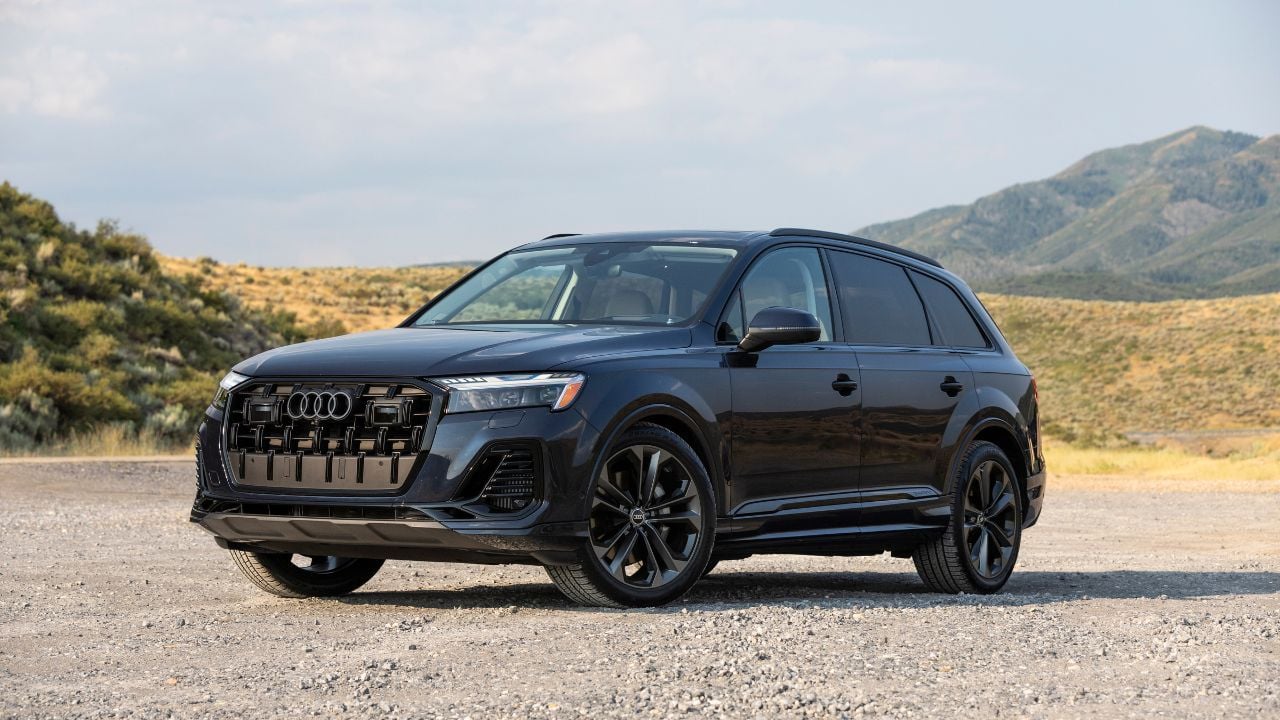
The Audi Q7 blends modern technology with understated luxury, making it a favorite among families seeking refinement. Starting around $60,000, it appears to compete fairly with other midsize luxury SUVs. However, the packages most buyers want including the Prestige trim, premium sound systems, and advanced safety suites raise costs significantly, with many models sold closer to $80,000. Its fuel economy trails some competitors, adding steady expenses at the pump.
Insurance also trends high, particularly for trims loaded with technology. Repairs and parts often require specialized service, contributing to increased ownership costs. The Q7 rewards drivers with an impressive driving experience, thoughtful technology, and a versatile interior. Still, those shopping on initial pricing alone quickly discover how easily Audi transforms this SUV into a much larger investment.
Range Rover Velar

The Range Rover Velar radiates sophistication with its minimalist design and upscale materials, appealing to those who want a luxury badge without committing to the flagship Range Rover. Entry prices sit near $62,000, though most buyers aim for trims that climb toward $80,000 or beyond. Land Rovers extensive menu of personalization options from premium paint to upgraded seating makes it easy to stretch budgets.
Complex electronics and air suspension systems increase servicing demands, often requiring specialized care. Fuel efficiency also lags compared to rivals, further inflating ongoing costs. Ownership comes with a sense of prestige and exclusivity, yet the true financial picture becomes clear only after accounting for add-ons, upkeep, and insurance. The Velar delivers striking design and luxury, but at a far greater cost than its starting price suggests.
Volvo XC90

Volvos XC90 delivers a Scandinavian approach to luxury, emphasizing comfort, safety, and restrained elegance. It starts near $57,000, appearing competitive for a seven-seat SUV. However, selecting the popular Inscription or Recharge trims quickly sends pricing past $75,000. The plug-in hybrid version provides appealing fuel savings but adds considerable upfront cost. Maintenance, particularly for hybrid components, also proves more expensive than anticipated. Insurance rates reflect the SUVs high-tech safety features and luxury positioning, increasing overall costs.
The XC90’s minimalist yet premium interior wins admiration, as does its reputation for advanced safety. Families love the space and amenities, though most underestimate how high pricing climbs when opting for the configurations that make the XC90 feel truly complete. It is a refined and rewarding choice, but one that stretches budgets.
Lexus LX
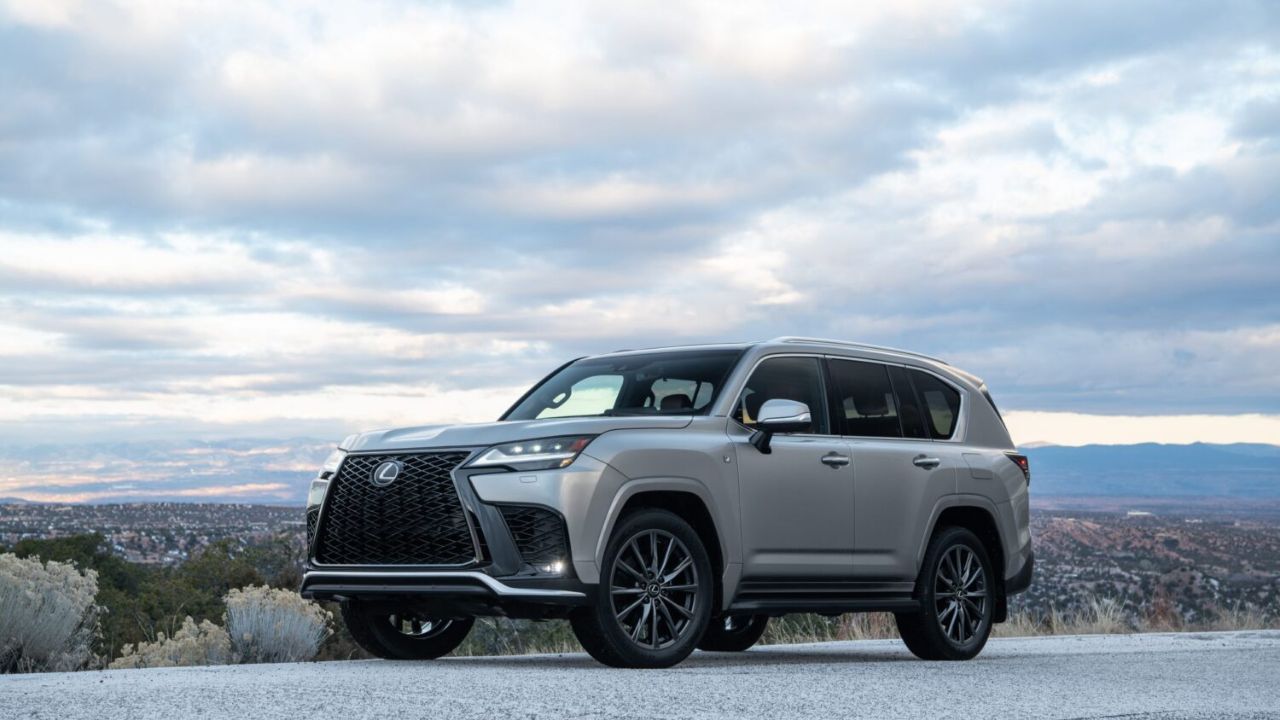
The Lexus LX builds on Toyotas legacy of durability while embracing full-fledged luxury. Starting near $93,000, it already sits at the upper edge of premium SUV pricing. Buyers seeking a modern cabin often add optional entertainment systems, advanced off-road technology, and upgraded leather, which can push totals well above $110,000.
While Lexus is known for reliability, routine maintenance and fuel costs remain substantial for an SUV of this size. Insurance for the LX generally starts near $3,200 annually and can climb for upper trims with added off-road technology and luxury packages. Combined with its fuel use and maintenance needs, these premiums make the LX a long-term financial commitment. Resale value softens the impact slightly but does not offset the steep initial outlay. The LX appeals to drivers wanting capability and prestige in a single package, though that combination comes with a price tag that consistently exceeds what many initially expect to spend.
Cadillac Escalade
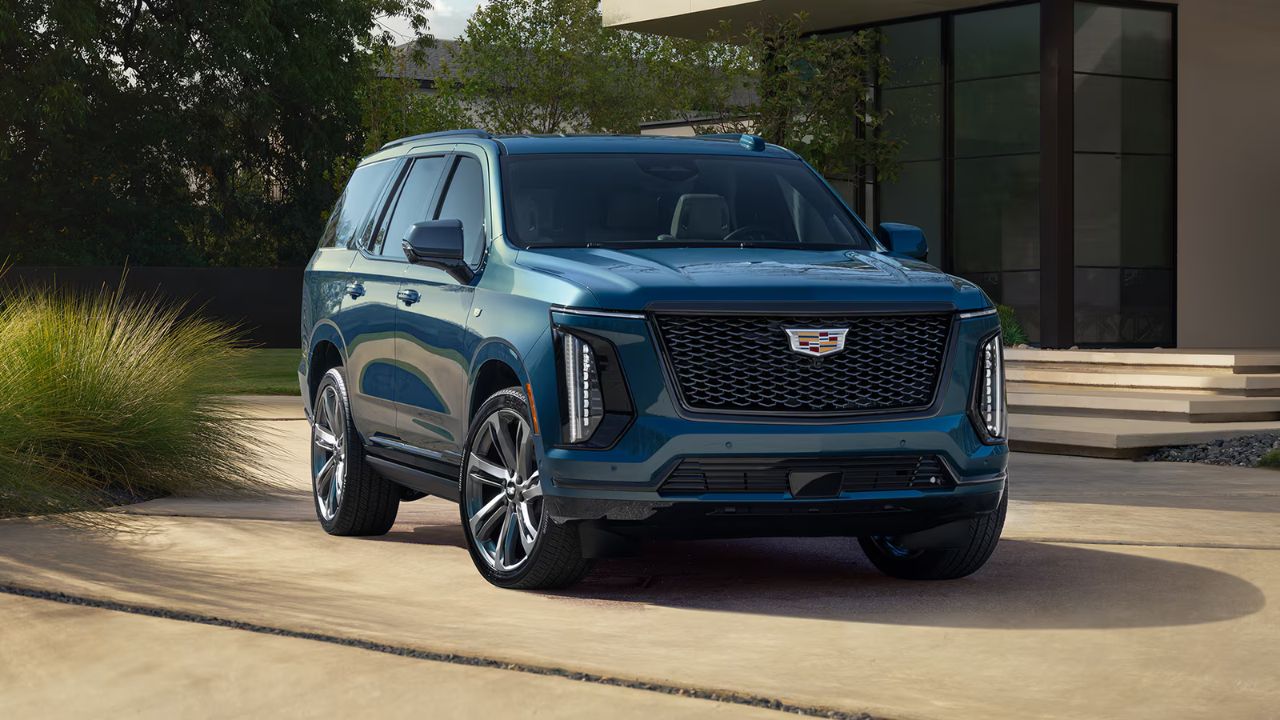
The Cadillac Escalade stands as a symbol of American luxury, with a road presence few rivals can match. It enters the market at around $81,000, yet real-world configurations often cross into six figures. Adding premium sound, advanced driver-assistance technology, and extended-wheelbase variants increases costs substantially. Fuel consumption remains one of the highest in its class, adding ongoing expenses that compound its total cost of ownership. Maintenance and insurance also run above average, reflecting the SUVs size and luxury classification.
Buyers are captivated by its cutting-edge infotainment and commanding style, but that excitement carries financial weight. The Escalade embodies modern opulence with space and technology to spare, though anyone considering it must prepare for a final cost far beyond its opening number.
Lincoln Navigator

The Lincoln Navigator combines classic American luxury with contemporary design, offering a serene ride and immense interior space. Prices begin near $84,000, but desirable trims with extended seating and luxury packages easily exceed $100,000. Adding premium entertainment features, adaptive suspension, and top-tier leather elevates pricing quickly. Fuel efficiency trails smaller SUVs, leading to significant ongoing costs, particularly for frequent drivers. Insurance and routine maintenance reflect its size and status, contributing to a total that surprises many owners.
The Navigator delivers a sense of elegance and quiet confidence, perfectly suited for families who want both prestige and practicality. It is a rewarding choice, but only for those prepared to handle the financial realities of owning such a large, fully equipped luxury SUV.
Jeep Grand Wagoneer

The Jeep Grand Wagoneer reclaims its position as a flagship American SUV, merging rugged character with luxurious touches. Priced from about $93,000, it competes directly with established luxury players. Buyers often select upper trims that push the cost toward $110,000, especially when adding advanced driver aids and premium interior upgrades. Its powerful engine provides confident performance but results in heavy fuel usage, increasing long-term expenses.
Insurance and maintenance also reflect its luxury positioning and intricate systems. The Grand Wagoneer impresses with a spacious interior, extensive technology, and an air of heritage, making it a desirable choice for buyers who want more than just utility. Yet it stands as a clear example of how quickly initial assumptions about pricing can be exceeded.
Porsche Cayenne

The Porsche Cayenne offers sports-car excitement in an SUV form, attracting drivers who value performance above all else. Starting around $80,000, it quickly becomes a six-figure vehicle when performance packages, upgraded brakes, and bespoke interiors enter the picture. Maintenance and insurance are costly, reflecting its high-performance capabilities and German engineering. Porsche Cayenne’s insurance costs around $3,500 per year, rising sharply for higher-performance configurations. Its sports-car DNA means even small repairs require premium parts and specialized service, influencing both insurance rates and upkeep expenses.
The Cayenne chugs down high octane fuel (of course, only the most expensive) like someone who has just found water in the desert. Depreciation hits harder on models with unique customizations, influencing long-term value. The Cayenne’s athletic handling and premium cabin make it an exhilarating choice for those wanting the Porsche experience without sacrificing practicality. However, the real cost extends far beyond base numbers, particularly for those who wish to unlock its full performance and personalization potential.
Genesis GV80

The Genesis GV80 challenges traditional luxury brands with competitive pricing and upscale features. It begins around $57,000, creating an impression of affordability. Yet popular trims with advanced driver-assistance technology, upgraded audio, and premium seating easily cross $70,000. Maintenance and fuel costs remain significant due to the GV80s size and technology. Insurance pricing reflects its premium positioning, while depreciation runs steeper than some German competitors. Buyers value its elegant design, intuitive technology, and strong warranty coverage, but those advantages come with added costs when choosing the features that make the GV80 feel truly luxurious.
It captures attention as an alternative to pricier European models, though the final tally often surprises buyers who expected the value story to remain intact across every configuration.
Infiniti QX80
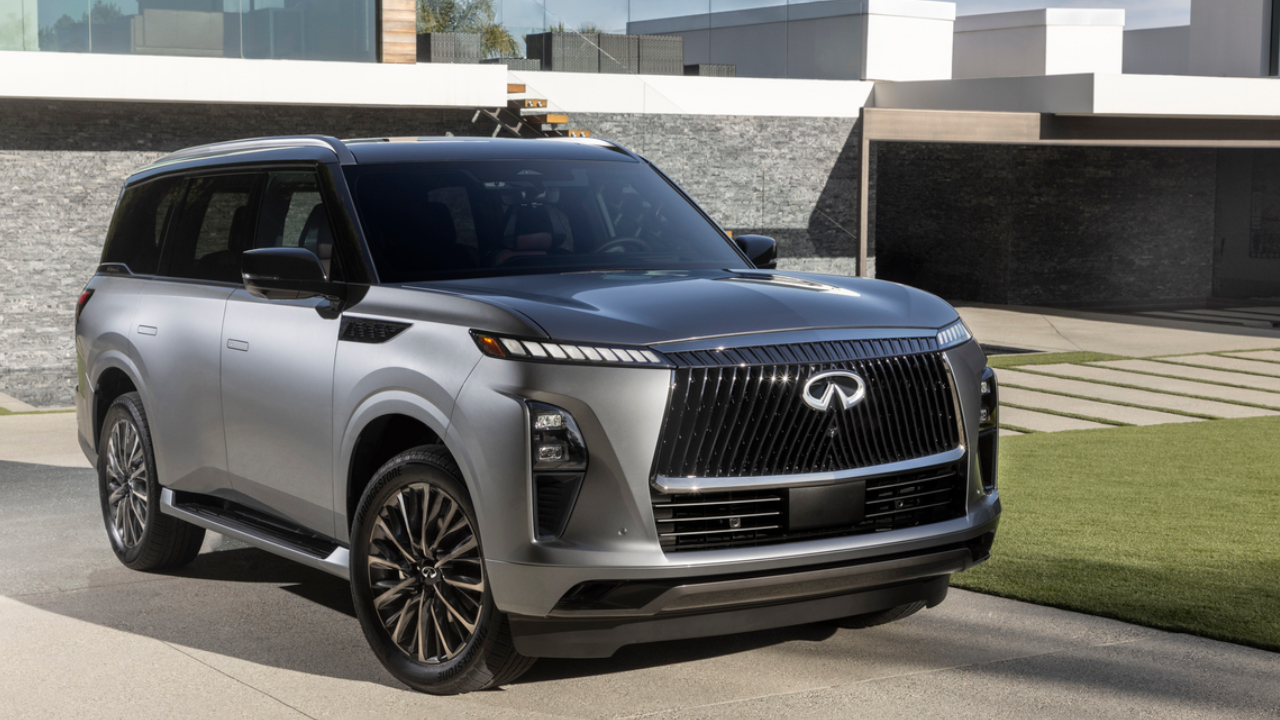
The Infiniti QX80 combines brawny capability with a luxury badge, appealing to buyers who want size and status. Its starting price near $76,000 feels approachable for a full-size luxury SUV. However, adding advanced entertainment systems, upgraded leather, and optional driver-assistance packages raises prices close to $90,000. Its powerful engine translates to high fuel consumption, and routine maintenance reflects the complexity of its design. Insurance premiums align with its size and luxury status, further straining budgets.
Buyers appreciate its spacious cabin and confident performance, yet many underestimate what ownership truly entails. The QX80 offers a compelling package for large families or those who need towing capability, but it demands a willingness to absorb long-term costs that exceed what its entry-level pricing suggests.
Acura MDX Type S
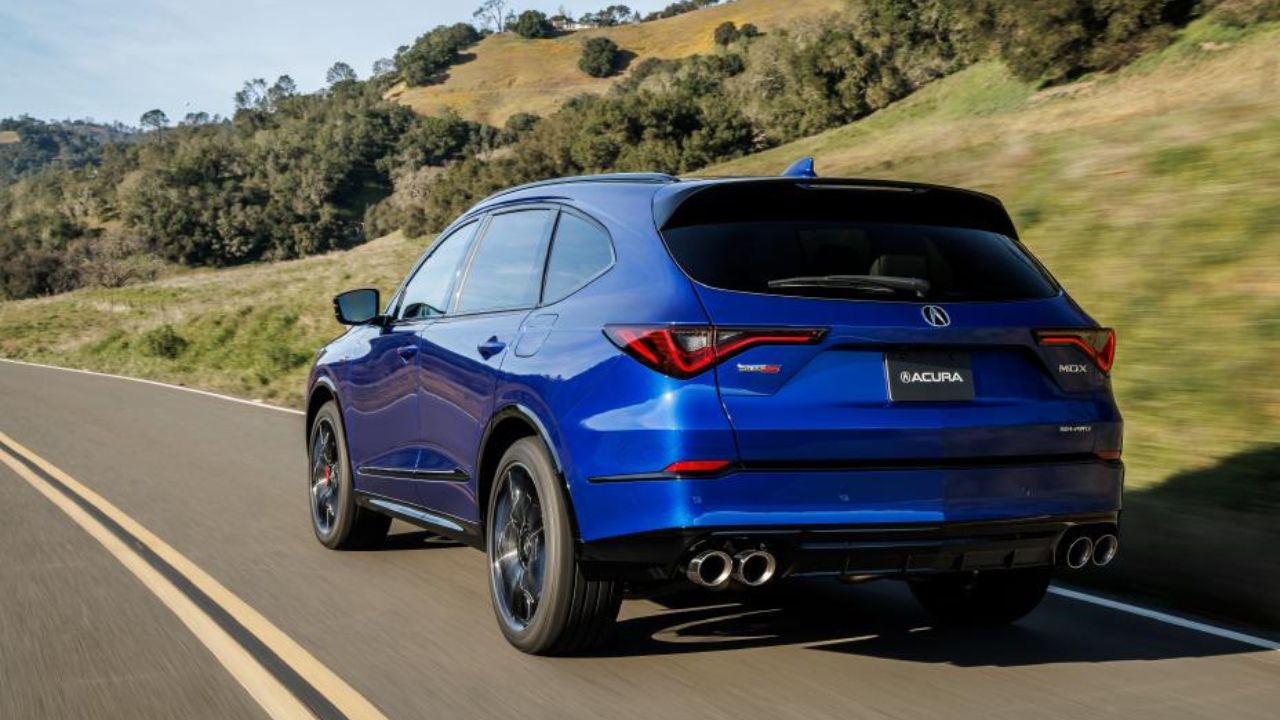
The Acura MDX Type S introduces a performance edge to a family-friendly SUV. Priced around $68,000, it appeals to buyers who want athletic handling alongside luxury amenities. Adding packages for enhanced audio, upgraded seating, and adaptive suspension quickly pushes costs closer to $75,000.
Maintenance is higher than the standard MDX due to performance-oriented components. Insurance pricing also reflects its more powerful engine and elevated positioning within Acuras lineup. While fuel economy remains competitive, drivers pay a premium for the added thrill and advanced features. The MDX Type S stands out by offering sporty dynamics without fully entering the German luxury price bracket, though the numbers still climb faster than many expect when aiming for its best-equipped configurations.
Toyota Sequoia Capstone
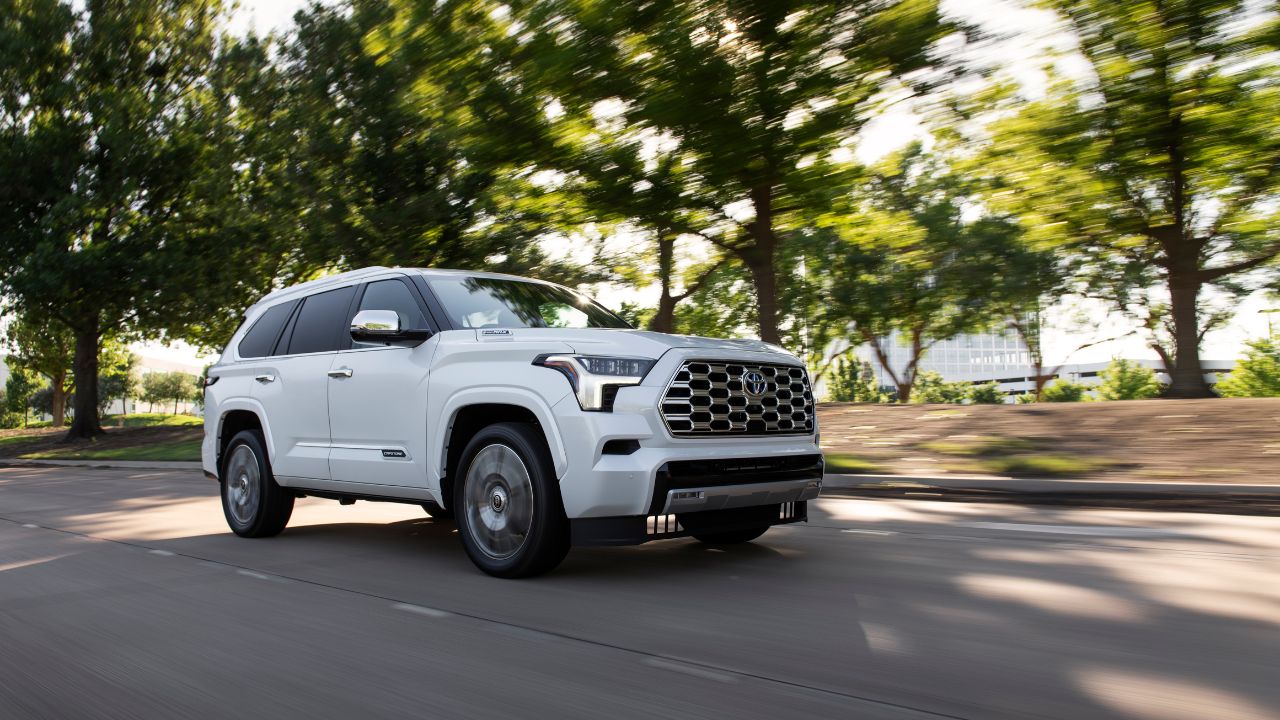
The Toyota Sequoia Capstone combines Toyota’s reliability with near-luxury amenities. Starting near $80,000, it offers an appealing alternative to traditional luxury SUVs. Buyers who add advanced towing packages, upgraded audio, and extra safety features can see costs approach $90,000. Fuel economy remains modest, leading to higher long-term expenses for frequent drivers. Insurance premiums are also elevated compared to Toyotas mainstream offerings, reflecting the Sequoias upscale features. Maintenance stays manageable but rises for hybrid versions due to complex components.
The Capstone trim transforms the Sequoia into a refined full-size SUV with a comfortable interior and advanced technology. It delivers significant value for those who want a capable, upscale Toyota, but the true price of ownership often surprises those expecting a purely budget-friendly experience.
What You Need to Know Before You Buy

SUVs offer unmatched flexibility, but their true cost often goes well beyond the sticker on the window. Between trims, tech packages, fuel bills, and maintenance surprises, what starts as a practical purchase can turn into a financial curveball. That’s why doing your homework up front isn’t just smart, it’s essential.
Take the time to compare models, dig into ownership costs, and be honest about what you actually need versus what just looks good on the lot. Don’t let slick sales pitches or fancy extras talk you into stretching beyond your comfort zone. A little planning now can help you enjoy all the perks of SUV ownership, without the buyer’s remorse later. After all, the only thing that should surprise you after buying an SUV is how often your friends ask you to help them move.