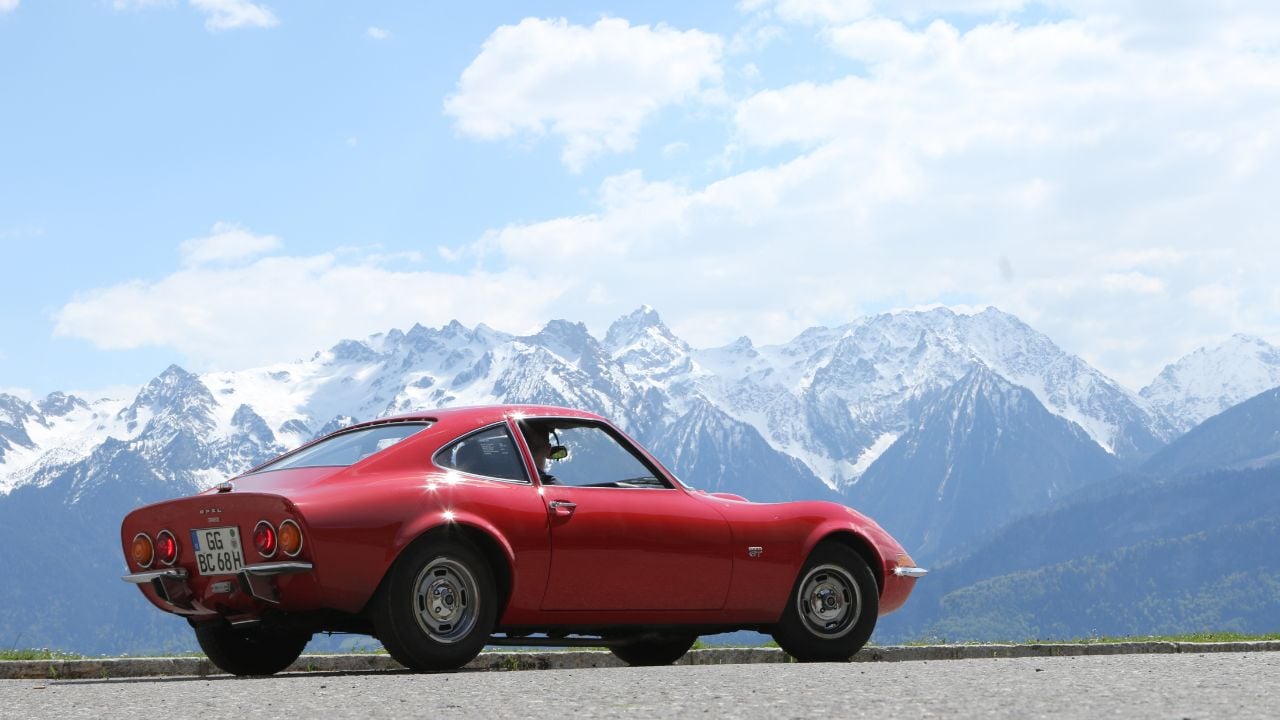
Opel’s story is one of resilience, vision, and a commitment to progress that shaped European motoring for generations, even if it isn’t the most popular name on the streets. Established in 1862 as a maker of sewing machines, the company transitioned into bicycles and eventually automobiles, becoming one of Germany’s most influential manufacturers. Opel has been a brand for the people, creating vehicles that bridged the gap between affordability and forward-thinking design. Through wars, economic upheavals, and shifting global markets, it maintained its ability to deliver dependable yet stylish cars.
Models like the Kadett and Rekord became household names, reflecting Opel’s role in postwar mobility across Europe. Its design philosophy has often been understated, but those who look closer find elegance and cleverness in its lines. Beyond appearances, Opel built cars that balanced practicality with mechanical innovation. Today, its legacy remains a testament to how thoughtful engineering can elevate everyday driving, and the brand has given Europe some of its most enduring and well-loved cars. Looking back, we see a brand that often led by example without shouting for attention. That is Opel’s true strength, creating design excellence with humility.
Unveiling the Silent Stars of Opel Design
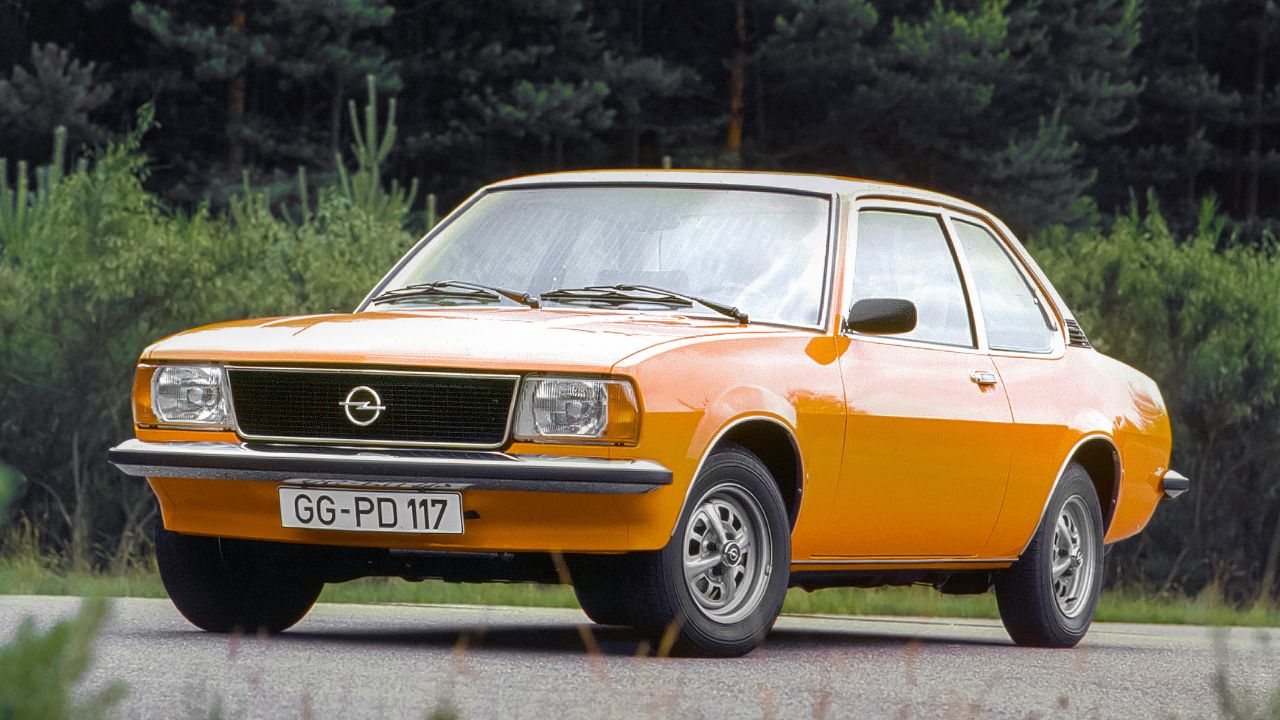
Recognizing Opel’s best designs required exploring a brand that has consistently outperformed expectations without chasing headlines. These selections reflect a balance of aesthetics, engineering ingenuity, and cultural significance. We picked out 15 because, frankly, Opel’s design history is full of quiet wins, and these were the standouts that prove you don’t need a luxury badge to steal the spotlight.
It was important to look at vehicles that combined good looks with functionality, proving that practicality need not compromise visual appeal. Real-life impressions matter here: many of these cars quietly became fixtures in family driveways and commuter parking lots, winning loyalty through substance. As a writer, I value how Opel has often felt relatable, offering cars that regular drivers could enjoy without pretense. That accessibility, paired with clever design, makes these models worth celebrating.
In choosing them, I also considered how they compared to contemporaries from larger, more prestigious brands, and in many cases, they outclassed them.
Opel GT
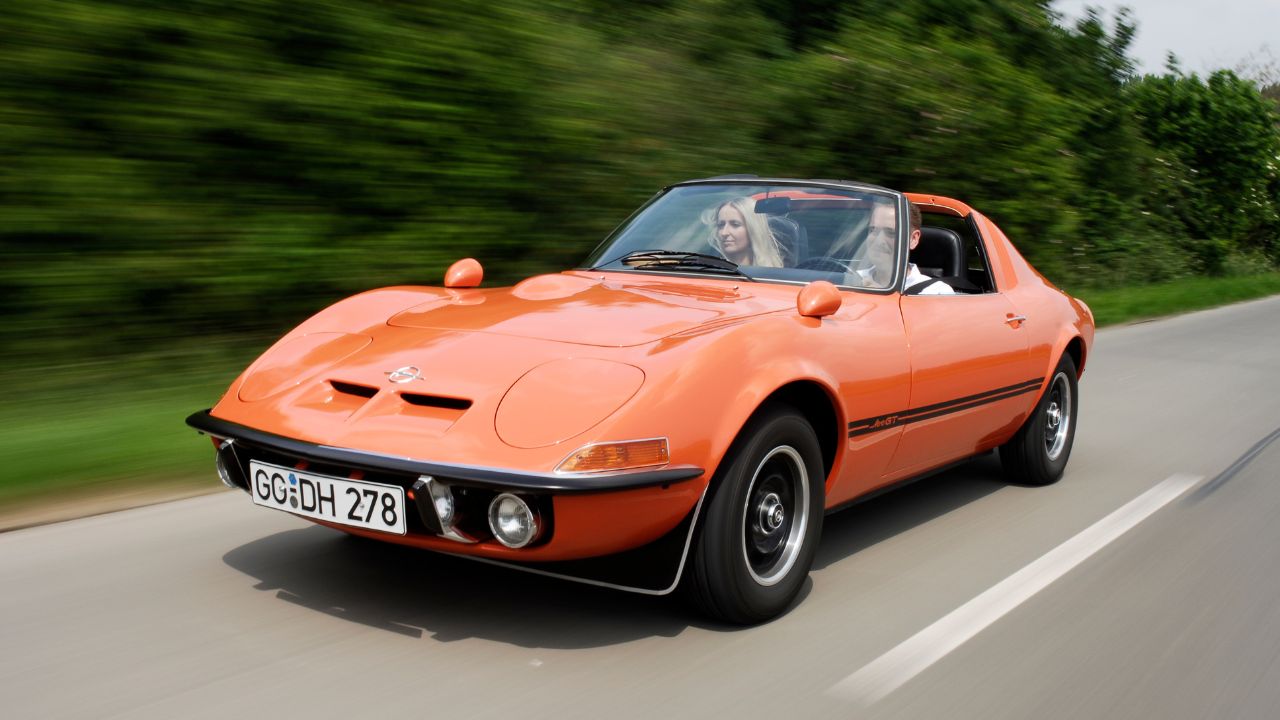
The Opel GT stunned the automotive world when it debuted as a compact sports coupe with true European flair. Its sleek, sculpted body resembled a scaled-down Corvette, earning it the nickname the baby Corvette. Beneath its dramatic appearance lay practical mechanics, a front-engine layout paired with nimble handling that delighted drivers.
The cabin featured a driver-focused environment, with low-slung seats and intuitive controls enhancing its sporty feel. Production numbers were respectable, with 103,463 units built, proving that Opel could create aspirational cars accessible to many. The GT became a symbol of the brand’s design ambition in the late 1960s. Its combination of affordability and sophistication gave larger competitors something to think about. Even today, collectors admire it as one of Opel’s most iconic creations.
Opel Manta A
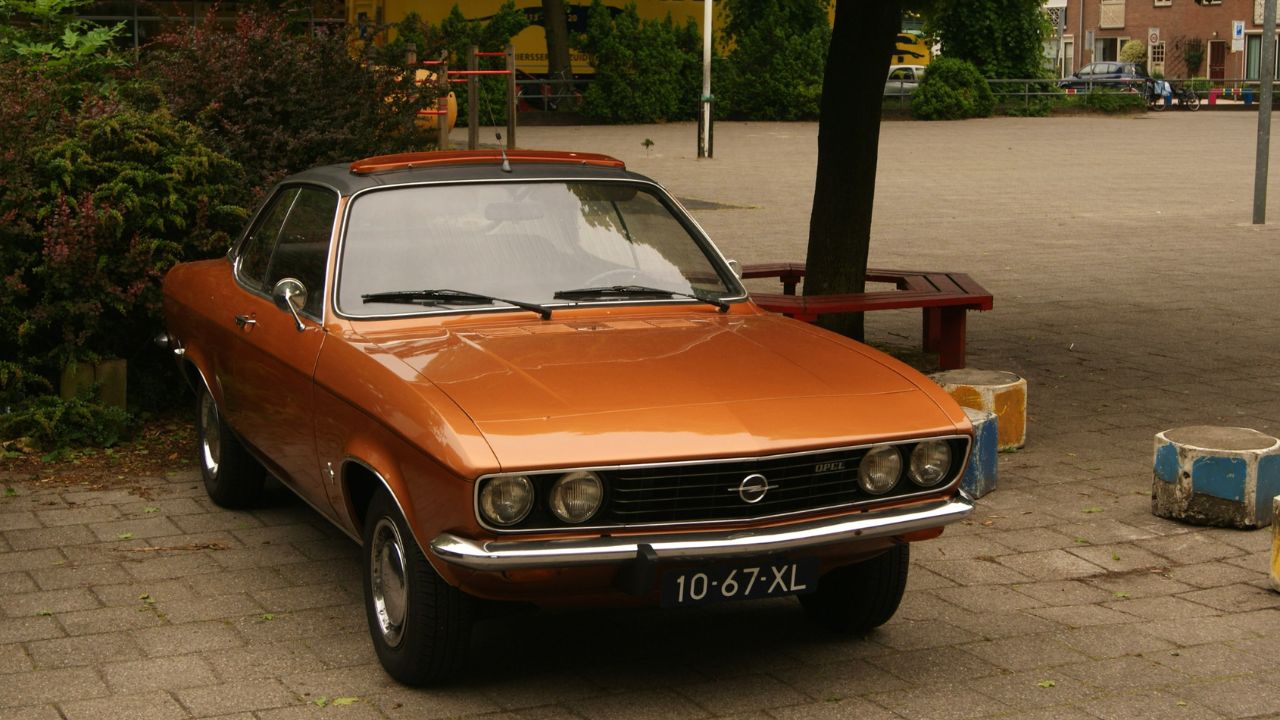
Opel’s Manta A entered the market as a stylish coupe aimed squarely at Ford’s Capri, and it did more than hold its own. Its long hood, short rear deck, and clean body lines delivered a timeless design that still turns heads. Underneath, reliable engines paired with agile handling created a balanced driving experience. The interior carried a minimalist elegance, offering comfort without unnecessary extravagance.
Opel produced the Manta in impressive numbers, making it a common yet cherished sight across Europe in the 1970s. It became a favorite among younger drivers who wanted a car that felt sporty but practical. This model reflected Opel’s knack for creating cars that appealed to both heart and mind. The Manta A remains a beloved symbol of Opel’s golden era of design.
Opel Rekord C
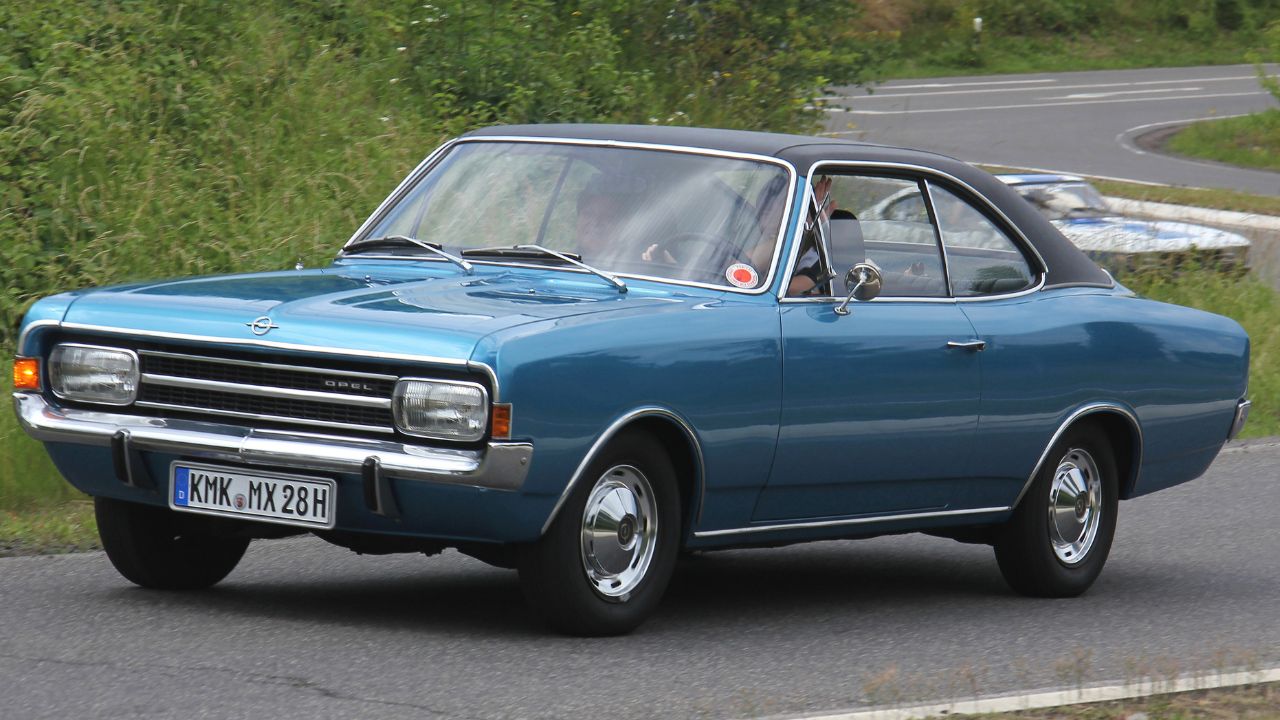
The Opel Rekord C brought sophistication to the mid-size sedan segment with a design that felt fresh and modern. Its subtle coke-bottle curves and clean proportions gave it an understated elegance. This generation achieved tremendous commercial success, with 1,276,681 units produced, showing just how well it resonated with families.
Its spacious interior provided comfort for long journeys, while robust engine options delivered dependable performance. The Rekord C also saw success in export markets, cementing Opel’s reputation as a reliable global player. Many still remember its durability, often running strong well past its expected lifespan. It stood as proof that thoughtful design could make a family car feel aspirational. Rekord C became an enduring presence on European roads, reflecting Opel’s commitment to quality.
Opel Senator A
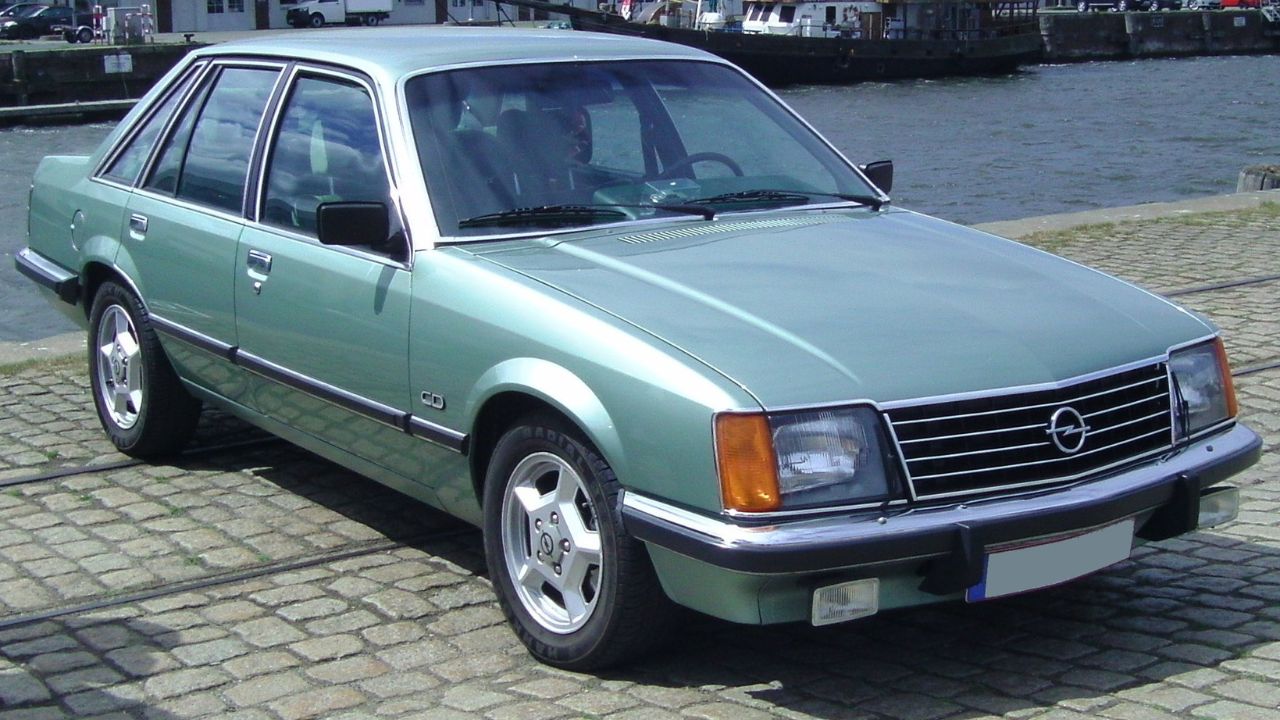
The Opel Senator A represented the brand’s confident stride into the executive car segment. Its stately proportions, chrome accents, and smooth lines created a premium look that rivaled larger German competitors. A range of six-cylinder engines delivered the power and refinement expected of a flagship model.
Inside, it offered generous space and luxury features such as high-quality upholstery and advanced instrumentation for its time. Despite its upscale positioning, the Senator retained Opel’s characteristic approachability, providing luxury without excessive cost. It became a strong alternative to more expensive sedans from Mercedes and BMW, earning respect among executives and professionals. The Senator A highlighted Opel’s ability to deliver sophistication on a budget.
Opel Kadett E GSi
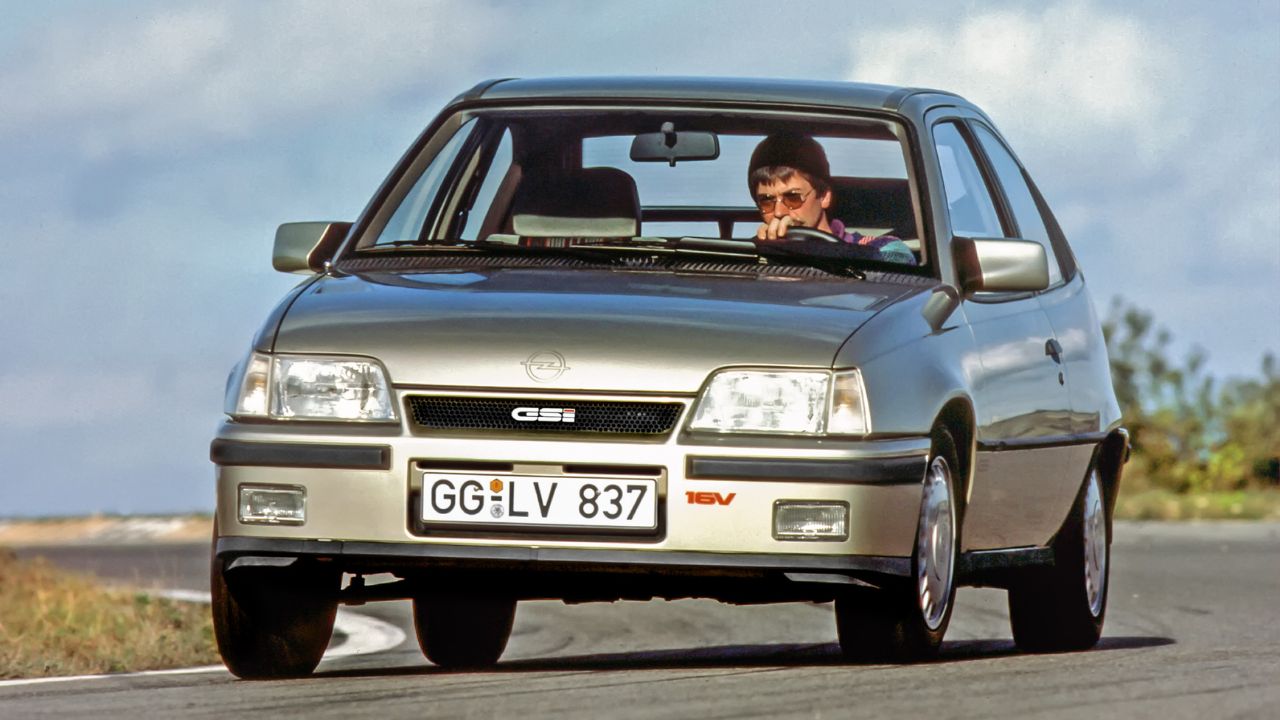
The Opel Kadett E GSi injected performance into a practical hatchback, appealing to those who wanted excitement in their daily commute. Its aerodynamic styling distinguished it from the standard Kadett lineup, with sporty accents hinting at its capabilities. Under the hood, spirited engines gave it lively acceleration, making it competitive among hot hatches of its time. Inside, bolstered seats and sport-oriented details enhanced the driving experience.
The Kadett E GSi achieved impressive sales figures, proving that performance-oriented compacts could win mass-market appeal. It competed effectively against rivals like the Volkswagen Golf GTI, holding its own in a fiercely contested segment. This model showcased Opel’s ability to create cars that combined efficiency, style, and fun. It remains a highlight of the brand’s performance-focused offerings.
Opel Calibra
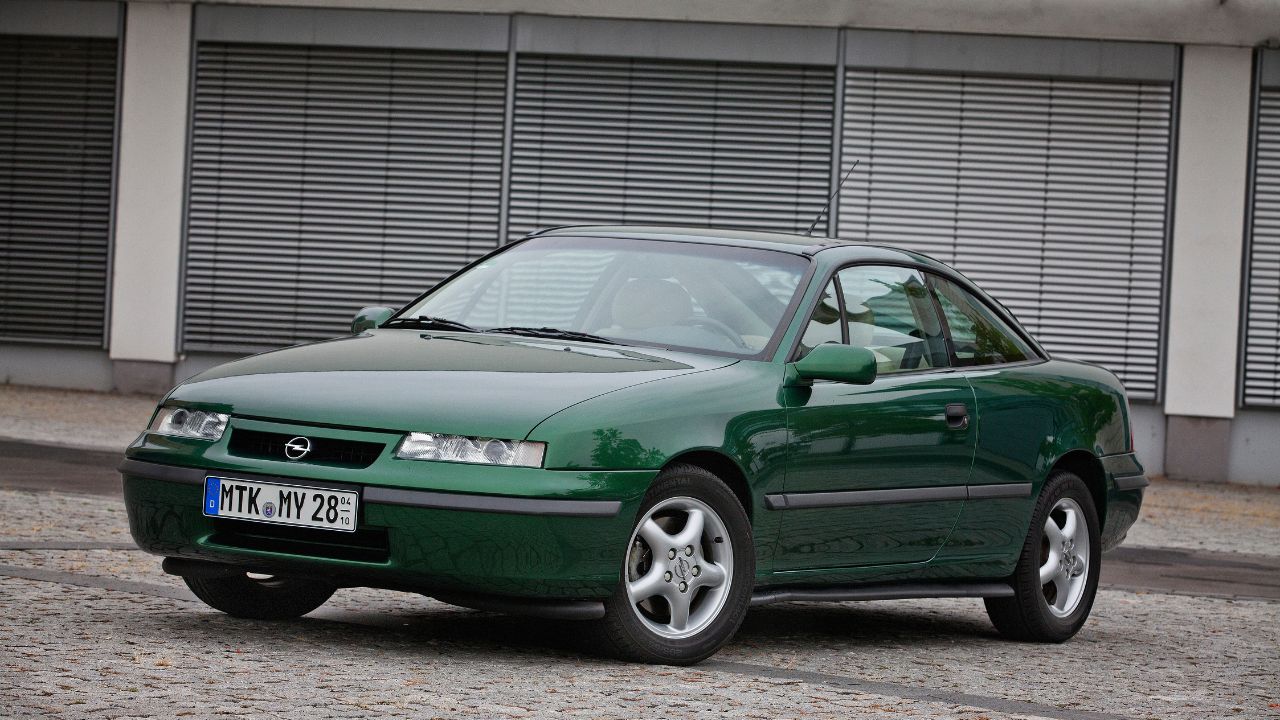
Opel’s Calibra became an instant design icon thanks to its sleek, aerodynamic bodywork. When launched on 10 June 1989, it was the most aerodynamic production car in the world, with a drag coefficient (Cd) of 0.26. Later high-performance variants (16V, V6, 4×4, Turbo) had a higher Cd of about 0.29. Its coupe styling felt futuristic in the early 1990s, placing it ahead of many rivals. Beneath its striking exterior, it shared mechanicals with the Vectra, ensuring dependable performance and affordability.
The cabin carried a sporty yet refined design, making it appealing to both young drivers and professionals. The Calibra’s blend of visual drama and everyday usability helped it achieve strong sales. It stood as a symbol of Opel’s design innovation in a decade of transformation. Even now, the Calibra’s distinctive profile makes it one of Opel’s most memorable and celebrated coupes.
Opel Olympia Rekord Caravan
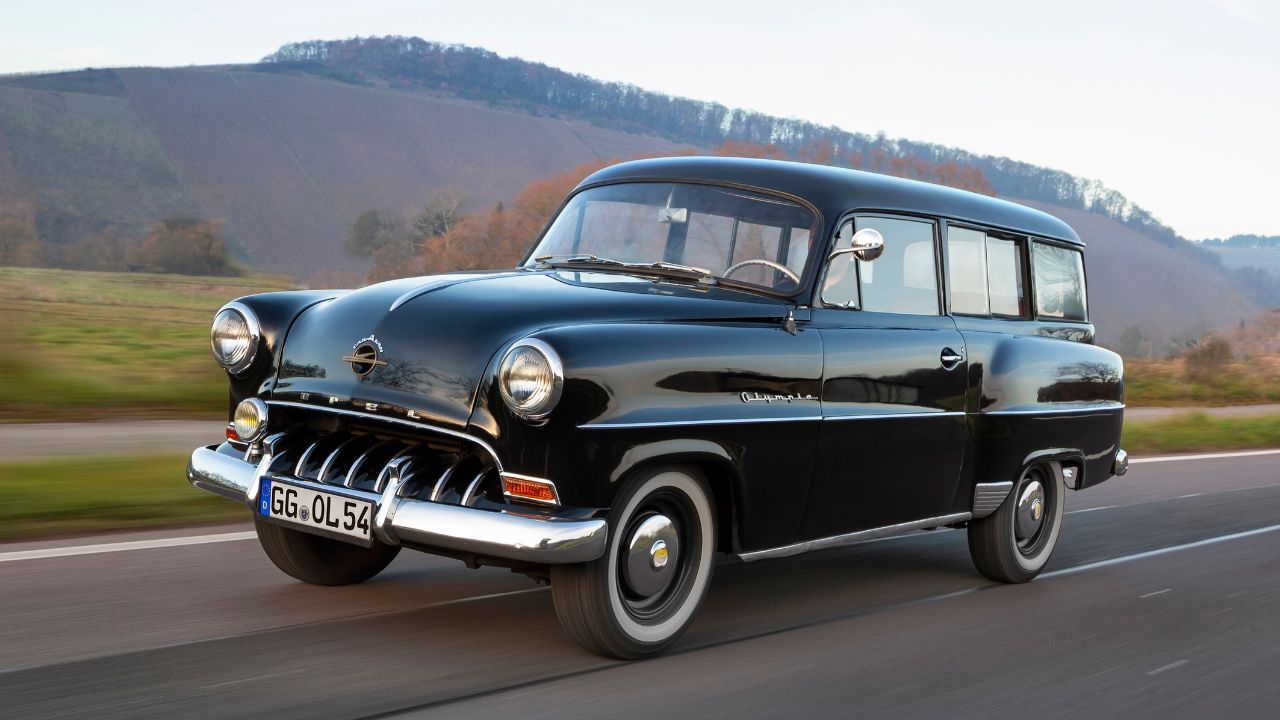
Opel’s Olympia Rekord brought hope to postwar Europe as one of the first truly modern German cars. Its rounded design and bright chrome accents reflected optimism in a recovering economy. Affordable pricing and efficient engines made it accessible to families eager to own their first new car. The Olympia Rekords’ practicality and reliability turned it into a best-seller, establishing Opel as a trusted name in postwar mobility.
Production numbers grew rapidly, with thousands rolling off assembly lines to meet high demand. Its clean, cheerful design captured the spirit of a rebuilding nation. Many historians consider it a cultural symbol of postwar progress. Olympia Rekord helped secure Opel’s place as a cornerstone of the European automotive landscape during a critical era.
Opel Monza
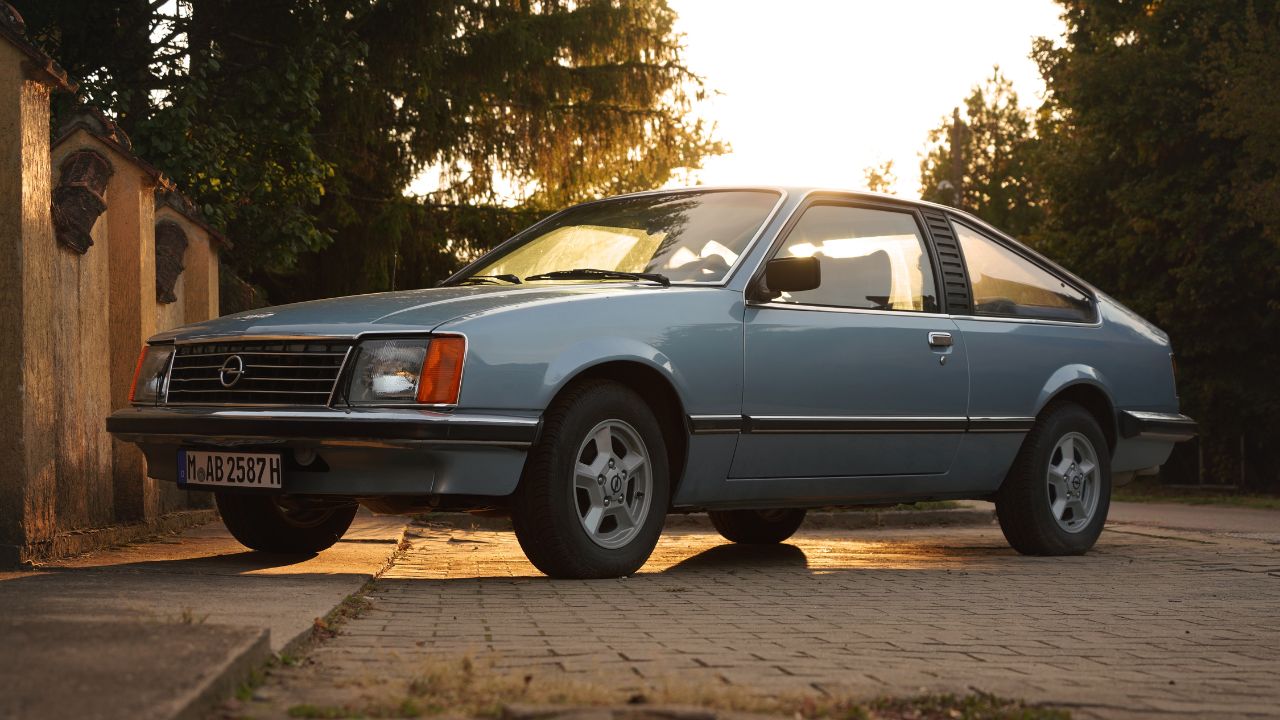
The Opel Monza blended the comfort of a grand tourer with the sportiness of a coupe, creating a car with broad appeal. Its wide stance, sloping roofline, and elegant detailing gave it a commanding presence. A variety of six-cylinder engines offered performance that matched its premium looks. Inside, the Monza boasted generous space and cutting-edge features, including digital display instruments on the top GSE line from 1983. It catered to drivers seeking a versatile car capable of long-distance travel without compromising on style.
The Monza became a flagship coupe for Opel, representing the brand’s design and technological ambitions in the late 1970s and early 1980s. It remains an excellent example of how Opel combines innovation with elegance. The Monza’s influence can still be traced in later Opel coupes.
Opel Insignia
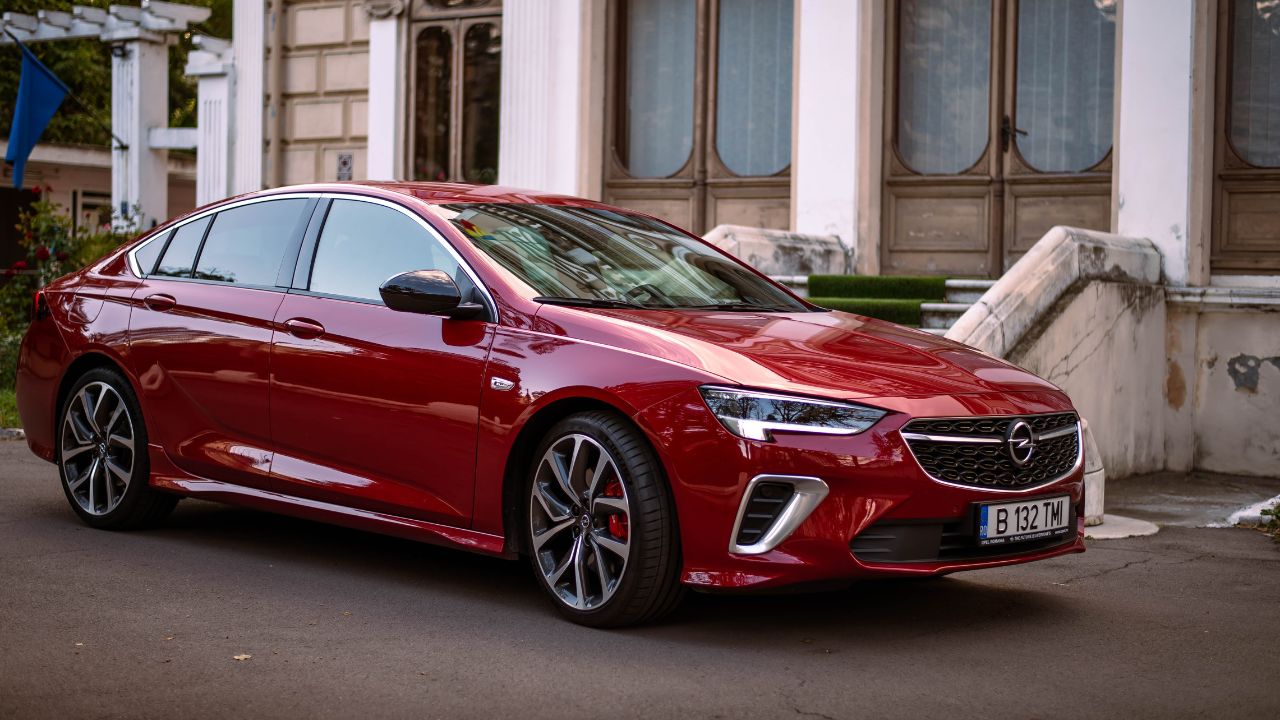
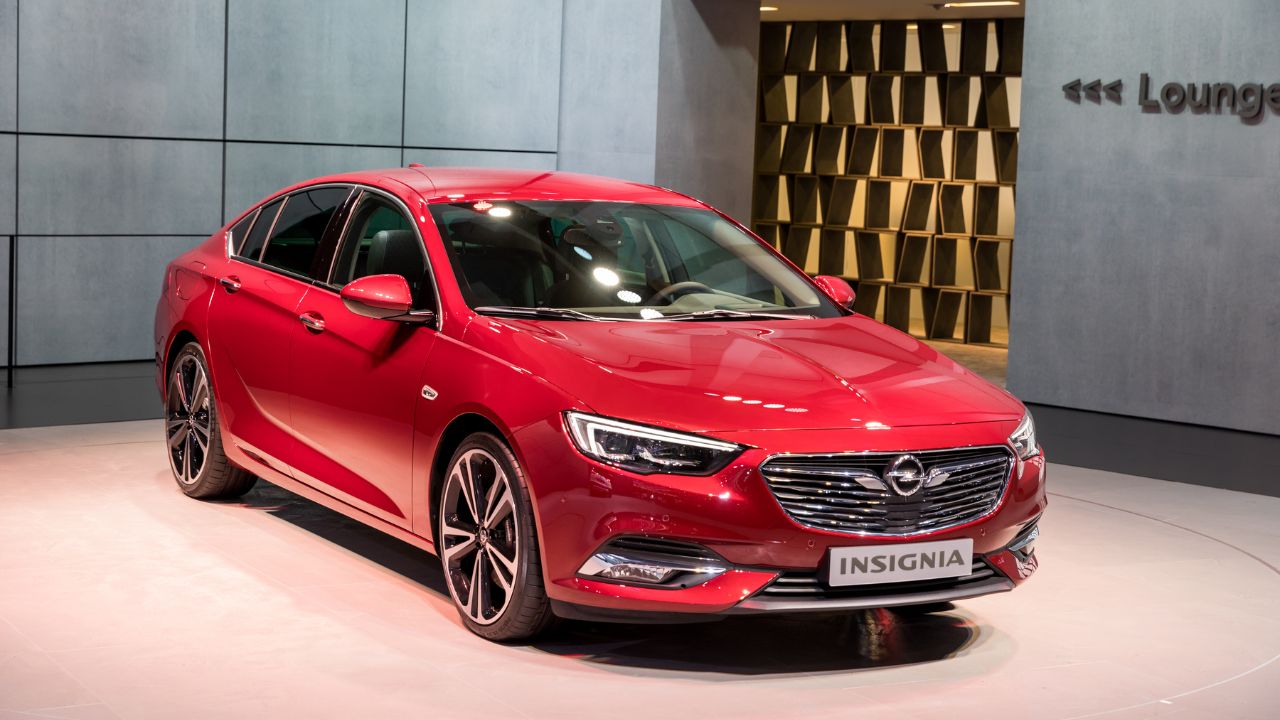
The Opel Insignia marked a turning point for the brand, introducing a sleek, contemporary design that redefined its image. Its sculpted bodywork and refined proportions elevated it above typical mid-size sedans. Inside, high-quality materials and advanced infotainment features gave it an upscale feel. The Insignia also brought improved aerodynamics, contributing to efficiency and performance.
It earned accolades across Europe, including European Car of the Year 2009, highlighting its impact on the segment. Opel targeted both families and professionals with this model, offering practicality and sophistication in one package. The Insignia helped modernize Opel’s portfolio, keeping it competitive against global rivals. Its success demonstrated the brand’s ongoing commitment to combining design innovation with everyday usability. This model remains a strong representative of Opel’s 21st-century vision.
Opel Diplomat
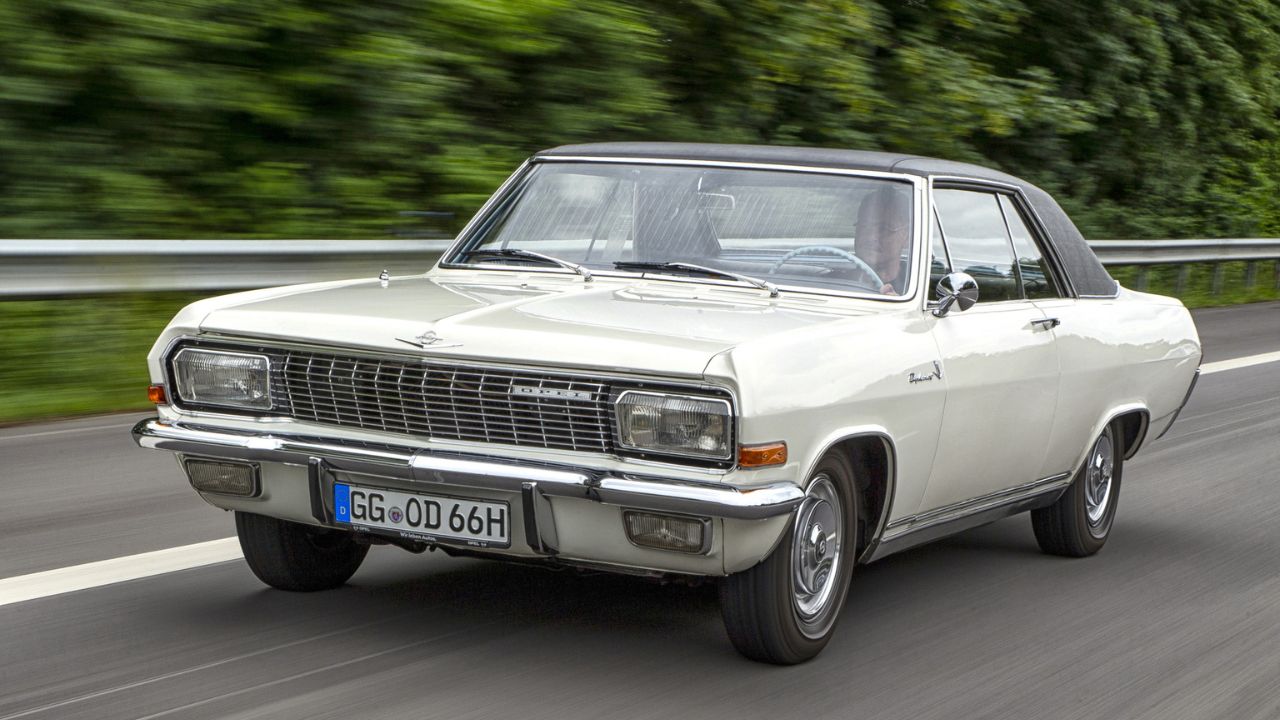
The Opel Diplomat delivered executive-class luxury with understated elegance, appealing to discerning drivers. Its conservative yet stately design emphasized substance over flash, creating a car that exuded quiet confidence. Large engines, including six-cylinder power and limited-production Chevrolet-sourced V8 versions (4.6L and 5.4L, depending on year), ensured strong performance, making long journeys effortless. Inside, plush seating and premium materials catered to passengers who expected comfort on every trip.
The Diplomat stood as Opel’s answer to Germany’s luxury segment leaders, offering a cost-effective alternative to more prestigious brands. It carried an aura of authority that made it a favorite among business owners and officials. Though produced in smaller numbers, it reinforced Opel’s capability to compete at higher market levels. The Diplomat remains a symbol of the brands willingness to step outside its traditional segments and aim higher.
Opel Ascona B
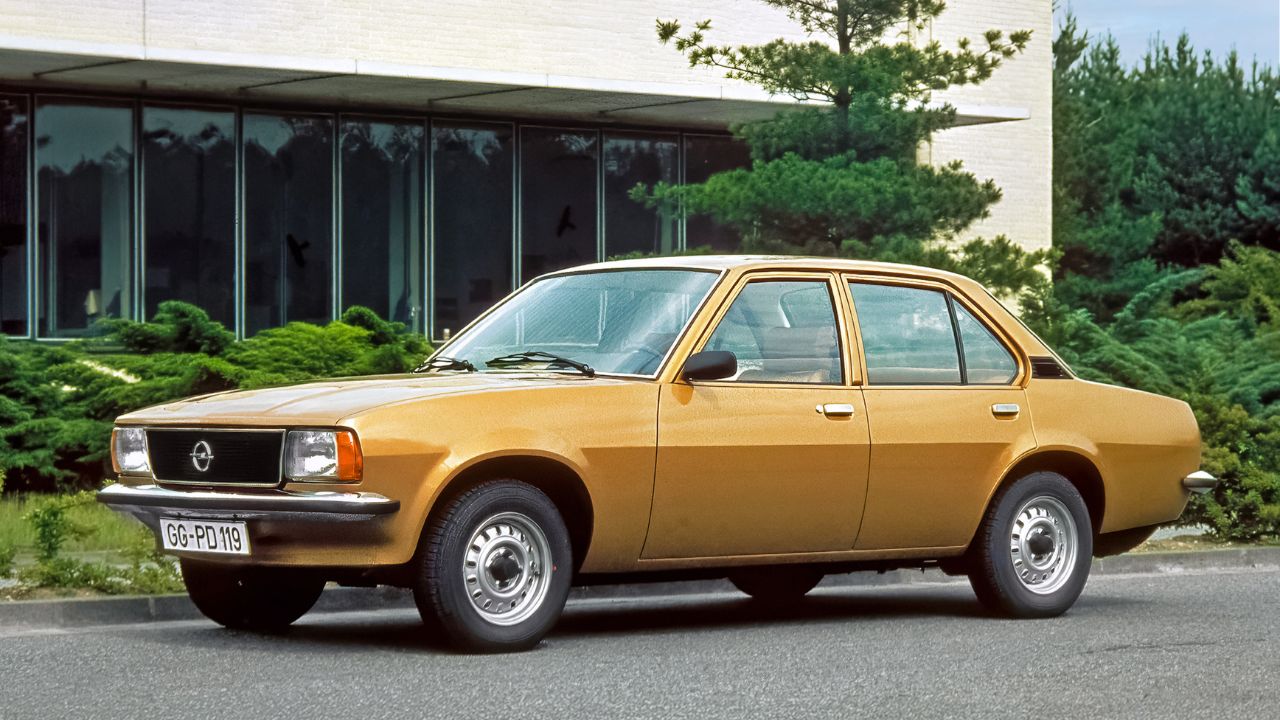
The Opel Ascona B struck a balance between family car sensibility and competitive performance credentials. Its crisp, modern lines made it an attractive choice for practical buyers. Under the skin, reliable mechanics ensured it could handle daily driving with ease. The Ascona became linked to motorsport fame through the Ascona 400 rally program, which was based on the Ascona B platform, where it showcased Opel’s engineering capabilities on the world stage. This dual identity gave it a unique appeal, satisfying both enthusiasts and commuters. Inside, it offered straightforward comfort, with controls designed for intuitive use.
Opel sold the Ascona B in strong numbers, reflecting its widespread popularity. It continues to be remembered as a car that proved ordinary vehicles could achieve extraordinary feats. Ascona B captured Opel’s knack for making versatility look and feel exciting.
Opel Commodore B
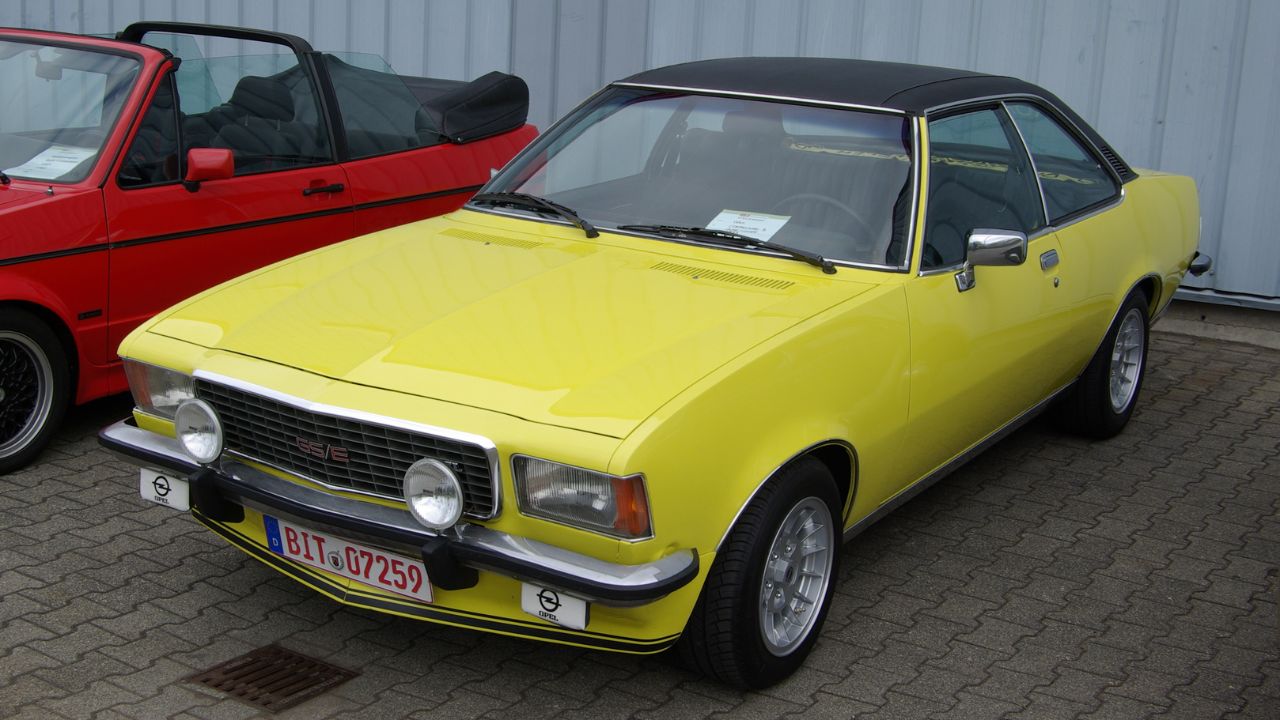
Opel’s Commodore B delivered executive-class aspirations in a car accessible to a broader audience. Its understated styling carried a hint of sophistication that appealed to upwardly mobile buyers. A range of six-cylinder engines provided smooth performance. The interior prioritized comfort with thoughtful design elements, creating a pleasant environment for long journeys.
Commodore B offered an alternative to more expensive German sedans without compromising on refinement. Its presence in export markets demonstrated Opel’s global ambitions during this era. It carved a niche as a car that could deliver premium experiences without premium costs. Today, the Commodore B is appreciated as a model that quietly set standards in its class. It reflects Opel’s enduring capacity to challenge expectations with grace.
Opel Frontera
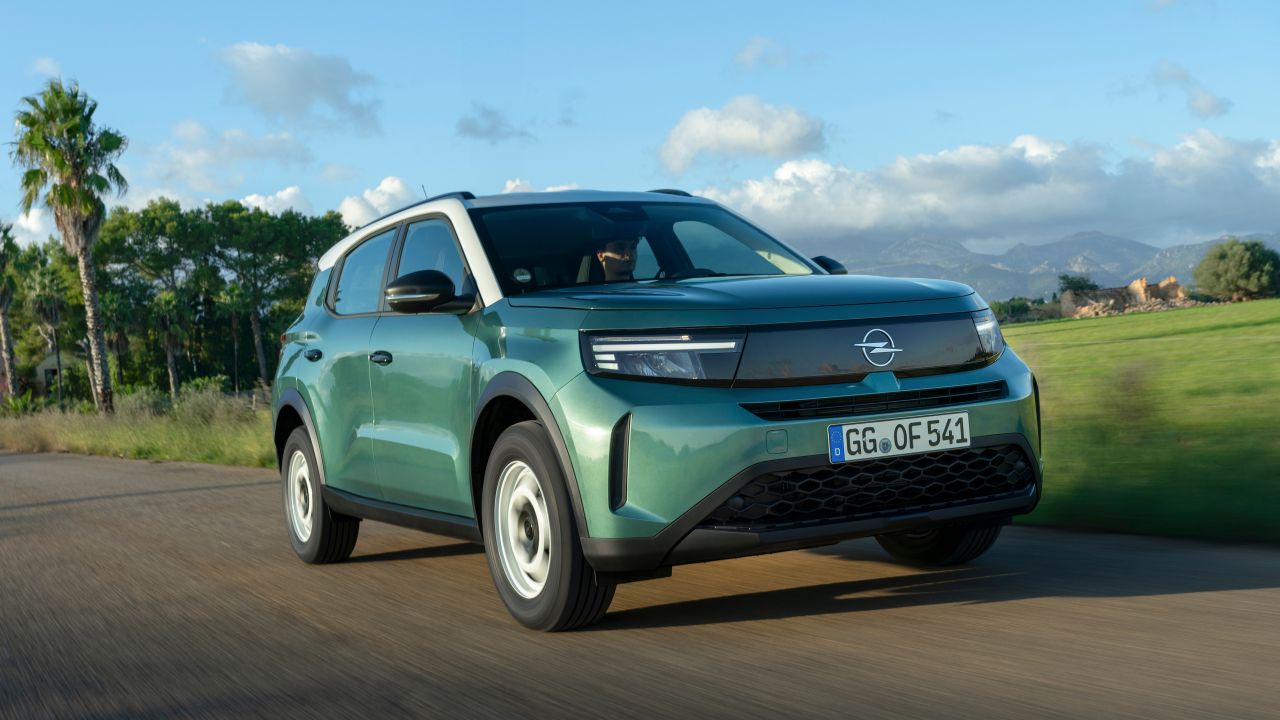
The Opel Frontera marked the brand’s confident step into the SUV market, combining rugged utility with Opel’s familiar European sensibility. Built in collaboration with Isuzu and derived from the Isuzu MU / MU Wizard line (rebadged for Europe as the Frontera), it offered impressive off-road capability while maintaining the comfort expected from a family vehicle. Its bold, boxy design gave it a commanding presence on the road, appealing to buyers who wanted practicality wrapped in a purposeful package.
Multiple drivetrain options, including four-wheel drive, made it adaptable for city driving and weekend adventures. Inside, the Frontera delivered ample space for passengers and gear, proving its versatility as a daily companion and an explorer. It became a popular choice across European markets, especially for families seeking a balance between urban comfort and outdoor readiness.
Opel Adam
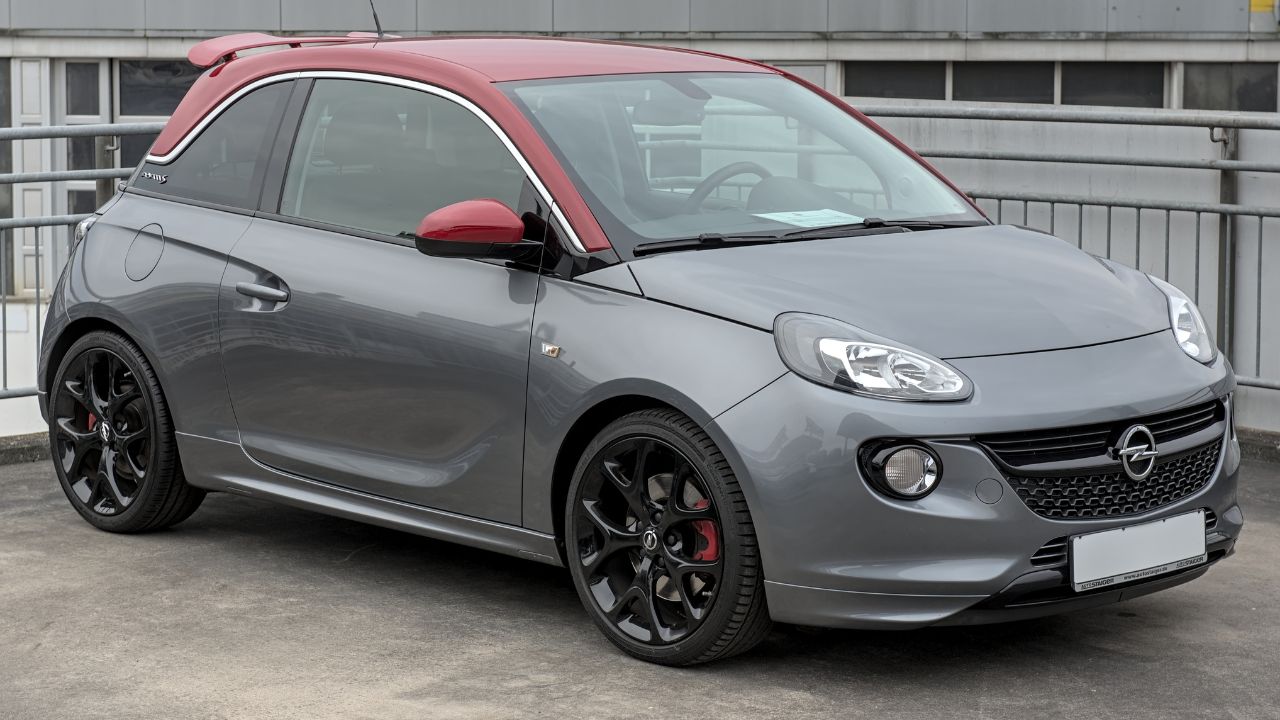
Opel Adam introduced a fresh, playful approach to city car design, appealing to a younger, style-conscious audience. Its compact dimensions made it perfect for urban environments, while bold color choices and customization options added personality. The interior felt surprisingly upscale for its size, offering features like touchscreen infotainment and premium finishes. Adam’s agile handling and efficient engines made it enjoyable to drive in congested streets.
Opel positioned it as a lifestyle car, blending practicality with trend-setting design. It competed effectively with similar offerings from Mini and Fiat, holding its ground in a challenging market. The Adam remains a standout example of Opel’s competence to innovate within the city car segment. It represents a time when Opel proved small cars could be both fashionable and functional.
Opel Tigra
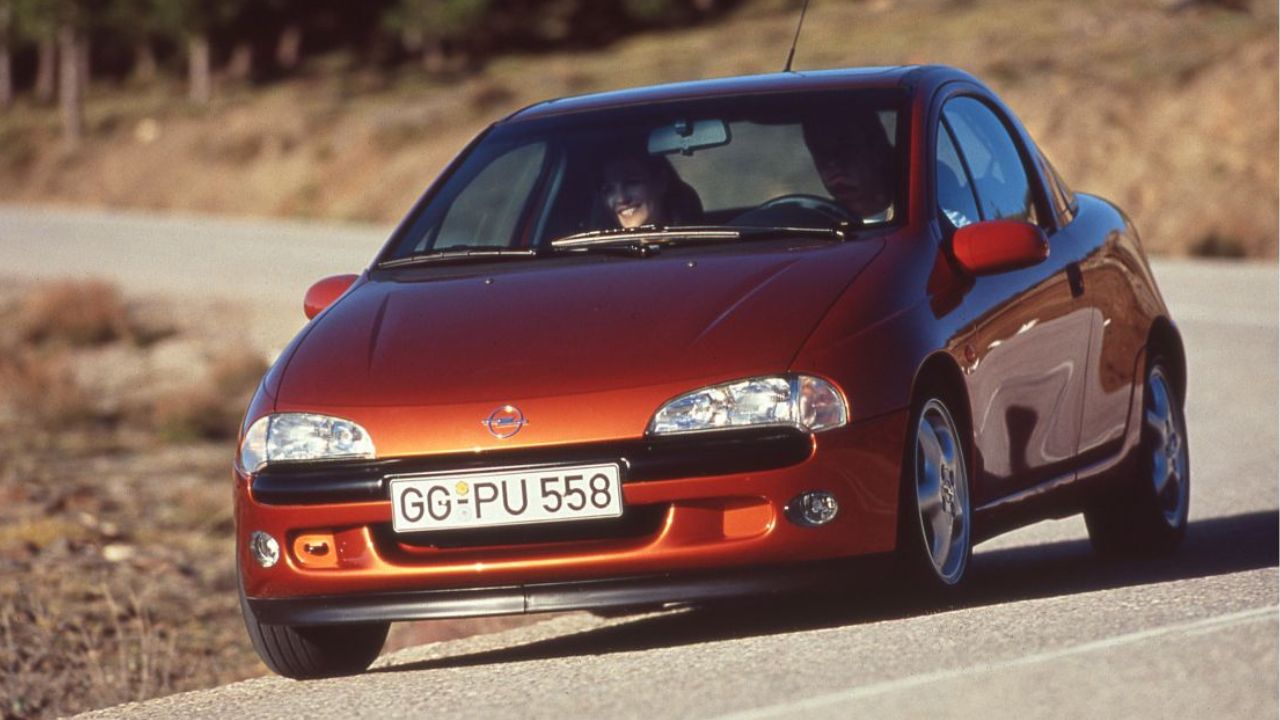
The Opel Tigra brought a youthful, sporty character to Opel’s compact lineup, offering a stylish alternative for drivers who wanted something beyond a standard hatchback. Its curvaceous design and compact coupe form made it stand out in the crowded small-car segment. Based on the Corsa platform, it combined affordability with fun-to-drive handling, making it popular among younger buyers. The interior emphasized simplicity and sportiness, with a driver-focused layout and thoughtful ergonomics.
Despite its modest size, the Tigra delivered spirited performance, perfect for city driving and weekend getaways. The second-generation Tigra introduced a retractable hardtop (the Tigra TwinTop, introduced in May 2004), enhancing its appeal as a fashionable city coupe. It showcased Opel’s willingness to experiment with design while keeping cars accessible.
Why Opel Still Deserves Your Attention
Opel has always excelled at making cars that feel both familiar and special. These models prove the brand’s ability to outclass larger rivals through clever design and practical brilliance. They show how Opel consistently brought innovation into everyday vehicles without making them inaccessible, making them trusted companions for families, professionals, and enthusiasts alike.
Opel’s history is a reminder that greatness often lies in refinement rather than extravagance. For drivers, these cars offer reliability paired with thoughtful design. They invite you to rediscover a brand that deserves far more recognition. Opel’s story continues, and these models prove why it is worth following.