Restoring a classic car is a labor of love, and when it comes time to enjoy the results, the last thing you want is a scenic route filled with potholes and uneven pavement. While modern SUVs may handle rough terrain with ease, vintage vehicles require smoother roads and predictable conditions to ensure a safe and enjoyable drive.
Many lists of “classic car-friendly” drives tend to focus on newer models or overlook the unique needs of older vehicles. This guide highlights 10 coastal routes that offer smooth surfaces, scenic views, and driving conditions that respect both your investment and your peace of mind.
These oceanfront drives avoid steep mountain passes, poorly maintained roads, and remote areas with limited support services. Instead, they offer well-paved routes, accessible amenities, and the kind of driving experience that lets classic car owners enjoy the journey without worry.
How We Picked These Drives
Selecting routes for classic cars is all about respecting the machine. While oceanfront scenery sets the stage, the real measure of a great drive lies in how well it treats your vehicle. For this list, we focused on three core factors: surface quality, climate conditions, and overall driving experience, essentially, what won’t be uncomfortable in an older car with a few quirks.
These selections are based on personal driving experience, input from fellow Guessing Headlights staffers, and a bit of humor to keep things fun. We’ve spent time behind the wheel on these roads, and we’ve picked the brains of other enthusiasts who know what it’s like to drive a classic car that’s more personality than precision.
First, we prioritized smooth, well-paved roads that won’t damage tires, suspension, or paint. Climate was equally critical — salt-laden air, extreme temperatures, and humidity can accelerate rust and strain older engines. So we focused on regions with mild, predictable weather to help keep your car cool and corrosion-free.
Beyond mechanical considerations, convenience and enjoyment mattered too. Each route offers scenic pull-offs for memorable photo ops, car-friendly accommodations for overnight stays, and nearby service options for peace of mind. Our goal was simple: curate drives that celebrate the spirit of classic motoring while minimizing risk. These roads promise more than breathtaking views — they provide a safe, smooth, and stylish journey where both driver and machine can truly thrive.
Pacific Coast Highway, California

Miles of Oceanfront: 655 total, but the good stuff is between Carmel and San Simeon Surface
Quality: Surprisingly smooth for a road that gets more publicity than an A-list celebrity
Best Months: April-October (avoid June gloom unless you enjoy driving in pea soup)
Yes, it’s touristy. Yes, every car commercial since 1970 has been filmed here. Yes, you’ll be stuck behind RVs driven by people who learned to drive during the Coolidge administration. But here’s the thing — PCH earned its reputation the hard way.
The section through Big Sur offers 90 miles of curves so perfectly banked, you’d think civil engineers actually drove cars when they designed them. The Mediterranean climate means your cooling system won’t throw a tantrum, and the consistent 50-65°F ocean breeze keeps both you and your engine happy.
Pro tip: Start at dawn. Not because of the romantic sunrise nonsense, but because you’ll have the road to yourself before the tour buses arrive. Stop at Nepenthe for lunch: not because the food is spectacular, but because the parking lot is big enough for your classic’s doors to open fully without dinging the Prius next to you. C’mon, it’s a classic!
The real magic happens around Bixby Bridge, where the road sweeps along 300-foot cliffs with views that make you understand why people pay $8 million for houses with no yards. Just remember: the scenic turnouts aren’t suggestions — use them. That ’73 Challenger behind you isn’t just admiring your paint job.
Overseas Highway, Florida Keys

Miles of Oceanfront: All of them (you’re literally driving on water)
Surface Quality: Rebuilt after every hurricane with federal dollars
Best Months: November-April (unless you enjoy driving in a steam bath)
The Overseas Highway is Florida’s answer to the question: “What if we built a bridge so long it became a road?” This 113-mile stretch from the mainland to Key West offers something precious to classic car owners — absolute geographic predictability.
Zero elevation changes. Zero unexpected curves. Zero chances of your engine overheating on a hill that didn’t exist on last year’s map. It’s the closest thing to driving on a pool table, if pool tables had incredible ocean views and frequent opportunities for rum-based refreshments.
The road surface gets redone every few years courtesy of Mother Nature and FEMA, so you’re guaranteed pavement newer than your car’s last restoration. The bridges offer cooling ocean breezes that work better than any factory air conditioning, and the speed limit stays reasonable because, frankly, where are you going to go?
Stop at Bahia Honda State Park for the obligatory “classic car with palm trees” photo, or Marathon for fuel and the kind of seafood that makes you question every Red Lobster decision you’ve ever made. Key West itself is worth the drive, but be warned: parking a pristine classic among the Conch Republic’s “island cars” is like wearing a tuxedo to a flip-flop convention.
The humidity will test your car’s seals and your patience, but the consistent 75-80°F temperatures mean no thermal shock for aging gaskets. Plus, if something goes wrong, you’re never more than 20 miles from a tow truck driver who’s seen it all.
Scenic Highway 101, Oregon Coast

Miles of Oceanfront: 362 miles from Washington to California
Surface Quality: Maintained by people who actually drive on it
Best Months: May-October (unless you enjoy driving in liquid sunshine)
Oregon’s Highway 101 proves that you don’t need tolls, celebrity endorsements, or Instagram fame to deliver world-class coastal driving. This 362-mile stretch along the Pacific represents everything right about American road building when engineers prioritized function over flash and maintenance crews took pride in their work.
Unlike California’s celebrity-status PCH, Oregon’s coast highway flies under the radar while delivering superior driving conditions. The pavement is consistently excellent because Oregon actually funds road maintenance instead of just talking about it. Curves are engineered for comfort rather than photo opportunities, and the grade rarely exceeds what a well-tuned carburetor can handle without complaint.
Here’s what makes it classic car heaven: predictable marine climate (cool summers, mild winters), minimal traffic compared to southern coastal routes, and a culture that appreciates functional over flashy. Oregonians drive cars until they actually stop working, which means local mechanics understand older vehicles and parts stores stock components beyond the latest model year.
The scenery alternates between rugged headlands, pristine beaches, and coastal forests that look like they’ve been waiting decades for someone to drive through them properly. Stop in Cannon Beach for the obligatory Haystack Rock photo, Florence for sand dunes that make you appreciate good filtration systems, or Bandon for golf courses that don’t require membership fees equivalent to a small mortgage.
Oregon’s famous “no self-serve gas” law means full-service attendants who remember when checking under the hood was standard practice. They’ll actually check your fluids, tire pressure, and offer directions without treating you like a museum piece that accidentally escaped.
Fair warning: Oregon drivers are aggressively polite. If you’re used to East Coast traffic aggression, prepare for an experience so civilized it might require psychological adjustment. Also, “light rain” in Oregon is a lifestyle, not a weather condition. Pack accordingly.
Ocean Drive, Newport, Rhode Island
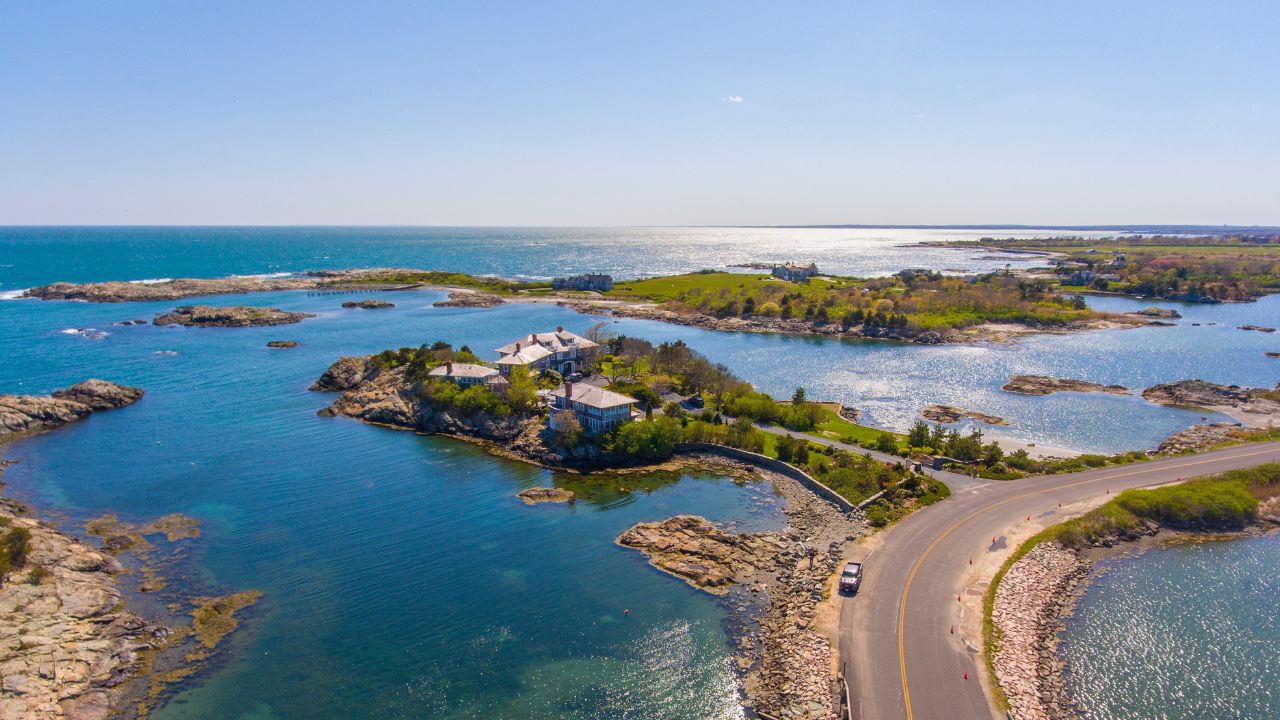
Miles of Oceanfront: 10 miles of pure New England sophistication
Surface Quality: Maintained like the private driveways it basically connects
Best Months: May-October (skip July 4th weekend unless you enjoy parking lots)
Newport’s Ocean Drive is what happens when people with more money than sense decide to build the perfect driving road. This 10-mile loop through America’s most shameless display of Gilded Age excess offers something rare: a coastal route with actual engineering standards.
The road surface is maintained better than most interstate highways, probably because half the property owners could buy the road department if it annoyed them. Gentle curves hug the coastline past mansions that make McMansions look like garden sheds, while the Atlantic provides a constant backdrop that photography enthusiasts call “money shots.”
Here’s what matters to classic car owners: this route was designed for leisurely motoring back when cars were built like jewelry boxes and driven like they mattered. The grade never exceeds 3%, the curves are banked for comfort rather than speed, and scenic turnouts appear every half-mile like clockwork.
Stop at The Breakers if you want to feel poor, or Brenton Point State Park if you want to feel normal. Either way, your car will attract more attention than the scenery — Newport residents know good engineering when they see it, whether it’s in their 200-room “cottages” or your carefully restored classic.
Fair warning: parking downtown requires the spatial reasoning skills of a chess grandmaster and the patience of a marriage counselor. Bring quarters. Lots of quarters.
Cabot Trail, Nova Scotia
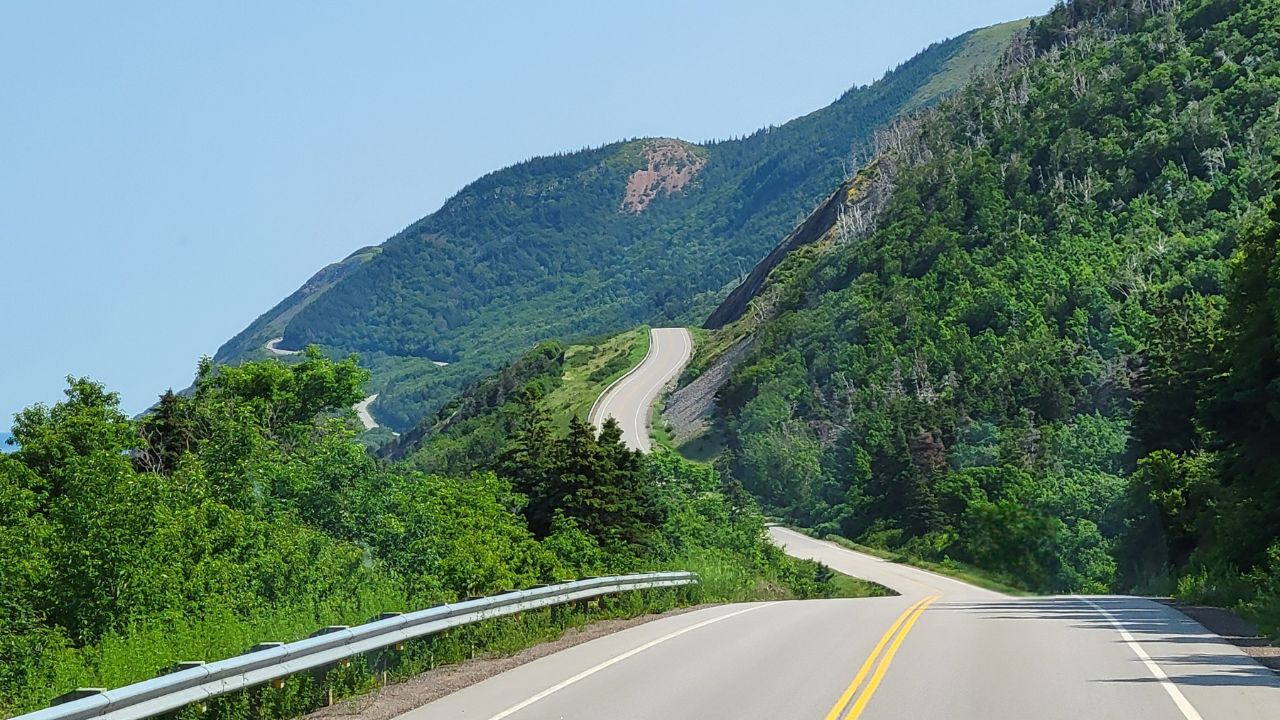
Miles of Oceanfront: 185 miles around Cape Breton Island
Surface Quality: Maintained with Canadian precision and apologies for any inconvenience
Best Months: June-October (because winter is not your friend)
The Cabot Trail wraps around Cape Breton Island like a love letter from the Canadian government to classic car enthusiasts. This 185-mile loop offers something increasingly rare: a scenic route that actually considers the mechanical needs of older vehicles.
Canadian road maintenance operates on a simple principle: fix it right the first time, then apologize for any dust during construction. The result is pavement quality that makes American highways look like suggestions written in chalk. Curves are engineered for comfort rather than challenge, and grades respect the laws of thermodynamics.
The scenery alternates between “calendar-worthy” and “retirement brochure material” — fishing villages that time forgot, highlands that rolling green hills, and coastlines where whales breach close enough to wave back. Stop in Baddeck for Alexander Graham Bell history, or anywhere along the way for seafood that makes New England chowder taste like cafeteria soup.
Here’s the classic car bonus: Nova Scotia summers hover around 70°F with ocean breezes that work better than factory air conditioning. Your radiator will thank you, your upholstery won’t crack, and your chrome will stay corrosion-free longer than it has any right to.
Fair warning: Maritime politeness extends to driving speeds. If you’re used to highway aggression, prepare for a driving experience so civilized it might lower your blood pressure.
17-Mile Drive, Pebble Beach, California
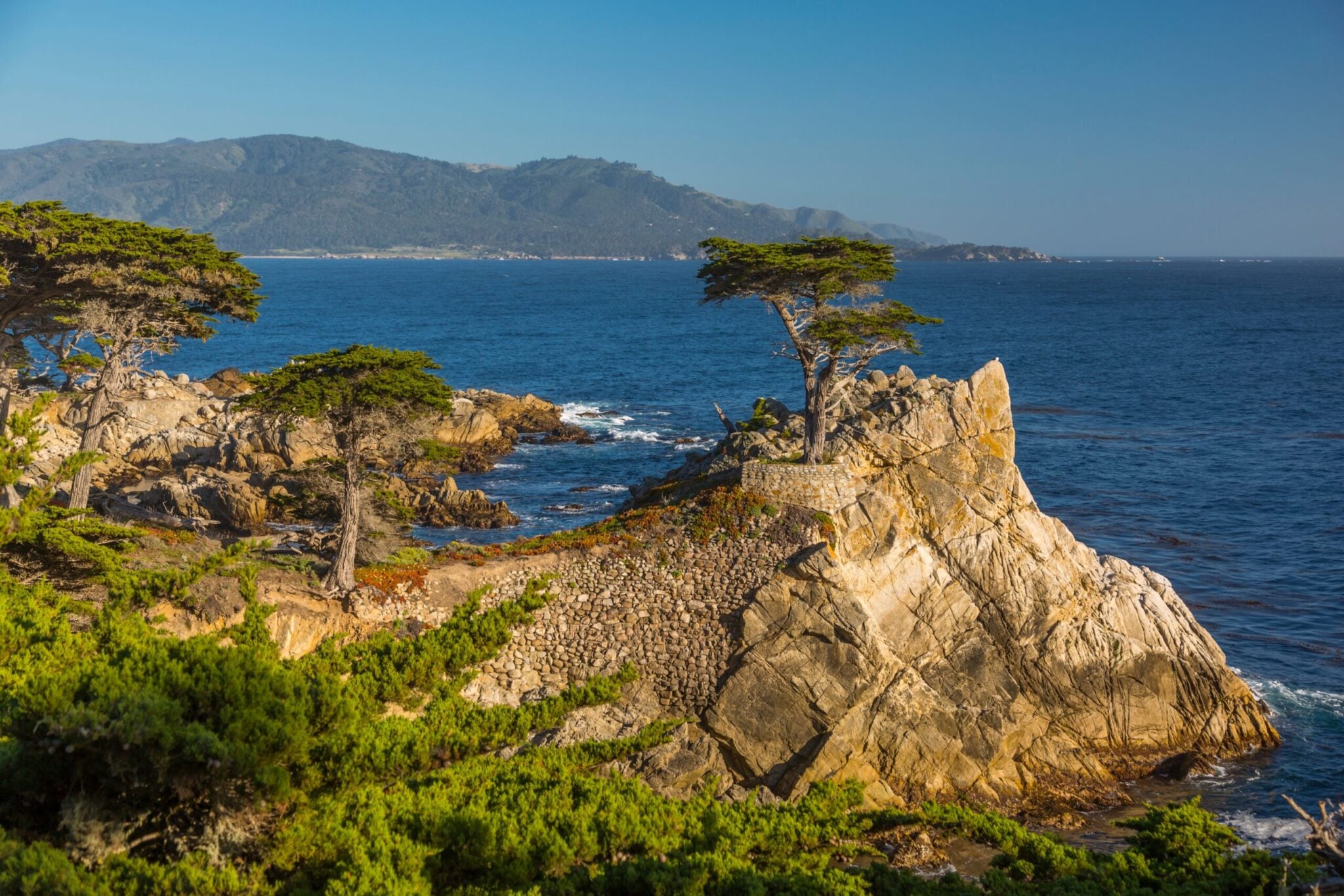
Miles of Oceanfront: 17 miles of the most expensive asphalt in America
Surface Quality: Maintained better than most people’s driveways
Best Months: Year-round (money talks, weather walks)
Yes, you have to pay to drive on this road. No, that’s not a typo or some weird California tax — it’s literally a toll road through a private community where the entrance fee costs more than some people’s car payments. But before you start muttering about elitist nonsense, consider what your money buys: the most meticulously maintained 17 miles of coastal roadway in North America.
The Monterey Peninsula’s 17-Mile Drive winds through Pebble Beach and Carmel, connecting golf courses that cost more per round than your last tune-up with ocean vistas that make screen savers look like cave paintings. The road surface is maintained by people who understand that Ferraris and Bentleys don’t appreciate potholes, which means your classic gets the same five-star treatment.
Here’s what matters: zero frost damage (because California), gentle curves banked for comfort rather than speed limits, and pull-offs every quarter mile for those mandatory “classic car with cypress trees” photos. The famous Lone Cypress has probably appeared in more car magazines than any other tree in automotive history, and for good reason — it provides the kind of backdrop that makes your restoration worth every penny.
Stop at Seal Point for actual seals (they’re locals, be polite), or the Lodge at Pebble Beach if you want to feel simultaneously inspired and financially inadequate. Just remember: the other cars on this road cost more than most houses, so your classic fits right in with the neighborhood’s standards.
Pro tip: Enter at the Carmel Gate: better scenery, fewer crowds, and you’ll end up at Carmel-by-the-Sea, where parking meters accept credit cards because even the municipal infrastructure assumes wealth.
Great Ocean Road, Australia
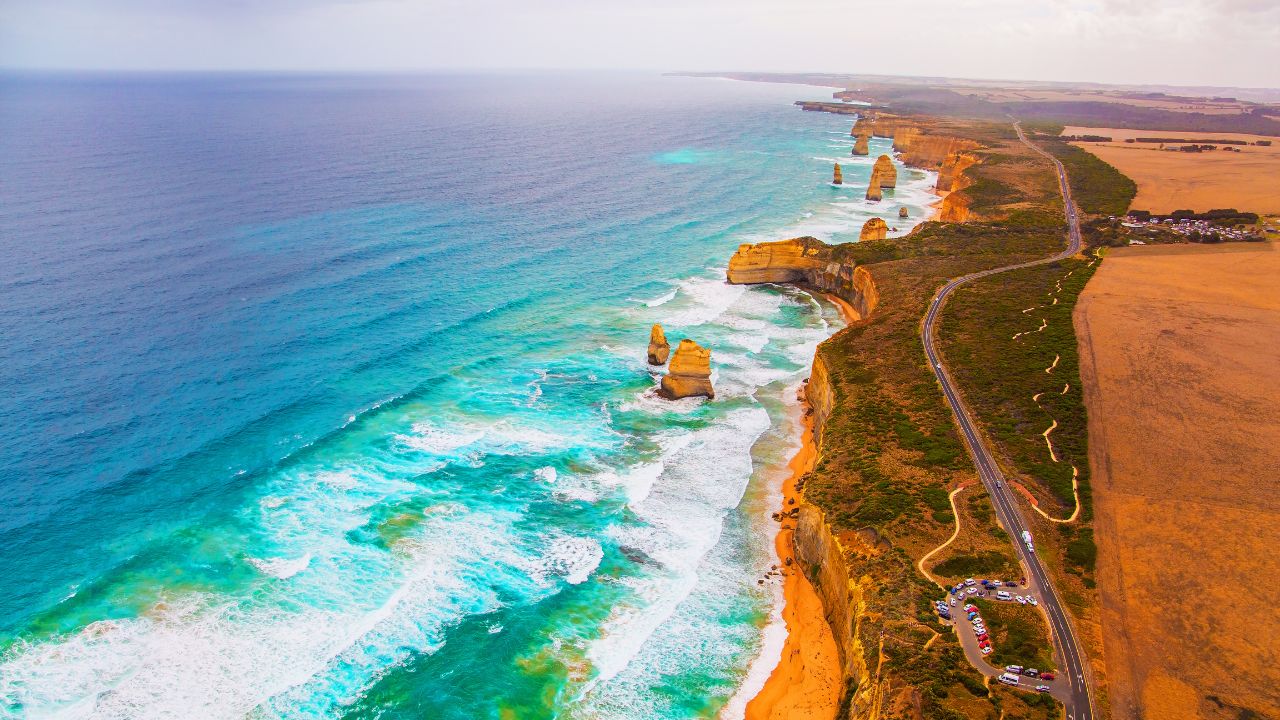
Miles of Oceanfront: 150 miles of left-hand driving excellence
Surface Quality: Better than most American interstates (because Australians actually fund infrastructure)
Best Months: November-April (their summer, your escape from winter)
Australia’s Great Ocean Road proves that when a country takes driving seriously, magical things happen. This 150-mile coastal masterpiece along Victoria’s southern coast offers something American roads forgot how to deliver: consistent quality from start to finish.
The Australians built this road in the 1920s as a memorial to WWI veterans, and they’ve maintained it like the shrine it deserves to be. Smooth curves sweep along limestone cliffs past formations with names like the Twelve Apostles — rock pillars so perfectly arranged, you’d think someone designed them for automotive photography.
Here’s what makes it classic car heaven: the route was built during the golden age of motoring, when cars were expected to be driven rather than just transported. Modern updates have preserved the road’s character while adding safety features and consistent pavement quality that American highway departments can only dream about.
The climate is Mediterranean without the Mediterranean attitude—mild temperatures, predictable weather patterns, and sea breezes that keep everything comfortable. Stop at Apollo Bay for coffee that doesn’t taste like dishwater, or Port Campbell for limestone formations that make the Grand Canyon look like a pothole.
Yes, you’ll drive on the left. No, it’s not as terrifying as your relatives warned you. And yes, your classic will probably get more respect from Australian drivers than it does from soccer moms in mall parking lots back home.
Amalfi Coast, Italy

Miles of Oceanfront: 30 miles of medieval engineering meets modern drama
Surface Quality: Surprisingly good for roads older than your country
Best Months: April-June, September-October (avoid August unless you enjoy human gridlock)
The Amalfi Coast is what happens when someone builds a road along 30 miles of vertical cliff face and somehow makes it work. This UNESCO World Heritage site offers driving so theatrical, you’ll feel like you’re starring in your own car commercial — assuming car commercials included actual risk and genuine mechanical sympathy.
These narrow lanes were carved by people who understood that getting there is half the experience. Modern maintenance has preserved the medieval character while adding safety features and pavement quality that keeps your suspension components intact. The curves demand attention, but they reward it with views that make postcards look like rough drafts.
Here’s what works for classics: the pace is necessarily civilized (try speeding on a road where tour buses negotiate turns measured in degrees rather than miles), the coastal breeze provides natural cooling, and every mile includes places to stop, breathe, and let your engine cool down while you contemplate the engineering achievement you’re driving on.
Stop in Positano for overpriced coffee and reasonably priced inspiration, or Ravello for views that make you understand why rich people buy houses they visit twice a year. Just remember: Italian driving etiquette operates on different principles than American road rage. Patience isn’t just a virtue here — it’s a survival skill.
Warning: parking spaces are sized for Fiats, not Fairlanes. Plan accordingly.
Garden Route, South Africa

Miles of Oceanfront: About 190 miles between Mossel Bay and Storms River
Surface Quality: Smooth enough to make you suspicious it’s still in Africa
Best Months: September–April (spring through early autumn — mild, dry, and photogenic)
The Garden Route is South Africa’s answer to the question, “What if we put every kind of scenery you can imagine in one easy-to-drive coastal stretch?” You get mountains that look imported from a fantasy movie set, Indian Ocean beaches that could sell sunscreen to penguins, and small towns where classic cars still turn heads for the right reasons.
Here’s why it’s a classic car owner’s dream: the N2 highway and parallel coastal roads are immaculately maintained for a region that lives and dies by tourism. The curves are wide, the grades are gentle, and the pavement is more forgiving than a grandmother with a soft spot for troublemakers. The climate is a Goldilocks zone, not too hot, not too cold, and with sea breezes that keep both your radiator and your patience cool.
Stop in Knysna for oysters that make you forget every bad seafood platter you’ve endured, or Plettenberg Bay for photo ops that will have friends accusing you of using Photoshop. Local service stations still employ mechanics who can diagnose a carburetor issue without a laptop, and the distances between towns are short enough that you’ll never be stranded somewhere without a plan B.
Fair warning: baboons occasionally treat roadside rest areas like their personal cafes. Keep your snacks — and your hubcaps — inside the car.
Adriatic Highway, Montenegro
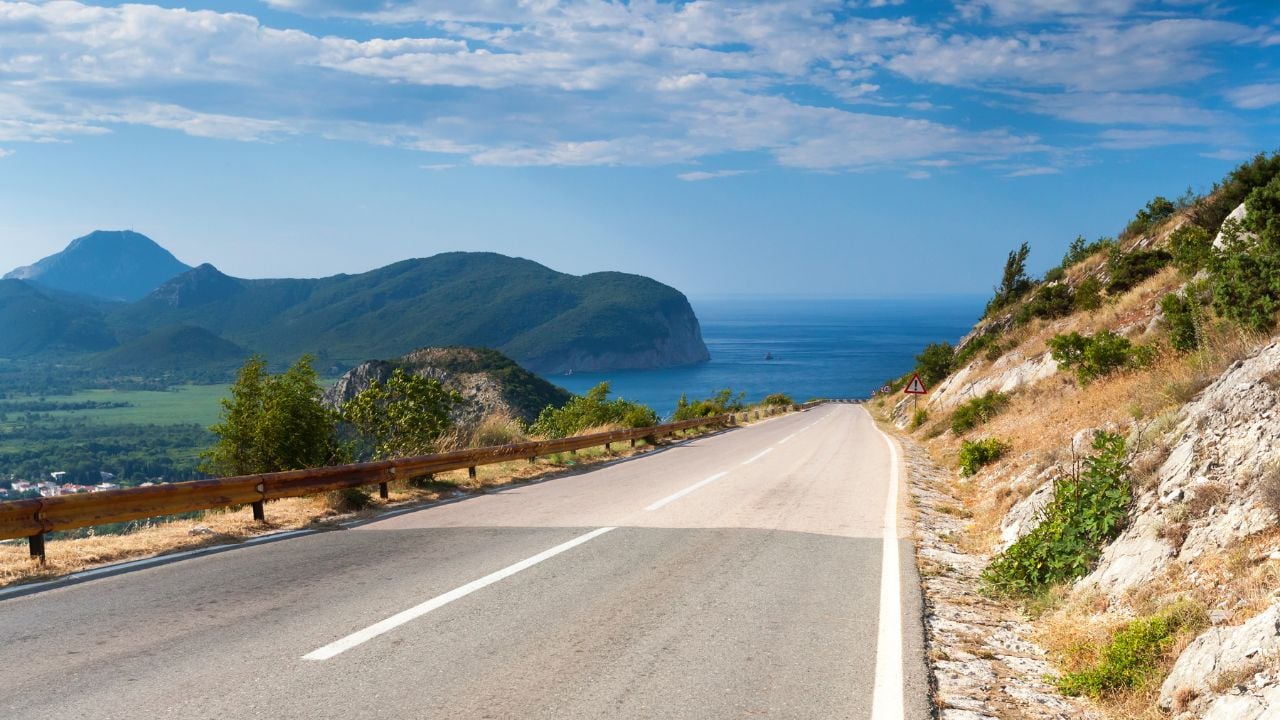
Miles of Oceanfront: 200 miles of Balkan coastal perfection
Surface Quality: EU funding meets Slavic work ethic
Best Months: May-June, September-October (peak season is for amateurs)
Montenegro’s Adriatic Highway represents everything right about European road building: perfectly engineered curves, pavement quality that makes German autobahns jealous, and scenery so dramatic it borders on showing off. This 200-mile coastal route along the eastern Adriatic proves that sometimes the best things come in small packages.
Built with EU infrastructure funds and maintained with the precision of people who understand that tourism dollars depend on road quality, the Adriatic Highway offers classic car enthusiasts something increasingly rare: technical perfection with cultural authenticity. The Bay of Kotor alone justifies the airfare; a fjord-like inlet surrounded by medieval towns that make Italian coastal villages look like suburban developments.
Here’s the classic car payoff: Mediterranean climate without Mediterranean crowds, road surface quality that rivals Switzerland, and fuel stops staffed by mechanics who learned their craft on cars that required actual skill to maintain. Local drivers show respect for well-maintained classics, probably because they remember when all cars required careful attention.
Stop in Perast for waterfront dining that costs less than airport food, or anywhere along the bay for photographs that make your friends question your claims about “budget travel.” The entire country is smaller than Connecticut, so you’re never far from assistance if needed.
Warning: this route is so good, you might start planning your retirement around it.
Where Scenery Meets Sensibility
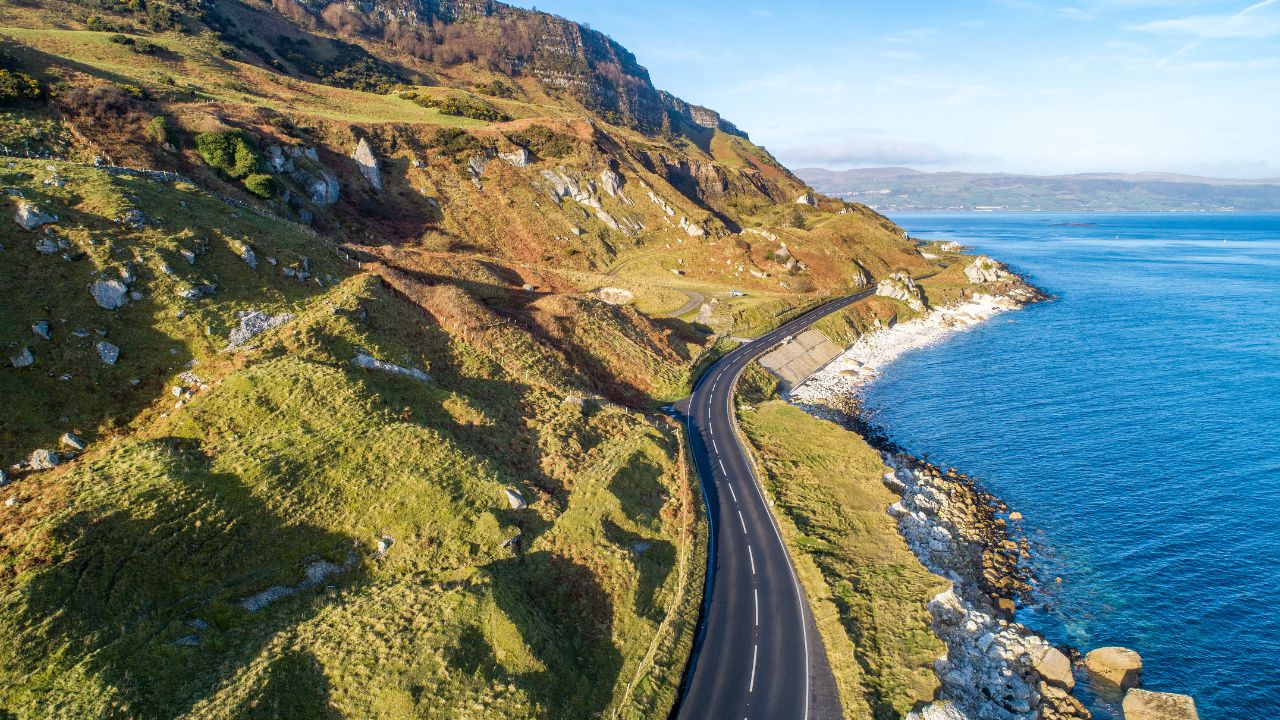
Classic cars deserve routes that celebrate their heritage without compromising their care, and these eight oceanfront drives deliver on that promise. Each one was chosen for its smooth pavement, gentle curves, and favorable climates—all essential for preserving the integrity and elegance of vintage vehicles. These roads are invitations to experience the pure joy of motoring as it was meant to be.
Picture yourself chasing California sunsets along the Pacific Coast Highway, savoring the relaxed charm of Newport’s Ocean Drive, or navigating the dramatic bends of Italy’s Amalfi Coast. Every route in this collection offers a unique blend of scenic wonder and car-friendly conditions. And then there’s Montenegro’s Adriatic Highway—the undisputed crown jewel. With its flawless views of the Bay of Kotor, impeccable road conditions, and Mediterranean breeze, it’s more than a drive—it’s a statement of what classic motoring should feel like.
For those who believe driving should never be reduced to a chore, these coastal coolers promise freedom, beauty, and a sense of timeless adventure. Here, every mile is a memory—and every turn reminds you why the road will always belong to the passionate.