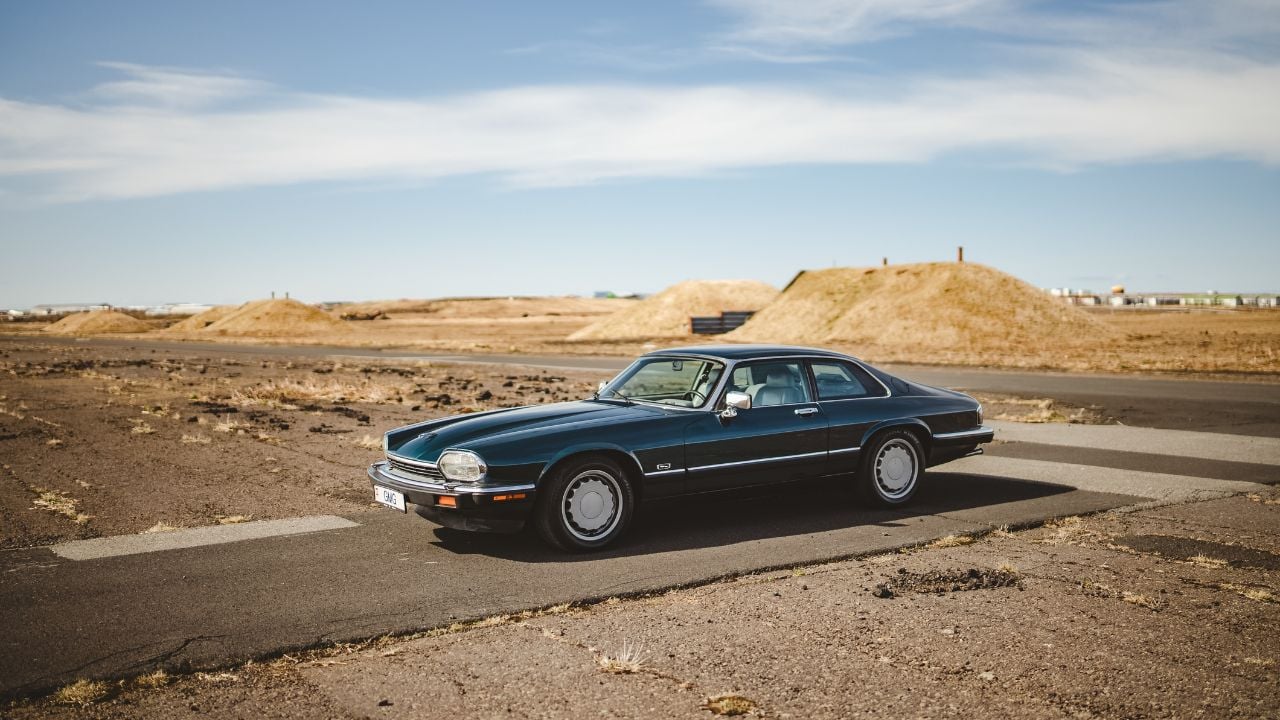
Jaguar has built its legacy on vehicles that spark emotion, turning ordinary drives into unforgettable moments. Have you ever seen a Jaguar sweep past and felt your heart skip a beat? These cars create that kind of magic. They blend British elegance with performance in ways that leave lasting impressions. If you’ve ever driven a British car, chances are you understand exactly what I’m saying, and if you haven’t, you’re missing out.
From graceful sedans to thrilling sports cars, every model tells a story of design, innovation, and character. They have become icons not just for their beauty but for the way they make people feel behind the wheel. Channel your inner Top Gear and let’s get rolling.
How We Chose Jaguars That Steal Hearts
Picking Jaguars for this list meant searching for cars that do more than impress on paper. They had to evoke emotion, whether through styling that turns heads or a driving experience that lingers long after the journey ends. Each model was considered for its cultural significance, from the ones that became movie stars to those admired quietly on suburban streets. Real-world impact mattered, focusing on cars that defined their eras and elevated Jaguar’s identity.
Craftsmanship and comfort played key roles, since Jaguars have always been as pleasant to ride in as they are to drive (even if mechanics complain about sketchy electrical systems and annoying quirks). Heritage and influence were also essential, with these vehicles shaping design trends across the automotive world. Many of these cars inspired lifelong loyalty from owners, a sign of how deeply they connect with people. As a longtime admirer of the brand, I see them as proof that great cars create memories, not just mileage.
Jaguar XK120

Introduced in the postwar years, the XK120 became a revelation for its era. Its sweeping fenders and low-slung profile captivated onlookers while its performance shattered expectations for a British roadster. Drivers discovered a car that combined thrilling speed with remarkable poise, offering both excitement and refinement in one package. It was the world’s fastest production car at the time of its launch, with the XK120 name reflecting a 120 mph top speed claim.
The first production XK120 was delivered to Hollywood legend Clark Gable, helping the model become a status symbol beyond its motoring credentials. On long, winding roads, the car delivered joy with every gear change and turn of the wheel. Its elegance has aged gracefully, turning it into a sought-after collectible that embodies the dawn of Jaguar’s sports car dominance.
Jaguar E-Type

The E-Type is often described as the “most beautiful car ever made,” a line widely attributed to Enzo Ferrari but not fully confirmed. And honestly, wow, what a statement from a man known for creating some of the finest pieces of automotive art and performance in history. Few cars have influenced automotive design as profoundly as the E-Type. Its impossibly long hood, curving roofline, and athletic stance made it look alive even at rest. Performance matched its beauty, offering drivers an exhilarating mix of power and balance that set new benchmarks in the 1960s. Interiors featured an inviting blend of craftsmanship and purpose, creating a space that felt both luxurious and focused.
Its presence in films and on posters cemented its place as a cultural icon, and Austin Powers fans may know this special model as the “Shaguar.” Driving an E-Type remains an experience of pure romance between machine and road, explaining why it continues to captivate enthusiasts worldwide.
Jaguar Mark 2
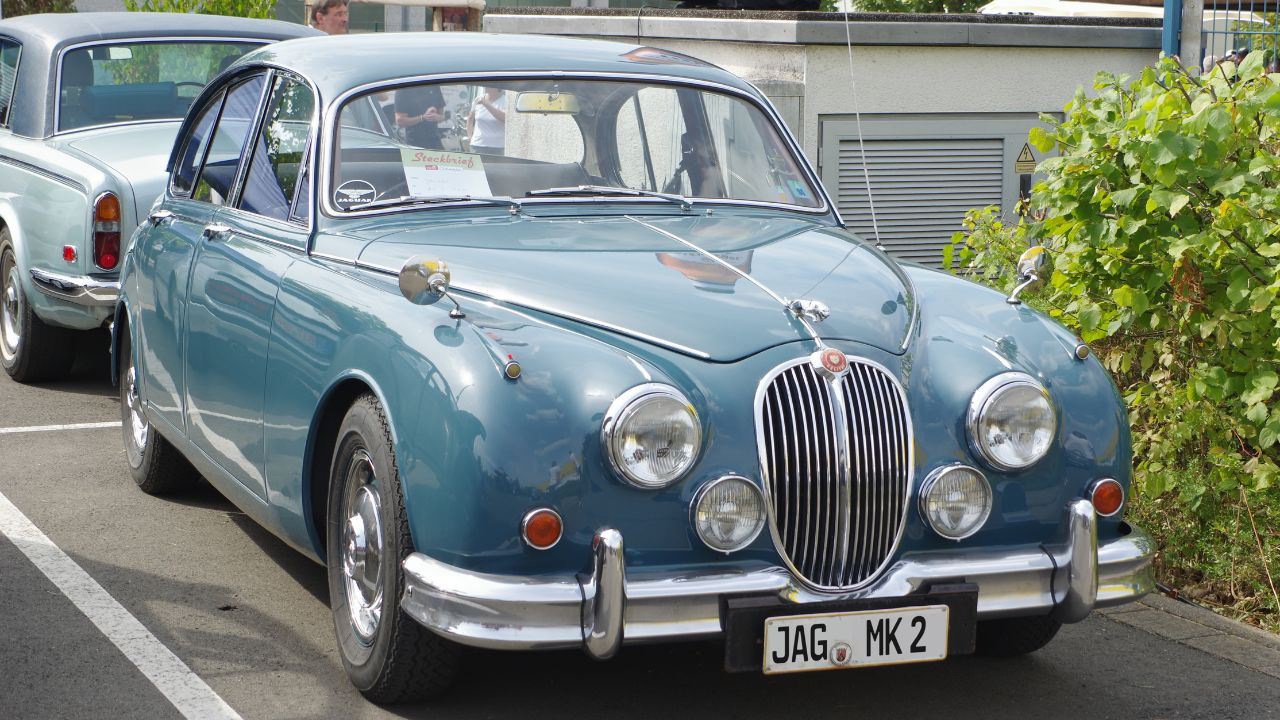
Launched in 1959, the Mark 2 was the gentleman’s getaway car (just ask any 1960s British gangster movie). Its compact size and spirited handling brought sports car character to the sedan format, appealing to those who wanted fun with sophistication. Interiors draped in leather and accented with polished wood created a welcoming environment for passengers. Stylish enough for tea with the queen, fast enough for a smash-and-grab.
On city streets, its nimble demeanor made it a joy to maneuver, while open roads revealed surprising depth in its performance. This duality helped the Mark 2 earn loyal fans from motorsport aficionados to families seeking a stylish daily driver. It remains a beloved symbol of Jaguar’s versatility.
Jaguar XJ6 Series I

With the debut of the XJ6, Jaguar redefined the luxury sedan that looked like a banker’s car and drove like a secret agent’s. A sleek exterior paired with a composed and supple ride sets it apart from rivals. Step inside, and you were greeted by an interior where comfort and craftsmanship merged effortlessly. It served executives, travelers, and driving enthusiasts with equal finesse, offering both refinement and engagement in a way that velvet-gloved punched Mercedes and BMW.
On motorways, it glided effortlessly, while city driving felt intuitive and smooth. The XJ6 became more than a car, it became a statement of class and confidence. Its influence still resonates in Jaguar’s modern sedans, cementing its place as a cornerstone of the brand.
Jaguar XJ220
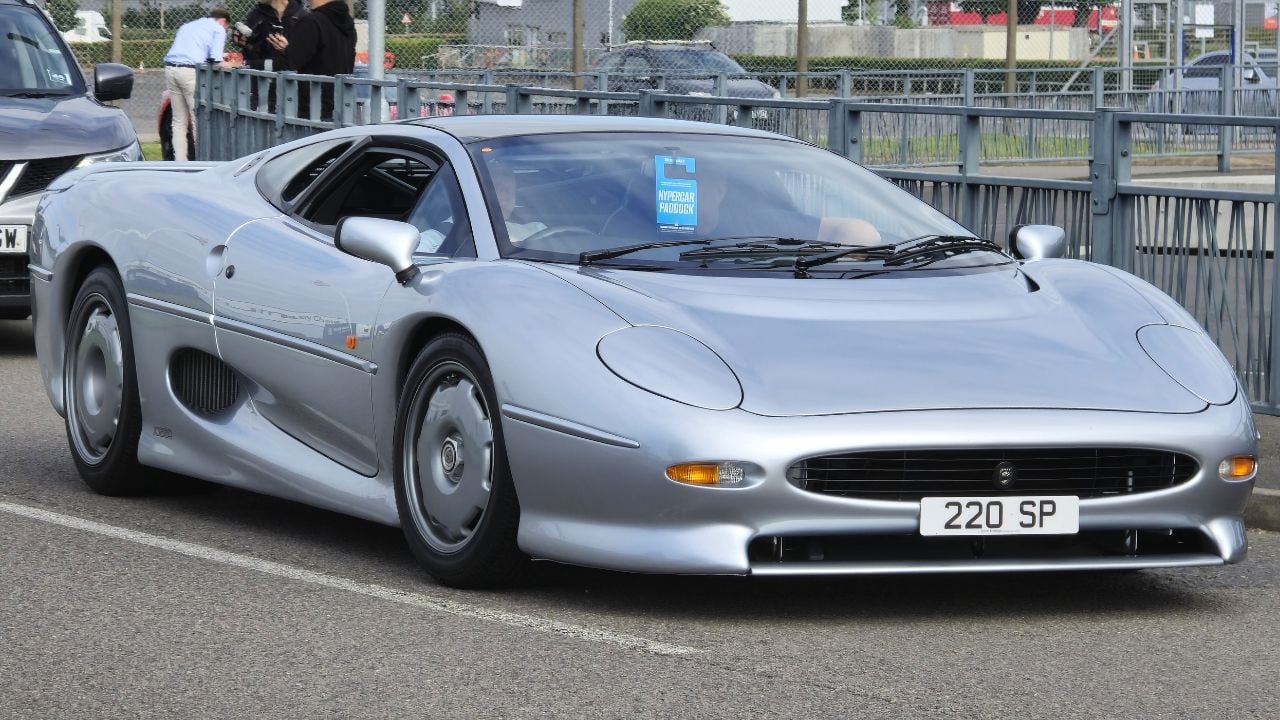
Top Gear once called it “the car that broke hearts and speed records.” It cost more than a house, and while early values slid, this was no financial wipeout, more like a long nap before collectors woke up.
With its sleek, futuristic silhouette, the XJ220 didn’t just look fast; it was fast. But some early excitement faded when Jaguar swapped the promised V12 and all-wheel-drive setup for a twin-turbo V6 and rear-wheel drive in the production version. When you’re spending hypercar-level money, buyers tend to get particular, and that change stung.
Drama aside, the XJ220 delivered serious performance. Its 3.5-liter twin-turbo V6 helped it reach 212.3 mph in manufacturer testing in standard trim, and Jaguar said its 213 mph maximum speed at launch in 1992 was the highest of any production car. Even though Jaguar struggled to sell all the units it planned, that misses the point of halo supercars: they exist to inspire awe, shape brand identity, and prove what a manufacturer can achieve.
Today, the XJ220’s low production run of 281 cars, stunning looks, and groundbreaking performance have earned it a cult following. It’s definitely on our dream-car wishlist, V6 and all.
Jaguar XJS
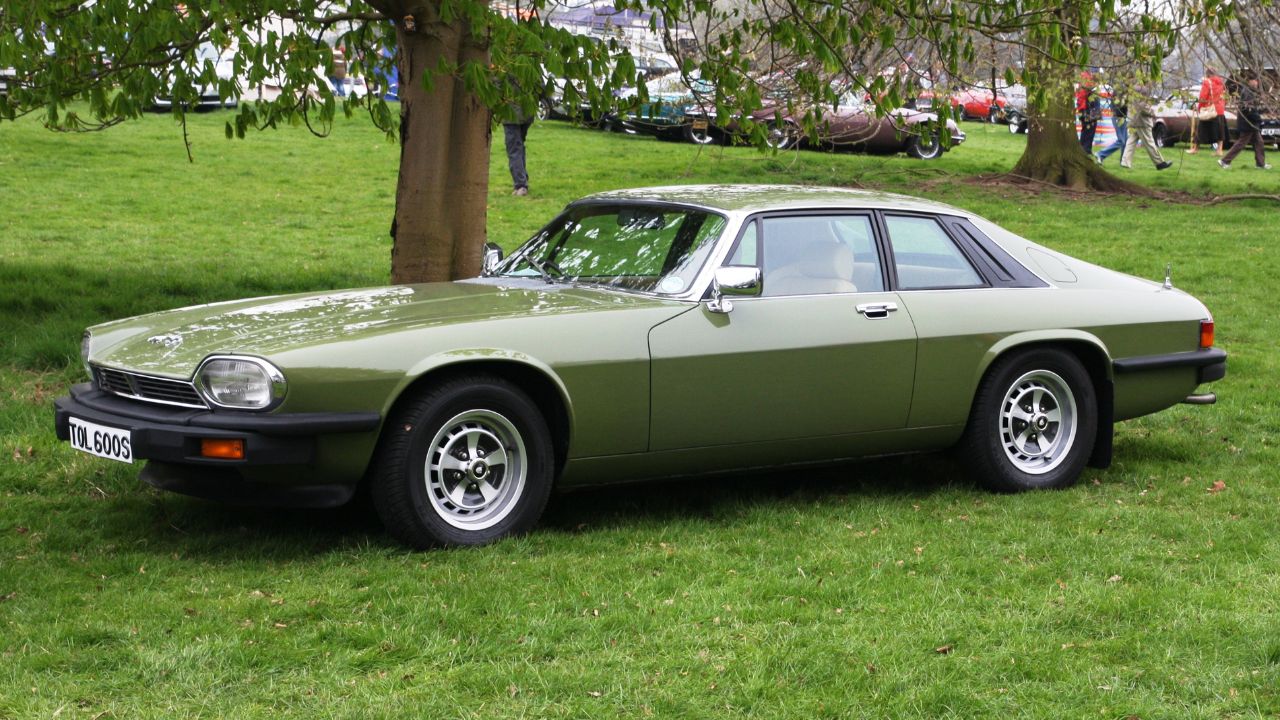
For two decades, the XJS carried the grand touring torch with style. Its distinctive silhouette, defined by an elegant roofline and unique rear window, set it apart from other luxury coupes. Long drives felt effortless, thanks to a plush cabin and a chassis tuned for composure at speed. Enthusiasts appreciated its ability to transition seamlessly from relaxed cruising to spirited driving.
Over time, the XJS gained a reputation as one of Jaguar’s most enduring models, admired for its charm and resilience. It stands today as proof of the carmaker’s talent for creating cars that grow more endearing with age.
Jaguar XK8
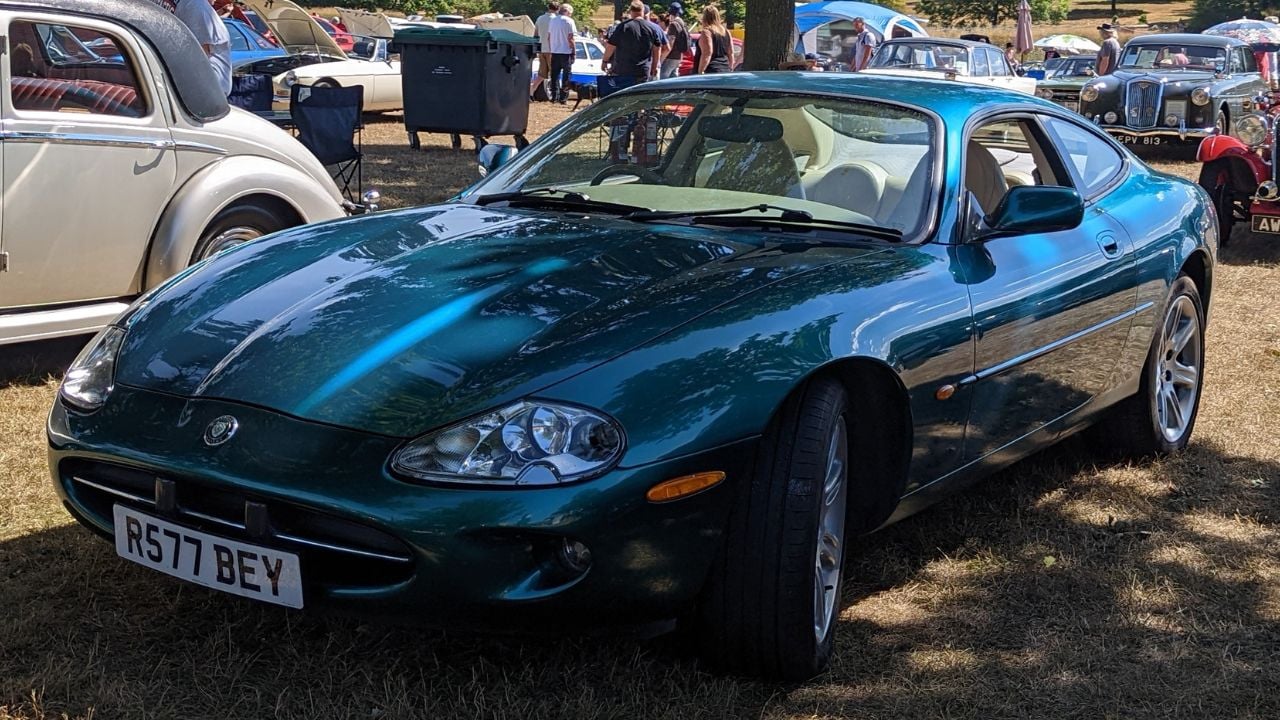
When the XK8 arrived in 1996, it felt like a rebirth of Jaguar’s sports car soul like a velvet tracksuit on 20-inch wheels. Its flowing curves and muscular stance recalled the company’s design heritage while introducing a fresh, modern identity. The interior provided an oasis of comfort with contemporary touches that elevated the driving experience. On the road, it delivered smooth, confident performance that made long journeys deeply satisfying.
It appealed to a new generation of drivers seeking elegance and usability in a single package. Years later, the XK8 continues to be celebrated for bringing Jaguar’s sporting spirit into the modern age.
Jaguar XKR

A sharper, more performance-focused evolution of the XK8, the XKR infused Jaguar’s grand tourer with thrilling urgency. A supercharged engine underlined its intentions, offering explosive power while maintaining the brand’s trademark refinement. Subtle exterior updates hinted at its capabilities without losing the graceful lines that defined its sibling.
Inside, it balanced luxury with support, making spirited drives comfortable and engaging. The XKR captured the essence of a car that could thrill on weekends yet handle weekday duties with poise. This duality helped it become one of Jaguar’s most admired modern performance cars.
Jaguar XJR (X308)
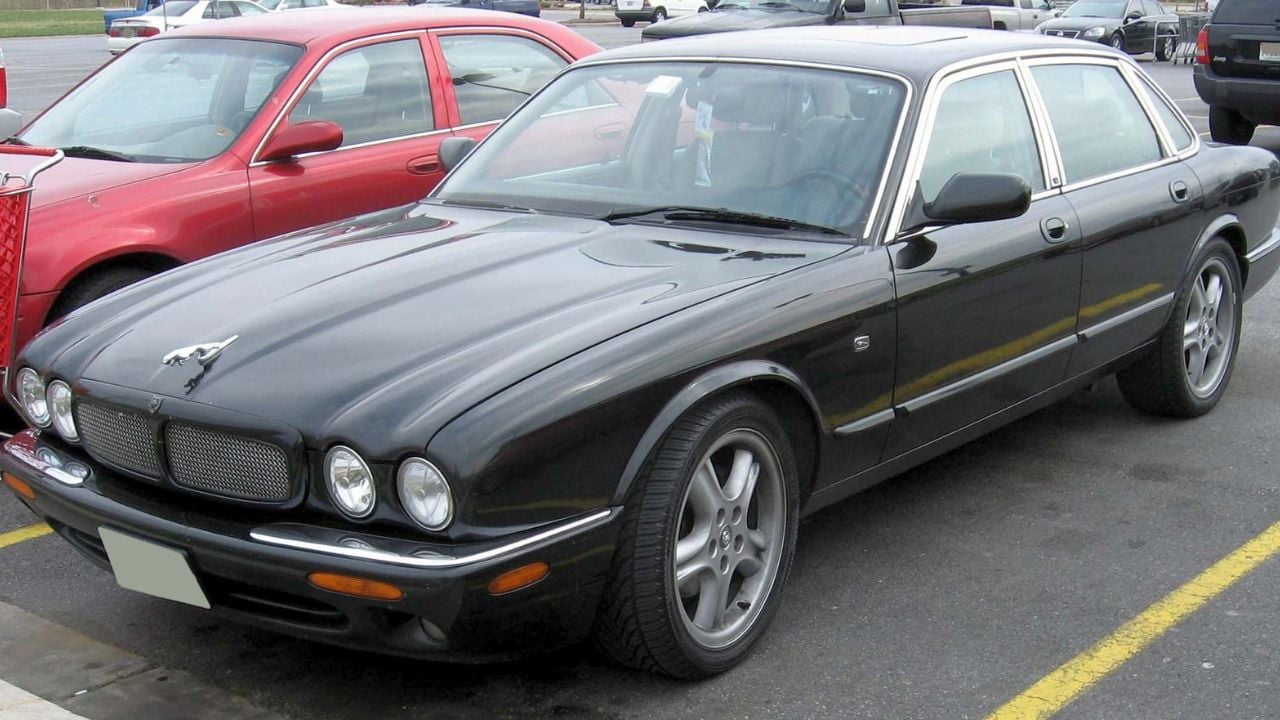
Subtle aggression defined the XJR, a sedan that hid supercharged performance beneath its polished exterior, which looks like it comes with a cigar ashtray and private membership to a London club. It offered rapid acceleration paired with the comfort expected from a top-tier luxury saloon. Wood and leather adorned the cabin, blending tradition with hints of sportiness that encouraged spirited driving.
Executives loved its dual personality, appreciating its ability to impress in the boardroom car park while entertaining on backroads. Over the years, it has gained recognition as one of Jaguar’s most balanced performance sedans. Its combination of speed, sophistication, and subtlety makes it unforgettable.
Jaguar XF (First Generation)
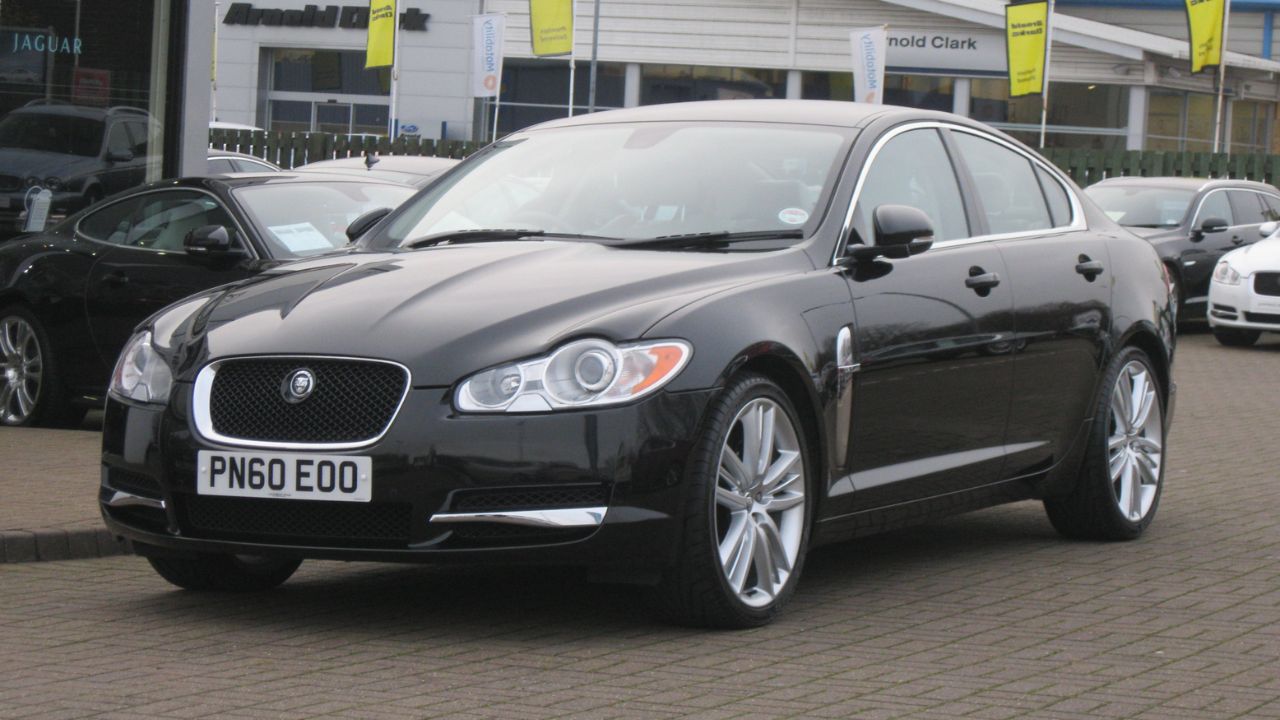
A bold leap into modernity, the XF introduced a design language that reshaped Jaguar’s image. Its coupe-like profile challenged perceptions of what a luxury sedan should look like. Inside, rising gear selectors and contemporary finishes created an atmosphere that felt futuristic yet distinctly British.
It drove with the agility of a smaller car while maintaining the comfort expected of the brand. Buyers seeking a fresh interpretation of Jaguar sophistication found exactly that in the XF. Today, it stands as a milestone that brought Jaguar confidently into the 21st century without losing its soul.
Jaguar F-Type

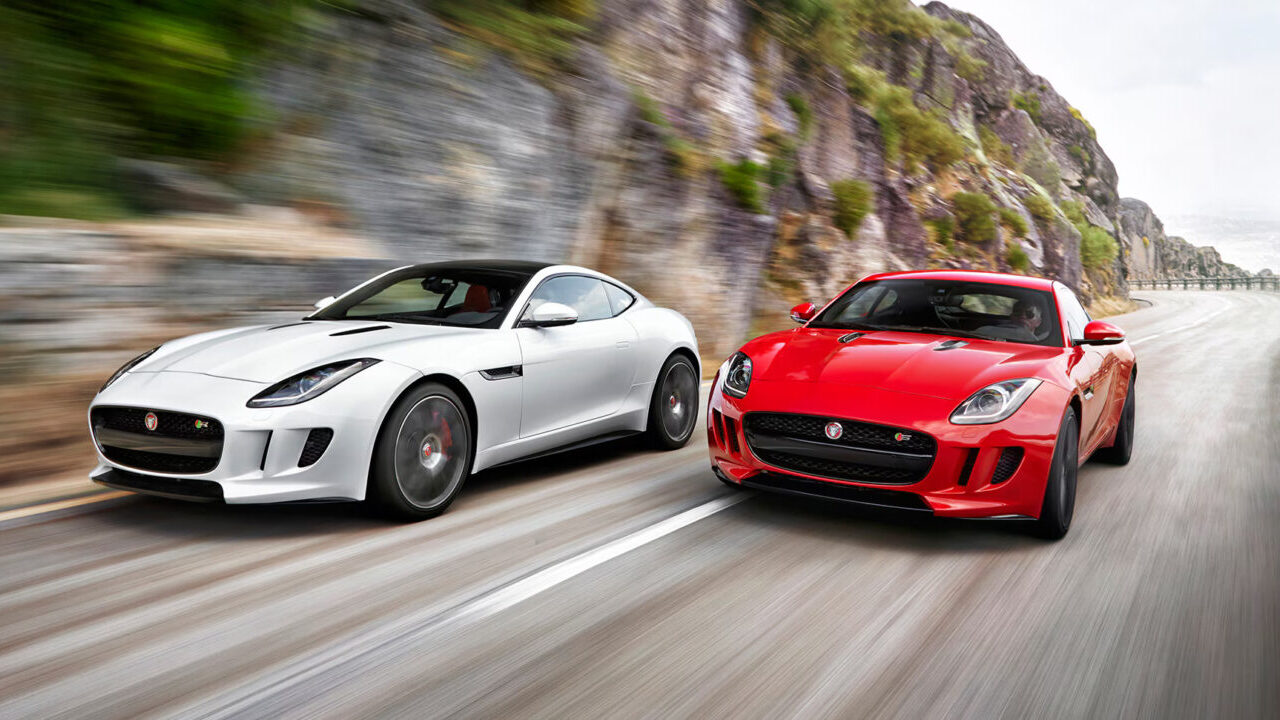
With the F-Type, Jaguar reignited the fire of its legendary sports car lineage. Bold styling and a sonorous exhaust note made it impossible to ignore. Its precision on winding roads delighted drivers, proving that performance could be delivered with drama and grace. The cabin wrapped occupants in a mix of modern design and driver-focused ergonomics.
It quickly became a favorite for those seeking emotional connections with their cars. Few modern sports cars blend heritage and innovation as seamlessly as the F-Type, keeping Jaguar’s spirit of passion alive.
Jaguar S-Type
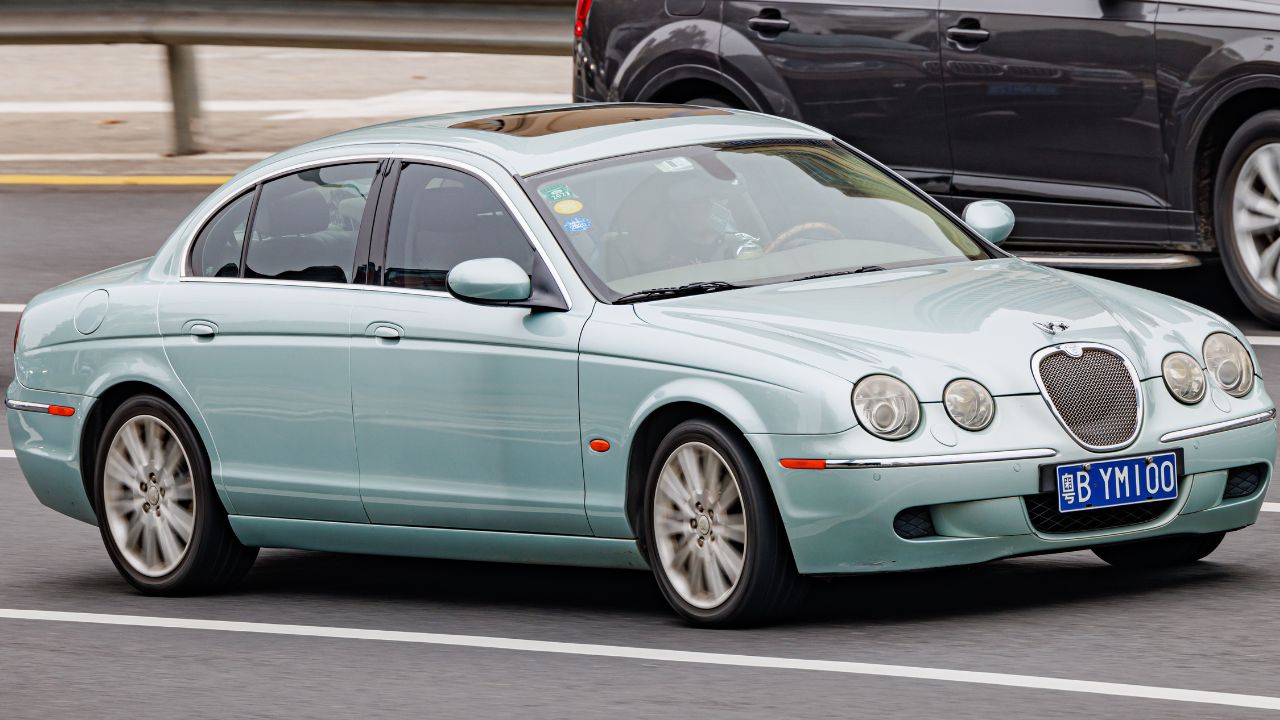
The retro design gave the Jaguar S-Type a personality that stood apart from its contemporaries and even from other Jaguars of the time. Styled as a modern interpretation of the 1960s original, the S-Type proudly wore its heritage, combining classic curves with a forward-looking attitude.
The S-Type wasn’t universally embraced at launch. Early reviews often favored its German rivals, criticizing its tight cabin and interior quality, which some said did not quite match Stuttgart’s standards. And sure, some design elements weren’t everyone’s cup of tea. Yet, that’s precisely why we love cars like this, not because they’re perfect but because they stir emotion despite their flaws.
The S-Type gets better when you look back at it. The retro cues are aging surprisingly well, and it wouldn’t be a stretch to imagine this car emerging as a future classic.
Some enthusiasts gripe about the shared Ford DEW98 platform, the same basic architecture under the Lincoln LS and a few other Ford models. Platform-sharing is the paradox of global manufacturing. Some see it as cost-cutting dressed up in prettier sheetmetal, while others appreciate that it blends Jaguar’s style with the scale and engineering heft of a larger automaker. For what it’s worth, the S-Type sold well early on, even if newer Jaguar models and fierce competition eventually overshadowed it.
Why These Jaguars Still Make Hearts Skip

Cars like these remind us why people fall in love with driving. These models really create moments worth remembering. Have you ever sat behind the wheel of a car that made you forget the destination? That feeling is exactly what these Jaguars deliver. They inspire confidence, stir emotions, and make ordinary roads feel extraordinary. Each one carries a story, not just of design and engineering, but of human connection.
They prove that cars can be companions in life’s journeys, not just tools for travel. These Jaguars remain timeless because they speak to something universal. Which one would you choose to experience that feeling for yourself?