
It doesn’t matter what type of vehicle you’re into; chances are, the bare minimum requirement is that it’s relatively safe to drive. Or maybe not. I don’t know your life. I drive a Lotus Elise, which is arguably one distracted lane change away from becoming hood ornament garnish on a lifted truck. Larger SUVs and trucks rule U.S. roads, and most of them can’t even see me in their side mirrors.
Still, even for those of us who knowingly flirt with danger, some of our favorite rides are notorious for catching fire or catastrophically failing in ways that make you question the concept of quality control. Whether the blame falls on poor engineering or overblown media panic, these cars have earned their spot in the automotive hall of shame.
Now, I’m not here to roast your life choices, but I will roast the cars. If you’re happily commuting in something with a reputation for spontaneous combustion, more power to you. We’ll just be over here, quietly starting a betting pool on how long it takes before we spot it totaled on Copart.
Unsafe at Any Speed

We’ve assembled a truly terrifying smorgasbord of vehicles here — from cars that are sketchy even while parked to those that crumple like a soda can at the slightest fender bender. What got them here? Was it bad engineering? Budget cuts that would make the U.S. education system look overfunded? Poor planning that unraveled the moment rubber hit the road? Probably all of the above.
Before you email me in all caps, let me remind you — this is all in good fun. We know some of these cars have die-hard fans. One of our Guessing Headlights staffers will go on a coffee-fueled conspiracy rant about how Consumer Reports ruined the Suzuki Samurai’s reputation. Others will defend the Fiero like it’s their firstborn. We get it.
These cars made the Hall of Shame based on a combination of real-world recalls, safety ratings, questionable design decisions, and persistent rumors that made even the bravest drivers think twice. If you own one, we’re not judging… much. We’re just curious about the type of life insurance you carry.
Chevrolet Corvair

The early Corvair appeared futuristic with its rear-engine design and clean styling, but underneath, it was a handling disaster. The swing-axle rear suspension allowed dangerous amounts of oversteer, especially during emergency maneuvers. The lack of a front anti-roll bar in the first models only exacerbated the issue, and owners were rarely warned about the importance of maintaining precise tire pressures from front to rear.
Ralph Nader’s 1965 book, Unsafe at Any Speed, called out the Corvair by name, turning it into the poster child for automotive negligence. General Motors eventually improved the design with a more conventional rear suspension in 1964 and a fully independent setup in the ’65 redesign, but the damage was cultural and permanent. In the public eye, Corvair meant chaos on wheels, and it never truly recovered. Personally, I always loved this car, regardless, and seeing a Corvair club is proof that some folks survived daily driving this thing around for decades.
Ford Pinto

The Pinto was built to be Ford’s affordable subcompact, aiming to fend off Japanese imports. What it became was a cautionary tale for every MBA student on how not to prioritize profit over human lives. Its fuel tank was inexplicably placed behind the rear axle, a design flaw so egregious I’m surprised it didn’t become the car of choice for pyromaniacs in the Midwest after running out of abandoned buildings to set ablaze.
In rear-end collisions, especially if the impact involved the differential bolts, the tank could rupture and ignite faster than a cheap lighter. Multiple deaths and horrific burn injuries followed, leading to a cascade of lawsuits. The infamous internal memo that surfaced basically stated it would be cheaper to pay off lawsuits than to actually fix the damn problem. Yes, Ford literally crunched the numbers and decided human lives were less expensive than a recall.
Mother Jones published the damning details in 1977, setting off a media firestorm. While later models saw some design improvements (like a plastic shield around the tank, because, you know, plastic is always fireproof), the Pinto was never able to outgrow its damning reputation. To this day, the phrase “Pinto fire” remains in use to describe any hazardous engineering shortcut. It’s the kind of car that makes you wonder if local funeral homes secretly sponsored the designers.
Pontiac Fiero

When Pontiac launched the Fiero, it was marketed as a sporty mid-engine coupe on a budget. We, however, prefer “mid-engine death trap,” which, come to think of it, would be a killer name for a rock band. The design itself was on fire… literally. Owners quickly found themselves dealing with real-life flames under the engine cover. The primary culprit? Oil leaks from the infamous 2.5L “Iron Duke” engine, which could ignite on hot engine parts. Later, it was discovered that faulty connecting rods sometimes punched through engine blocks, spraying oil directly onto the exhaust manifold. Because nothing says “performance” like an impromptu engine bay BBQ.
By 1987, nearly 250 fires had been reported, and GM issued a massive recall that likely involved more extinguishers than wrenches. The Fiero eventually received better suspension, improved engines (like the V6), and genuine performance upgrades, but its early years had already written the story in charred metal. Despite its potential to be a fun and affordable exotic, many drivers only remember the Fiero for its association with roadside fire trucks and burned-out shells. Today, they’re a great candidate for engine swaps to an LS or K-Series platform, mostly because anything is better than the “Iron Duke of Death.”
Jeep CJ-5

The Jeep CJ-5 looked like freedom with its doors off and tires in the dirt, the ultimate symbol of off-road adventure. What it also was was a dangerous reputation for rollovers. Its short 81-inch wheelbase and high center of gravity made it feel twitchy on pavement, like a squirrel on too much caffeine. Insurance companies weren’t shy about flagging the CJ-5 for having one of the highest rollover rates of any passenger vehicle on the road during the 1970s.
While it was never intended to be a highway cruiser (it was, after all, derived from a military vehicle), many buyers used it in exactly that way, with predictably catastrophic results. A 1981 report from the NHTSA highlighted serious stability issues, citing the vehicle’s narrow track and short wheelbase. The CJ-5’s legendary charm off-road didn’t translate to suburban safety, and that reputation stuck long after production ended. If you saw one of these on the highway, you probably gave it a wide berth — not out of respect, but out of self-preservation.
Suzuki Samurai

The Suzuki Samurai made off-roading cheap and cheerful, a tiny mountain goat for the masses. But its rollover risk became legendary after a 1988 Consumer Reports piece labeled it “Unacceptable,” claiming it easily tipped in routine avoidance maneuvers. That story hit hard in the press, and even though Suzuki fought back in court (and eventually settled, issuing a “fact sheet” to owners), sales plummeted like a lead balloon.
In reality, the Samurai’s lightweight, narrow track, and stiff suspension made it prone to tipping if driven like a Civic Type R (which, let’s be honest, some people absolutely did). Off-roaders loved its agility and toughness, but parents and commuters were warned away by the screaming headlines. The damage from the CR article lingered for years, turning a capable off-roader into a punching bag for safety advocates, and Suzuki never quite recovered its U.S. image for passenger cars. It’s proof that sometimes, a single bad review can be more devastating than a factory recall.
Chevrolet C/K Pickup

Chevy’s C/K pickups were ubiquitous in the ’70s and ’80s, serving as the quintessential American workhorse. But their fuel tank design made them a ticking time bomb, like a coworker who may reach their breaking point the next time they are told to resend an email. Mounted outside the frame rails under the cab, the so-called “sidesaddle” tanks were alarmingly vulnerable in side impacts. Tests showed that even moderate collisions could rupture the tanks and cause explosions, especially without a protective barrier.
The issue came to a head in 1993 after Dateline NBC aired a now-infamous report featuring a rigged crash, using igniters (cheaters!) to show a truck exploding on cue. Though NBC later apologized for the staging, further government testing confirmed the very real danger. GM ultimately paid out millions in settlements (estimated between $500 million and $1 billion), but notoriously never admitted fault or issued a full recall. Next time you see a classic square-body C/K, admire its rugged charm, but maybe keep a fire extinguisher handy if you plan to get close.
Audi 5000

The Audi 5000 was a luxury import success story until reports of “unintended acceleration” began to surface in the early 1980s. Drivers claimed the car would suddenly surge forward while braking, leading to terrifying accidents and even fatalities. The situation escalated after a dramatic 60 Minutes segment aired in 1986, showcasing the issue on national TV, complete with a dramatic (and later proven to be rigged) demonstration. These reports really love the dramatics, apparently.
Years later, investigations by the NHTSA and Canadian regulators definitively suggested that most incidents were caused by driver error, likely due to the close spacing of the gas and brake pedals, confusion between pedals, or simply driver panic. But the damage was already done. Sales tanked, plummeting by 70% after the 60 Minutes report, and Audi’s U.S. reputation didn’t truly recover until the early 2000s when it finally shook off the ghosts of the 5000. It’s a prime example of how media sensationalism can ruin a perfectly good (if ergonomically flawed) car — and yet another reason to avoid appearing on 60 Minutes.
Ford Explorer with Firestone Tires
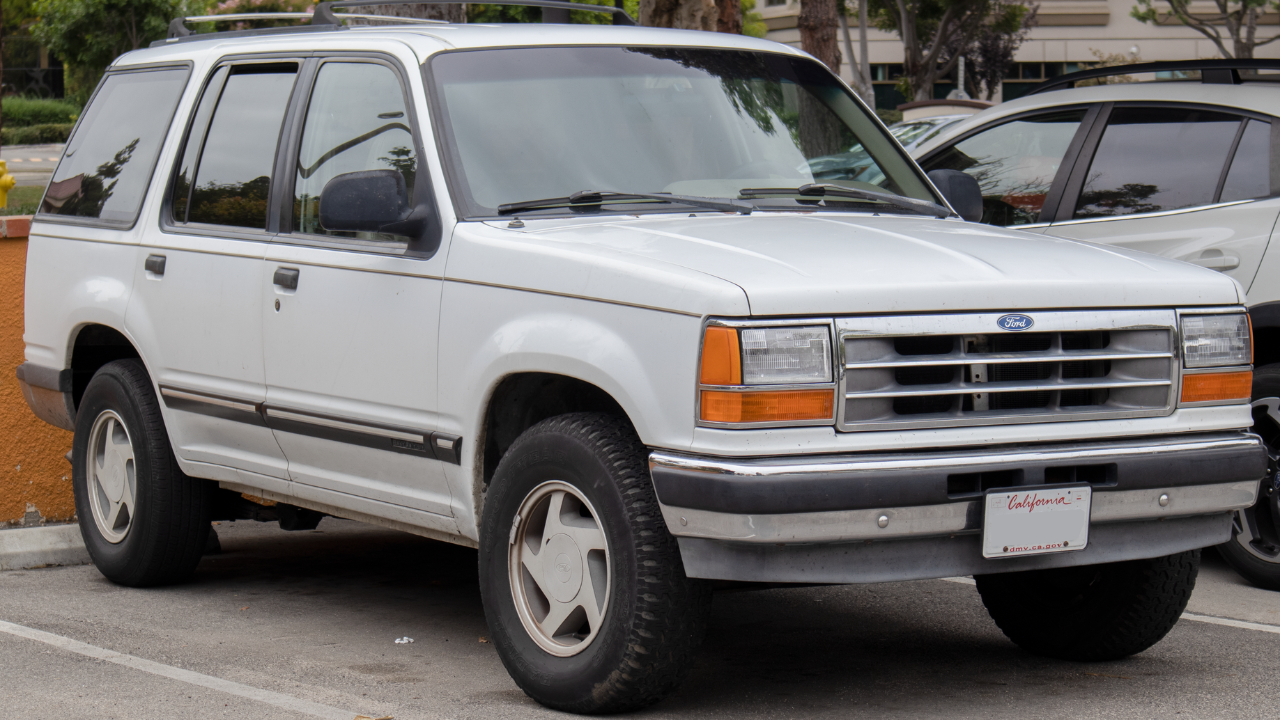
This one feels oddly specific, doesn’t it? The Ford Explorer (especially 1991-2001 models) was one of the largest SUVs of the ’90s, a symbol of suburban freedom; however, it became a headline hazard due to catastrophic tire failures. Certain Firestone Wilderness AT tires installed from the factory were prone to tread separation, especially at highway speeds in hot climates. The resulting blowouts often caused rollovers, turning a family road trip into a scene from a disaster movie. By 2000, the situation had become a full-blown scandal.
Investigations revealed a toxic blame game between Ford and Firestone. Ford had allegedly recommended unusually low tire pressures (around 26 psi) for ride comfort, which dramatically increased heat buildup and stress on the tires. The issue was linked to at least 271 deaths and over 800 serious injuries in the U.S. alone, leading to a massive recall of 6.5 million Firestone tires. Congressional hearings, lawsuits, and endless finger-pointing followed, but for many families, the damage was beyond repair. This was a classic case of corporate corner cutting resulting in devastating consequences.
Chevrolet Vega (1971–1977)

The Chevy Vega, GM’s answer to the compact car craze, promised a sleek design and a new era for American small cars. What it delivered was a masterclass in how to build a car that practically disintegrated before your eyes. Maybe it belonged in a Vegas magic show rather than on the roads. Its innovative aluminum engine block was designed without cylinder liners, leading to rapid wear, oil consumption, and catastrophic durability issues. Worse, it suffered from a woefully weak front structure and consistently poor crash test results. A moderate front-end collision could quite literally push the entire engine right into the passenger cabin.
On top of that, the Vega’s rust protection was almost nonexistent, as if GM thought rust was a feature. Front fenders would often rot out in a year or two, compromising structural integrity even further. It wasn’t just a bad car; it was a dangerous one when things went wrong. Critics universally panned it as one of the worst vehicles GM ever made, and it’s hard to argue otherwise. Owning a Vega was basically like being on a permanent season of Fear Factor, wondering what would test your trauma receptors next.
Chrysler K-Cars (Early 1980s Models)

The Dodge Aries and Plymouth Reliant, affectionately known as the K-Cars, were hailed as the saviors of Chrysler during its near-death financial crisis. They brought front-wheel drive and efficiency to the masses. Unfortunately, safety clearly wasn’t exactly a priority in their early design. Inconsistent braking performance and alarmingly long stopping distances were common complaints, making panic stops feel like an Olympic event. Early crash testing revealed significant structural weaknesses, particularly in side impacts, which turned the passenger compartment into a crumpled tin can.
While later versions saw improvements to stiffen the chassis and enhance braking, the first-generation models offered little peace of mind. Drivers looking for safe, affordable transportation sometimes got neither. The K-Car might have been economically significant, pulling Chrysler back from the brink, but it wasn’t exactly built to keep you safe in a serious collision. It was the vehicular equivalent of a band-aid on a gaping wound — it worked, but it wasn’t pretty, and definitely not secure.
Geo Metro (1989–1997)

The Geo Metro was all about fuel economy, a minimalist marvel for those who prioritized MPG over, you know, surviving a crash. They weren’t fast, they weren’t furious, but I know a guy who still drives one, and honestly, they have a certain charm, like the ugly duckling (as long as they’re not crumpled around a pole). Weighing in at under 2,000 pounds and built with paper-thin steel, it didn’t stand a chance in collisions with anything larger than a runaway shopping cart. In government crash tests, the Metro routinely posted some of the worst scores in its class, often resembling a vehicle that a wrecking ball had hit. If it were a high schooler, it would have been flunking out and spending its weekends in detention for smoking cigarettes in the boys’ bathroom.
Despite its cheerful face and budget-friendly charm, safety experts routinely warned drivers about its extreme vulnerability. In an accident, especially on the highway, it offered little more than luck and a seatbelt (which, at least, it did have). It’s remembered fondly by some eco-minded drivers and those who enjoy a car that runs on fumes and hope, but it was undeniably risky in the real world. You might save money on gas, but you’d be spending it on medical bills.
Ending on a Bad Note
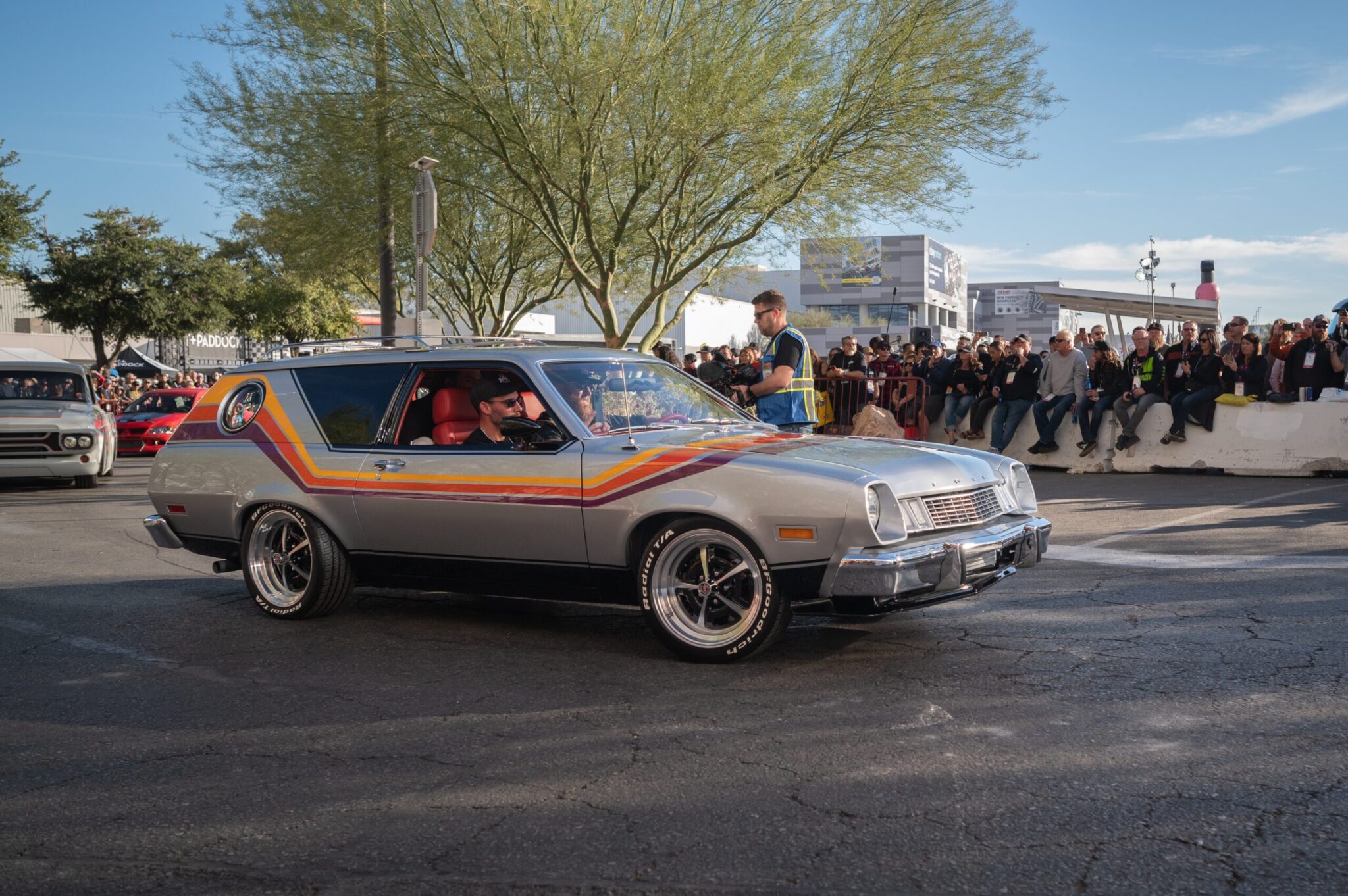
Some cars were built to push limits and break rules, making them bad to the bone. These cars were just… bad. At least in the eyes of the people who really matter: the consumers (and the crash test dummies). Whether it was false allegations from sensationalist media, early design flaws from which manufacturers could never really recover, or genuinely deadly problems that should have been caught on the drawing board, each car here earned its spot the hard way. They’ve burst into flames, crumpled at the mere sight of an incoming kei car, and rusted faster than a bot responding to you on Tinder.
We’re not saying these are all inherently bad cars — I’ve even admired and driven a few of them myself. But back in the day, everyday drivers couldn’t get past the visuals of the car erupting into flames during a grocery run, and we can’t say we blame them.