
Summer heat can test your car’s limits, especially when temperatures climb into the triple digits. The good news? Most modern vehicles are built to handle the heat. If your cooling system is working properly, your car shouldn’t overheat—even on scorching days. So if you see that temperature gauge creeping up, don’t ignore it. That’s a sign something’s wrong under the hood, and it’s worth getting checked out by a mechanic as soon as possible.
But just because your car can handle the heat doesn’t mean it enjoys it. Extreme temperatures put added stress on everything from your tires to your battery, and they can make driving downright uncomfortable. But with a few smart habits and a little prep, you can help your vehicle stay cool, comfortable, and in good shape all summer long.
This Isn’t Just Heatwave Hearsay

Every tip included here is grounded in real-world use; things that experienced drivers, mechanics, and car owners rely on during hot weather. We focused on low-cost, high-impact actions that everyday drivers can take, whether you’re commuting to work, heading out on a summer road trip, or just parked in the sun.
Our goal is to help you spot potential issues early, extend the life of your vehicle, and stay safer and more comfortable behind the wheel when the temperature rises.
Parking Tips That Make a Big Difference
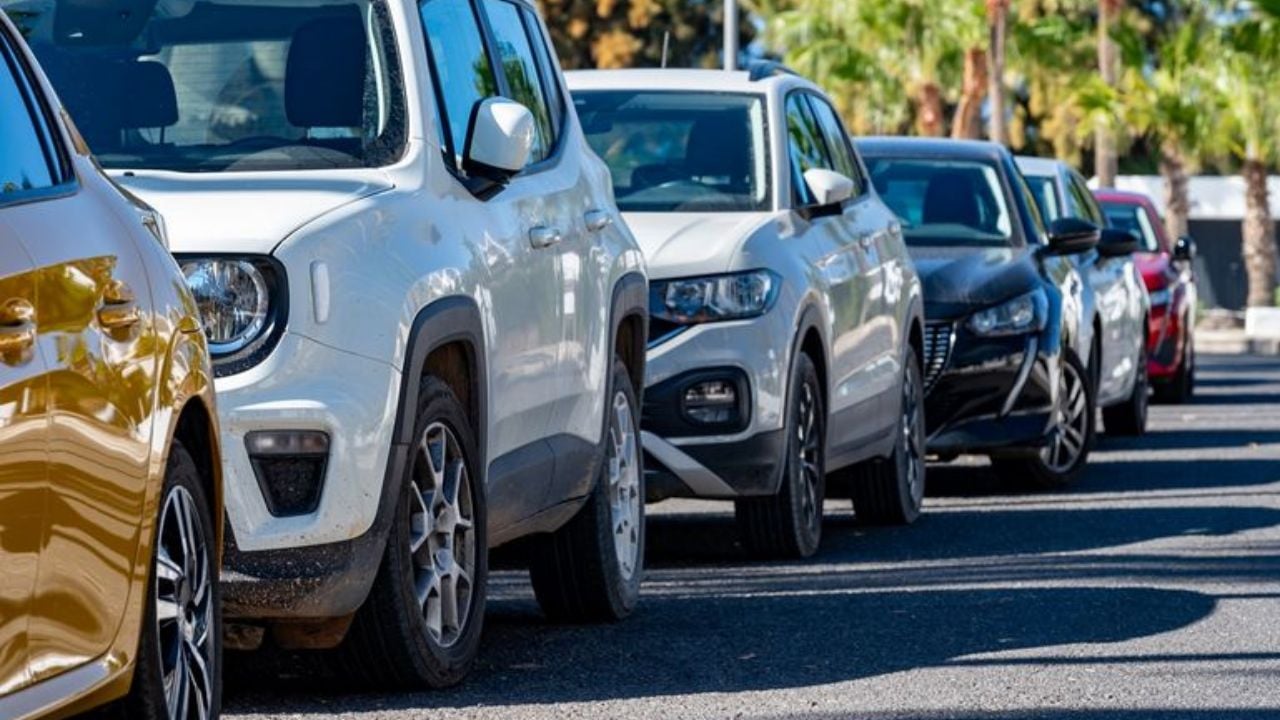
When it’s blazing hot outside, parking becomes more than just finding a spot. Where and how you leave your car can play a big role in how much heat it absorbs and how much damage it takes over time. From fading paint to cracked dashboards and overheated electronics, prolonged sun exposure takes a real toll. And let’s be honest, nobody wants to climb into a 140-degree oven just to head home from the store.
Luckily, a few simple parking habits can make a noticeable difference. Choosing shade when you can, using reflective gear, and thinking about the angle of the sun can help keep your cabin cooler and protect your car’s interior, exterior, and electronics from long-term wear. These tricks might seem small, but they add up fast, especially if your vehicle spends a lot of time outdoors during the summer.
Park in the Shade
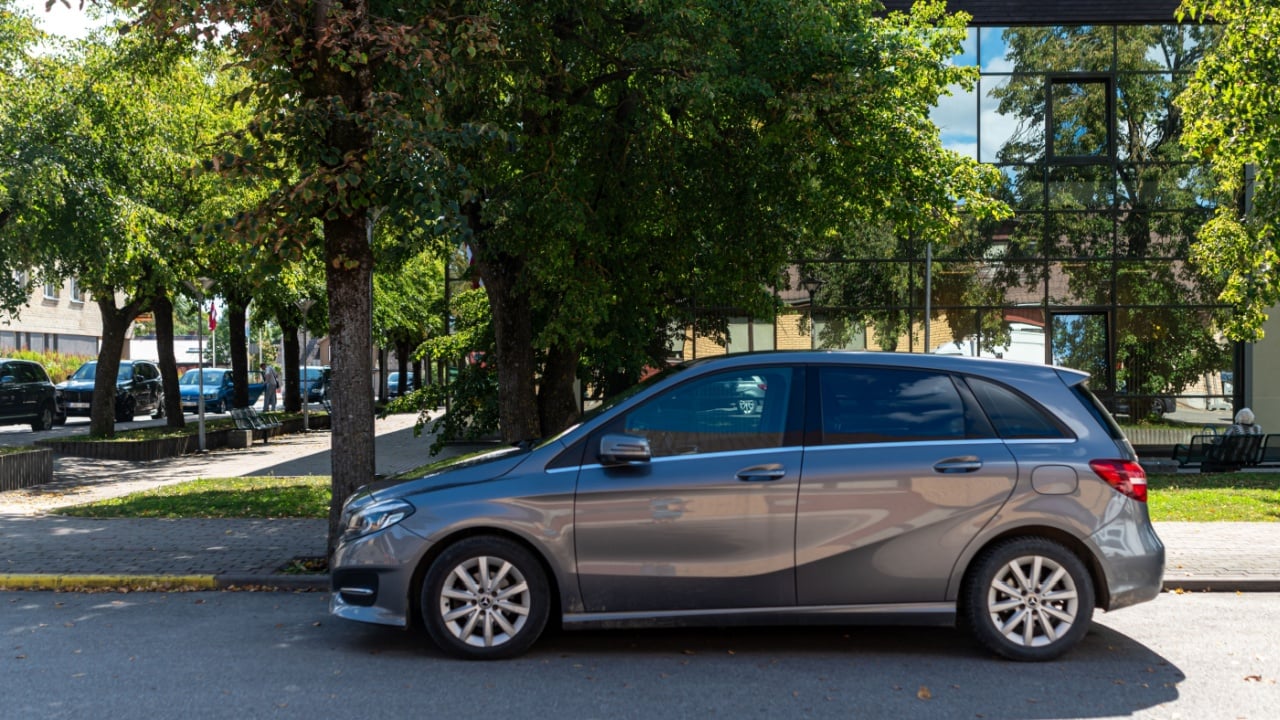
A shady spot does more than make your car feel bearable when you get in; it also helps protect your vehicle inside and out. Constant exposure to direct sunlight can fade your paint, crack your dashboard, and shorten the life of things like infotainment screens and electronic controls. Whenever possible, aim for a tree-lined curb, the shadow of a building, or a covered parking area. Even partial shade can take the edge off, keeping your cabin cooler and your car looking newer, longer.
Use a Windshield Sunshade
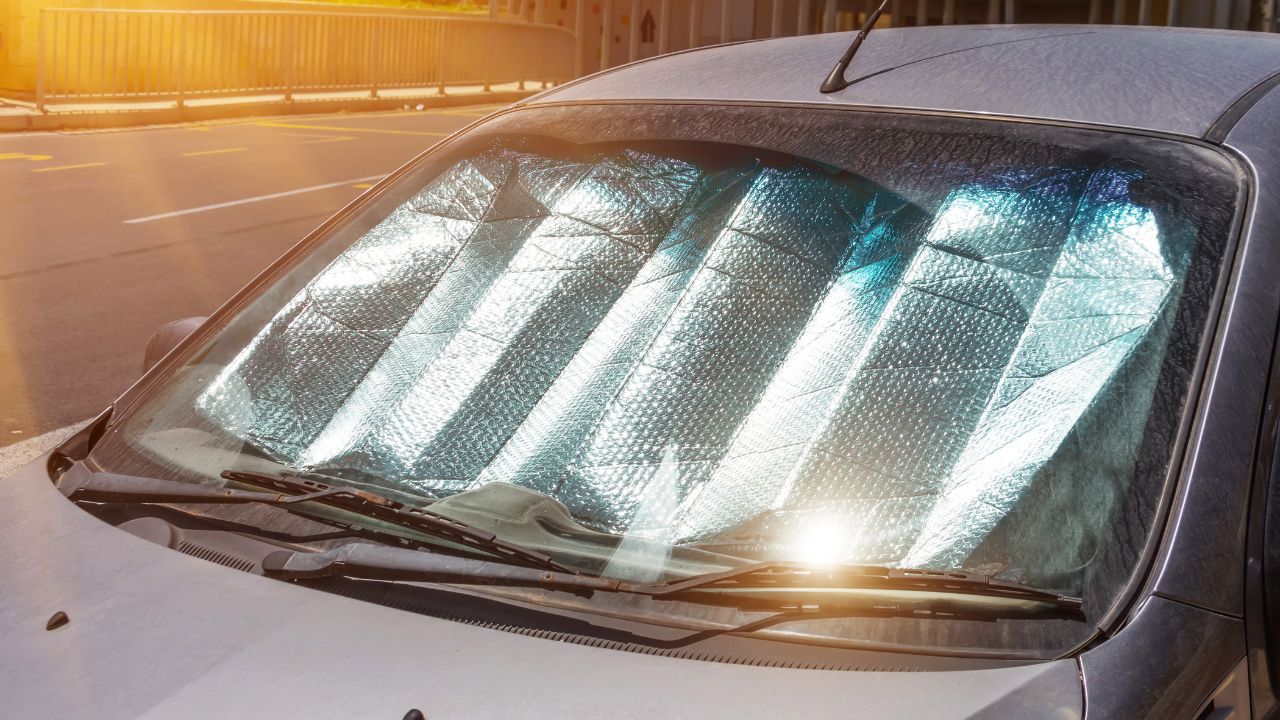
A windshield sunshade might not look like much, but it does a big job. These simple fold-out panels reflect sunlight away from your car’s interior, keeping the dashboard, steering wheel, and front seats from soaking up all that heat. Without one, those surfaces can get hot enough to burn your hands, or worse, crack over time.
Using a sunshade regularly can lower cabin temperatures by several degrees and help preserve the materials inside your car. It’s one of the easiest, most affordable ways to fight back against summer heat.
Crack the Windows Slightly
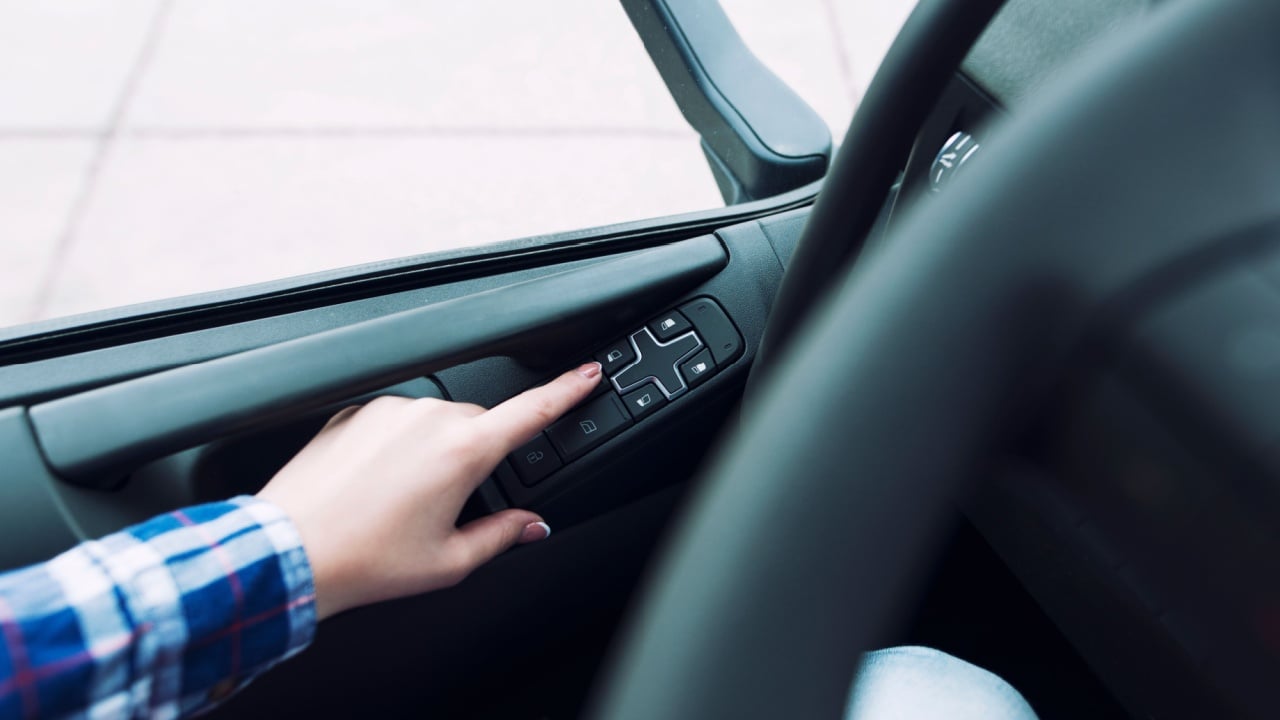
Leaving your windows open just a sliver can make a surprising difference on a hot day. That small gap allows trapped hot air to escape and encourages airflow, which helps keep cabin temperatures from reaching extreme levels. It won’t cool the car completely, but it does prevent it from becoming a sealed oven. Just make sure the opening is narrow enough to keep your vehicle secure, especially if you’re parked in a public area.
Paired with a sunshade or a shady spot, this simple trick can make your car noticeably more comfortable when you return.
Cover the Steering Wheel and Seats
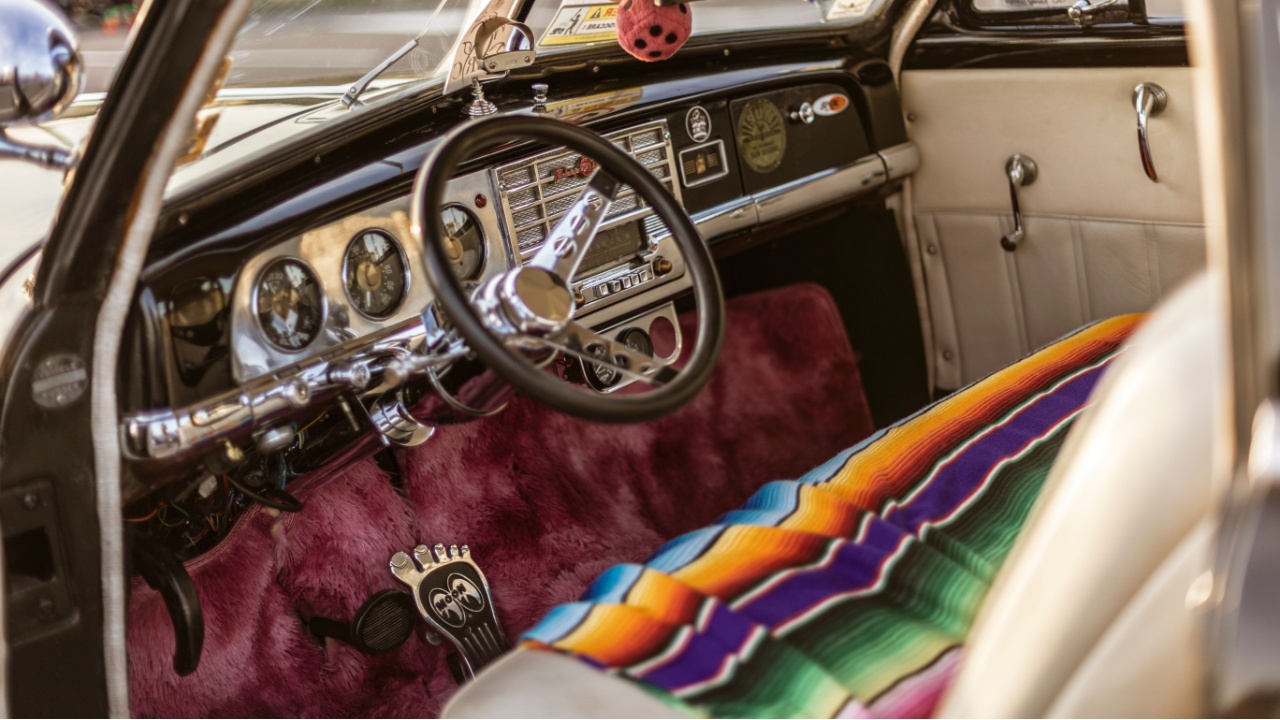
Sunlight turns leather and vinyl surfaces into burn hazards in no time, especially on the steering wheel, front seats, and child car seats. A quick fix? Drape a towel or cloth cover over them before you walk away. It takes just a few seconds and can save you from an uncomfortable or even painful surprise later. For families, covering child seats is especially important, since those plastic buckles and dark fabrics absorb heat fast. Whether you use a towel, a purpose-made cover, or even an old T-shirt, it’s a simple way to protect both your car and the people riding in it.
Back Into the Sun
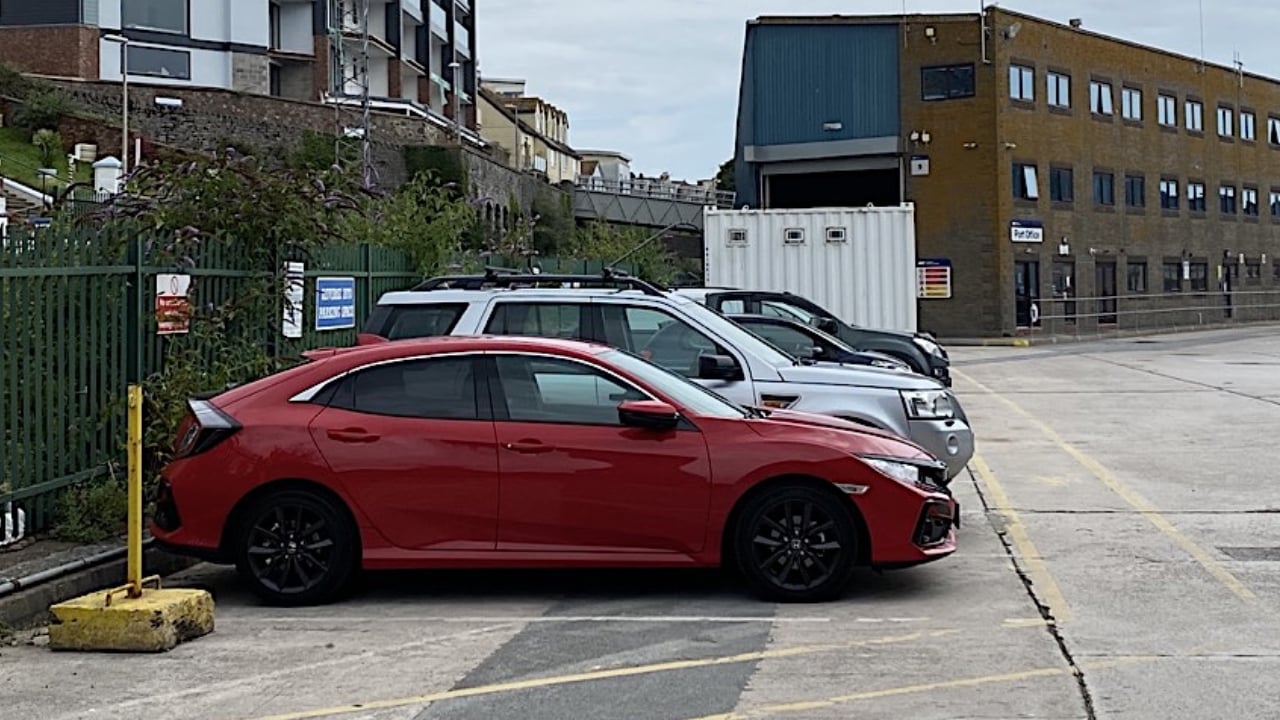
When shade isn’t an option, the direction you park can still make a difference. Try backing your car in so the rear faces the sun. This keeps the front of the cabin — your dashboard, steering wheel, and front seats — out of direct sunlight.
Since those are the areas you touch first and sit in most, protecting them helps make your car more comfortable when you get back in. It’s a small adjustment, but one that can save your hands, your upholstery, and your mood on a sweltering day.
Use a Car Cover or Canopy
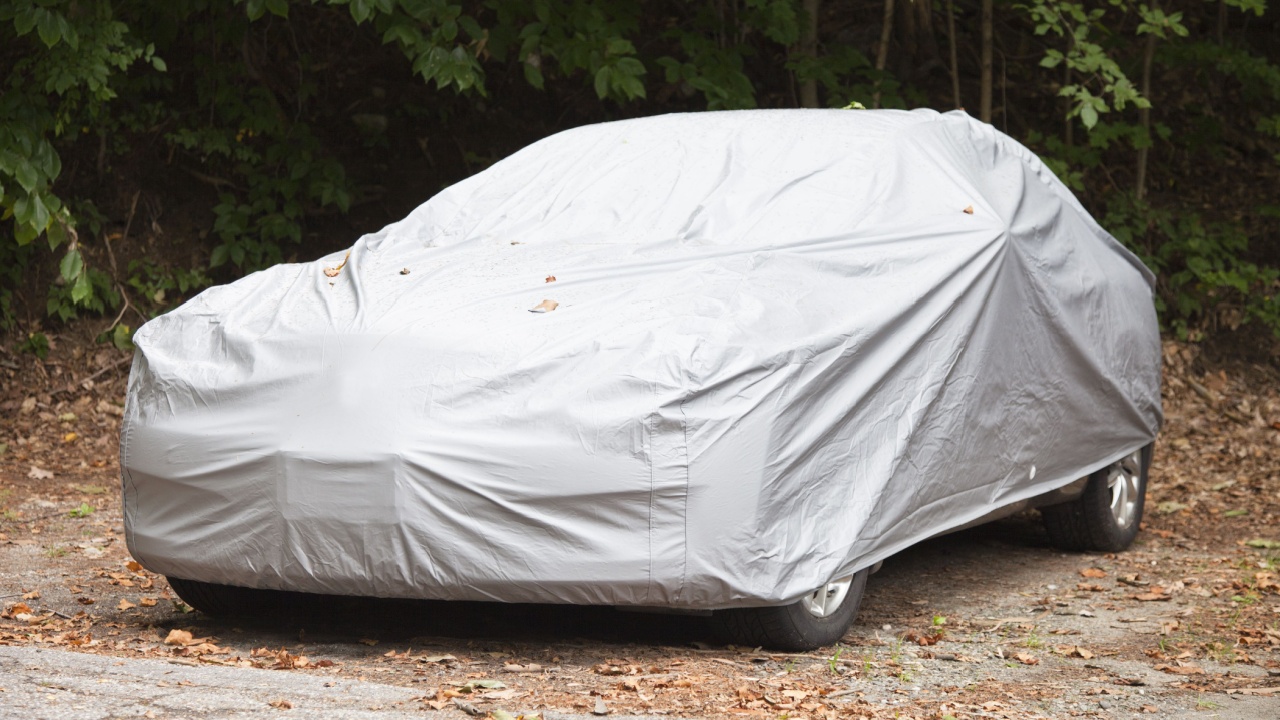
If your car is going to be parked outside for hours—or even days—a little extra protection goes a long way. A reflective car cover shields the entire vehicle from harsh sun and helps trap less heat inside. It also protects your paint, trim, and interior from long-term UV damage.
For a more flexible option, a pop-up canopy or portable shade structure can do the trick, especially in driveways or campgrounds. It might take a minute to set up, but the payoff is a cooler cabin, less interior wear, and less stress on everything under the hood.
Driving Habits That Help in the Heat

How you drive matters, especially when the temperature spikes. Hot weather puts added stress on your engine, transmission, brakes, and cooling system, which all have to work harder just to keep up. The wrong habits, like riding the brakes in traffic or accelerating hard on a hot engine, can make things worse and push your vehicle closer to the danger zone.
But with a few small adjustments, you can take some of that pressure off. Being a little gentler behind the wheel not only helps your car stay cooler, but it also extends the life of your components and can even improve fuel efficiency. These habits don’t require any tools or technical know-how, just a little extra awareness during the hottest days of the year.
Avoid Hard Acceleration and Heavy Loads

Hot weather is already putting your engine to work, so give it a break when you can. Quick takeoffs, heavy hauling, or towing in traffic all generate extra heat, and that heat has to go somewhere.
The more strain you put on your car, the harder the cooling system has to work to keep things stable. In summer conditions, that extra stress can add up fast. Driving gently and avoiding unnecessary weight helps your vehicle stay cooler, perform more efficiently, and reduce the risk of overheating when temperatures soar.
Use the A/C Wisely
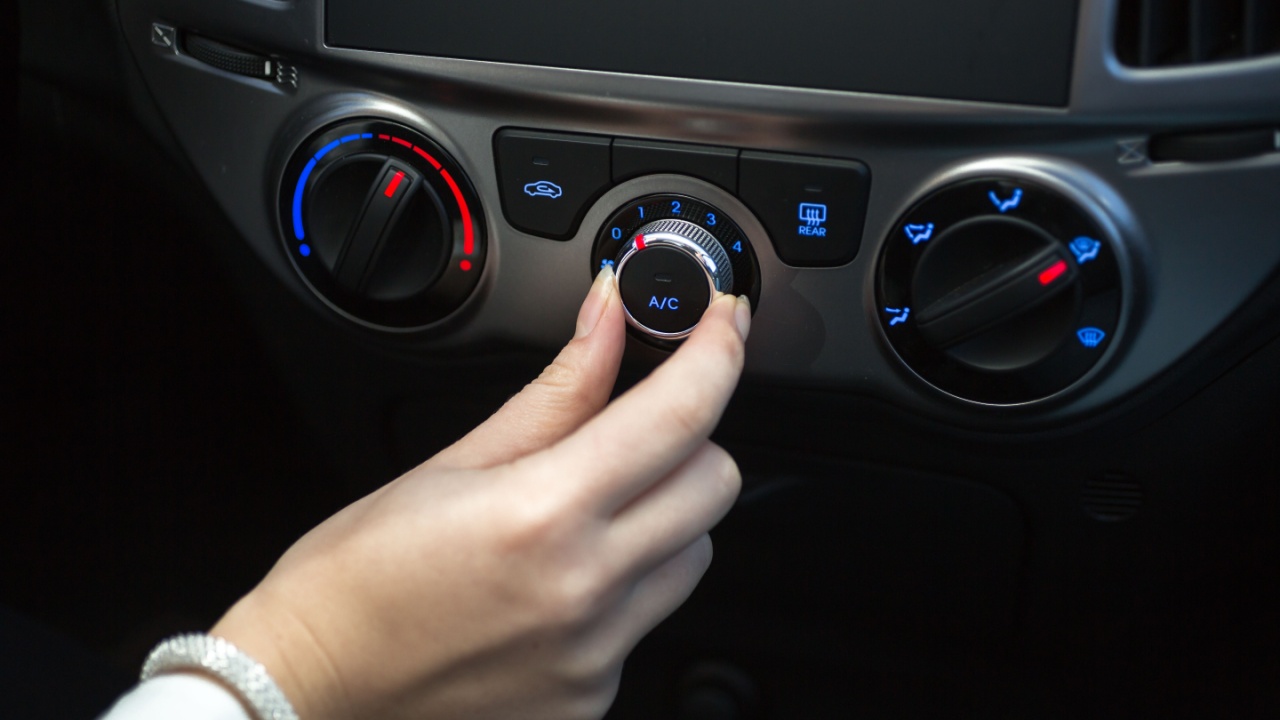
Your air conditioner works hard in the heat, so give it a little help. Before switching it on, roll down the windows for a minute to let the hottest air escape—that way, the A/C isn’t battling a sauna right from the start. Once you turn it on, there’s no need to blast it on the coldest setting unless you really need to.
Setting it just cool enough to stay comfortable takes some of the load off the system and helps it run more efficiently. It’s better for your fuel economy, too, especially on older vehicles. Small adjustments like these can keep you cool without overworking your car.
Turn Off A/C on Uphill Climbs

Climbing a steep hill puts your engine under extra strain, and running the air conditioning at the same time adds to the workload. If you notice your temperature gauge creeping up during a long uphill drive, turning off the A/C can help ease the pressure. It reduces the demand on both the engine and cooling system, giving your car a better chance to stay within a safe operating range. It might get a little warm in the cabin for a bit, but it’s a smart trade-off to help prevent overheating, especially if you’re driving in extreme heat or carrying a heavy load.
Use the Heater in an Emergency
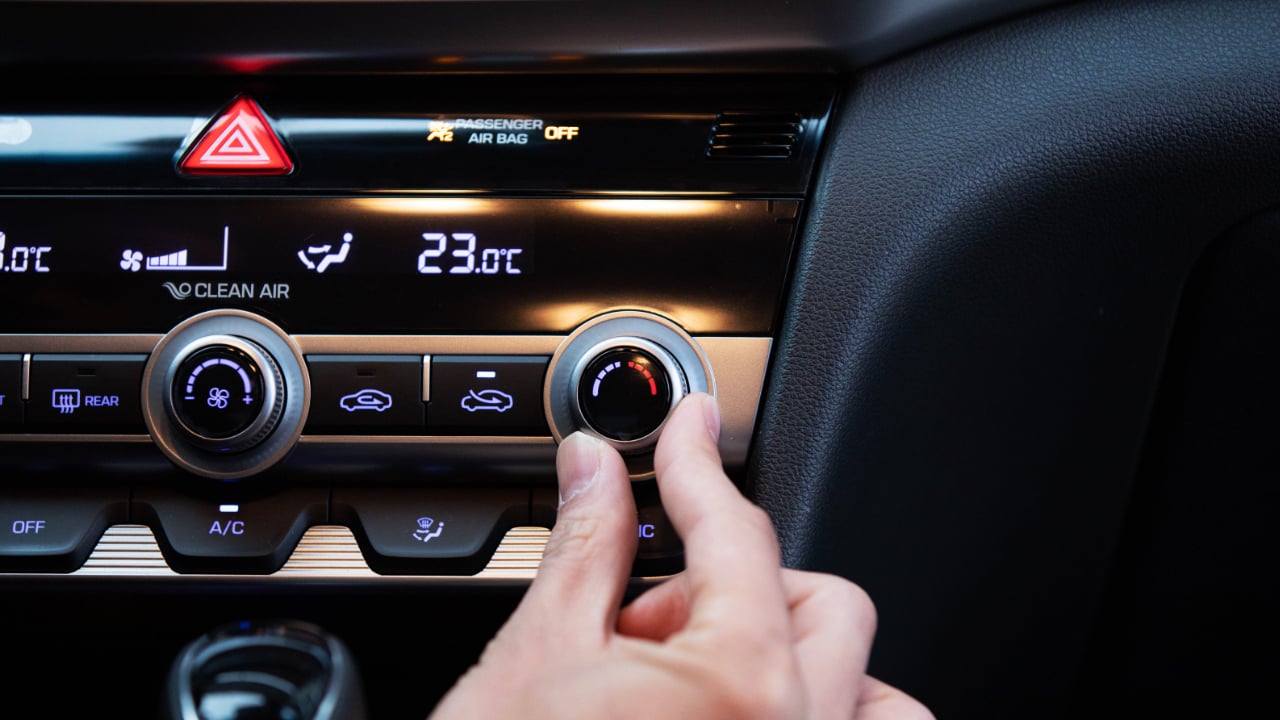
It might sound completely backwards, but if your engine starts running hot, turning on the cabin heater can actually help. Your vehicle’s heater draws warmth from the engine, so cranking it up gives the cooling system a little relief by pulling heat into the cabin. It’s not a permanent fix, but it can buy you time to find a safe place to pull over. If the temperature gauge is climbing or you see a warning light, switch on the heat, open the windows, and get off the road as soon as it’s safe. It’s an old-school trick that still works in a pinch.
Avoid Long Idling

When you’re stuck in traffic or waiting in a long drive-thru line, it’s tempting to just sit with your foot on the brake—but that can cause your engine to build up more heat. Extended idling means the engine is working without much airflow, which limits how well the radiator can do its job. If you know you’ll be stopped for more than a minute or two, shifting into neutral or park can help ease the load and reduce heat buildup. It’s a small move that gives your engine a break, especially on those sweltering summer days when every degree counts.
Watch the Temperature Gauge
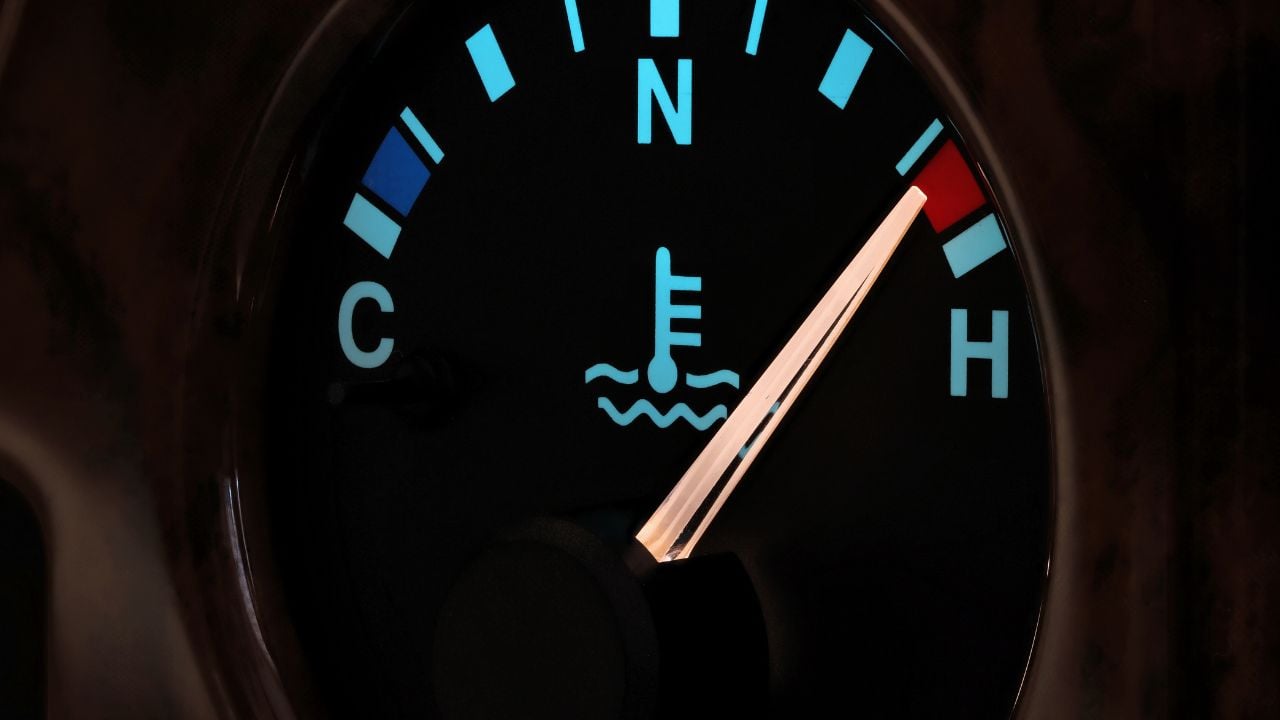
Your temperature gauge is one of the most important things to keep an eye on during hot weather. It gives you an early warning if something’s going wrong under the hood. If you notice the needle climbing higher than normal—or creeping into the red—that’s your cue to act fast. Find a safe spot to pull over, turn off the engine, and give it time to cool down. Don’t try to push through it. Catching an overheating issue early can save you from serious engine damage and an expensive repair bill. It’s always better to be safe than stranded.
Maintenance Tips to Keep Your Car Cool and Running Smooth

When the temperatures climb, your car feels it just as much as you do—and a little extra maintenance goes a long way. Heat puts more strain on nearly every system under the hood, from the cooling system and battery to your tires and fluids. If something’s already worn or running low, extreme temperatures can quickly turn a small issue into a big problem.
The good news? Most of what your car needs to stay cool and reliable in hot weather is simple and easy to check at home or during a regular service visit. Staying on top of these basics not only helps your vehicle run better in the heat, it can also save you money and hassle down the road.
Check Coolant Levels

Your coolant is the MVP when it comes to keeping your engine from overheating. It circulates through the engine to carry heat away, so if the level is low or the mixture isn’t right, your cooling system can’t do its job. C
heck your coolant reservoir regularly, especially during heatwaves, and top it off if needed. Just be sure to wait until the engine is cool before opening anything under pressure. If you’re unsure about the right coolant type or mix, your owner’s manual has the answers, or a mechanic can point you in the right direction.
Flush the Cooling System on Schedule

Coolant doesn’t last forever. Over time, it breaks down and loses its ability to protect your engine from heat and corrosion. That’s why most manufacturers recommend flushing the cooling system at regular intervals, usually every 30,000 to 50,000 miles, but it can vary by vehicle. Sticking to that schedule keeps the system clean, efficient, and ready to handle extreme temperatures.
If your coolant looks dirty, rusty, or cloudy, it’s probably time for a flush. Fresh coolant helps your engine stay cooler, your radiator last longer, and your summer drives go a lot more smoothly.
Inspect Hoses and Belts

Hot weather speeds up wear and tear, especially on rubber components like hoses and belts. These parts are essential for keeping your engine running and your cooling system circulating properly. Over time, heat can cause them to dry out, crack, or even split, sometimes without much warning.
Take a few minutes to check for bulges, soft spots, fraying edges, or any signs of leaks around hose connections. If something looks worn or feels brittle, it’s best to replace it before it fails. A quick inspection now can save you from a breakdown later, especially when the pavement feels like it’s melting.
Monitor Tire Pressure

Heat affects more than just your engine: your tires feel it too. As temperatures rise, the air inside your tires expands, which can lead to overinflation. That might not sound like a big deal, but it can cause uneven wear, reduce traction, and even increase the risk of a blowout, especially during long drives on hot pavement.
Check your tire pressure regularly during a heatwave, ideally when the tires are cold and before hitting the road. Keeping them inflated to the recommended level (you’ll find it on a sticker inside the driver’s door) helps ensure better handling, safer braking, and a smoother, more efficient ride.
Check Oil Levels and Condition
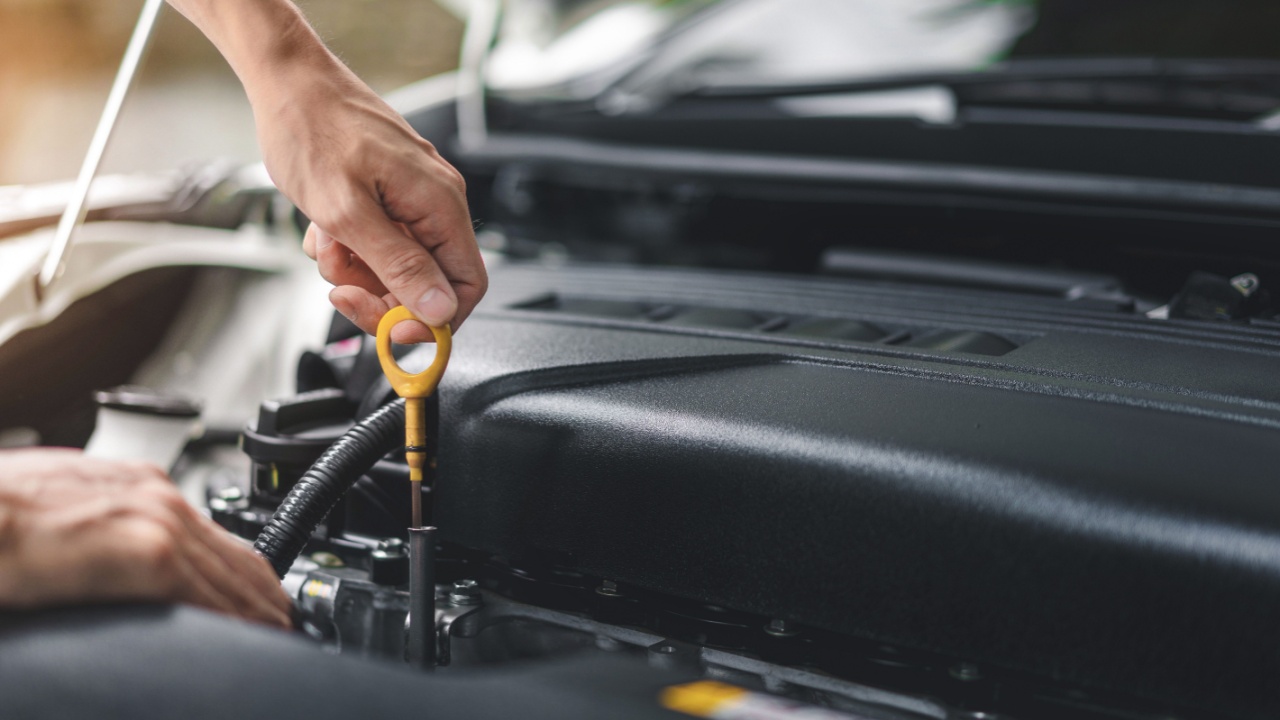
Your engine relies on oil to stay cool and protected, especially when the mercury climbs. But extreme heat can cause oil to thin out or break down faster, reducing its ability to lubricate moving parts. That makes it even more important to keep an eye on both the oil level and its condition.
Check it regularly, especially before long drives, and look for signs it might be time for a change, like a dark color or gritty texture. Fresh, properly filled oil helps your engine run smoother, stay cooler, and avoid unnecessary wear during the hottest days of the year.
Keep the Battery in Check
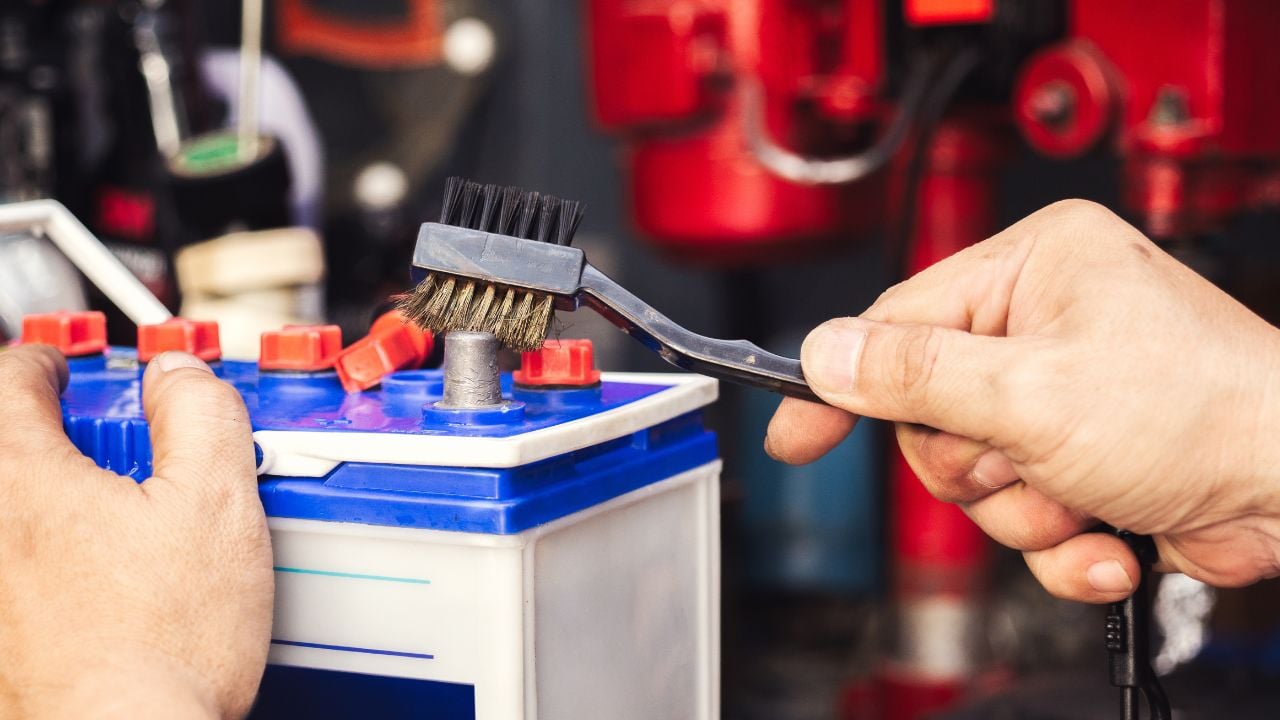
Most people worry about their car battery in the winter, but heat can be just as tough, sometimes even worse. High temperatures can cause battery fluid to evaporate and speed up internal corrosion, which shortens battery life. If it’s been a while since you last checked yours, now’s a good time.
Pop the hood, clean off any corrosion on the terminals, and make sure the cables are tight and secure. If your battery is more than a few years old, consider having it tested. A little attention now can keep you from getting stranded later, especially on a blazing hot day.
Replace the Cabin Air Filter
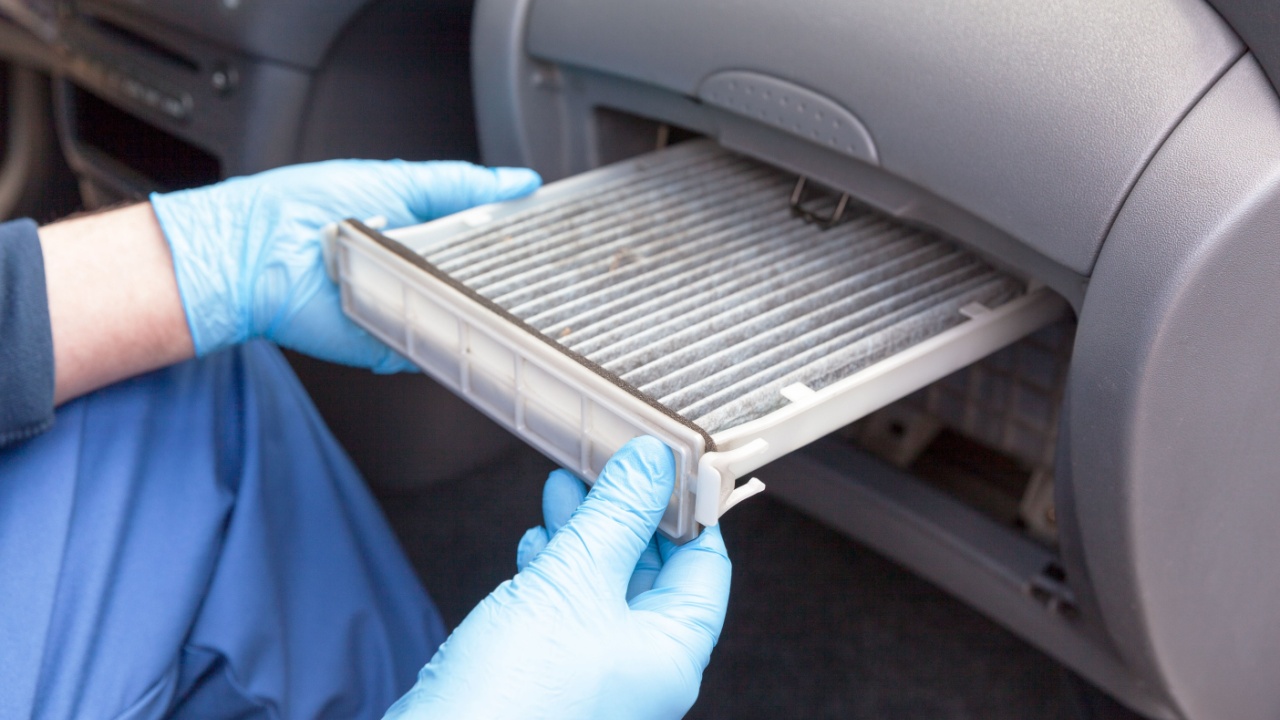
A dirty filter forces your A/C to work harder. Keeping it clean improves airflow and efficiency.
Carry Extra Coolant and Water
Even if your car is in great shape, it never hurts to be prepared, especially in the heat. Keeping a bottle of coolant and some extra water in your trunk can make all the difference if something goes wrong on the road. If your engine starts to overheat or a coolant warning light comes on, having supplies on hand can help you get safely to a service station or buy you time while waiting for help. It’s one of those “just in case” precautions that’s easy to forget—until you really need it. Think of it as cheap peace of mind on a hot day.
Think About Ceramic Window Tint
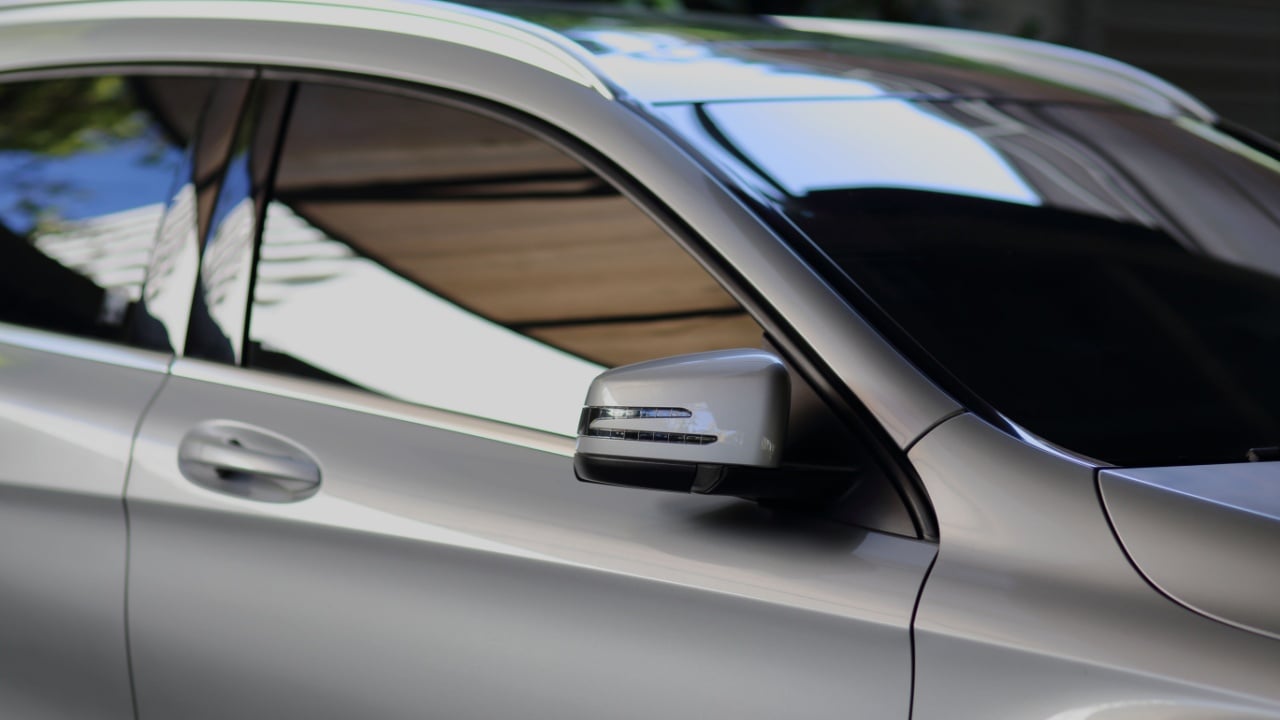
If you’re serious about keeping your car cool, ceramic window tint is worth considering. Unlike traditional tint, ceramic film uses advanced technology to block heat and UV rays without making your cabin feel dark or messing with visibility. It can significantly reduce interior temperatures, protect your dashboard and seats from sun damage, and even ease the load on your A/C. Most ceramic tints are legal in a wide range of shades and meet state regulations, but it’s always smart to double-check local laws before installation. It’s an investment—but one that pays off every time you get into a cooler, more comfortable car.
Upgrade to an Aluminum Radiator
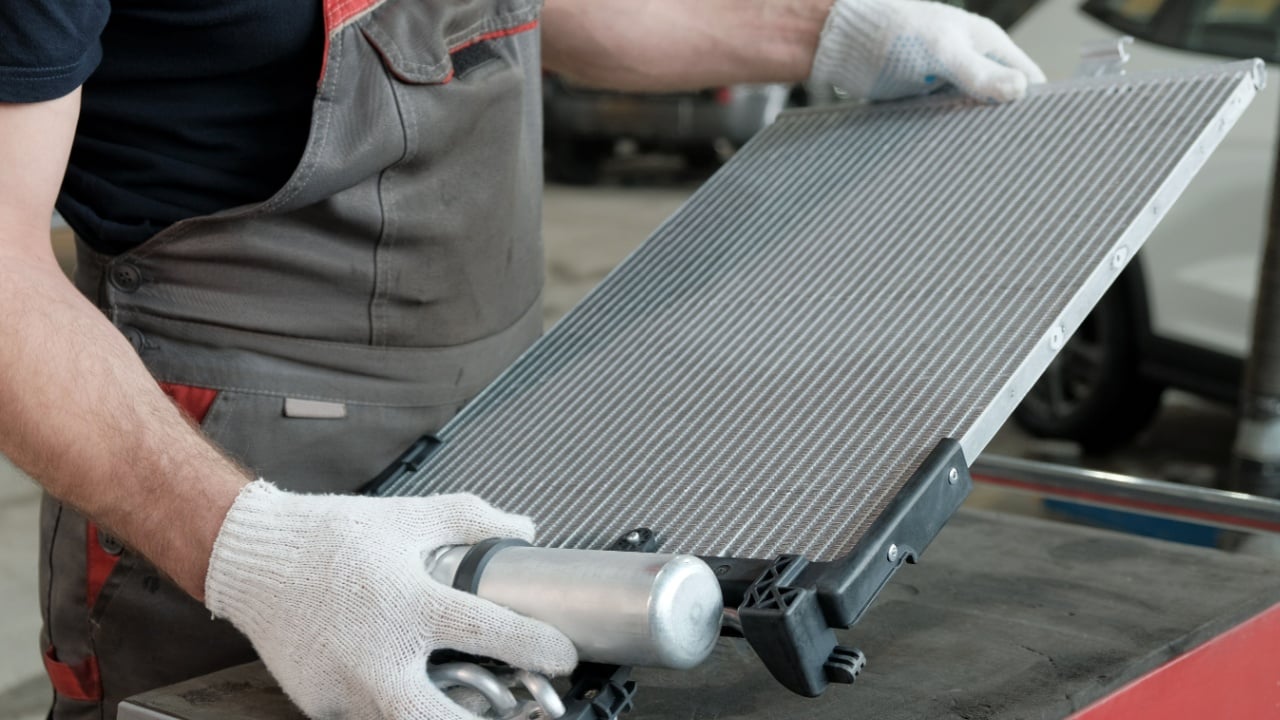
If you drive an older vehicle, haul heavy loads, or live in a region where summer heat is relentless, upgrading to an aluminum radiator might be one of the best things you can do for your engine. Aluminum radiators dissipate heat more efficiently than many stock radiators, especially those made with plastic end tanks. They also tend to be more durable under stress, making them a smart choice for high-mileage cars or vehicles used for towing.
While it’s not a must for everyone, this upgrade adds a serious layer of protection during extreme conditions and gives your cooling system a much-needed boost when temperatures soar.
Keep Your Cool (And Your Car’s, Too!)

Hot weather doesn’t have to spell trouble for your car. With a little planning and some simple habits, you can protect your vehicle from the strain of extreme heat and keep every drive more comfortable. From smart parking choices to routine maintenance, each step adds up to better performance, less wear, and fewer surprises when the temperature climbs.
And if you do spot signs of overheating — like a rising temp gauge, steam from under the hood, or a warning light — don’t ignore them. That’s your car telling you something’s off. Pull over safely, let it cool down, and get it checked out. Catching an issue early can make all the difference between a quick fix and a costly repair.