Car enthusiasts often struggle to feel the same excitement for electric vehicles that they do for gas-powered ones, and I understand. Some EVs can feel similar behind the wheel, and many still miss that visceral driving experience.
Even the 900-horsepower Porsche Taycan Turbo S, impressive as it is, didn’t quite leave me with the emotional rush I’d hoped for. When a $250,000 super sedan doesn’t spark something deeper, it’s fair to wonder what will.
That said, there’s a growing category of electric cars that’s genuinely exciting: not because they’re the fastest or most luxurious, but because they bring something different to the table. These are the EVs worth watching. They may be smaller and simpler, but that’s part of their charm and potential.
Ultra Affordable Electric Cars Are Coming
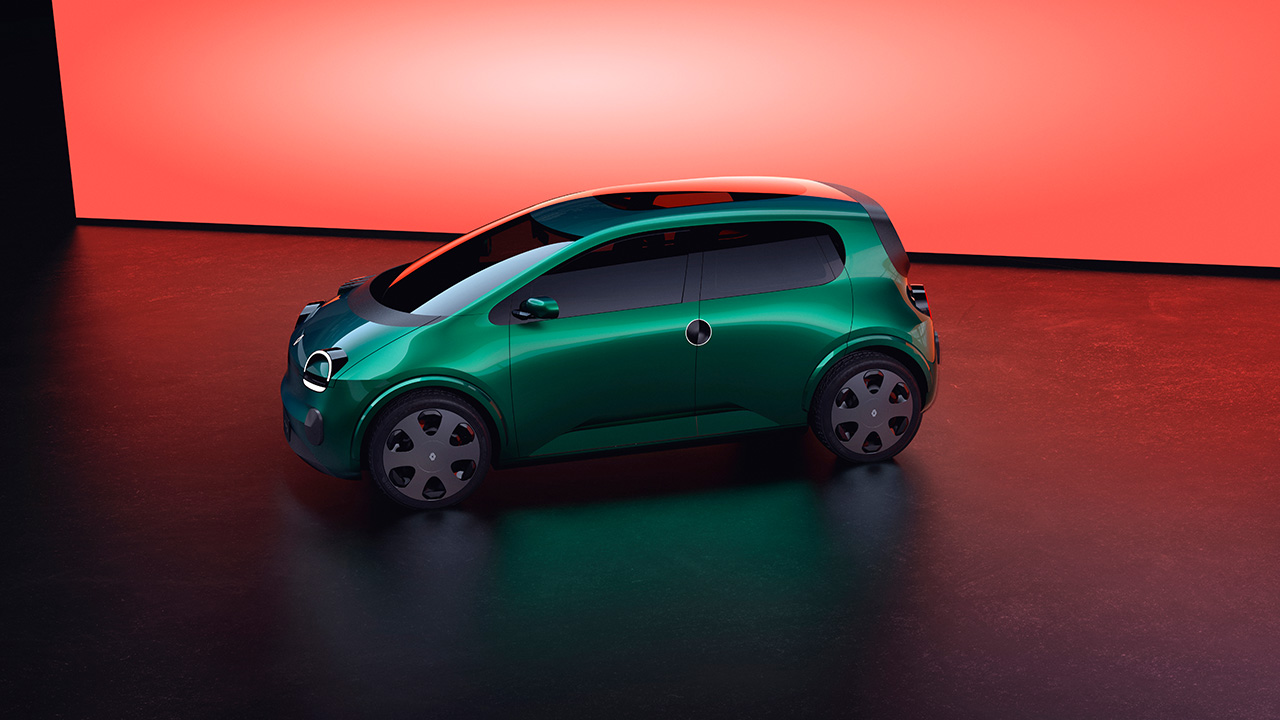
Some of the most exciting electric cars, unfortunately, aren’t making their way to the U.S. anytime soon. And that’s a shame, because North America could truly benefit from smaller, more efficient vehicles that are both practical and safer for pedestrians than the oversized models dominating the roads today.
Those vehicles might even lead to regulation changes, according to AP News. European and Chinese automakers, having established their EV lineups with a variety of lumbering crossovers, are now exploring the frontier of ultra-affordable, small, and cheap electric cars.
One automaker that’s putting extra work into this segment is Renault. The Mobilize Duo is a revival of the Renault Twizy, with a similar look and a very similar target audience.
Of course, most of you may have heard of the wonderful Citroen Ami, and you might even be aware of its siblings, the Fiat Topolino and the Opel Rocks-e. Cool as all of these may be, they all have the same problem: they’re not exactly cars.
They’re not designed for highway use, offer seating for just two people (and sometimes only one), and are simply too small to function as practical, everyday cars.
Tiny Titans: Europe’s Cutest and Most Affordable New EVs
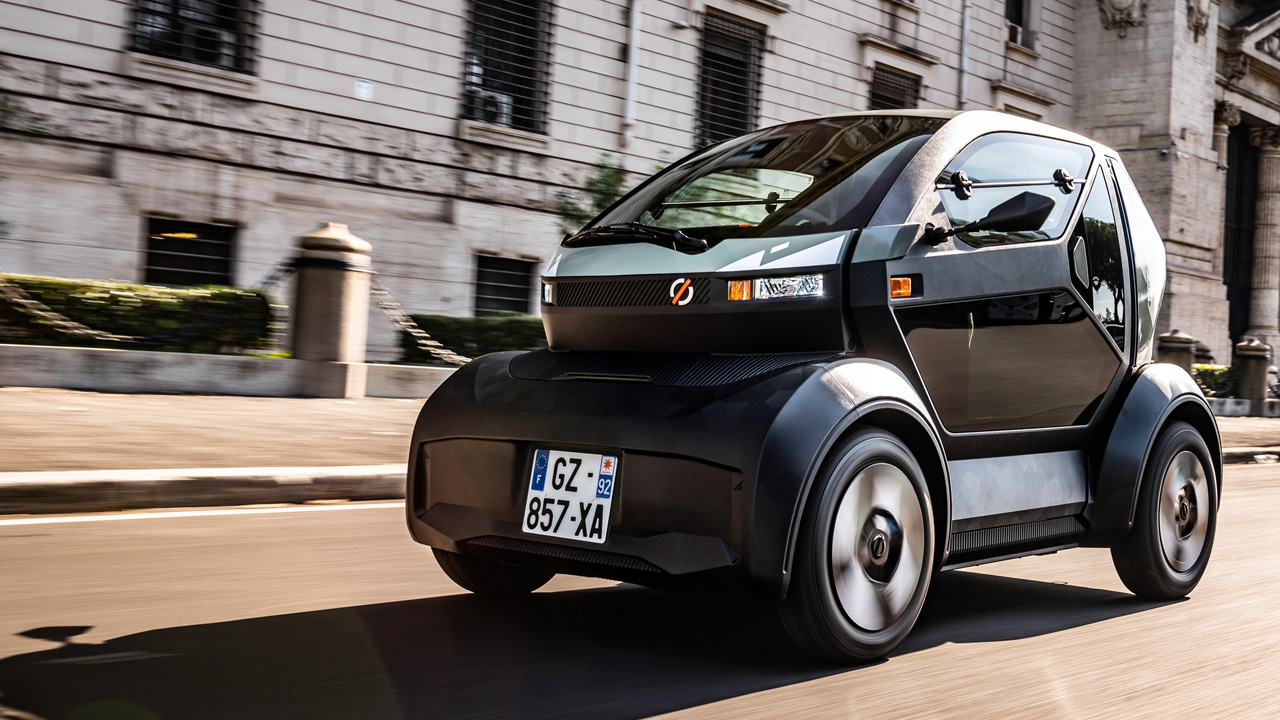
These new, upcoming EVs are all about turning EVs into cars in the true sense of the word, making them available to more people in the process. Renault has revived three of its iconic small cars for a trio of retro-modern EVs, beginning with the 5 E-Tech, the 4 E-Tech, and the soon-to-be-released Twingo, which bears a striking resemblance to the much-loved original Twingo.
The Volkswagen Group is also looking to enter this segment with stuff like the ID.2all concept, which will eventually reach production as the ID.2. The Skoda Epiq is already on its way to fulfill the same purpose, along with Cupra’s entrant which was previewed by the Raval concept from not too long ago.
Chinese automakers are also ready to enter the world of ultra-cheap electric cars, and some of them already have. Models like the Dongfeng Box, which is available in certain European markets, are one of the cheapest electric cars you can buy.
Affordable Electric Cars Take Over
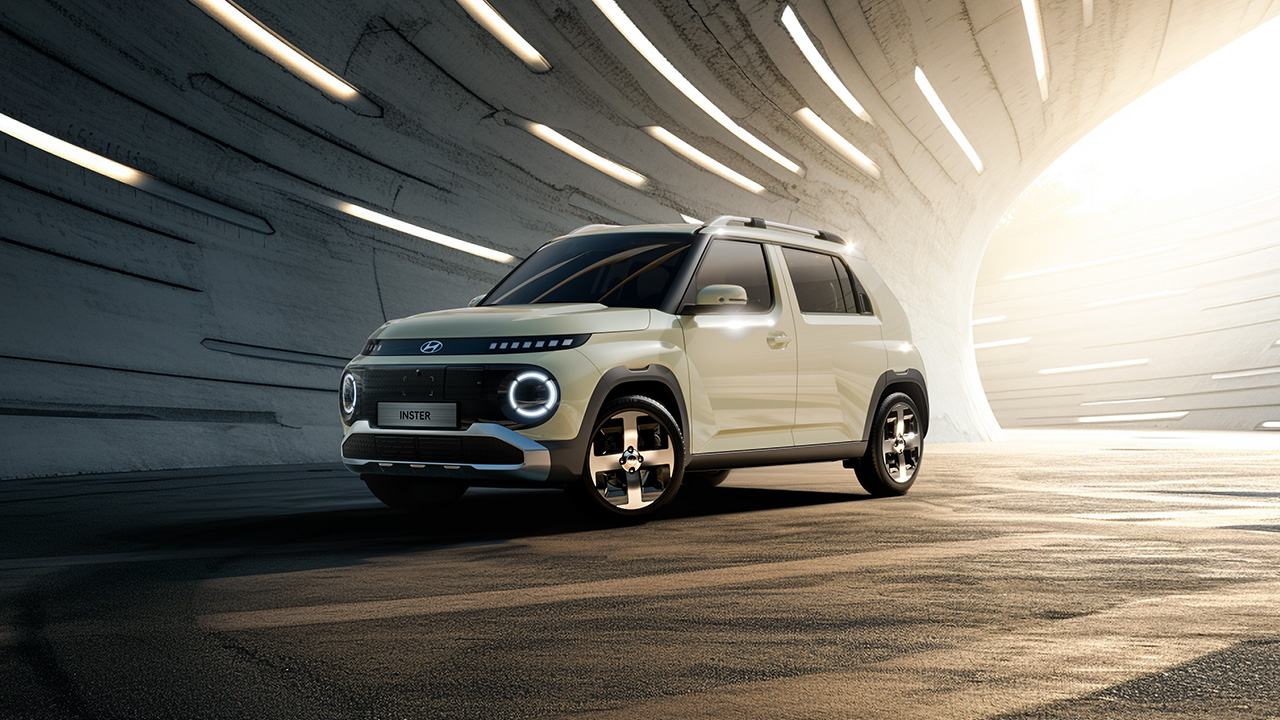
Coming in from Korea, Hyundai has introduced the Inster, pictured above. It’s a tiny and adorable electric car based on the Casper. Whereas the Casper is powered by internal combustion, the Inster is EV only.
Meanwhile, still within the HMG umbrella, Kia has introduced a sister car, the Syros. This will eventually reach Europe, exclusively with battery power, as the EV2.
The new Fiat Grande Panda is a small, affordable car that also aims to democratize the EV, and of course, there’s the latest Citroën C3, also available with battery power.
Finally, one of the first cars to kickstart the tiny electric car craze, the recently facelifted Dacia Spring, is still available in Europe, and it’s still doing pretty well in terms of sales, according to Car Magazine.
Why These EVs Are Worth The Excitement
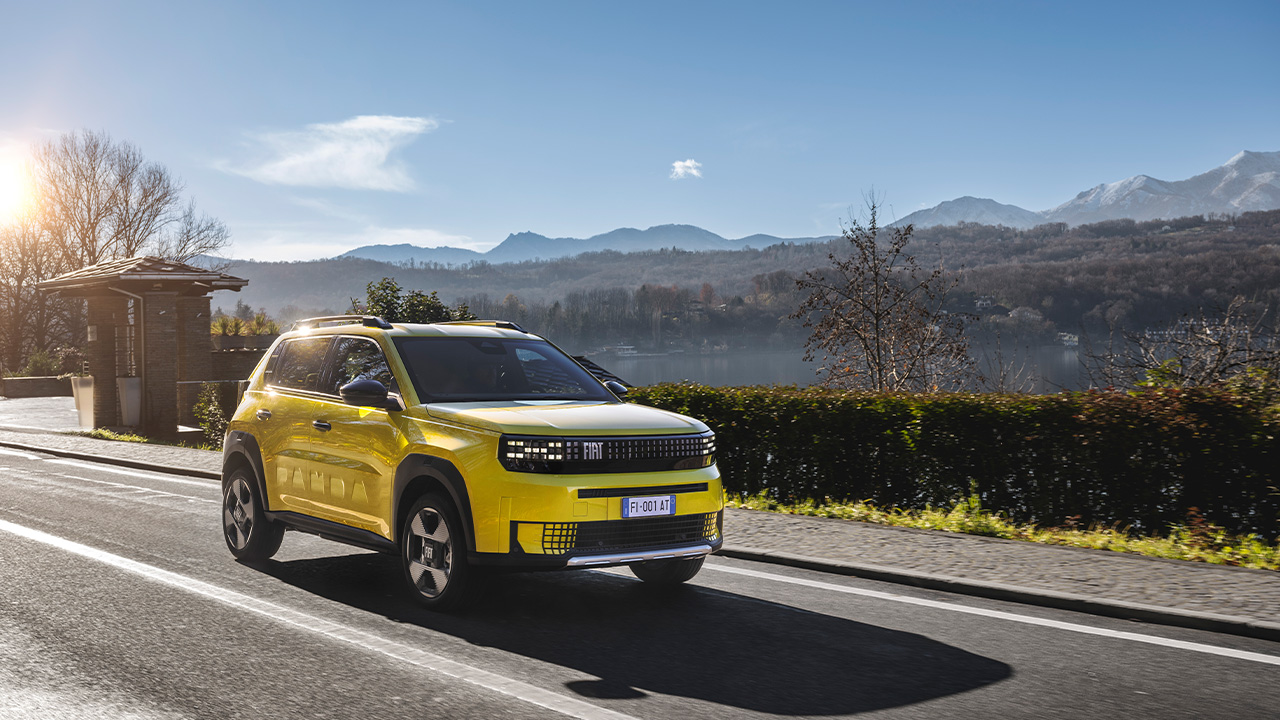
So you’re probably wondering why these electric cars are worth drumming up hype for. Well, for starters, they all have one thing in common: they all look cool.
Renault’s retro-styled EVs are absolute masterpieces of design, and so are the Stellantis siblings. Not all of them rely on retro styling, of course, with some opting for a more futuristic cutesy aesthetic, but they all do a great job of creating an attractive design. If Cupra’s small EV even slightly resembles the Raval concept, can you imagine seeing one of those on the street?
Perhaps the most important aspect of small EVs is their pricing. These vehicles aim to address one of the biggest barriers to EV adoption, and a major contributor to the recent slowdown in sales: affordability.
Prices vary by market, but the automakers behind these small EVs are clearly targeting a much more accessible price point. By lowering the cost, they’re helping to make electric cars more attainable for a wider range of drivers.
Electric cars are also very much at home in the city, so by introducing these city-friendly EVs at a much lower price, more people can use fully electric cars for city commutes, the way God intended. No electric cars worth getting excited about? I’d argue that you’re wrong.