The world of car design, traditionally seen through a masculine lens, has been significantly influenced by women. Their unique perspective has shaped the industry in powerful, often overlooked ways for over a century. From safety features we take for granted to interior layouts that make driving more intuitive, women have quietly (and sometimes boldly) redefined what cars can be.
This list celebrates the designers, inventors, and visionaries who saw vehicles not just as machines but as personal spaces, tools for daily life, and expressions of identity. Their contributions didn’t just “soften” cars: they made them smarter, safer, more livable, and often far ahead of their time.
Narrowing Down an Extensive List
The automotive world encompasses not only design but also engineering, marketing, motorsports, and executive leadership. Women have excelled in all these areas, shaping the industry’s evolution. From the inventors of early safety features to today’s electric vehicle pioneers, their influence is vast and deeply woven into the fabric of car culture.
For this article, we’ve focused on women who made notable contributions to vehicle design, interior innovation, and user experience. While there are countless deserving names, we’ve narrowed our list to 13 standout examples that reflect a wide range of eras, roles, and impact. This isn’t an exhaustive list, but rather a celebration of just a few of the women who have helped redefine what cars can be.
Inventing the Windshield Wiper — Mary Anderson (1903)

In 1903, Mary Anderson received a patent for a “window cleaning device” designed to wipe rain and snow from a car’s windshield. At the time, drivers had to manually stop and clean their windshields during storms, making Anderson’s invention a massive leap forward in safety and convenience. Though her patent expired before windshield wipers became standard, her idea laid the groundwork for one of the most essential safety features in modern vehicles.
Anderson’s contribution is often overlooked, but it has changed the way we interact with cars in adverse weather conditions. Today’s automatic rain-sensing wipers and heated blades can all trace their lineage back to this simple, hand-operated mechanism created by a woman who saw a practical problem and solved it.
Designing Functional Interiors — Helene Rother at GM (1940s)

Helene Rother joined General Motors in 1943 as the company’s first female designer, focusing on interior styling for the Fisher Body division. She brought a background in fashion and furniture design, which led to more cohesive, visually appealing, and user-friendly cabin spaces. Her work included coordinated upholstery, dashboard trims, and interior lighting—ideas that were largely ignored before she arrived.
Rother’s approach helped elevate the importance of interior design in the auto industry. She proved that cars could be both beautiful and functional on the inside, influencing how automakers think about comfort and layout. Her work set the stage for a more human-centric approach to automotive interiors, which continues to this day.
Promoting Aerodynamic Design — Suzanne Vanderbilt at GM (1950s)
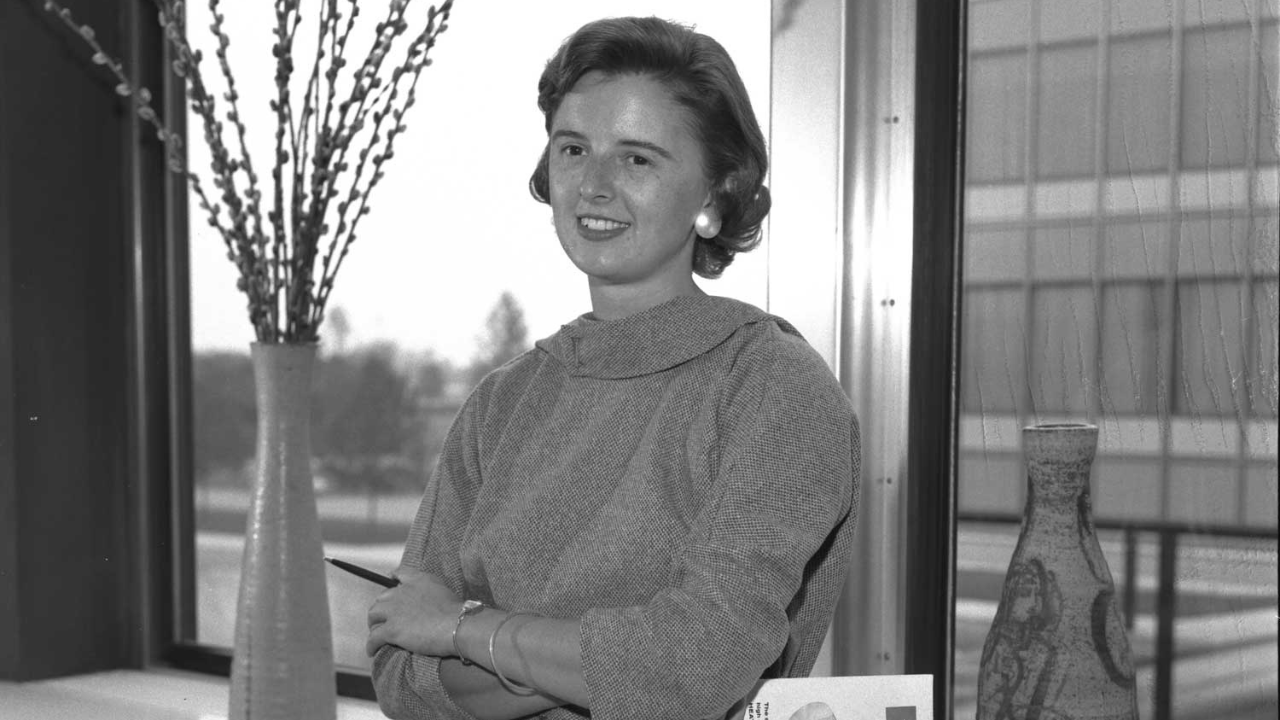
Suzanne Vanderbilt was one of the standout members of GM’s legendary “Damsels of Design,” a group of women brought in during the 1950s to bring fresh ideas to vehicle styling. She worked on a range of concept cars and pioneered ideas like retractable seatbelts and a streamlined, aerodynamic aesthetic. Her contributions helped shift the industry away from boxy forms and toward sleeker, more fluid shapes.
Beyond her design chops, Vanderbilt held multiple patents and climbed the ranks at GM during a time when few women had that opportunity. Her work on experimental interiors and futuristic materials made her a quiet innovator in the industry, and her designs helped influence the look and feel of American cars throughout the mid-20th century.
Prioritizing Everyday Practicality — Women’s Research Teams (1950s–70s)

Throughout the 1950s and into the 1970s, automakers began involving women in consumer research to better understand how cars were used in daily life. These women brought attention to overlooked features, such as trunk access, driver visibility, and intuitive control layouts. What started as “women’s panels” gradually evolved into a more concerted effort to incorporate female perspectives into product planning.
Their influence shaped several vehicle updates that are now considered standard. Split-folding rear seats, easier gear selectors, and improved storage layouts were all inspired by feedback from women who understood what worked — and what didn’t — in everyday driving. These features ultimately benefited all drivers, proving the value of inclusive design thinking.
Improving Dashboard Layouts — Mimi Vandermolen at Ford (1970s–’80s)

Mimi Vandermolen helped redefine what a modern dashboard should look and feel like. As the lead designer on the 1974 Ford Mustang II and later the Ford Probe, she emphasized symmetry, ergonomics, and ease of use. She focused on making instrument clusters and controls more intuitive, especially for shorter drivers who were often overlooked in traditional design considerations.
Her influence led to better sightlines, more accessible switchgear, and cabin layouts that felt less like airplane cockpits and more like user-friendly workspaces. Vandermolen’s philosophy remains relevant today, particularly in the way modern dashboards are designed to keep drivers focused, comfortable, and in control.
Leading Concept Car Design — GM’s “Damsels of Design” (1950s)
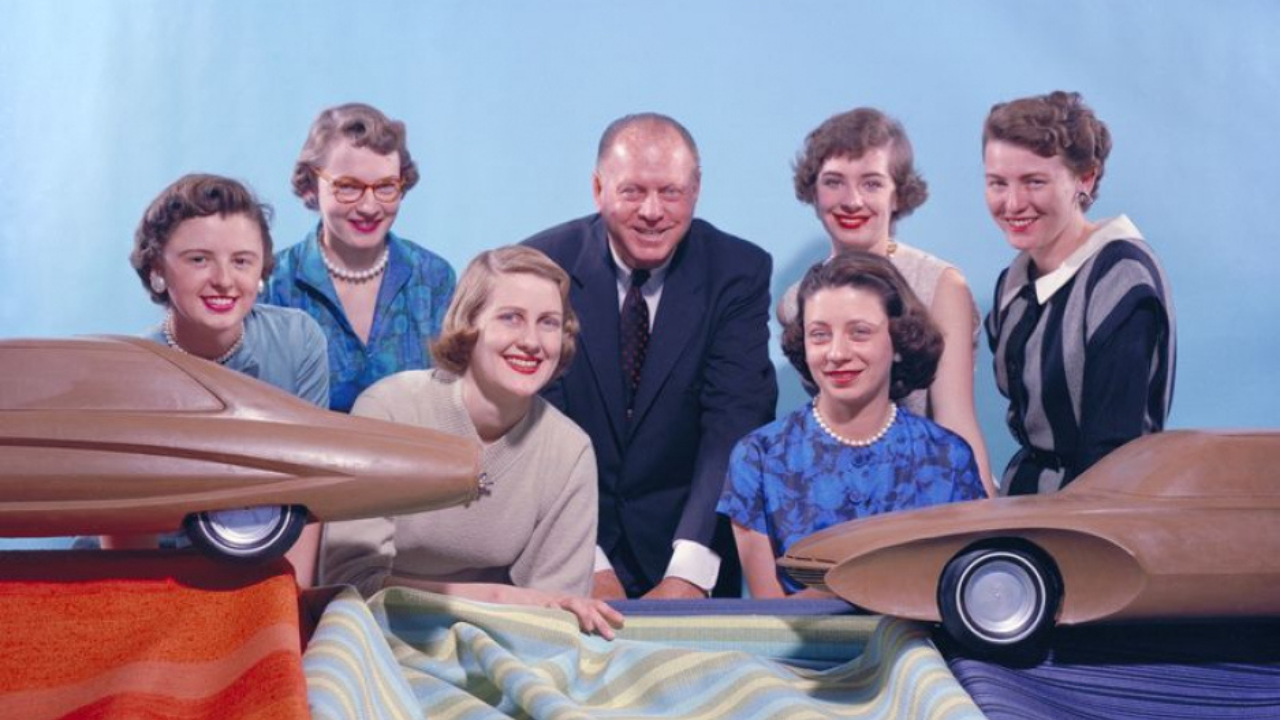
In the 1950s, Harley Earl, then of GM, formed an all-women design team known as the “Damsels of Design.” While the name may not have aged well, its impact on concept vehicles was substantial. These women introduced ideas like coordinated interior themes, hidden storage compartments, and in-car vanity mirrors — features that brought a touch of everyday realism and elegance to futuristic concepts.
Many of their ideas eventually made their way into production models. The group’s creative freedom allowed them to think beyond the typical utility-focused mindset, and their work helped push automakers to consider comfort, aesthetics, and lifestyle appeal as serious components of vehicle design.
Designing the Acura NSX — Michelle Christensen (2010s)
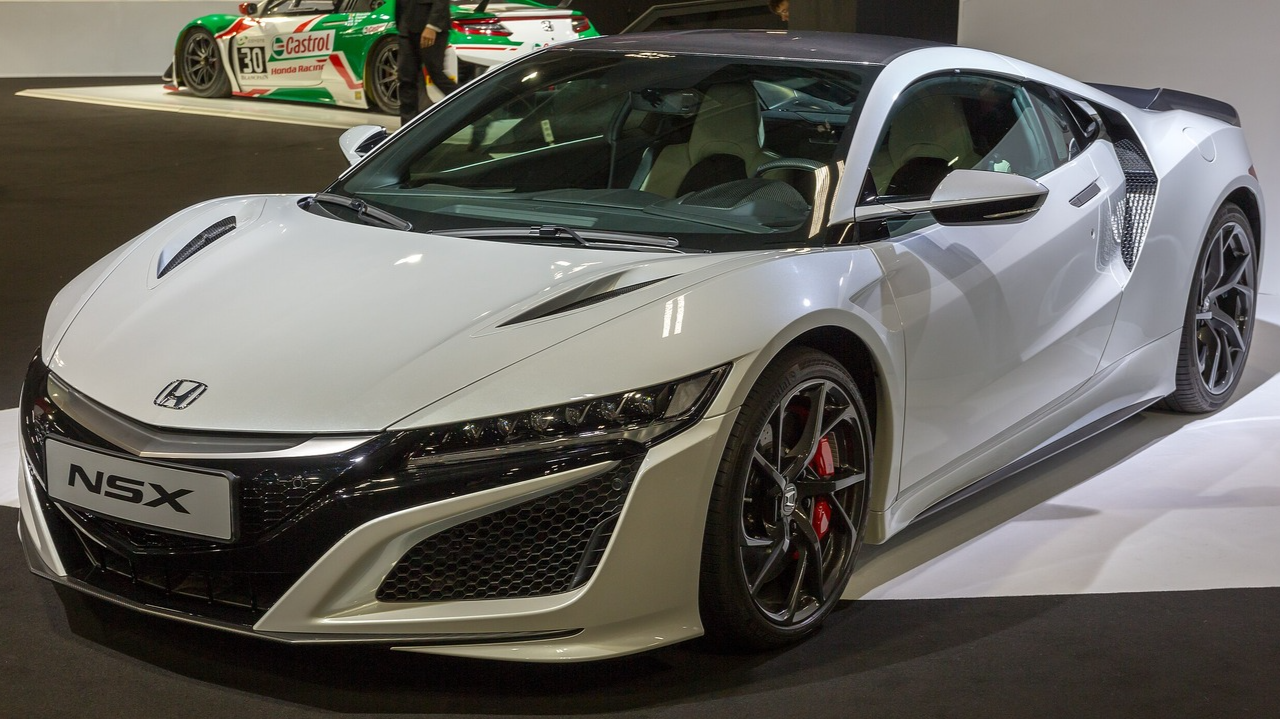
Michelle Christensen made headlines when she led the exterior design of the second-generation Acura NSX. Her vision combined sharp styling with aerodynamic precision, creating a supercar that performed on the track and turned heads on the street. The NSX’s angular surfaces and carefully sculpted air channels were essential to the car’s hybrid performance system.
Christensen’s leadership broke new ground in an industry where few women had led high-performance design projects. Her success opened up space for future designers who bring new perspectives to the table. Acura credited her with creating a car that honored the NSX legacy while giving it a distinctly modern edge.
Pushing Electrification and EV Styling — Mary Barra at GM
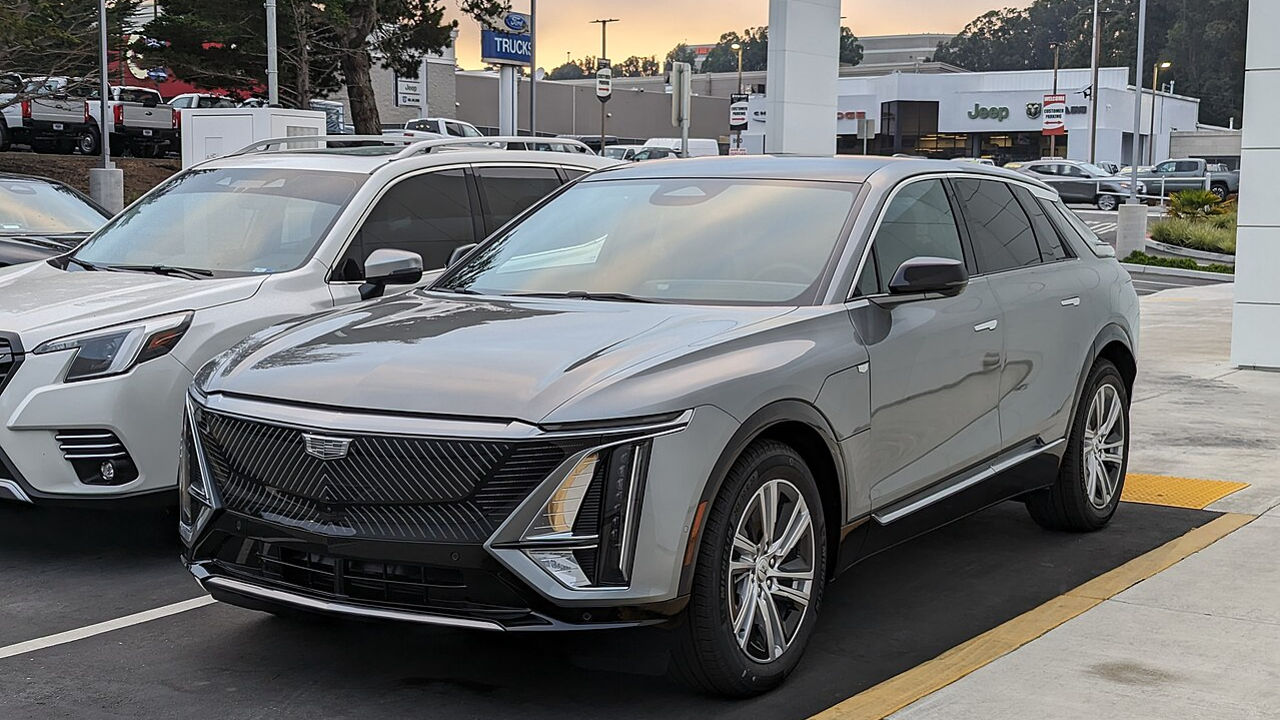
As CEO of General Motors, Mary Barra has overseen the company’s ambitious shift toward electrification. Under her leadership, GM committed to producing only zero-emission vehicles by 2035 and has rapidly expanded its EV lineup with models such as the Chevrolet Bolt EUV and Cadillac Lyriq. Her background in engineering has helped her prioritize not only technology but also the design philosophy behind these new vehicles.
Barra’s focus on clean lines, smart interiors, and sustainability has helped reshape how traditional automakers approach electric vehicle (EV) design. By emphasizing functionality and modern aesthetics, she has turned GM into a serious player in the electric vehicle race, while proving that bold leadership and design innovation can go hand in hand.
Expanding Color Palettes — Paule Marrot and the Renault Dauphine

In the 1950s, Renault took a bold step by partnering with French textile designer Paule Marrot to reimagine the visual identity of its vehicles. Marrot introduced soft, inviting colors and patterns to both the exterior and interior of the Renault Dauphine, creating a car that felt more like a personal accessory than just a mode of transportation. Her influence led to hues like pastel yellows, seafoam greens, and pale pinks—choices that were rare in a market dominated by industrial grays and blacks.
This collaboration was groundbreaking at the time, not only for its aesthetic impact but also for its cultural shift. Marrot’s approach treated the car as an extension of the driver’s personality, a design principle that has become a lasting hallmark in the automotive world. According to Renault archives, this partnership directly influenced the brand’s design language for years to come, opening the door for other automakers to take interior and exterior color design more seriously.
Human-Centered Urban Design — Volvo YCC (2004)
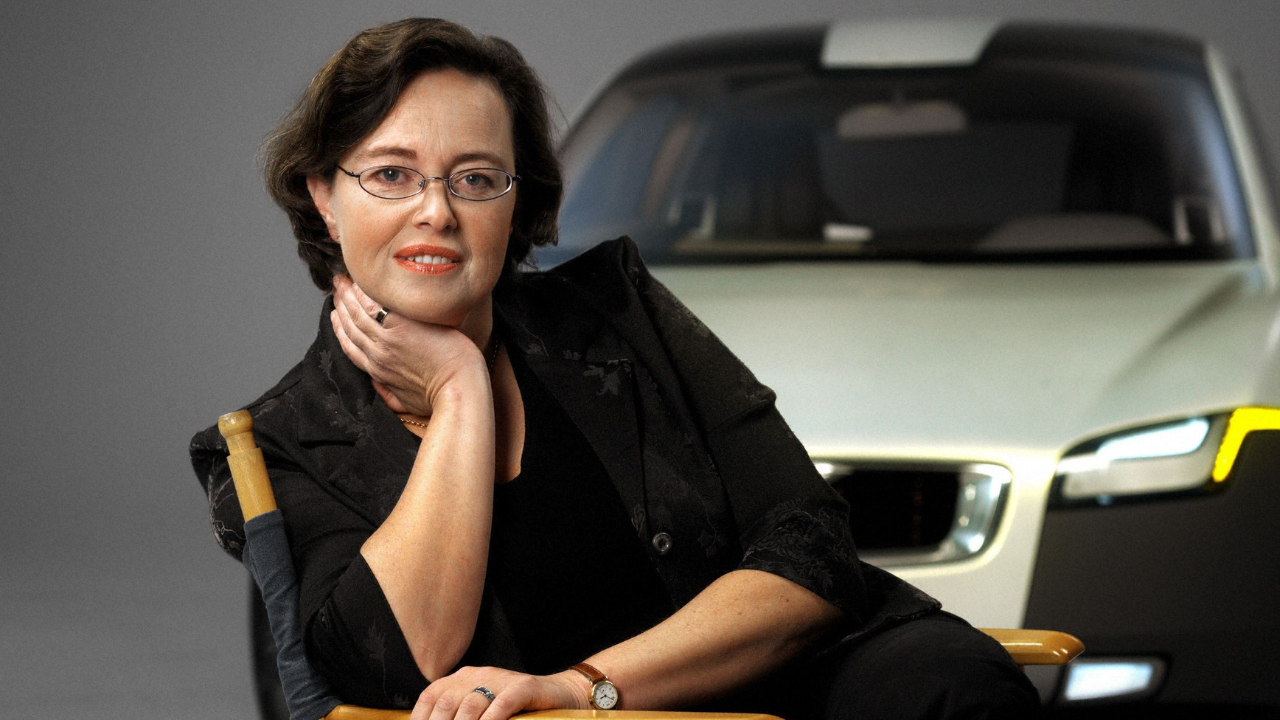
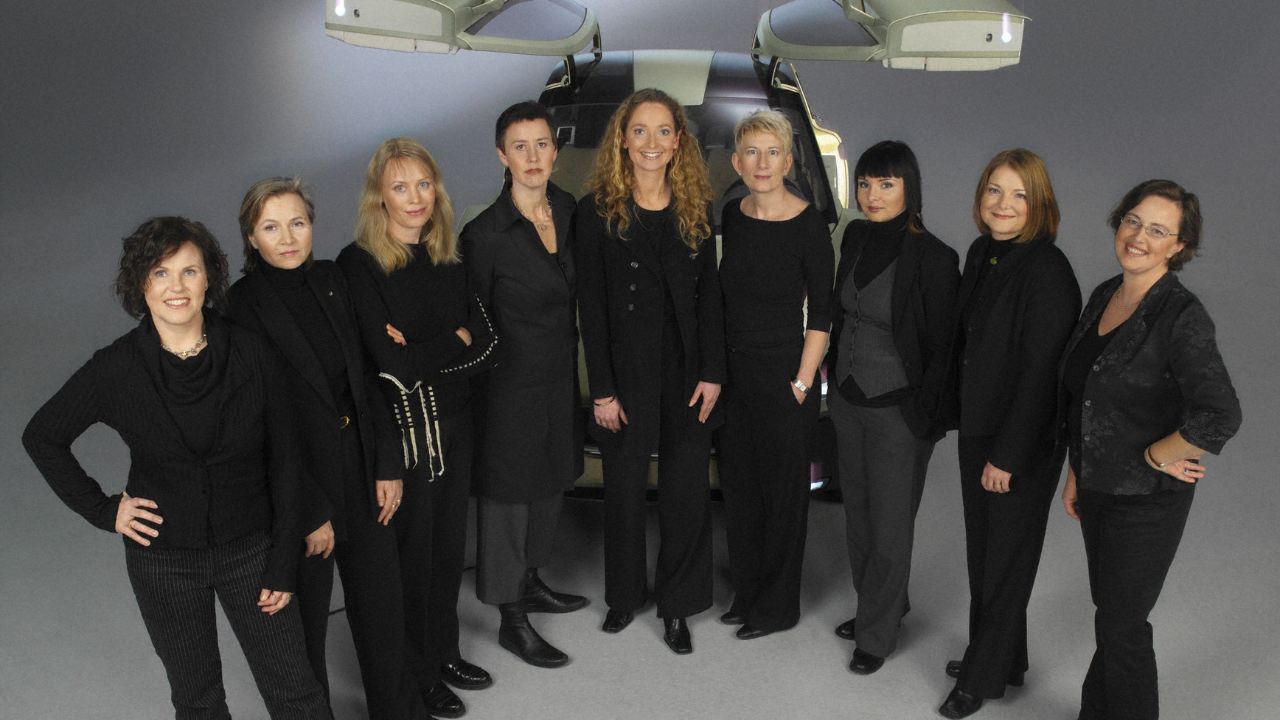
In 2004, Volvo introduced the YCC, or “Your Concept Car,” developed entirely by a team of women designers, engineers, and planners. The project aimed to design a vehicle based on what women drivers actually wanted after years of market research showed they were often underserved in automotive design. The YCC featured innovations such as a cleaner engine bay to reduce oil splatter, motorized gullwing doors for easier access, and storage solutions that catered to the needs of everyday life.
The design went beyond cosmetics. This team prioritized functionality and comfort, offering features such as headrests shaped to accommodate ponytails and intuitive controls that minimize distractions. Though the YCC never reached production, it remains a symbol of what’s possible when inclusive design is taken seriously. Volvo has since acknowledged the long-term impact of the YCC on its approach to cabin layout and feature integration.
Sustainable and Practical Interiors — Susan Lampinen at Ford

Susan Lampinen, Ford’s Group Chief Designer of Color and Materials, has played a pivotal role in advancing sustainability in automotive interiors. Starting in the late 2000s, she led initiatives to incorporate post-consumer recycled materials into vehicle fabrics, trims, and linings. By 2009, Ford vehicles began incorporating seat fabrics made from recycled plastic bottles. By the early 2020s, this had expanded to encompass over 40% of the content in some of their electric models.
What made Lampinen’s approach unique was her focus on both durability and aesthetic appeal. Her team proved that sustainable materials didn’t have to look or feel like a compromise. Today, her influence is evident in Ford’s entire vehicle lineup, where style, environmental responsibility, and user comfort are seamlessly integrated. This shift in philosophy reflects a broader trend in design, one where women continue to lead the conversation around eco-conscious innovation.
Promoting Diversity and Mentorship in Design Studios

The legacy of women in automotive design continues to grow, thanks to leaders who not only design but also advocate for diversity in the industry. Designers such as Kimberly Wu (Honda), Kerrin Liang (Hyundai), and Christine Park (Cadillac) have taken active roles in shaping future vehicles and mentoring the next generation of talent. Their efforts have expanded design teams, challenged stereotypes, and created space for more voices in an industry that has long been male-dominated.
Beyond their own contributions to car styling, these women serve as mentors, speakers, and leaders in initiatives aimed at increasing representation across automotive design and engineering. By championing collaboration, creativity, and inclusion, they ensure the future of car culture is broader, more innovative, and more representative of the drivers who actually use these vehicles every day.
Trailblazing the First Road Trip — Bertha Benz (1888)
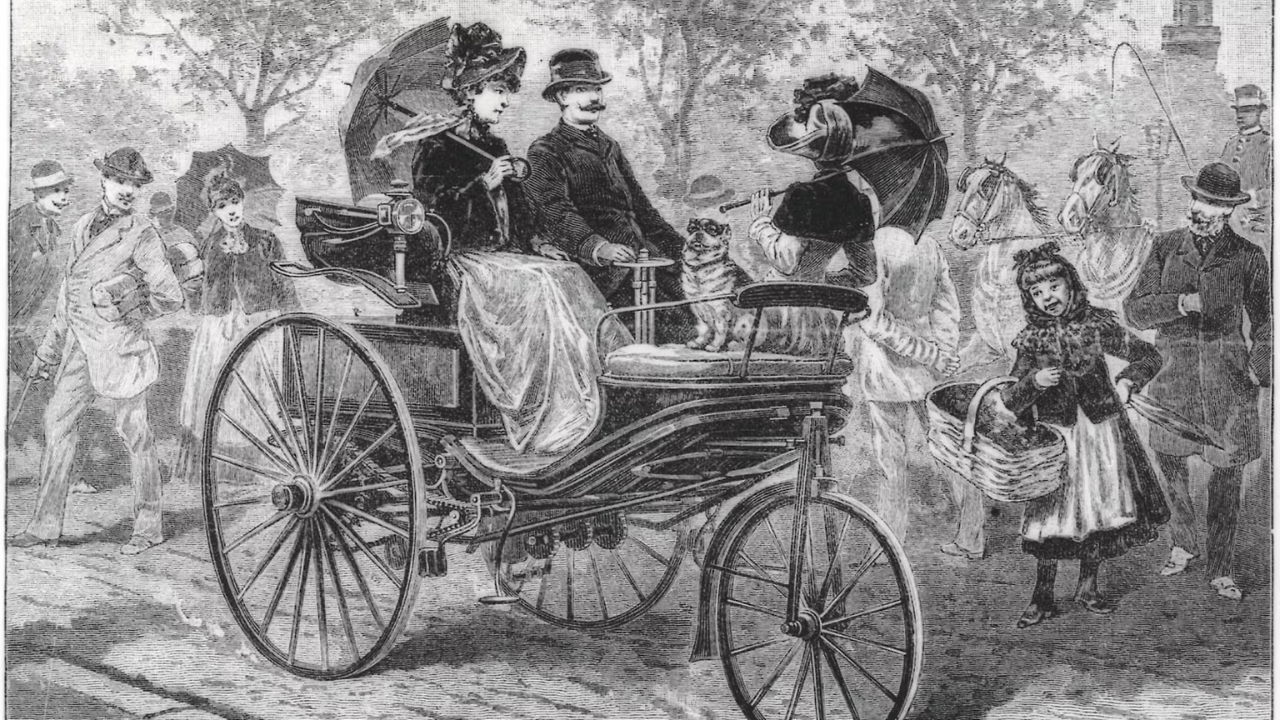
Long before test drives, marketing campaigns, or roadside assistance, there was Bertha Benz—wife of Karl Benz and the woman who proved the automobile had a future. In 1888, without telling her husband, she took his newly invented Motorwagen on a 65-mile journey from Mannheim to Pforzheim with her two sons. Along the way, she refueled with pharmacy-sold ligroin, unclogged fuel lines with her hat pin, and even used her hairpin to repair an ignition. The trip was both a technical trial and a bold act of public demonstration.
Bertha’s journey wasn’t just the first long-distance car trip — it was the world’s first road test, PR campaign, and proof of concept all in one. Her courage and mechanical intuition helped kickstart public interest in the automobile, directly influencing the eventual success of her husband’s invention. Today, the Bertha Benz Memorial Route in Germany commemorates her journey as a foundational moment in automotive history.
Driving Change, One Design at a Time

From overlooked inventors to groundbreaking design leads, women have shaped the way we interact with our vehicles in ways both subtle and revolutionary. Their work reminds us that innovation thrives when diverse voices are included in the conversation.
As car culture continues to evolve, so does the opportunity for more women to leave their mark. Whether it’s under the hood, behind a sketchpad, or in the driver’s seat, their influence is everywhere. If you’ve got a favorite female designer, inventor, or unsung hero of the automotive world, we’d love to hear about them in the comments.