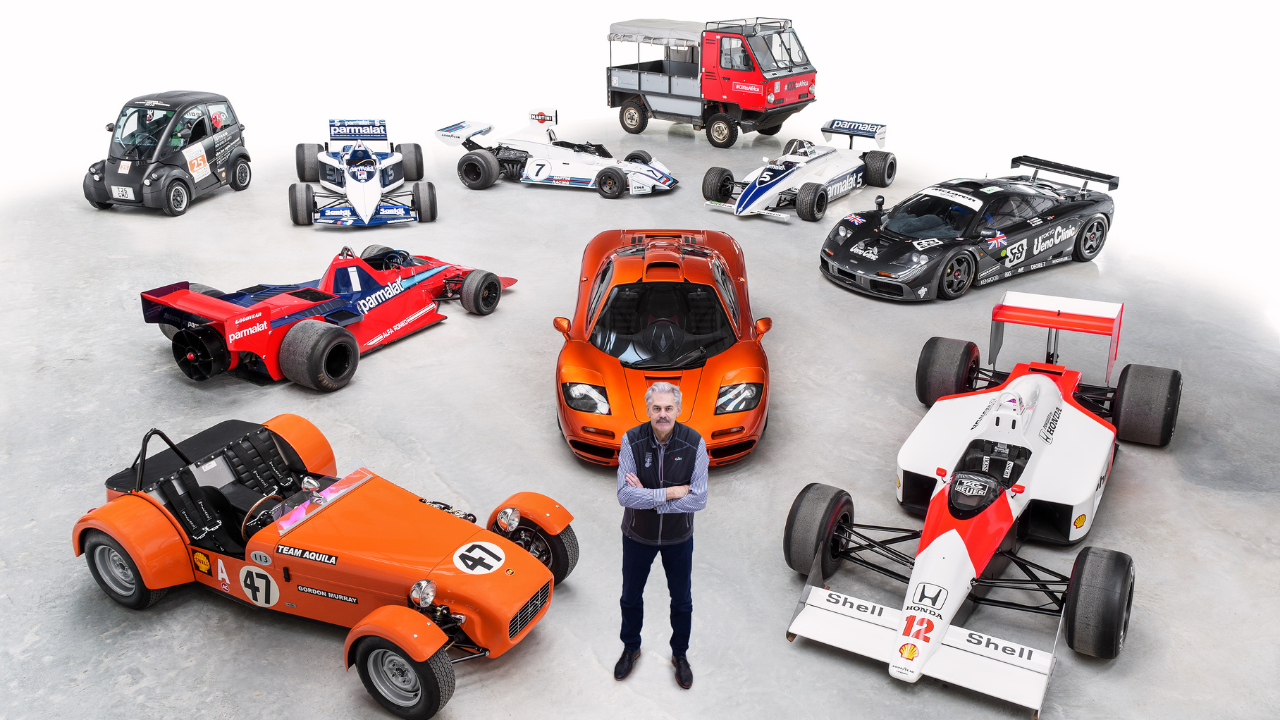
In celebration of 60 years of automotive design by Professor Gordon Murray, the Gordon Murray Group has announced a marvelous lineup of some of his best designs to be on display at the Goodwood Festival of Speed.
Professor Gordon Murray, Executive Chairman of Gordon Murray Group and the designer himself, shares: “I can barely believe it’s been 60 years I’ve been designing and engineering race and road cars – I can’t wait to reminisce with the thousands of fans at the Goodwood Festival of Speed. The Gordon Murray Special Vehicles double debut that follows just a month later will offer customers old and new even more ways to be part of our celebration of cars and driving.”
1967 IGM Ford (T.1)
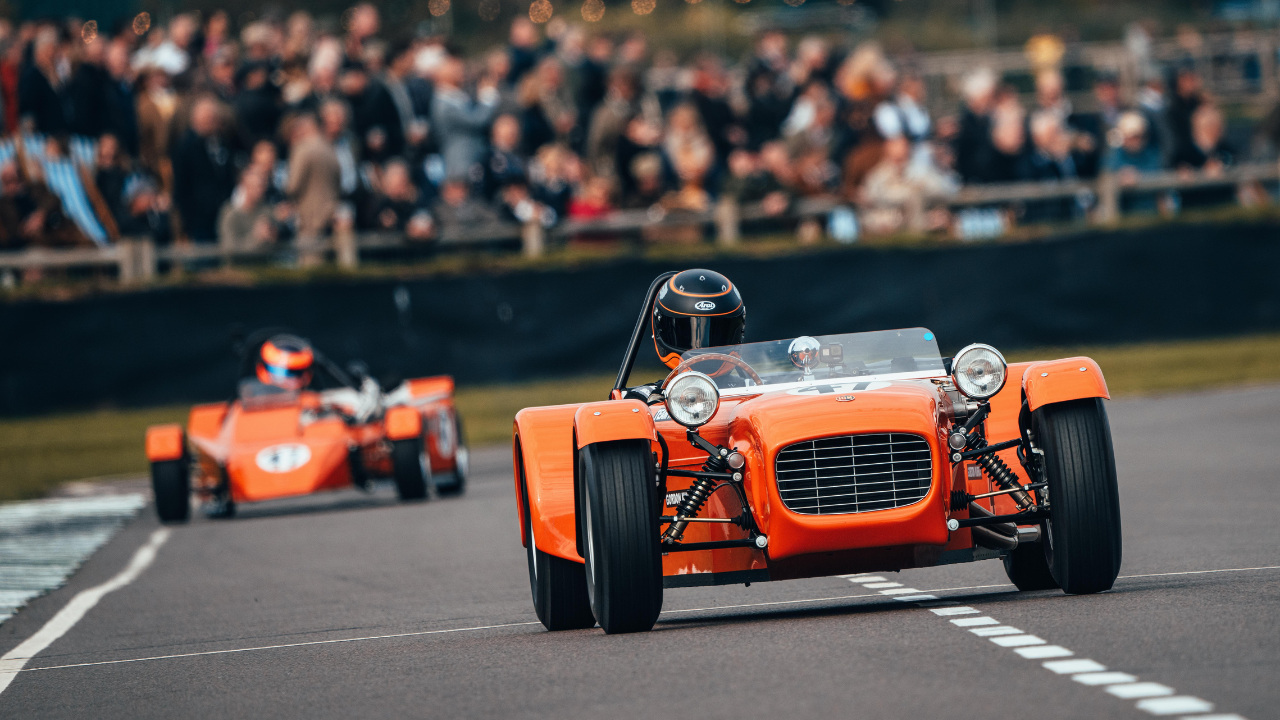
The 1967 IGM Ford (T.1) was the first model designed by Gordon back in 1965. Before he moved to the UK, he raced in South Africa in 1967 and 1968.
1972 Duckhams LM (T.3)
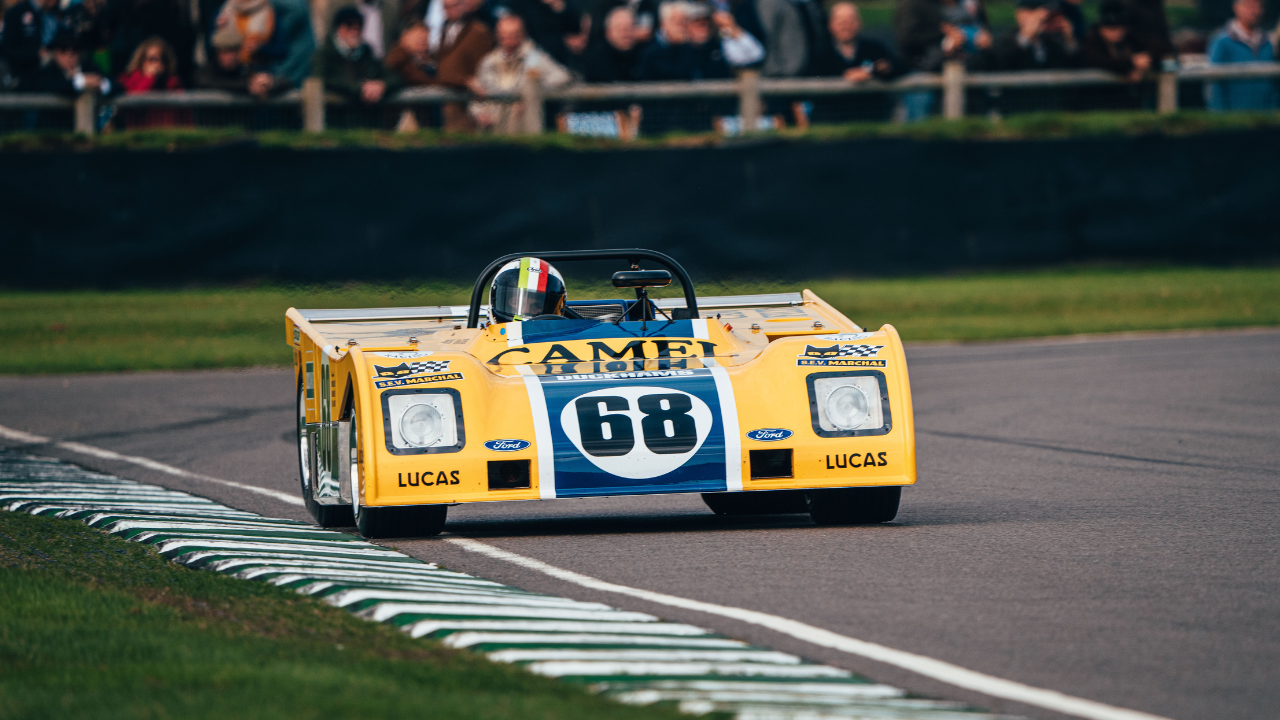
Designed for racing driver Alain de Cadenet to drive at the 1972 24 Hours of Le Mans, Murray debuted a 3-liter prototype called the Duckhams LM (T.3). The build was backed by Duckhams oil company, and the vehicle took only a short six months to complete before it finished 12th and 5th overall in its class.
1972 IGM Formula 750 (T.4)

Continuing with his racing legacy, Gordon designed the 1972 IGM Formula 750 (T.4) during his first two years at Brabham. It was the first car designed with a rod-operated rising rate suspension, a system that was adopted by Formula One in the early 1980s and is still in use today in motorsports.
1974 BT44 (T.6)
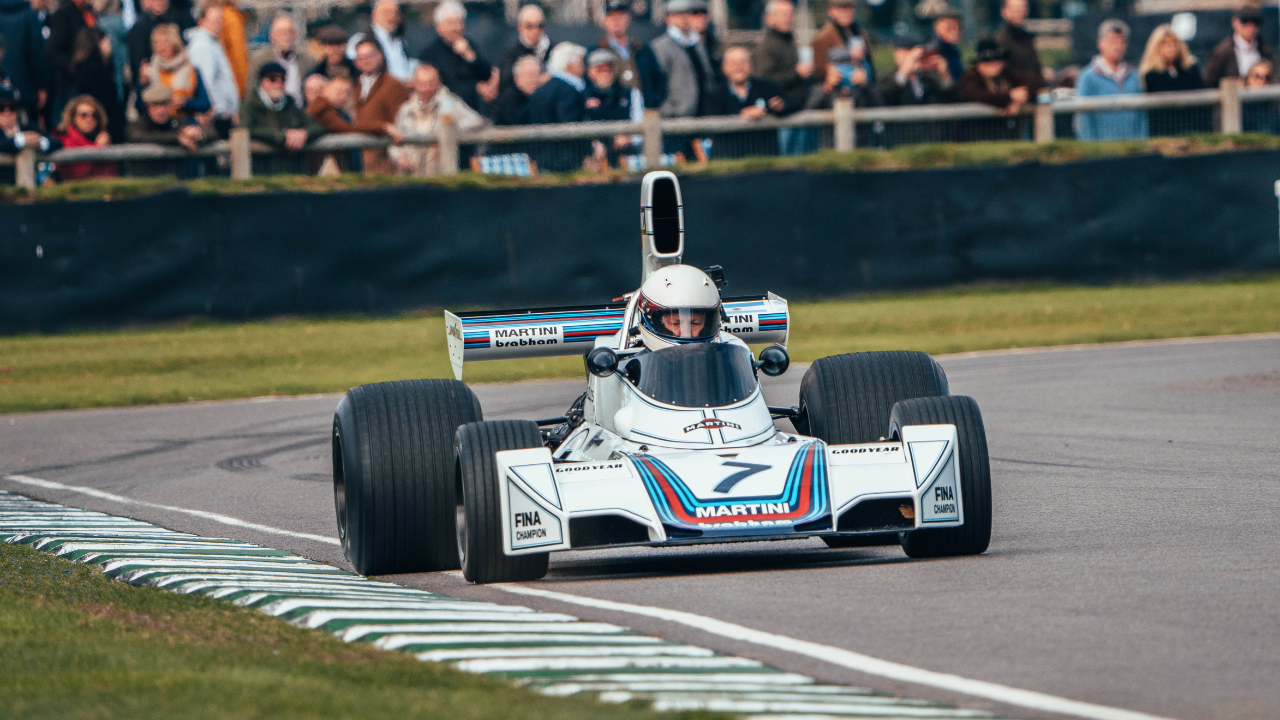
It wasn’t until the Kyalami Circuit in South Africa that Gordon’s design, the 1974 BT44 (T.6), won a Formula One race. It went on to finish the season with a one-two finish and earned the fastest lap at Watkins Glen.
1976 BT45 (T.7)
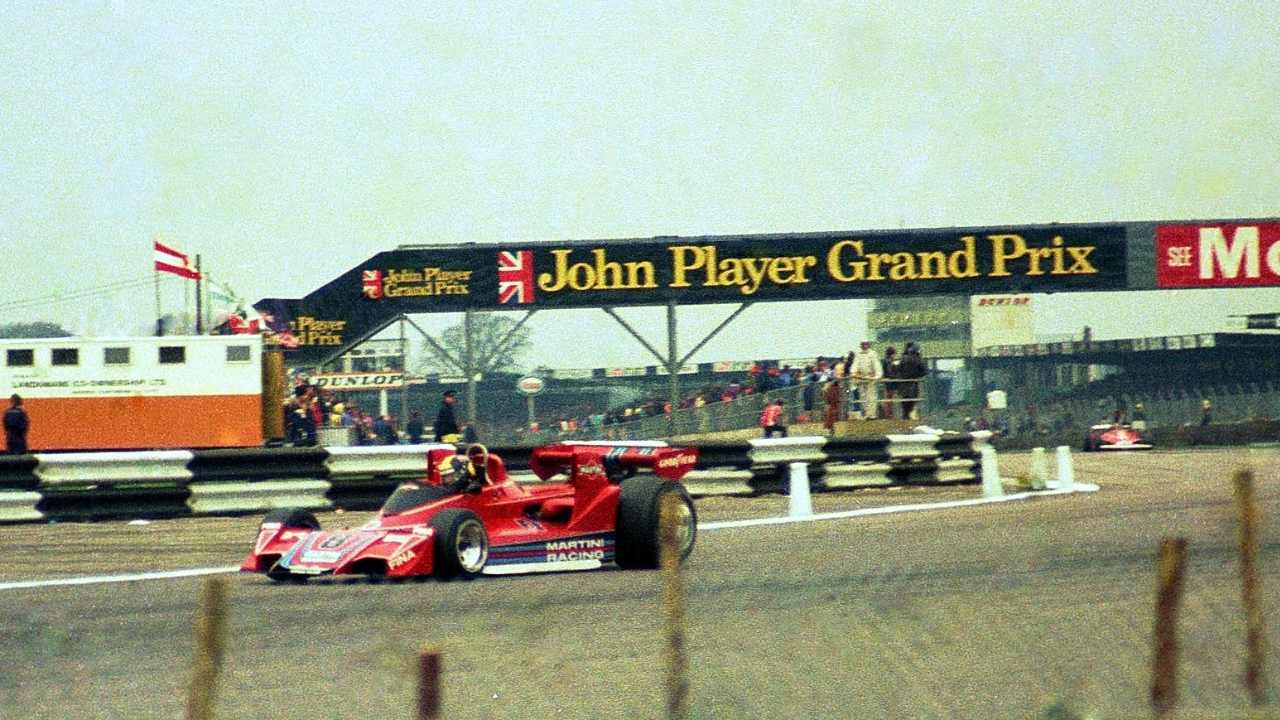
The BT45 marked Brabham’s first foray into 12-cylinder power, featuring a 3.0-liter flat-12 engine developed by Autodelta SpA. This bold move represented a significant shift in the team’s engineering direction, aiming to tap into the performance potential of a more complex, high-revving power plant.
1978 Brabham BT46 B’ Fan Car’ (T.9)
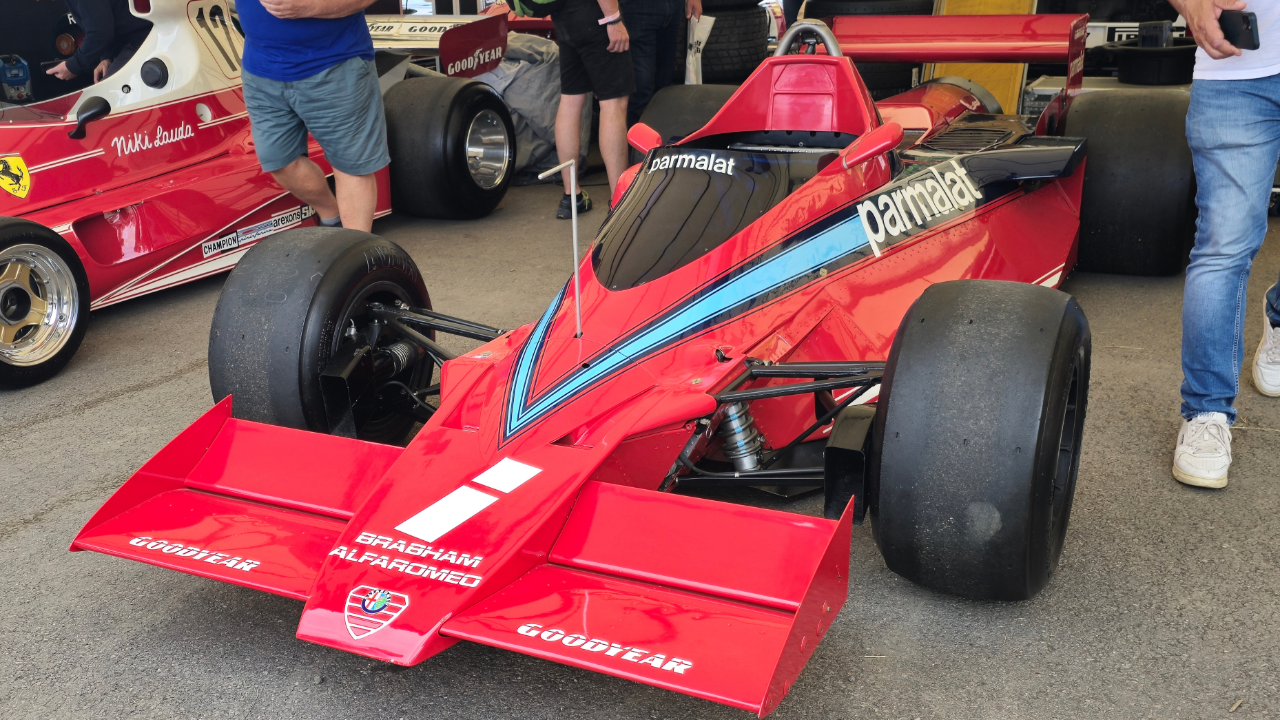
For the 1978 season, new regulations required that any part of the car primarily intended to influence aerodynamics had to remain fixed relative to the chassis. But Gordon Murray spotted a clever loophole. He designed a fan system whose official purpose was to cool the radiator, though its real secret was the powerful ground effect it created by literally sucking the car to the track. The result? A controversial win at the 1978 Swedish Grand Prix with Niki Lauda behind the wheel. The vehicle was quickly pulled from competition at Bernie Ecclestone’s direction, supposedly “for the good of the Championship.”
1981 BT49 (T.11)
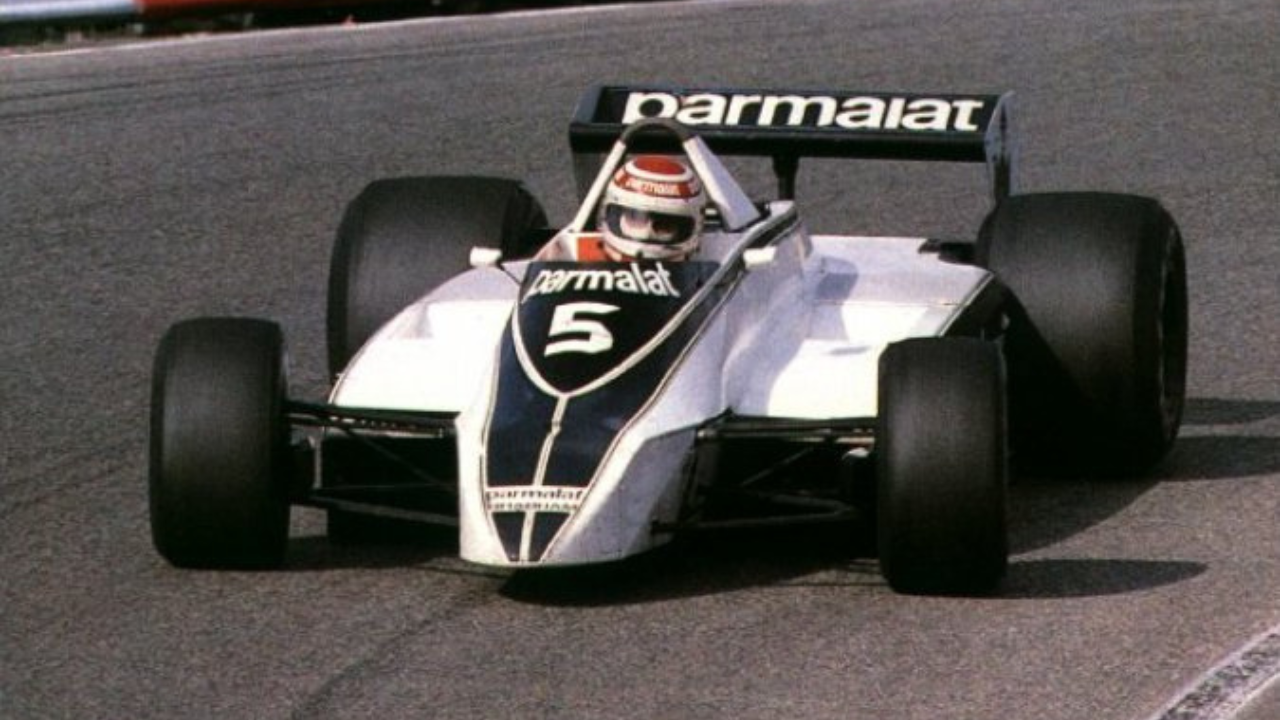
After a 14-year gap since its last Drivers’ Championship win, Brabham returned to the top in 1981 with a stroke of engineering brilliance. Gordon Murray and David North devised a hydro-pneumatic suspension system that cleverly complied with new regulations banning driver-operated ride height systems.
Once the car was on the move, aerodynamic forces pushed it down, and the suspension automatically kept it low, delivering all the benefits of ground effect without breaking the rules.
1983 Brabham BT52 (T.15)
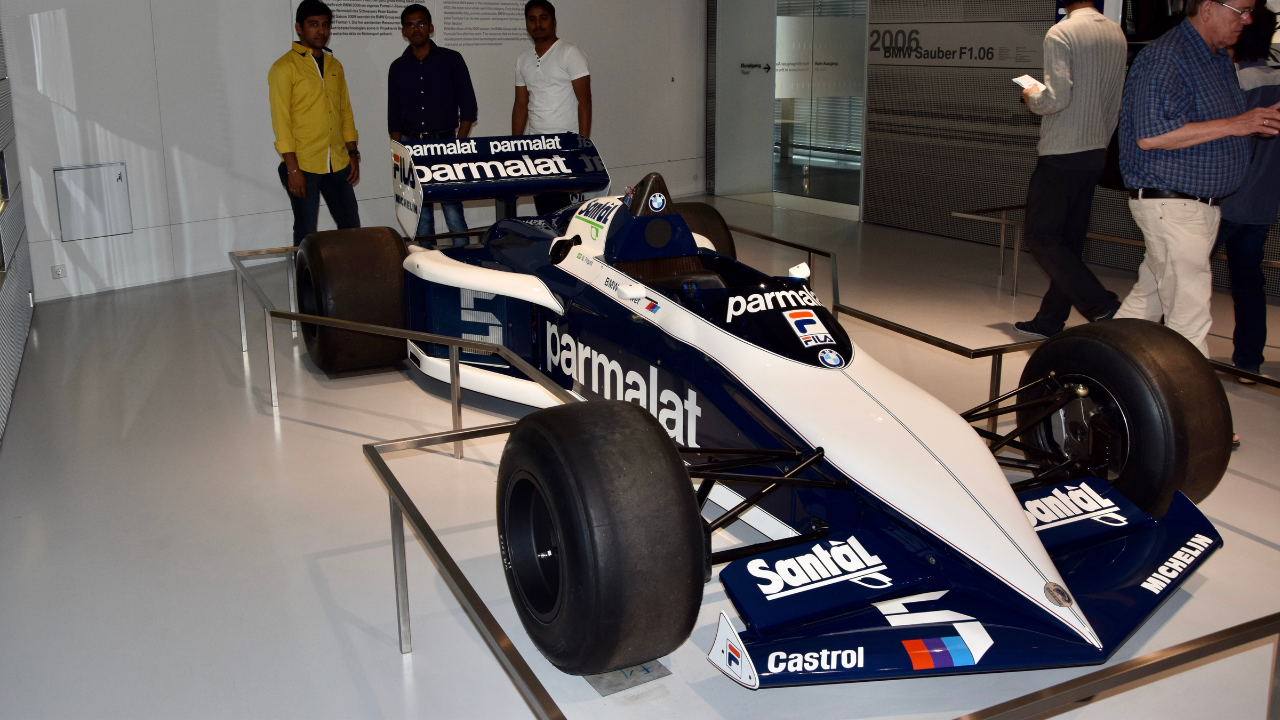
When new regulations banned the use of skirted cars, Gordon Murray responded by removing the side pods entirely and shifting an additional 7% of the car’s weight to the rear axle. It was also the first Formula 1 car to fully embrace the concept of a planned pit stop as part of race strategy. The result? A groundbreaking approach that helped secure the Drivers’ Championship for Nelson Piquet by the end of the season.
1988 McLaren MP4/4

The MP4/4 delivered one of the most dominant performances in Formula 1 history, with Ayrton Senna and Alain Prost claiming 15 victories out of 16 races. Its low-slung, turbocharged design and unmatched reliability helped McLaren sweep both the Drivers’ and Constructors’ Championships, cementing the car’s legendary status.
1992 LCC Rocket
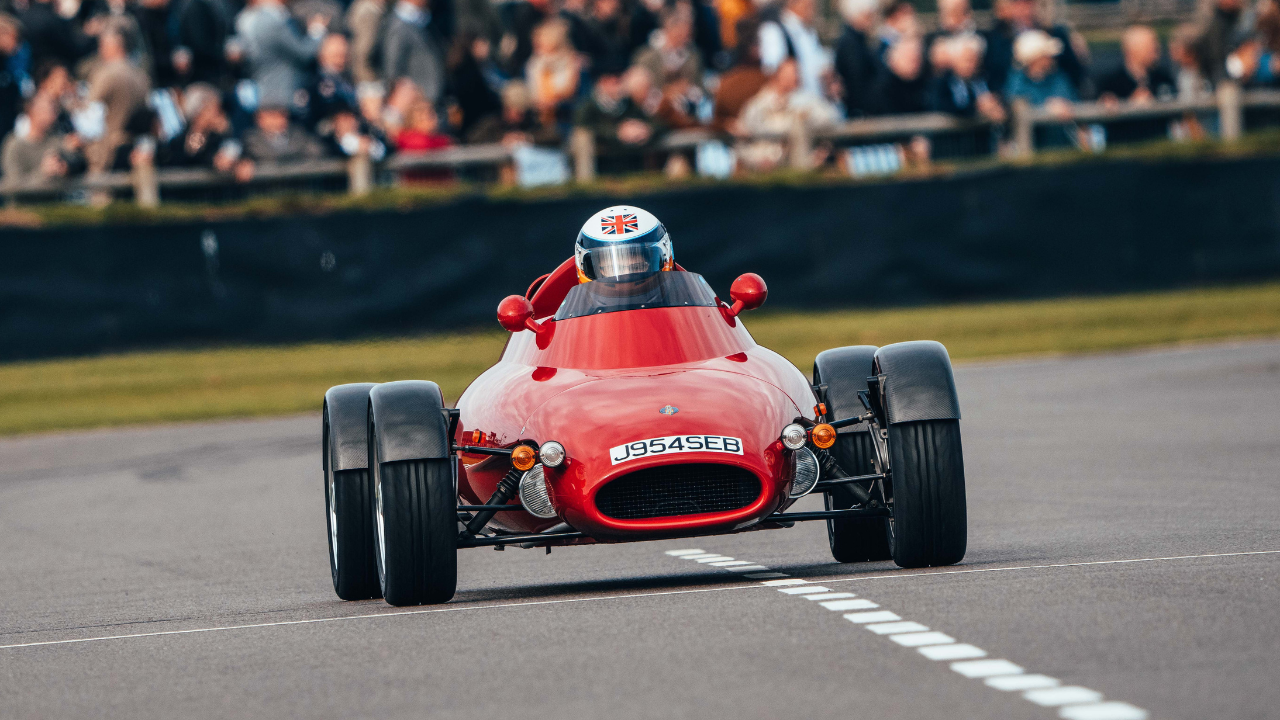
Weighing in at under 400 kg, the Light Car Company Rocket was a minimalist engineering marvel. Powered by a 145 bhp Yamaha engine and featuring tandem seating, it delivered razor-sharp handling and an extraordinary power-to-weight ratio, outperforming even the most elite supercars of its era in raw agility and response.
1993 F1 XP3 (T.22)

When Gordon Murray set out to design the F1, his goal was simple: to create the ultimate road car. The result was groundbreaking: it became the first road car to feature a full carbon fiber monocoque and ground-effect aerodynamics.
In 1993, a prototype hit 231 mph at Nardo, but it was the XP5 that made history in 1998 when Andy Wallace reached 240.1 mph at Ehra-Lessien. That record still stands today, making it the fastest naturally aspirated production car ever built.
1997 McLaren F1 GTR Long Tail and 1995 McLaren F1 GTR Short Tail
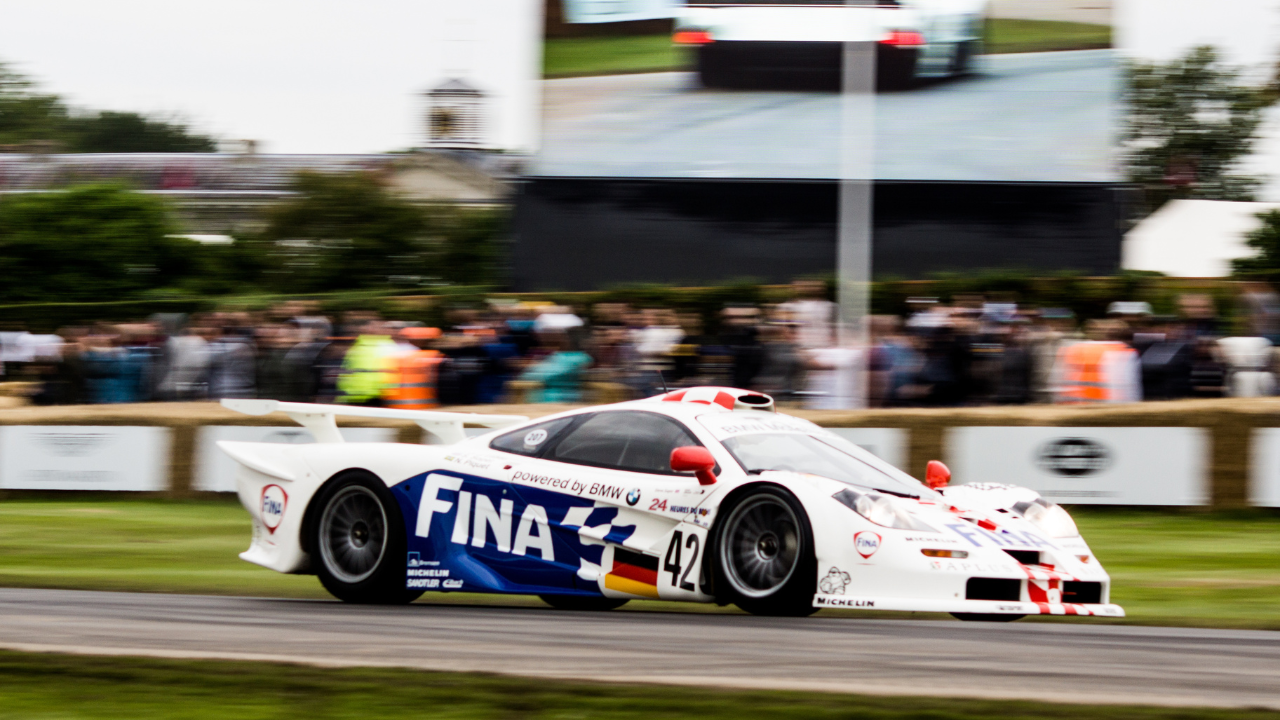
The evolution of the F1 GTR saw the introduction of the ‘Longtail,’ a sleeker, more aerodynamically aggressive version that weighed roughly 900 kg. With significantly increased downforce compared to its ‘Short Tail’ predecessor, the Longtail proved its capabilities by winning the GT1 class at the 1997 24 Hours of Le Mans.
The GTR Short Tail is a legendary racing machine that secured an unforgettable overall victory at the 1995 24 Hours of Le Mans. Gordon Murray transformed the road-going F1 into a track-ready contender by adding a bespoke aerodynamic body kit, carbon brakes, reinforced suspension, and essential racing-spec interior and electrical updates. The result was a car that not only competed with purpose-built prototypes, but beat them.
2023 GMA T.50 PS4

Designed as the ultimate driver-focused supercar, the T.50 boasts an ultra-lightweight build paired with a bespoke 3.9-liter V12 engine delivering 670 PS and revving up to an astonishing 12,100 rpm. Its cutting-edge aerodynamics, highlighted by a 400mm rear-mounted fan, set new standards for performance and handling in a road car.
2024 GMA T.50s Niki Lauda XP1
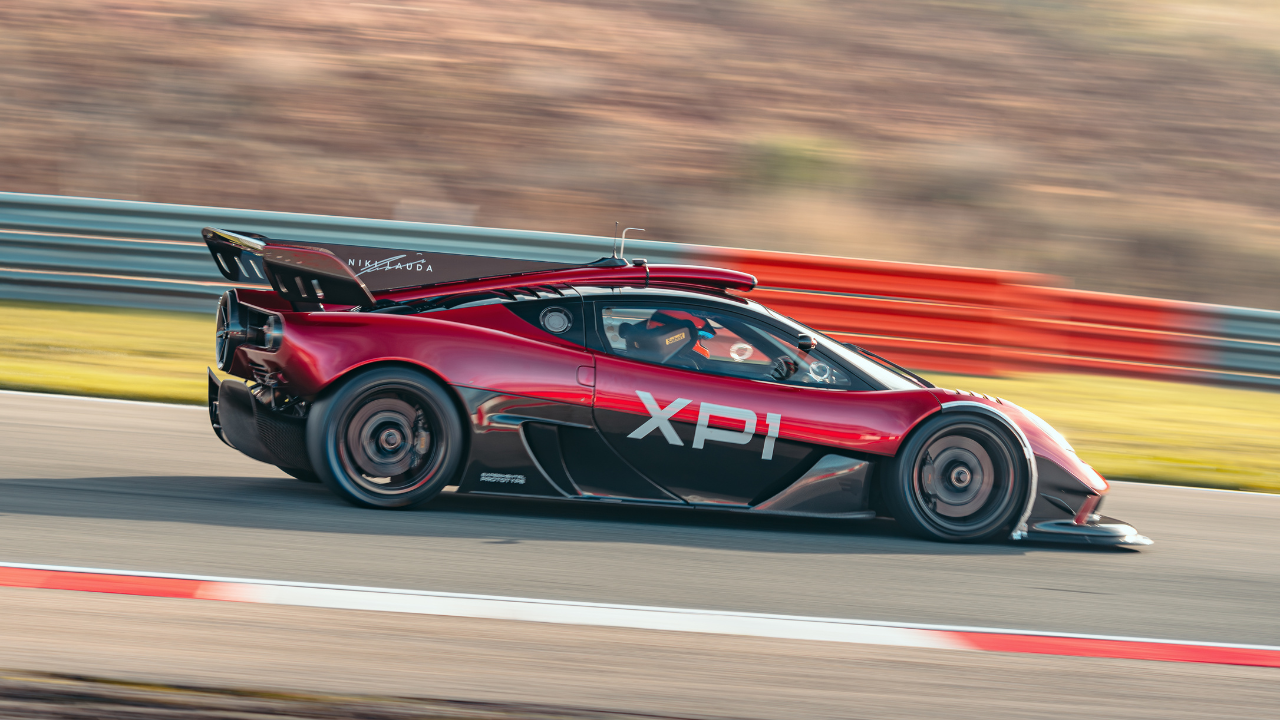
The T.50s Niki Lauda is a relentless, track-only supercar that takes driver engagement to new heights. Weighing under 900 kg—lighter than its road-legal counterpart—it packs a more powerful 772 PS engine that revs to an incredible 12,100 rpm, delivering an unparalleled, pure driving experience on the circuit.
Looking Ahead: Celebrating a Legacy in Motion
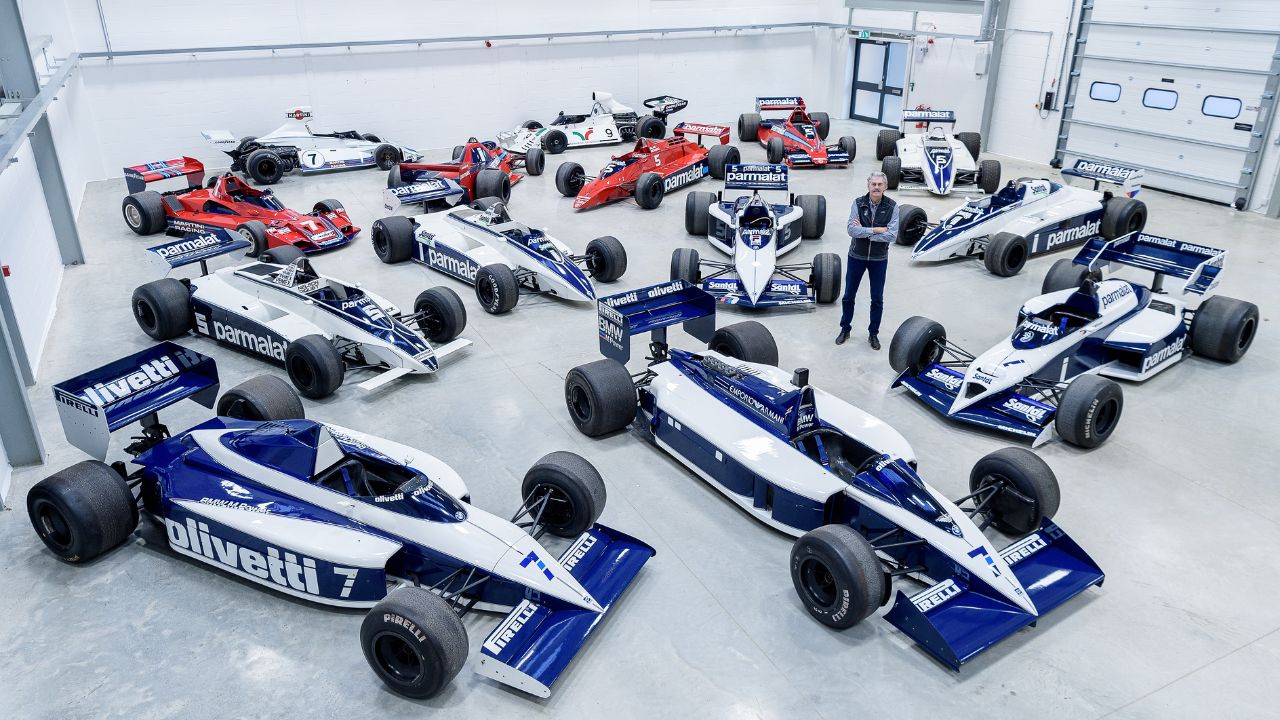
Gordon Murray’s six decades of innovation continue to shape the automotive world, making this celebration at Goodwood more than just a look back. It’s a tribute to the lasting impact of visionary design and engineering that has redefined what’s possible on both the track and the road. Fans, old and new alike, will find plenty to admire and enjoy.
The excitement doesn’t end there. Just a month later, the Gordon Murray Special Vehicles double debut will offer even more ways to experience the passion, precision, and pure driving joy that define Murray’s legacy. You can read more about the two-car debut set for The Quail event during Monterey Car Week now.