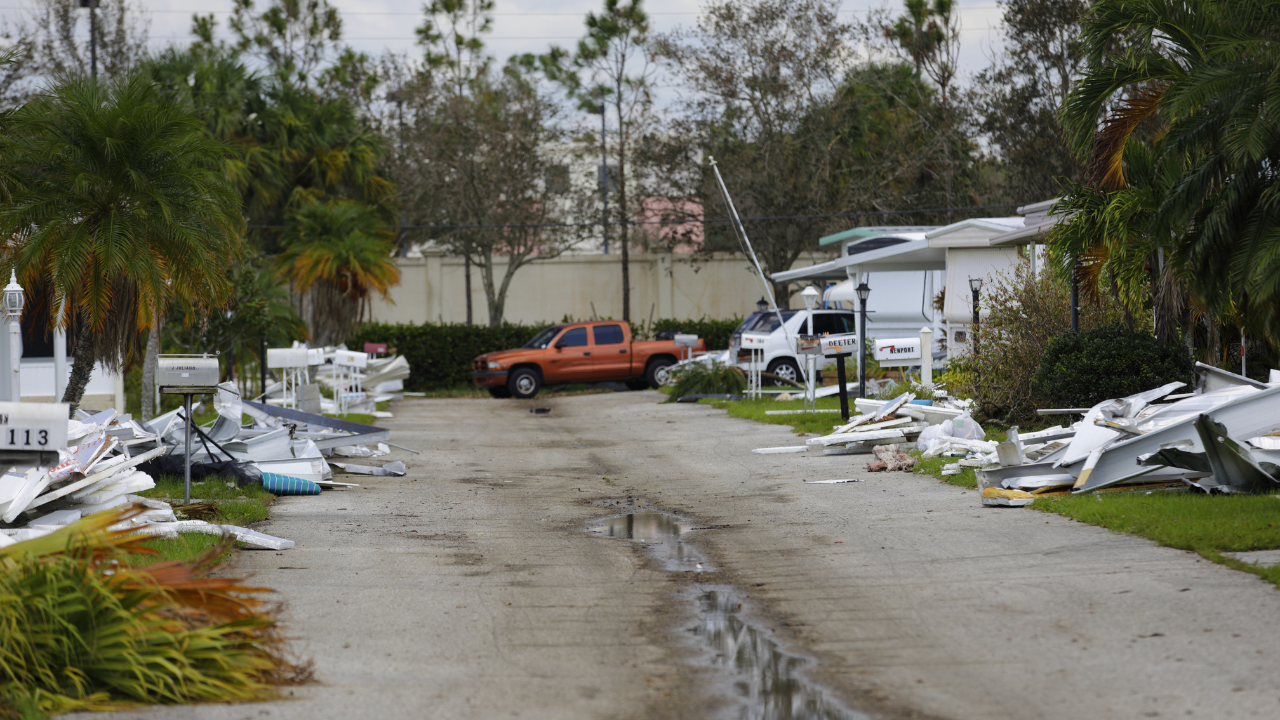
When most people think about preparing for a hurricane, they focus on securing their homes, stocking up on essentials, and making evacuation plans. Still, your vehicle deserves just as much attention. Whether you’re hitting the road to get out of the storm’s path or sheltering in place, having a properly prepared vehicle can make a significant difference in how safely and smoothly you weather the storm.
These tips aren’t just helpful in the days leading up to a hurricane; they’re good habits to keep in mind year-round. Many of these tasks, like checking your tire tread or building an emergency kit, can be taken care of well before hurricane season even begins. Staying ahead of the game not only reduces last-minute stress but ensures you’re ready to roll at a moment’s notice if conditions suddenly change.
Below, we’ve outlined 12 essential ways to prep your vehicle for hurricane season, whether you plan to stay or go.
From the Files of a Floridian
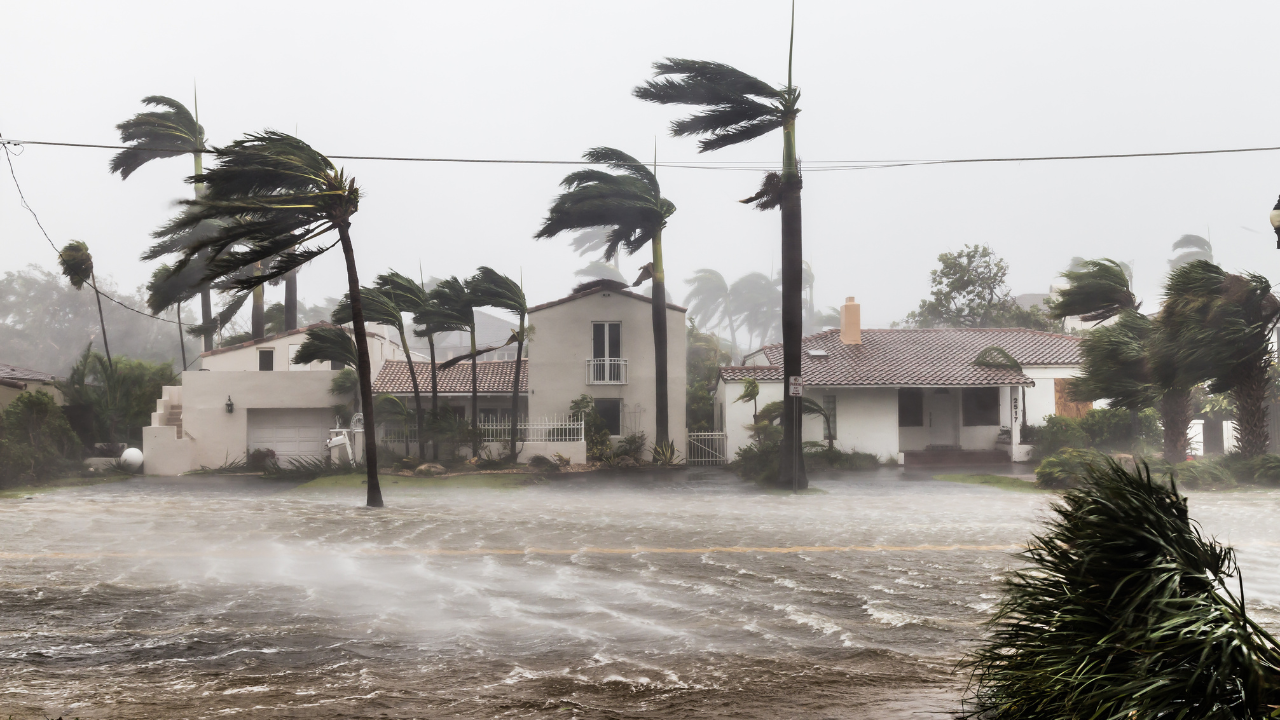
As a Florida native, I’ve lived through more hurricanes than I can count, some that barely brushed past us and others that left our neighborhoods without power for weeks. When you grow up in a hurricane-prone area, storm prep becomes second nature. You learn to take every forecast seriously, and you know that even if a storm isn’t a direct hit, it can still do severe damage.
I wrote this guide from the perspective of both a lifelong Floridian and a car enthusiast. Protecting my vehicle is always on my radar, whether that means avoiding flood zones, investing in covers, or making sure it’s mechanically sound in case I need to evacuate. But I also know that no car is worth more than my safety or my family’s. The tips I’ve compiled strike a balance, enabling you to make smart moves to protect your vehicle without losing sight of what matters most and get through the storm safely.
These are the exact steps I use to prep my own vehicle and home whenever a hurricane is on the radar, and many of them are things I stay on top of year-round. If you’re new to hurricane prep or want to make sure you haven’t missed anything, this list is for you.
Fill Up Your Gas Tank Early
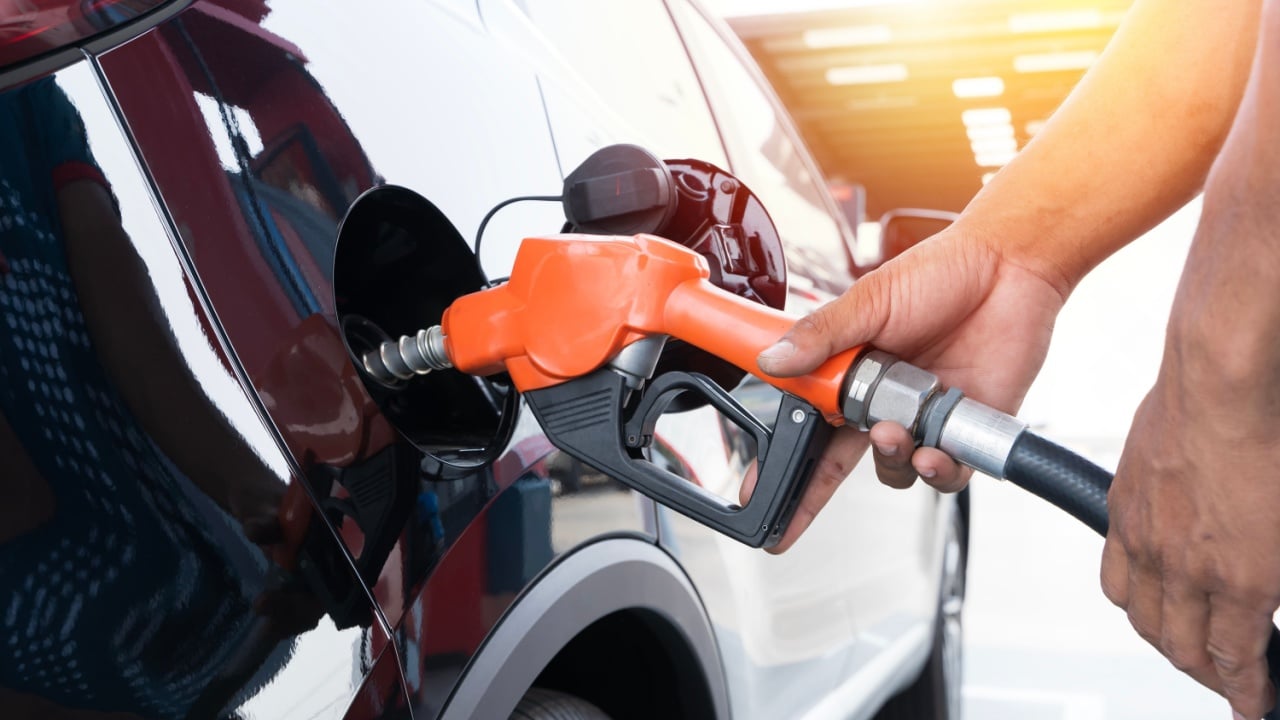
When a storm is on the way, gas stations are often some of the first places to see long lines and empty pumps. That’s why it’s smart to fill up your tank as soon as a potential storm enters the forecast, even if you’re not sure you’ll need to evacuate. The earlier you top off, the less you’ll have to worry about running on fumes if things escalate.
Keeping a full tank isn’t just for evacuation; it also powers generators, ensuring you can help friends or family in need. Try to make it a habit to never let your tank dip below half during hurricane season, so you’re always ahead of the game.
Check Tire Pressure and Tread

Your tires are your car’s only contact with the road, so they need to be in top shape, especially when the roads are slick or littered with debris. Before any storm, check that your tire pressure matches your vehicle’s recommended levels, which you can usually find on a sticker inside the driver’s door or in the owner’s manual.
Also, take a minute to inspect the tread. Worn tires lose traction quickly, increasing your risk of hydroplaning in heavy rain. If your tires are borderline or overdue for replacement, it’s worth addressing this issue before hurricane season begins.
Test Your Battery
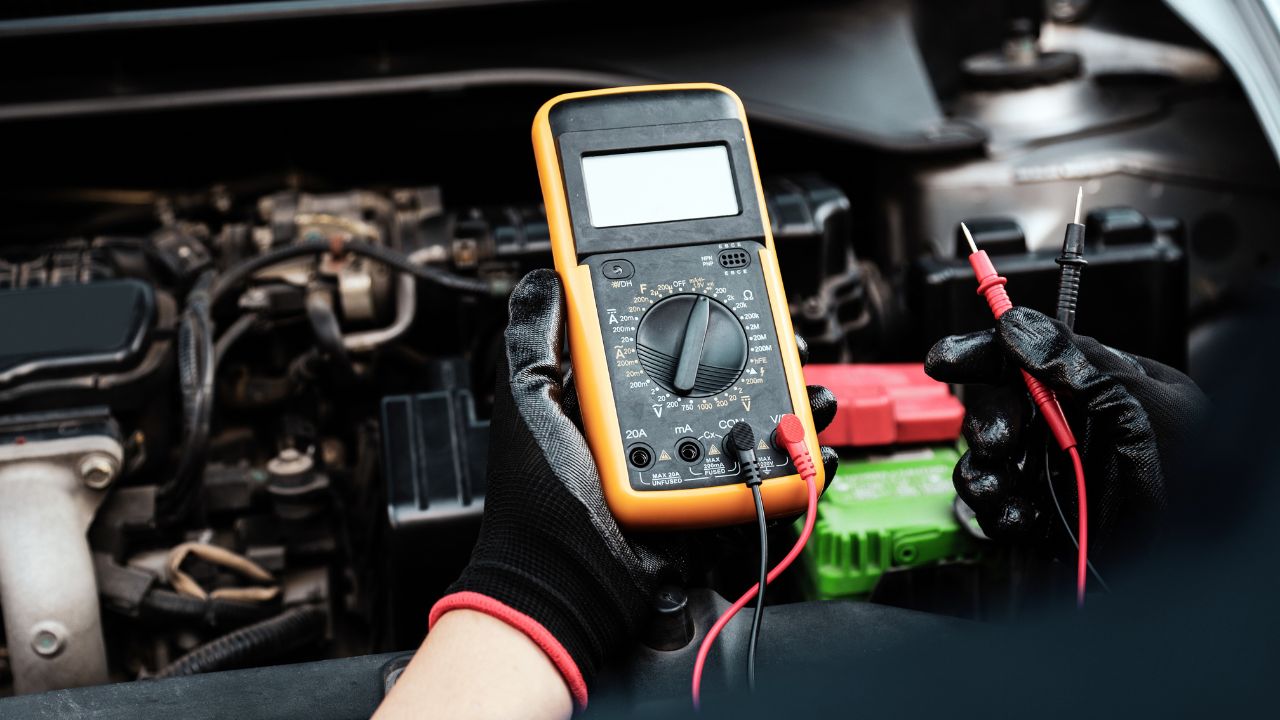
Storms often knock out power and make help harder to reach, so you don’t want to find yourself stranded with a dead battery. You can get your battery tested for free at most auto parts stores, and it only takes a few minutes. Minutes, take advantage of that before a storm hits to make sure yours still has life in it.
If it’s been a few years since you’ve replaced your car battery, consider changing it before you have problems rather than later. Peak hurricane season. A fresh battery gives you one less thing to worry about when you’re loading up the car or making a last-minute getaway. While we’re at it, pack an emergency starter kit, too, just to be safe.
Top Off Fluids
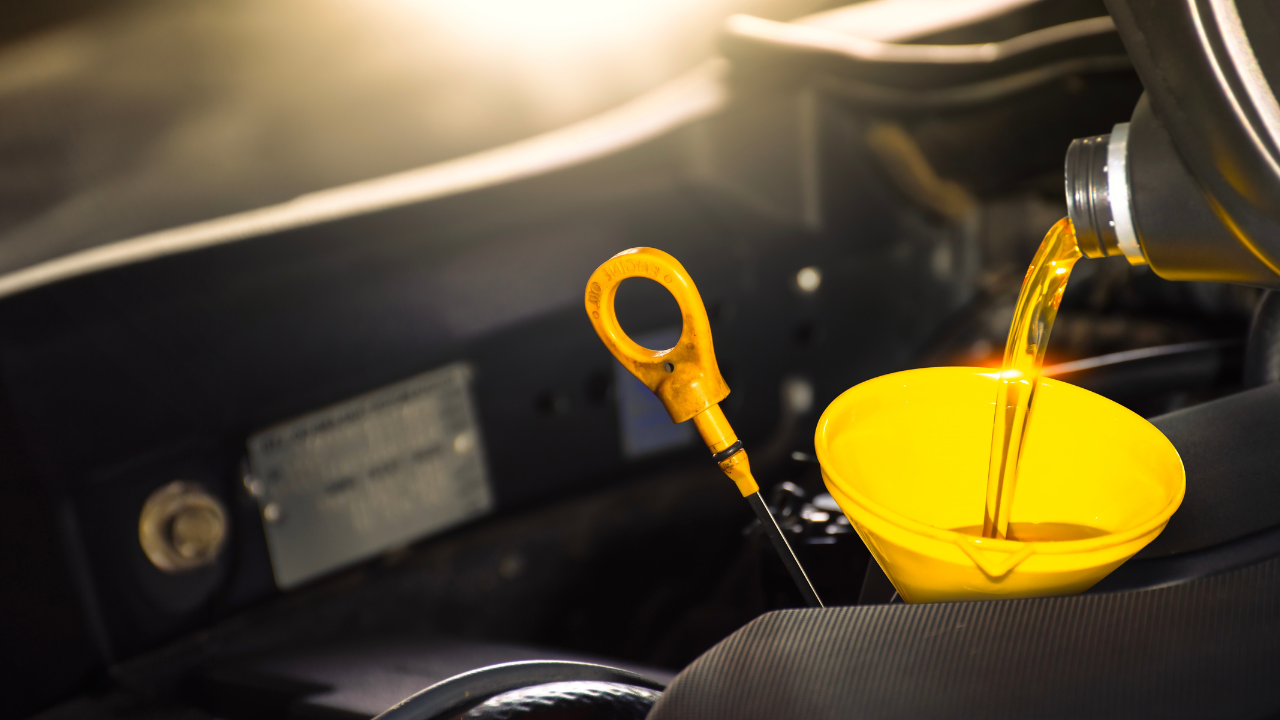
Your vehicle’s fluids are its lifeblood, and low or dirty fluids can turn a simple drive into a disaster, especially in high-stress conditions. Take time to check and top off your oil, coolant, brake fluid, power steering fluid, and windshield washer fluid.
Using a rain-resistant windshield fluid can help improve visibility in a downpour, and ensuring your coolant is in good condition helps prevent your engine from overheating in stop-and-go traffic. These small checks go a long way in keeping your vehicle reliable when it matters most.
Pack an Emergency Vehicle Kit
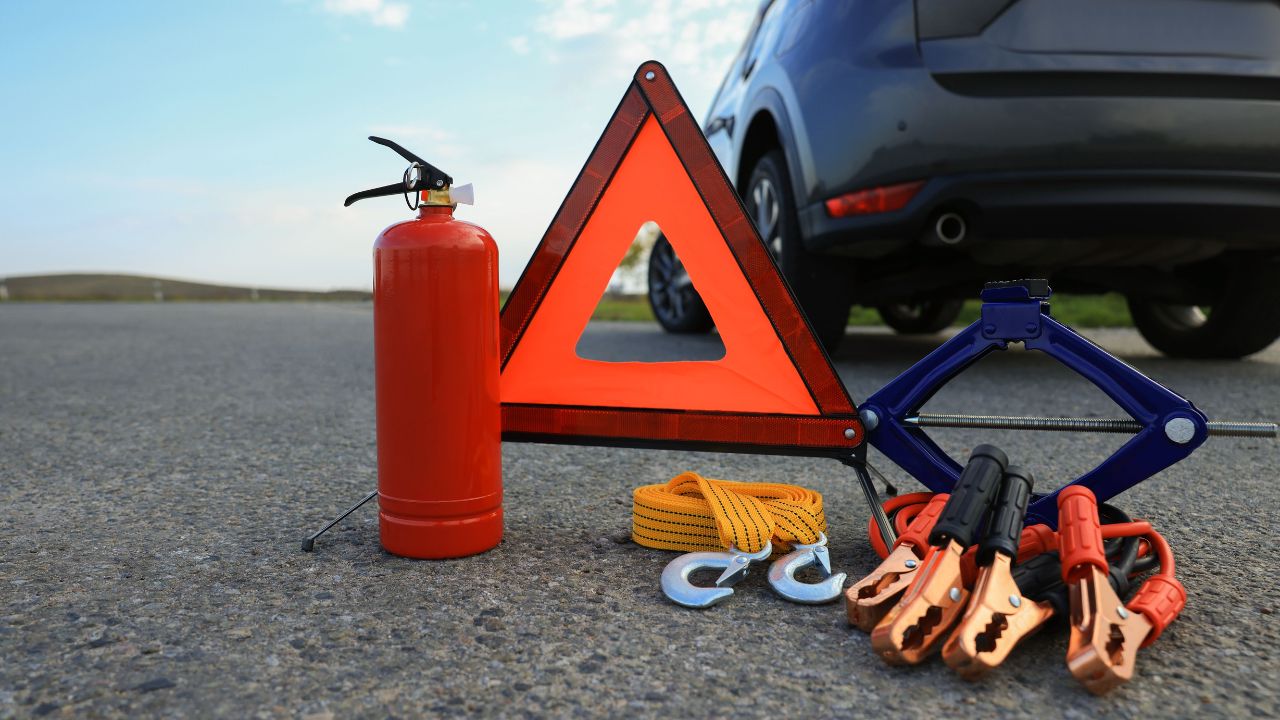
Having an emergency vehicle kit is something I recommend everyone have day to day, but if you don’t, now is the time to start. Jumper cables, charging packs for your phones and electronic devices, a small first aid kit, duct tape, a dry blanket, and water bottles can make a huge difference in your ability to safely navigate many types of emergencies.
Add weather-specific items, too, like ponchos, a rain jacket, a reflective vest, and a tire repair kit. You might not use these items often, but when you need them, you’ll be grateful you planned ahead.
Move Your Car to Higher Ground

Flooding is one of the biggest threats to vehicles during hurricanes. Move your car to the highest point available, which may be the top level of a parking garage, a raised driveway, or a nearby hill. Even a slight elevation change can help prevent floodwater from reaching your vehicle.
Avoid parking near curbs, storm drains, or low-lying areas where water tends to pool. The goal is to keep your vehicle away from both water and anything that might collapse or wash out around it during the storm.
Protect Your Car from Debris
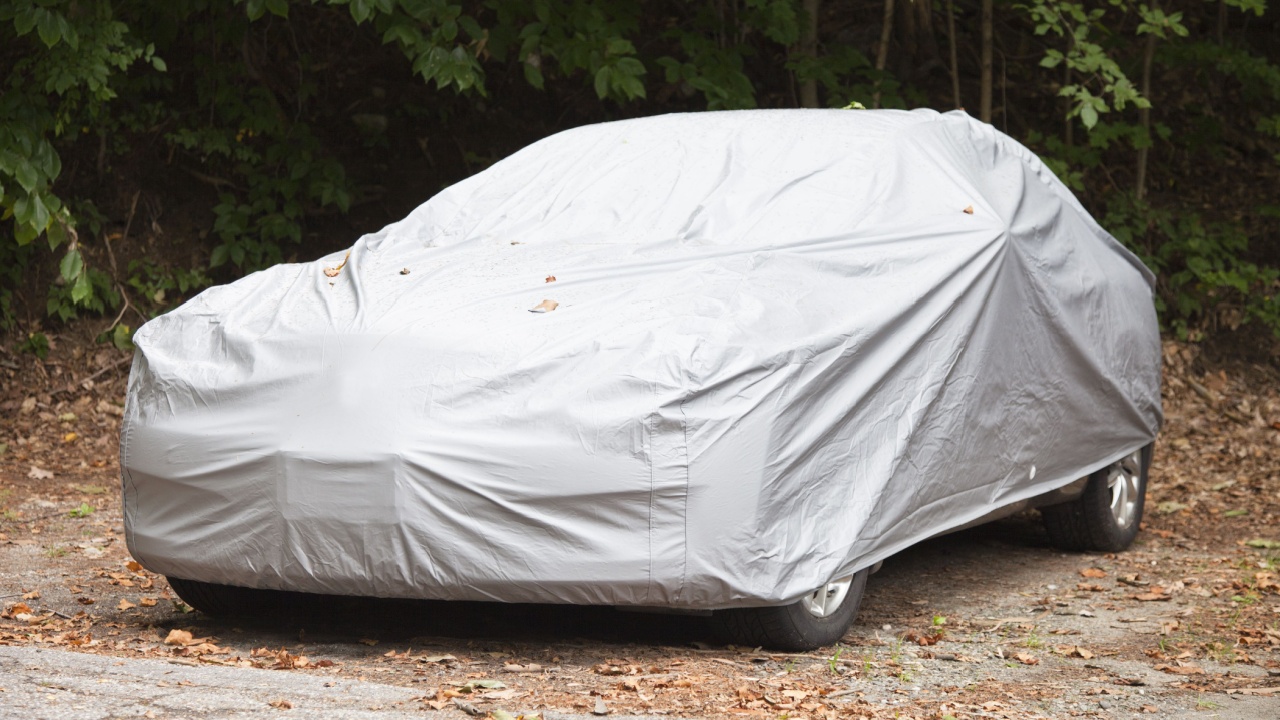
Hurricane-force winds can turn the smallest of debris into a hurling, high-speed projectile. If you’re parking outside, try to position your car away from trees, fences, light poles, and anything that could fall or blow into it. Even a plastic patio chair can do surprising damage at high speeds.
If you can’t park in a garage, consider investing in a heavy-duty car cover rated for severe weather conditions. In a pinch, you can also use moving blankets or thick comforters strapped down tightly to cushion your vehicle against flying debris. It’s not perfect, but every layer of protection helps.
Document the Condition of Your Car

Before the storm hits, take clear, timestamped photos of your vehicle from all angles—front, back, sides, and interior. These photos can make a big difference when filing an insurance claim if your car is damaged.
Store the photos digitally, but back them up to the cloud, or email them to yourself. It takes less than ten minutes and can save you a lot of hassle later on.
Know Your Evacuation Routes

In a high-stress situation, relying solely on your phone or GPS isn’t a great plan, especially if cell service is down. Print out physical maps with highlighted evacuation routes and alternate paths so you’re not scrambling if tech fails.
Review those routes with your family or anyone you’ll be traveling with so you don’t have to relay the information for the first time when everyone may be feeling scared if the situation changes rapidly.
Pack a Household Go Bag
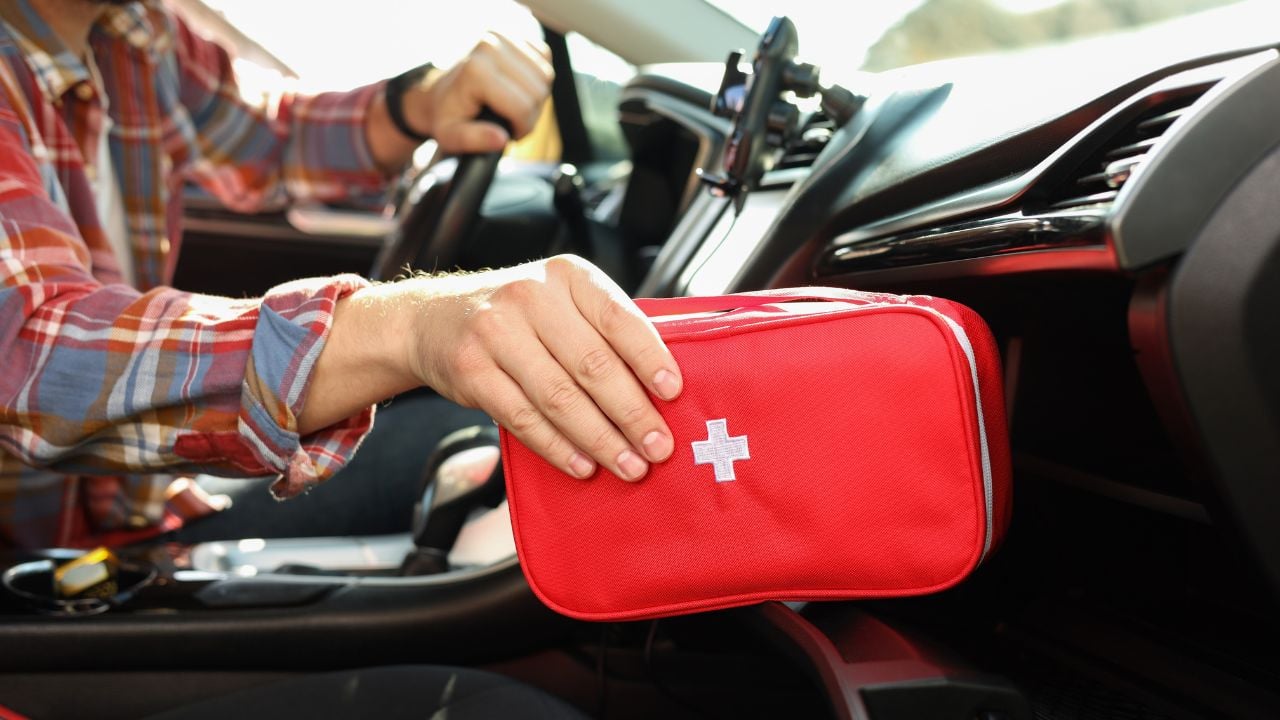
Beyond your car kit, prepare a household go bag with essentials for you and your family. Include clothes, toiletries, prescription medications, pet food and supplies, IDs, cash, and copies of essential documents in a waterproof folder or bag.
Store the bag somewhere easy to grab, like by the door or already in your trunk. If you’re forced to evacuate quickly, you’ll be glad to have everything ready to go without last-minute packing stress.
Remove or Secure Roof Racks and Loose Accessories
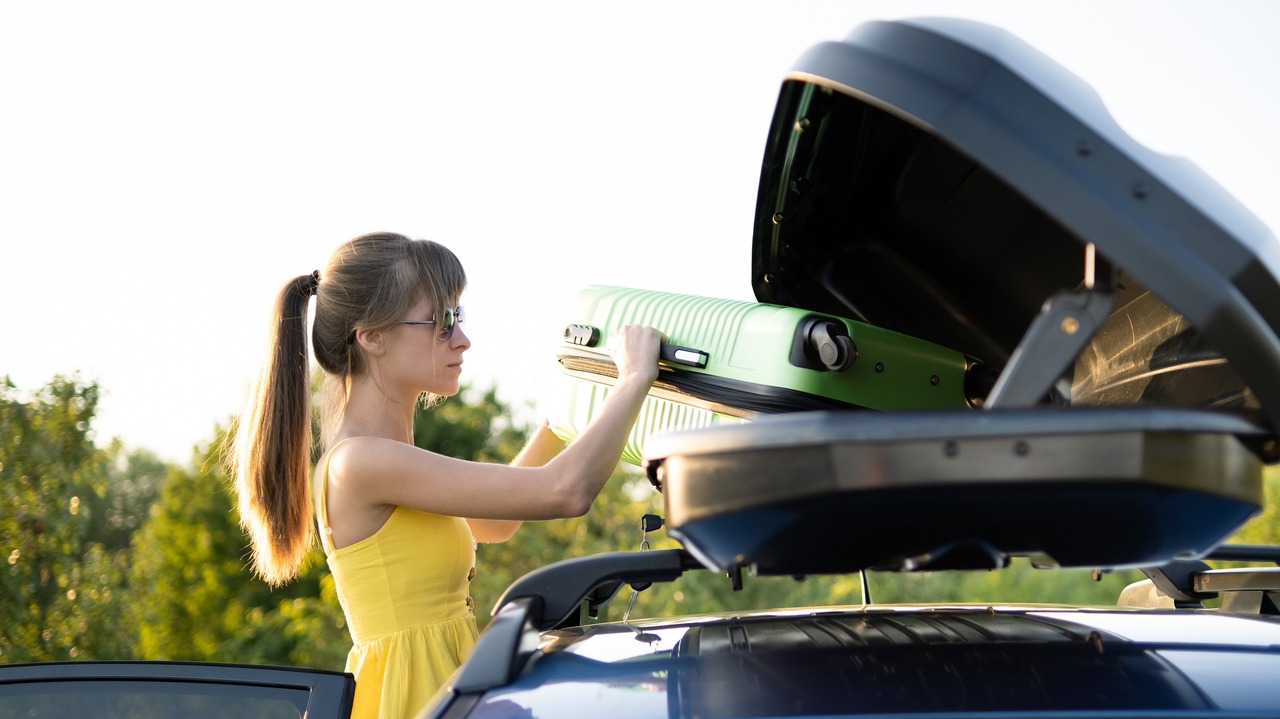
Rooftop cargo boxes, bike racks, antennas, or light bars can catch wind and become dangerous if not properly secured.If they’re not essential for travel, it’s best to remove them ahead of a storm.
If removal isn’t possible, double-check all mounting points and straps. Tightly securing these components can help prevent damage to your car and other vehicles nearby.
Never Run Your Car in an Enclosed Space
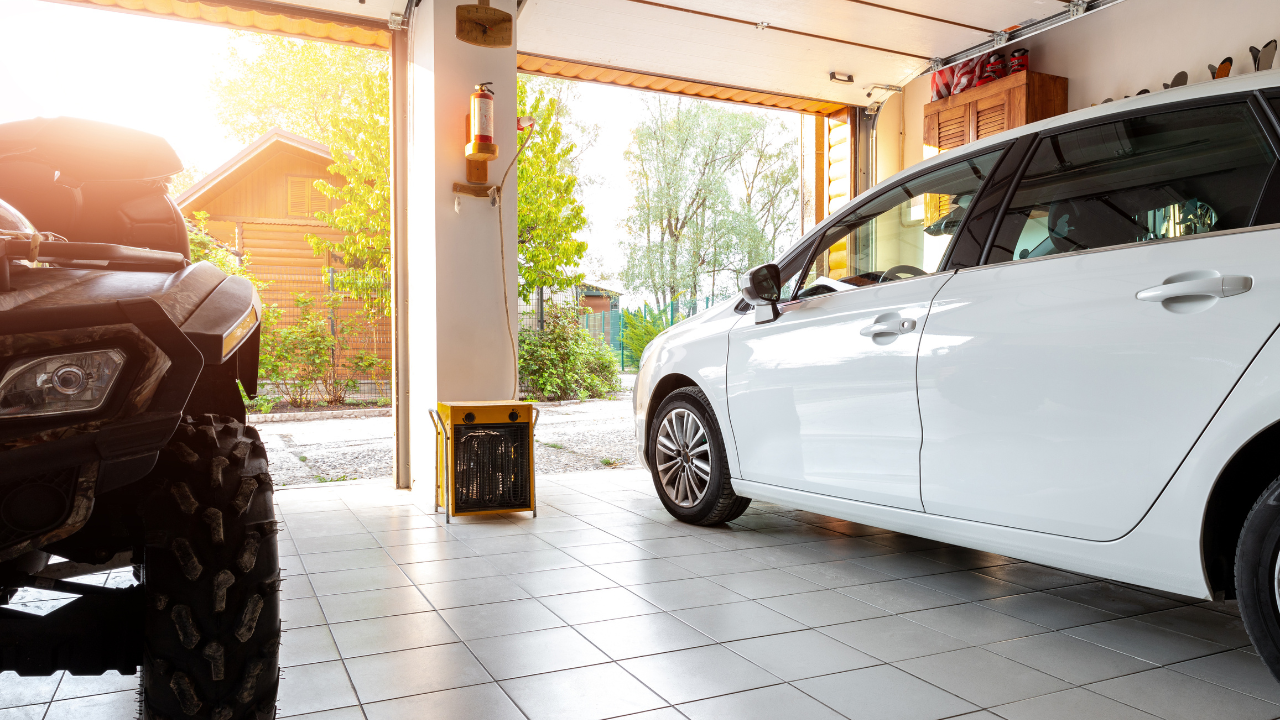
If the power goes out during a hurricane, it can be tempting to run your car inside a garage or other enclosed area to keep cool or charge devices. However, this is extremely dangerous. Running a vehicle in an enclosed space produces carbon monoxide, an odorless and deadly gas that can quickly build up and cause poisoning.
Always run your car outside in a well-ventilated area. If you need to use your vehicle to power devices or stay comfortable, crack the garage door open fully, or better yet, move the car completely outside. Safety always comes first.

As a Florida native and hurricane veteran, I know that we sometimes approach hurricane season and storm prep with a less serious attitude than we should; while newcomers to the state might feel intimidated by every hurricane warning, those of us who’ve weathered dozens understand that preparation is the key to staying safe.
Stay ready, stay safe, and keep your wheels turning no matter what the weather brings. As my mom always says, “It’s better to have it and not need it than need it and not have it.”