
Modern vehicles have come a long way when it comes to safety. Today’s cars are equipped with airbags on every side, lane departure warnings, automatic braking, and crumple zones engineered down to the last bolt. There’s no denying we’re statistically safer behind the wheel than we were in the past. But if you ask many seasoned drivers, especially those who learned to drive in the 1970s through the early 2000s, something important has been lost along the way.
Driving used to be more mechanical, more personal. You didn’t just pilot the car, you felt it. The steering wheel talked to you. The engine responded to your right foot in real time. And when something broke, you could usually fix it yourself with a toolbox and an afternoon. In the pursuit of innovation, we’ve traded away some of those raw, satisfying experiences for screens, sensors, and complexity.
What We Miss, and How We Chose It

We built this list by comparing real-world driver feedback with automotive engineering trends from the past 50 years. We dug into vehicle design manuals, enthusiast forums, manufacturer press releases, and safety data to understand not just what changed, but how it impacts drivers. We focused on things that made older cars more engaging, simpler to live with, or easier to maintain, without romanticizing the days of no seatbelts or rusty floorpans.
This list isn’t about saying old cars are better. It’s about shining a light on what we’ve quietly lost, and what we might want to bring back as we move forward.
Steering Feel Has Disappeared

If you learned to drive before 2005, chances are you remember steering that offered resistance, feedback, and a direct connection to the road. That’s because older cars used hydraulic power steering, a system that responded with more nuance and realism than today’s electric setups. You could feel the texture of the road surface, the weight shift of the vehicle, and even the grip level of the tires. It made cornering more intuitive and engaging.
Modern electric power steering is quieter, more efficient, and better for fuel economy, but it often feels numb. The wheel turns easily, but there’s less communication between the car and the driver. For enthusiasts, and for anyone who just enjoyed being part of the machine, this change has dulled one of the most tactile parts of driving.
Visibility Used to Come Standard

Look around at today’s cars and you’ll notice something odd: it’s harder to see out of them. That’s partly because of thicker roof pillars, higher beltlines, and smaller rear windows—all changes driven by crash safety standards. While these reinforcements do help protect occupants in a rollover, they also turn simple tasks like backing out of a driveway into sensor-dependent operations.
Older cars had more glass and thinner pillars, which meant you could glance over your shoulder and get a clear view. No backup camera needed. That kind of visibility is rare now, and for older drivers used to relying on their eyes, not a screen, it can feel like a frustrating step backward.
Manuals Are an Endangered Species
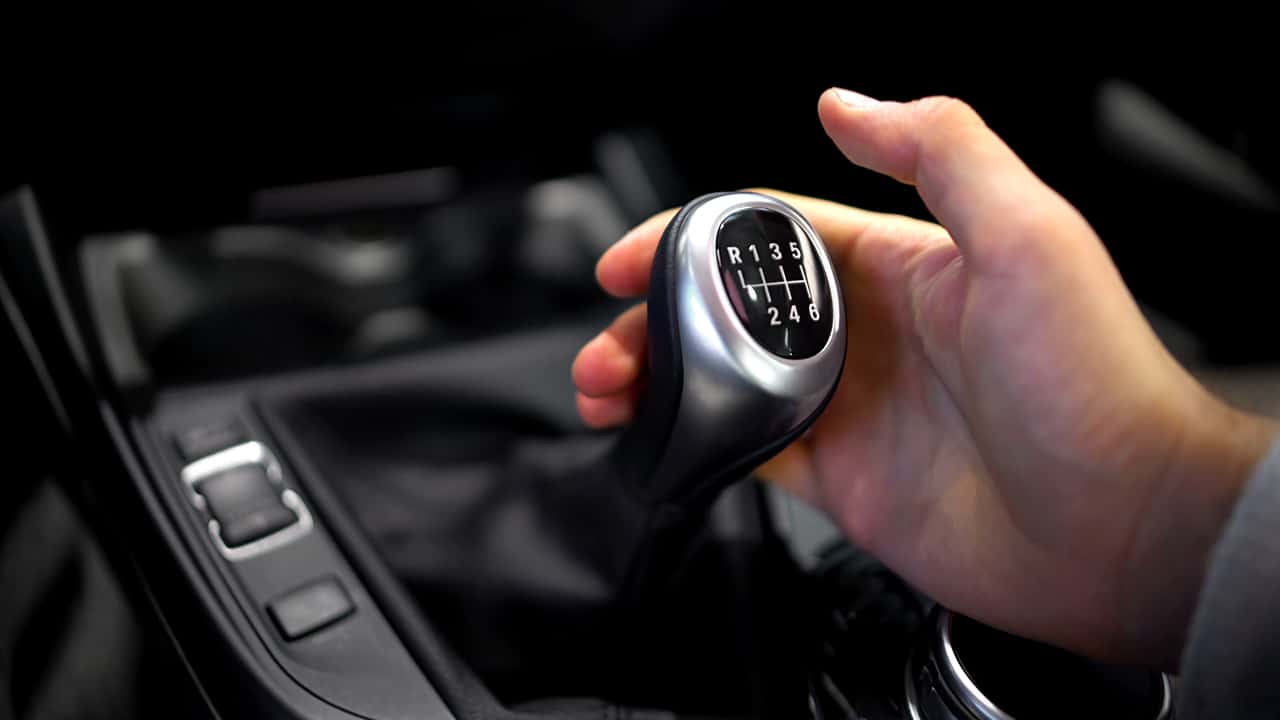
There was a time when learning to drive a stick shift was a rite of passage. Manual transmissions weren’t just common—they were often the default. They gave drivers more control, better fuel economy, and a stronger connection to the car. Shifting gears manually made even a basic sedan feel more alive.
Today, only a handful of new cars offer manuals, and most are performance models or niche imports. Automatics are more advanced and convenient, but they remove an entire layer of engagement. For drivers who grew up double-clutching or downshifting into a curve, that loss isn’t just mechanical—it’s emotional.
Bumpers That Could Actually Take a Hit
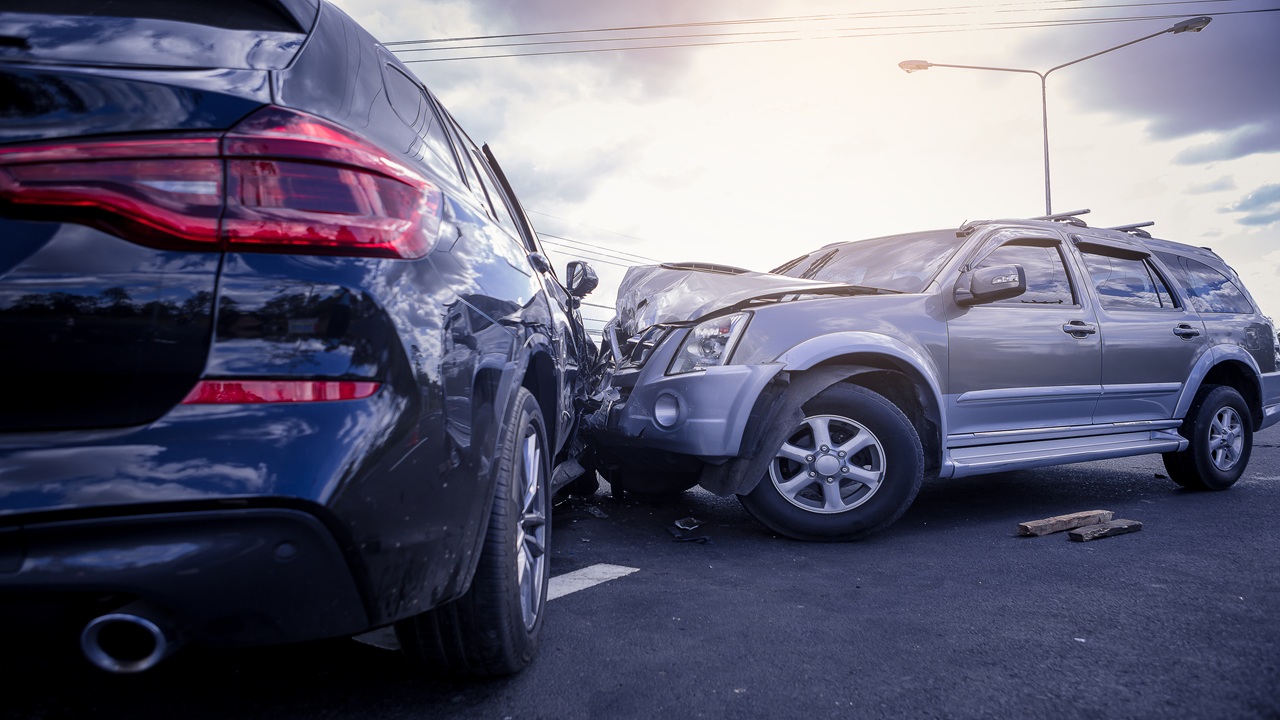
Modern bumpers are painted, sculpted, and integrated seamlessly into the car’s design. But they’re also fragile. Tap a curb or get bumped in traffic, and you’re looking at cracked plastic, broken sensors, and a steep repair bill.
Contrast that with the rubber-clad metal bumpers of older vehicles. They stuck out, sure, but they could absorb a fender bender without needing an insurance claim. In trying to make everything sleek and aerodynamic, we lost a lot of practicality.
Dashboards Didn’t Require a Software Update

Old dashboards had knobs, buttons, and sliders. You could adjust the heat or switch radio stations without taking your eyes off the road. There was no touchscreen lag, no digging through menus to change the defrost setting.
Today’s infotainment systems can be powerful, but they often put convenience behind a layer of digital complexity. And when they break, they’re costly to fix. For drivers used to physical controls and tactile feedback, modern dashboards can feel more like a smartphone than a cockpit.
You Could Work on Them Yourself
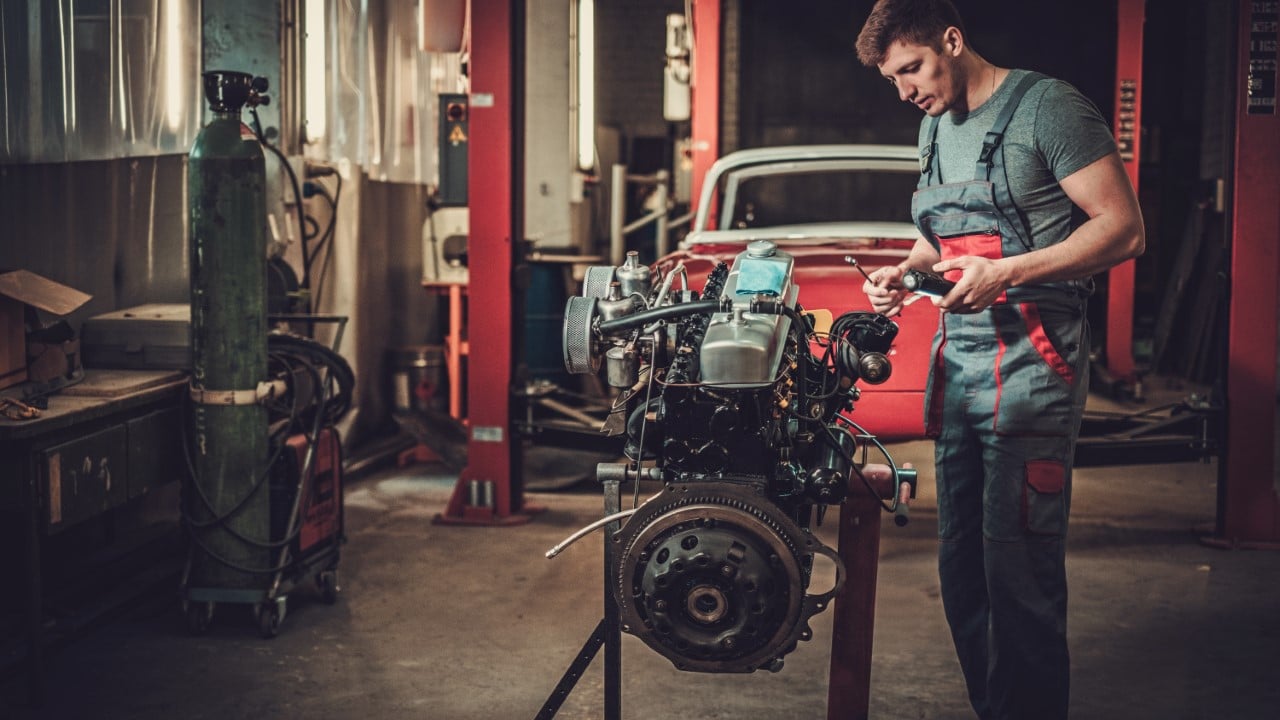
Older cars invited owners under the hood. There was room to maneuver, fewer electronics to confuse things, and parts you could replace without a diagnostic tool. For many drivers, basic maintenance was part of ownership, not a trip to the dealer.
Today’s cars are tightly packed and computer-managed. Even something as simple as changing a battery can trip a warning light or require a reset procedure. That DIY spirit hasn’t vanished, but the learning curve has gotten a lot steeper.
You Could Feel the Road
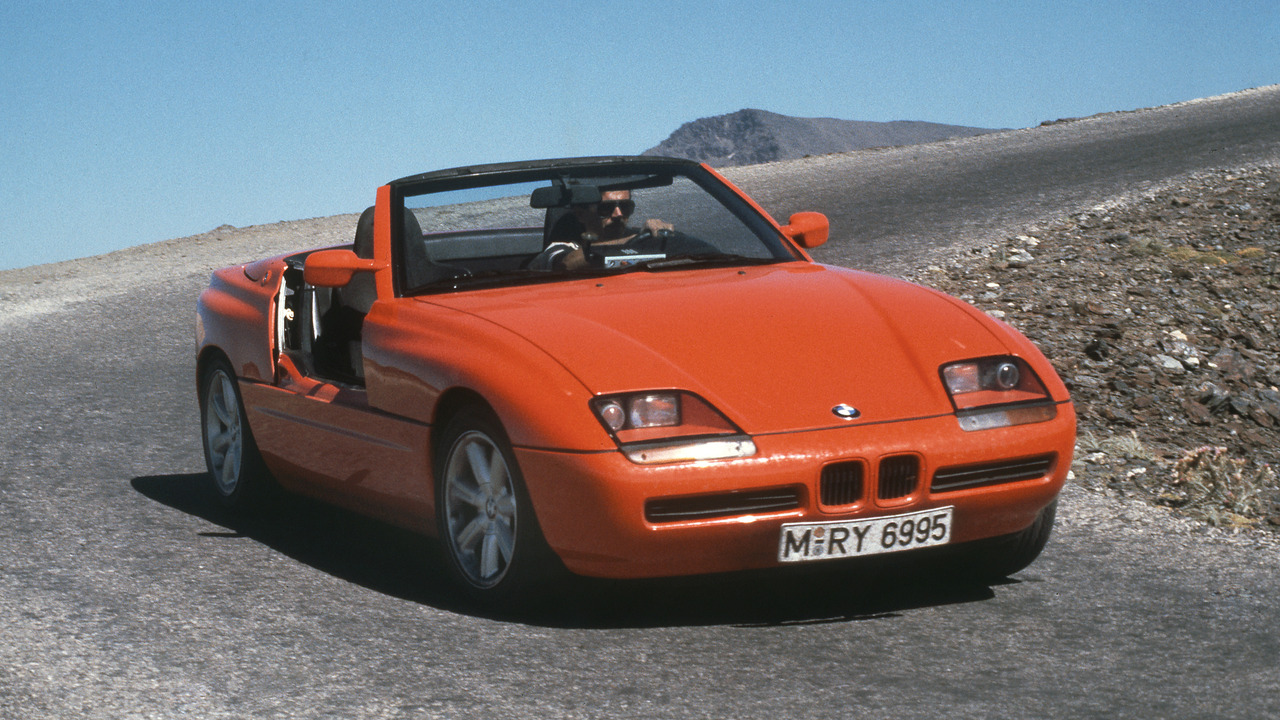
Old cars didn’t isolate you from the road; they connected you to it. You heard the tires, felt the texture of the pavement, and sensed the car’s movement in your hands and feet. It wasn’t always quiet or soft, but it was honest.
Many modern cars are engineered for serenity. Cabin insulation, adaptive suspensions, and active noise cancellation create a peaceful ride, but they also filter out the very things that make driving engaging. For some, that trade-off feels like losing the soul of the experience.
Keys That Were Just Keys
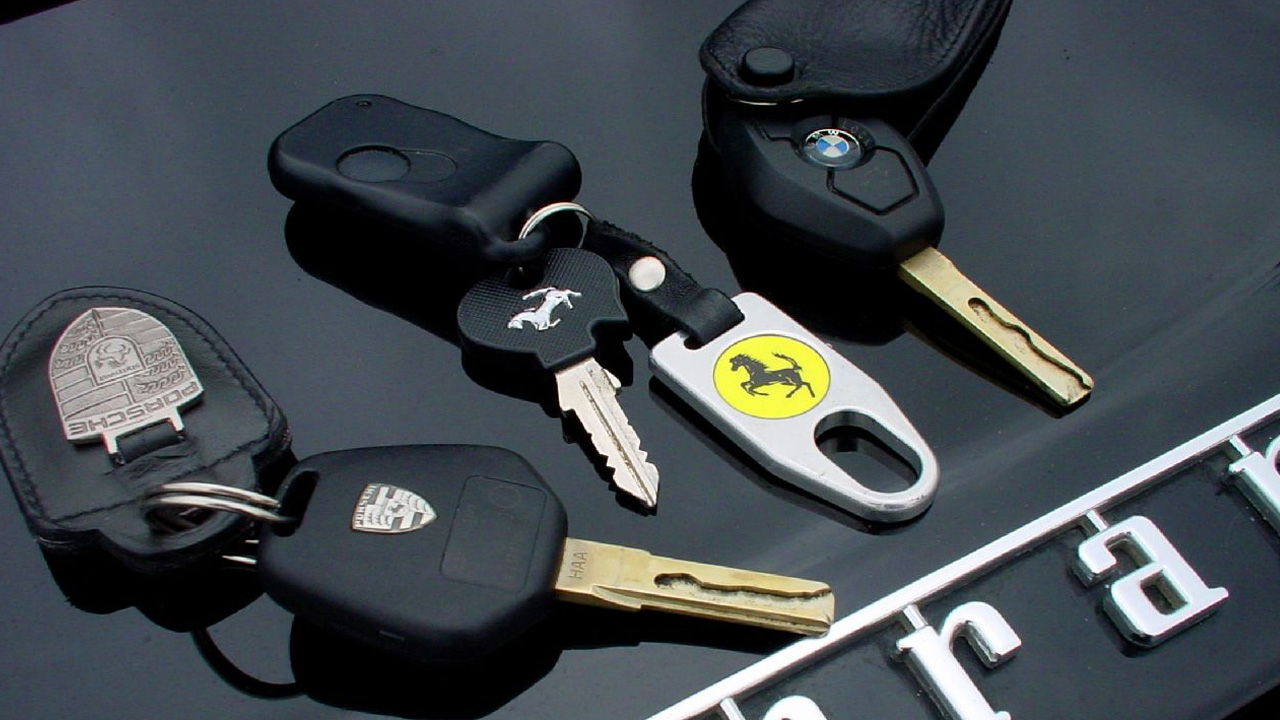
There was a time when a car key was a metal blade you stuck in the ignition. It didn’t require programming or batteries, and it didn’t cost hundreds of dollars to replace.
Modern key fobs offer convenience features like remote start and keyless entry, but they’re also vulnerable to electronic failure. If the fob dies or gets hacked, you might be stranded. Simpler keys had fewer points of failure, and that peace of mind was worth something.
Driver Aids Didn’t Get in the Way

Lane keep assist, automatic emergency braking, and blind spot monitors are great tools—but they’re just that: tools. When they work perfectly, they’re invisible. But when they misfire or intervene too aggressively, they can startle drivers or create new hazards.
Older cars required more attention, but they also let you be in full control. For confident drivers, that freedom can be preferable to feeling like the car is second-guessing every decision.
Handbrakes Had Handles

Pulling a real handbrake used to be part of the driving experience. Whether you were parking on a hill or pulling a quick stop in winter, that lever gave you instant control.
Now, many cars use electronic parking brakes—just a button that engages a motor. It’s cleaner and more compact, but it lacks the tactile feedback and immediacy of a mechanical lever. For many, it’s one more piece of personality that’s gone missing.
Engines Had Character

There was a time when engines had distinct personalities. You could hear a V8 burble from a block away or feel the peaky powerband of a turbo four-cylinder. They weren’t always efficient, but they had soul.
Today’s engines are quieter, smaller, and designed to meet strict emissions and fuel economy targets. That’s good for the planet, but it often means a more generic driving experience. Even the sound is sometimes faked through speakers.
You Could Hear the Engine for Real
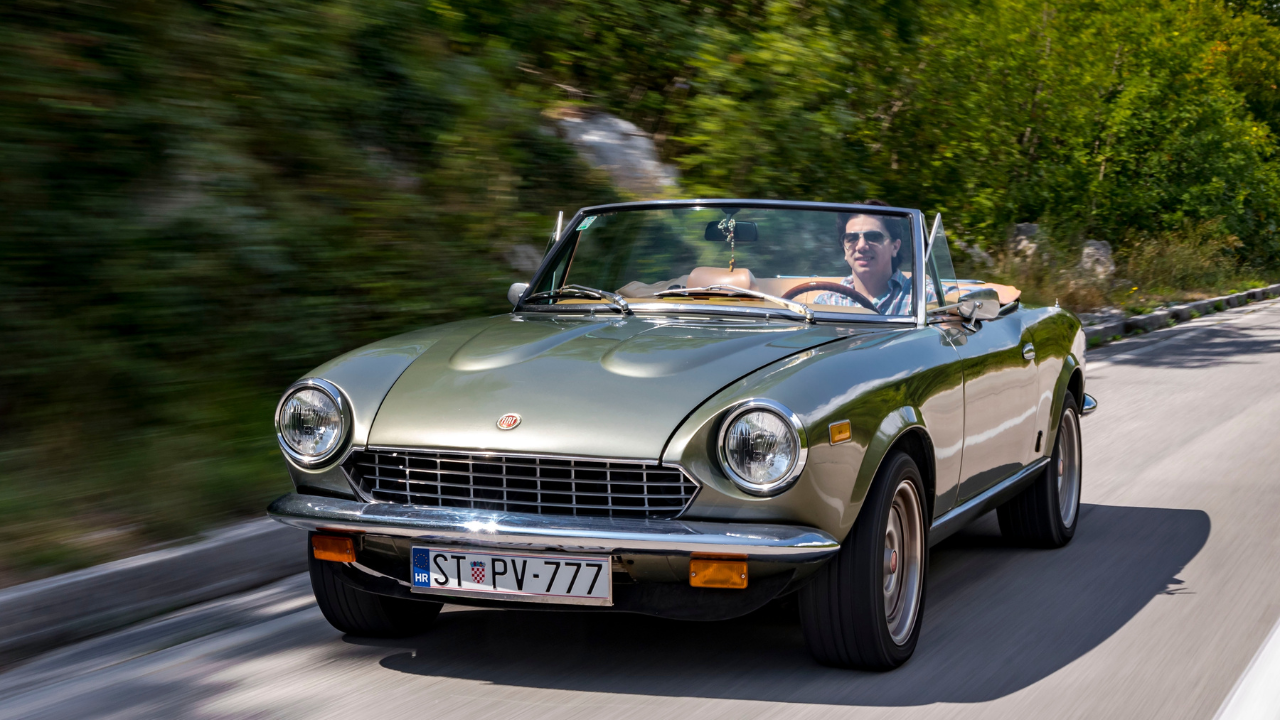
Speaking of sound, older cars let the engine speak. You heard the revs climb, the valves click, the exhaust roar. It wasn’t always refined, but it was real.
Now, many vehicles use sound insulation, active exhaust flaps, or even fake engine sounds piped into the cabin. It creates a polished experience, but some drivers miss the genuine soundtrack of combustion.
Cars Had Unique Faces
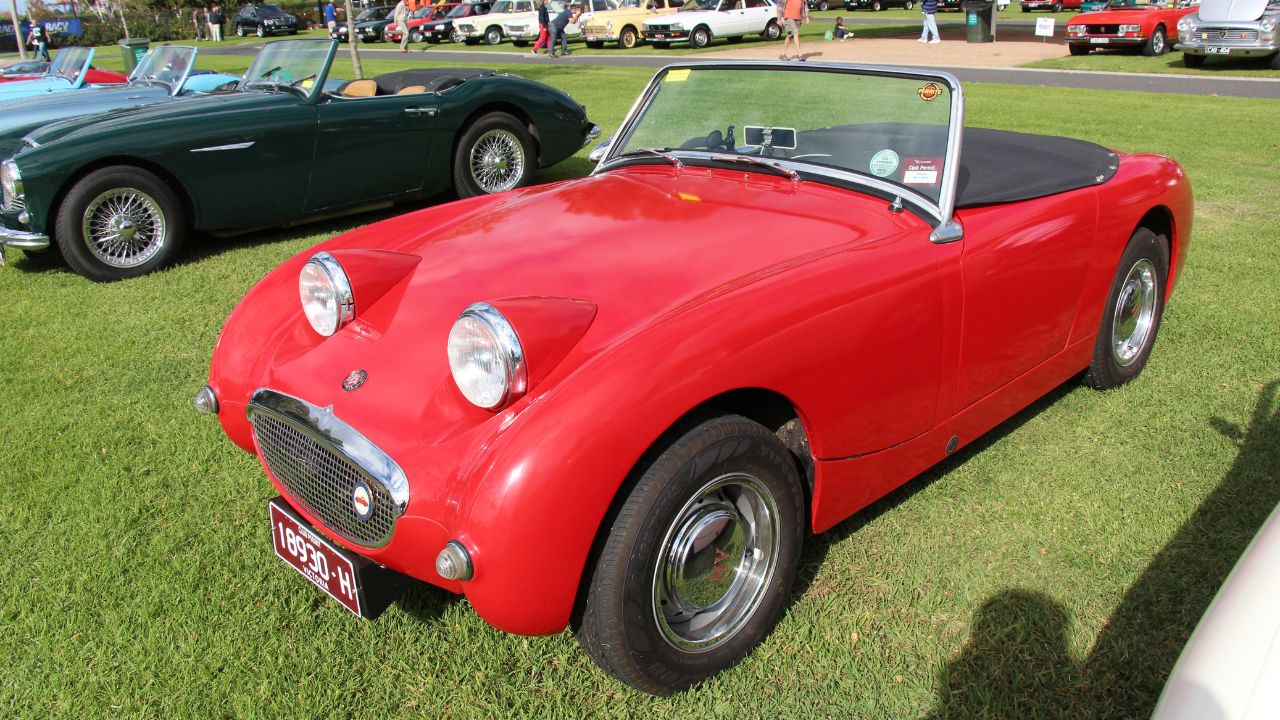
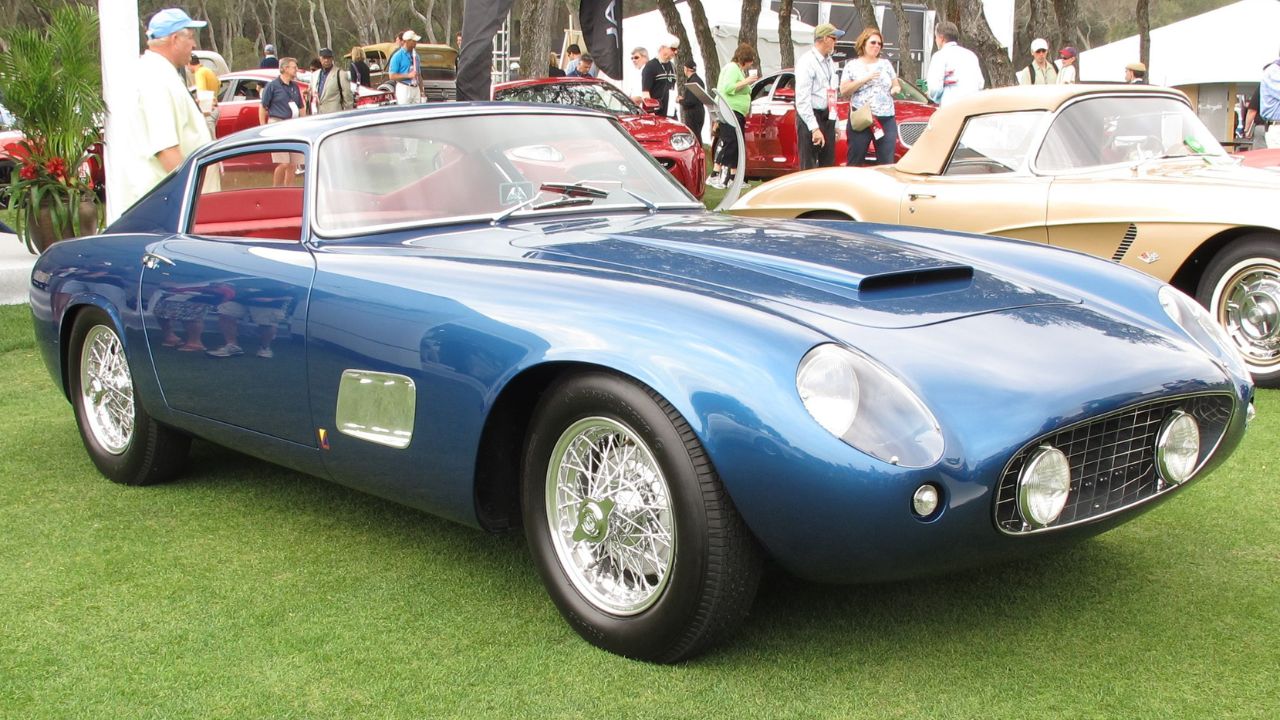
Look at photos from a car show in the 1980s or 1990s and you’ll see incredible variety. Sharp angles, boxy bodies, rounded lights — each model had a distinct personality. You could recognize a car from down the street.
Modern cars are safer and more aerodynamic, but also more uniform. Safety regulations and wind tunnel testing have led to a sea of lookalikes. For enthusiasts, that makes it harder to fall in love with a car based on its looks alone.
You Could Turn a Wrench Without a Computer
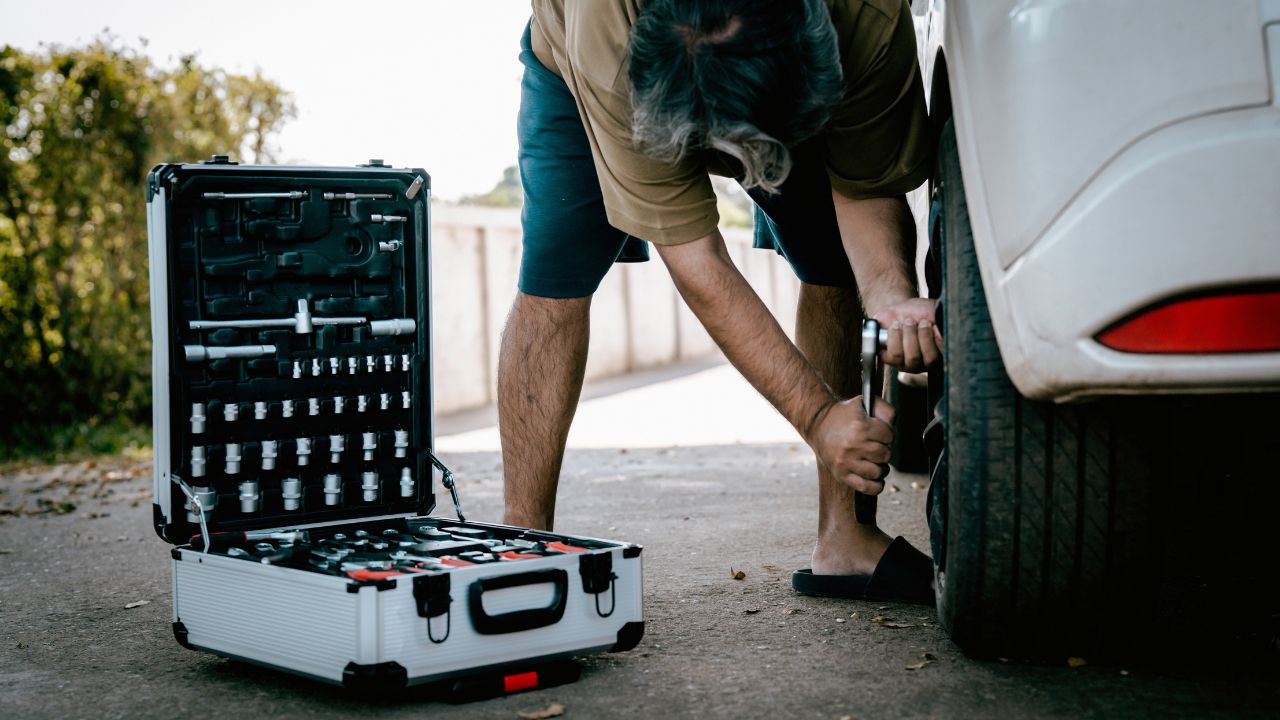
Changing spark plugs, adjusting timing, or replacing a belt used to be weekend chores, not dealer service appointments. Mechanical systems were simpler, and you didn’t need a laptop to troubleshoot a misfire.
Today’s vehicles rely on ECUs (electronic control units) for everything from fuel injection to braking. That’s made cars more efficient and reliable, but also more opaque. Even seasoned gearheads sometimes need a scan tool to figure out what’s gone wrong.
Cars Weighed Less
Safety, tech, and comfort features have added hundreds of pounds to the average car. A modern compact sedan can weigh as much as a 1990s midsize.
Extra weight reduces fuel economy, hurts agility, and puts more strain on brakes and tires. It’s a hidden cost of modern comfort—and one reason why older cars often felt more nimble and responsive.
You Had More Headroom and Visibility

Modern car designs favor sleek silhouettes and sloping rooflines. That looks good on paper, but it can make cabins feel cramped and reduce visibility, especially for taller drivers.
Older vehicles had boxier shapes that offered more headroom and upright seating. You sat up higher, with a commanding view of the road, not tucked into a cockpit designed more for looks than comfort.
You Weren’t Nickel-and-Dimed by Software
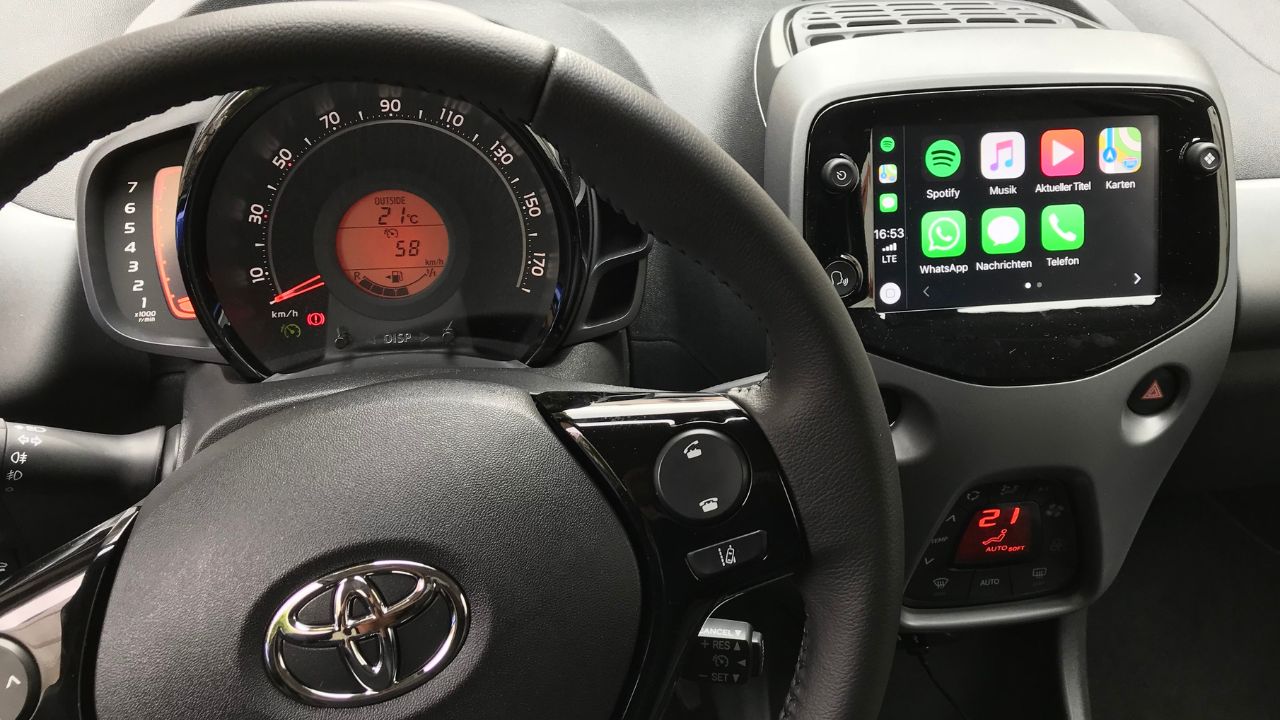
In-car subscriptions are becoming more common. Heated seats, navigation, and even remote start can be locked behind monthly fees, even though the hardware is already in the car.
That kind of business model didn’t exist in the past. When you bought a car with a feature, you owned it outright. For drivers who value simplicity and transparency, modern paywalls can feel like a betrayal of common sense.
Driving Wasn’t Just Safe—It Was Joyful

At its best, driving used to feel like freedom. You picked your gear, felt the engine respond, and knew that your hands and feet were in charge. It wasn’t just transportation—it was an experience.
Modern cars are safer, quieter, and often faster. But they’ve also taken much of the fun out of the equation. If you learned to love driving in a simpler time, it’s hard not to miss what’s been left behind.
Can We Bring the Fun Back?

We’re not here to say modern cars are bad. Safer is good. Cleaner is good. But there’s a reason many seasoned drivers look back fondly at the vehicles they grew up with. They offered something that’s harder to find today: a sense of connection, simplicity, and joy.
Maybe the future of driving can blend both worlds—high-tech safety with low-tech charm. Until then, it’s worth remembering the things we gave up along the way. And who knows? That next weekend drive in an old classic might just remind you why you fell in love with cars in the first place.