
Buying your first new car is a milestone. The smell of fresh upholstery, the pristine paint, the smooth ride… It’s all part of the thrill. But once the excitement wears off, a new responsibility settles in: taking care of it. Proper maintenance isn’t just about avoiding costly repairs. It’s about keeping your car safe, efficient, and enjoyable for years to come.
If you’re feeling overwhelmed by oil changes, tire pressure, and service schedules, don’t worry. You don’t need to be a gearhead to take good care of your car. With a little know-how and a regular routine, you’ll be way ahead of the game.
Real Advice, No Mechanic Degree Required
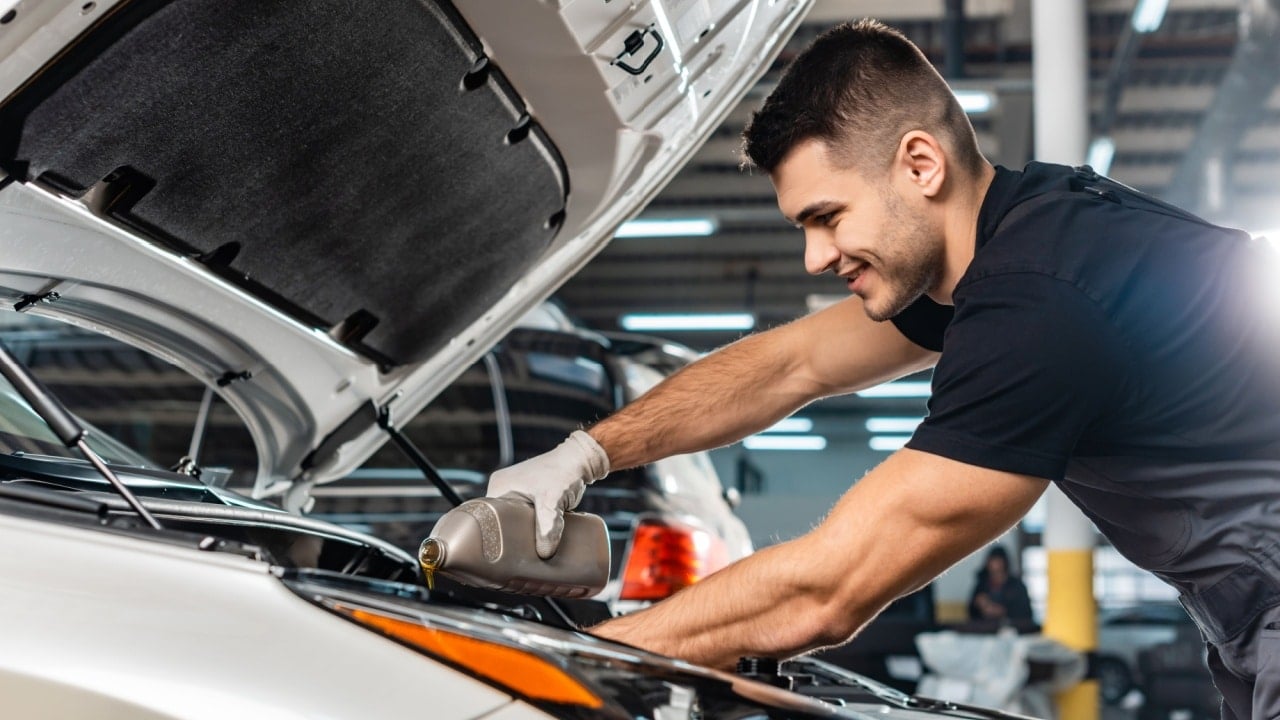
We created this guide with new drivers and everyday vehicle owners in mind. Our tips focus on simple, practical steps anyone can take—no technical jargon, no expensive tools required. We consulted auto service pros, manufacturer guidelines, and even threw in a few tricks learned the hard way.
Whether you’re cruising city streets or planning a cross-country road trip, these tips will help keep your car running like new—and help you feel more confident behind the wheel.
Read the Owner’s Manual (Yes, Really)
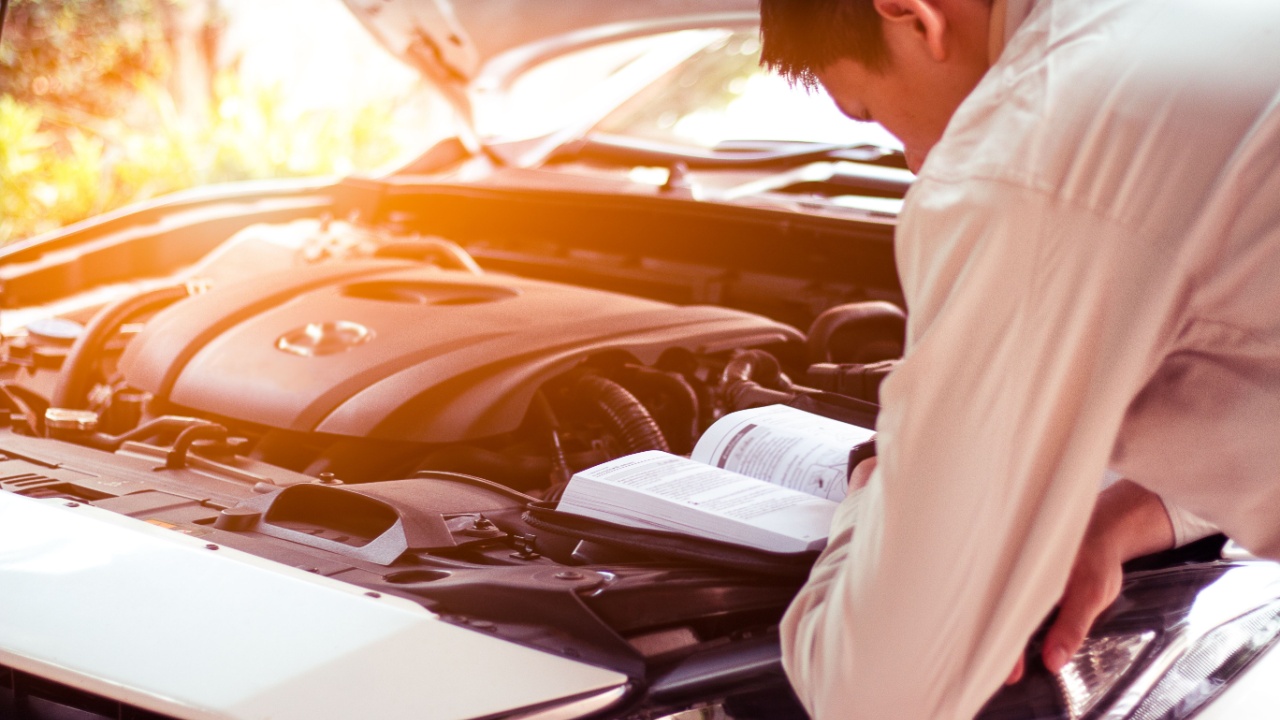
It may not be the most exciting reading material, but your car’s owner’s manual is one of the best tools you have. It includes detailed instructions for your specific make and model, from what kind of oil your engine needs to how often your transmission fluid should be checked. Many problems that send people to the mechanic could have been avoided simply by reading the manual first. You don’t need to memorize it—just familiarize yourself with the layout, look over the maintenance schedule, and bookmark a few key pages.
Even something as simple as learning what each warning light means can save you a trip to the shop (or from ignoring a real issue). That “Maintenance Required” light? Not the same as “Check Engine.” And that tire pressure warning might just be a cold morning issue. The manual will walk you through it all, step by step.
Check Your Tire Pressure Monthly

Your tires are your connection to the road, and how they’re inflated plays a huge role in safety, fuel economy, and how your car handles. Driving with under-inflated tires wears them out faster and costs you more at the pump. Over-inflated tires can cause less grip, especially in wet conditions. The good news? Checking tire pressure is easy and cheap.
Most gas stations have air pumps with built-in gauges, but you can also buy a reliable tire gauge for a few bucks. Look for the recommended pressure (PSI) listed inside your driver’s door or in your manual—not on the tire itself, which shows the maximum pressure. Aim to check your tires once a month, or before long trips.
Don’t Ignore Dashboard Lights

That glowing check engine light isn’t there to add ambiance. It’s your car’s way of saying something needs attention. Sometimes it’s a minor fix, like a loose gas cap. Other times, it’s a sign of a serious issue that could leave you stranded if ignored. Either way, the longer you wait, the higher the risk—and often, the higher the repair bill.
Newer cars may also display warning lights for tire pressure, oil levels, brake system issues, and more. If a light comes on and you’re unsure what it means, pull out the manual or look it up online. If the light is flashing, or the car feels different (sluggish, rough, noisy), it’s smart to get it checked right away. Ignoring a dashboard light rarely ends well.
Learn to Check Your Oil
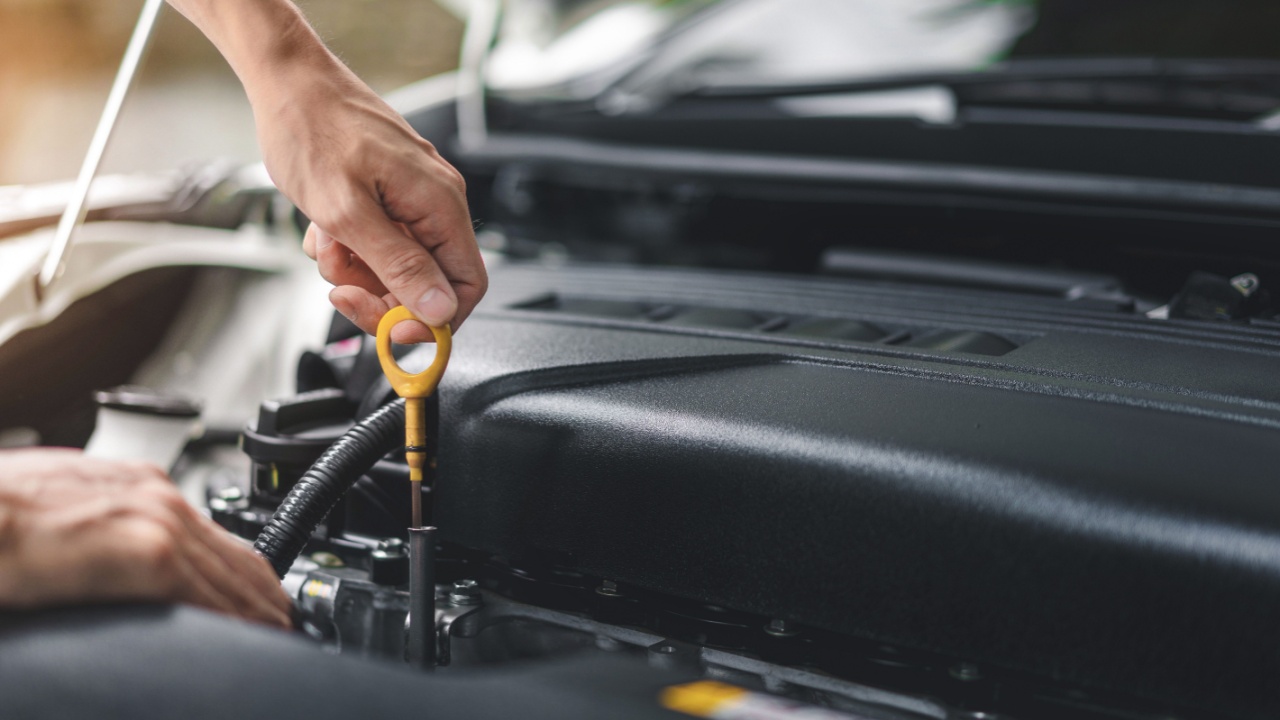
Even if you get your oil changed at a shop, knowing how to check it yourself is a skill worth learning. It only takes a few minutes and could prevent thousands in engine damage. All you need is a paper towel and the dipstick under the hood. With the car parked and cooled off, pull the dipstick, wipe it clean, reinsert it fully, then pull it out again and check the level and color.
Healthy oil is amber or light brown. If it’s dark, thick, or smells burnt, it’s time for a change—even if the dashboard hasn’t warned you yet. And if the oil level is low, you’ll want to top it off or bring it in soon. Running low on oil can damage the engine in no time.
Rotate Your Tires

Front tires and rear tires wear down at different rates depending on how you drive, how your car is weighted, and even how often you turn. Rotating your tires means moving them from one position to another—usually front to back or diagonally—so they wear more evenly. This helps extend the life of your tires, improves traction, and ensures a smoother ride.
Most manufacturers recommend rotating tires every 5,000 to 8,000 miles, but your owner’s manual will have the exact interval. Many service centers will rotate tires for free if you’ve bought them there. If you’re getting an oil change anyway, ask if they can rotate the tires during the same visit.
Keep Up with Oil Changes
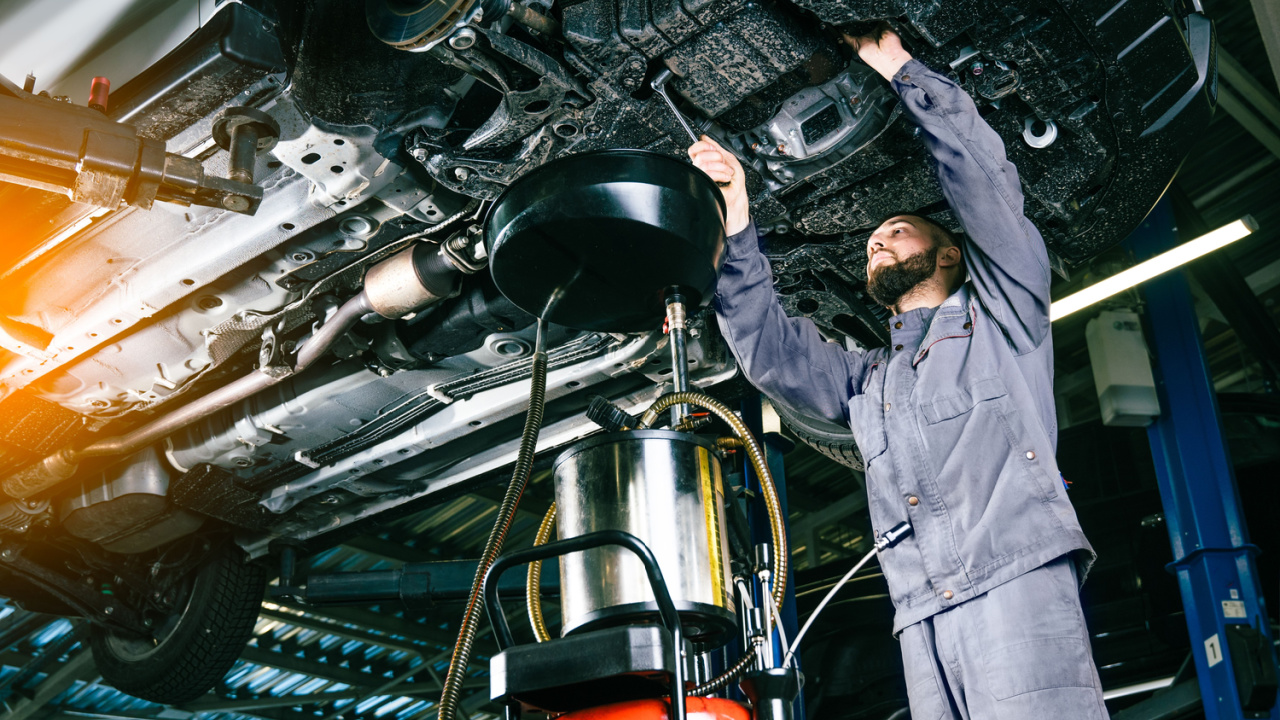
Your engine oil lubricates moving parts and keeps everything running smoothly. As it breaks down over time, it becomes less effective, leading to sludge buildup, overheating, and wear. Stick to the schedule in your owner’s manual or follow your mechanic’s advice.
Modern cars often track oil life and display a maintenance reminder on the dashboard. Don’t ignore it. Changing the oil on time is the single most important maintenance step you can take to extend your engine’s life.
Replace Wiper Blades Annually
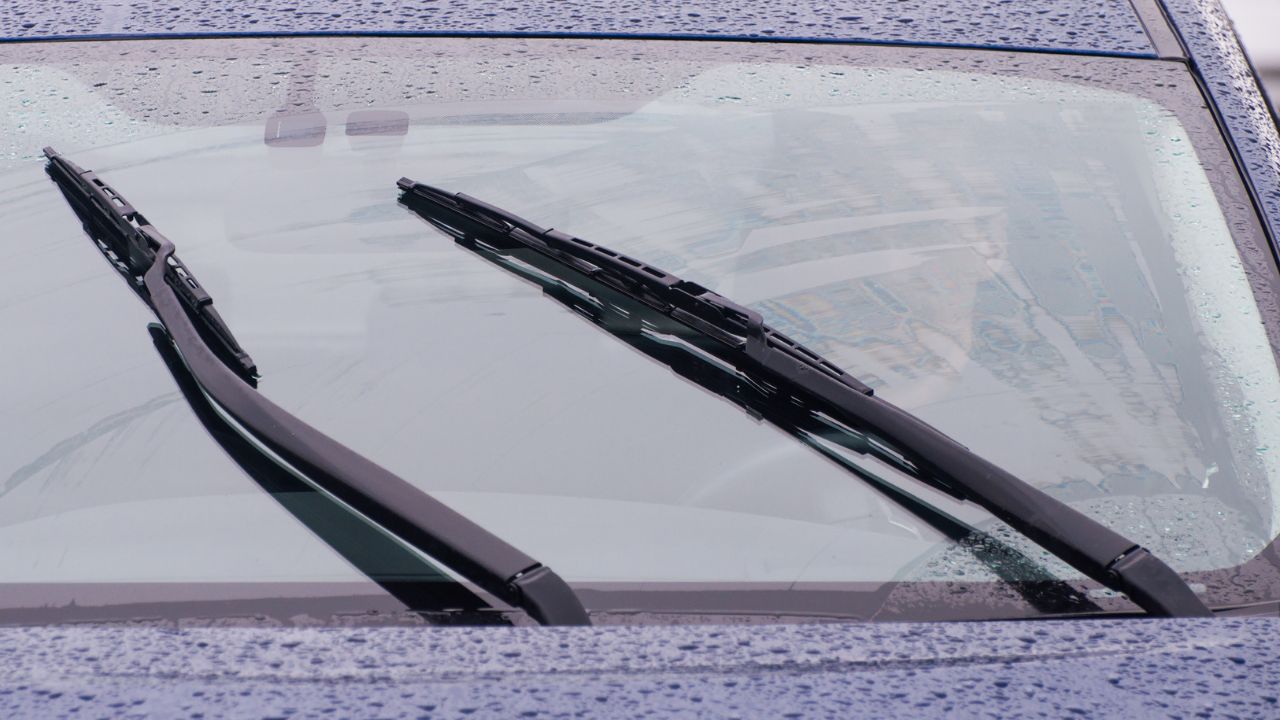
Wiper blades wear out faster than most people think, especially if you live in a hot, dry, or snowy climate. You’ll know they need replacing when they leave streaks, skip across the windshield, or start making chattering noises.
Changing blades once a year (or at the first sign of trouble) ensures you’ll always have clear visibility when you need it most. They’re inexpensive, easy to install, and make a big difference during rain, snow, or early morning dew.
Wash and Wax Regularly
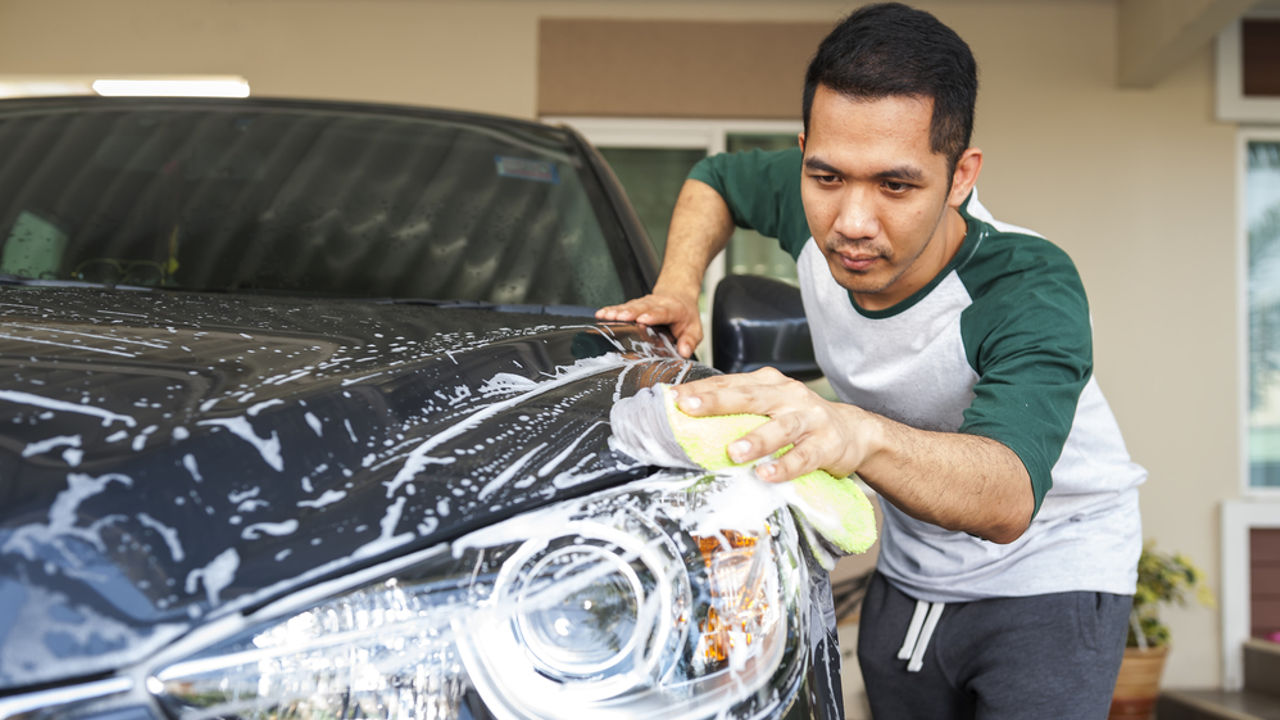
It’s not just about looks, though a clean, shiny car is always nice. Washing removes dirt, road salt, and bird droppings that can damage your paint over time. Waxing adds a protective layer that helps preserve your finish and makes the next wash easier.
Try to wash your car every couple of weeks and wax it every few months. Even if you don’t have a garage, simple maintenance like this can help protect your car from rust, fading, and weather damage.
Keep an Eye on Brake Performance

Your brakes are your first line of defense on the road. If you hear squealing or grinding, feel vibration when stopping, or notice it takes longer than usual to come to a halt, get them checked immediately.
Brake pads wear down over time, and catching them before they’re completely gone can save you from replacing expensive rotors or calipers. Even if you don’t drive much, have your brakes inspected once a year to ensure everything’s working properly.
Watch Your Battery

A dead battery is one of the most common reasons for roadside breakdowns. Batteries typically last 3 to 5 years, depending on how and where you drive. If your car cranks slowly or your lights dim when you start it, your battery may be on its last legs.
Have your battery tested annually once it hits the three-year mark. Most auto parts stores will do this for free. Keeping an eye on your battery’s health can save you from being stranded at the worst possible time.
Top Off Fluids

Your car relies on several key fluids to function properly: engine oil, coolant, brake fluid, power steering fluid, and windshield washer fluid. Check these periodically—some are visible through clear reservoirs under the hood.
Your manual will tell you where they are and how to read the levels. Keeping them topped off ensures your car stays safe, cool, and responsive—especially during summer heat or winter freezes.
Replace the Cabin Air Filter
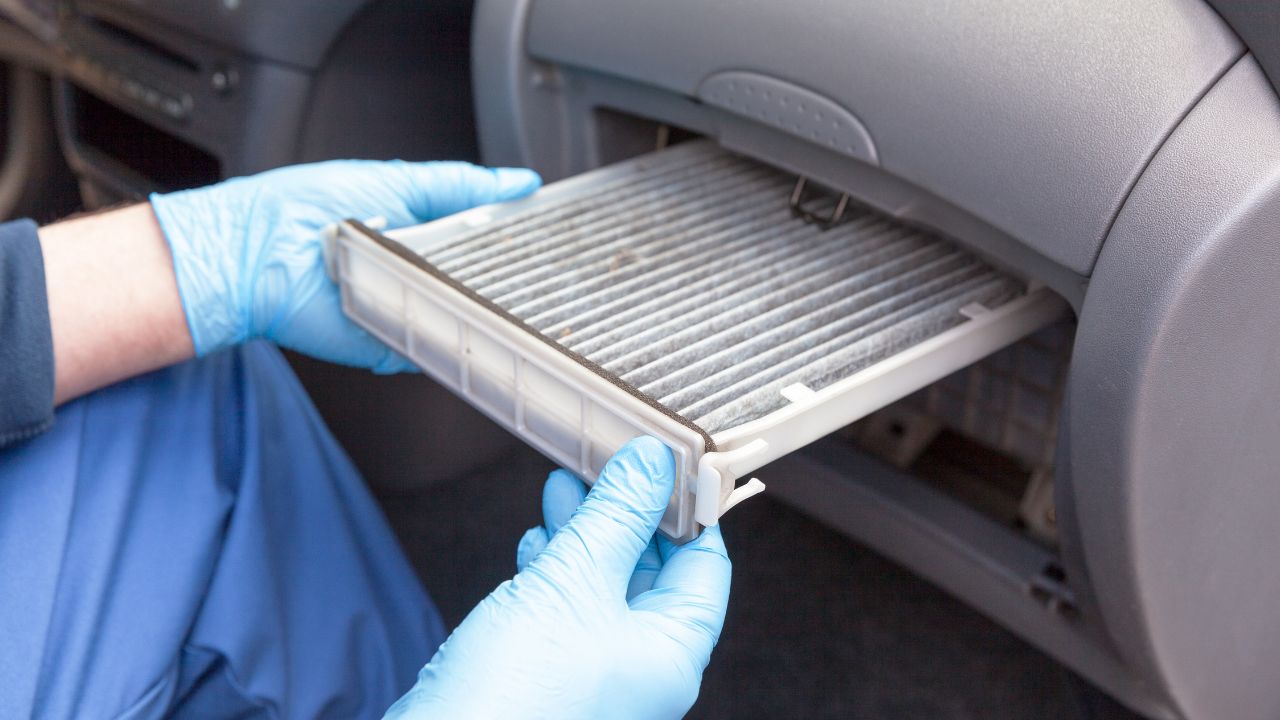
This filter is your first defense against pollen, dust, and pollutants entering the cabin through your HVAC system. If your vents smell musty or your air feels weak, a dirty cabin filter might be the culprit.
Replacing it once or twice a year keeps the air inside your car fresh and can help your AC or heater run more efficiently. Most are easy to change in just a few minutes, with no tools needed.
Park in the Shade When You Can
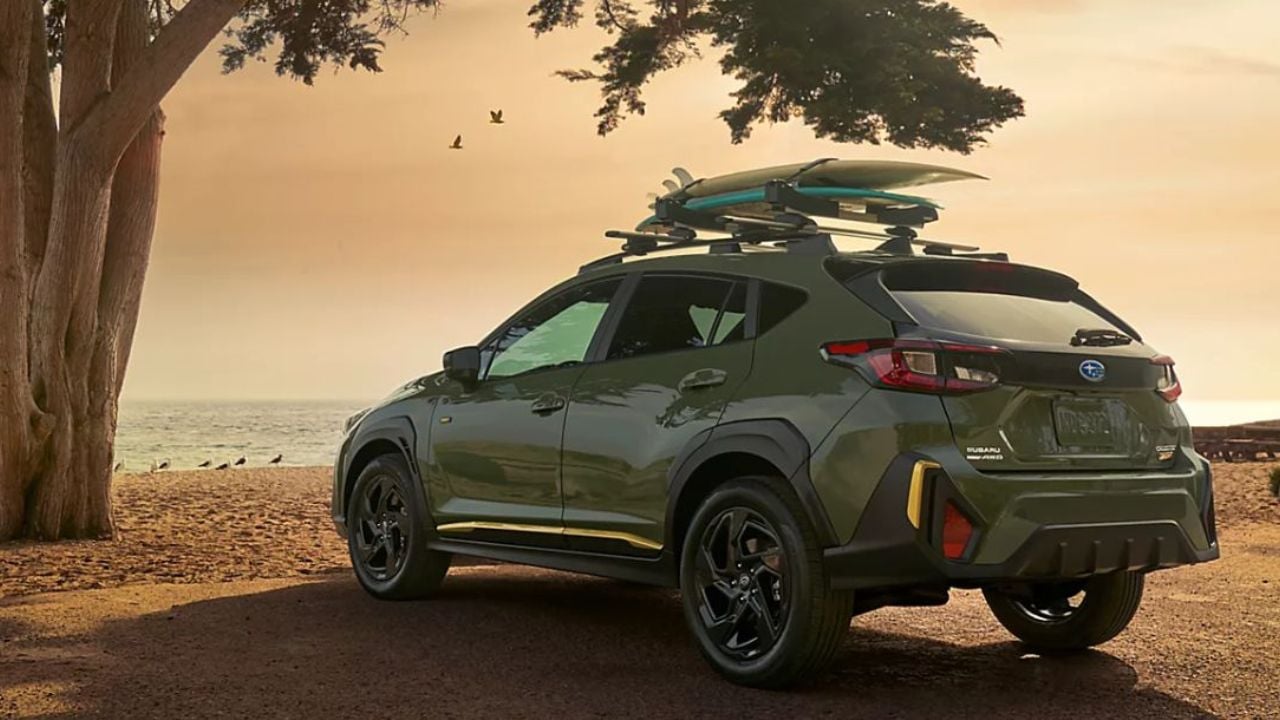
The sun is tough on your car’s interior and paint. Over time, UV rays can fade your dashboard, crack leather seats, and dull your exterior finish. Whenever possible, park in a garage or shaded spot to reduce exposure.
If shade isn’t available, consider using a windshield sunshade or even a car cover if your vehicle sits for long periods. These small steps can preserve your car’s appearance and resale value over time.
Listen to Your Car

Every car has its own sounds and quirks. Getting to know yours — how the engine hums, how the brakes feel, how it responds when you turn — can help you catch issues early.
If you notice a new noise, smell, or sensation, don’t ignore it. Something as small as a change in handling could be a sign of a bigger problem. Trust your gut and have a mechanic check it out.
Use the Right Gas
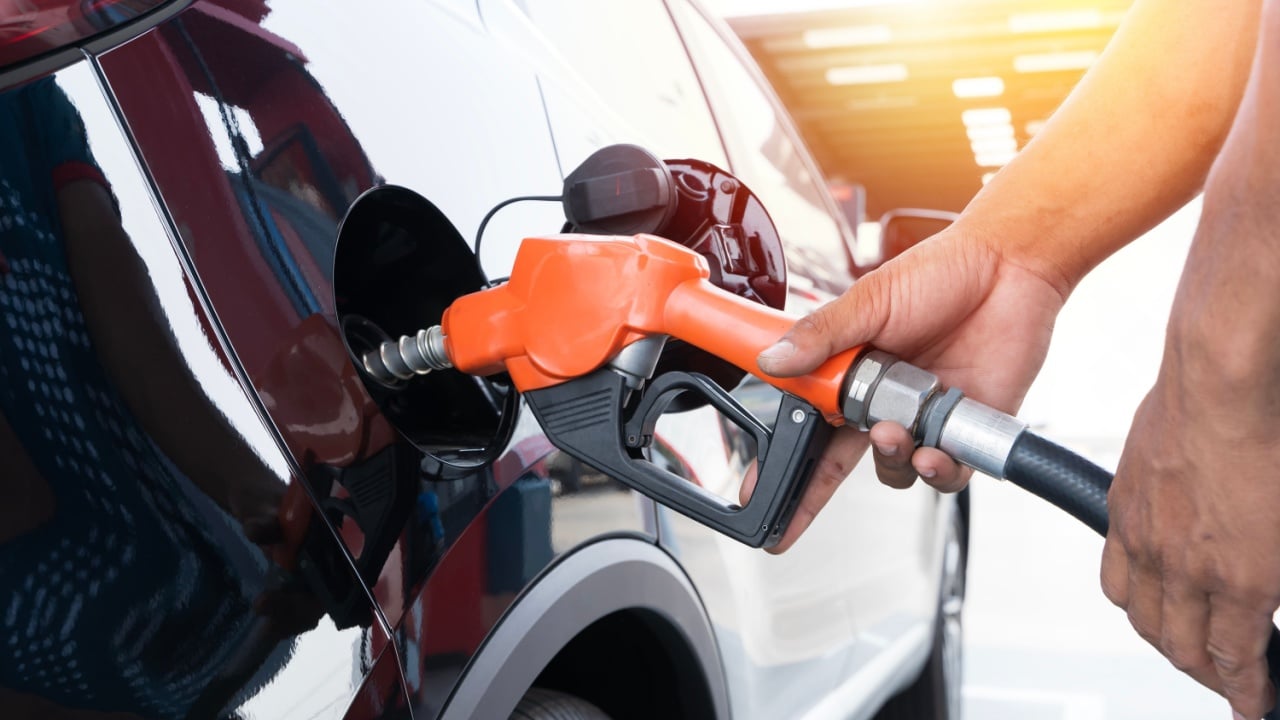
Your owner’s manual will tell you whether your car needs regular, mid-grade, or premium fuel. Don’t assume more expensive is better—many modern engines are designed to run efficiently on regular unleaded.
Using the wrong grade can affect performance or even damage your engine. Save money by sticking to what the manufacturer recommends and avoid wasting fuel on unnecessary upgrades.
Don’t Overload It

It’s tempting to pack everything into your trunk for a big road trip, but carrying too much weight strains your suspension, reduces fuel economy, and can even affect your braking distance.
Your vehicle has a maximum load rating, usually found in the owner’s manual or doorframe label. Try to travel light and distribute weight evenly, especially when hauling heavy gear or passengers.
Check Your Headlights and Brake Lights

Driving with a burned-out bulb isn’t just unsafe—it can also get you pulled over. Every month or so, do a quick walk-around with your lights on to make sure everything’s working, including turn signals and brake lights.
If you find a dead bulb, replacements are usually cheap and easy to install. Staying visible on the road is one of the simplest and most important safety habits you can form.
Pay Attention to Recalls

Automakers issue recalls when safety-related problems are discovered in specific models. You can check if your car is affected by entering your VIN at NHTSA.gov. If there’s a recall, the fix is usually free.
Staying informed ensures you’re not unknowingly driving with a defective part, especially when it comes to things like airbags, seat belts, or brake systems.
Keep a Maintenance Log
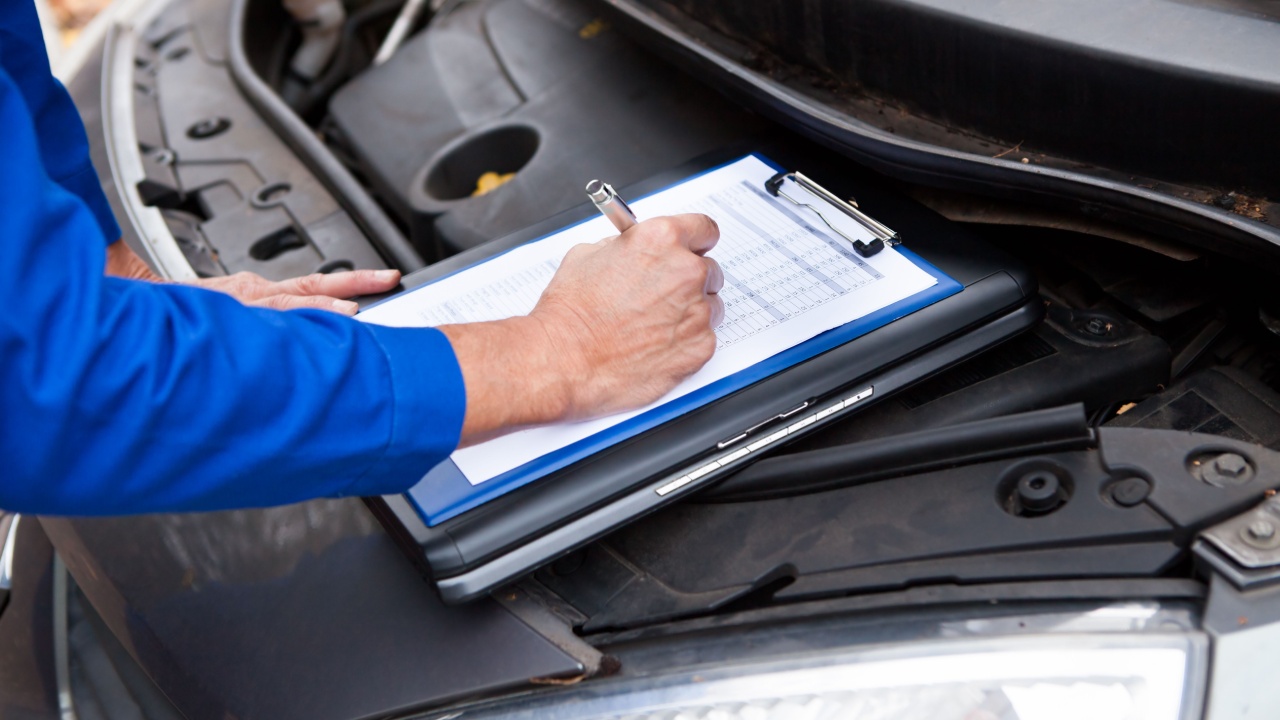
Tracking oil changes, tire rotations, and other services helps you stay on schedule and can boost your resale value down the road. It also gives your mechanic a clearer picture of your car’s history.
Use a notebook, spreadsheet, or even a notes app on your phone. Keeping everything in one place makes it easier to plan service appointments and budget for repairs.
Don’t Skip the Annual Checkup

Even if everything seems fine, taking your car in for a once-a-year inspection is a smart move. A professional mechanic can spot issues you might miss, like worn belts, leaks, or alignment problems.
Think of it as a physical for your vehicle. A little preventative care goes a long way in keeping your car reliable and avoiding expensive surprises.
A Little Care Goes a Long Way

Car maintenance doesn’t have to be complicated or expensive. By following these simple steps, you’ll protect your investment, avoid headaches, and enjoy a safer, smoother ride for years to come.
Even if you’ve never changed your own oil or don’t know a spark plug from a socket wrench, you can still be a great car owner. Just pay attention, ask questions, and stick to a regular maintenance routine. Your future self—and your car—will thank you.