The V10 engine has an almost cult-like following among gearheads. Although V10 engines have existed since at least the 1930s, the first modern production road car closely associated with a gasoline V10 was the Dodge Viper, which went on sale for the 1992 model year.
One could argue that the V10 is the ugly duckling of high-performance engines, as a V8 is less complex and more economical, and the V12 is smoother. Still, the V10 found its way under the hood of some legendary cars, and even provided the power and soundtrack in F1 cars for a while. As the V10 is now a dying breed, let’s look at some cars with ten cylinders we’d love to drive.
Why We Chose These Cars
Obviously, the main criterion is that they’re fitted with a V10 engine, and since it’s an article about cars, we narrowed it down even further by excluding trucks and SUVs. However, we did include some concepts and one-offs, purely because we would love to drive them.
All the stats and facts are from reputable sources, such as Car & Driver, Top Gear, and the manufacturers themselves.
Audi R8
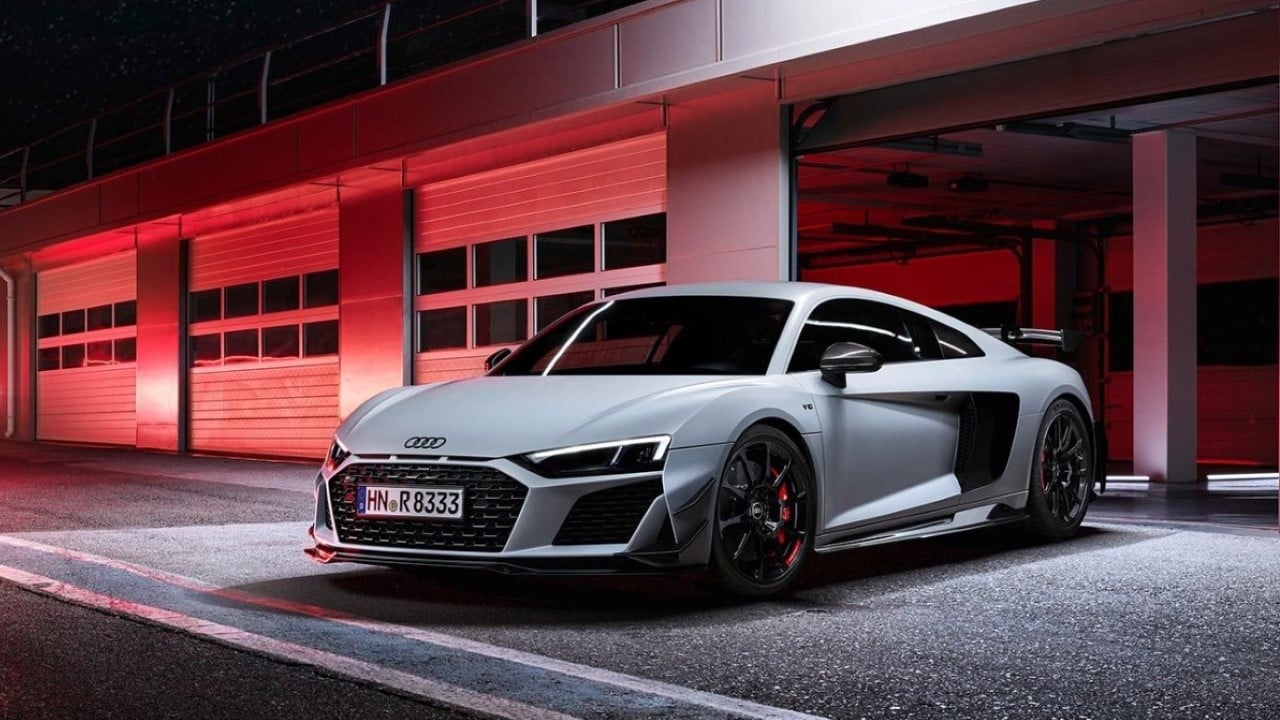
The first Audi R8s had a V8 engine, and as cool as they may be, they can’t hold a candle to the V10-powered ones that appeared soon after. In 2009, Audi introduced the 5.2-liter V10 R8, and the engine is derived from the one found in the Lamborghini Gallardo LP560-4, as explained by Top Gear.
In the early V10-powered Audi R8s, this beastly unit produced 525 horsepower. Clearly, Audi didn’t think that was enough, so later versions rose to 562 hp in the R8 V10 quattro and 602 hp in the R8 V10 performance quattro. Used prices can be comparatively attainable for a supercar, but maintenance and repair costs can still be substantial.
Dodge Challenger V10 Drag Pak
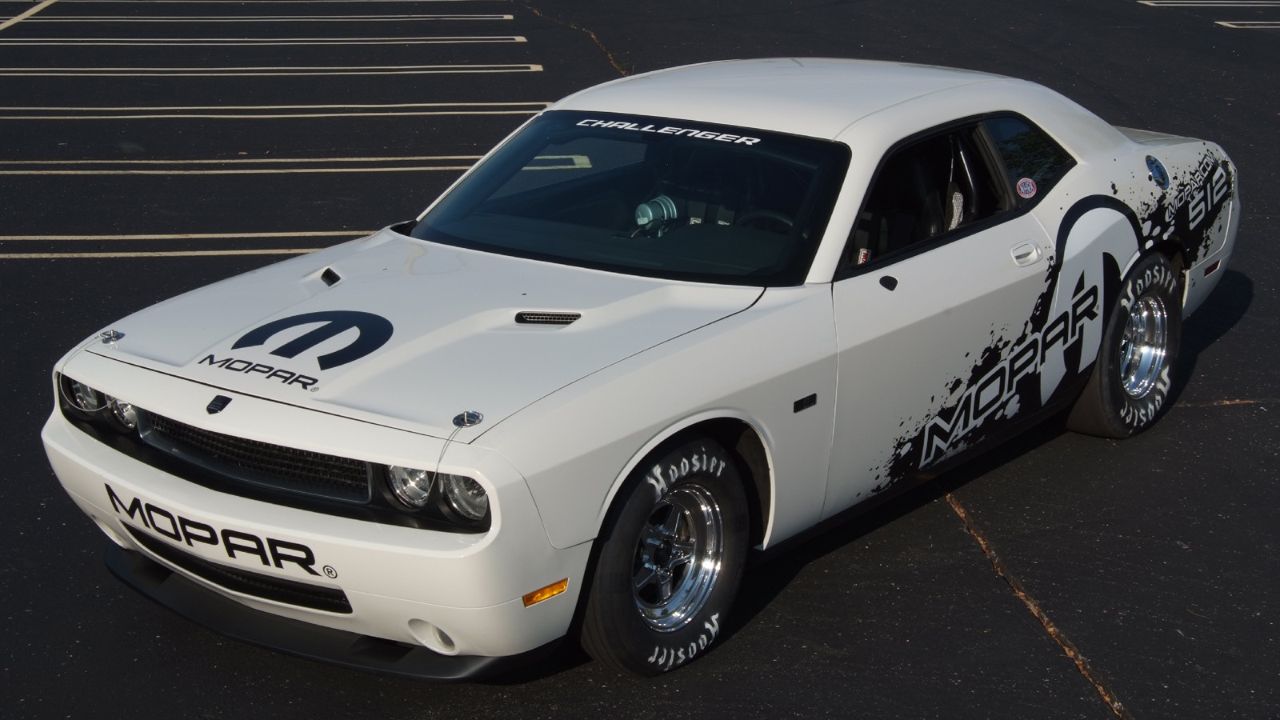
Have you ever wondered why Dodge, the creator of the Viper, never built a V10-powered Challenger? Well, it turns out they actually did just that back in 2011. The 2011 Dodge Challenger V10 Drag Pak was the first turn-key drag car built by Mopar in almost 50 years, and it’s powered by an 8.4-liter V10 from the Viper, but Dodge didn’t stop there.
According to Dodge Garage, the Viper based V10 received race headers and a unique calibration, and Dodge did not publish a certified horsepower figure for the package in street car terms. All that power is sent to the rear wheels via a 2-speed automatic transmission and a solid rear axle. The Challenger isn’t road legal and doesn’t have side mirrors, power steering, safety features, or anything else deemed unnecessary to go fast down the drag strip. It was available with a Mopar graphics package, though.
Lexus LFA
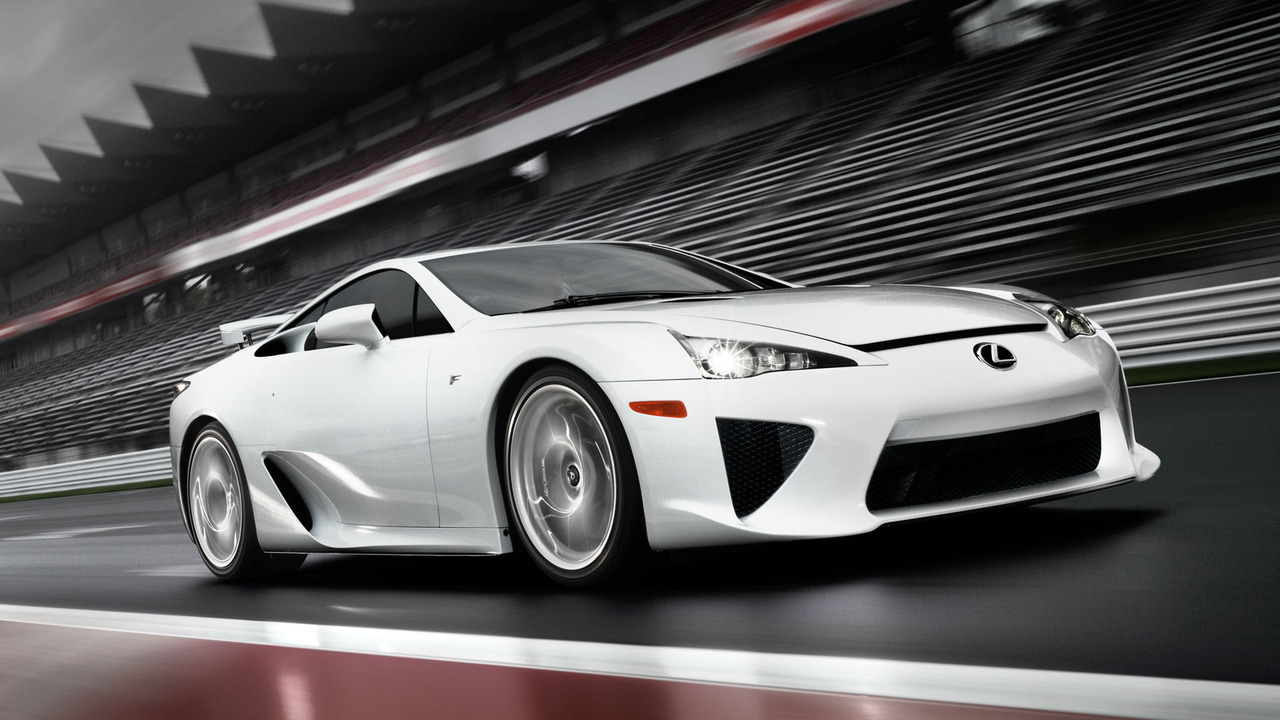
The Lexus LFA is perhaps the best supercar to ever emerge from the land of the rising sun. It was never a huge success when it was available, but it’s since become highly sought-after among collectors.
Car and Driver reports that its screaming 4.8-liter V10 engine was co-developed with Yamaha and produces 553 horsepower and 354 lb-ft of torque. That’s enough to launch the LFA from 0 to 60 mph in just 3.7 seconds, and on to a top speed of 202 mph. Its chassis is so stable and fine-tuned that even the Nürburgring Nordschleife’s sometimes bumpy surface couldn’t upset it… because Lexus spent a lot of time there during the LFA’s production.
C6 Audi RS6 Avant

Unfortunately, the C6 Audi RS6 Avant was never available in the States. This station wagon was as practical as it was ridiculous, and other than the crazy maintenance costs, we love everything about it.
As reported by Evo, the C6 RS6 Avant had a twin-turbo 5.0-liter V10 engine that’s a distant cousin to the V10s found in various Lambos and the Audi R8. They may have the same base, but the RS6’s V10 has 400 unique parts. This monster produces 572 horsepower and 479 lb-ft of torque, which is plenty in a body that’s designed to haul around the kids, dog, and groceries. In fact, it’ll scramble to 62 mph in just 4.5 seconds! What’s not to love about a sleeper wagon that’ll force supercars to eat its dust when the light turns green?
Dodge Viper
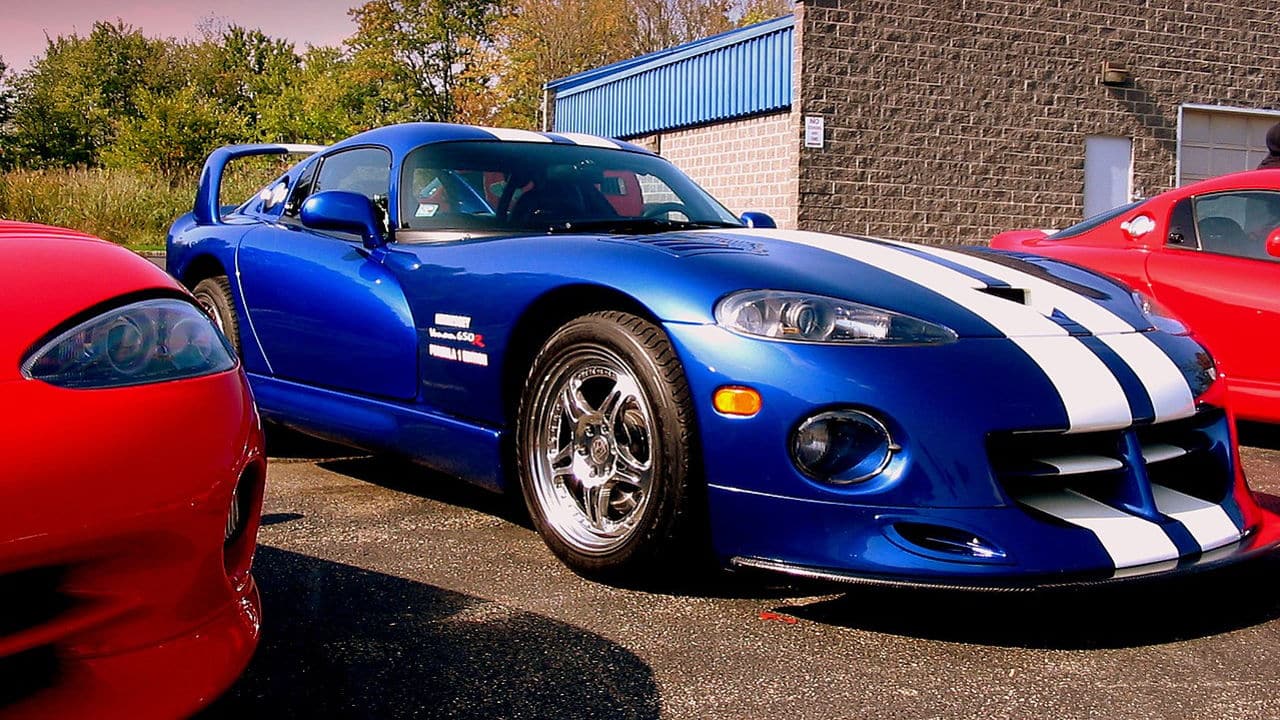
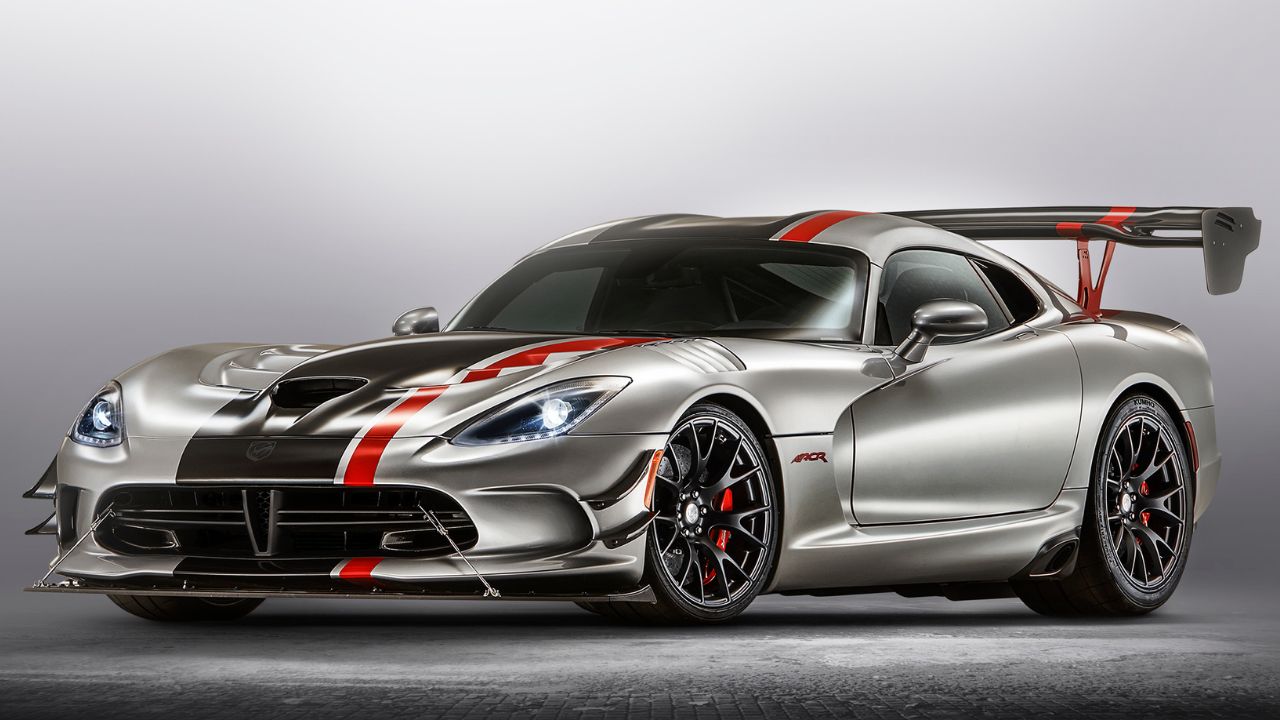
Here it is! The Dodge Viper is the quintessential V10 sports car, and in some ways, the car that made the V10 a popular choice for sports car use. Before it, the V10 was most commonly found in diesel trucks. The first-generation Viper was an untamable beast; in fact, all the generations were a bit wild.
According to MotorTrend, Dodge introduced the second-gen Viper in 1996, improving some of the original’s flaws and imperfections. The 8.0-liter V10 engine in the GTS model produced 450 horsepower. If you worry about safety features, this isn’t the car for you, as the only safety feature is how you use the throttle. Over the following generations, Dodge did tame it slightly, but the engines also grew to 8.3 and eventually 8.4 liters, pumping out as much as 645 hp by 2015.
Porsche Carrera GT

Porsche is best known for its boxer engines, so when they announced that the Carrera GT would have a V10, enthusiasts were both shocked and excited. As Stuttcars says, the Porsche Carrera GT was one of the last analog supercars, and that also meant it was more than a handful to drive.
Sadly, it’s famous for being involved in the crash that killed Paul Walker and Roger Rodas, and Jay Leno has also discussed losing control in a Carrera GT during high speed testing. On the plus side, the Carrera GT’s V10 engine sounds incredible, and the mid-mounted 5.7-liter unit sends 612 prancing German horses to the rear wheels. We’re half in awe and half terrified of this beast.
Lamborghini Huracán
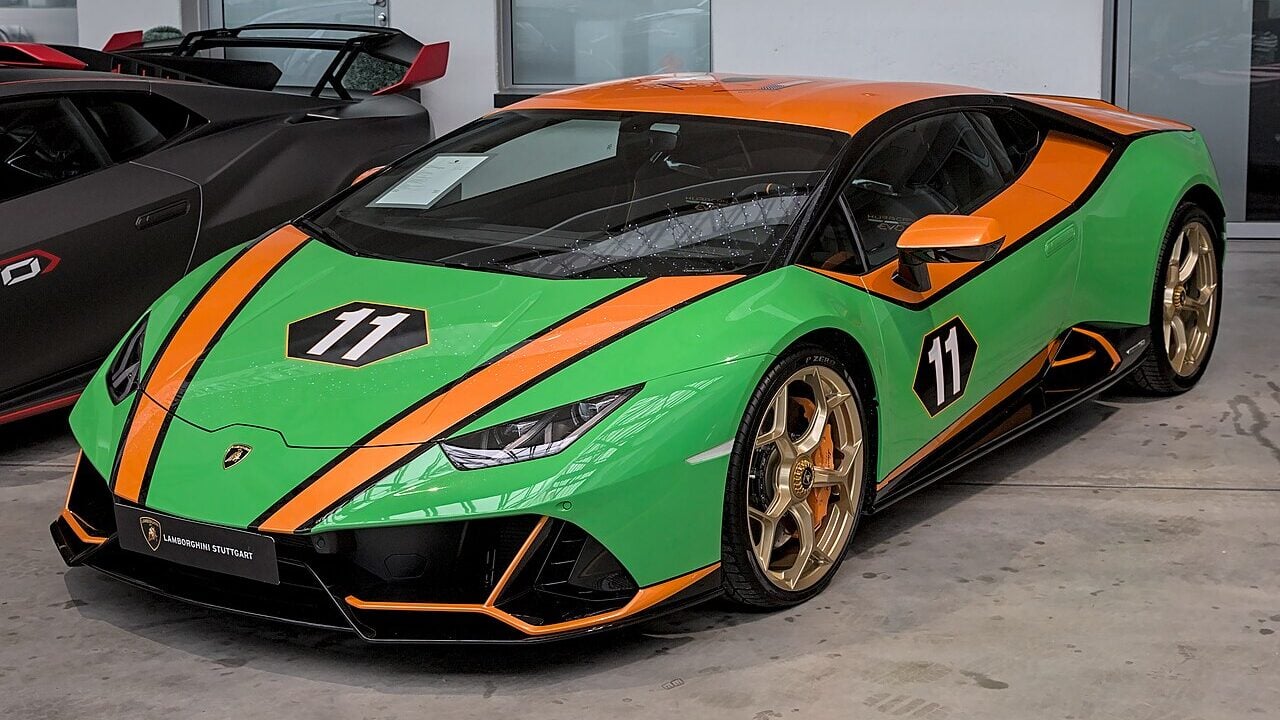
Over the years, Lamborghini has perfected two engine configurations, the V12 and the V10. The V12 has traditionally been used in the Italian carmaker’s flagship models, and the V10 is found in the “entry-level” models. We use that term very loosely when talking about Lambos.
During the Huracán’s 10-year production run, several versions and special editions have been produced. It doesn’t really matter which one you prefer, as they all have a 5.2-liter V10 engine fitted behind the driver. With anywhere from 572 to 631 horses, the Huracán should be able to satisfy even the most power-hungry gearheads.
E60 BMW M5

Back in the mid-2000s, carmakers went a bit nuts and fitted V10 engines in sedans and even SUVs. We miss those days. The legendary BMW M5 was one of the models to receive the V10 treatment. At first, the E60 BMW M5’s V10 engine was an award-winning marvel and was named Engine of the Year two years in a row. But then, things started to fall apart. Literally.
As reported by Pistonheads, it soon turned out that the S85 V10 unit had a nasty habit of self-destructing. However, this article isn’t about cars you should buy, it’s about cars you should drive, and you should absolutely get behind the wheel of the E60 M5 at least once. When fired up and driven as it was designed to be driven, it howls unlike anything you’ve ever heard, and its 500+ hp is more than enough to have some fun.
E63 BMW M6
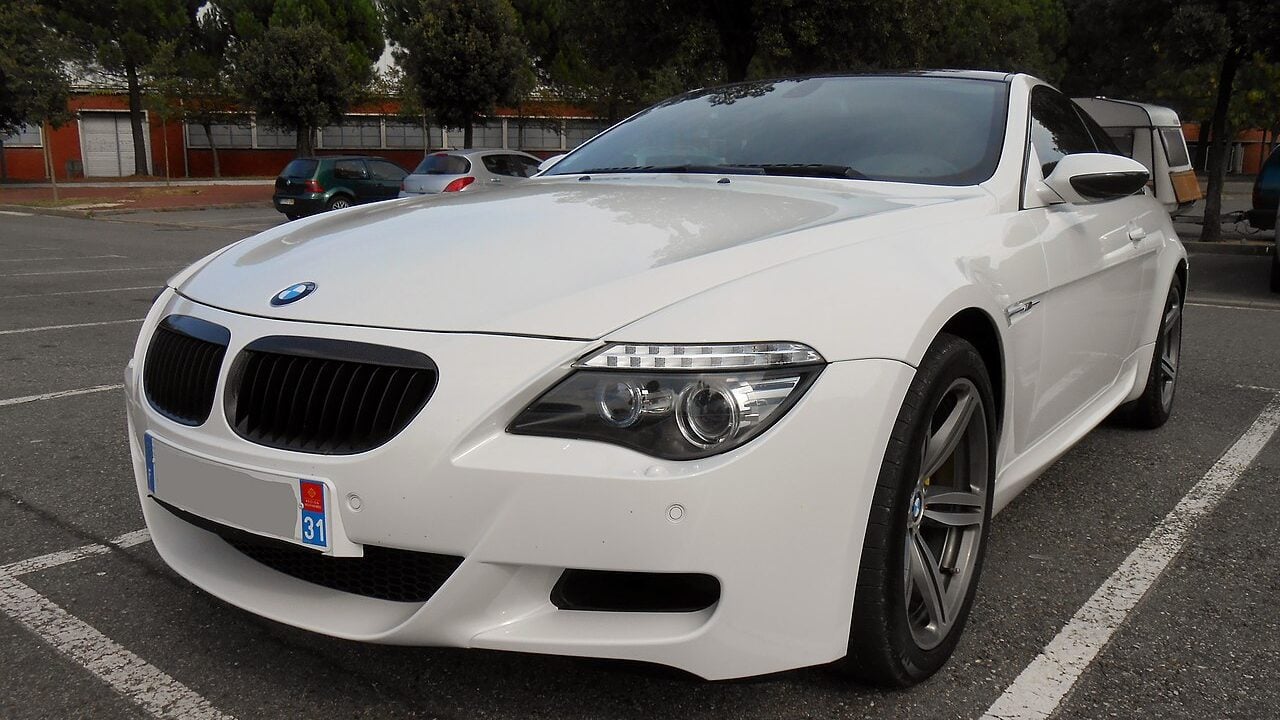
BMW didn’t just put its 5.0-liter V10 engine in the M5; the infamous unit also found its way under the hood of the M6 and was mated to a 6-speed manual or a 7-speed single-clutch SMG gearbox.
The Chris Bangle-designed car had very controversial styling when it first arrived, but it has matured like fine wine and is widely accepted today. While it has more than its fair share of problems, we’d love to take one for a spin.
D3 Audi S8
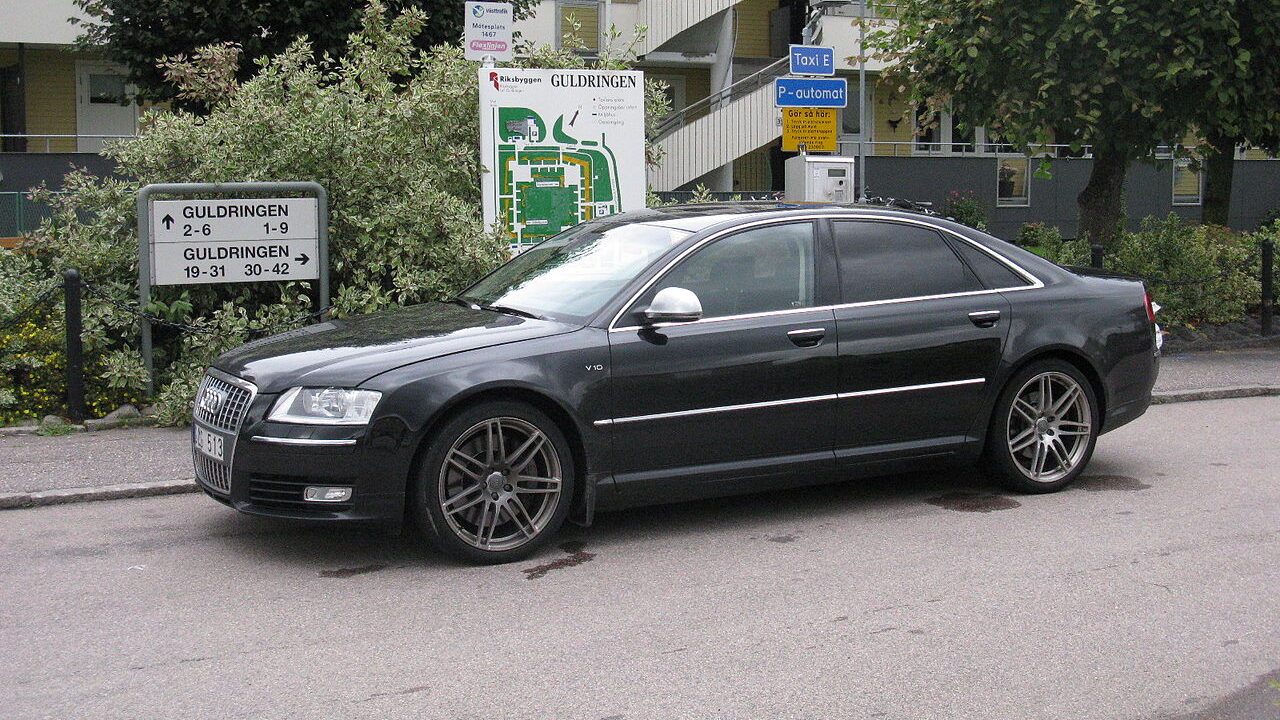
Audi went into proper luxury sedan territory when they released the A8, and the S8 is the sporty version. The first generation, made famous by its appearance in Ronin, had a V8 engine, but Audi decided a V10 was the way to go when the second generation of S8 arrived in 2006.
When the second generation arrived in 2006, Audi equipped the S8 with a naturally aspirated 5.2 liter FSI V10, part of the same V10 family that later underpinned the R8 V10 and Lamborghini’s Gallardo era V10s. With 444 horsepower and 398 lb-ft of torque sent to all four wheels, the S8 is one serious luxury sedan.
Spania GTA Spano
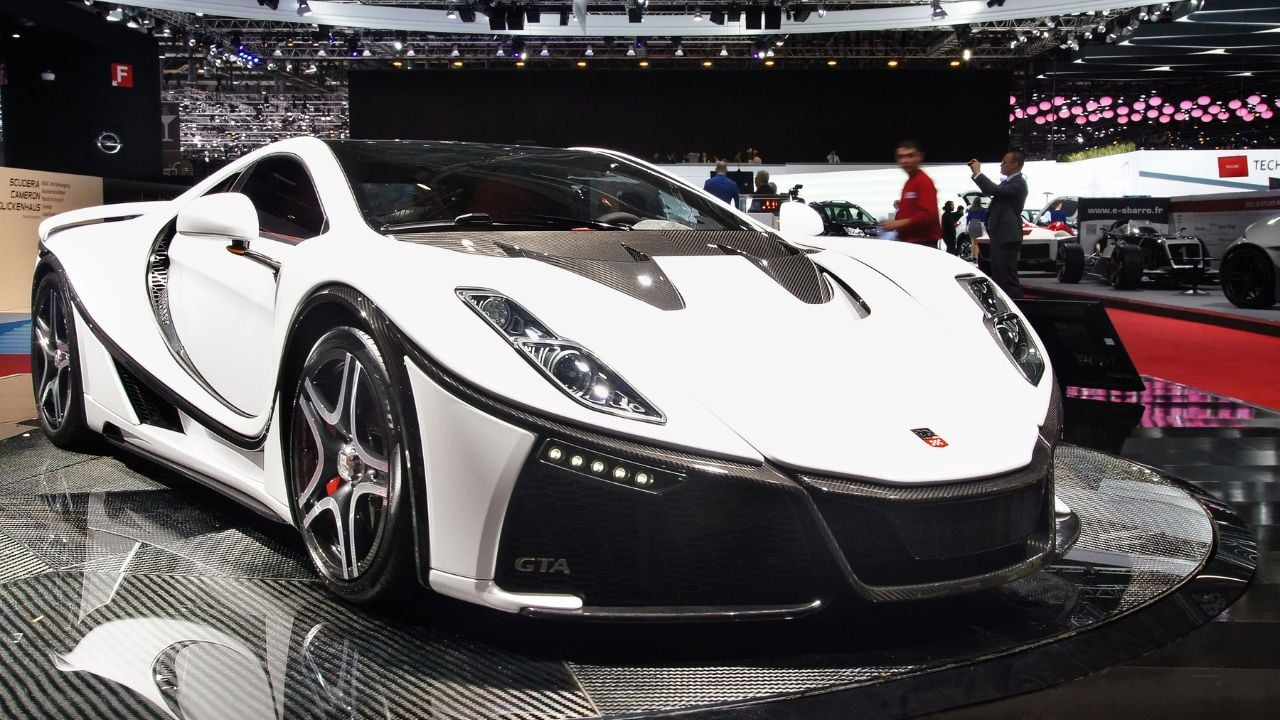
Most gearheads have probably never heard of the Spania GTA Spano, but as the name suggests, this car comes from the land of paella and sangria. While Spain does have a couple of car brands, it’s not in the same league as its neighbors, Italy and France. You’d never guess that by looking at the Spania GTA Spano, though.
It is powered by a rear mid mounted twin turbo Viper based V10, and in its 7,990 cc (8.0 liter) bi turbo form it has been quoted at about 912 hp and 900 lb-ft of torque. The Spano has been marketed as a limited run model with 99 units planned, and at least a small number have been built.
Lamborghini Gallardo

When Lamborghini introduced the Gallardo, they single-handedly created a new generation of gearheads. The Gallardo may not be a flagship model, but it adorned just as many bedroom walls in poster form as the Countach and Diablo before it. It also became Lamborghini’s volume cornerstone of the era and the brand’s best seller at the time, with 14,022 built.
As per Autoevolution, during its production run, a variety of Gallardo versions were available, all powered by a V10 engine. The early 5.0-liter Gallardos produced between 493 and 523 hp, and the later 5.2-liter versions had 552 to 562 horses, sending the quickest Gallardos to 60 mph in roughly three and a half seconds.
ItalDesign Zerouno
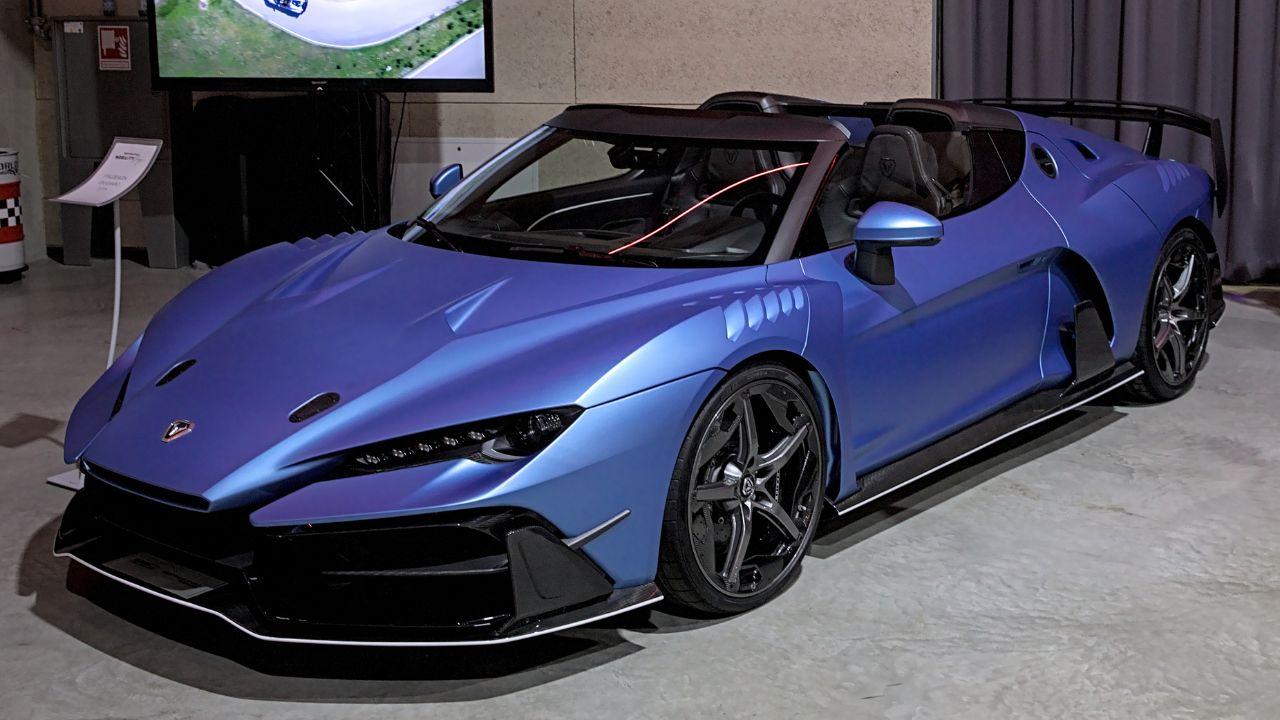
Italy is home to some of the world’s most famous supercars. It’s also the birthplace of the ItalDesign Zerouno, a supercar most enthusiasts haven’t heard of. ItalDesign was founded by famous designer Giorgetto Giugiaro, and over the years, the company has made its mark on the automotive world.
Top Gear claims the ItalDesign Zerouno is based on a Volkswagen-Audi group platform, and the 5.2-liter V10 engine is derived from the one in the Lambo Gallardo and Audi R8. With 602 horsepower and 413 lb-ft of torque, the Zerouno is just as aggressive as it looks and will reach 60 mph in 3.2 seconds and has a top speed of 205 mph. Sadly, only five were made.
Devon GTX
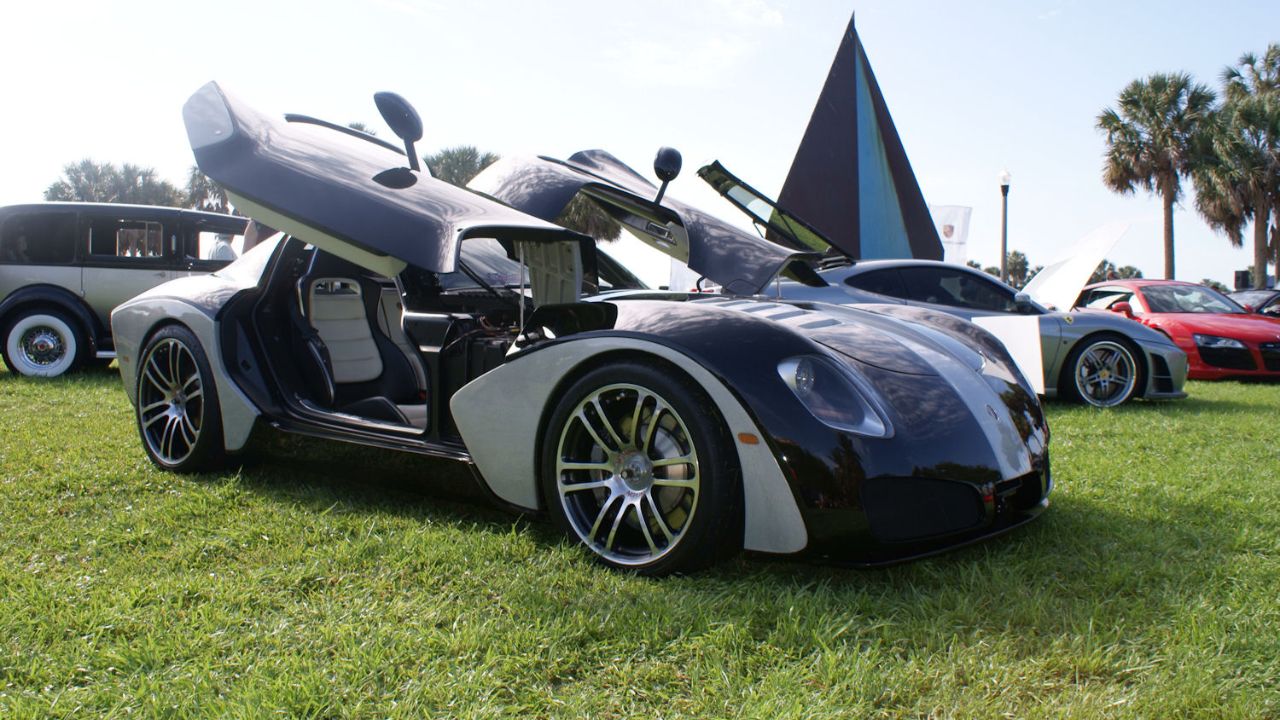
Devon Motorworks is a fairly unknown American sports car company. If you haven’t heard of the Devon GTX, it’s probably because it never entered production. According to Top Gear, it’s based on the Dodge Viper, but with a new carbon body. Devon tried to purchase the rights to the Viper platform after the 2nd-gen Viper was discontinued. Unfortunately, they couldn’t pay Chrysler the $10 million asking price, effectively putting an end to the project.
The Devon GTX has the Viper’s 8.4-liter V10 engine, fitted with a different exhaust and intake system to produce 650 horsepower. It was fast, too, and Devon claimed an unofficial Laguna Seca lap record for a street legal, near production car at the time.
Alfa Romeo Zagato TZ3 Stradale

We wish the stunning Alfa Romeo Zagato TZ3 Stradale were as mass-produced as the Viper it’s based on, but according to Car and Driver, Alfa decided to only make nine cars. The long hood gives us a hint that there’s something special hiding underneath it, and when the 600-horsepower 8.4-liter V10 fires up, our suspicions are confirmed once and for all.
The TZ3 Stradale has a carbon fiber body, and we think it looks even better than the Viper ACR it’s based on. However, interior-wise, it’s mostly the same as its American cousin.
Bristol Fighter

Every car enthusiast has heard of British sports carmakers such as Aston Martin, McLaren, and Jaguar. However, the island kingdom also has many smaller sports car manufacturers that have been around for ages. Bristol Cars was one of those companies, operating from 1945 to 2020.
During its years in business, Bristol produced some interesting cars, but the Fighter is the only one we’re really interested in. Evo reports it was introduced in 2004 with a Dodge Viper engine under its long hood. One feature the Bristol Fighter had that you won’t find on the Viper is its gullwing doors, but that wasn’t enough to attract customers. No one knows exactly how many Bristol Fighters were built, but according to Hagerty, it’s between 8 and 20 cars.
VLF Force 1 V10
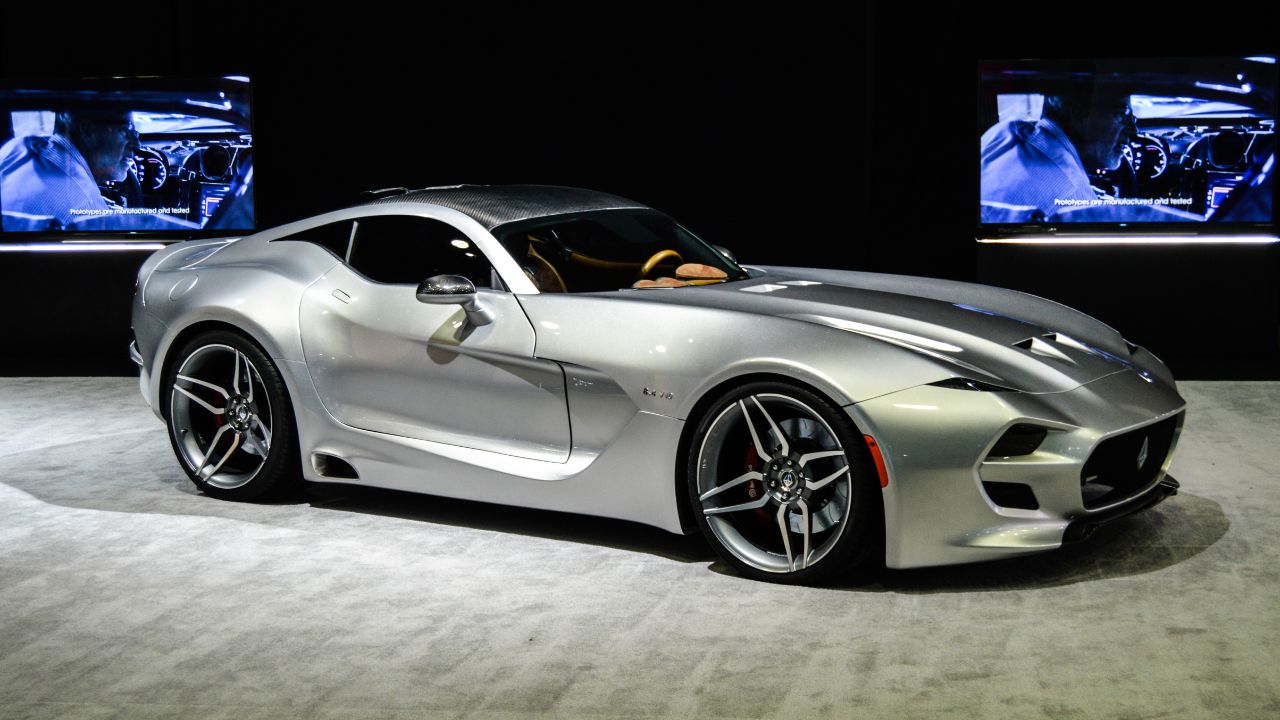
Have you heard of VLF Automotive? Most people haven’t, but some big names from the automotive industry were involved. My Auto World says the company was founded by Bob Lutz and Gilbert Villareal, and Henrik Fisker would later join them as the lead designer.
MotorAuthority reports that the VLF Force 1 is a high-end sports car that’s based on the Dodge Viper, using its chassis and engine. American racing driver and Viper enthusiast Ben Keating was also involved with developing the Force 1, and with his help, they tweaked the 8.4-liter V10 engine to produce 745 horsepower instead of 640 as it does in the Viper. Apparently, the Force 1 will reach 60 mph in 3.0 seconds and has a 218 mph top speed. Only five were made, so our chances of seeing one in the wild are rather small.
Fisker Latigo CS
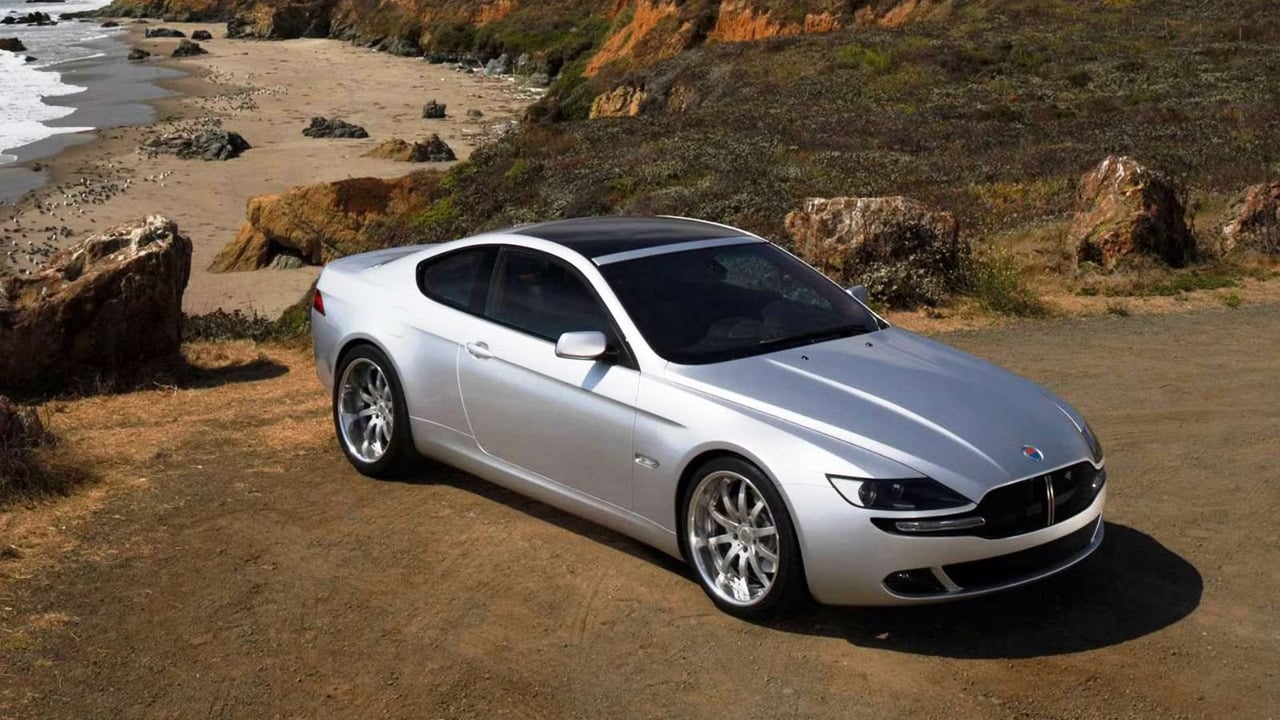
If you ask a car enthusiast to name a car made by Fisker, they’ll probably mention the Karma or the Ocean. However, Fisker has made other cars, too! One of those is the Latigo CS, a V10-powered car that every gearhead should drive at least once.
Whereas the Karma tried to position Fisker as a green car manufacturer, the Latigo CS did the exact opposite of that. MotorTrend reports that it’s a coach-built car using the chassis from the BMW 6 series, but the Latigo CS looks better than the Bimmer ever did. Another thing Fisker borrowed from the Germans was BMW’s S85 5.0 liter V10, and some sources have reported the Latigo CS was tuned as high as about 650 hp.
Wiesmann MF5 Roadster

Wiesmann builds some uber-exclusive vehicles. The hand-built Wiesmann MF5 Roadster is a car for connoisseurs, so if you do see one, you know the driver is a proper gearhead. New, these cars sold for just under $200,000, and it’s probably worth every penny, seeing as fewer than 200 were made.
If there’s one questionable thing about the MF5, it’s the fact that it uses the infamous BMW S85 5.0-liter V10 engine. Yes, the BMW S85 V10 version is rated around 500 hp and 383 lb-ft of torque, but the maintenance costs can potentially be astronomical. Then again, those with 200 grand to spend on a car probably aren’t overly worried about the occasional engine rebuild?!
More Cylinders, More Power

While V10-engined cars are rare, we’ve still managed to come up with 20 of them, and every single one is a spectacle! Real driving enthusiasts would probably consider selling a kidney for a chance to drive them all.
While that’s a bit extreme for us, we certainly think they’re worthy of a spot on any self-respecting gearhead’s bucket list. Have you driven one (or more) of them? Or do you know of another V10-powered car that should be included? Let us know in the comments.