For die-hard JDM fans, the countdown to a car’s 25th birthday can feel like an eternity. U.S. import rules make these cars a waiting game, but early 1999 builds of the R34 Skyline GT-R and Silvia S15 are already eligible under the 25-year rule, with later build dates still requiring more time, unless you live in Canada, where the exemption starts at 15 years from the month and year of manufacture.
But here’s the good news: you don’t have to spend a decade in the import waiting room to get behind the wheel of something unique, exciting, and built in Japan. While the market chases big-ticket legends, there’s a whole world of underrated JDM cars that are already legal to import and still flying under the radar.
Honda Z
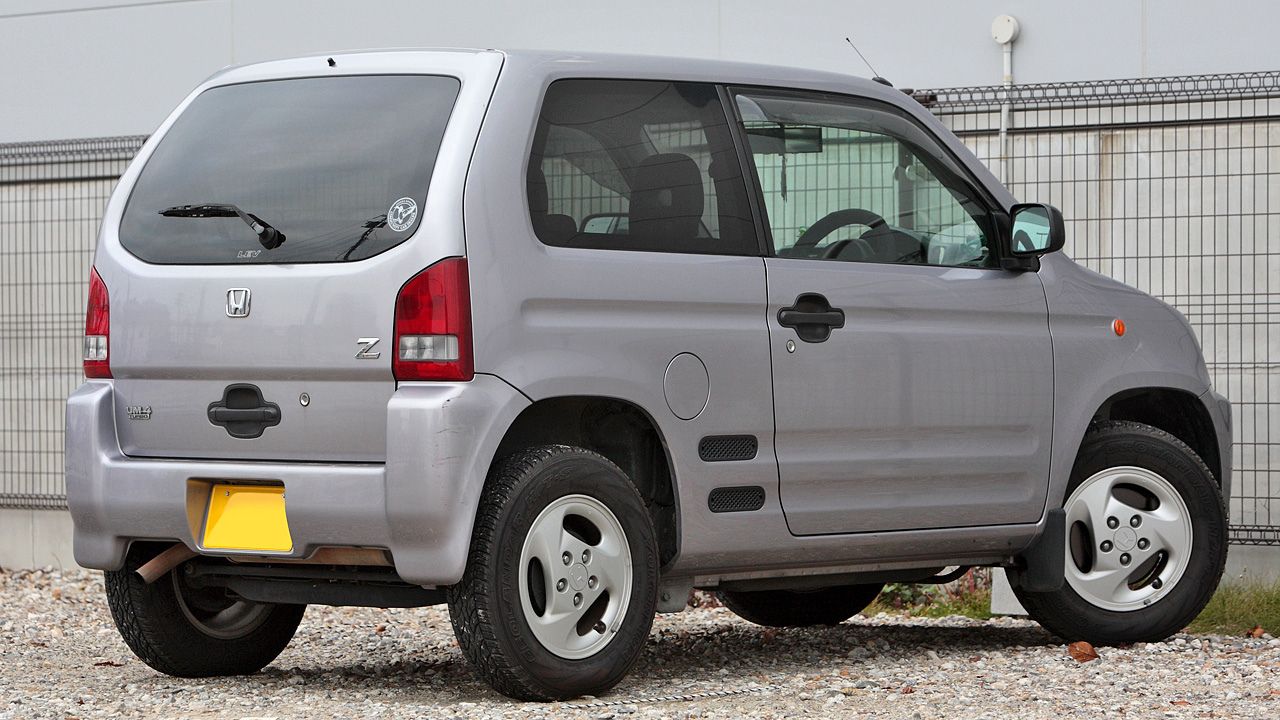
Honda revived the Z badge in 1998 for something truly unexpected: a compact crossover kei car that packed big personality into a pint-sized package. Powered by a 656cc three-cylinder engine offered in naturally aspirated or turbo form, the second-generation Honda Z was sold with 4WD and a 4-speed automatic.
Wrapped in retro-futuristic styling and brimming with charm, it looked like something straight out of anime. Don’t let the size fool you; this thing is an absolute conversation starter and a fun little oddball, with 1998 to 2001 examples already old enough for the 25-year rule depending on the build month.
Eunos Cosmo
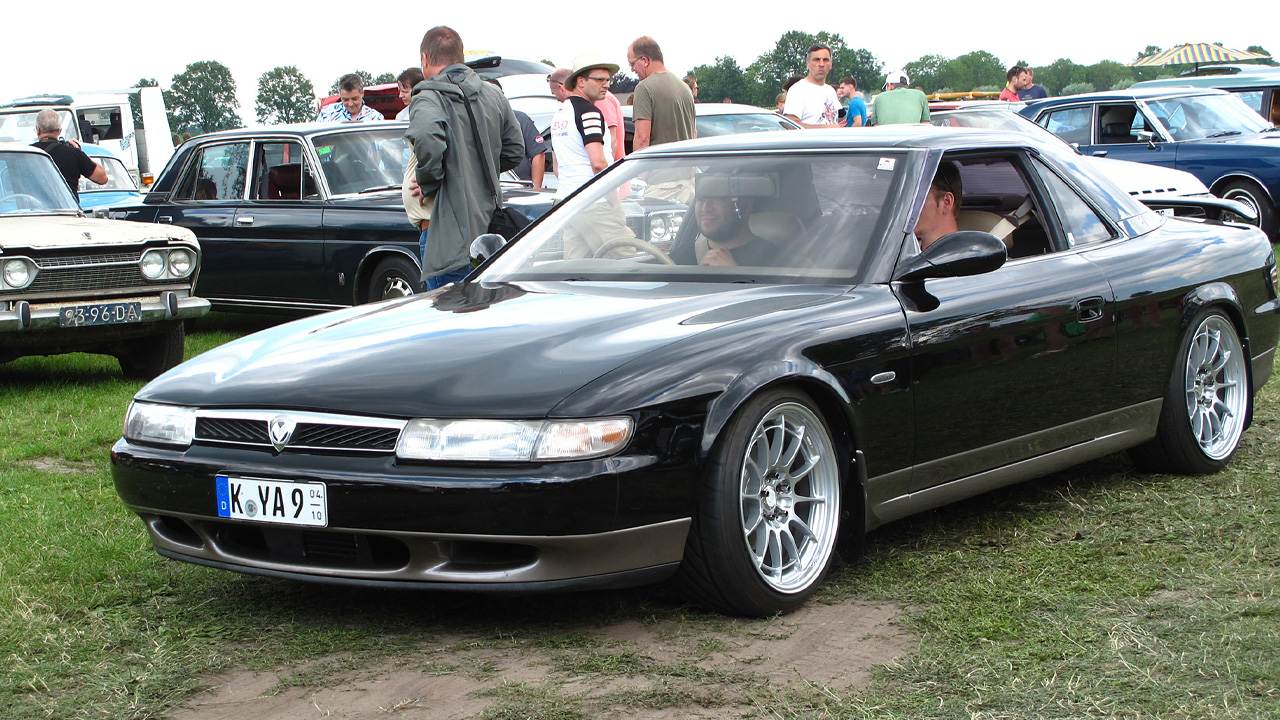
Mazda’s rotary obsession didn’t stop at RX models and tiny trucks. In the 1990s, at the height of Japan’s bubble economy, its upscale Eunos brand unveiled the Cosmo, a high-tech, high-style grand tourer powered exclusively by rotary engines.
You could spec it with either a twin-rotor 13B or the rare triple-rotor 20B, making it the only production Mazda ever to offer a 3-rotor setup. Inside, the Cosmo was loaded with ahead-of-its-time features like GPS navigation and a touchscreen interface, all in a sleek, cyber-luxury coupe body that wouldn’t look out of place in a sci-fi movie.
Just know what you’re getting into: Rotaries are fun, but they demand respect (and frequent oil checks).
Toyota Crown (S170)
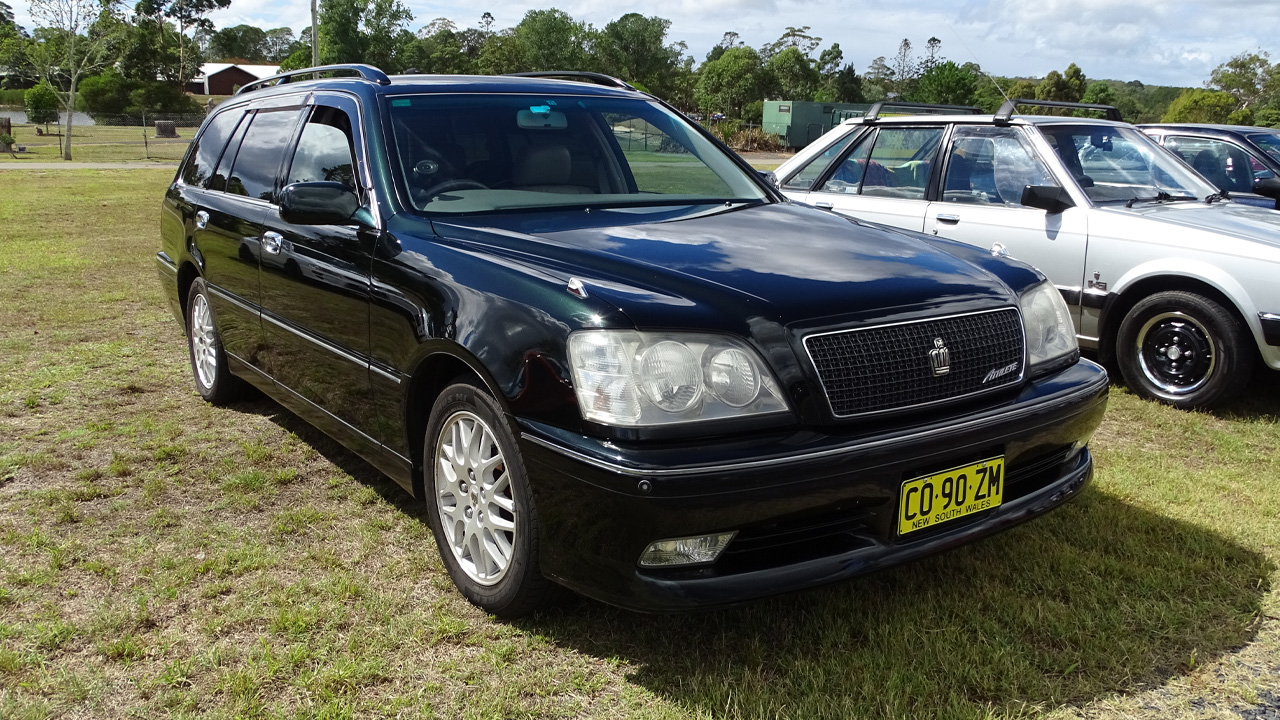
Before Lexus launched its dealer network in Japan in 2005, Toyota’s top-end domestic luxury models wore Toyota badges, including the Crown. The S170 generation arrived in 1999, and many examples are now old enough to import to the U.S., but the Crown nameplate continued well past Lexus’s 2005 Japan launch.
Why should you care? Because this stately sedan or Estate could be optioned with a 2JZ family 3.0-liter inline six in some trims, while the Athlete V used the turbocharged 1JZ GTE. Add in plush, understated styling and real-deal Japanese executive car vibes, and you’ve got an irresistibly cool alternative to more obvious JDM imports.
Honda Acty Truck
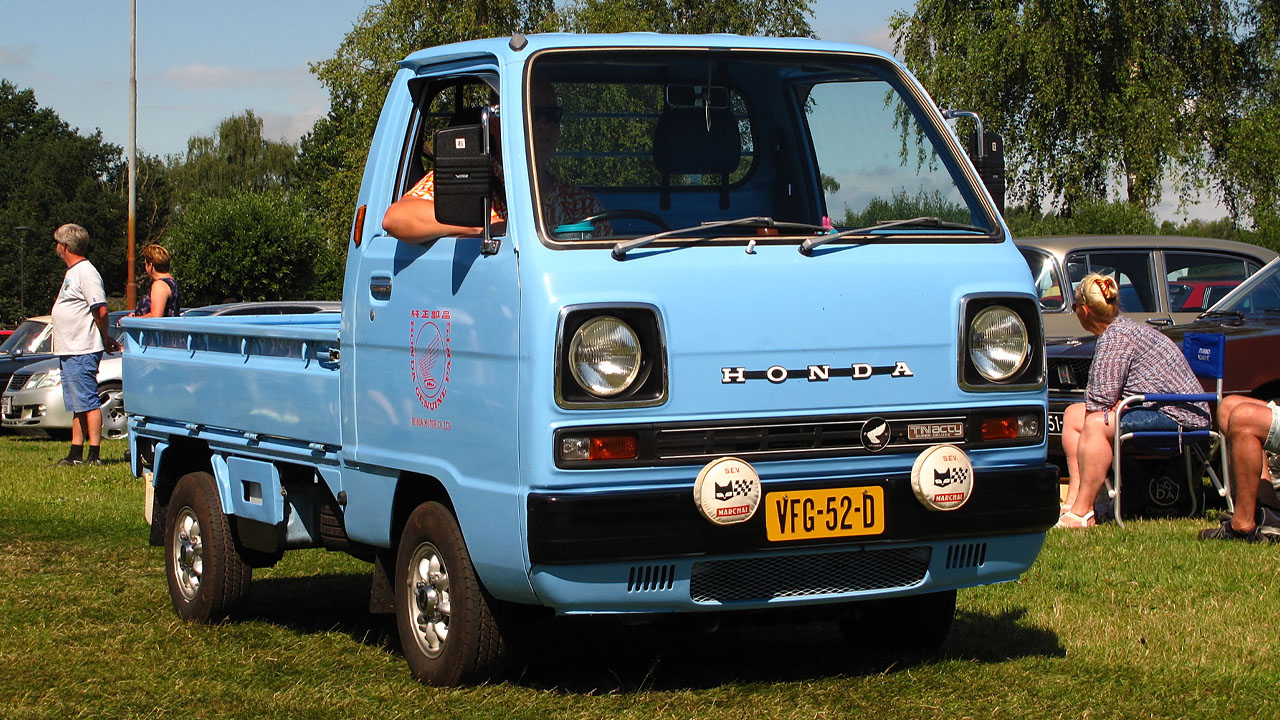
The Honda Acty may not turn heads like an NSX, but this humble kei truck has earned cult status for a reason. Designed to be small, simple, and endlessly practical, the Acty delivers real utility in a tiny footprint, with a genuinely usable bed for light hauling
It’s not fast, it’s not fancy, but it’s cool in a way most trucks can only dream of. Whether you’re hauling mulch, motorcycles, or just vibes, the Acty is a reliable reminder that function and charm can absolutely coexist.
Nissan Be-1

Nissan’s Pike Factory lineup was a masterclass in quirky, retro-inspired design, and while the Figaro and S-Cargo often steal the spotlight, the Be-1 might be the most charming of them all. Built on the humble K10 Micra platform, the Be-1 looked like a miniature mashup of a Mini Cooper and a Fiat 500, with just the right dose of 1960s flair.
It came with a modest four-cylinder engine and front-wheel drive, but this wasn’t about performance. It was about personality, and the Be-1 had it in spades. Produced in limited numbers and never officially exported, it’s a rare find today—and one well worth tracking down if you want a JDM import that sparks joy.
Subaru Sambar
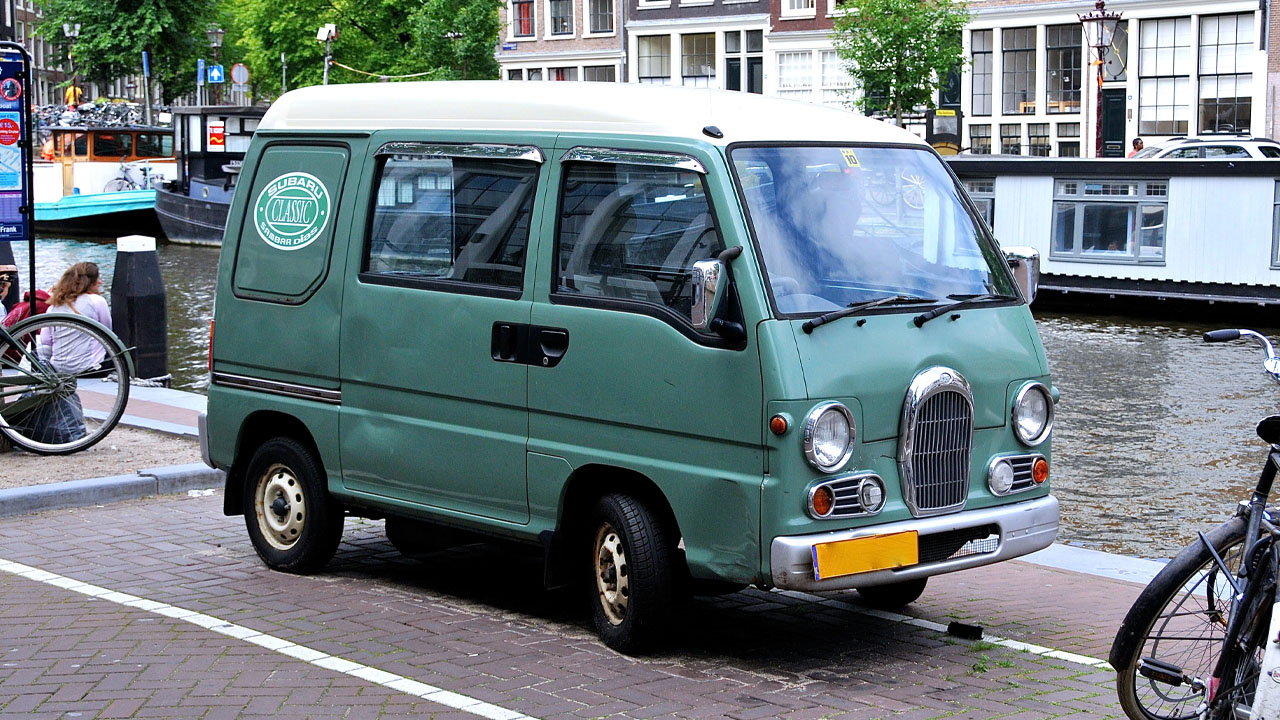
Subaru’s answer to the Honda Acty came in two forms: a kei truck and this, an adorably boxy van with a not-so-subtle resemblance to the classic VW Bus. The Sambar is popular among enthusiasts thanks to its retro charm, rear-engine layout heritage, and the availability of conversion kits that lean into the microbus aesthetic.
Underneath, it’s a no-nonsense kei van built for utility. But pull up to any cars-and-coffee meet, and you’ll quickly find it’s also a crowd magnet. Simple, functional, and endlessly cool, the Sambar proves you don’t need size to make a statement.
Nissan Pulsar GTI-R

This is a simply wild hot hatchback. Like many great hot hatchbacks, the Pulsar GTI-R, also known as the Sunny GTI-R, was designed to comply with rally regulations in the 1990s, specifically those of Group A.
Everything started with the otherwise entirely forgettable Pulsar hatchback, to which Nissan’s engineers affixed some ground effects, new wheels, and a giant, very distinctive hood scoop. The hood scoop is justified, as the SR20DET turbo four-cylinder lies underneath it. You know, like you might find in the S15 Silvia Spec-R.
Honda S-MX
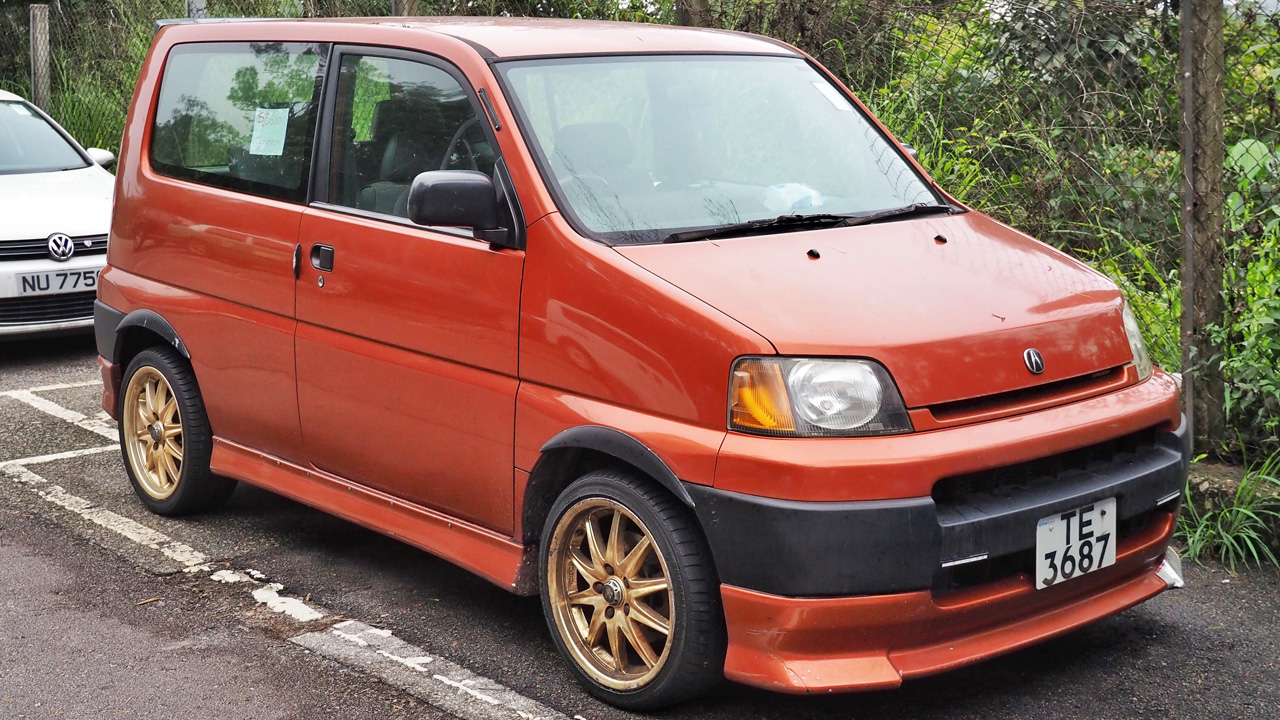
At first glance, the Honda S-MX appears to be just another boxy minivan from the 1990s. But get a little closer (literally and figuratively), and you’ll realize Honda had something cheekier in mind. Inside, the S-MX featured rear seats that folded completely flat, creating a full-length bed, one of several hints at its intended purpose.
The S-MX also packed a B20B engine under the hood, offering real tuning potential. It’s weird, wonderful, and undeniably JDM, perfect for the enthusiast who likes their imports with a sense of humor.
Nissan March Super Turbo
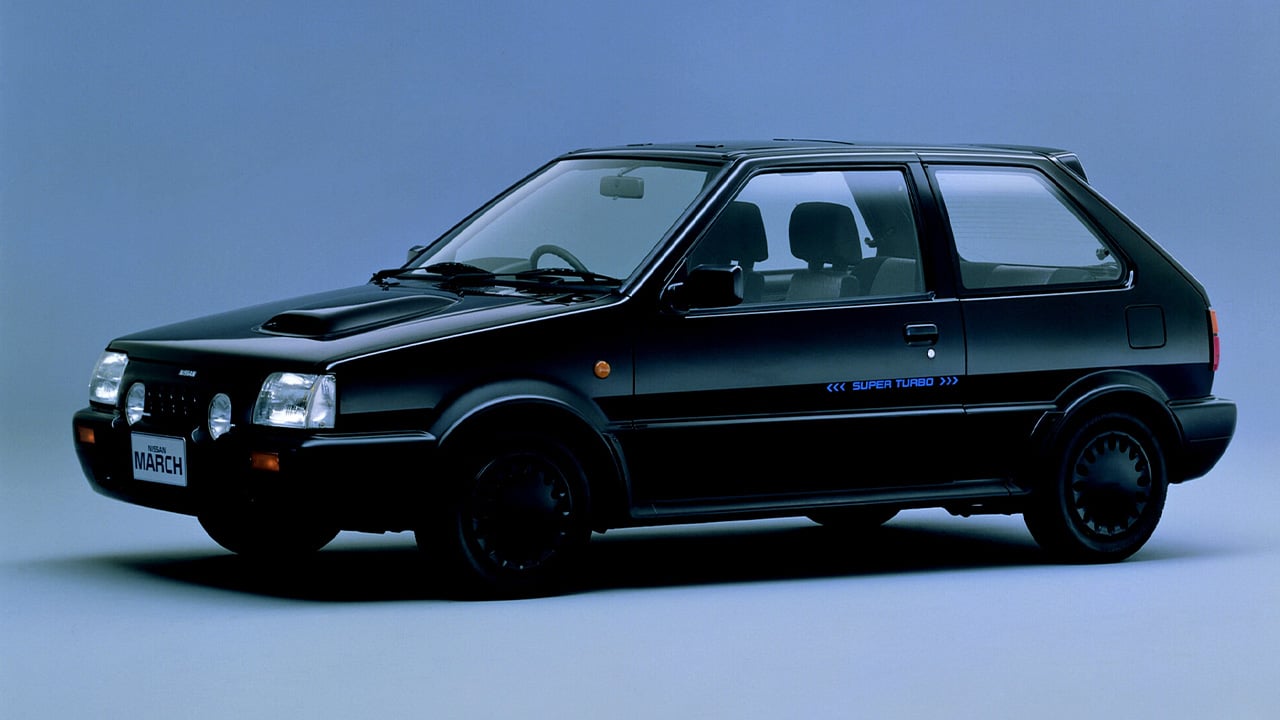
In the late 1980s, Nissan built the March Super Turbo to support its March Little Dynamite Cup Race program. The result? The result? The March Super Turbo is one of the wildest supermini hot hatches Japan ever built. Its name isn’t exaggeration or marketing fluff. This thing was actually both supercharged and turbocharged.
With about 110 horsepower from a 930cc twin-charged engine and a curb weight around 1,650 pounds, the K10 March Super Turbo delivered absurd performance in a tiny package. It’s quick, rare, and brilliantly weird, a true unicorn of the JDM world that punches way above its weight class.
Mitsubishi FTO
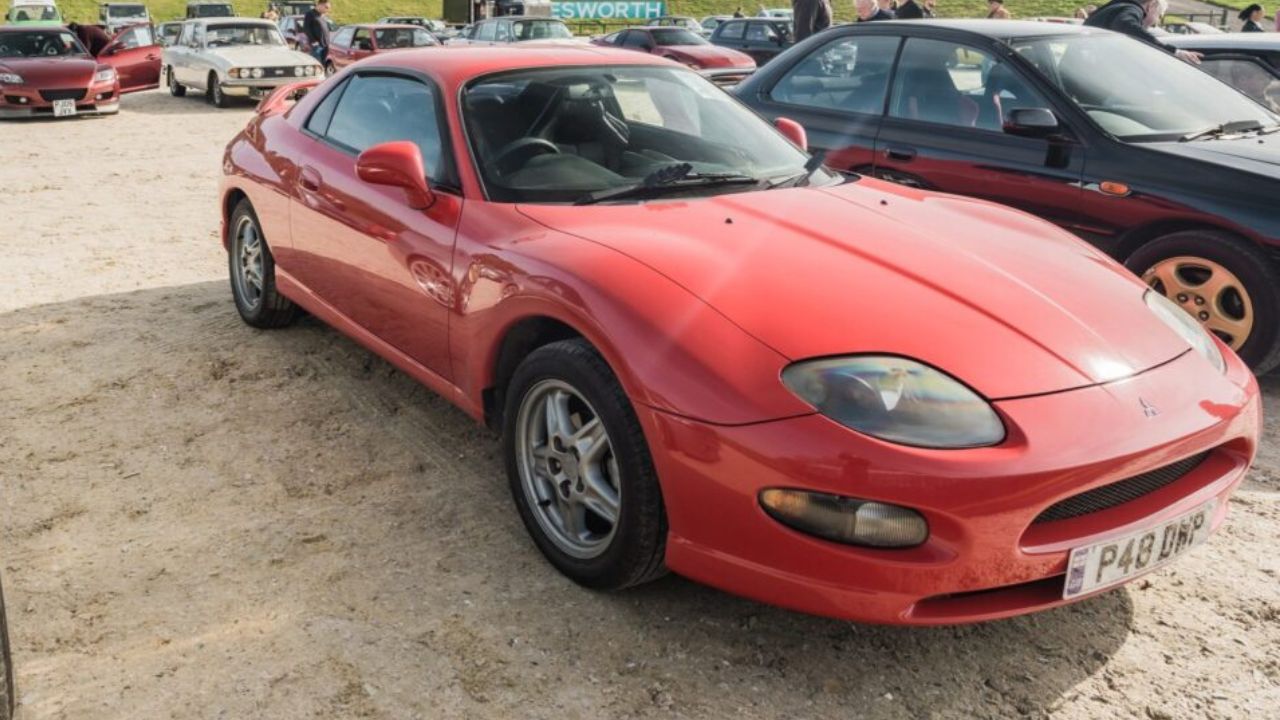
The Mitsubishi FTO is one of those cars that enthusiasts should talk about more, but don’t. Originally planned as a Japan market model, the FTO later saw limited official distribution in several right-hand drive markets after strong grey market import demand.
While smaller than its siblings, the FTO came with serious performance potential, especially in GPX trim, which featured a high-revving MIVEC-equipped V6 paired with either a conventional automatic or a 5-speed manual. Agile, fun, and distinctively styled, the FTO is a reminder that Mitsubishi once made more than just SUVs and economy cars; it made emotion-packed machines.
Mazda 323 GTR
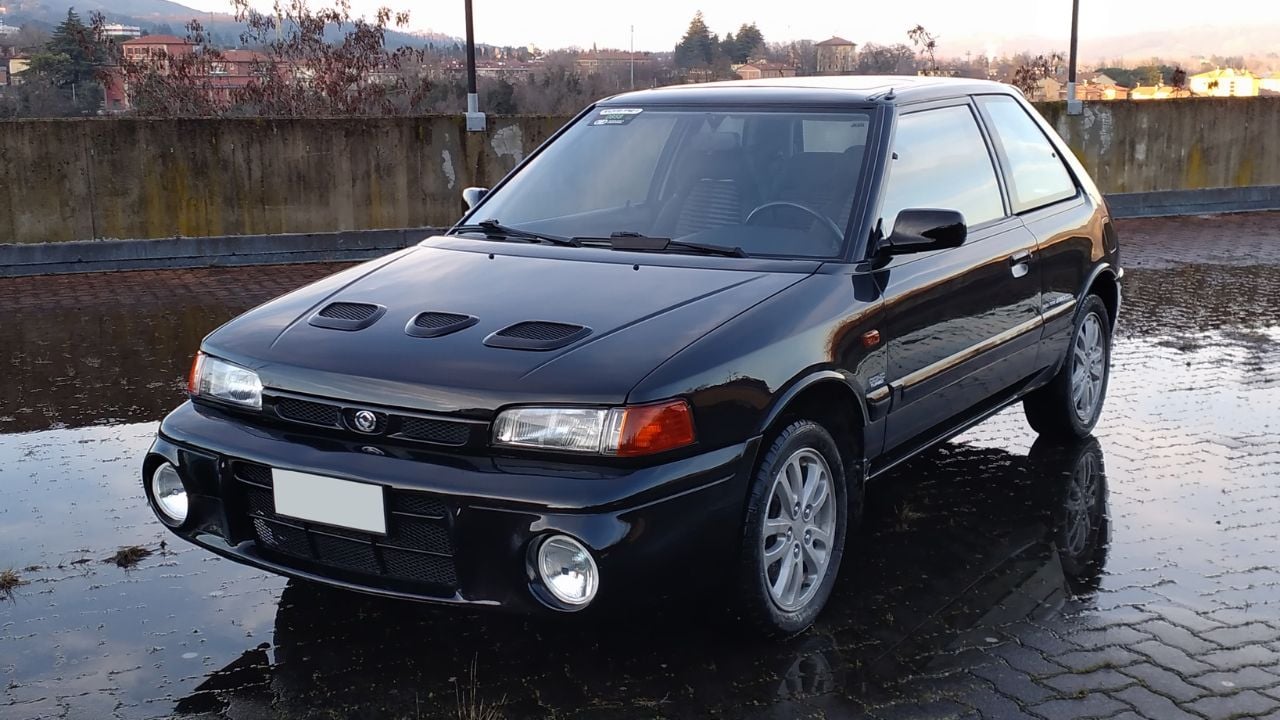
When Group A rallying ruled the early ’90s, Mazda threw its hat into the ring with the 323 GTR, a box-flared, turbocharged hatchback built to homologate its WRC contender. It may not have the street cred of a Lancia Delta or Celica GT-Four, but performance-wise, it’s right in the mix.
Under the hood sat a 1.8-liter turbocharged inline four making up to 210 PS in Japan, with lower output in some export markets, sent to all four wheels. With production commonly cited around 2,200 units, the 323 GT-R is rare, rowdy, and criminally underappreciated, exactly the kind of car JDM fans live for.
Mitsubishi Pajero Mini

Think of the Mitsubishi Pajero Mini as the off-roader that hit “shrink” in the copy machine, and the result is surprisingly awesome. Modeled after its full-size sibling (sold in the U.S. as the Montero), the Pajero Mini packed rugged capability into a kei car shell.
Despite its toy-like dimensions, it was available with four-wheel drive, making it a legitimately capable kei-sized runabout for rough roads and light trails. Whether you’re tackling trails or want the coolest micro-SUV at your local meet, the Pajero Mini delivers maximum charm with minimum bulk.
Toyota Soarer
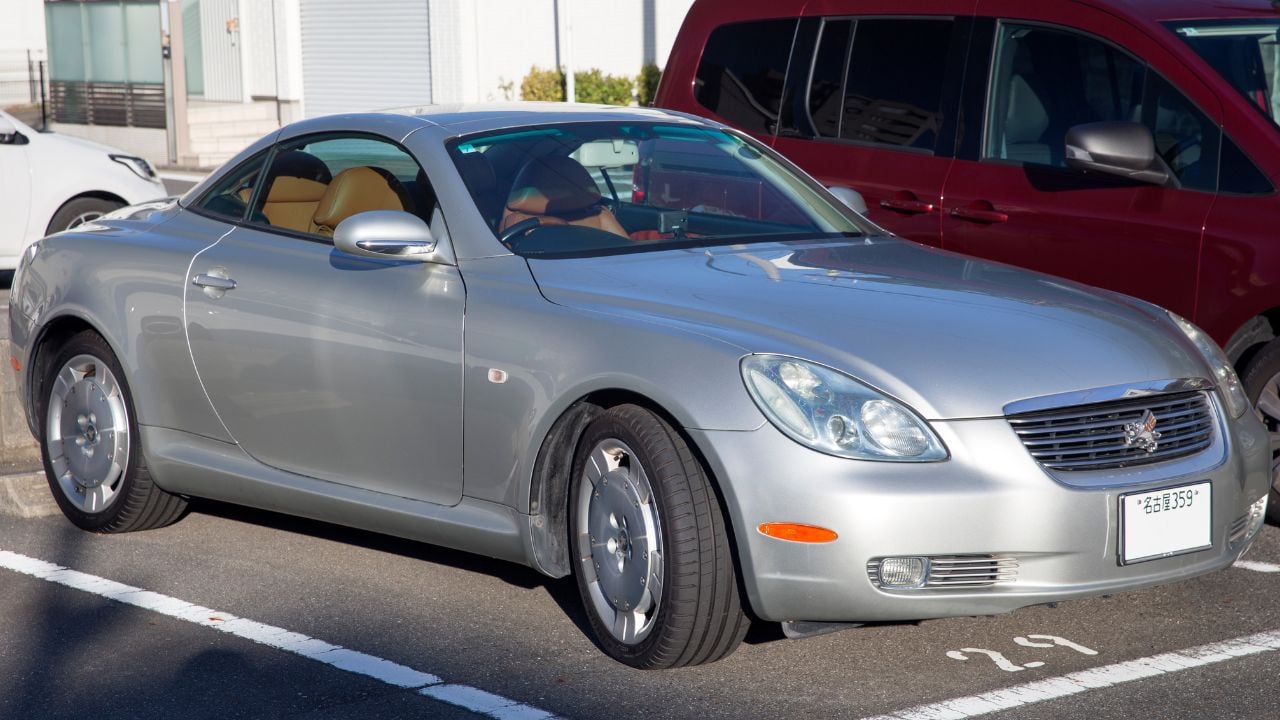
While U.S. buyers knew it as the Lexus SC300 or SC400, the Toyota Soarer was the original, and in many ways, the cooler, version. Built on the same platform, the Soarer shared the elegant design and smooth ride but added features that never made it to the States.
Most notably, it was available with the turbocharged 1JZ-GTE inline six, and Toyota offered a factory manual on certain Soarer trims, while U.S. Lexus SC models never combined a turbo engine with a manual. Add in futuristic options like factory touchscreen navigation and four-wheel steering, and the Soarer stands out as one of the most refined and capable JDM GT cars of its era. It’s quiet, quick, and effortlessly cool.