A low-stress adventure trip needs one clear outdoor focus per day. A hike, boat trip, scenic drive, hot-spring visit, lake crossing, lift ride, canyon lookout, or train route should have enough time around it for meals, weather changes, transport, and daylight.
Madeira can pair Funchal with a levada walk, viewpoint, garden, or natural pool. The San Juan Islands can use ferries, small towns, kayaking, wildlife tours, and Salish Sea time without turning every day into a long drive. The Blue Ridge Parkway can be planned as one short scenic section instead of a full 469-mile route.
Arenal and La Fortuna can combine national-park trails with hot springs in the same region. Lake Bled can use a lakeside walk, boat crossing, island visit, cream-cake stop, and castle viewpoint. Kauai can pair beach time or small towns with Waimea Canyon, river activities, waterfalls, or a scenic drive.
Val Gardena uses summer lifts to reduce the effort required for Dolomite views, while Scotland’s West Highland Line gives travelers mountain and loch scenery without driving. Each trip still needs weather checks, road or trail updates, ticket planning, and realistic timing before the day starts.
1. Madeira, Portugal

Madeira’s plan should not try to cover the whole island in one loop. Use Funchal for markets, cafés, gardens, cable cars, seafood, and ocean views, then choose one outdoor route or coastal stop for the day. Mountain weather can differ from Funchal’s weather, so trail forecasts and road conditions should be checked before leaving the coast.
The PR 6 Levada das 25 Fontes gives travelers a defined hike rather than a vague “go into nature” plan. Visit Madeira lists PR 6 Levada das 25 Fontes at about 4.3 kilometers, with an estimated duration of 3 hours. The route starts from regional road ER 105 in Rabaçal.
That hike should be paired with a simple rest-of-day plan. A slow lunch, a viewpoint, a garden, or a return to Funchal fits better than adding multiple distant stops after a levada route. Wet stone, tunnels, narrow paths, and changing mountain conditions can make a short distance feel longer.
Natural pools, including Porto Moniz, need their own time block if they sit far from the day’s base. Travelers should choose either a levada-and-Funchal day or a northwest-coast pool-and-viewpoint day instead of trying to turn the island into a single rushed circuit.
2. San Juan Islands, Washington

The San Juan Islands work best with ferry timing treated as part of the itinerary. The official San Juan Islands tourism site points visitors toward recreation and wildlife tours, food and farms, history, arts, education, package tours, scenic byways, shopping, spas, and wellness. Those activities sit across different islands, so the day should be planned around one island or one guided outing.
Whale and wildlife watching adds the main open-water element. Visit San Juans says whales can be seen year-round, with April through October listed as the best months, especially for orcas. Travelers should still treat sightings as possible, not guaranteed.
Wildlife distance rules belong in the plan before any private boat or paddle trip. Visit San Juans’ responsible wildlife guidance says boaters should not position a vessel closer than 300 yards from any orca whale in U.S. waters, and should not approach closer than 100 yards to other marine mammals or birds.
A relaxed San Juan day can combine a ferry arrival, one town, one short hike or lighthouse stop, one meal, and one boat or kayak outing. Trying to include several islands, whale watching, biking, and a dinner reservation on the same day creates ferry pressure and reduces time on shore.
3. Blue Ridge Parkway, North Carolina and Virginia
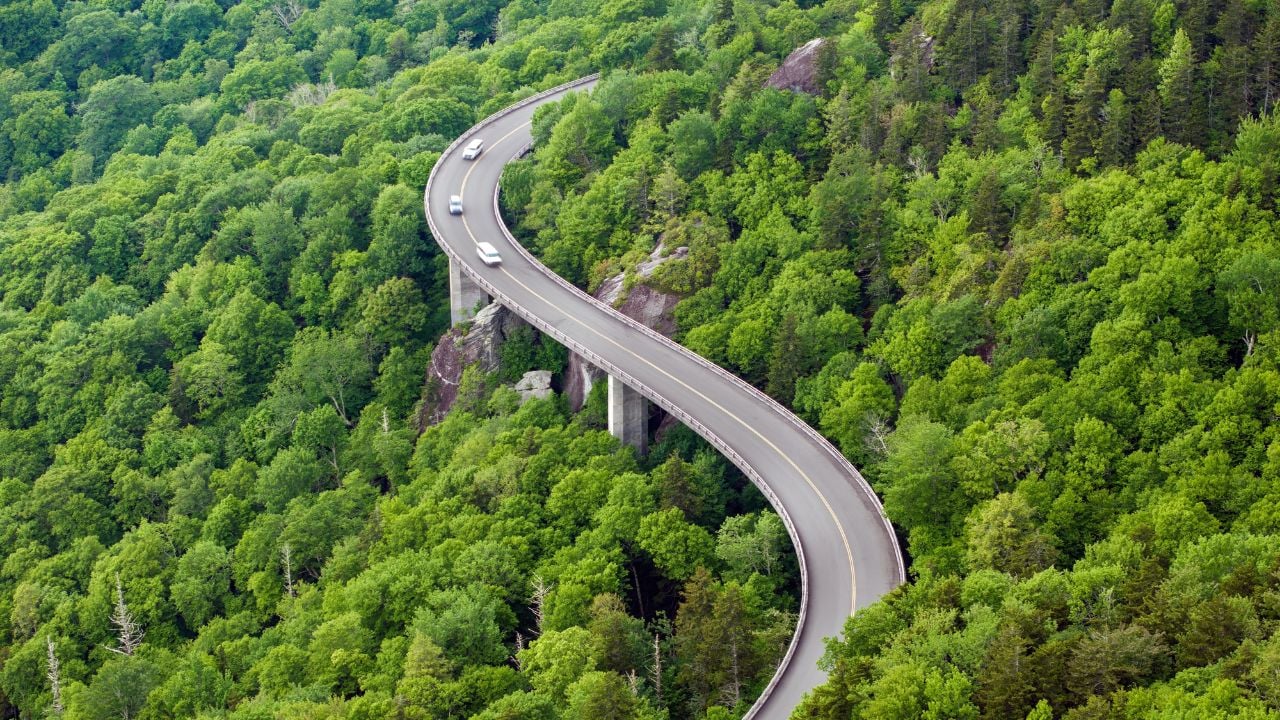
The Blue Ridge Parkway should be planned by section, not mileage ambition. The National Park Service says the Parkway is 469 miles long, with conditions that vary through the year. A short trip should use a limited stretch with a few overlooks, one trail, and a meal stop rather than a full-route goal.
Road status must be checked before departure. The National Park Service says weather, construction, maintenance, and emergency events can cause temporary closures along the Parkway. The road-status page lists open and closed sections by location and milepost.
An Asheville-based plan can use nearby overlooks and one short trail, then return to town for dinner. A Virginia-based plan can focus on a different stretch with its own lodging and stops. Mixing too many mileposts into one day increases driving time and reduces time at overlooks.
Mountain fog, rain, closures, limited services, and sunset timing can change the route quickly. Travelers should carry fuel, snacks, water, and a backup exit road rather than relying on continuous services along the ridge.
4. Arenal and La Fortuna, Costa Rica
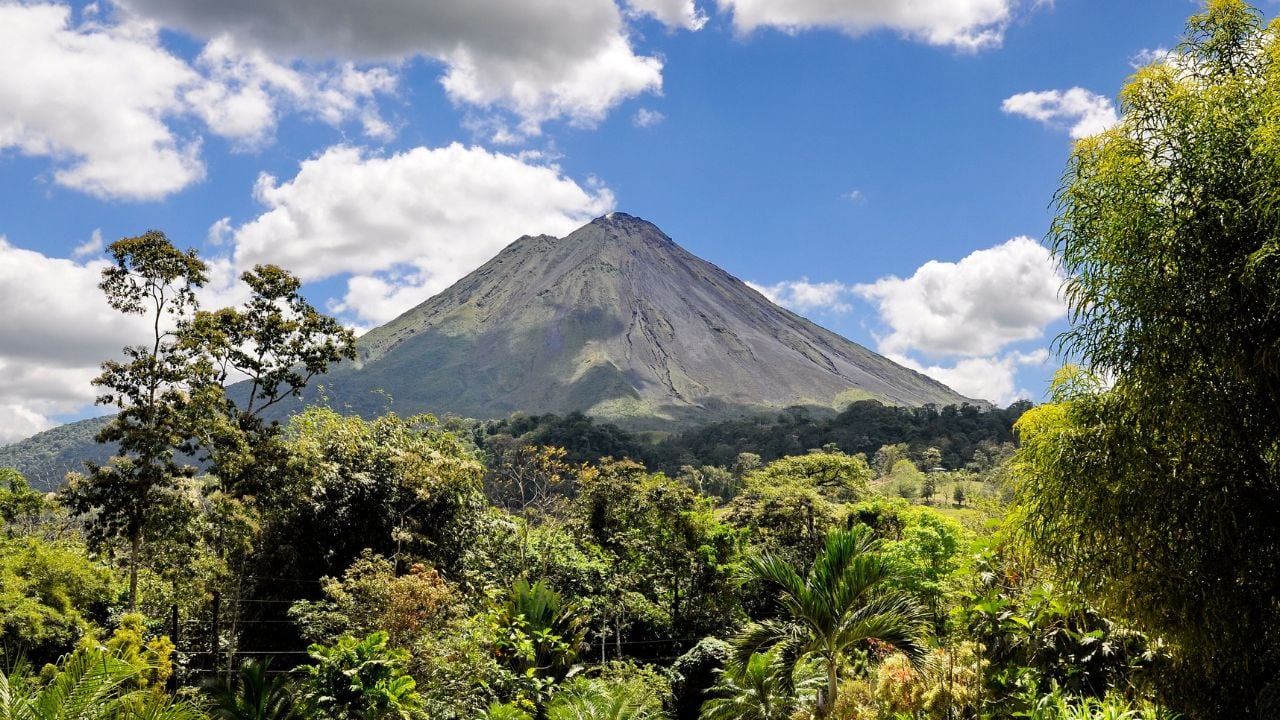
La Fortuna gives travelers a base close to volcano trails, waterfalls, hot springs, and rainforest activities. Costa Rica’s official tourism site says Arenal Volcano National Park is located 15 kilometers from Fortuna and covers 12,124 hectares. The park lists visitor services including information, a ranger station, trails, restrooms, and drinking water.
The park trails give the day structure. Visit Costa Rica lists Heliconias, Coladas, Tucanes, and Los Miradores as trails that allow observation of park flora and fauna, along with lava-tract remains. The official park page lists daily operation from 8 a.m. to 4 p.m.
Hot springs should be planned after the active part of the day. Visit Costa Rica says hot waters from Arenal Volcano feed La Fortuna’s hot springs, with tourist developments offering access to warm mineral water in the rainforest. A volcano-trail morning and a hot-spring evening fit the area better than several separate adrenaline activities stacked back-to-back.
Rain, cloud cover, and trail conditions can change the volcano-view plan. Travelers should check park hours, footwear, transport, ticket rules, and hot-spring reservations before committing the whole day to one weather-dependent view.
5. Lake Bled, Slovenia

Lake Bled can keep a gentle itinerary close to the water. Travelers can combine a lakeside walk, a boat crossing, Bled Island, a cream-cake stop, and a castle viewpoint without turning the day into a multi-town route.
The island crossing has several official options. Bled’s tourism site says visitors can reach Bled Island by traditional pletna boat, a regular shipping service, or a wooden boat with oars. The Bled Boat Line uses a wooden electric boat between the pier below Café Park and Bled Island.
The boat schedule should shape the island visit. Bled’s official Bled Boat Line page lists seasonal daily departures from the pier below Café Park, with more frequent departures from May through September and shorter schedules in colder months.
Lake Bled becomes harder when visitors add too much outside the lake loop. Vintgar Gorge, Bohinj, hikes, and regional drives need separate time, especially in summer traffic or winter weather. A calmer Bled day should keep the lake, island crossing, castle view, and one food stop as the main plan.
6. Kauai, Hawaii
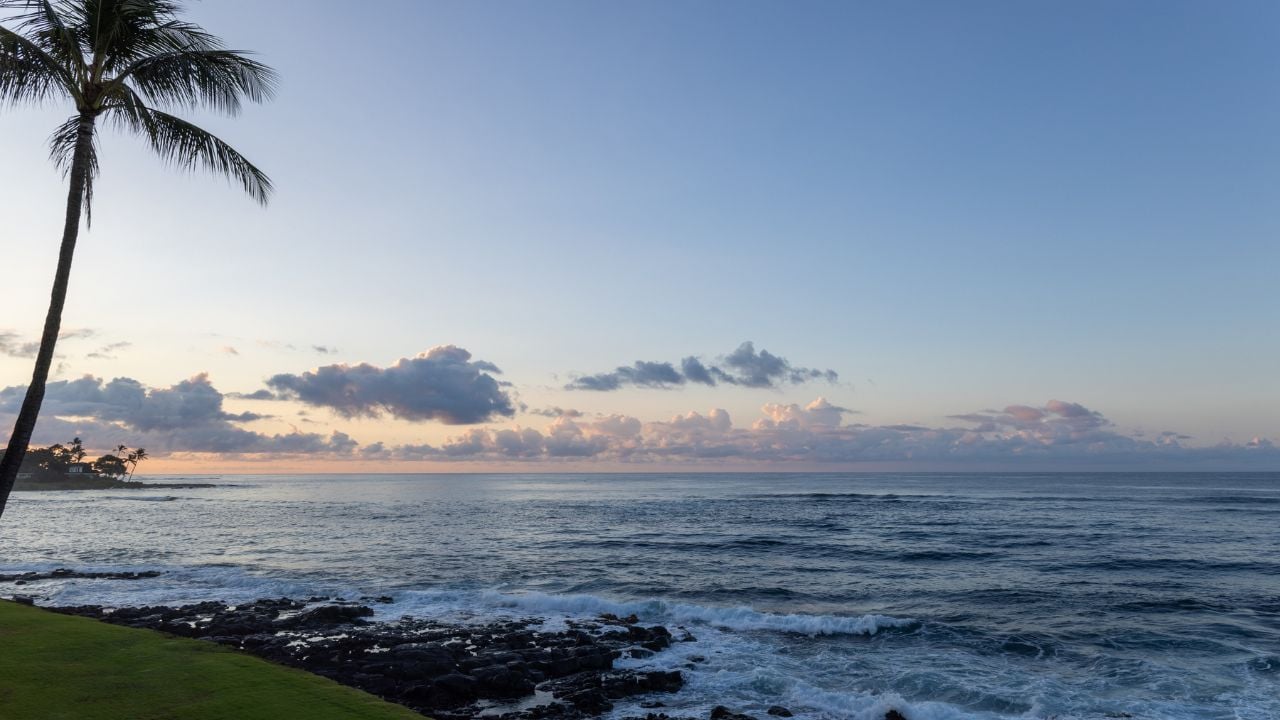
Kauai gives travelers several adventure levels without forcing every day into a high-effort plan. Go Hawaii’s Kauai activities guide points visitors toward beaches, surfing, snorkeling, museums, hiking, ziplining, kayaking, helicopter tours, waterfalls, farmers markets, historical landmarks, and small towns such as Hanapēpē, Kōloa, Waimea, Kapaʻa, and Hanalei.
Waimea Canyon can carry the dramatic part of the trip. Go Hawaii says Waimea Canyon stretches 14 miles long, 1 mile wide, and more than 3,600 feet deep, with panoramic views from the lookout. That viewpoint day should be planned with road time, weather, and fuel in mind.
A calmer Kauai schedule can pair beach time or a small-town morning with one scenic drive, river activity, or canyon viewpoint. Trying to combine the North Shore, Waimea Canyon, a helicopter tour, and a beach afternoon in one day creates too much island crossing.
Rain, surf, road conditions, parking, and reservation rules can change the plan quickly. Travelers should check current conditions before hiking, snorkeling, driving to canyon viewpoints, or booking water activities.
7. Val Gardena, Italy
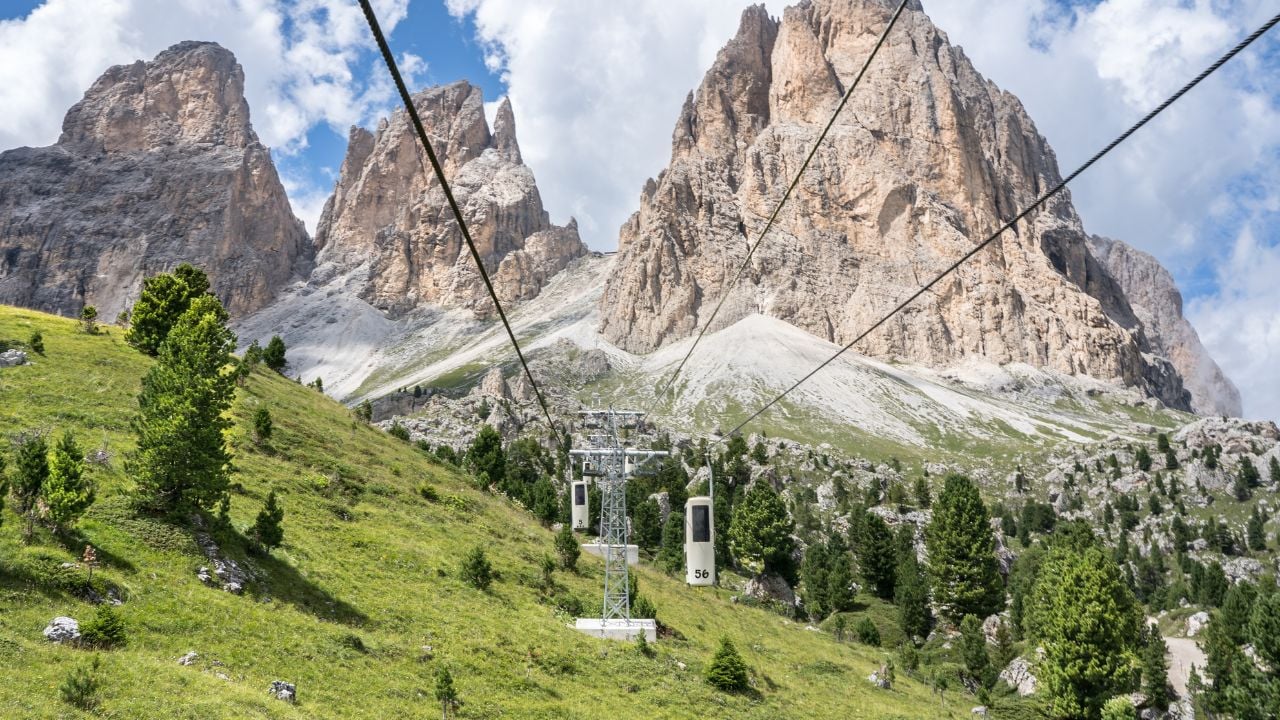
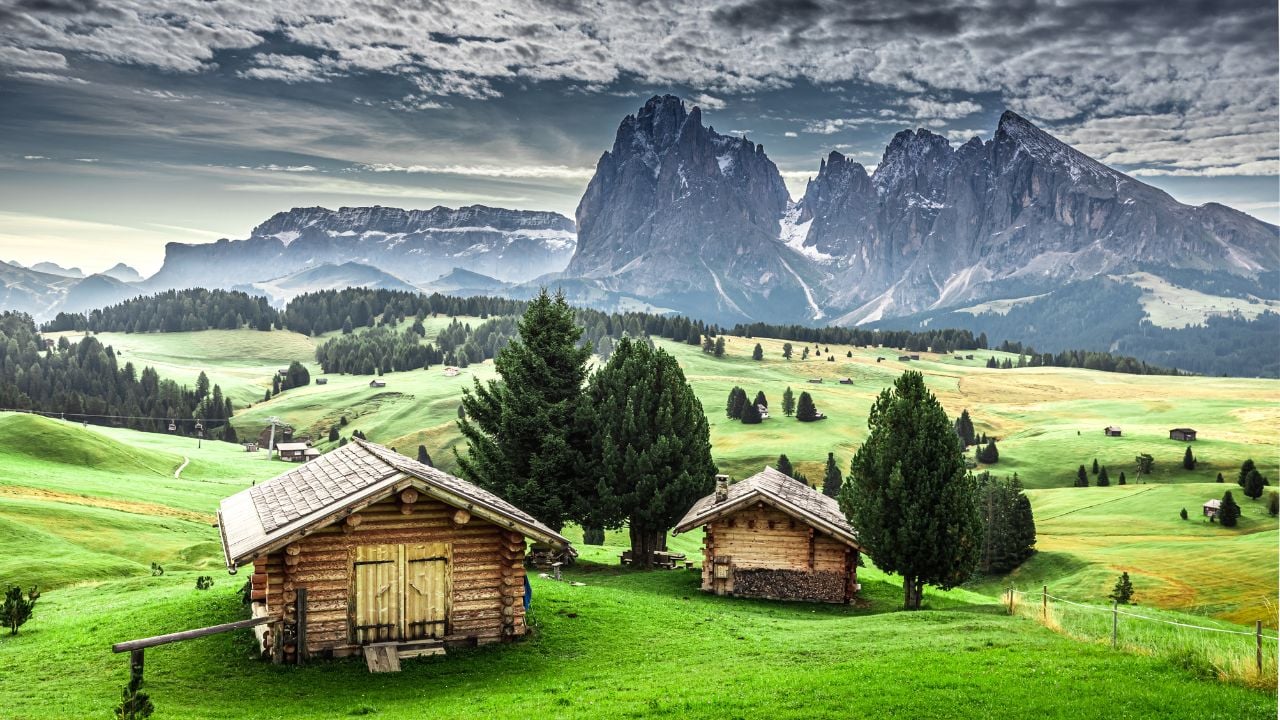
Val Gardena lets travelers use lifts instead of turning every Dolomite view into a long climb. The official Val Gardena site says the Gardena Card is valid from June 6 to October 11, 2026, and gives unlimited use of all 18 lift facilities in Val Gardena open during the summer.
The lift network shapes the daily plan. Travelers can use lift access for areas such as Alpe di Siusi, Col Raiser, Monte Pana, and Ciampinoi, then choose a light walk, hut stop, or longer hike from the top. The card reduces uphill effort, not the need to check weather, return times, and trail difficulty.
Lift hours and weather should be checked before leaving the village. Storms, wind, maintenance, and season dates can affect mountain access, and a missed final descent can create a serious logistics problem.
A calmer Val Gardena day should pair one lift area with one walk or hut stop. Trying to cover several lift zones in one day can turn a scenic mountain trip into a schedule of queues, transfers, and rushed descents.
8. Scotland’s West Highland Line

The West Highland Line gives travelers Highland scenery without driving rural roads. ScotRail says the West Highland Line travels through mountains, steep-sided lochs, heather moors, remote stations, and red-deer country. The route links Glasgow with Oban, Fort William, and Mallaig.
Journey length should shape the route choice. ScotRail’s journey information lists the average trip from Glasgow Queen Street to Fort William at 3 hours 53 minutes, with up to four trains per day. Travelers going to Oban or Mallaig should check current timetables before booking accommodation or onward ferries.
A scenic rail day still needs food, seat, and connection planning. Travelers should bring snacks, reserve or choose seats early where possible, check service updates, and leave time between the train and any ferry, bus, hotel transfer, or Jacobite-related sightseeing plan.
The train should be treated as the main activity, not dead travel time. A slower itinerary can use one rail route, one overnight stop, and one onward plan instead of trying to combine Oban, Fort William, Glenfinnan, and Mallaig in one rushed day.