Some cars fail because they are bad. The more interesting ones fail because they ask buyers to stretch a little further than the market is ready to go.
Those are the cars people keep talking about years later. They may have missed their sales targets, confused the showroom crowd, or arrived with ideas that looked just a little too strange for their own good.
And yet, the best of them never really disappear. They linger in memory because they offered something so specific, so bold, and so unlike everything parked around them that forgetting them would feel like ignoring a great side road just because the highway looked easier.
That is the spirit of this list. These are the cars that were too unusual to win the market cleanly but too smart, too charming, or too technically ambitious to vanish from enthusiast memory.
Why These Cars Made The Cut

This list was built around production cars whose oddness was central to their commercial struggle, not just a styling detail people argued about for a few months. Each pick also had to offer real merit, whether that came from engineering ambition, driving character, design originality, packaging innovation, or a combination of all four.
That does not mean every car here failed in exactly the same way. Some were true market misfires. Others were niche cars whose weirdness made them much harder to sell than their talent deserved. What links them is that the unusual idea at the center of each one helped limit its audience even while making it memorable.
Cars that were merely bizarre but fundamentally disappointing were left out because the headline only works when the machine underneath the weirdness is genuinely worthwhile. Models that were unconventional but commercially successful were also excluded, since cult status means something different when the market already embraced the idea. Variety mattered, so the final group mixes sports cars, grand tourers, luxury sedans, and one wildly unconventional hybrid to show how many forms automotive bravery can take.
Period reaction and later reputation both carried weight, because some cars were misunderstood at launch and appreciated properly only after the market moved on. The final seven are the ones that most convincingly prove that failure and greatness can arrive in the very same shape.
Citroën SM

The Citroën SM feels like the kind of car only a fearless company could have built. It looked futuristic, drove the front wheels, used a Maserati-sourced V6, and layered that exotic engine over Citroën’s famously advanced suspension and steering ideas at a time when most grand tourers still followed a far more traditional formula.
That recipe was brilliant and slightly absurd, which is exactly why the SM still matters. It even won Motor Trend’s Car of the Year award for 1972, proof that the industry understood how special it was. The problem was that brilliance this complex rarely comes cheap or easy, and the SM’s maintenance reputation eventually became part of its legend. Still, as a statement of ambition, taste, and technical nerve, it remains unforgettable.
Subaru SVX

The Subaru SVX looked like Subaru had wandered into a design studio after midnight and decided to come back with something nobody else on the road would dare attempt. Giugiaro’s shape was smooth and dramatic, but the detail everyone remembers is the strange window-within-a-window treatment that made the whole greenhouse look like a fighter-jet canopy translated into road-car form.
Underneath that styling sat real substance: a 230-horsepower 3.3-liter flat-six, a plush interior, automatic-only smoothness, and Subaru’s usual all-weather credibility. The trouble was that Subaru expected far more demand than the market delivered, and the price made the whole thing harder to justify than its engineering deserved. That failure never erased its character. If anything, it made the SVX even harder to forget.
BMW Z3 M Coupe
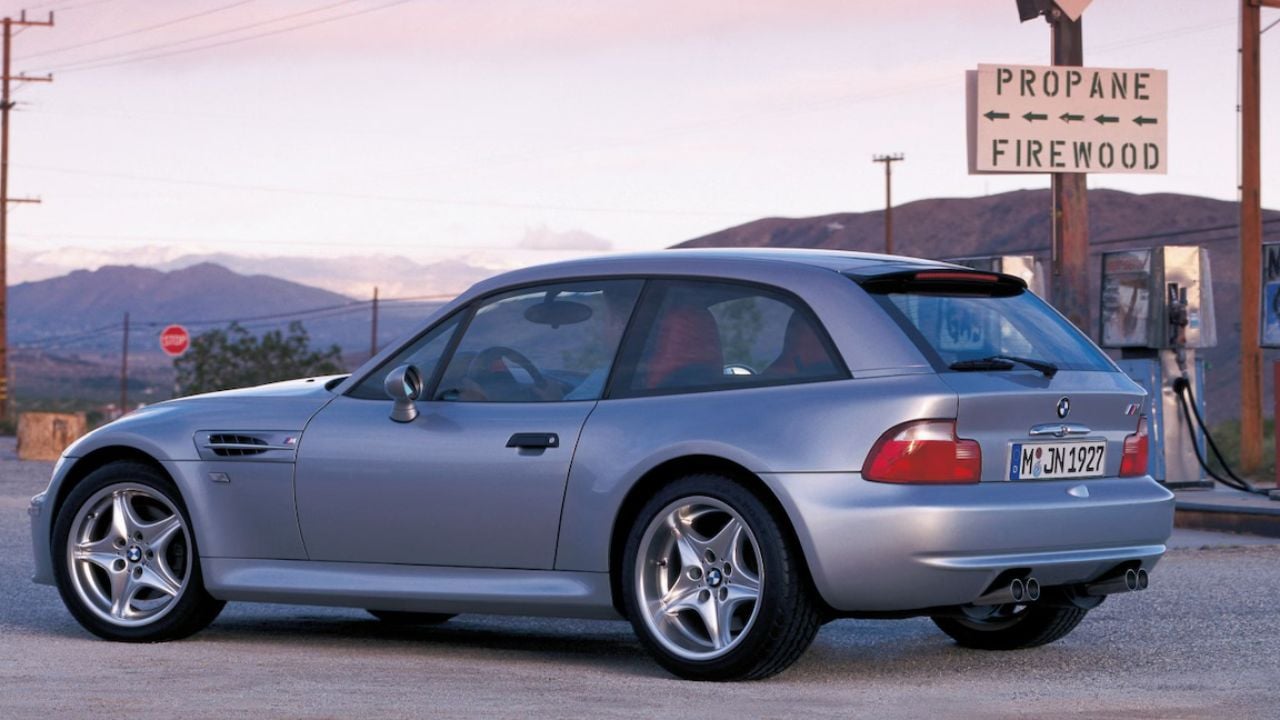
The BMW Z3 M Coupe is one of those rare cars whose nickname tells you almost everything. The “clown shoe” looked strange the day it appeared, and it still looks strange now, which is part of the reason it never had broad-market appeal when new. But the shape was never the whole story. BMW’s coupe was stiffer than the roadster, more serious in the way it put power down, and much more memorable from behind the wheel than its odd proportions first suggested.
That is why people who actually drove one tended to get it long before the wider market did. It was never going to be a mainstream hit, yet that same weirdness is now inseparable from its charm. Some cars age into respect. This one practically weaponized it.
Honda Insight

The first-generation Insight was weird in the most Honda way possible. Instead of building a hybrid that blended quietly into normal traffic, Honda built a tiny aluminum two-seater with covered rear wheels, a drag coefficient of 0.25, and a shape that looked like it had escaped from a wind tunnel with no interest in ever coming back. It also became the first gasoline-electric hybrid sold in the U.S., which should have guaranteed a bigger place in the market than it ultimately found.
The problem was packaging. The Insight was brilliantly efficient but asked a lot of buyers in return, and the Prius soon proved that most people preferred a hybrid that compromised less in daily life. Even so, the original Insight remains a wonderfully pure machine, one that turned efficiency into design theater and still carries a cult following because of it.
Mazda RX-8

The RX-8 was never going to be a normal sports car, and Mazda wisely never pretended otherwise. It revived the rotary, gave the car a genuinely usable rear seat, and used rear-hinged half doors to make the whole package feel like a clever answer to a question nobody else was even trying to answer. That alone made it unusual.
Then you drove it and understood why people still defend it so passionately. The RX-8 had near-perfect balance, a wonderfully eager chassis, and the kind of response that made ordinary roads feel more alive. Its weakness was not imagination. It was an ownership reality. Fuel and oil consumption, plus the general fear surrounding rotary longevity, kept the market from loving it the way drivers often did. The memory of it survived anyway.
Plymouth Prowler

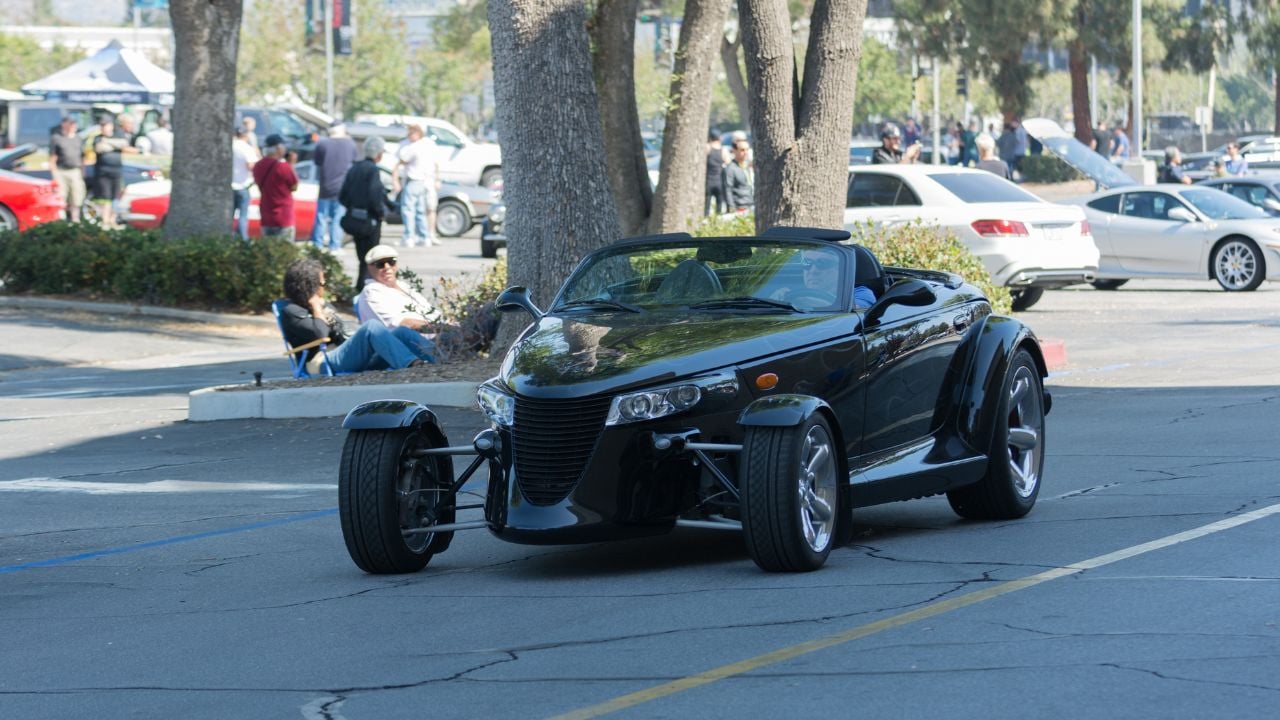
The Prowler looked like a hot-rod sketch that somehow slipped past every sensible committee and made production before anyone could stop it. That alone deserves admiration. Chrysler gave it open front wheels, a wild aluminum-intensive structure, rear-wheel drive, and proportions that made almost everything around it look timid.
The problem was that buyers expected a factory hot rod and got a V6 with an automatic, which instantly made the car feel softer than its styling promised. Even later power increases could not fully fix that mismatch. Yet reducing the Prowler to that disappointment misses what made it special. It was a major company taking a genuine risk on a shape and idea that had no business making it this far. Even now, its audacity does most of the talking, and that is exactly why it still matters.
Volkswagen Phaeton
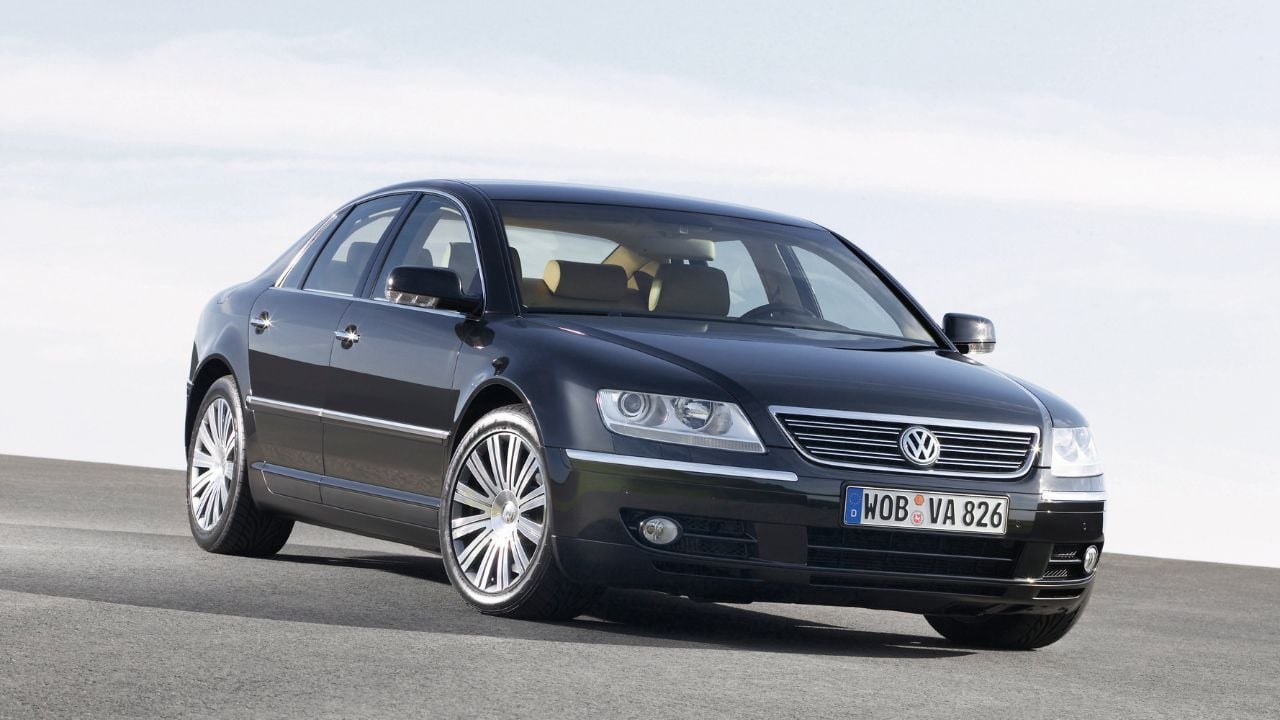
The Phaeton may be the strangest car on this list because its weirdness was not visual. It was philosophical. Volkswagen tried to build a flagship luxury sedan with Bentley-level engineering seriousness and expected buyers to accept that a VW badge could belong in the same conversation as an S-Class or 7 Series.
The market was never likely to cooperate, and that is a big reason the car became such a famous commercial misfire. But the ambition was real. Period reviews respected its engineering seriousness, cabin quality, and composure even if the whole proposition felt commercially improbable from the start. In hindsight, the Phaeton looks like a magnificent market mismatch, a car so overengineered and so badly positioned that it became fascinating almost immediately.
The Cars That Refused To Become Footnotes

The best weird cars do something ordinary success never quite can. They reveal how much personality, risk, and imagination a company was willing to pour into one idea, even when the market answered with a shrug.
That is why these seven still feel alive. They were not bland failures that deserved to be forgotten. They were brave machines that misread the moment, or asked too much of buyers, or simply arrived in a shape the public did not yet know how to love.
And maybe that is what makes them so appealing now. Which one speaks to you most: the futuristic Citroën, the jet-canopy Subaru, the clown-shoe BMW, the aluminum hybrid Honda, the rotary Mazda, the hot-rod Plymouth, or the impossible Volkswagen luxury experiment? Sometimes the cars that miss the mainstream by the widest margin are the ones that leave the deepest tracks in memory.