
A short trip is easier to plan when the first day has a clear route. The hotel should sit near the main walking area, the first meal should not require a long ride, and at least one major view, beach, museum, garden, or waterfront should be close enough for the arrival day.
Victoria gives travelers the Inner Harbour, ferry terminals, float planes, water taxis, restaurants, museums, and waterfront paths in one central area. Carmel-by-the-Sea keeps hotels, restaurants, tasting rooms, galleries, shops, and Carmel Beach inside a one-square-mile village. Porto connects the airport to the city by metro and puts São Bento, Ribeira, Dom Luís I Bridge, and Vila Nova de Gaia views on a practical first route.
Québec City can start with Old Québec, Dufferin Terrace, Château Frontenac, Place Royale, the Old Port, and fortified streets. Santa Fe can use the Plaza and Downtown area for the first day and then Canyon Road or the Railyard for a second block. San Diego can divide a long weekend between Balboa Park, downtown, the harbor, La Jolla, Coronado, or another coastal area.
Asheville needs separate time for downtown, Biltmore, the River Arts District, and the Blue Ridge Parkway. These seven destinations still require hotel checks, restaurant reservations, weather planning, parking research, and realistic route choices, but the first full day does not have to start with a complicated cross-city transfer.
1. Victoria, British Columbia

Victoria’s first-day route can start at the Inner Harbor. Tourism Victoria says the Inner Harbour serves whale-watching and ecotourism businesses, float planes, ferry connections, and water taxi services. The same central area places the British Columbia Parliament Buildings, the Fairmont Empress, restaurants, museum stops, tour departures, and waterfront paths close together.
A first walk can follow the harbor edge instead of a citywide route. Travelers can watch float planes, stop near the Parliament Buildings, continue toward the Royal BC Museum or nearby restaurants, and return along the water. The harbor, Parliament Buildings, Empress Hotel, tour docks, and museum area give visitors clear reference points during the walk.
Water taxis can replace part of the route when the dock locations match the day’s plan. Victoria Harbour Ferry says riders can use water taxi service by scanning a QR code at a stop or calling for pickup. Harbor stops can connect downtown, Old Town, Fisherman’s Wharf, and nearby waterfront points.
Whale watching, Butchart Gardens, and longer coastal outings need separate time blocks. A short stay should keep one day around the Inner Harbor, then give a boat tour, garden visit, or coastal drive its own morning or afternoon.
2. Carmel-by-the-Sea, California

Carmel-by-the-Sea works best when travelers book inside or near the village and leave the car parked. The official Carmel-by-the-Sea travel site describes it as a one-square-mile village with restaurants, wine tasting, boutique shops, art galleries, a white-sand beach, scenery, and hotels or inns within walking distance.
Ocean Avenue and the surrounding village blocks can handle most of the first day. Travelers can walk between galleries, courtyards, cottages, shops, tasting rooms, restaurant patios, and the downhill route to Carmel Beach before dinner. A central hotel removes the need to drive between the beach, tasting rooms, shops, and restaurants.
The village has enough food and wine options for a full short stay. Carmel’s official site lists 60 restaurants and 18 wine tasting rooms within walking distance. A practical day can combine one tasting room, one gallery stop, a beach walk, and a dinner reservation without adding another town to the route.
The wider Monterey Peninsula should be planned separately. Point Lobos, Monterey, Pacific Grove, Pebble Beach, and Big Sur drives can add major scenery, but they also bring parking, traffic, coastal weather, and time on the road. A first Carmel day should stay in the village unless the hotel, dinner time, and daylight make a coastal drive realistic.
3. Porto, Portugal
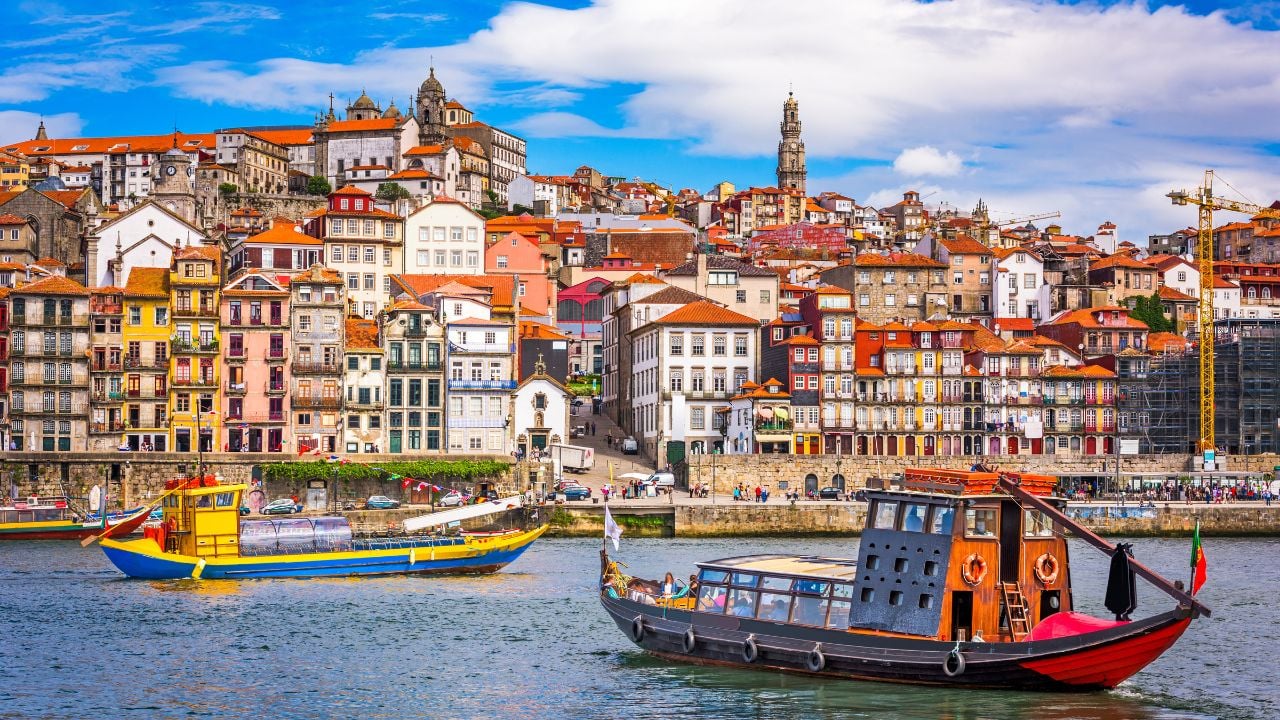
Porto gives travelers a useful airport-to-city link before the first walk. Porto Airport says Metro Line E connects the airport and the city center, with trains running every 20 or 30 minutes depending on the time and day. The line runs between the airport and Estádio do Dragão.
For a central stay near Trindade, Bolhão, Aliados, São Bento, or Ribeira, that metro link can reduce the need for a rental car on arrival. Porto’s hills and stone pavements still matter, especially with luggage, so travelers should check how far the hotel sits from the nearest metro stop before booking.
A first route can move downhill toward the Douro. São Bento station, Rua das Flores, Ribeira, Dom Luís I Bridge, and Vila Nova de Gaia viewpoints can fit into one arrival-day plan if the hotel is central. The uphill return should be planned with a taxi, metro connection, shorter walking route, or restaurant location in mind.
The official Porto. The CARD page describes the card as Porto’s official city pass, with selected museum access, discounts on attractions and services, and public transport options in the city. Travelers planning several transit rides, museum stops, or paid attractions should compare the card with single tickets before buying.
4. Québec City, Canada
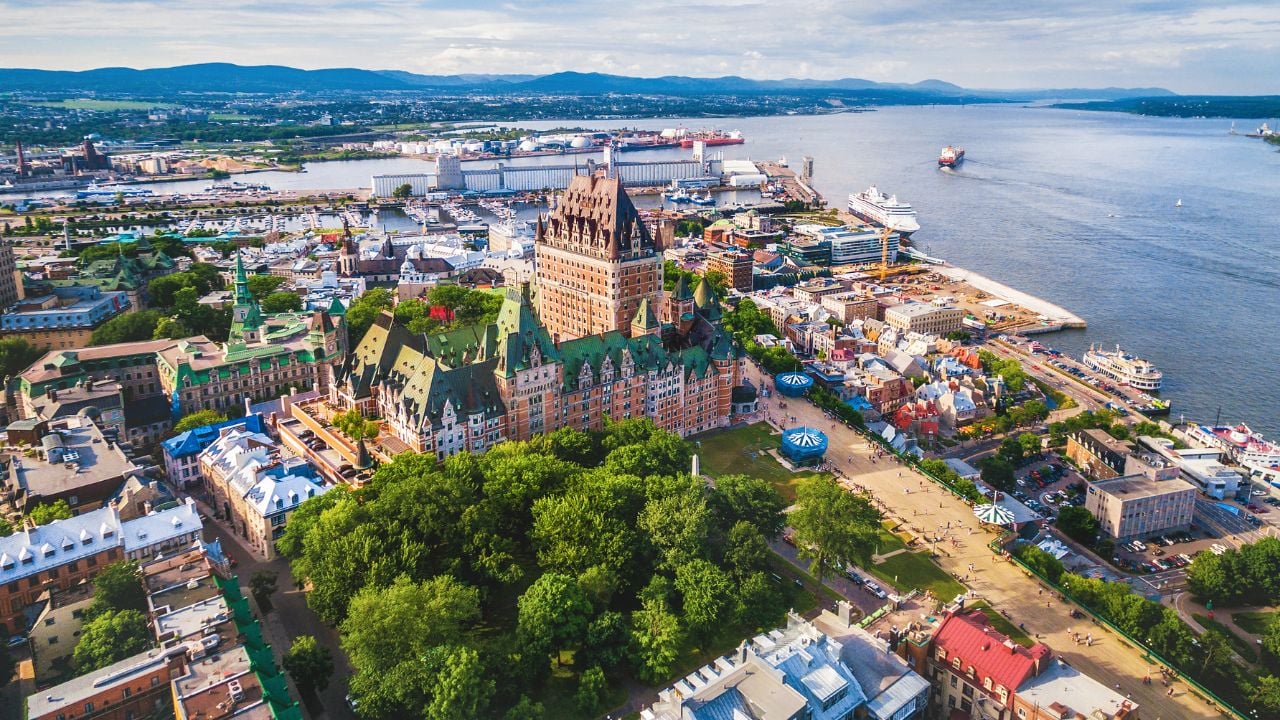
Québec City’s first day can stay inside and around Old Québec. Québec City Tourism describes Old Québec as a UNESCO World Heritage Site and the most intact fortified town north of Mexico, with colonial architecture retained for more than 400 years.
A central walking route can include Château Frontenac, Dufferin Terrace, the fortifications, church stops, shops, cafés, Place Royale, and the Old Port. The old city gives travelers historic streets and river views inside one plan if the hotel is close enough to Upper Town or Lower Town.
UNESCO describes the Historic District of Old Québec as an urban area of about 135 hectares, with Upper Town on Cap Diamant and Lower Town around Place Royale and the harbor. That split should influence hotel choice because hills, stairs, cobblestones, winter ice, and elevation changes can affect every outing.
A car is not needed for the old-city portion of a short stay. Drivers should confirm parking before arrival, leave the vehicle parked, and use walking, shuttles, taxis, or local transit for stops outside the core.
5. Santa Fe, New Mexico
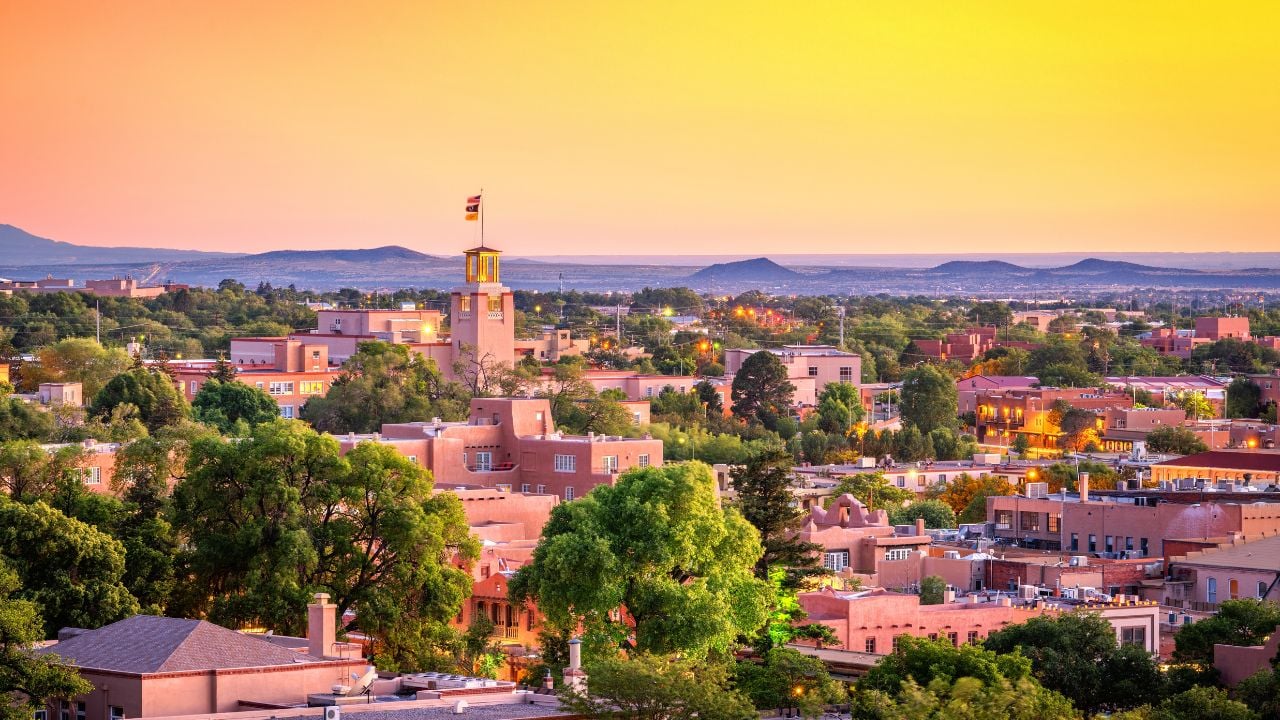
Start in Santa Fe near the Plaza and Downtown area. Tourism Santa Fe describes Plaza and Downtown as the original city center, with the historic Plaza, the Palace of the Governors, classic architecture, restaurants, galleries, boutiques, bookstores, museums, and hotels nearby.
A first day can be spent near the Plaza. Travelers can visit the Palace of the Governors area, walk past adobe storefronts, eat near downtown, and add a museum stop without spending the day across several neighborhoods. A hotel near the Plaza keeps dinner, galleries, shops, and central museums within a shorter route.
Canyon Road should get its own block of time. Tourism Santa Fe says Canyon Road has more than 100 galleries along a half-mile, tree-lined, pedestrian-friendly stretch. Travelers can spend a half-day moving between galleries, courtyards, studios, restaurants, and adobe buildings instead of treating the area as a quick add-on after downtown.
Outdoor plans need more caution than the downtown map suggests. Santa Fe’s elevation, strong sun, and regional driving distances can affect hikes, scenic drives, and day trips. Travelers should check altitude, weather, and drive time before adding trails, spas, or high-desert scenery to the same day as a downtown plan.
6. San Diego, California

San Diego needs the weekend divided by area because the strongest stops sit in different directions. The San Diego Tourism Authority says Balboa Park covers 1,200 acres and includes 18 museums, numerous gardens, the San Diego Zoo, and a location only blocks from downtown hotels.
A first day can focus on Balboa Park, downtown, Little Italy, the harbor, or the Gaslamp Quarter, depending on arrival time and hotel location. Travelers should not stack Balboa Park, La Jolla, Coronado, and a long beach afternoon into the same day. Those areas need separate blocks because they sit in different directions and involve different parking, rideshare, or driving decisions.
The coast can take the second day. La Jolla has coves and coastal walks; Coronado has beach and bay time; and Pacific Beach or Mission Beach can take a more casual beach-focused day. A downtown hotel can still work, but coastal movement may require rideshare, a rental car, or a planned transit route.
A third day can use the San Diego Zoo, a museum stop, a harbor cruise, tacos, a neighborhood walk, or sunset time at the coast. Travelers should check parking details before driving to beaches or Balboa Park, especially on weekends, holidays, and summer afternoons.
7. Asheville, North Carolina

Asheville needs separate blocks for downtown, Biltmore, the River Arts District, and scenic driving. Explore Asheville describes downtown Asheville with indie shops, art galleries, breweries, restaurants, museums, sidewalk cafés, and music on street corners and in venues.
Use the first day for downtown restaurants, breweries, galleries, shops, live music, and the Grove Arcade area. The River Arts District can take another block of time if visitors want working studios and galleries rather than a standard downtown walk. Parking and ride timing should be checked before dinner on busy weekends.
Biltmore should not be treated as a quick stop between downtown and a scenic drive. The estate describes itself as America’s Largest Home on an 8,000-acre estate in the Blue Ridge Mountains of Asheville. Travelers should check ticket times, parking, estate hours, and dining plans before adding it to the weekend.
A Blue Ridge Parkway drive needs a road-status check before departure. Explore Asheville says visitors can drive 10 miles or 50 depending on their schedule, and the National Park Service posts current road status and closures. A short stay should use one nearby overlook, one manageable drive, or one hike instead of building the day around an open-ended mountain route.