Gas prices can change the emotional math of ownership faster than almost anything else. A vehicle that felt entertaining when fuel was cheap can start feeling exhausting when every ordinary errand ends with a premium-grade receipt that looks a little ridiculous.
That is especially true right now. Earlier this month, the national average for regular moved back above $4 a gallon for the first time since August 2022, and AAA still had premium sitting just under $5 nationally as of April 18. That is the kind of move that drags fuel out of the background and turns it into a weekly irritation.
The vehicles hit hardest are usually the ones built around appetite rather than restraint. Big tires, bluff aerodynamics, heavy curb weights, huge power, and premium-fuel habits are all easy to romanticize when prices are calm. Once they rise, the romance starts getting itemized.
That is what this list is really about. These are impressive modern performance vehicles, but they are also exactly the kinds of machines that start feeling much more expensive the moment fuel becomes part of the mood again.
What Put These Models on This List

This list focuses on current-model vehicles with official EPA fuel-economy ratings, not old V8 legends or discontinued oddities. I prioritized models with clearly poor combined MPG and high EPA annual fuel-cost estimates, because that is where the pain at the pump becomes a real ownership trait rather than a minor inconvenience.
Vehicles that lean on premium fuel moved up quickly, because AAA’s premium average is now sitting just below $5 a gallon nationwide. That does not make the EPA annual fuel-cost estimate the same thing as your real monthly fuel bill, but it does make the headline numbers feel much less theoretical.
I also favored models whose thirst is a defining part of the package, whether that comes from off-road hardware, extreme performance tuning, or heavy luxury-SUV proportions. Limited-run exotics were mostly left aside so the list would stay grounded in vehicles people can realistically encounter, finance, and daily drive.
Ford F-150 Raptor R 4WD
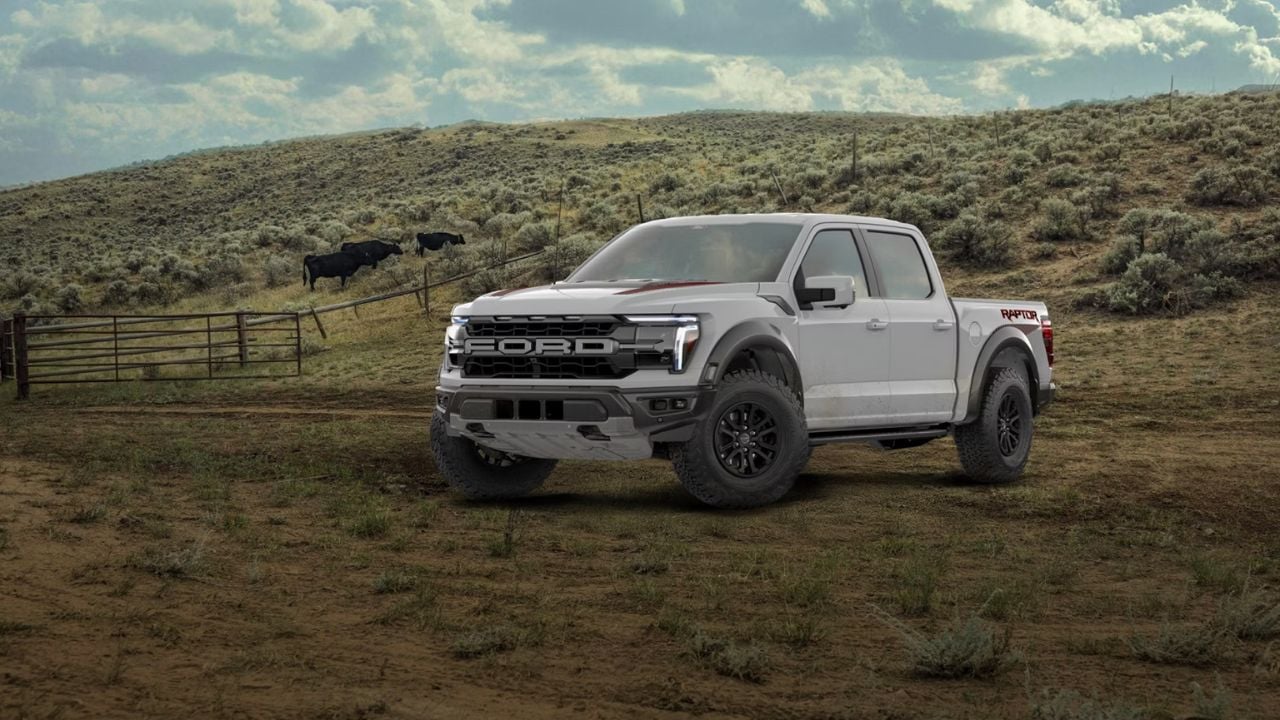
The F-150 Raptor R is the clearest example of how quickly a dream truck can become a financial irritant when fuel prices spike. The EPA rates it at just 12 mpg combined, with 10 mpg in the city and 15 on the highway, and the annual fuel-cost estimate sits at $5,750. It is also a premium-fuel machine, which matters a lot when premium is flirting with $5 nationally.
The truck itself is spectacular at being exactly what it wants to be. It is loud, fast, visually outrageous, and built with the kind of halo-truck swagger buyers expect. But none of that softens the math. Right now, the Raptor R turns every fill-up into a reminder that heroic performance is still billed by the gallon.
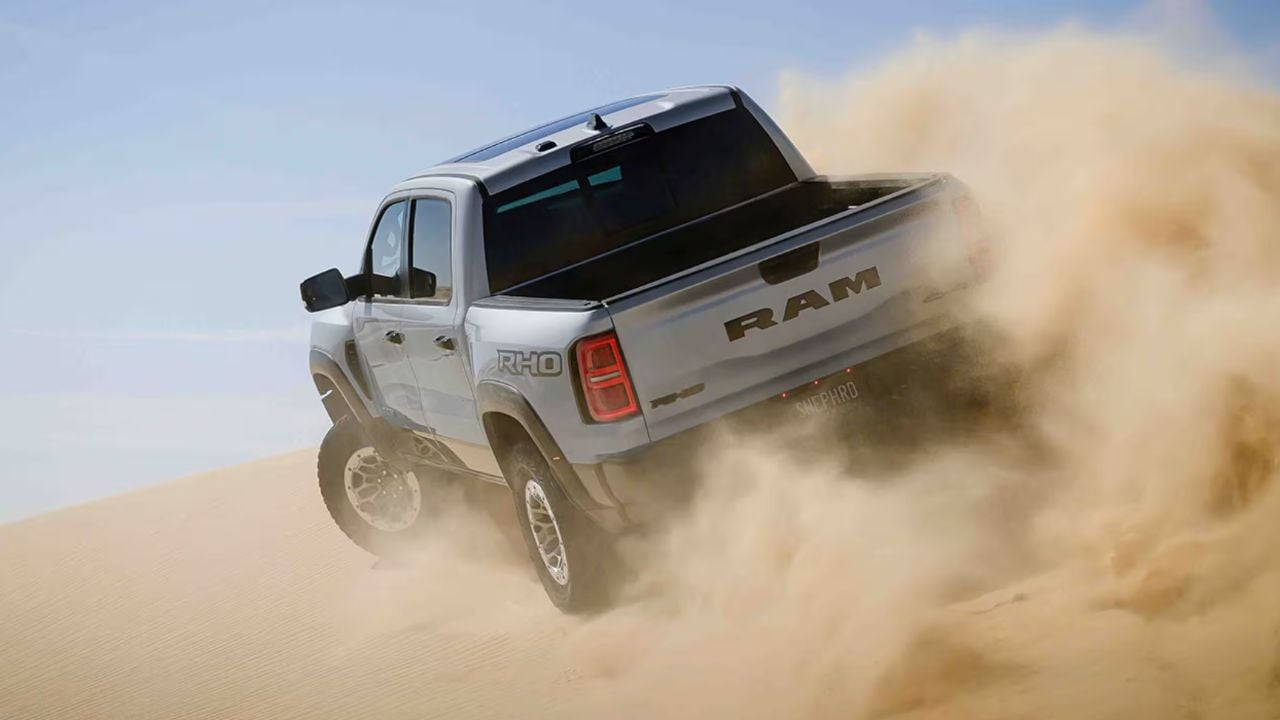
Ram 1500 RHO 4WD
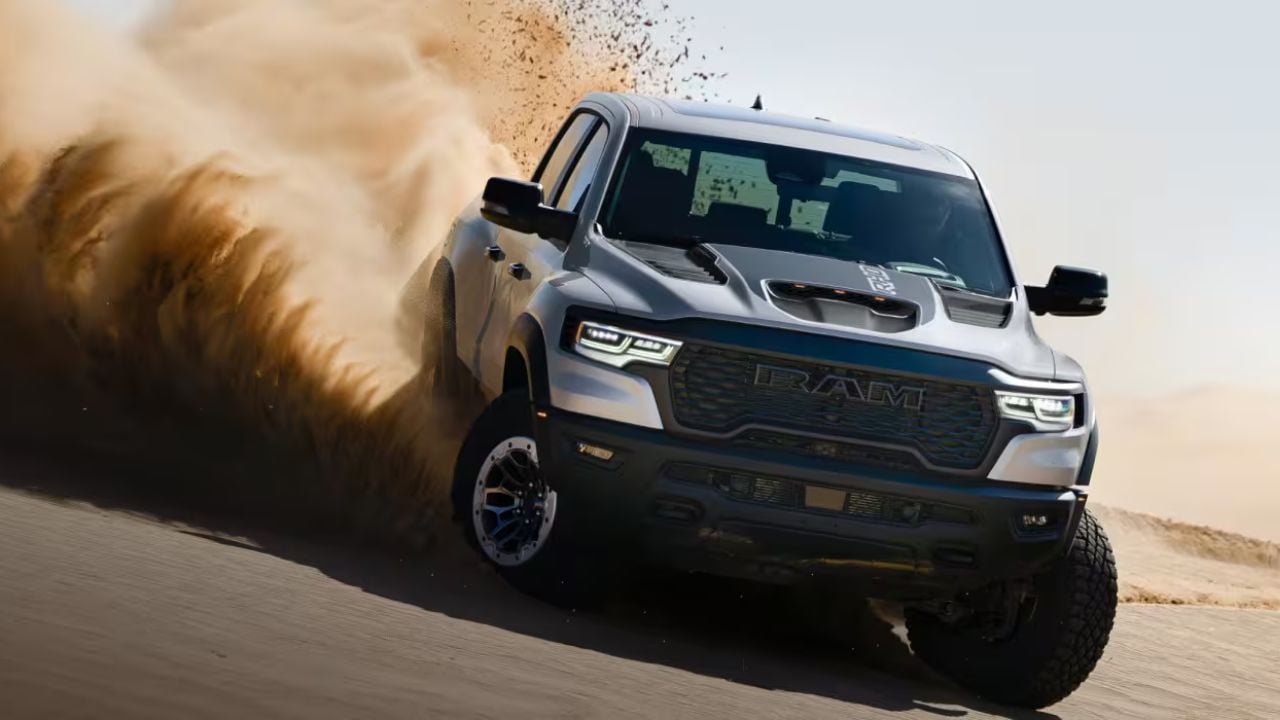
The Ram 1500 RHO looks like the kind of truck buyers can justify because it wraps speed, size, and desert-runner attitude into one package. The trouble is that the EPA rates it at 15 mpg combined, 14 city, and 16 highway, with an annual fuel-cost estimate of $4,600, while the guide flags premium fuel.
That is rough in any month. In a month like this, it feels rougher. A truck like the RHO makes emotional sense if you genuinely want the stance, suspension, and visual aggression every day. It makes much less sense if your real life is mostly commuting, errands, and highway miles. In this fuel environment, it is exactly the kind of vehicle that can make a gas bill feel like a second payment.
Chevrolet Silverado 1500 ZR2 4WD
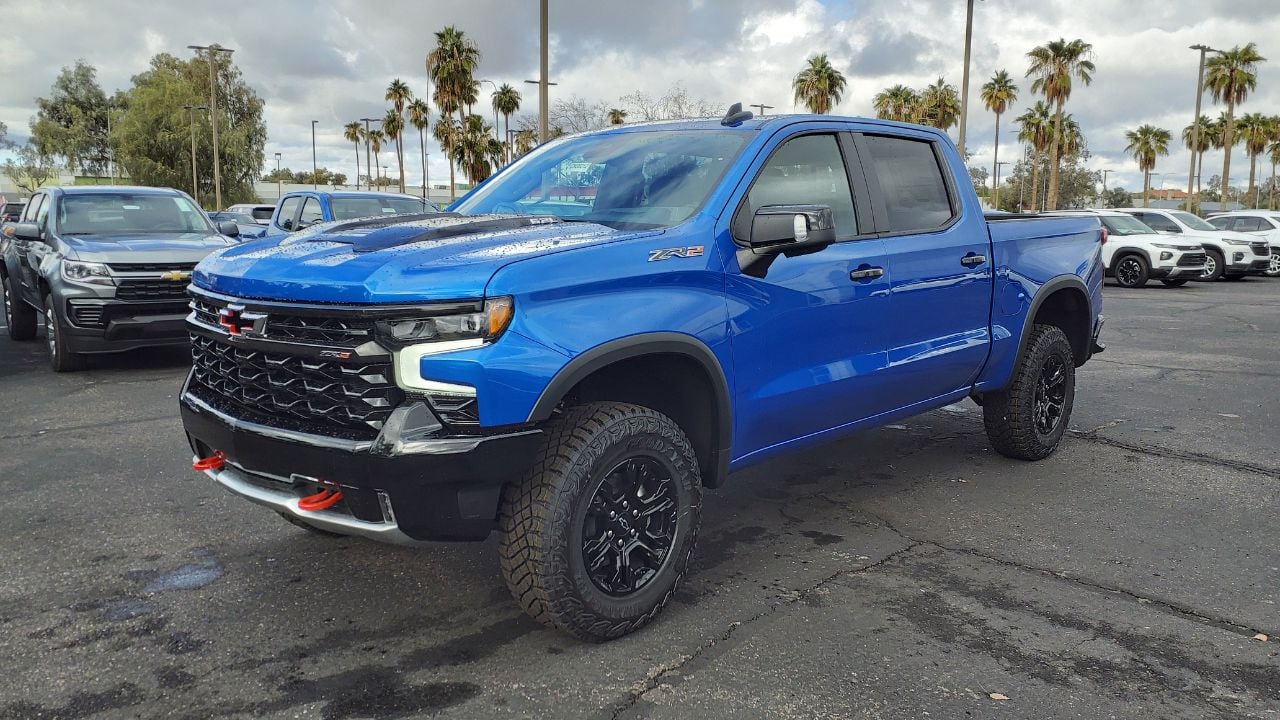
The Chevrolet Silverado 1500 ZR2 4WD is easy to admire because it looks purpose-built and actually is purpose-built. The 6.2-liter 4WD version is rated by the EPA at 15 mpg combined, 14 city, and 17 highway, with an annual fuel-cost estimate of $4,600. The guide also shows premium gasoline as part of the ownership picture.
The ZR2 is not thirsty by accident. It is thirsty because its priorities are capability, torque, ride height, and real off-road credibility. When gas prices are calm, that trade can feel acceptable. With prices where they are now, it stops feeling abstract and starts showing up every time the nozzle clicks off.
Ford Bronco Raptor 4WD

The Bronco Raptor is one of those vehicles that makes perfect emotional sense and shakier financial sense. EPA figures put it at 15 mpg combined, 15 city, and 16 highway, with an annual fuel-cost estimate of about $4,000. You do not need extreme mileage for that to start getting old.
This SUV earns its image honestly. The wide body, aggressive stance, and serious off-road hardware are not just for show. They are also a major reason it drinks fuel the way it does. In a cheaper fuel environment, many buyers would shrug and move on. With regular still above $4 nationally, the Bronco Raptor starts to look less like a carefree adventure machine and more like a standing appointment with expensive habits.
Mercedes-AMG G63

The Mercedes-AMG G63 sits in a rare category where luxury, image, and brute force all matter just as much as utility. It also sits at 15 mpg combined, 14 city, and 16 highway according to the EPA, with an annual fuel-cost estimate of $4,600. Premium fuel only makes the whole picture more extravagant.
Buyers love it for the upright shape, commanding seating position, and unmistakable AMG swagger, and none of that appeal is hard to understand. The problem is that expensive fuel does not care about branding or status. A boxy, heavy, high-powered SUV still has to live with the same pump math as everything else. In a moment like this, the G63 becomes a very visible example of how prestige can be thirsty too.
Land Rover Defender 90 V8
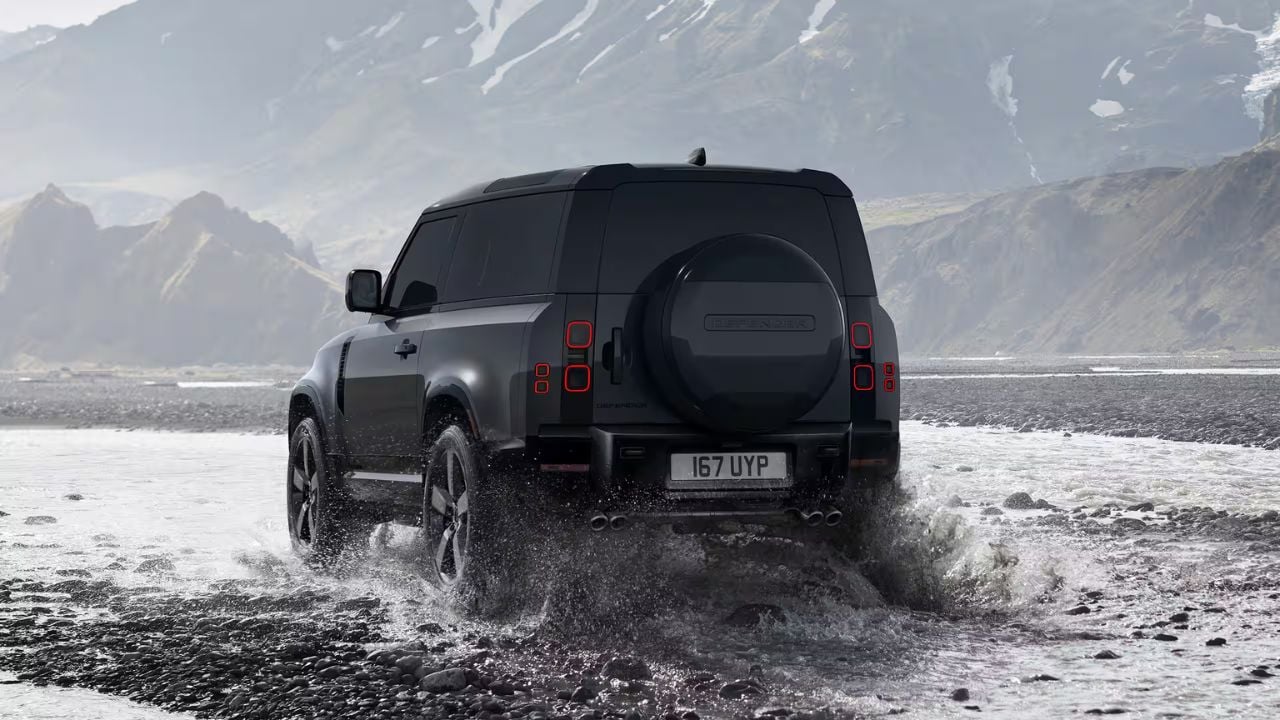
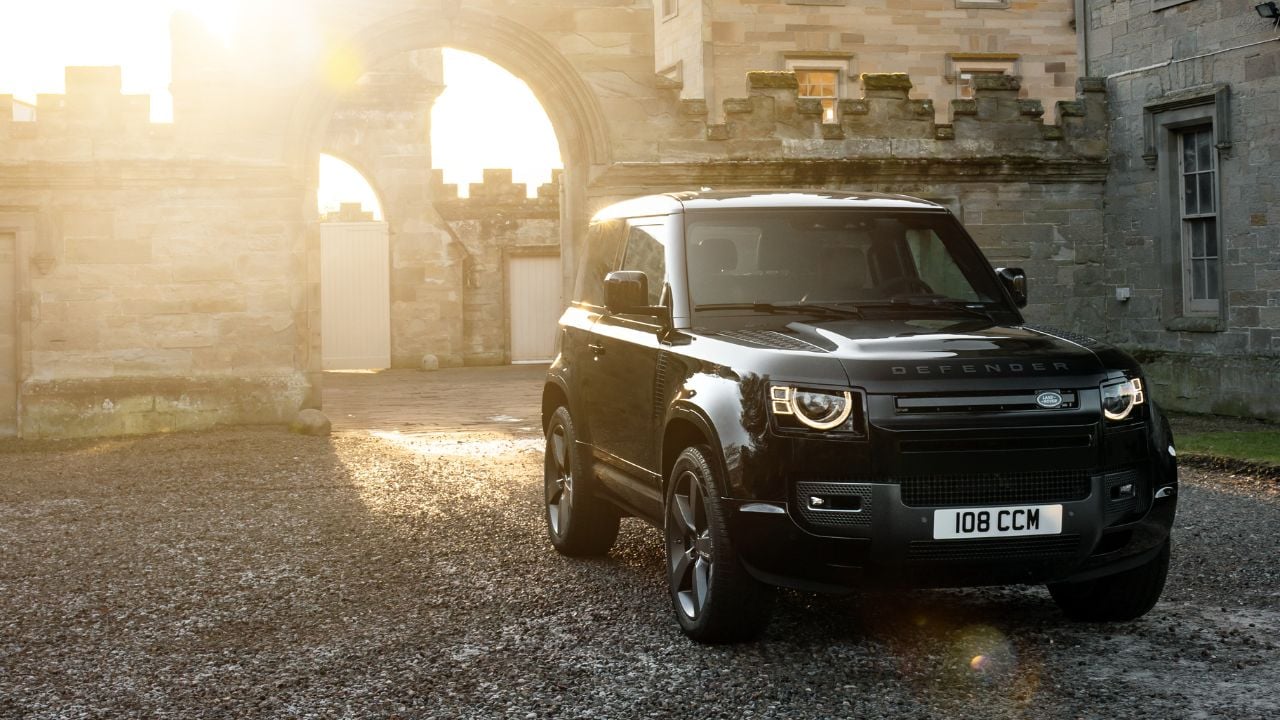
The Defender 90 V8 has the kind of presence that makes people fall for it before they do the math. That math gets ugly quickly. EPA data puts the V8 at 16 mpg combined, 15 city, and 19 highway, with an annual fuel-cost estimate of $4,300, and premium fuel is part of the ownership reality here too.
The short-wheelbase body, the old-school toughness in the design, and the sense of occasion all make this feel like much more than another luxury SUV. That is exactly why it can be such a dangerous buy when gas is expensive. You are not just paying for transportation. You are paying for character every time you stop at the pump.
Chevrolet Corvette Z06 with Carbon Aero Package
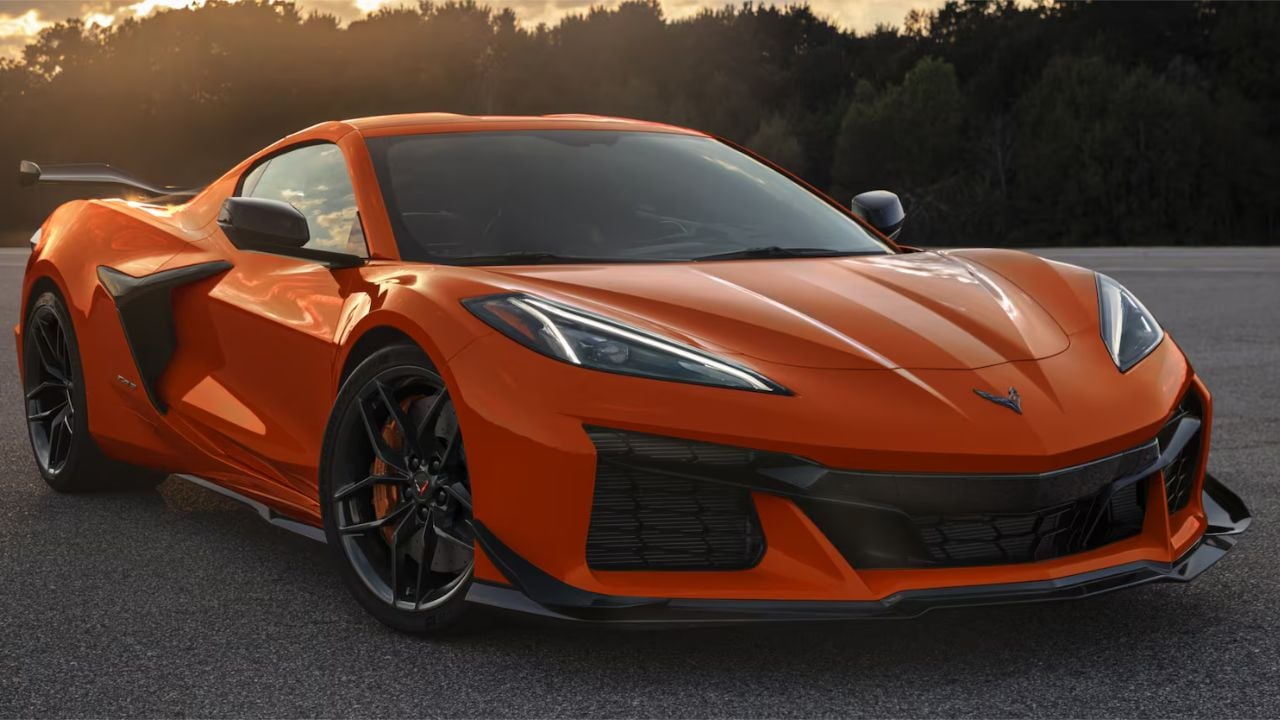
Even America’s sports car is not safe from this conversation once it reaches its sharper, more serious forms. A Corvette Z06 equipped this aggressively is rated at 14 mpg combined, 12 city, and 19 highway, with an annual fuel-cost estimate of $4,950. The EPA guide also flags premium fuel and the gas guzzler tax, which tells you most of what you need to know about its place on this list.
None of that makes it a bad performance car. It actually makes clear that the Z06 is built with speed and track intensity far ahead of efficiency. The problem is timing. When regular is already above $4 and premium is close to $5, a car this thirsty stops feeling like a casual indulgence and starts feeling like a very expensive mood.
When Power Starts Costing More Than It Used To
The worst vehicles to own during a fuel spike are rarely the ones people dislike. They are usually the ones people adore until the receipt prints. When national averages are above $4 for regular and hovering near $5 for premium, anything returning 12 to 16 mpg starts looking a lot more punishing than it did when fuel was calmer.
That is the real lesson here. Power, capability, and personality still matter, and they always will, but moments like this make efficiency feel less like a boring number and more like everyday relief.
The question is simple enough for any buyer standing at the pump: does the thrill still feel worth it when every fill-up feels like an event?