Some destinations are easier to understand when the lodging matches the place. A ryokan can put travelers into an onsen town’s bathing routine, a fishermen’s cabin can place them beside a working harbor, and a cave room can turn Cappadocia’s rock landscape into part of the stay.
These seven places reward travelers who choose accommodation for location, access, architecture, and setting, not only price. A standard hotel can still be comfortable, but the right stay can change what travelers see before breakfast, how they move through the day, and what they return to at night.
1. Kinosaki Onsen, Japan
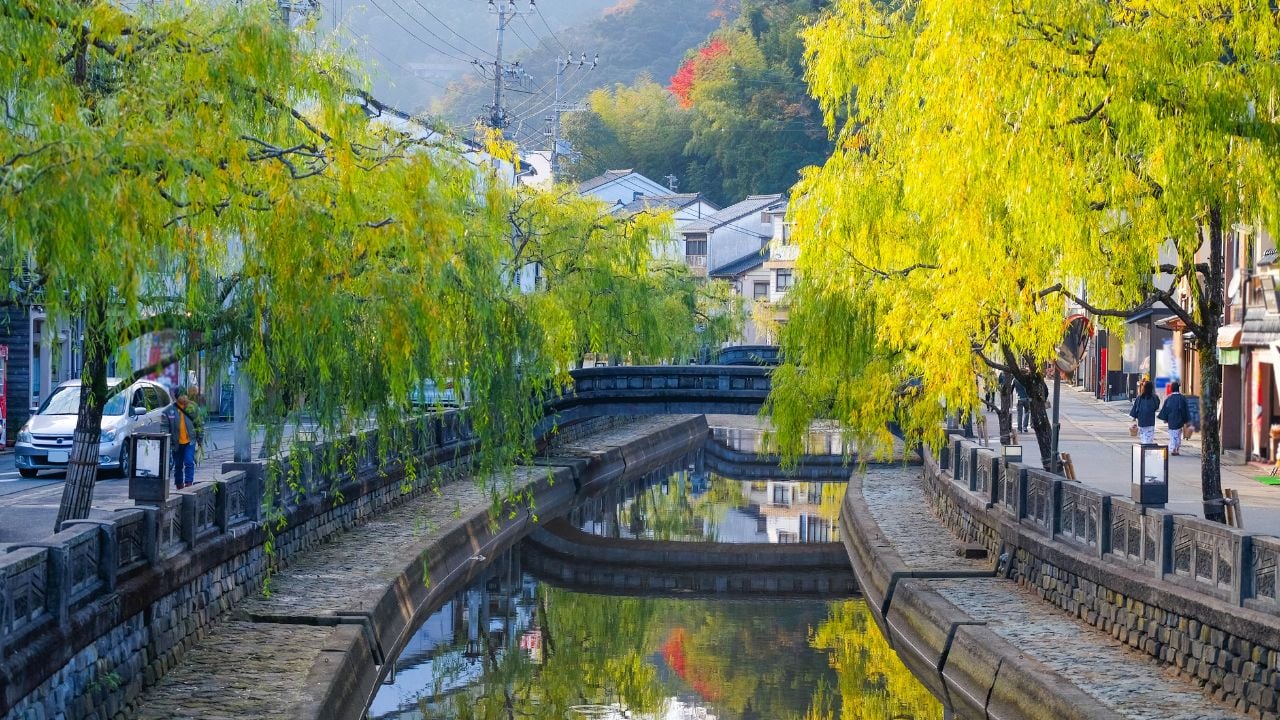
Kinosaki Onsen is built around the bathhouse route, so the stay should match that routine. Visit Kinosaki says guests staying at a ryokan in Kinosaki receive a free pass to all the onsen. The town has seven public bathhouses, and many ryokan provide yukata and geta for guests walking between baths.
A ryokan stay changes the practical shape of the visit. Dinner, breakfast, bathhouse access, robes, slippers, and the evening walk through town become part of the booking rather than separate decisions. Travelers can leave the room, walk along the canal, visit one or two baths, and return without treating the hotel as a separate base outside the town’s main activity.
A standard hotel can still work, especially for travelers who want a simpler room or lower price. Visitors who want the full onsen-town routine should check whether the ryokan includes meals, bathhouse passes, yukata, private baths, luggage storage, and arrival-time rules before booking.
2. Lofoten Islands, Norway
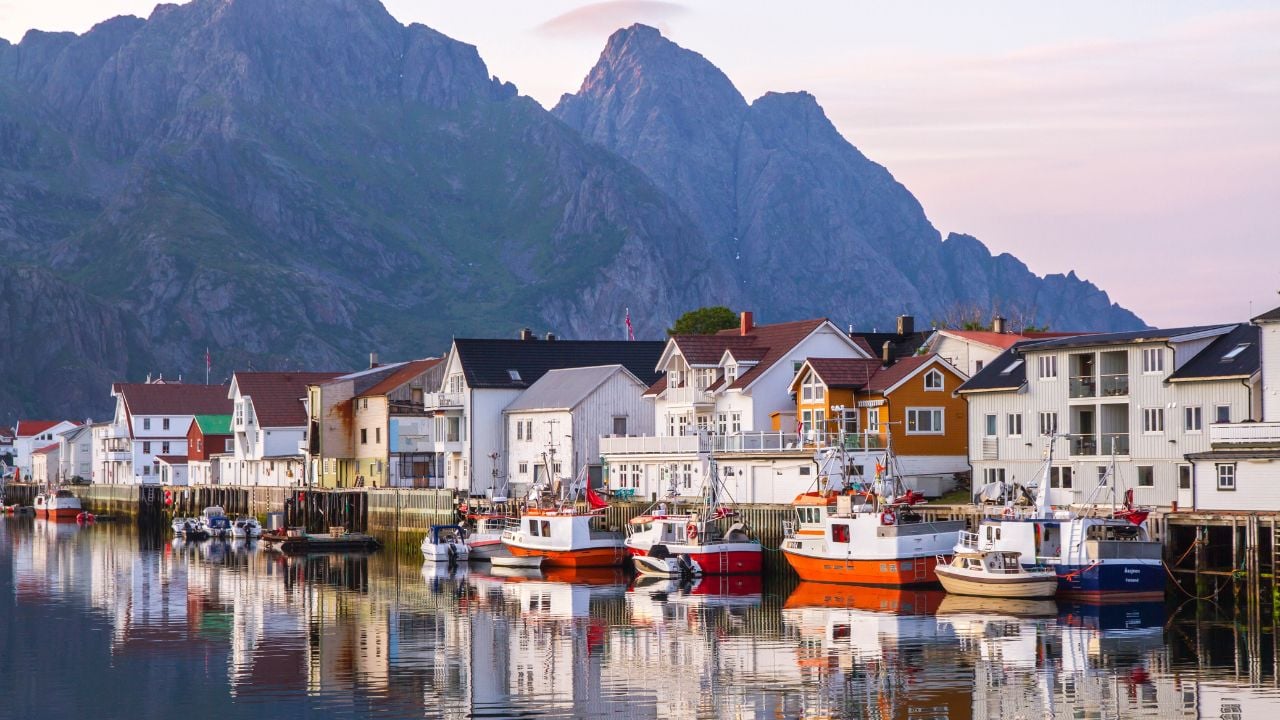
In Lofoten, a rorbu places travelers close to the water, docks, boats, and fishing villages that define the islands. Visit Lofoten describes rorbuer as fishermen’s cabins built by the sea for practical use. Many have been restored or converted for visitors, but the best ones still keep the harbor setting central to the stay.
The accommodation choice affects the day before any sightseeing begins. A cabin in or near Reine, Henningsvær, Nusfjord, Svolvær, or another coastal village can put travelers within reach of harbors, cafés, galleries, fish racks, short walks, and drives between villages. A generic roadside hotel may be comfortable, but it can miss the coastal setting people came to Lofoten to see.
Travelers should check whether the cabin has parking, kitchen facilities, sea views, heating, stairs, and easy winter access. Location matters too: a beautiful cabin can still create long drives if it sits far from the hikes, ferries, cafés, or villages planned for the trip.
3. Cappadocia, Türkiye

Cappadocia is one of the clearest places where the room can match the landscape. UNESCO describes Göreme National Park and the Rock Sites of Cappadocia as an area with rock-hewn cells, churches, troglodyte villages, and subterranean cities within the rock formations. A cave or stone hotel uses that same visual language in the place travelers sleep.
The hotel location affects sunrise, balloon viewing, valley access, and evening plans. Göreme works well for many first-time visitors because tours, restaurants, terraces, and valley walks are close. Uçhisar can offer wider views and a quieter base. Ortahisar and Ürgüp may suit travelers who want a different town setting or a more spread-out stay.
Travelers should check the room type carefully. “Cave,” “stone,” and “suite” can mean different things from one hotel to another. Terrace access, heating, ventilation, stairs, luggage help, breakfast timing, balloon-view claims, and pickup points for tours should be confirmed before booking.
4. Finnish Lapland
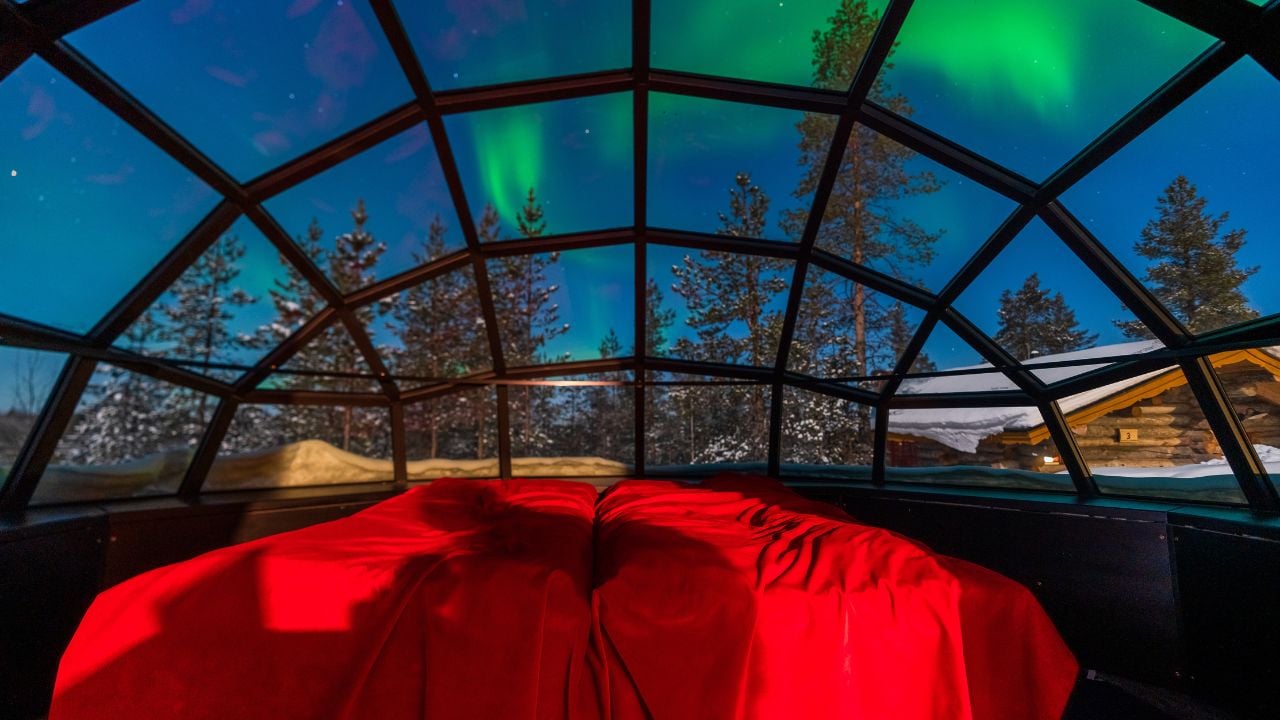
In Finnish Lapland, accommodation can decide how much of the winter night travelers actually experience. Visit Finland lists glass cabins, suites, hotels, and aurora stays designed around northern lights viewing. The point is not only the bed, but the location, darkness, window design, and access to winter activities.
A glass-roof cabin or aurora-focused lodge can reduce the need to spend every night on a separate chase. Travelers may still book guided aurora tours, but the right stay gives them a chance to watch the sky from the property when conditions cooperate.
The booking details matter in winter. Travelers should check distance from town, airport transfers, meal options, sauna access, clothing rental, tour pickup, light pollution, heating, privacy, and cancellation rules. A remote cabin can be excellent for sky viewing, but it may require more planning for food, transport, and daytime excursions.
5. Okavango Delta, Botswana
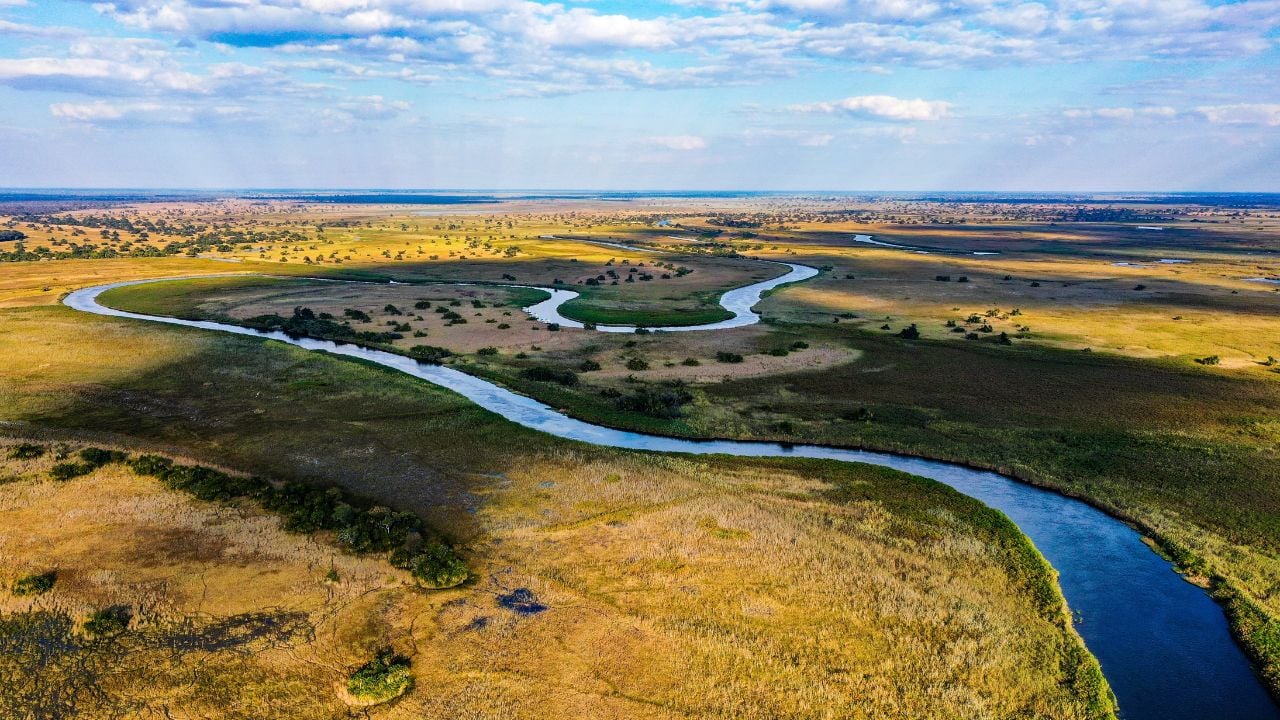
In the Okavango Delta, the camp type affects the activities as much as the room. Okavango Delta notes that lodges may offer mokoro trips, motorized boating, fishing trips, and other safari activities. Some camps focus more on water, while others lean toward land-based game drives or a mix of both.
A water-focused camp can put mokoro rides, channels, reeds, birding, and boating near the center of the stay. A land-focused camp can put more emphasis on game drives, tracking, and dry-land wildlife viewing. Many travelers combine camp styles to see more than one side of the delta.
The booking should be matched to season and activity style. Travelers should check whether the camp offers mokoro rides, boating, walking safaris, game drives, fishing, private concession access, fly-in transfers, luggage limits, and child policies. The lodge choice can decide what travelers do at sunrise and what they hear after dark.
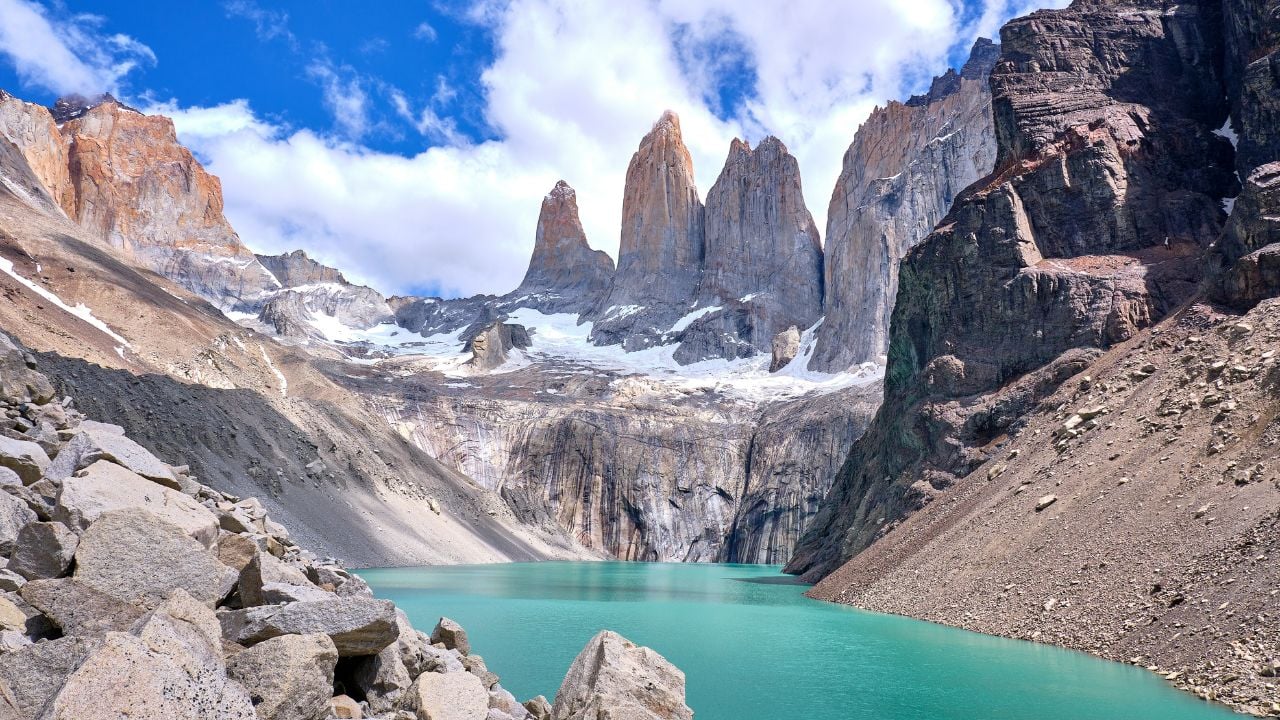
6. Torres del Paine, Chile

Torres del Paine is large enough that lodging location can change the trip logistics. Chile Travel says the area has accommodation options ranging from world-class hotels to campsites, and notes that high demand means reservations should be made months in advance.
A stay inside or near the park can reduce long transfers from Puerto Natales and make early starts easier. Hotels, lodges, refugios, campsites, domes, and estancias all create different versions of a Torres del Paine trip. Some put travelers closer to trailheads, some package meals and excursions, and others suit hikers moving along the W Trek or longer routes.
Before booking, travelers should check park access, meal plans, transfer times, trailhead distance, weather policies, guided excursions, luggage storage, and whether the stay fits a hiking route or a scenic-base itinerary. In Patagonia, a cheap bed far from the park can add hours of road time to days already shaped by wind and weather.
7. Marrakech, Morocco

In Marrakech, a riad can put travelers inside the old city rather than outside it. Angsana describes a Moroccan riad as a traditional house designed around a central courtyard or garden, often with a fountain, greenery, and tilework. Many riads have been converted into small hotels.
A medina riad can make daily movement simpler for travelers who want souks, hammams, food stalls, museums, and Jemaa el-Fnaa close by. Breakfast may be served on a terrace or in a courtyard, and staff can often help with directions, restaurant bookings, luggage routes, or meeting points for drivers.
The details should be checked carefully. Some riads sit deep in pedestrian lanes where cars cannot reach the door. Travelers should confirm the nearest drop-off point, luggage help, stairs, air-conditioning, rooftop access, pool or plunge pool, breakfast, and whether the location suits late-night returns. A large modern hotel outside the medina may suit some travelers better, but a riad places the old city at the center of the stay.