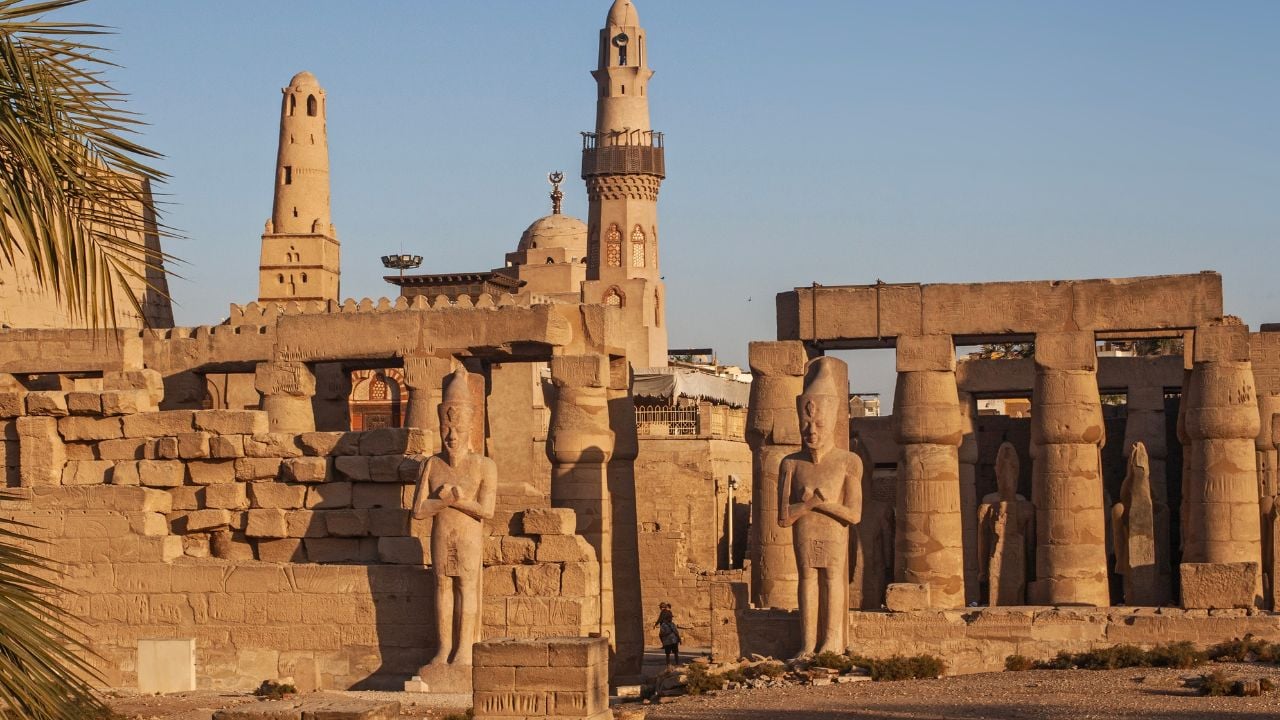
Ancient history is not always separated behind ropes and ticket gates.
In some cities, ruins sit beside cafés, homes, markets, churches, temples, river steps, bridges, and evening streets.
These six places let travelers see major monuments without treating the past as a closed museum scene.
Roman stadiums, Greek temples, river ghats, ancient theaters, old harbors, and temple complexes remain part of the city layout people still use today.
1. Plovdiv, Bulgaria
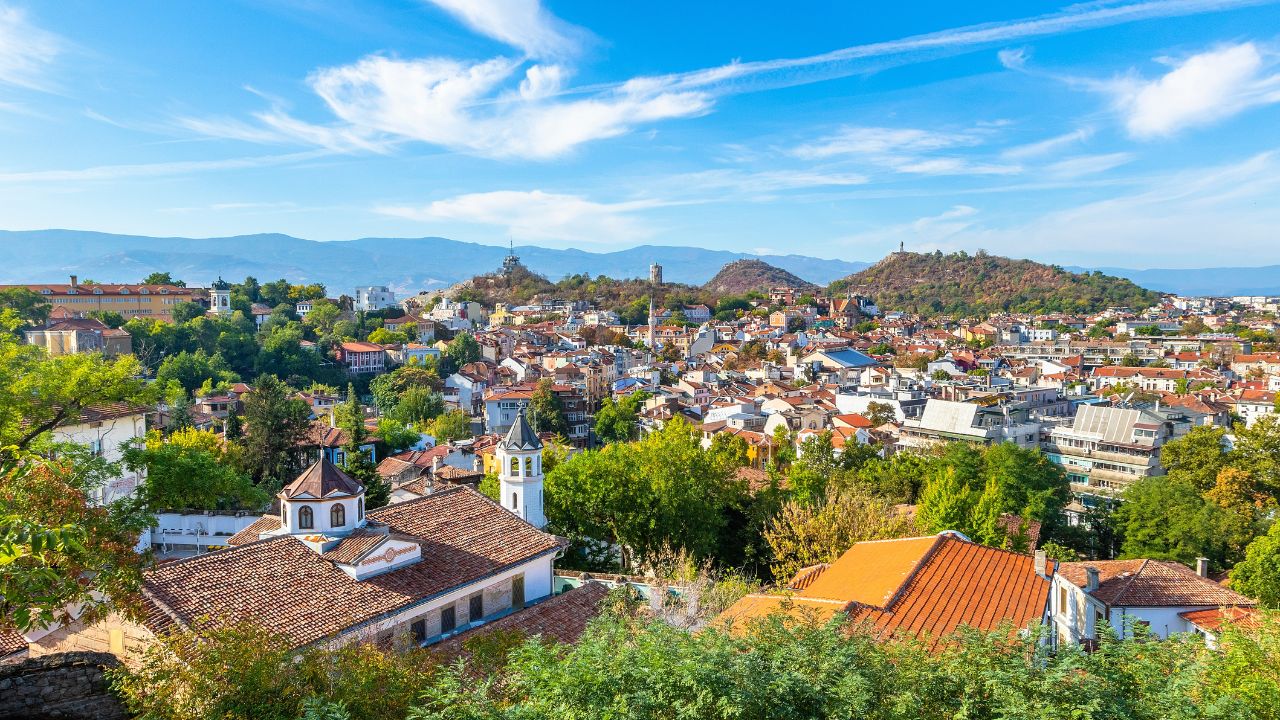
Plovdiv puts Roman history directly under the city’s central walking route. Visit Plovdiv says the Roman Stadium lies in the heart of the Main Pedestrian Street, was built in the 2nd century AD, and could hold up to 30,000 spectators.
The setting makes the stadium hard to miss. Shops, cafés, squares, and foot traffic sit around a monument that once hosted athletic competitions in ancient Philippopolis. Travelers do not need to leave the center to find the city’s Roman layer.
The Ancient Theatre adds another visible link between old and new Plovdiv. A walk can connect Roman stone, Revival-era houses, art streets, restaurants, and modern neighborhoods without turning the day into a monument-only route.
2. Athens, Greece
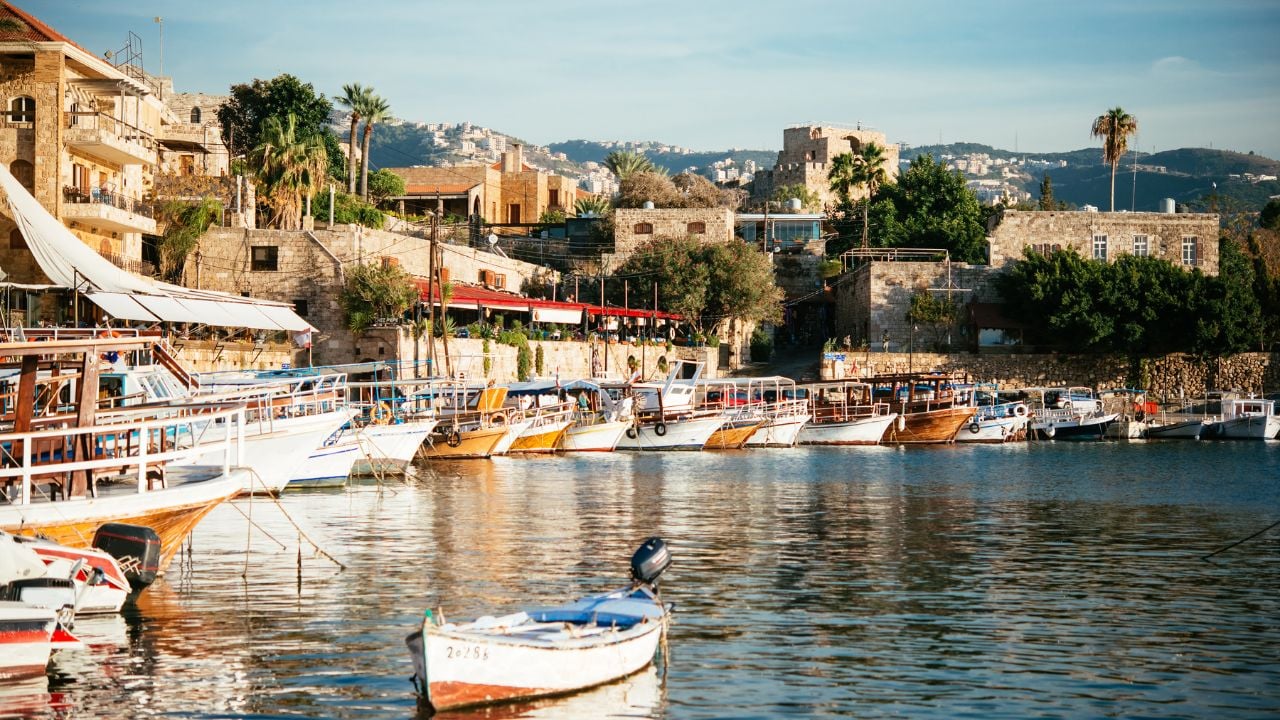
Athens keeps ancient sites in the middle of an active capital. Visit Greece describes Athens as one of the world’s oldest cities, with recorded history spanning around 3,400 years and habitation since the 11th millennium BC.
The Acropolis dominates the skyline, but ancient Athens also appears closer to street level. Greece lists the Ancient Agora as an archaeological site and museum, placing one of the city’s central public spaces within walking distance of modern streets, cafés, shops, and the neighborhoods below the Acropolis.
The Acropolis Museum adds another layer underfoot. Acropolis Museum says its building incorporates the ruins of an ancient neighborhood into its architectural design. In Athens, ancient remains are not limited to the hilltop; they appear in museums, sidewalks, metro-area routes, and views between everyday errands.
3. Varanasi, India
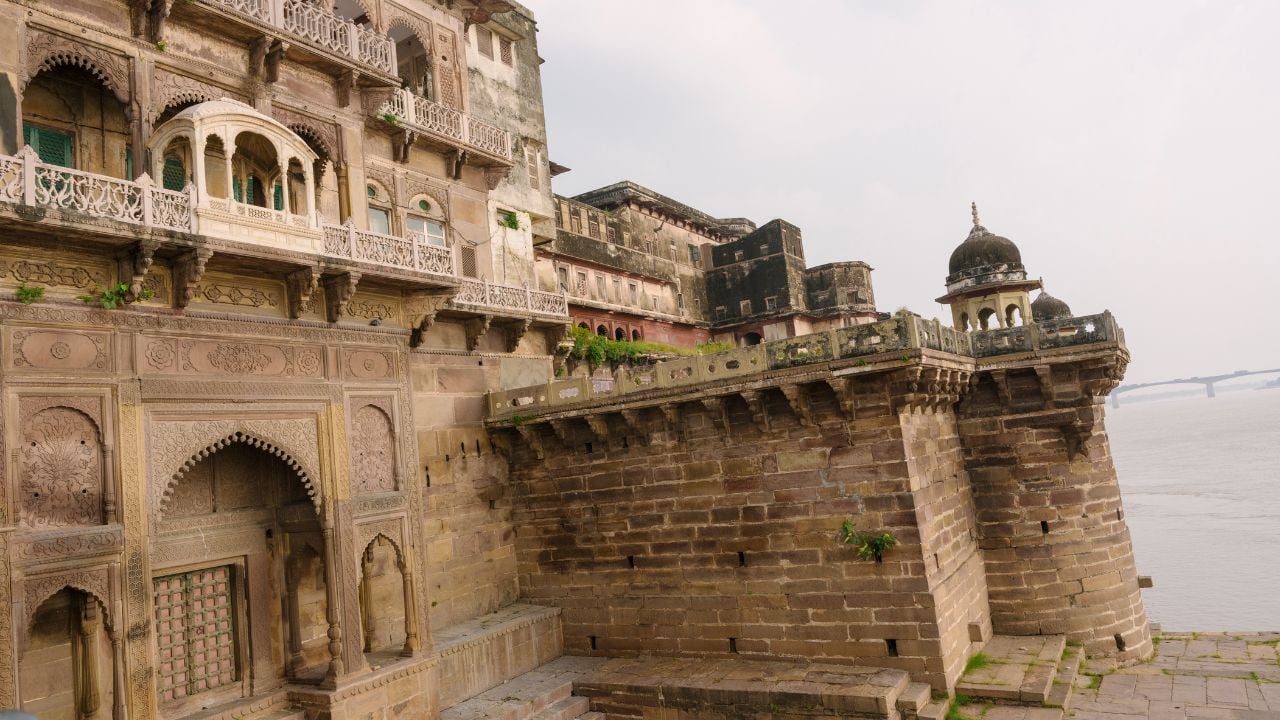
Varanasi’s ancient identity is tied to the Ganges riverfront. Varanasi says the city has 88 ghats, most used for bathing and puja ceremonies, while two ghats are used exclusively as cremation sites.
The ghats are not only viewpoints. They are river steps used for worship, mourning, washing, gathering, and movement through the city. Travelers should approach them with care, especially around cremation areas and private rituals.
A respectful visit can include a morning boat ride, a walk along selected ghats, temple streets, and time away from the busiest steps. The city asks for patience and cultural awareness rather than quick sightseeing.
4. Mérida, Spain
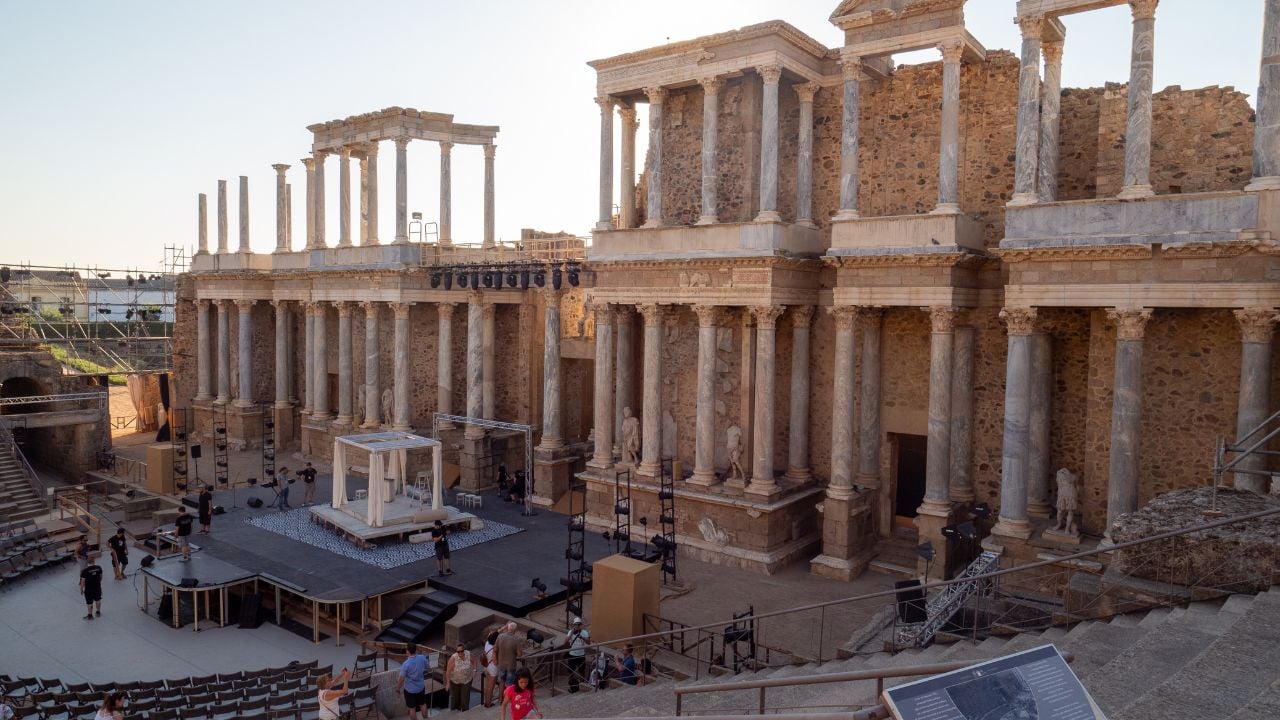
Mérida keeps Roman urban planning visible in the modern city. UNESCO says the Archaeological Ensemble of Mérida includes the amphitheatre, theatre, circus, aqueducts, and other water-management elements.
The old city began as Augusta Emerita, founded in 25 BC, and later became the capital of Lusitania. Its Roman remains still shape a central visit, from the theatre and amphitheatre to the bridge area and streets around the old core.
A traveler can move from the Roman theatre to plazas, cafés, the Guadiana River, and present-day neighborhoods in a short span. Mérida’s ancient sites do not sit far from the town around them; they remain part of the route visitors walk.
5. Syracuse and Ortygia, Sicily
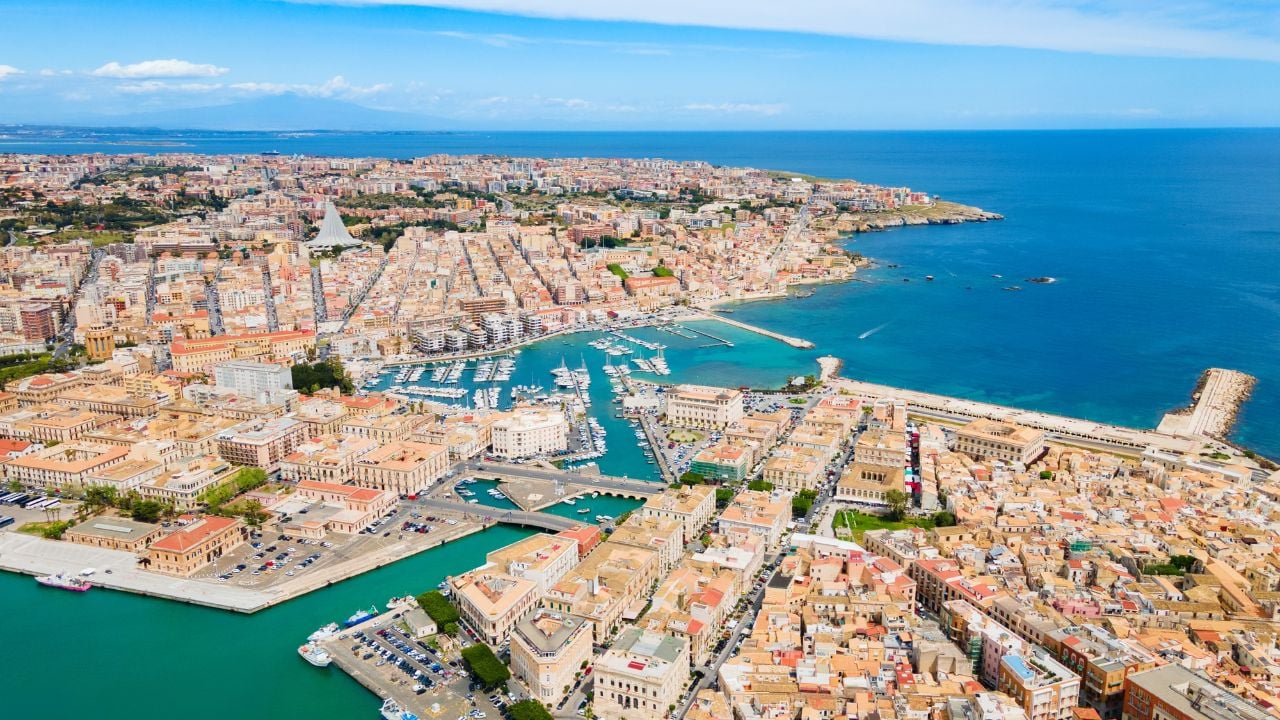
Syracuse places ancient Greek remains inside a seaside city that still fills with markets, restaurants, churchgoers, residents, and evening walkers. UNESCO says Ancient Syracuse includes Ortygia, the nucleus of the city’s foundation by Greeks from Corinth in the 8th century BC.
The same UNESCO listing identifies the Temple of Athena, built in the 5th century BC and later transformed into a cathedral, along with the Greek theatre, Roman amphitheatre, fort, and other remains. Ortygia’s cathedral square shows that layering in one place.
A day can link Ortygia’s streets, the market, sea walls, church interiors, and the archaeological area of Neapolis. Syracuse is strongest when travelers leave time for both the formal ruins and the older streets still used around them.
6. Luxor, Egypt
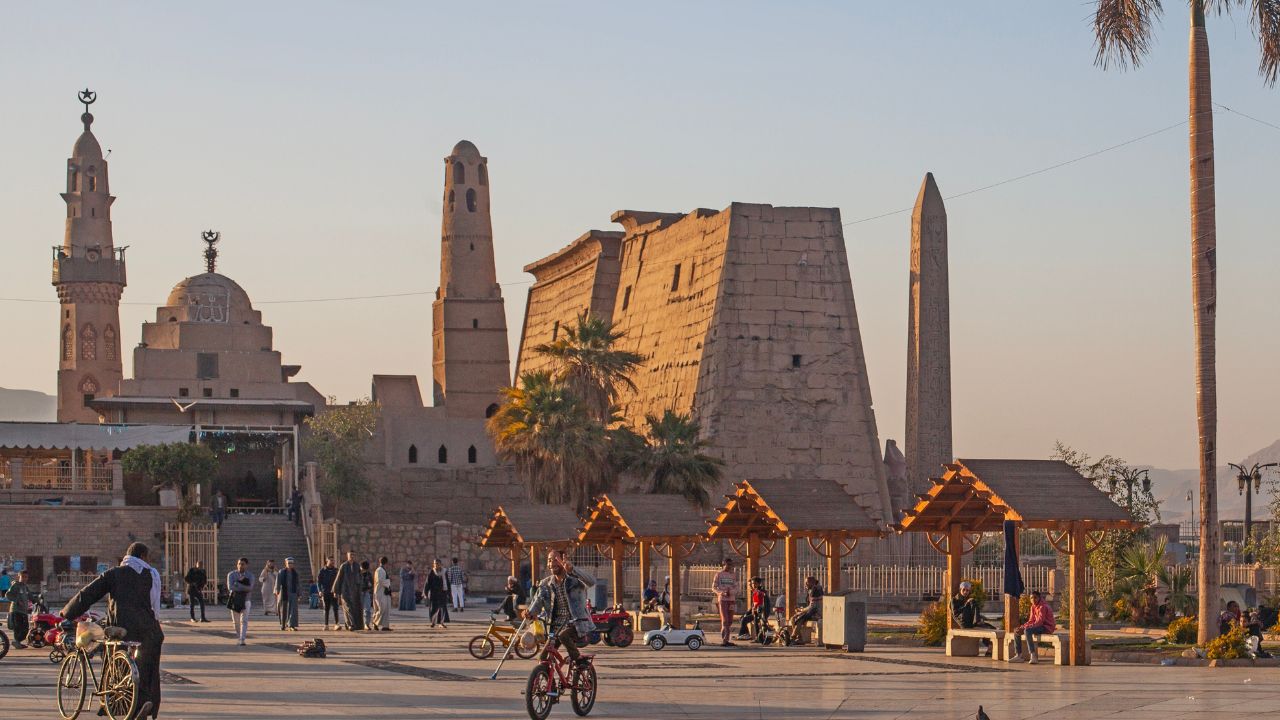
Luxor sits on the site of ancient Thebes, with major monuments on both sides of the Nile. UNESCO lists the temples of Karnak and Luxor on the east bank, with the Theban Necropolis on the west bank.
The west bank covers about 10 square kilometers, with thousands of tombs, scores of temples, houses, villages, shrines, monasteries, and workstations, according to UNESCO. That east-bank and west-bank split still guides how travelers structure a visit.
Luxor Temple stands inside the modern city, while boats, hotels, shops, cafés, and local traffic move nearby. Across the Nile, tombs and mortuary temples turn the west bank into a separate day of planning. Ancient Thebes still shapes the geography of the trip, from the river crossing to the evening lights around the temple.