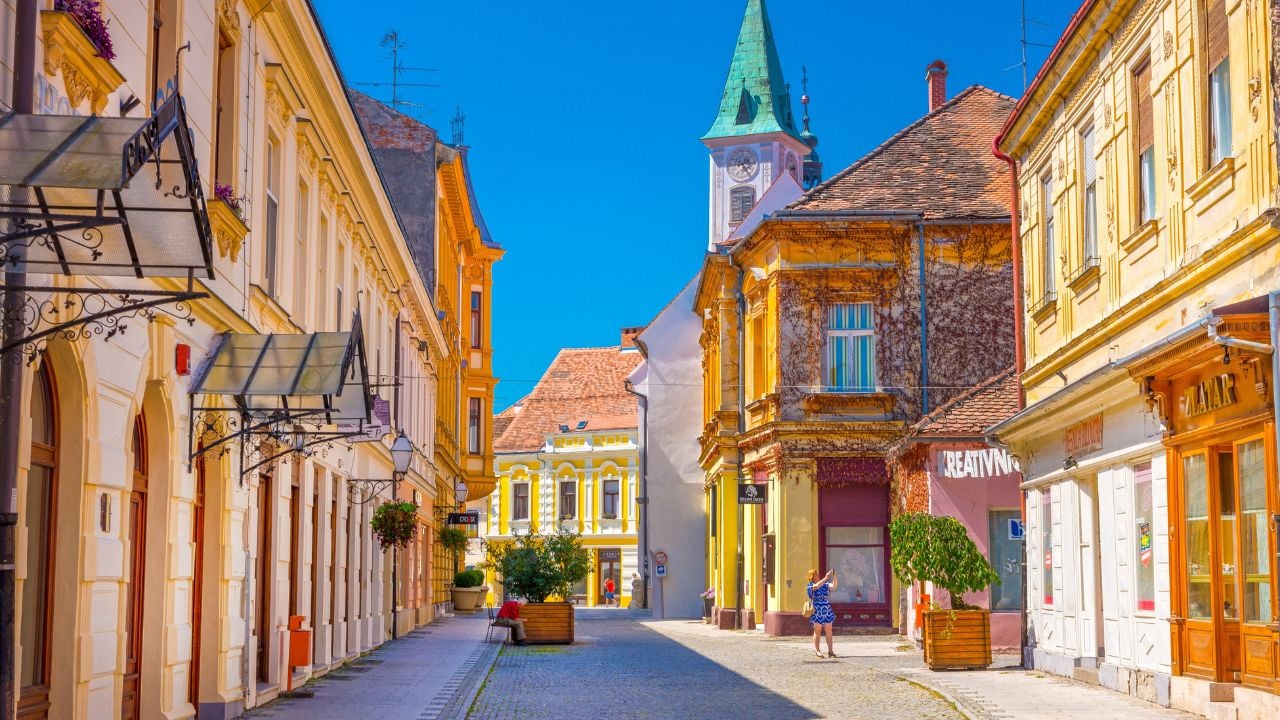
A good city break should change the mood before the hotel room is ready. You drop the bag, step into a street with café tables or old stone underfoot, order something local, and the airport morning starts to feel far away.
The cities below do not ask visitors to fight for that feeling. They have compact centers, real food traditions, handsome streets, and enough history to fill a weekend without turning it into homework.
Ferrara, Cáceres, Coimbra, Nafplio, Szeged, and Varaždin are not the loudest names in Europe, and that is part of the pleasure. They give travelers castles, university hills, river views, waterfront tavernas, Art Nouveau façades, baroque squares, and meals that belong to the place rather than a generic travel checklist.
These are cities for slow arrivals: a castle before lunch, a stone square at dusk, a hilltop university courtyard, a Greek harbor after dinner, a Hungarian cathedral square, or coffee beside a Croatian fortress. The trip starts working quickly because the good parts are close enough to reach on foot.
1. Ferrara, Italy
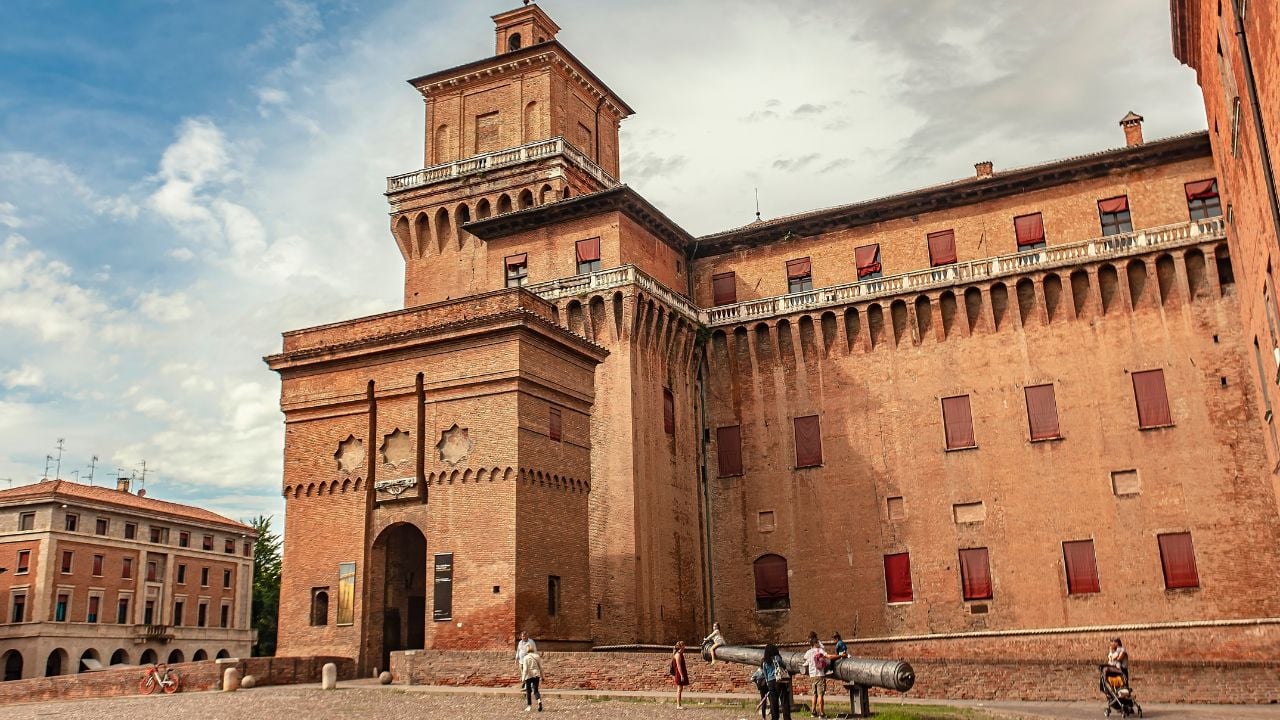
Ferrara begins with water around a castle. Castello Estense sits in the center with its moat, towers, brick walls, and drawbridges, so the first walk already has a clear landmark without needing a long plan. From there, the city spreads into porticoed streets, quiet lanes, bicycle traffic, palace façades, and broad Renaissance avenues that feel calmer than Italy’s most crowded historic centers.
The old center is part of the UNESCO-listed Ferrara, City of the Renaissance, and its Po Delta. The label makes sense when you walk beyond the castle and see how ordered the city feels: brick rather than marble, space rather than chaos, and streets that seem designed for slow movement instead of hurried sightseeing.
Lunch should not be an afterthought here. Look for cappellacci di zucca, Ferrara’s pumpkin-filled pasta, made with baked pumpkin, Parmesan, and nutmeg tucked into fresh egg pasta. A plate of it after a castle visit says more about the city than another rushed monument would.
Spend the rest of the afternoon in the old lanes instead of chasing a long list. Walk toward the cathedral area, find Via delle Volte if you want a more medieval mood, then sit down for coffee, wine, or torta tenerina before dinner. Ferrara is relaxing because the day can stay full without ever becoming loud.
2. Cáceres, Spain
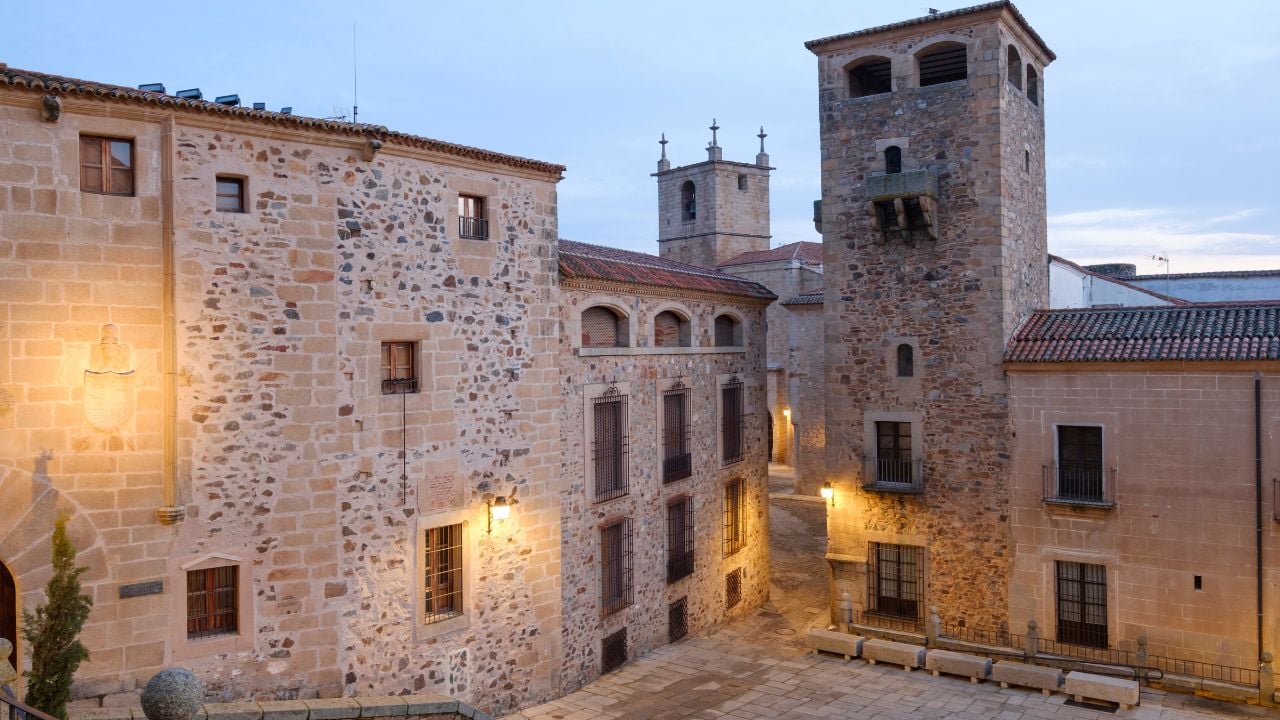
Cáceres changes tone as soon as you climb from Plaza Mayor into the walled old town. The modern noise drops behind you, and the streets turn to stone: towers, arches, palaces, coats of arms, heavy wooden doors, and narrow lanes that look especially dramatic when the afternoon light starts warming the walls.
The Old Town of Cáceres is a UNESCO World Heritage Site, with architecture shaped by Roman, Islamic, Northern Gothic, and Italian Renaissance influences. That mix is not something you need to study before arriving. It shows up in the towers, the defensive walls, the palace fronts, and the way each corner seems to belong to a different century.
Build the day around the old town and let dinner stay close. Around Plaza Mayor and the streets above it, a relaxed evening can mean Extremaduran cheese, jamón, migas, grilled pork, paprika-rich dishes, or a small tapas crawl before one more walk through the walled quarter. The stone streets feel different after dark, when lamps hit the towers and the city becomes quieter again.
Cáceres suits travelers who want atmosphere more than spectacle. There are museums and churches to visit, but the strongest memory may be simpler: climbing through the gate, hearing footsteps echo in the old lanes, then coming back down to a table, a drink, and a plate of something deeply local.
3. Coimbra, Portugal
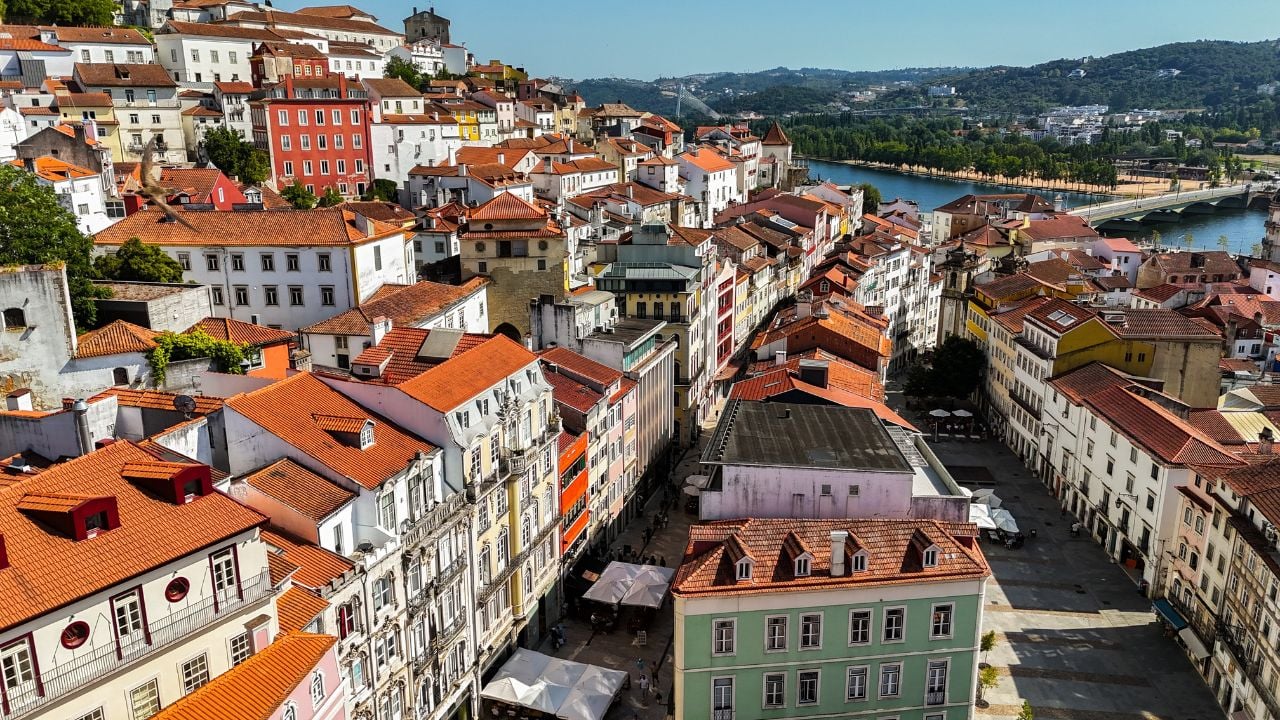
Coimbra rises above the Mondego River, so the city asks for a little effort from the first serious walk. The streets climb toward the university through tiled buildings, stairways, old façades, small shops, and viewpoints that appear suddenly between rooftops.
The University of Coimbra, Alta and Sofia received UNESCO World Heritage recognition in 2013. Up in the Alta, the university still dominates the city physically and emotionally: courtyards, formal buildings, student traditions, and views that remind you how long Coimbra has been shaped by learning.
Comfortable shoes matter, but the slopes give the day character. Start high if you can, then work downhill toward the lower town and the river. Stop for lunch on the way down, order something hearty from central Portugal, and leave space for a pastry or coffee once your legs have had enough of the climb.
Coimbra’s charm comes from the mix of grandeur and everyday life. A university building may sit a few minutes from a modest bakery, a steep lane may open onto a river view, and a quiet lunch can be followed by students moving through the same streets with books and guitars. The city feels old, but it never feels sealed away.
4. Nafplio, Greece
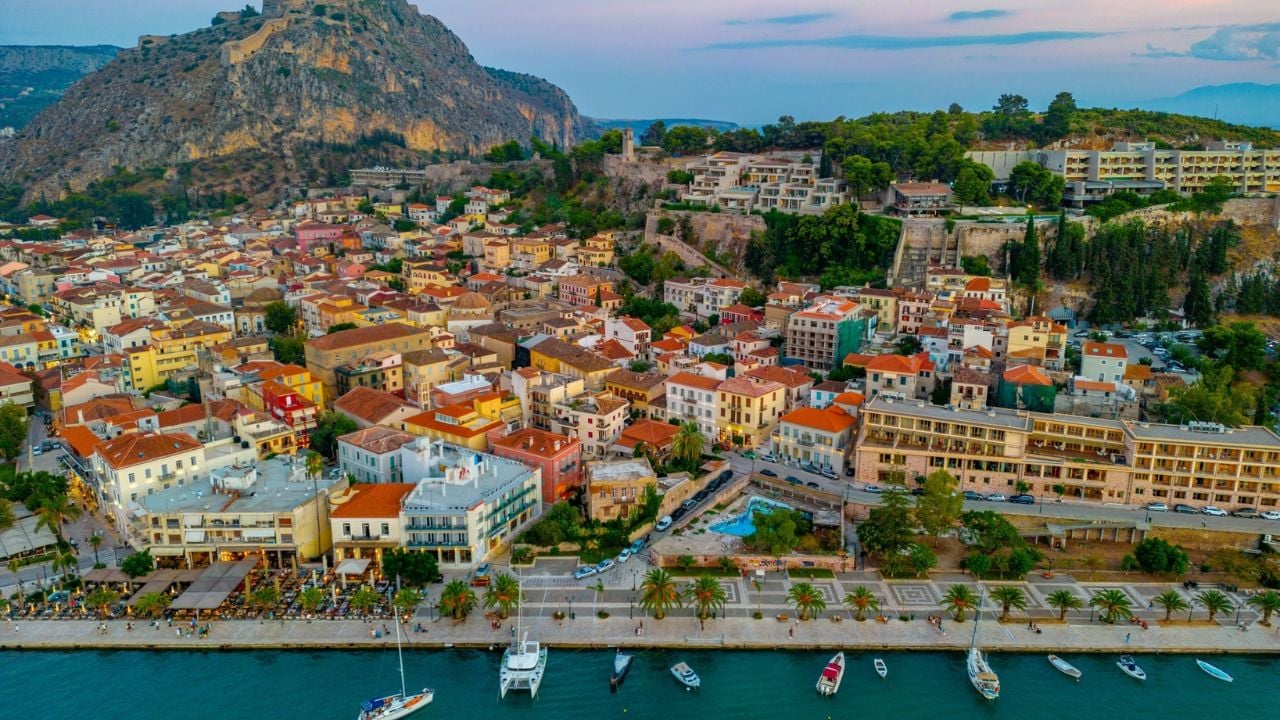
Nafplio has the kind of old center that makes visitors slow down without being told. Narrow streets lead past balconies, neoclassical houses, tavernas, small squares, gelato counters, and glimpses of the sea. Above the town, Palamidi fortress turns the skyline into something more dramatic than an ordinary seaside escape.
Visit Greece notes that Nafplio was the first capital of the newly born Greek state from 1823 to 1834. That history gives the town more weight than its romantic surface suggests, especially when you notice the fortifications, the old public buildings, and the harbor setting that made it such an important place.
Plan dinner around the old town or the waterfront and keep it simple. A table with grilled fish, meze, Greek salad, local wine, or something from the day’s catch does not need much decoration when the evening walk is waiting outside. Afterward, follow the promenade, look toward Bourtzi in the harbor, and watch Palamidi darken above the roofs.
Nafplio is restful because the best parts connect easily. A fortress view, a swim or coastal walk, a long lunch, an old-town dinner, and one slow lap by the water can fill a day without making the trip feel planned to death.
5. Szeged, Hungary
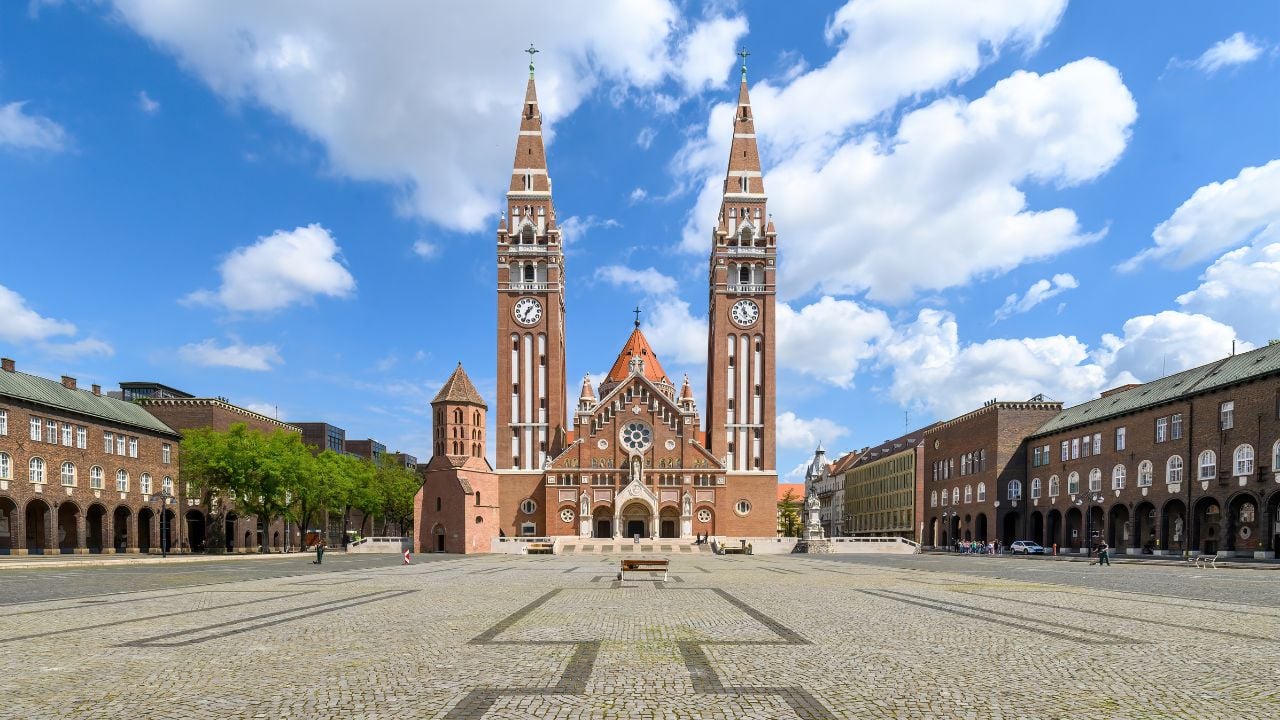
Szeged feels bright from the first walk. The center has wide squares, university buildings, café terraces, the Tisza River nearby, and Art Nouveau façades that keep the streets from looking severe. It is a Central European city with lightness in its layout.
Start around Dóm Square and the Votive Church, then look for Szeged’s Art Nouveau landmarks as you move through the center. The official tourism site points visitors toward buildings such as Ungár-Mayer Palace and other richly detailed sights, where curved lines, decorated façades, and unusual corners make the walk more interesting than a basic monument route.
At lunch or dinner, Szeged’s paprika identity belongs on the table. Fish soup, paprika-heavy stews, pastries, and café stops can fit around a walk from the cathedral square toward the river. The food has enough local personality to anchor the day without requiring a famous restaurant reservation.
The Tisza is worth saving for a slower hour. Walk toward the water in the late afternoon, when the city’s squares begin to soften and the river gives the center more air. Szeged suits travelers who want architecture, local flavor, and an easy weekend pace without the heaviness of a museum marathon.
6. Varaždin, Croatia
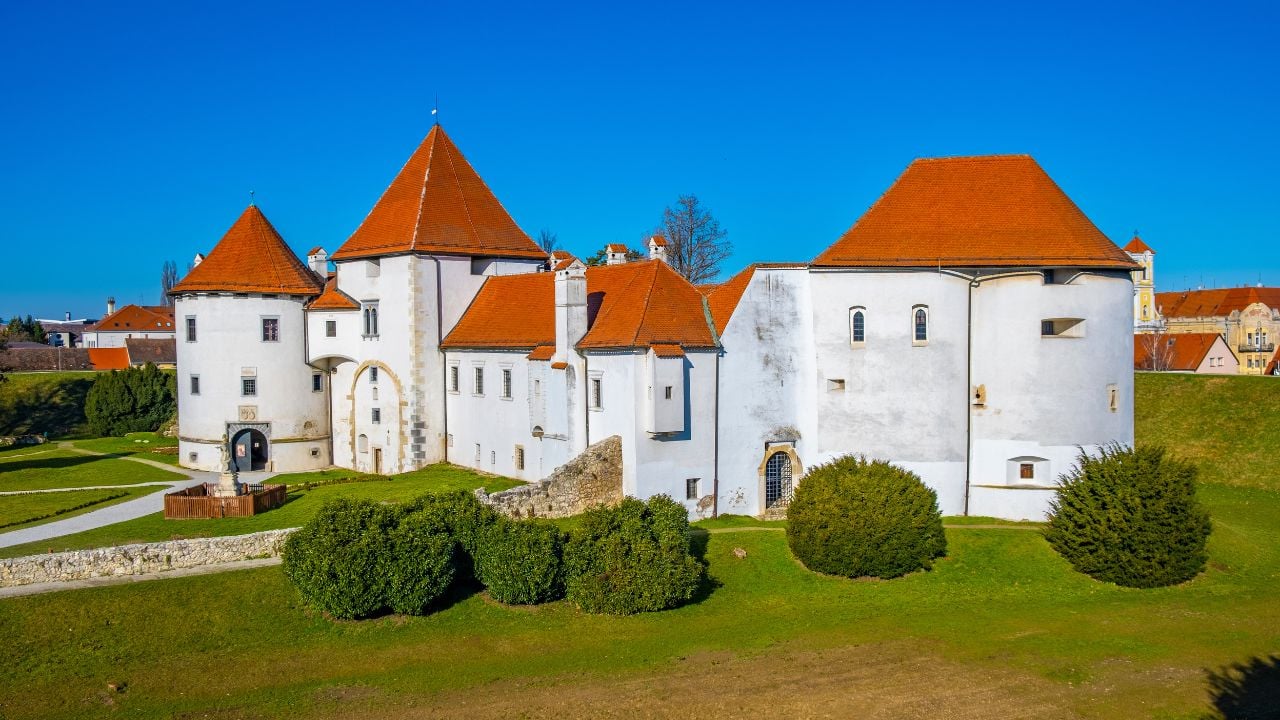
Varaždin gives Croatia a different face from the coast. Instead of beaches, ferries, and limestone lanes, the city offers baroque façades, tidy squares, church towers, park paths, café terraces, and the Old Town fortress surrounded by green space.
The official tourism site describes Varaždin as a historic city about an hour north of Zagreb, with architecture, festivals, a rich cultural and gastronomic scene, and a distinctive continental Croatian lifestyle. That continental mood is the point. The streets feel elegant, local, and easy to enter without the pressure of Croatia’s busiest summer destinations.
Begin near the historic core and walk toward the fortress before lunch. Look at the white walls, the park around it, the quiet approaches, and the way the old center stays close enough for coffee afterward. Varaždin is the kind of place where a café terrace is not filler between sights; it is part of how the city is used.
Save time for a proper meal or dessert before leaving. The city is not trying to overwhelm visitors with one blockbuster attraction. It leaves a softer memory: a fortress in a park, baroque streets, a calm square, and the feeling of seeing Croatian daily life away from the coast.