
The age-old question of whether to buy new or used has a surprisingly nuanced answer when you start looking at specific models. Some cars lose value faster than a dropped iPhone, making them incredible deals on the used market, while others hold their worth like vintage wine or actually benefit from factory warranties that save you from expensive repairs down the line.
Understanding which vehicles fall into which category can save you thousands of dollars and plenty of headaches. We’ve done the homework on depreciation curves, reliability ratings, and ownership costs to bring you a roadmap for smarter car buying.
Whether you’re a bargain hunter or someone who values that new-car smell, here’s what you need to know.
Better Used: Luxury Sedans (Mercedes-Benz S-Class, BMW 7 Series)

Flagship luxury sedans depreciate at a rate that would make an accountant weep, losing 50-60% of their value in just three years.
That $100,000 S-Class you couldn’t afford new? It’s suddenly within reach at $40,000 with low mileage and all the massage seats you could want. The technology that was cutting-edge when new is still impressively modern, and you’re getting the same buttery ride quality the original owner paid a premium for. Yes, maintenance costs are higher than a Honda Civic, but you’re also getting a car that originally competed with Rolls-Royce for a fraction of the price.
For those who appreciate German engineering and don’t mind visiting a specialist mechanic, the used luxury sedan market is basically a cheat code.
Better Used: Electric Vehicles (First-Generation Models)
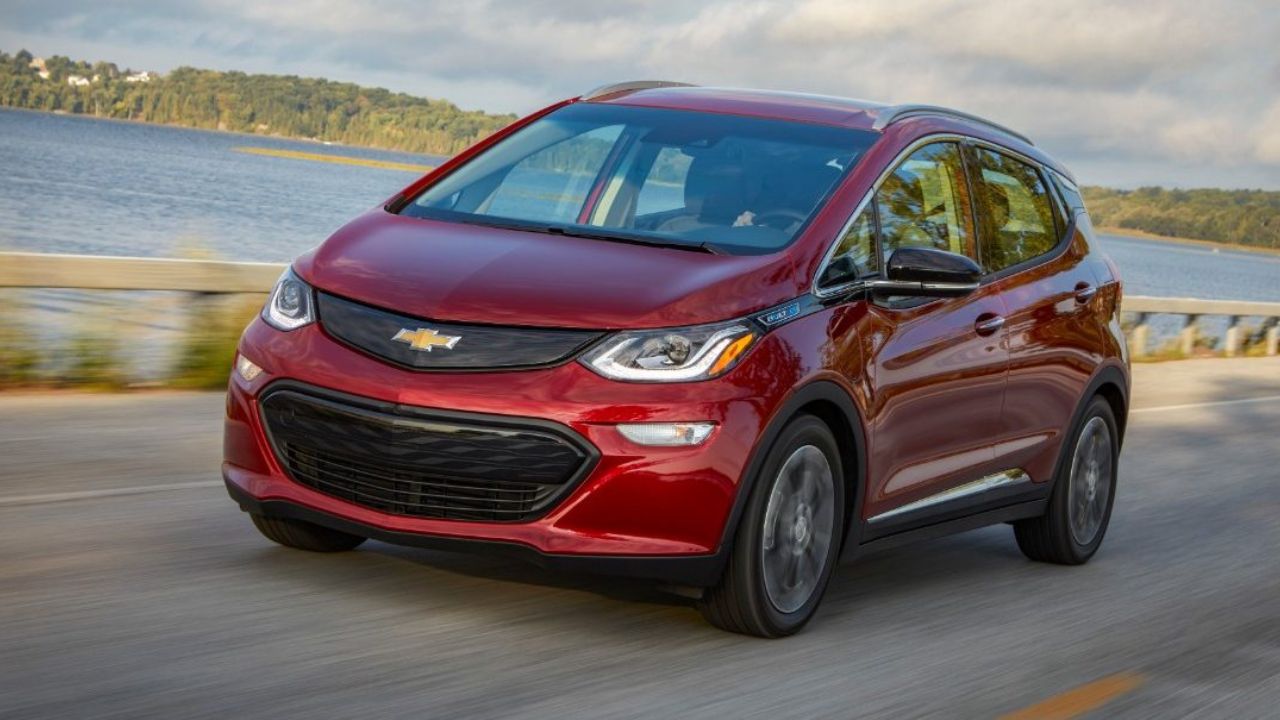
Early EVs like the Nissan Leaf, Chevy Bolt, and even some Tesla Model S variants have taken significant depreciation hits as battery technology and range have improved with each generation.
A three-year-old EV might cost 40-50% less than its original sticker price, and while the range might be 200 miles instead of 300, that’s plenty for most daily driving needs. Federal tax credits only apply to new EVs (or specific used ones under certain conditions), but the depreciation often outweighs that benefit. You’re getting into electric driving for used Camry money, complete with minimal maintenance and cheap “fuel” costs.
Just make sure to check the battery health report before signing anything, because that’s the one component you really need to verify.
Better Used: Full-Size Trucks (Ford F-150, Chevy Silverado)

Here’s the thing about trucks: people tend to baby them or use them hard, with not much in between, so finding a gently used example from someone who wanted the capability but rarely needed it is remarkably common.
A two-to-three-year-old truck can save you $10,000-15,000 off the new price while still having plenty of life left in its drivetrain. Trucks hold their value better than most vehicles, but they also start at $40,000-70,000 new, so even modest depreciation represents real savings. The previous owner already took the initial hit, modern trucks are built to last 200,000+ miles without major issues, and you’re getting proven reliability instead of first-year bugs.
Plus, that lightly used truck has already proven it can survive real-world conditions, which is worth something when you’re talking about a vehicle you might depend on for work.
Better Used: Three-Row SUVs (Honda Pilot, Toyota Highlander)

Family haulers like the Pilot and Highlander are often sold by owners who’ve either downsized after kids left home or upgraded to something newer, meaning there’s a healthy supply of well-maintained used examples.
These vehicles are engineered for durability since they’re hauling precious cargo, and both Honda and Toyota have stellar reliability reputations that hold up in the real world. A three-year-old model will have all the essential safety tech—blind spot monitoring, automatic emergency braking, adaptive cruise control — without the new-car markup. You’re saving $8,000-12,000 on average, and these SUVs routinely sail past 150,000 miles with nothing more than routine maintenance.
The best part is that family owners tend to keep up with service schedules religiously, so maintenance records are usually pristine.
Better Used: Sports Cars (Porsche 911, Chevrolet Corvette)

Enthusiast-driven sports cars represent some of the best value in the used market because they’re often meticulously maintained by owners who genuinely care about them and stored in garages rather than left to face the elements.
A Porsche 911 that’s three to five years old can be $30,000-40,000 less than new, and the driving experience is virtually identical to what the original buyer enjoyed. Corvettes, particularly the C7 generation, have depreciated nicely now that the mid-engine C8 is capturing everyone’s attention, making them accessible performance bargains. These aren’t appliances that got beaten up on daily commutes — they’re weekend toys that saw careful use and regular detailing.
The mechanical components are designed for performance and longevity, so a well-maintained example will deliver thrills for years to come.
Better Used: Certified Pre-Owned Luxury Crossovers (Audi Q5, Lexus RX)
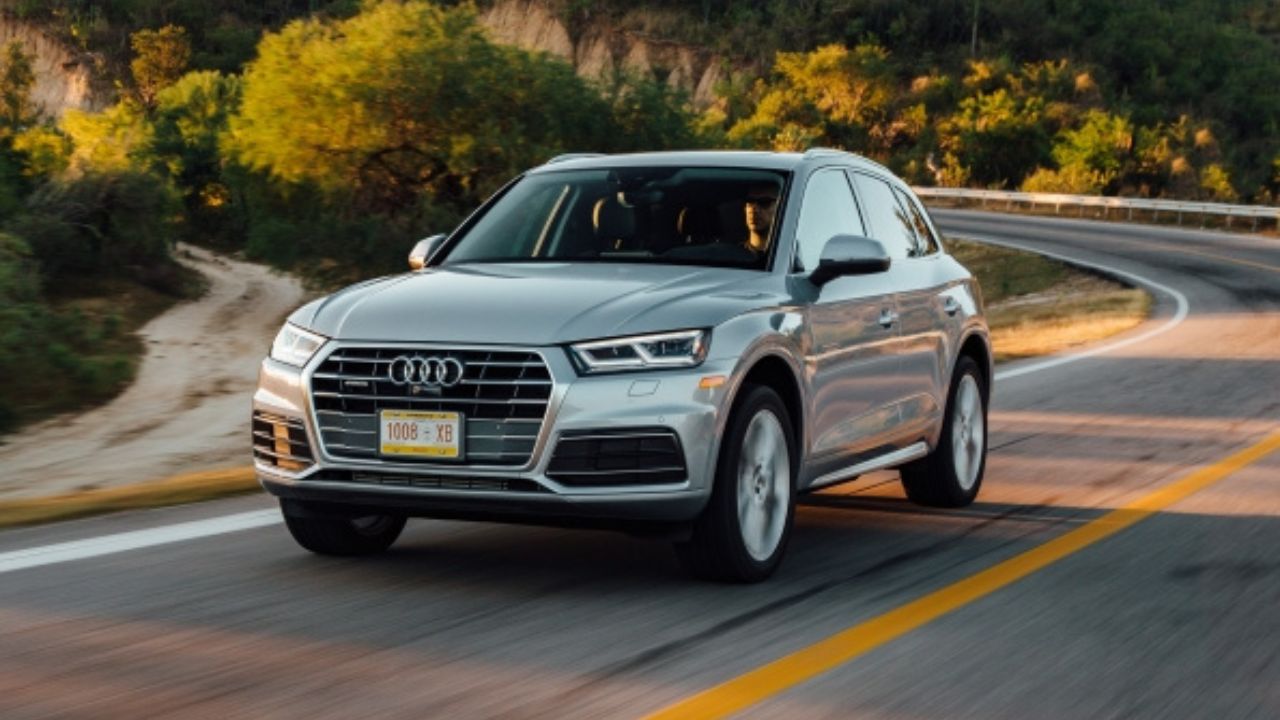
The CPO sweet spot for luxury crossovers is absolutely real, offering nearly new condition with warranty coverage at used-car prices.
Manufacturers like Audi and Lexus put these through rigorous inspections and back them with extended warranties, giving you protection against expensive repairs while avoiding 30-40% depreciation. You’re getting a vehicle that’s often just coming off a lease, meaning it was maintained by the dealership and driven by someone who couldn’t afford to neglect it. The technology and comfort features are still current enough that you won’t feel like you’re driving an outdated vehicle.
When you factor in the lower purchase price and warranty coverage, CPO luxury crossovers deliver the premium experience without the premium payment.
Better New: Honda Civic / Toyota Corolla

Compact sedans from Honda and Toyota hold their value so stubbornly that buying used barely saves you money after you factor in current incentives and financing rates on new models.
A three-year-old Civic might only be $3,000-4,000 cheaper than a new one, and for that difference you’re giving up a full factory warranty, the latest safety features, and potentially better fuel economy from newer engine technology. These cars are designed to last 200,000+ miles anyway, so starting with zero miles means you’ll get the full benefit of their legendary reliability under your ownership. New-car financing rates are often considerably lower than used-car loans, sometimes by 2-3 percentage points, which can actually make the new car cheaper over the life of the loan.
When a car depreciates this slowly, you might as well enjoy being the first owner.
Better New: Subaru Models (Outback, Forester, Crosstrek)

Subaru’s cult-like following creates a used market where prices stay high enough that buying new actually makes financial sense, especially when manufacturer incentives come into play.
The difference between a two-year-old Outback and a new one might be only $4,000-5,000, and that’s before considering that the new one comes with Subaru’s excellent warranty and potentially lower APR financing. These vehicles are popular in areas with harsh winters, which means used examples have often faced road salt and tough conditions that accelerate wear. Starting fresh means you control the maintenance from day one, which matters on a vehicle you’re likely planning to keep for a decade or more.
The symmetrical all-wheel-drive system that makes Subarus so capable also means you want the peace of mind of knowing its complete history.
Better New: Hyundai and Kia Models (Sonata, K5, Tucson)

Korean manufacturers have made enormous strides in quality and design, and they back it up with industry-leading warranties — 10 years/100,000 miles on the powertrain and 5 years/60,000 miles bumper-to-bumper.
That warranty coverage is a game-changer, but here’s the catch: it’s only fully transferable to second owners at 5 years/60,000 miles, meaning you lose a significant portion of the value proposition buying used. These vehicles are now legitimately competitive with Honda and Toyota in reliability while offering more features and style for the money. The depreciation on Hyundai and Kia models can be steep, but that’s actually an argument for buying new because you get the full protection period while the vehicle is most likely to have issues.
Factor in 0% financing deals that these brands frequently offer, and the math tilts heavily toward a new purchase.
Better New: Mazda MX-5 Miata

The Miata is automotive proof that some cars are just meant to be experienced from mile zero, and the used market pricing reflects how much enthusiasts value these lightweight roadsters.
Used examples hover close to new prices because demand is strong and production numbers are relatively modest compared to mainstream vehicles. This is a car people drive spiritedly — that’s the whole point — so buying used means inheriting someone else’s enthusiasm, which may include track days or spirited back-road runs you’ll never know about. At around $30,000 for a new model, the Miata isn’t an extravagant purchase anyway, and having the complete maintenance history and unmodified drivetrain is worth the modest premium.
These cars are so reliable and simple that they’ll last indefinitely with proper care, so starting at zero miles means maximum life under your stewardship.
Better New: Trucks for Heavy Use (Ford Super Duty, Ram HD)
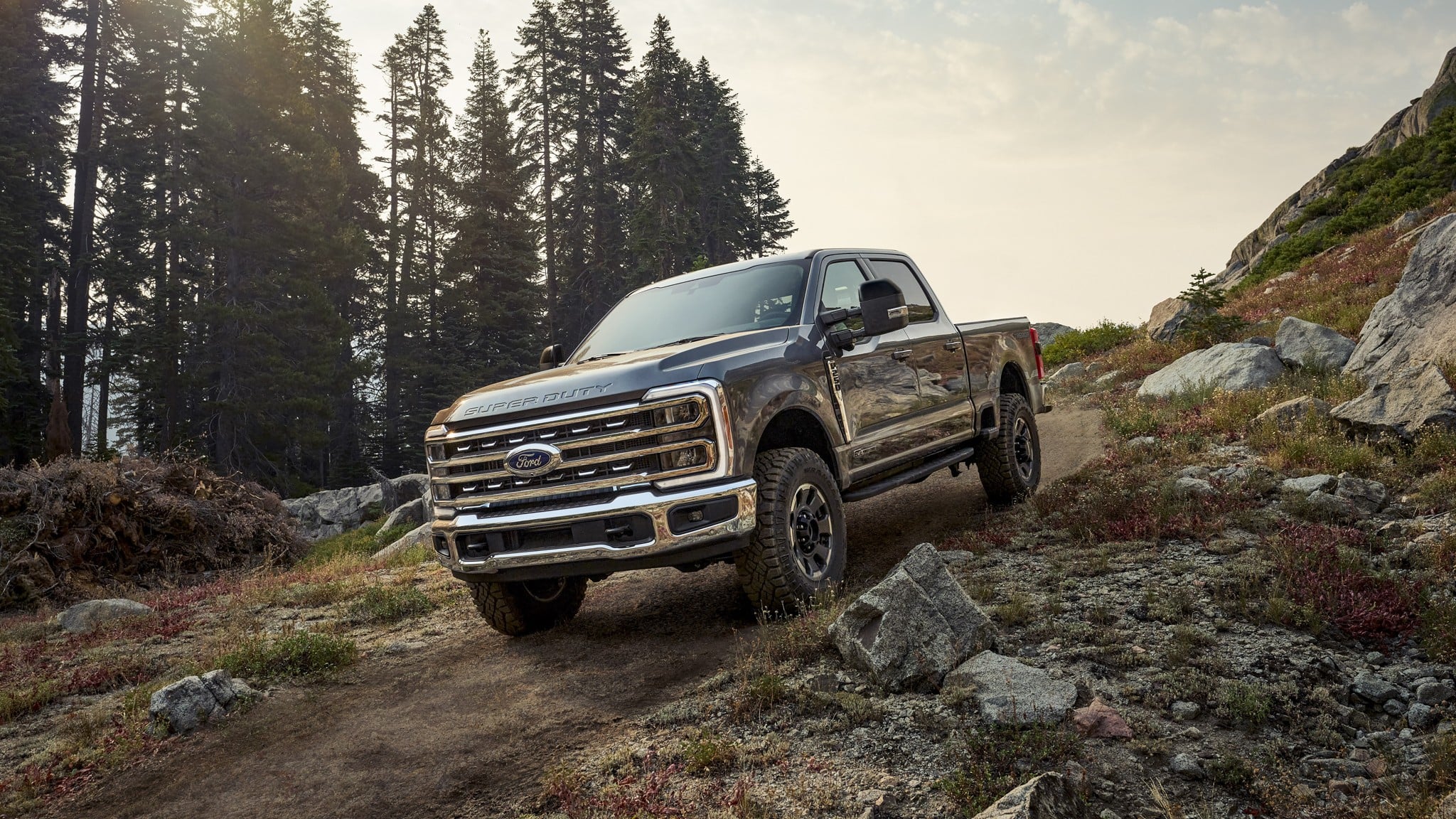
If you’re actually planning to tow heavy trailers, haul equipment, or use a truck for demanding work applications, buying new is the only way to ensure you’re getting a vehicle capable of handling that stress for years to come.
Heavy-duty trucks sold used have often lived hard lives — construction sites, farm work, or commercial applications — and critical components like transmissions and differentials may be closer to needing expensive rebuilds than you’d like. The difference in capability between a used truck with unknown towing history and a new one with a full warranty is worth the investment when your livelihood depends on reliability. Modern HD trucks also include advanced towing technology like trailer backup assist and integrated brake controllers that make a real difference in safety and usability.
When you’re talking about a $60,000+ investment either way, ensuring you get the full service life makes new the smarter choice.
Better New: Current-Generation Electric Vehicles (Tesla Model 3, Hyundai Ioniq 5)

EV technology is advancing quickly enough that buying the latest generation gets you meaningful improvements in range, charging speed, and software features that older models simply can’t match.
A new Model 3 or Ioniq 5 will have 300+ miles of range and charge significantly faster than vehicles from just three or four years ago, making road trips and daily use more practical. You’ll qualify for federal tax credits up to $7,500 on new EVs (depending on the model and your tax situation), which immediately narrows or eliminates any price advantage used models might have. Battery warranties on new EVs typically cover 8-10 years, giving you long-term peace of mind about the most expensive component in the vehicle.
Starting from zero miles also means you’re getting the maximum possible battery life before any degradation occurs, and you’ll benefit from over-the-air updates for the full supported lifecycle of the vehicle.
Conclusion

The decision between new and used shouldn’t be based on blanket rules but rather on the specific vehicle you’re considering and how you plan to use it. Some cars are engineered and marketed in ways that make used examples incredible values, while others hold their worth so stubbornly or come with such valuable warranties that new is the smarter financial move.
Consider factors beyond just the purchase price: insurance costs, financing rates, warranty coverage, and your personal tolerance for potential repairs all play important roles in the total cost of ownership. The used market offers opportunities for savvy buyers to drive more car than they could afford new, while new purchases provide certainty and peace of mind that can be worth every penny.
Ultimately, doing your research on the specific model you want, understanding its depreciation curve and reliability history, and honestly assessing your own needs will lead you to the right decision for your situation.