
Paris does not only get expensive because hotels and restaurants cost money. Visitors waste euros in smaller, easier-to-miss ways: buying the wrong transit option after landing, paying reseller markups for major attractions, buying a museum pass without doing the math, skipping free collections, or turning every meal into a sit-down stop beside a landmark.
The fix is not to make Paris feel cheap. The fix is to stop paying extra for things that do not make the trip better. A clear airport ticket, an official attraction booking, a market lunch, or a free museum afternoon can leave more money for the parts of Paris people actually remember.
The smartest trips are planned by area, not by random dots on a map. A morning in the Marais, an afternoon around the Louvre and Tuileries, or a Left Bank walk can save time, transit fares, and tired feet. Crossing the city three times in one day usually costs more than money; it drains the day.
These five moves help visitors cut waste without cutting the experience. They are not extreme budget hacks. They are simple ways to avoid paying tourist prices for confusion, convenience, or bad timing.
1. Do the Transit Math Before the First Metro Ride
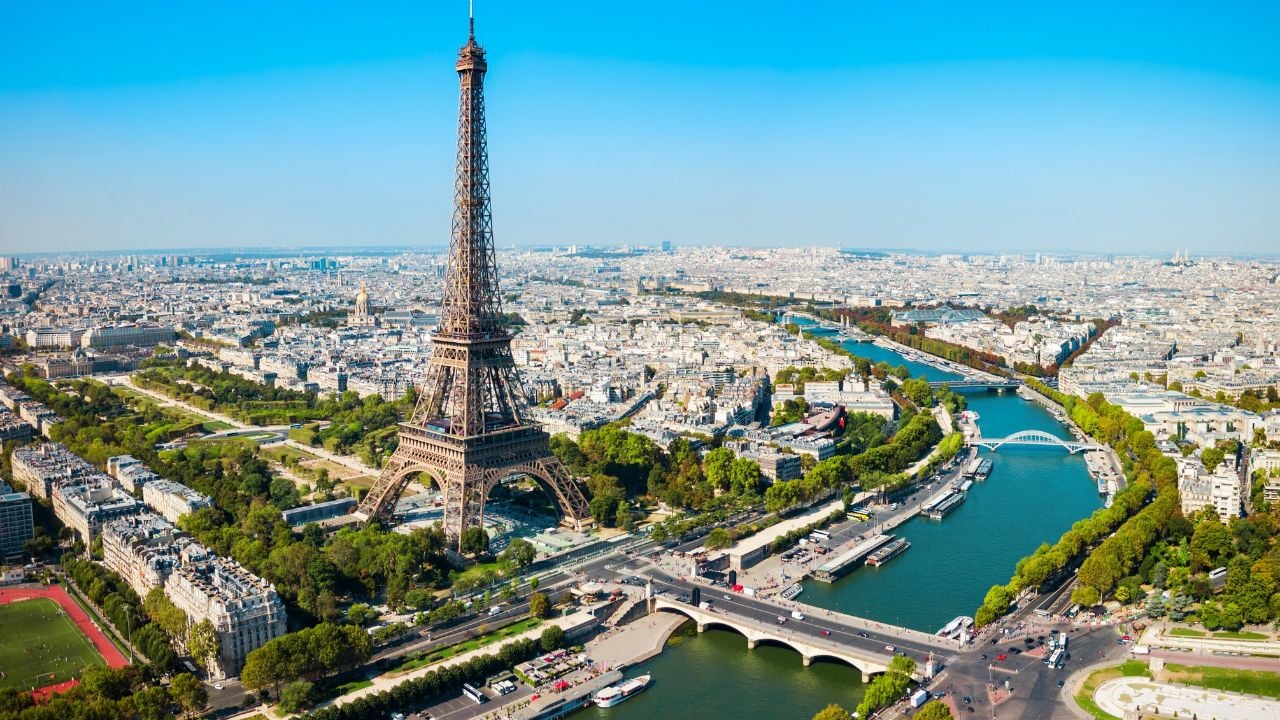
The first money trap often starts before visitors even reach the hotel. Tired travelers land at Charles de Gaulle or Orly, face ticket machines, zones, passes, phones, cards, and airport routes, then buy whatever seems easiest. That is how a simple arrival can become more expensive and more stressful than it needs to be.
Île-de-France Mobilités describes the Navigo Easy pass as a practical option for casual travelers because it can hold Metro-Train-RER tickets, Bus-Tram tickets, Navigo Day passes, Paris Region airport tickets, OrlyBus and RoissyBus tickets, and Paris Visit Pass. The physical pass costs €2, and each traveler needs to validate with their own pass.
Airport travel needs a separate decision. The airport ticket is listed at €14 per trip for all zones, with rates applicable from January 1, 2026. It covers rail travel to or from Orly via metro line 14 or Orlyval, and Roissy-Charles-de-Gaulle via the RER B, but it does not cover every airport bus or shuttle.
Before buying the first ride, decide what the trip actually needs: a few single journeys, a day pass, airport rail, or a larger pass. Paris transit is not something to figure out while blocking a machine with luggage and a dying phone battery. A five-minute check before arrival can prevent buying the wrong product in the first hour.
2. Buy the Museum Pass Only if the Schedule Proves It
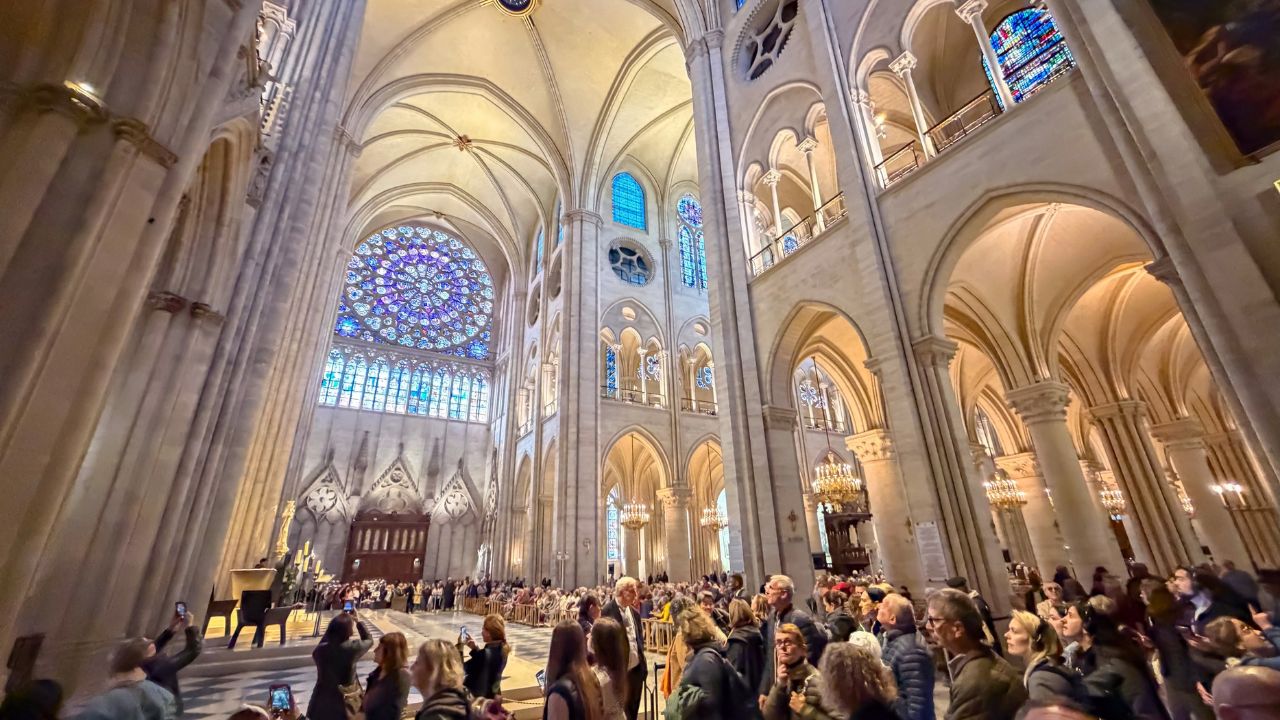
The Paris Museum Pass sounds like an automatic smart buy, but it only saves money when the itinerary is built to use it. The official pass covers more than 50 museums and monuments, including major names such as the Louvre, Orsay, Arc de Triomphe, Versailles, Sainte-Chapelle, and others. That list is attractive, but the pass does not create extra hours in the day.
Start with the real plan. If the trip includes one major museum, a long lunch, a neighborhood walk, and a Seine-side evening, the pass may add pressure instead of value. If several paid sites are already grouped into a short window, it can make sense.
The official pass site says savings come on average from the fourth visit for the 48-hour pass and from the fifth visit for the 96-hour pass. That means visitors should list the actual places, add the normal prices, and check whether the pass matches the schedule before buying.
Reservations can still matter. The Louvre advises visitors, including those with free admission, to book a time-stamped ticket through its online ticketing service. A museum pass should not become permission to improvise every major site at the last minute.
3. Check Official Ticket Sites Before Paying Reseller Prices

Paris ticket searches are full of bundles, “hosted entry,” audio-guide packages, reseller pages, and “skip-the-line” wording. Some options are legitimate, but many visitors pay more because they never checked what the official ticket costs first.
The Eiffel Tower’s official rates page lists different tickets for the second floor, the top, lift access, stairs, guided options, and packages with extras. That matters because a visitor who only wants basic access may not need a more expensive bundle with a guide, drink, brunch, or added service.
The Louvre is another place where the official route matters. Its official ticketing service sells online tickets, and the museum warns visitors to stay alert for ticket fraud, mirror sites, and supposed jump-the-queue offers. The Louvre’s own guidance says only advance booking through the online ticketing service guarantees access to the museum.
Start with the museum, monument, or attraction itself. If the official time slot is sold out, then compare trusted alternatives carefully and read what is actually included. In Paris, the expensive mistake is often not the entry fee; it is paying an extra service charge for something the official site already explains clearly.
4. Use Free Museums To Break Up the Paid Icons
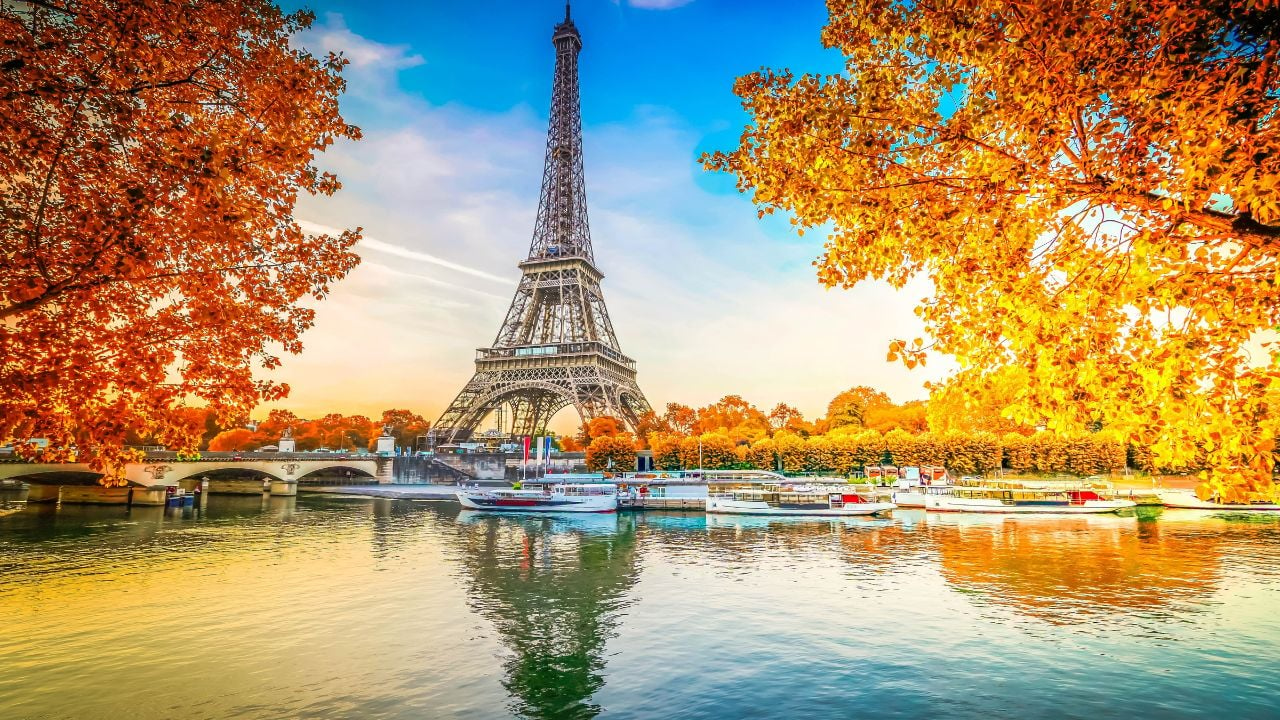
Not every cultural stop in Paris needs another paid ticket. The city has free permanent collections that can fill a rainy afternoon, a quiet morning, or the gap between bigger plans without adding another cost to the day.
Paris je t’aime says permanent collections are free every day at 11 Paris municipal museums, including Musée Carnavalet, Petit Palais, Musée d’Art moderne de la Ville de Paris, and Musée de la Vie romantique after its February 14, 2026 reopening. These are useful stops, not consolation prizes.
Free-entry days can help, but they need careful timing. First-Sunday windows and seasonal free access can draw heavier crowds, especially at famous sites. A smaller museum with free permanent collections may give a better experience than fighting a long line just because the price is zero.
A stronger Paris budget plan might include one paid blockbuster, one free municipal collection, and one long walk through a neighborhood such as the Marais, Saint-Germain, or around the Canal Saint-Martin. That keeps the trip cultural without turning every afternoon into another admission charge.
5. Let Markets, Bakeries, and Fountains Cut Daily Costs
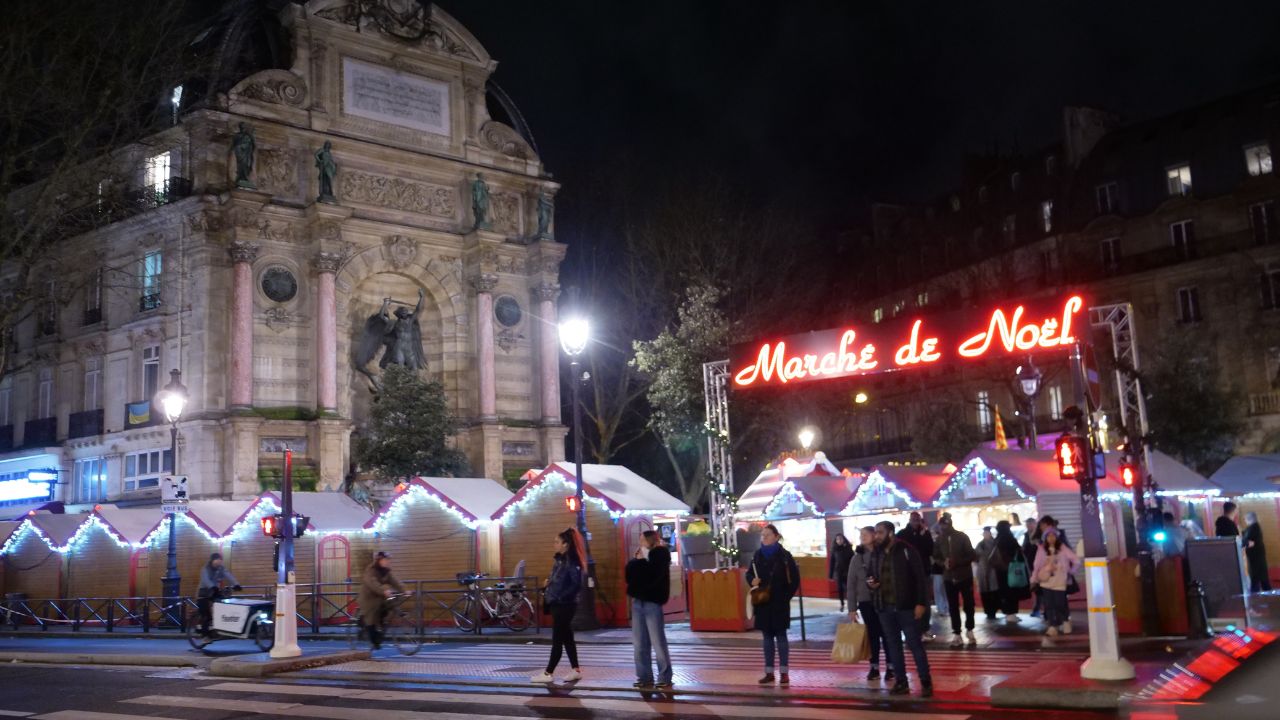
Food is one of the best reasons to visit Paris, but eating every meal beside a major landmark can make the budget disappear fast. A bakery breakfast, market lunch, picnic stop, or neighborhood café can save money without making the day feel thin.
Paris je t’aime says the capital has over 80 markets in different neighborhoods, including specialized, covered, and open-air markets. They sell fruit, vegetables, meat, bread, regional products, and artisanal goods, with examples such as Aligre, Bastille, Barbès, Enfants Rouges, Port-Royal, Pyrénées, Saint-Germain, and Ternes.
That can become part of the trip rather than a sacrifice. Buy bread, cheese, fruit, or something ready to eat, then take it to a bench, a park, or a river walk instead of defaulting to another crowded café next to a monument. Save the sit-down meals for places chosen because the food looks good, not because everyone is hungry and stuck near a tourist site.
Water is another small daily cost visitors can cut. Eau de Paris says the city has public drinking fountains, including free sparkling-water fountains, with the first sparkling fountain installed in Jardin de Reuilly in 2010 and 17 sparkling fountains now available. A refillable bottle is not glamorous, but it can save money across long walking days, especially in warm weather.
Spend the saved euros where they actually improve the day: a better pastry, a cheese stop, a glass of wine, or one dinner chosen on purpose. Paris feels less expensive when visitors stop paying for avoidable convenience and keep the money for the moments that taste, look, or feel worth it.