A good hybrid SUV should make normal weeks easier. It needs to handle commuting, groceries, highway trips, rainy school pickups, and last-minute cargo problems without turning every mile into a fuel-cost reminder.
That is where today’s best hybrid SUVs make sense. They keep the seating position and flexibility shoppers want from SUVs, then add fuel economy strong enough to matter in daily driving.
The best examples also have to feel comfortable after the first test drive. A strong mpg rating is less useful if the cabin feels cramped, the cargo area is awkward, or the ride becomes tiring after an hour on the road.
These five SUVs are available to U.S. buyers and fit the headline because they combine strong gas mileage, useful space, familiar refueling habits, and enough comfort to work as everyday family or commuter vehicles.
Where Hybrid SUVs Have To Prove Themselves
This selection focused on SUVs available in the U.S. market that deliver strong fuel economy while still feeling practical and comfortable for daily life. The main criteria included EPA mileage, passenger space, cargo usefulness, ride comfort, cabin layout, safety technology, price logic, dealer availability, and how well each vehicle fits common family or commuter routines.
Traditional hybrids received priority because they improve mileage without asking owners to manage charging. Plug-in hybrids and EVs sat outside this list to keep the focus on gas mileage and normal refueling habits.
The final choices needed to feel complete, not only efficient. Cargo space, seating comfort, drivability, and trim availability mattered because an SUV has to work for errands, traffic, weather, luggage, and longer highway drives.
Toyota RAV4 Hybrid
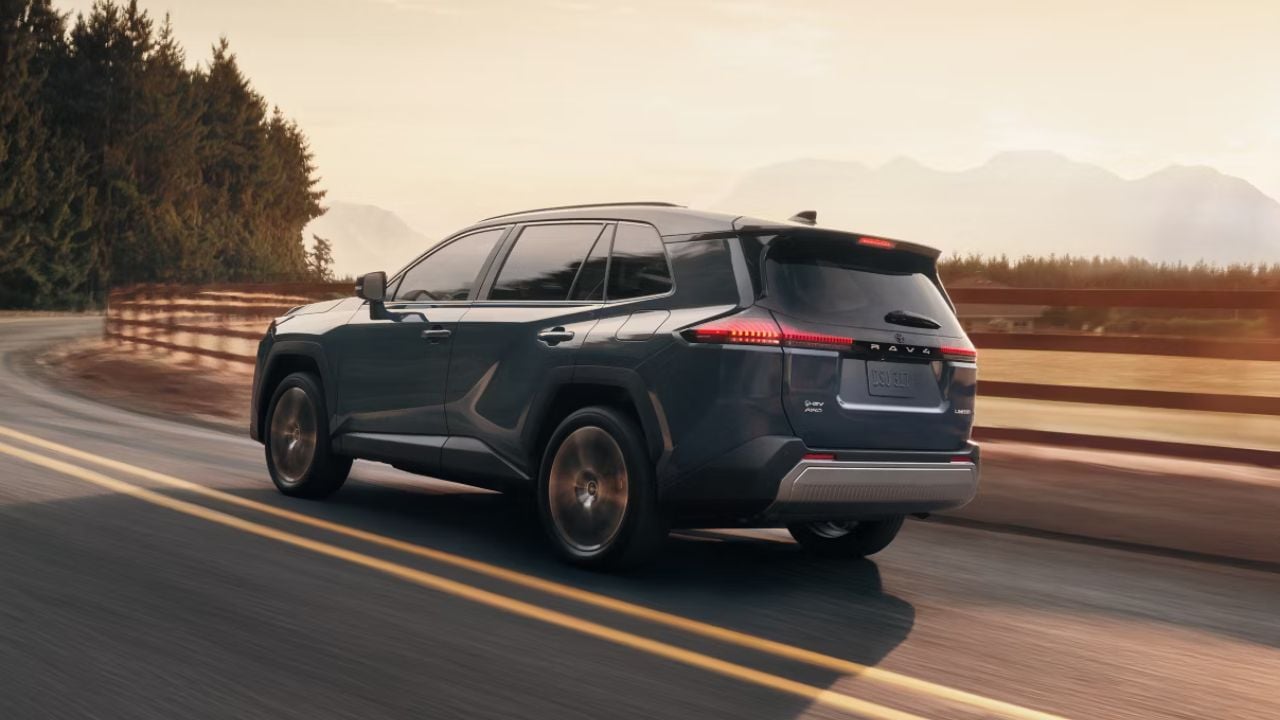
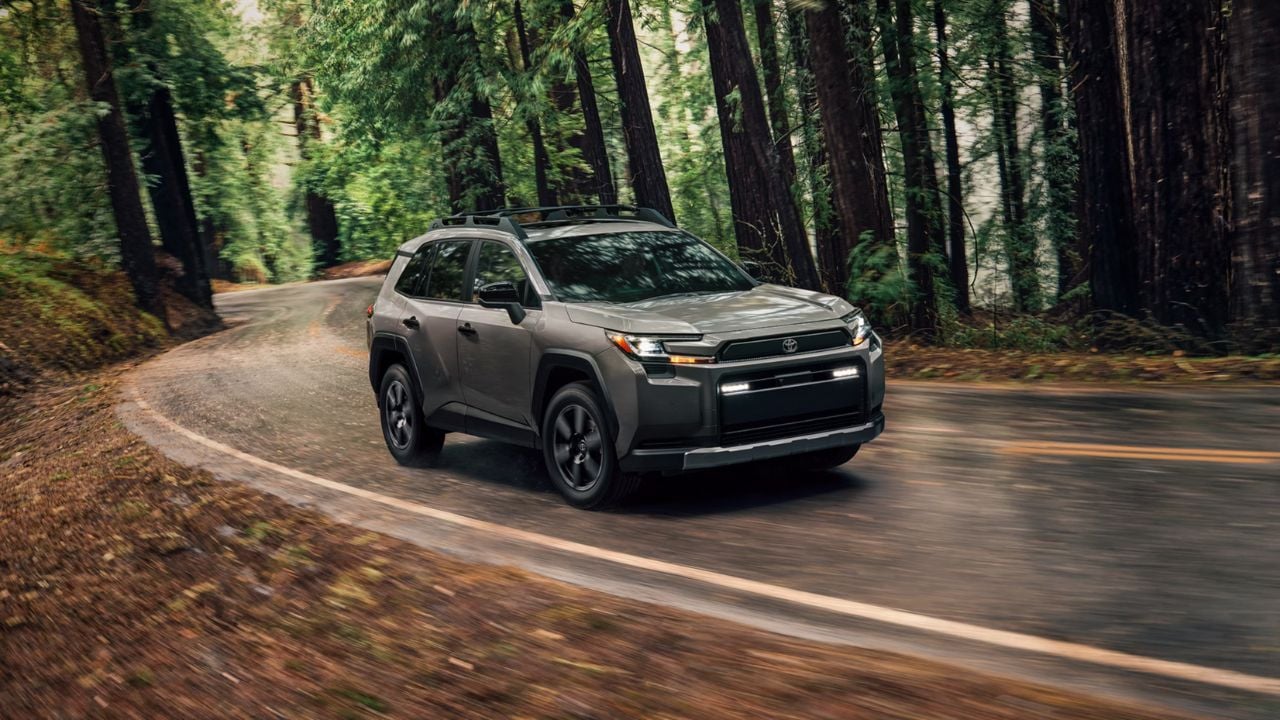
The Toyota RAV4 is the cleanest answer for buyers who want a practical hybrid SUV with strong mileage and little explanation required. Toyota lists the 2026 RAV4 with up to 47 mpg city and 40 mpg highway, plus up to 37.8 cubic feet of cargo space behind the rear seats.
Those numbers give the RAV4 a strong everyday advantage. City errands, school runs, commuting, and weekend driving are exactly where hybrid efficiency can cut fuel use without changing the owner’s routine.
The RAV4 also works because the rest of the package is familiar. The cabin layout is easy to understand, the cargo area is simple to load, and Toyota’s hybrid reputation gives buyers a strong long-term ownership argument.
This is the SUV for shoppers who want the efficient choice to feel obvious. It does not need a complicated pitch: strong mileage, useful space, broad dealer support, and normal refueling habits do most of the work.
Honda CR-V Hybrid
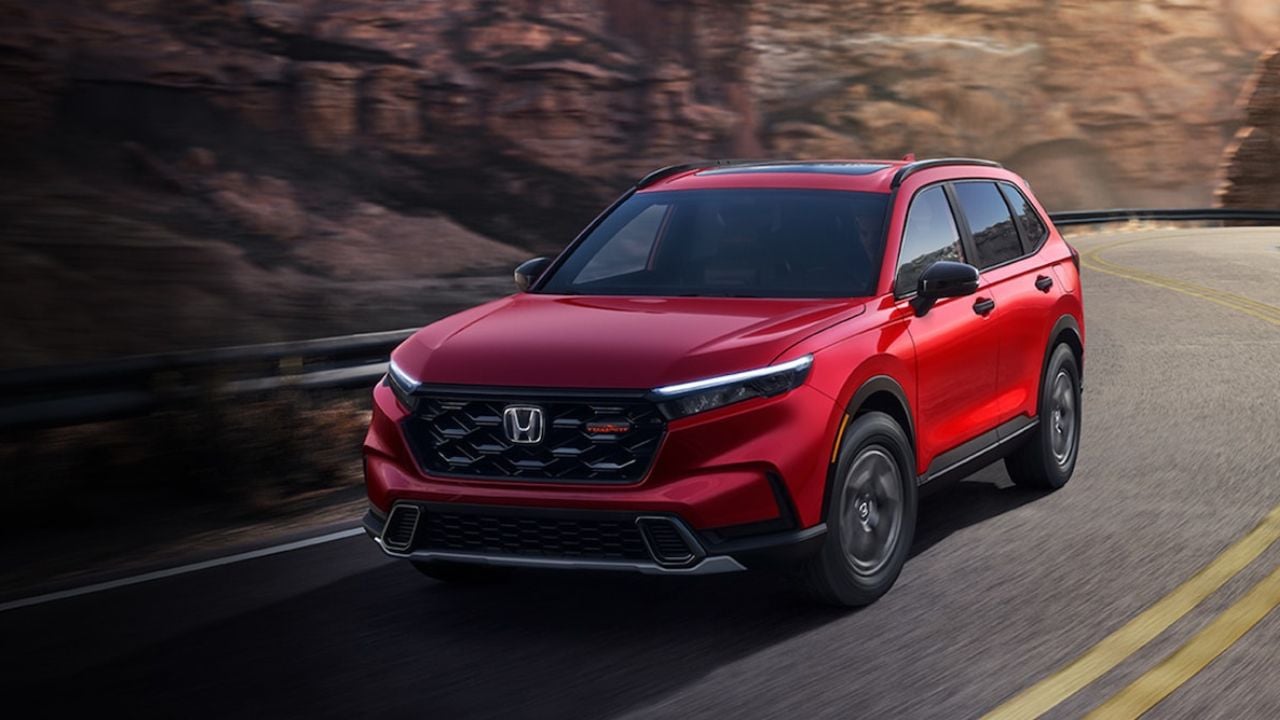
The Honda CR-V Hybrid is the comfort-focused compact choice in this group. Honda lists the 2026 CR-V Sport Hybrid from $35,630, with 43 city, 36 highway, and 40 combined mpg in front-drive form.
Honda’s specification sheet lists 36.3 cubic feet of cargo room behind the second row for CR-V Hybrid trims. That gives the CR-V enough everyday space for groceries, school bags, luggage, small furniture runs, and commuter gear.
The CR-V Hybrid’s advantage is refinement. The seats are supportive, the controls are easy to learn, visibility is strong, and the hybrid powertrain gives the SUV smoother low-speed response in traffic.
For shoppers who value comfort as much as mileage, the CR-V Hybrid is one of the safest recommendations in the segment. It does not chase flash; it focuses on making daily driving calm, predictable, and efficient.
Kia Sportage Hybrid
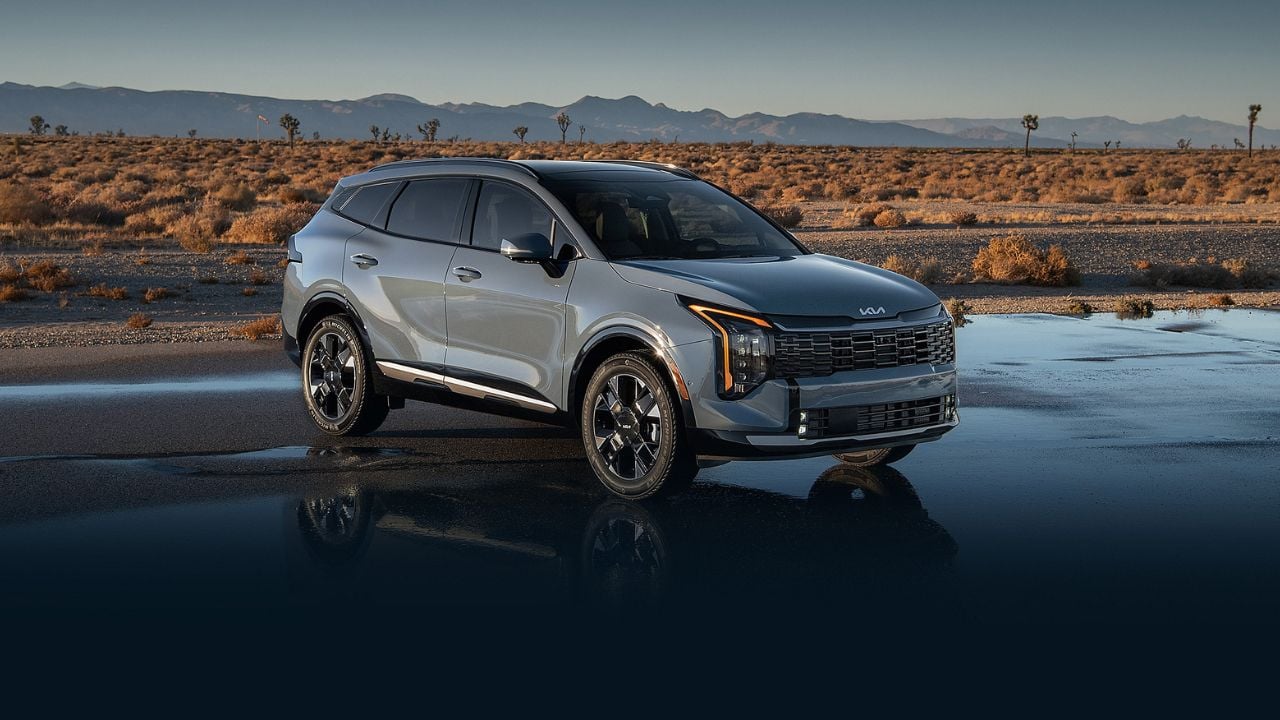
The Kia Sportage Hybrid makes the efficiency argument with strong space and stronger-than-expected power. Kia lists the 2026 Sportage Hybrid LX at 41 city, 44 highway, and 42 combined mpg, with a 232-hp turbo-hybrid system.
Edmunds lists the same LX trim with 39.5 cubic feet of cargo space, which makes the Sportage Hybrid one of the more useful compact hybrid SUVs for buyers who regularly carry bags, strollers, gear, or weekend luggage.
The Sportage Hybrid’s advantage is that it does not feel like a bare-bones fuel-saver. The efficient LX trim already gives buyers strong mileage, useful cargo room, and good power, while higher trims add more display, comfort, and driver-assistance equipment.
It fits real life because it balances fuel savings with space, value, warranty coverage, and enough response to keep everyday driving from feeling flat.
Hyundai Tucson Hybrid

The Hyundai Tucson Hybrid is the comfort-focused alternative among compact hybrid SUVs. Hyundai lists the 2026 Tucson Hybrid Blue SE at 38 city, 38 highway, and 38 combined mpg.
Hyundai’s specification sheet lists 38.7 cubic feet of cargo room behind the rear seats and 74.5 cubic feet with them folded for the hybrid. That gives the Tucson useful family space without moving into a larger midsize SUV.
The Tucson Hybrid’s cabin is one of its stronger selling points. The dashboard has a clean modern layout, the ride is easygoing, and the hybrid system adds better everyday response than the regular gas model.
This SUV works well for buyers who want mileage, comfort, cargo space, and visual character without turning the purchase into a complicated decision. It is not the highest-mpg compact hybrid here, but it has one of the more relaxed daily-driving personalities.
Toyota Highlander Hybrid
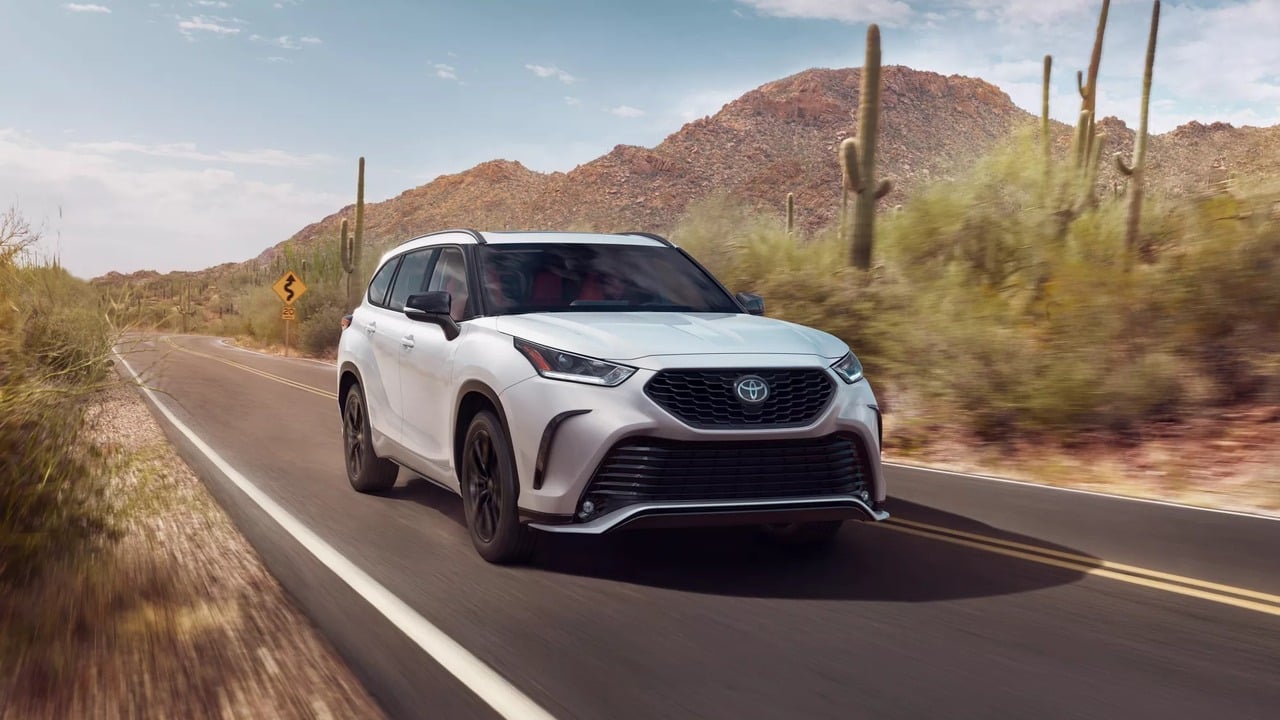
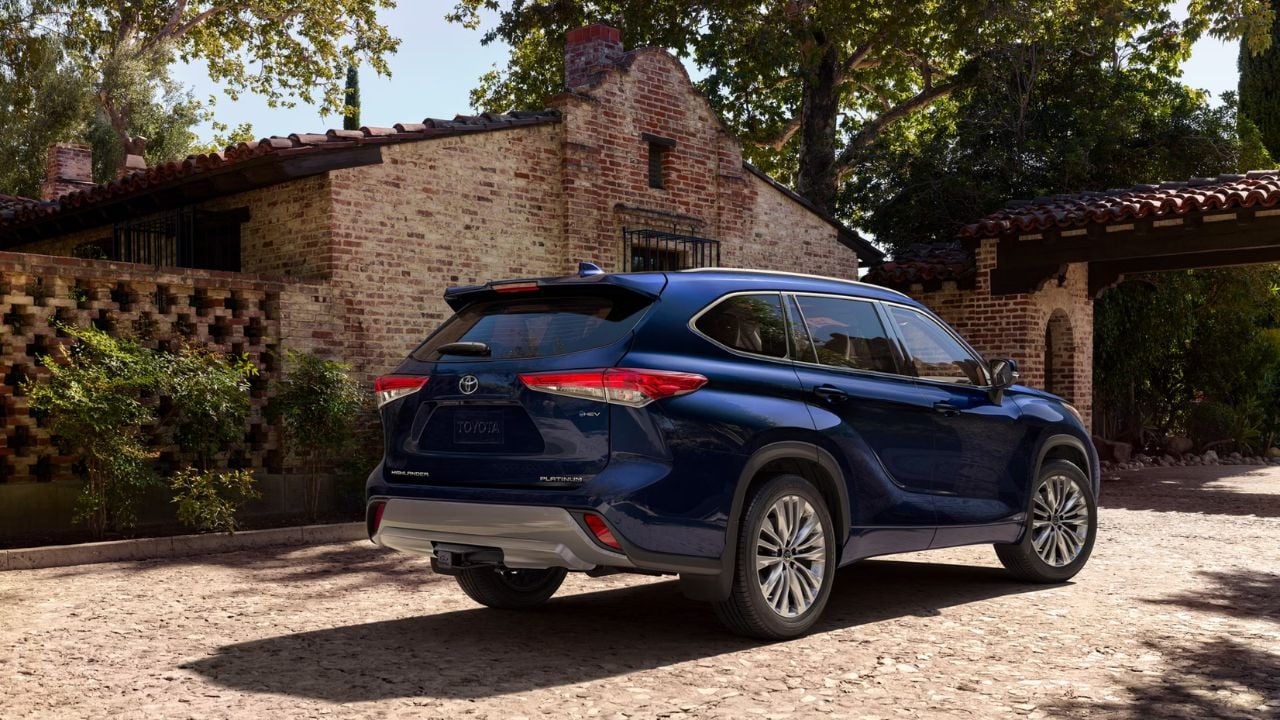
The Toyota Highlander Hybrid earns its place because it brings strong mileage to a larger family SUV. Toyota lists the 2026 Highlander Hybrid at 35 mpg city and 35 mpg highway, while Edmunds lists 35 mpg combined for 2026 Highlander Hybrid trims.
The Highlander Hybrid’s strength is that it gives families three rows without the fuel use normally associated with midsize SUVs. Edmunds lists the 2026 Highlander Hybrid with seven seats, while Toyota notes that some Highlander grades offer seating for up to eight.
The trade-off is cargo space behind the third row. Edmunds notes below-average cargo space behind the third row, so buyers who regularly travel with all seats full and lots of luggage may need to compare it with larger family haulers.
For many households, the Highlander Hybrid’s balance will still make sense. It has a comfortable cabin, manageable size, strong Toyota familiarity, and the flexibility to handle passengers, errands, school routines, and long weekends with a calmer fuel bill.
Why These Hybrid SUVs Work In Real Life
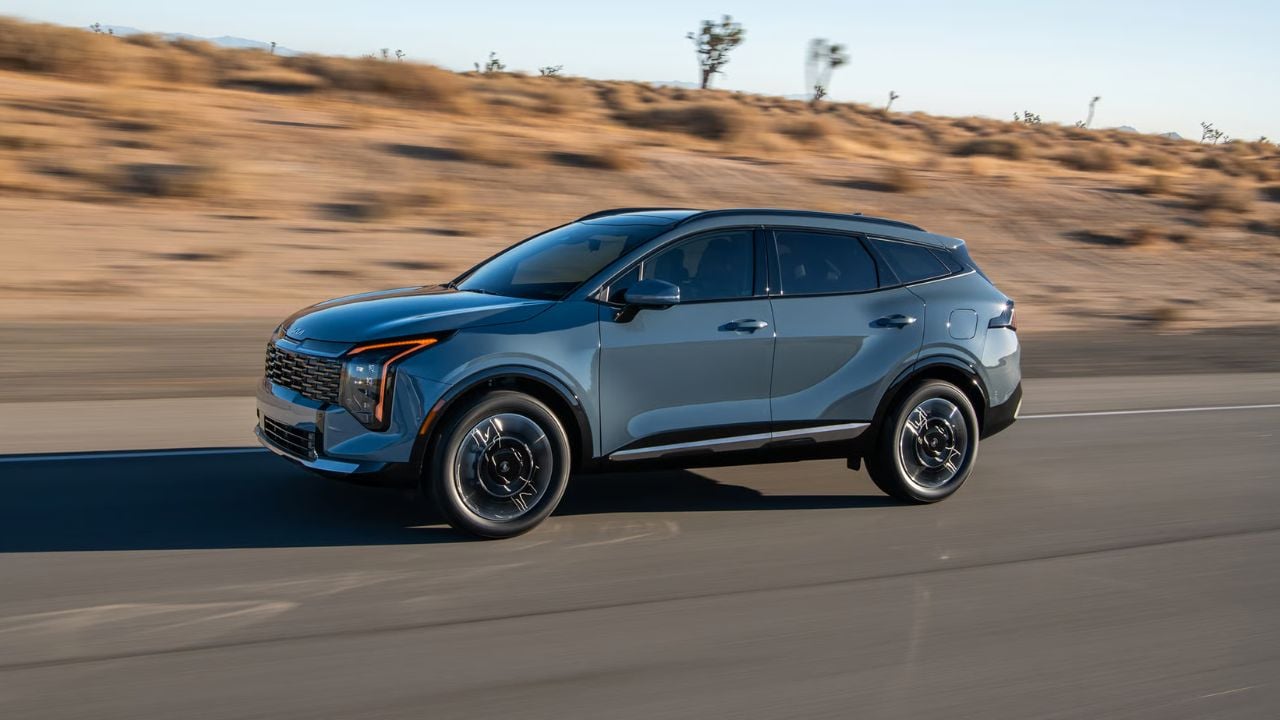
A hybrid SUV has to prove itself after the first drive. Fuel economy matters, but so do the seat height, cargo opening, ride quality, rear-seat room, controls, visibility, and how often the owner has to stop for gas.
The RAV4 and CR-V give buyers the most familiar compact-SUV answers. The Sportage and Tucson add more design and equipment personality. The Highlander Hybrid gives larger families a three-row option with much stronger mileage than many conventional midsize SUVs.
The common thread is normal ownership. These SUVs do not require charging, do not ask buyers to rethink road trips, and do not give up the basic flexibility people expect from an SUV.
That is why the format keeps working. A good hybrid SUV lowers fuel use while still carrying people, luggage, groceries, and daily routines without adding extra planning to the week.