
Travel marketing has perfected the art of the bait-and-switch, luring budget-conscious travelers with promises of affordable adventures that quickly transform into financial nightmares. Recent analysis of traveler spending data reveals how seemingly budget-friendly destinations deploy hidden costs, forced upgrades, and tourist-specific pricing to extract far more money than advertised. Here are the destinations where “affordable” becomes anything but.
Bali, Indonesia

Marketed as a budget backpacker paradise, Bali’s reality involves mandatory tourist visas, inflated foreigner pricing, and infrastructure that forces expensive workarounds. The famous $5 daily budget applies only if you’re willing to stay in questionable accommodations far from main attractions and eat exclusively at local warungs.
Transportation costs skyrocket due to traffic congestion and tourist-targeted pricing, while popular areas like Canggu and Seminyak charge Western prices for accommodation and dining.
Goa, India
India’s party state attracts budget travelers with promises of cheap beach living, but the reality involves significant hidden costs. Alcohol prices rival European levels due to heavy taxation, while beachfront accommodation carries premium pricing during peak season.
Transportation between beaches requires expensive taxis or risky motorbike rentals, and the constant need for bottled water, Western food, and medical precautions adds substantial daily expenses.
Thailand (Tourist Areas)

While rural Thailand remains genuinely affordable, popular destinations like Phuket, Koh Phi Phi, and parts of Bangkok now charge near-European prices. The dual-pricing system means foreigners pay significantly more for everything from national park entries to transportation.
Tourist-area restaurants charge 300-500% more than local establishments, while accommodation during peak season can exceed costs in many European cities.
Morocco (Tourist Routes)

Morocco’s reputation for budget travel dissolves quickly on the established tourist circuit. Marrakech’s riads charge boutique hotel prices, while the constant pressure for guides, tips, and “tourist taxes” creates unexpected expenses.
Transportation between major cities costs far more than advertised due to tourist-specific pricing, and the aggressive haggling culture often results in visitors paying inflated prices despite extensive negotiation.
Vietnam (Major Cities)

Ho Chi Minh City and Hanoi have embraced tourist pricing that contradicts Vietnam’s budget reputation. Hotels in tourist areas charge Western rates, while restaurants catering to foreigners cost 5-10 times more than local establishments.
The famous street food requires careful selection to avoid tourist-priced vendors, and transportation apps often include significant foreigner surcharges.
Nepal

Trekking in the Himalayas involves numerous hidden costs beyond the advertised permit fees. Required guides, porters, and safety equipment quickly escalate expenses, while mountain accommodation and food prices increase dramatically with altitude.
Flight delays and cancellations to mountain airports often require expensive charter alternatives, and proper gear rental or purchase costs significantly more than budget calculations suggest.
Cambodia

Angkor Wat’s temple passes represent just the beginning of Cambodia’s tourist costs. Siem Reap accommodation and dining prices approach regional capital levels, while transportation throughout the country relies on tourist-specific services charging premium rates.
The dual currency system (USD/Riel) often works against travelers, and infrastructure limitations force expensive private transportation for most attractions.
Egypt
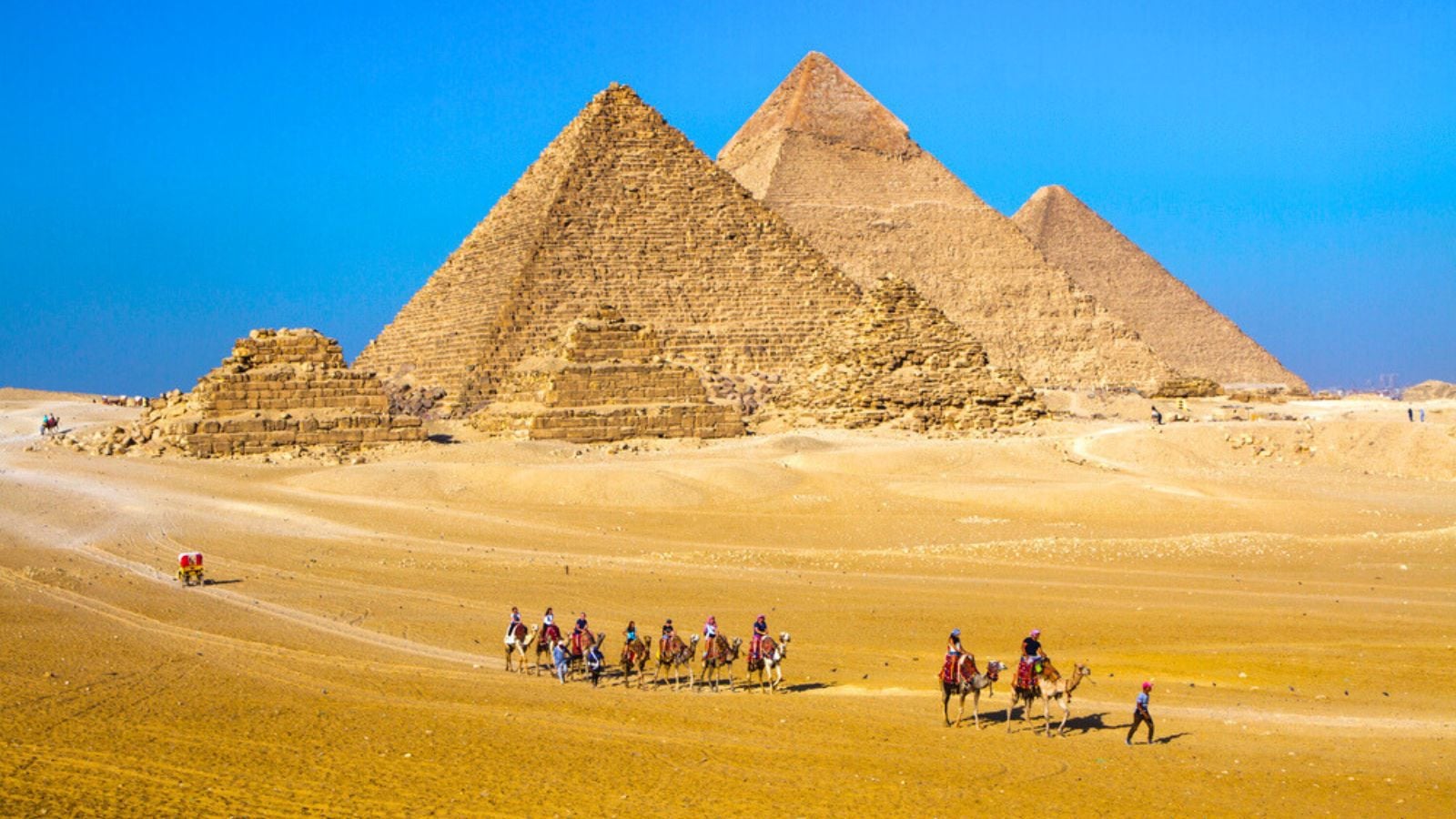
While accommodation and food can be cheap, Egypt’s tourist economy operates on aggressive upselling and hidden fees. Pyramid and museum entries require multiple expensive add-ons for meaningful access, while transportation involves constant negotiation and tourist surcharges.
The pressure for guides, tips, and “special access” fees creates daily unexpected expenses, and the need for bottled water and Western amenities adds significant costs.
Bolivia

South America’s cheapest country becomes expensive when factoring in safety and comfort requirements. La Paz’s high altitude often necessitates immediate medical attention or expensive oxygen treatments, while tourist-standard accommodation costs significantly more than basic hostels.
Transportation to major attractions like Salar de Uyuni requires expensive tour packages, and the country’s infrastructure limitations force costly private arrangements.
Guatemala
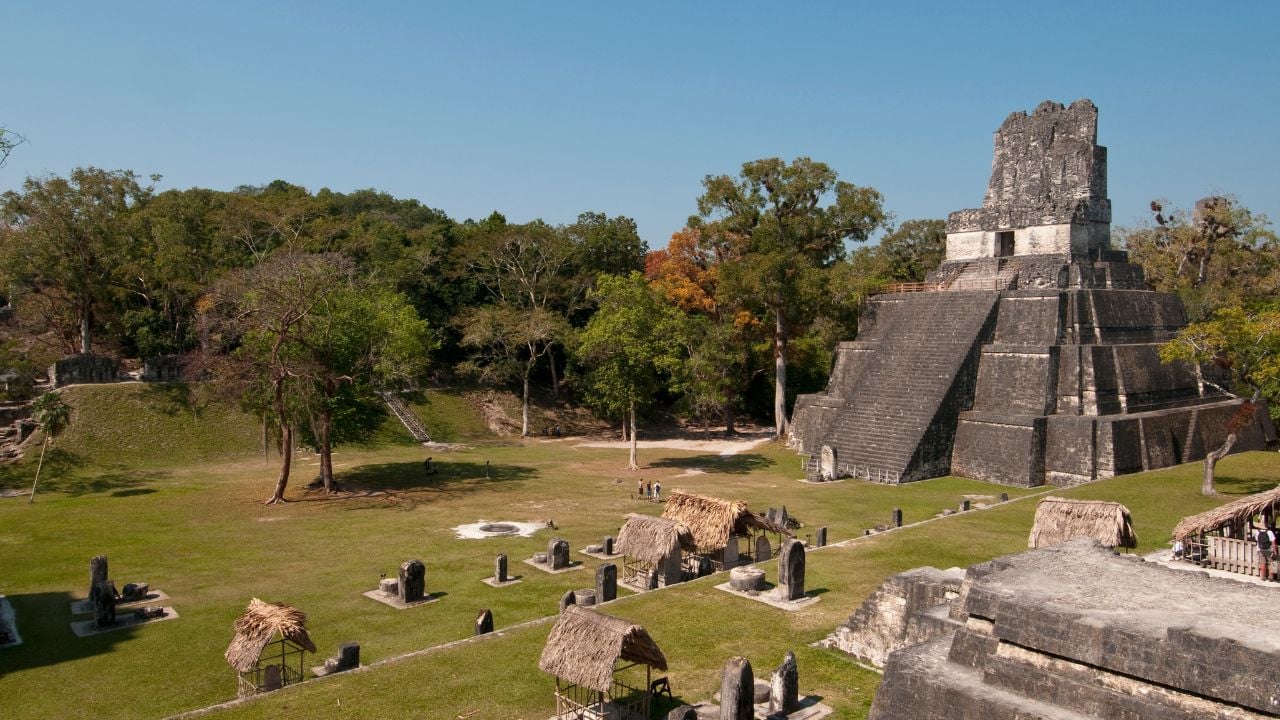
Central America’s budget reputation dissolves in Guatemala’s tourist areas, where shuttle transportation, tourist police taxes, and foreigner pricing inflate costs. Antigua’s colonial charm comes with boutique pricing, while accessing attractions like Tikal requires expensive domestic flights or lengthy overland journeys.
Safety concerns often necessitate private transportation and higher-end accommodation.
Philippines (Tourist Islands)

Island-hopping costs escalate quickly through boat transfers, environmental fees, and resort monopolies on popular destinations. Palawan and Boracay charge near-international rates for accommodation and dining, while transportation between islands involves expensive flights or lengthy ferry journeys.
The archipelago’s geography naturally creates captive markets with inflated pricing.
India (Golden Triangle)

Delhi, Agra, and Jaipur have perfected the art of tourist extraction through guide requirements, monument surcharges, and dual pricing systems. The Taj Mahal experience alone involves multiple fees beyond basic admission, while transportation requires constant negotiation to avoid extreme overcharging. Tourist-area accommodation and dining approach Western prices despite the country’s overall affordability.
Sri Lanka

The island’s post-conflict tourism boom has created inflated expectations and pricing in popular areas. Colombo and Kandy charge boutique rates for tourist accommodation, while transportation costs escalate through tourist-specific pricing and fuel surcharges.
The country’s compact size means expensive private drivers become necessary for efficient sightseeing, and popular attractions now charge significant foreigner premiums.
Jordan
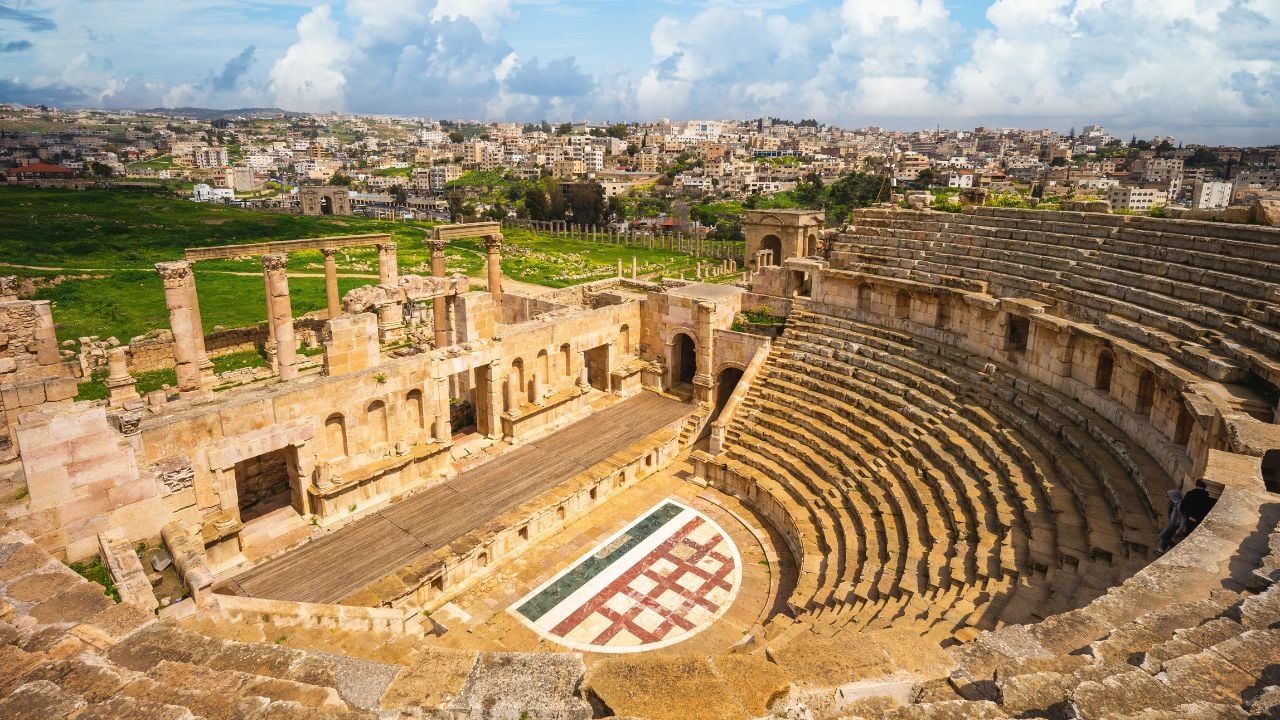
Petra’s entrance fees represent just the beginning of Jordan’s tourist costs. Accommodation throughout the country targets international visitors with premium pricing, while transportation requires expensive private arrangements due to limited public options.
Restaurant meals in tourist areas cost more than comparable dishes in neighboring countries, and the constant pressure for guides and tips creates ongoing unexpected expenses.
Kenya/Tanzania (Safari Destinations)
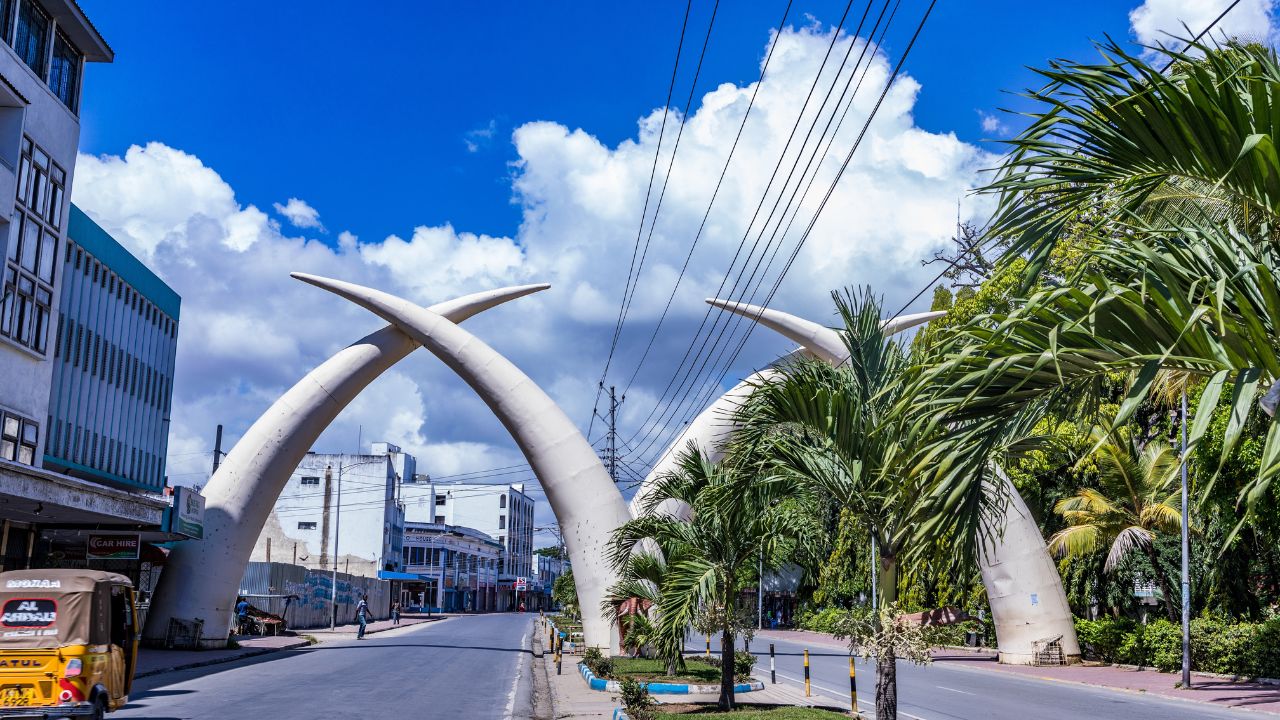
Safari tourism involves enormous hidden costs beyond basic park fees. Accommodation near popular parks charges luxury rates regardless of amenity levels, while transportation requires expensive 4WD vehicles and professional drivers.
Food costs escalate in remote areas, and the pressure for tips, conservation fees, and community charges creates constant additional expenses.
Istanbul, Turkey
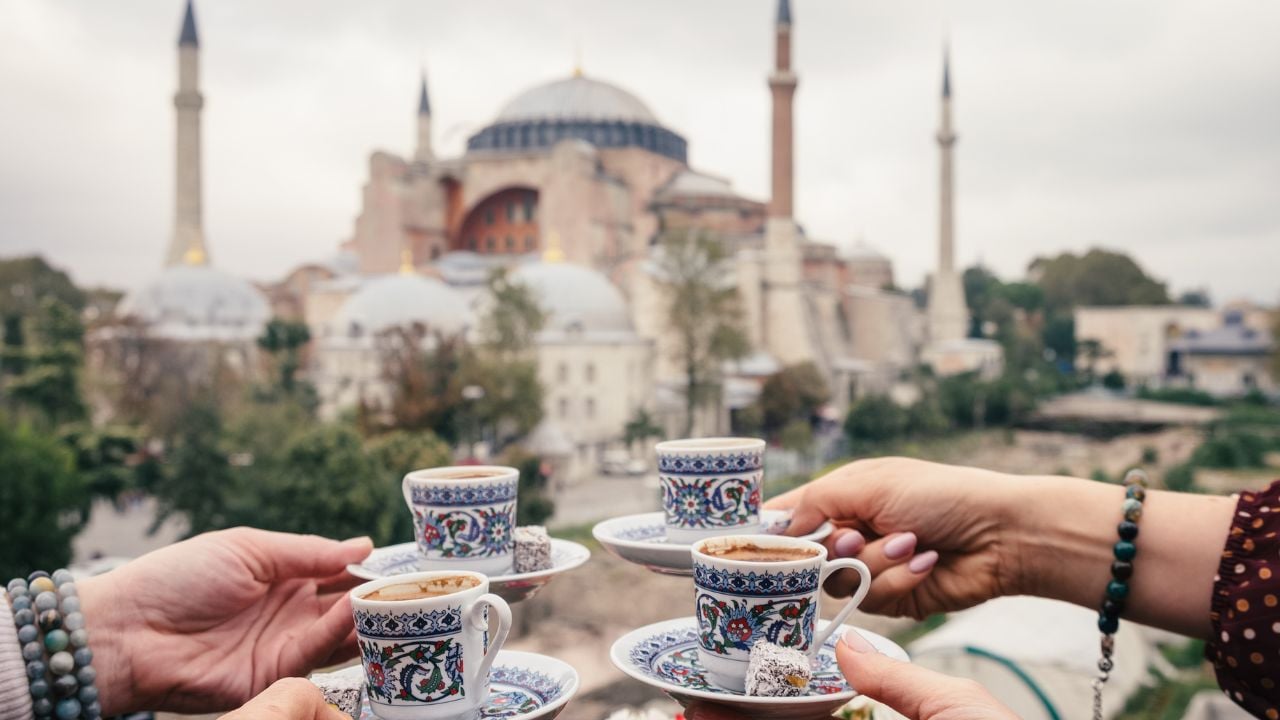
Turkey’s economic instability has created unpredictable pricing where advertised rates often multiply through currency fluctuations and tourist surcharges. Popular areas like Sultanahmet charge European prices for accommodation and dining, while transportation apps and taxis often include significant foreigner markups.
The constant pressure for carpet tours, cooking classes, and cultural experiences creates ongoing upselling situations.
Peru (Machu Picchu Route)

The Sacred Valley’s tourism infrastructure operates on premium pricing despite Peru’s overall affordability. Cusco accommodation targets international visitors with boutique rates, while train access to Machu Picchu costs more than international flights.
Altitude sickness often requires expensive medical attention or oxygen treatments, and the pressure for guides and tour packages inflates costs significantly.
Mexico (Tourist Zones)

Cancun, Tulum, and Playa del Carmen now charge Caribbean resort prices despite Mexico’s budget reputation. The peso’s volatility creates unpredictable pricing, while tourist areas operate separate economies with inflated costs. Transportation requires expensive private arrangements due to safety concerns, and all-inclusive resort pressure often results in higher overall spending than anticipated.