
There was a time when every American automaker had something to prove. Whether it was Ford, GM, Chrysler, or even AMC, each brand brought its own engineering innovations to the table, chasing horsepower, reliability, and bragging rights. The competition wasn’t just on the track. It played out in showrooms, backroads, and weekend wrench sessions in driveways across the country.
Some engines earned loyal followings thanks to their brute strength. Others won hearts with high-revving finesse or bulletproof reliability. And decades later, fans still debate the great matchups: whose 427 was better—Ford’s side-oiler or Chevy’s L88? Which small block reigned supreme? Everyone has a favorite, and no one’s entirely wrong.
This list doesn’t settle the debate. It just highlights a handful of engines that continue to resonate with enthusiasts, not just for what they did on paper, but for the mark they left on car culture.
How We Chose These Icons
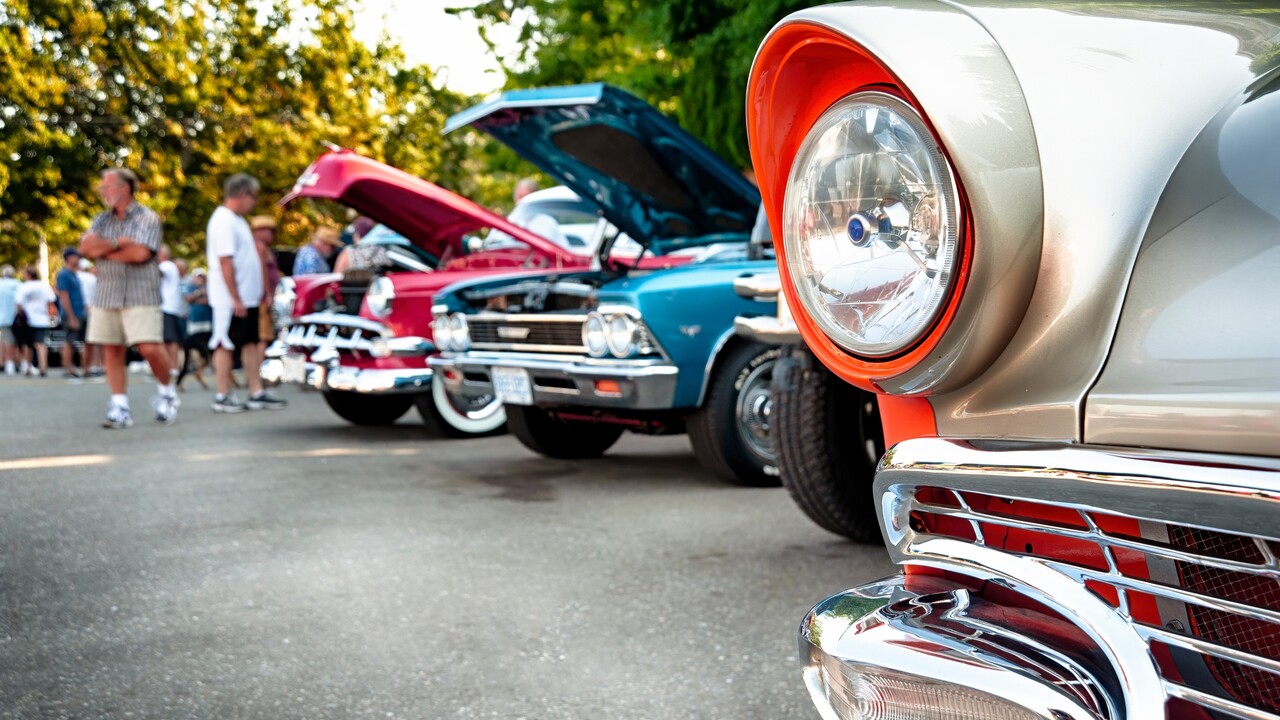
This list focuses on American engines that made a lasting impression on the street, at the strip, and in the showroom. These aren’t just powerplants that performed well on paper. They helped define eras of competition between the Big Three, each brand pushing the limits to outdo the other with more horsepower, better tech, or greater reliability.
We prioritized engines with real cultural staying power—whether through dominance in motorsports, legendary street credibility, or the kind of loyalty that still sparks debate among enthusiasts. From factory race specials to everyday workhorses with a cult following, each one earned its reputation and continues to inspire arguments about who built it better.
426 HEMI (“The Elephant”)
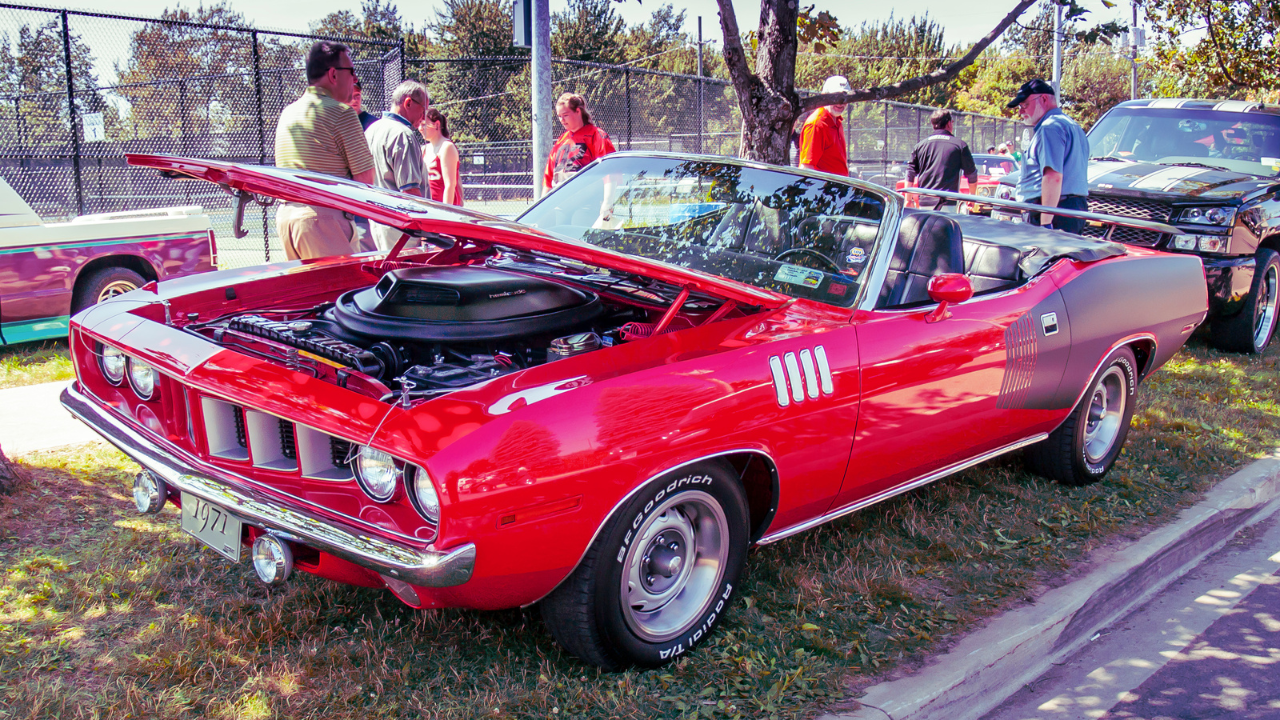
The 426 HEMI, nicknamed “The Elephant” for its broad cylinder heads and sheer physical bulk, was Chrysler’s secret weapon in the mid-’60s horsepower wars. Built for NASCAR, it featured hemispherical combustion chambers that allowed it to breathe more efficiently at high RPMs, transforming stock cars into missiles. It won so often that the sanctioning body pulled it from competition until Chrysler agreed to sell it to the public.
One of its most unforgettable pairings came in the 1970 Plymouth Cuda, where the HEMI’s deep, angry roar and brutal acceleration made it the stuff of legend. It wasn’t built for comfort—it was built to intimidate. And for anyone who lived through the golden age of muscle, seeing that HEMI badge meant one thing: you were about to get smoked.
Chevy 427 Big Block (L88)

Underrated on paper, brutal in real life. Rated at 430 hp for insurance reasons, it actually cranked out over 500 hp in race trim. A street-legal time bomb.
The 427 L88 was Chevy’s street-legal, race-ready big block, debuting in 1967, engineered for the strip but sold to civilians. Officially rated at a conservative 430 hp, it cranked out closer to 550 or even 560 hp in real-world use—all thanks to hardened internals, radical cam timing, aluminum cylinder heads, and a massive Holley 850 cfm carburetor. Built for hardcore performance, this engine required 103-octane fuel and came in a nearly bare-bones Corvette package, complete with heavy-duty suspension, power brakes, and no heater or radio—just raw speed.
The engine’s most iconic home was the 1967 Corvette Sting Ray L88, a factory-offered option that sealed the legend in gearhead lore. Only 20 were sold in that first year, and each one was a testament to Chevy’s push into production-level racing prowess. Today, L88-equipped ‘Vettes are among the most sought-after collector Corvettes—partly because the engine is nearly indestructible, partly because it pushed American big-block performance into a new stratosphere. If you’re at a local car show and spot one, be sure to compliment the owner for some big smiles.
Ford 427 Side-Oiler

The 427 Side-Oiler wasn’t built for the street—it was built to win. Introduced in 1965, it was Ford’s heavy-hitter in the world of endurance racing and high-speed oval tracks. Its unique side-oiling system delivered oil to the crankshaft first, keeping the bottom end alive under brutal conditions. With forged internals and race-bred durability, it could take a beating and come back for more.
This engine earned its stripes in legends like the Ford GT40 Mk II, which crushed Ferrari at the 1966 24 Hours of Le Mans with a historic 1-2-3 finish. It also found homes in Galaxies and Cobras, proving just as lethal on the street as it was on the track. Today, the Side-Oiler is more than just a piece of racing history—it’s a reminder of when American muscle dared to take on the world and won.
Chevy 350 Small Block
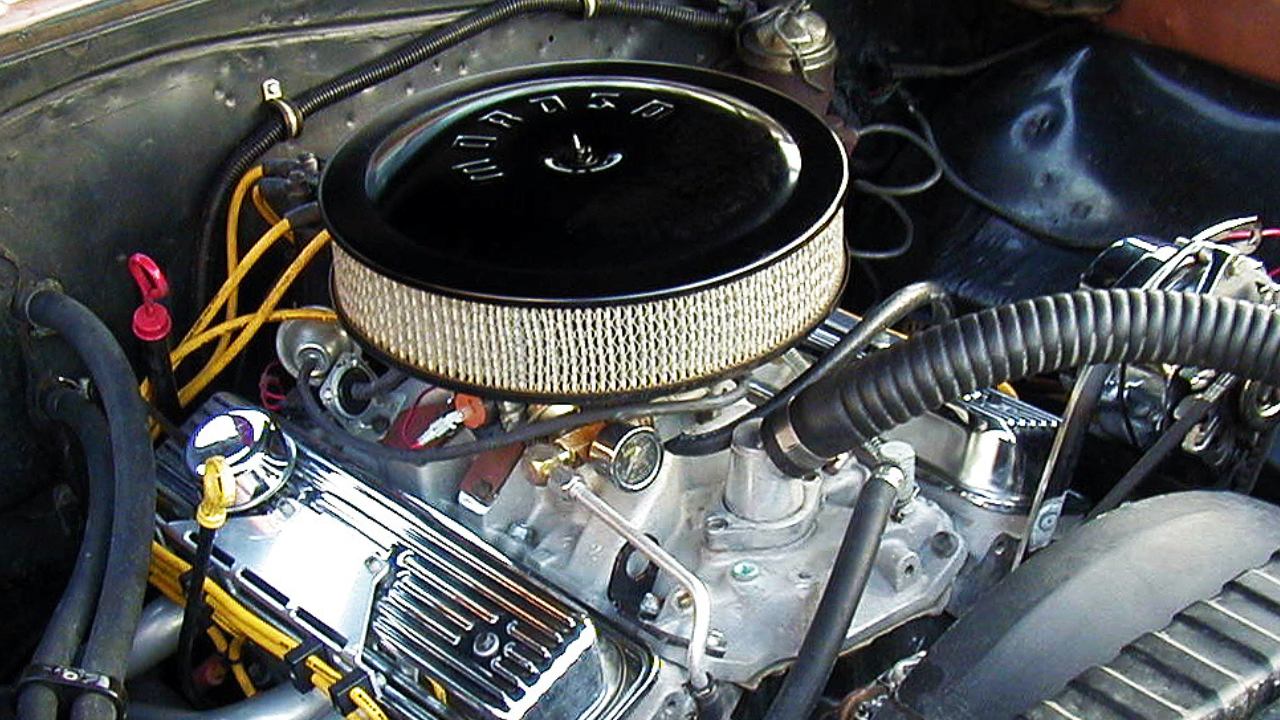
The Chevy 350 earned its reputation by showing up in just about everything and refusing to quit. First introduced in 1967, it became one of the most widely used and dependable V8s in American history. It powered pickups, passenger cars, Camaros, Corvettes, and more, building a name for itself through sheer reliability and simplicity.
For a lot of folks, this was the engine they learned on. It was cheap to build, easy to swap, and parts were always within reach. Whether you were tuning it in your driveway or running it down the strip on the weekend, the 350 was the kind of engine that just kept coming back for more.
Pontiac 389 Tri-Power
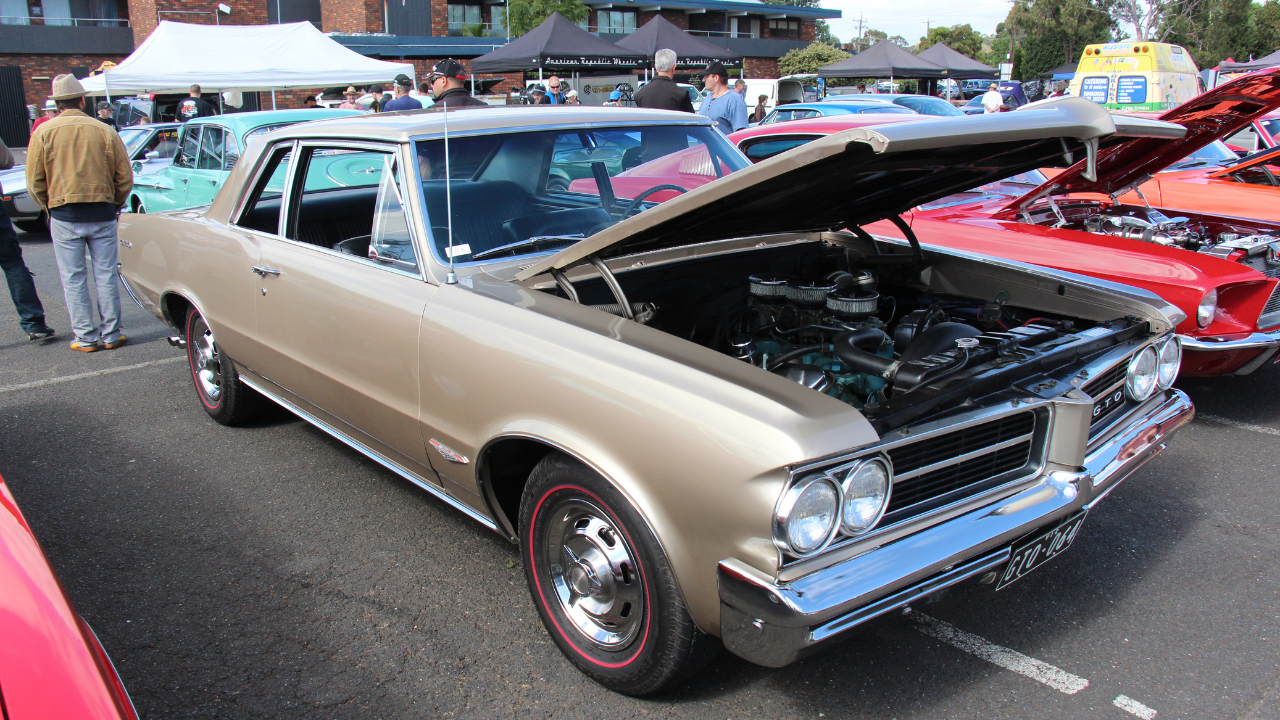
The 389 Tri-Power helped kick off the muscle car era when it landed in the 1964 GTO. With three two-barrel carbs and a sound that meant business, it gave young drivers a taste of big performance without breaking the bank. The setup was simple, but the impact was massive.
It wasn’t the fastest engine out there, but it had just the right mix of torque, attitude, and availability. If you came of age in the ’60s, you probably knew someone who had one—or wanted one badly. It made the GTO a household name and showed Detroit just how hungry the public was for more power.
Buick 455 Stage 1
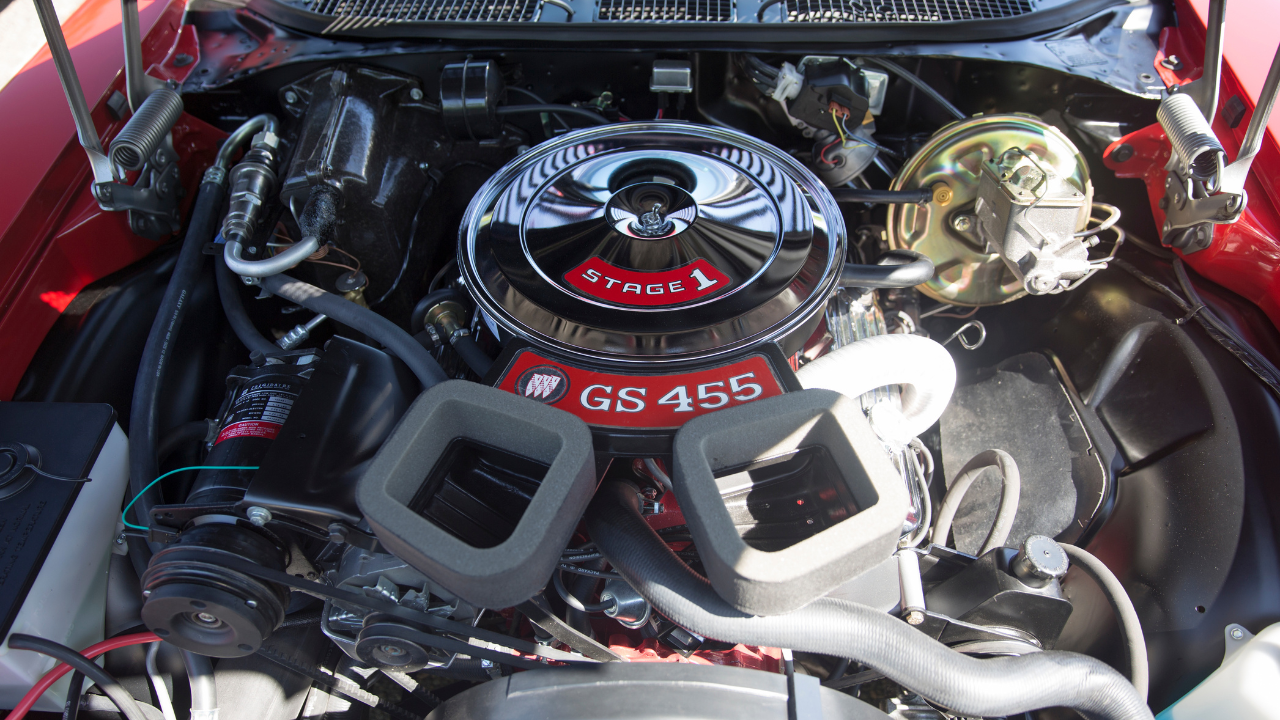
The Buick 455 Stage 1 may not have grabbed headlines like some of its GM stablemates, but it had the numbers and the attitude to back it up. Debuting in the early ’70s, it delivered massive low-end torque, giving Buick’s big-bodied GS models serious straight-line muscle without relying on high-rev theatrics.
Unlike the buzzy big blocks from Chevrolet or Pontiac, the 455 Stage 1 was smooth, quiet, and brutally effective. It wasn’t built to shout—it was built to move. And that understated power earned it a devoted following among drivers who appreciated performance with a touch of refinement. While others chased noise and notoriety, Buick proved that quiet speed could still win the race.
Ford 289 HiPo
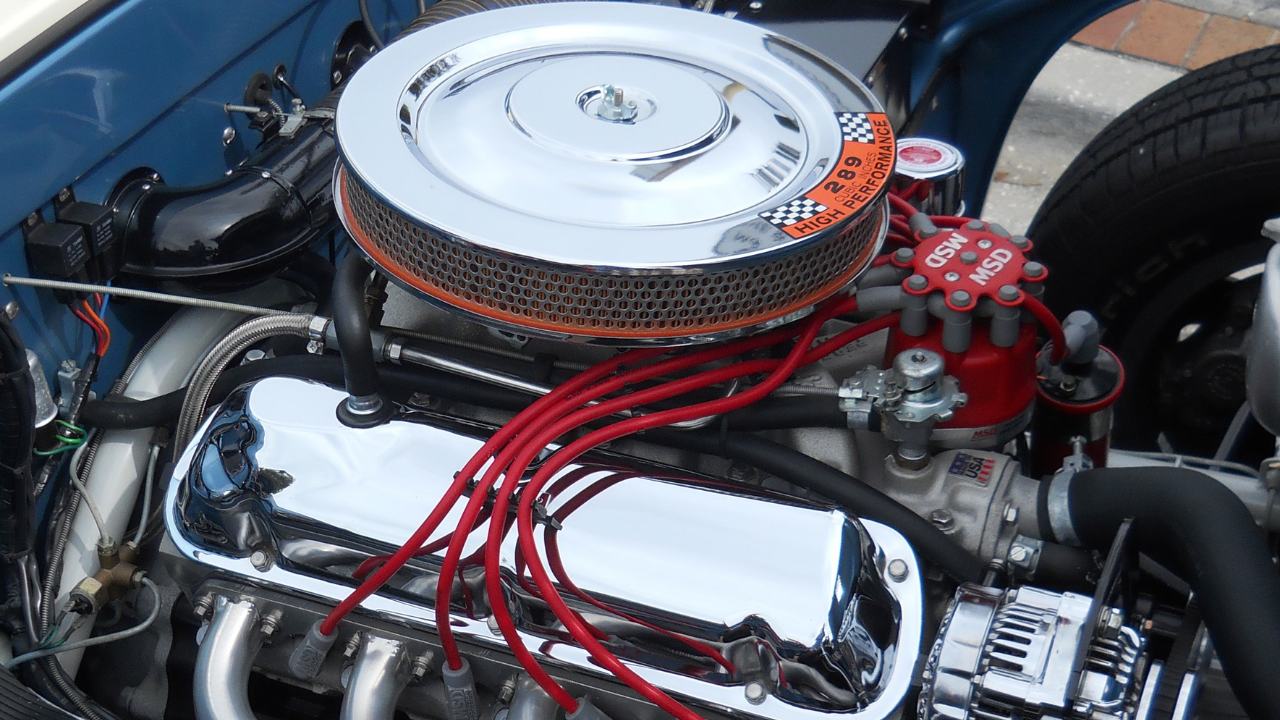
The Ford 289 High-Performance V8 brought small-block punch to a wide range of cars, most famously the early Mustangs. Light, eager to rev, and built to be pushed, the HiPo 289 was at the heart of Ford’s early performance movement in the mid-’60s.v
It helped define the pony car and provided weekend racers with a solid foundation to build upon. Whether you were autocrossing, drag racing, or just driving fast on a back road, the 289 delivered. It was proof that you didn’t need a big engine to have a good time behind the wheel.
Chevy 454 Big Block
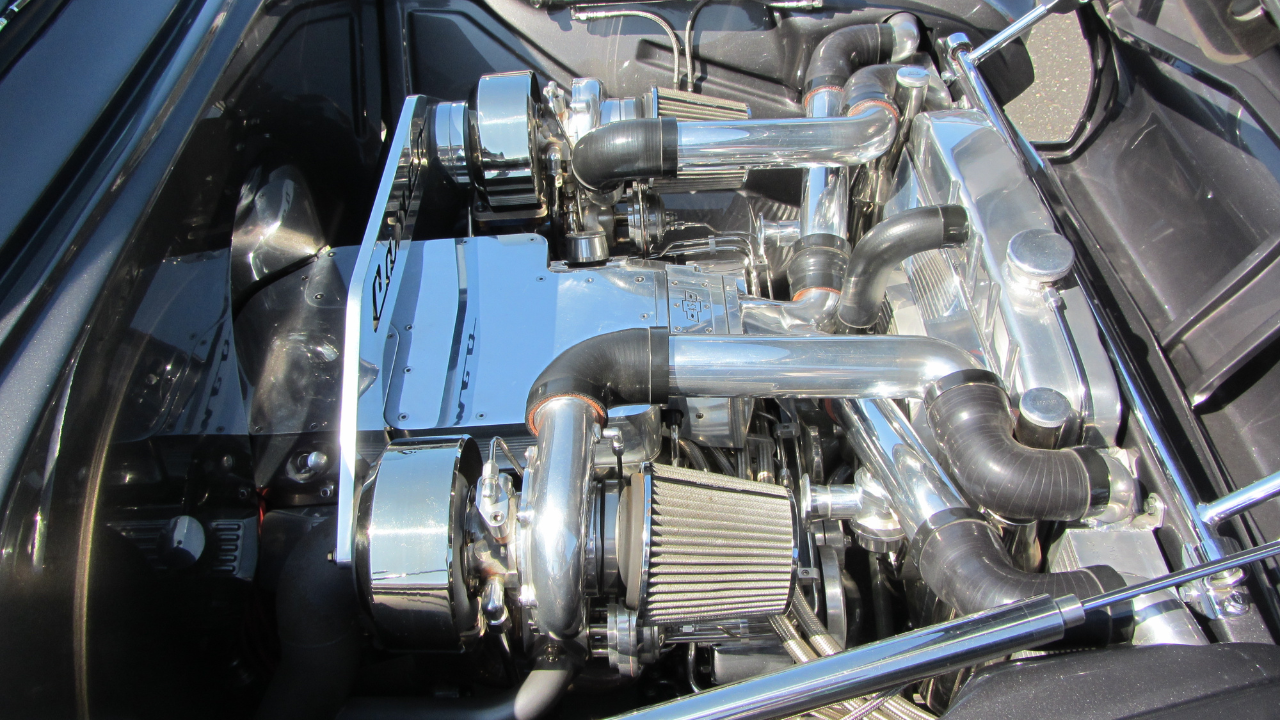
The Chevy 454 roared onto the scene in the early ’70s as the big brother to the 350. It was all about raw, effortless power—heavy torque that could move trucks, muscle cars, or boats with ease. This engine found a home in cars like the Chevelle SS and trucks alike, making it a favorite for those who wanted to haul serious horsepower.
Though the muscle car era was winding down when the 454 hit its stride, its impact hasn’t faded. Even today, the 454 is a go-to for builders who want an old-school brute that’s easy to find and tough to beat.
Chrysler 360 LA
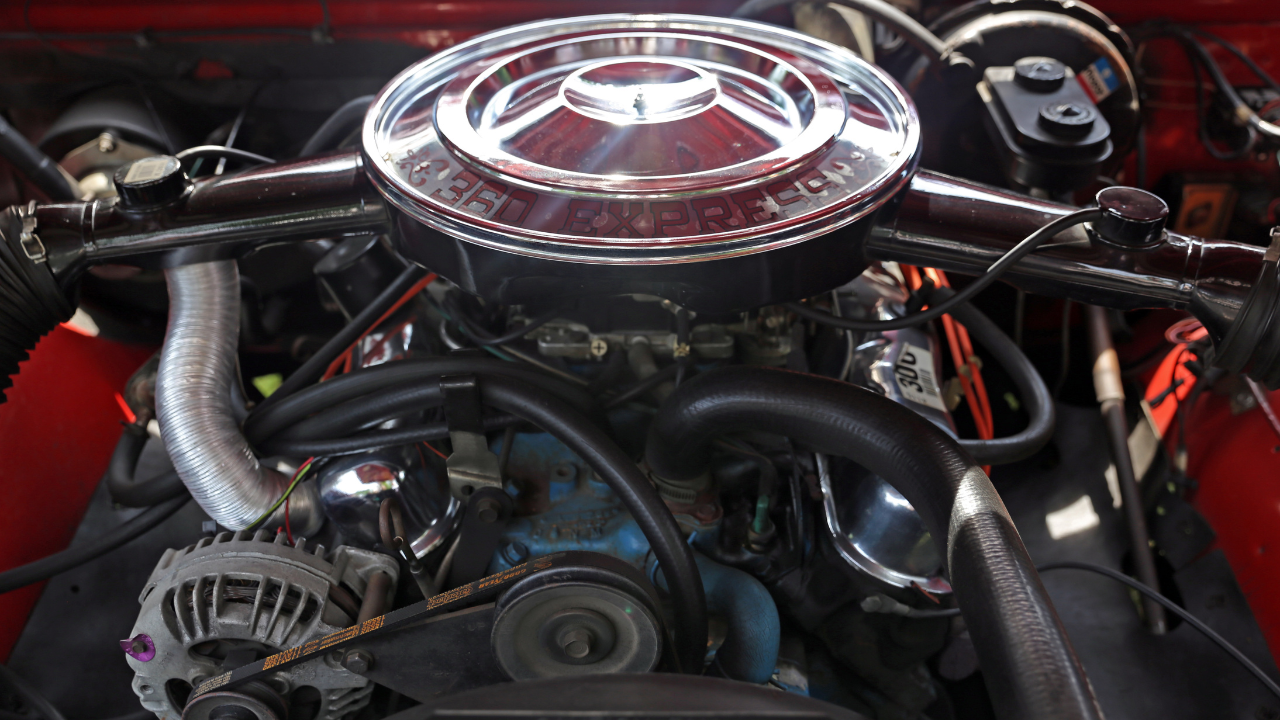
The Chrysler 360 LA engine may not have been the flashiest in the Mopar lineup, but it earned respect for its reliability and torque. Introduced in the mid-1970s, it was the workhorse of Dodge trucks and muscle cars, such as the Dodge Charger and Challenger, in their later years.
It wasn’t a drag strip monster, but the 360 LA delivered smooth street power and plenty of grunt when you needed it. For many Mopar fans, it’s a symbol of a tough, no-nonsense engine that kept the muscle car spirit alive as the ’70s muscle era faded.
Ford 390 FE
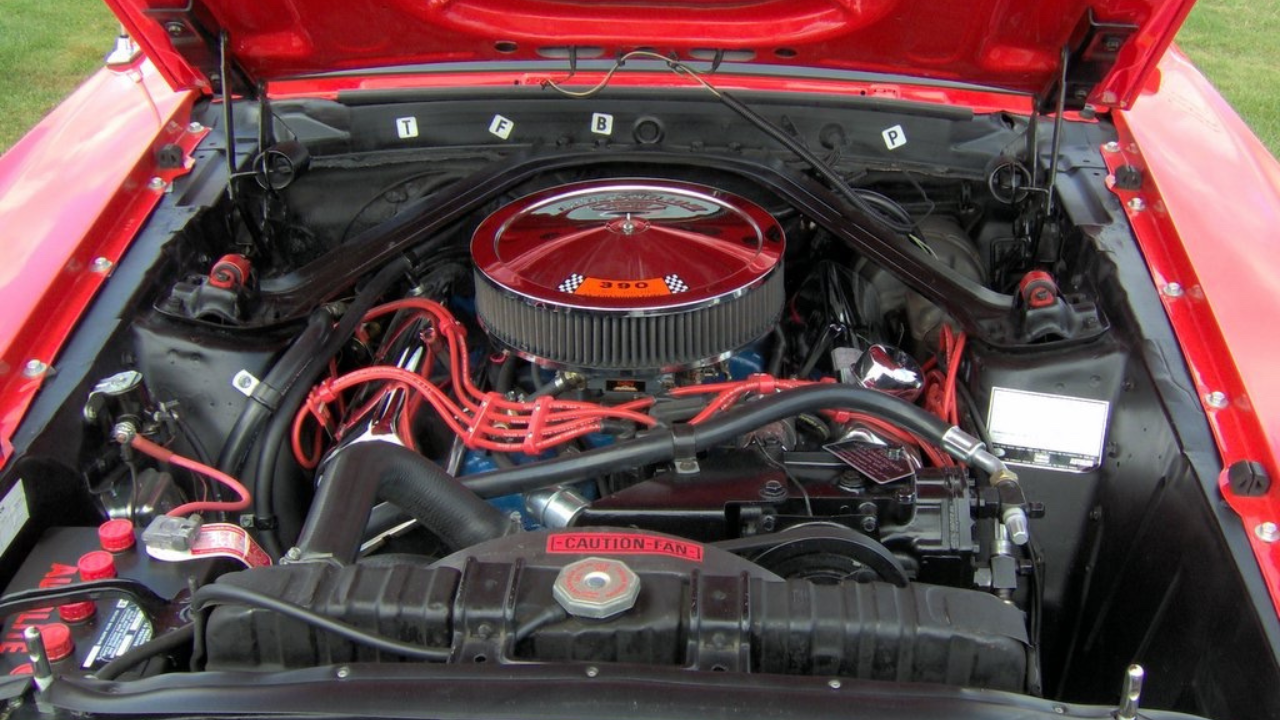
The Ford 390 FE was Ford’s big-block answer before the 427 arrived, packing serious torque and good street manners. It powered everything from Galaxies to early Mustangs and found favor with those who wanted muscle without sacrificing daily drivability.
It wasn’t the absolute fastest engine on the strip, but the 390 was versatile and dependable. Many gearheads remember it as a solid performer that helped define Ford’s muscle car presence in the ’60s.
Oldsmobile 442 400
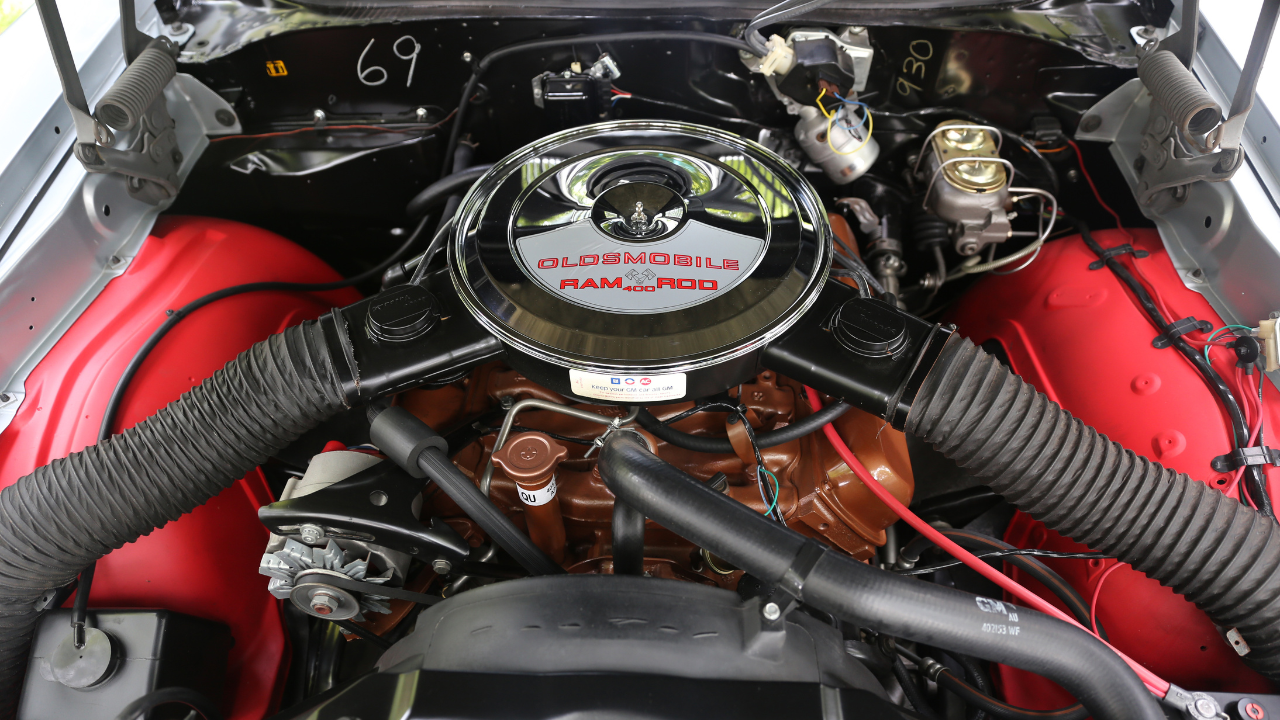
The Oldsmobile 400, especially the 442, brought a perfect mix of power and polish to GM’s muscle car offerings. Launched in the mid-’60s, it combined respectable horsepower with smooth torque delivery and a signature exhaust note.
The 442 was a standout muscle car, and the 400 engine inside it played a key role in that reputation. It wasn’t just about straight-line speed—it had a balanced feel that made it fun on winding roads and a favorite among enthusiasts who wanted muscle with style.
Mopar 440 Six-Pack
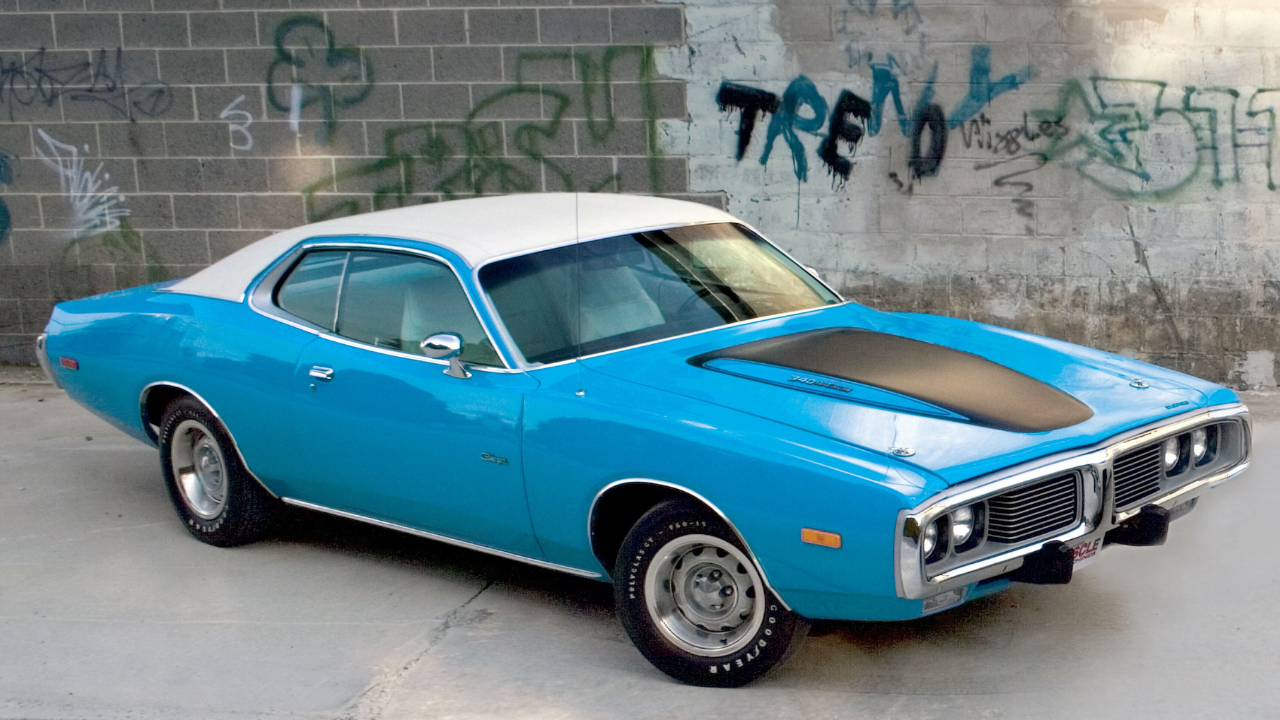
The Mopar 440 Six-Pack was the muscle behind some of the most aggressive Dodge and Plymouth rides of the late ’60s and early ’70s. Equipped with three two-barrel carburetors, it wasn’t just about significant displacement but about breathing easy and making power in a hurry. This setup gave cars like the Dodge Charger and Plymouth Road Runner a ferocious throttle response and that unmistakable Mopar rumble.
It wasn’t just brute force—it was a perfectly tuned beast that made cruising or racing equally thrilling. For many Mopar fans, the 440 Six-Pack represents the sweet spot between raw power and street-smart performance.
Chevy LT1 (Gen 1)
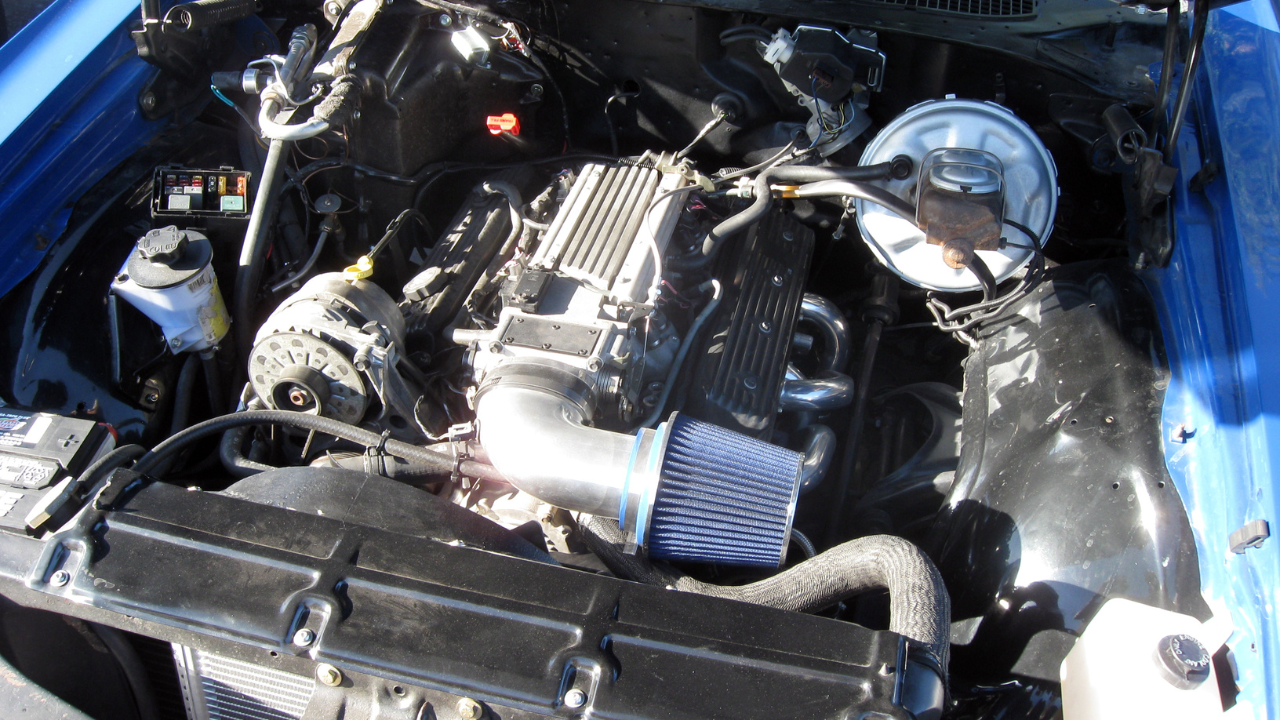
The original LT1 arrived in the early ’90s as a modern take on small-block power. Found in Corvettes and Camaros, it was lighter, more efficient, and packed more punch than its predecessors. With advanced fuel injection and improved breathing, the LT1 brought the classic Chevy small block into a new era without losing any of its soul.
It became an instant favorite for those who wanted a dependable, high-revving V8 that sounded as good as it performed. The LT1 bridged generations, keeping the muscle car spirit alive well past the classic ’60s and ’70s.
Ford 428 Cobra Jet
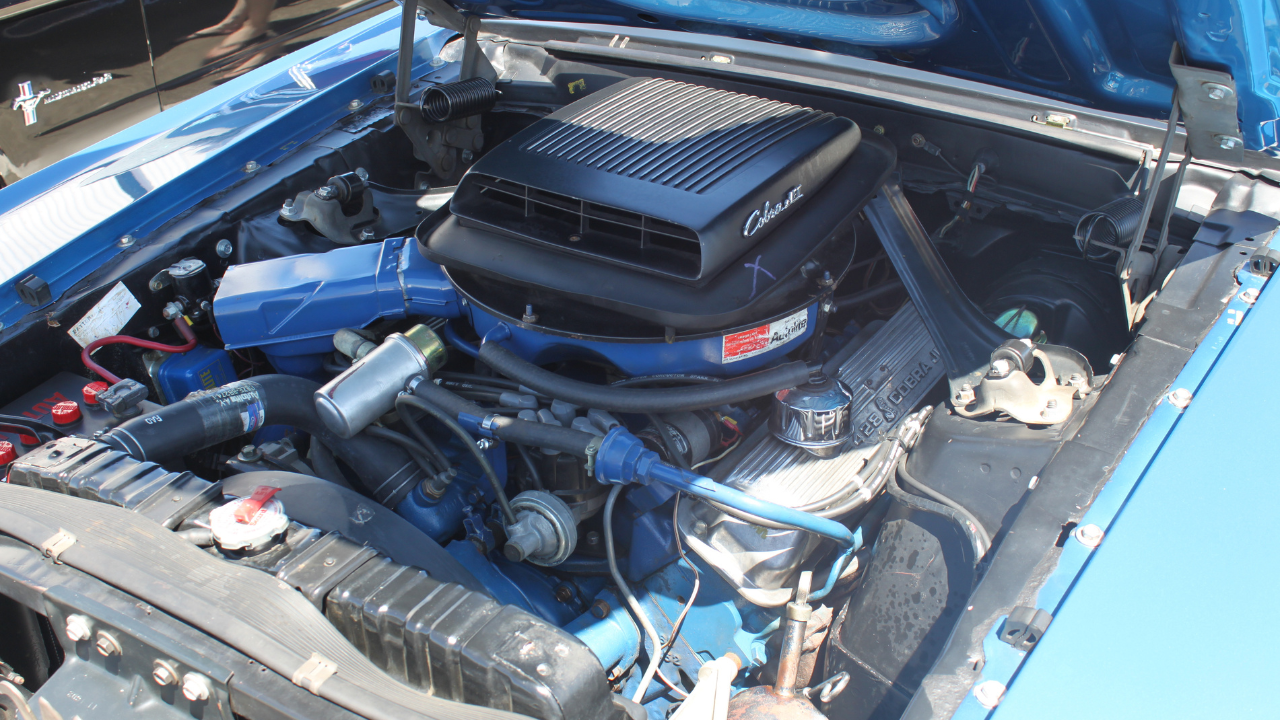
The Ford 428 Cobra Jet was introduced to give the Mustang and other muscle cars a serious torque punch. With its big displacement and aggressive cam, it offered strong acceleration and dependable power. The engine made the Mustang a force on both the street and the strip, and it quickly became a favorite among enthusiasts chasing raw muscle.
It wasn’t just a number on paper—the 428 Cobra Jet delivered a real-world performance that could intimidate even bigger engines. It became synonymous with Ford’s muscle car attitude in the late ’60s and early ’70s.
AMC 390 V8
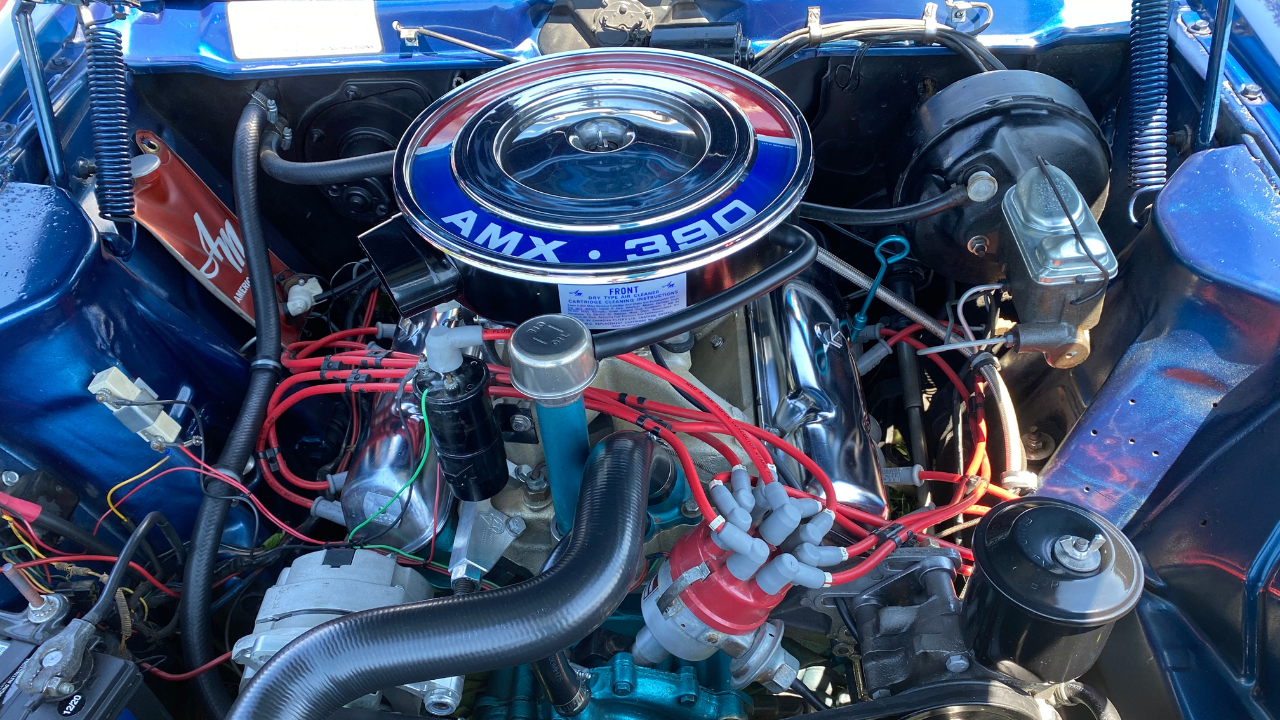
The AMC 390 was American Motors’ answer to muscle, powering cars like the AMX and Javelin. It wasn’t as famous as the Big Three’s engines, but it held its own with solid power and a fierce reputation in the muscle car community. Known for its durability and torque, the 390 was a reliable powerhouse for those who wanted muscle off the beaten path.
For enthusiasts who appreciate the underdog story, the AMC 390 represents a muscle-era alternative that earned respect through performance and persistence.
Pontiac 400 V8

The Pontiac 400 came to life in the mid-’60s and powered some of the most iconic Pontiac muscle cars, including the GTO and Firebird. It offered an outstanding balance of horsepower and torque, helping Pontiac carve out its own muscle car identity alongside Chevrolet and Ford.
It wasn’t just about raw numbers—the 400 had a smooth power curve and a distinctive sound that made it a favorite among drivers who wanted muscle with character. It helped define Pontiac’s golden era of performance.
Celebrating America’s Engine Legacy

This isn’t a definitive list, and it’s not meant to end the arguments. It’s a look back at the engines that helped shape the muscle car era, powerplants that earned loyal followings, sparked rivalries, and left their mark on streets, drag strips, and garages across the country. Some were overbuilt monsters. Others were quiet overachievers. But all of them still get people talking.
So, what’s your pick? Who really built the best 427—Ford’s side-oiler or Chevy’s L88? Or is there another engine you think should’ve made the list? Let us know in the comments. The debate is half the fun.