People these days say you can’t work on new cars, but that isn’t always the case. Wrenching on your own vehicle can be one of the most rewarding parts of ownership, whether you’re chasing more horsepower, adding off-road capability, or just saving money on repairs. But not every vehicle makes it easy. Some are packed with finicky electronics or cramped engine bays that turn even a simple oil change into a headache. That’s where DIY-friendly cars come in.
These are the vehicles that invite you to roll up your sleeves. They’re easy to work on, fun to modify, and supported by strong aftermarket communities. Whether you’re a weekend warrior with a toolbox or a first-timer looking to learn, these 13 rides are the perfect platforms for turning a factory-spec car into something entirely your own.
What Made the List

To put this list together, we focused on vehicles that strike a balance between accessibility, mod potential, and community support. That means looking beyond just engine layout or tool-friendliness. We included platforms that make it easy for owners to tackle everything from routine maintenance to serious performance or aesthetic modifications. Whether you’re swapping suspension components, installing new bumpers, or doing your own tune-ups, these vehicles are built to be worked on.
We also made sure to include a variety of builds to suit different kinds of enthusiasts. From off-road-ready trucks and SUVs to lightweight, track-friendly sports cars, each pick has a strong DIY reputation and a passionate community behind it. These platforms aren’t just easy to modify; they’re also supported by deep aftermarket catalogs and countless online tutorials, forums, and social media groups that make it easier for anyone to dive in, no matter the skill level.
Mazda Miata (NA–ND)
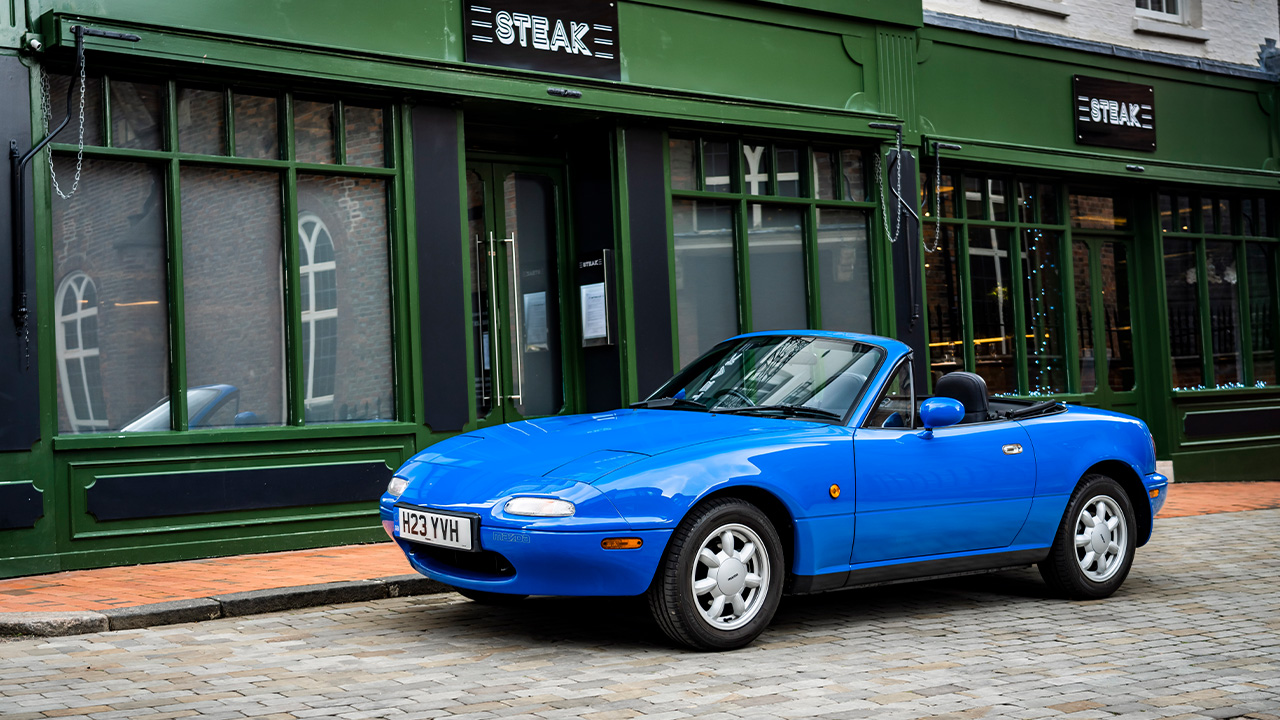
Few cars have earned their DIY reputation quite like the Miata. Whether you’re wrenching on a classic NA with pop-up headlights or tweaking the suspension on a newer ND, every generation is lightweight, mechanically simple, and endlessly customizable. Parts are cheap, engine bays are accessible, and there’s a massive enthusiast community ready to help. Forums like Miata.net and countless YouTube tutorials make it easy to learn as you go.
The Miata also benefits from one of the deepest aftermarket catalogs out there. Whether you’re into autocross or track days, or you want to spice up your ride with some personality, there’s a mod for everything, from coilovers and turbo kits to roll bars and aero upgrades. It’s no wonder the Miata has become the go-to car for first-time builders and seasoned tuners alike.
Jeep Wrangler (JK & JL)
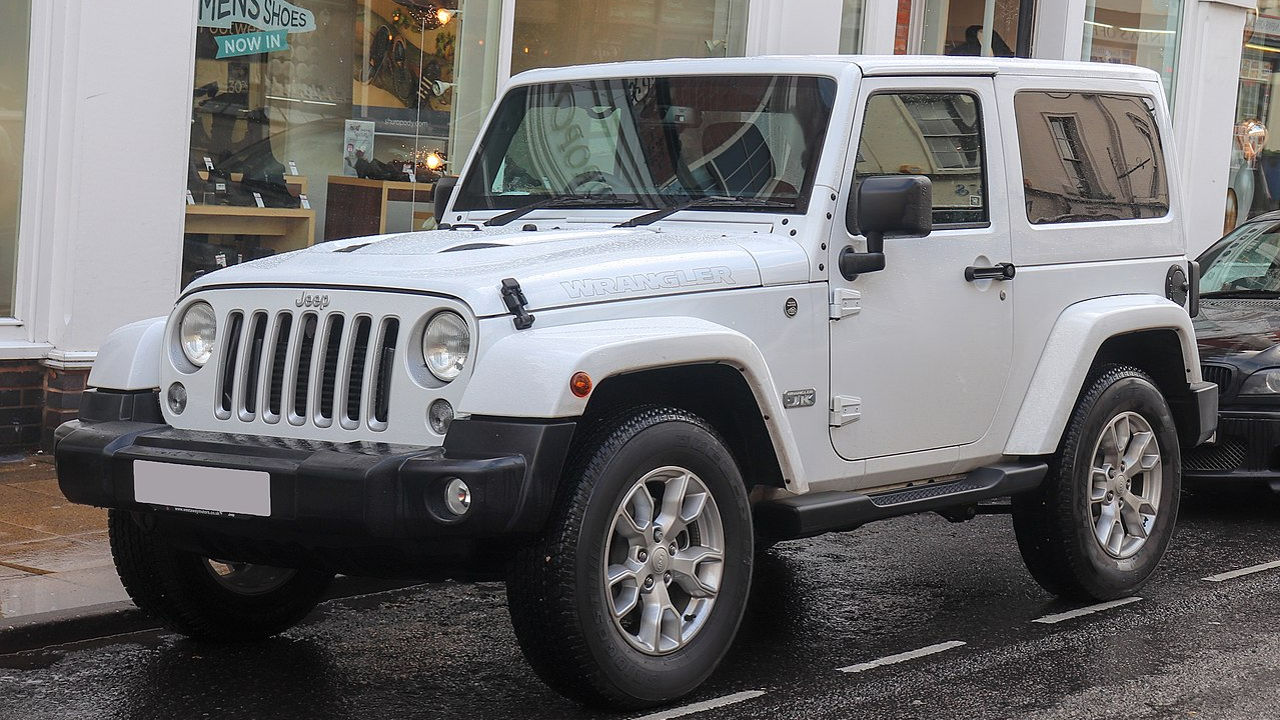
The Wrangler isn’t just off-road capable; it’s also one of the most mod-friendly vehicles on the road. Jeep fans love to tinker, and manufacturers know it, which is why there’s a seemingly endless list of bolt-on upgrades. From bumpers and skid plates to complete lift kits, you can completely transform a Wrangler with basic hand tools. SEMA reports that more than 60% of TJ and JK Wrangler owners modify their Jeeps with specialty equipment parts, which helps explain why the Wrangler aftermarket is so vast.
Even better, the Wrangler’s boxy design and body-on-frame construction make it easy to work on, especially for new DIYers. Many components are designed with accessibility in mind, and the modular nature of the doors, roof, and fenders makes custom touches feel more like adult LEGO projects than actual automotive work. For DIY off-roaders, it doesn’t get much better.
Ford Bronco (2021+)
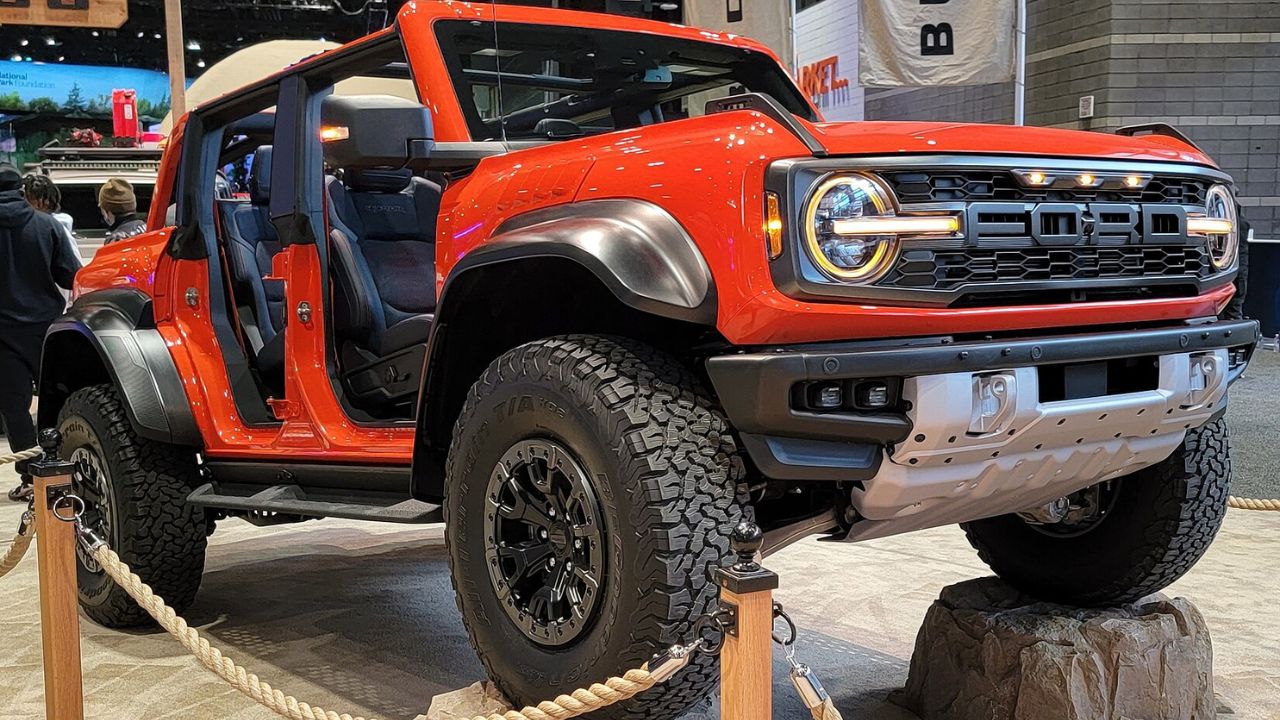
Ford knew exactly what they were doing when they brought back the Bronco. The modern version was built from the ground up with customization in mind, featuring a modular design, pre-wired auxiliary switches, and tons of factory-supported accessory mounting points. Ford’s launch materials emphasized the Bronco’s modular design and noted an extensive lineup of more than 200 factory backed accessories available at launch.
This makes it a dream for hands-on owners who want to build their rigs their way. Whether you’re installing a rooftop tent, swapping out bumpers, or adding trail lighting, the Bronco’s plug-and-play systems keep things clean and approachable. Thanks to a fast-growing aftermarket and a dedicated online community, support for DIY modifications continues to grow with each new model year.
Ford F-150
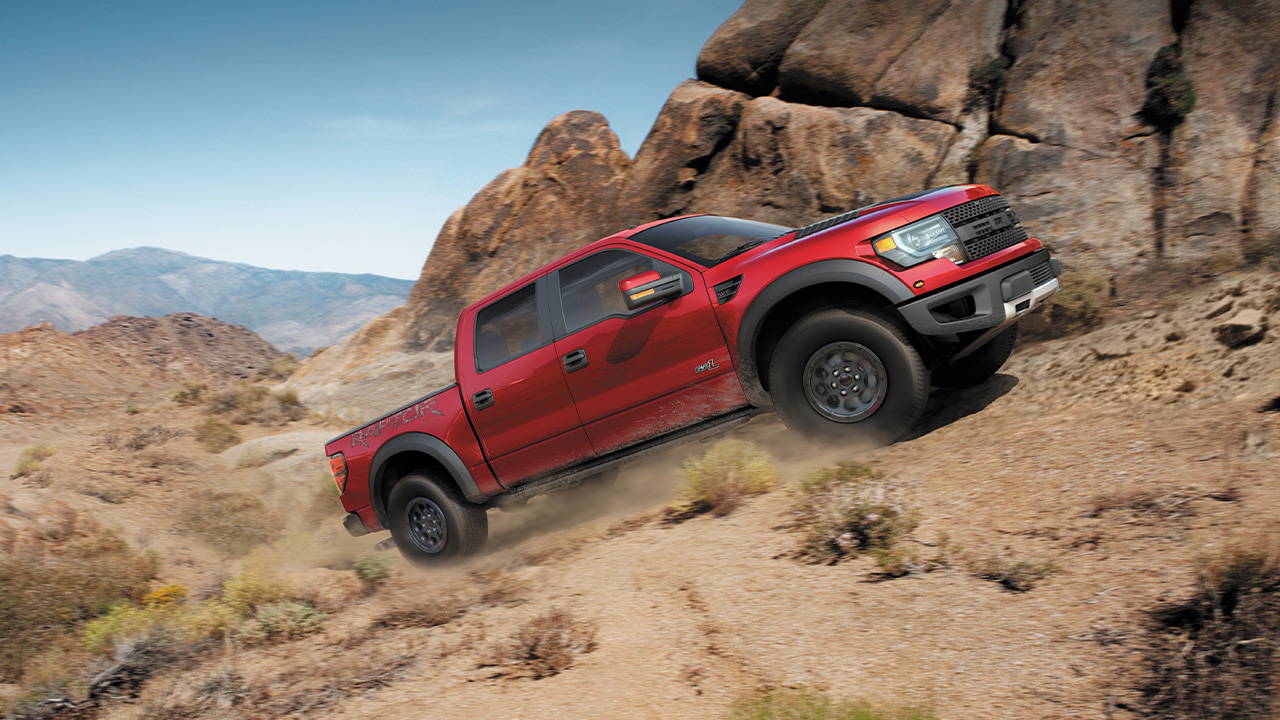
The Ford F-Series, led by the F-150, has long been America’s best selling truck line, and it is also one of the easiest platforms to work on, modify, and upgrade. Thanks to decades of dominance in the truck market, there’s a deep supply of OEM and aftermarket parts for nearly every model year. From leveling kits and bed accessories to performance tunes and lighting upgrades, there’s no shortage of bolt-on DIY opportunities. With millions of F-150s on the road, help is never far away, with forums like F150Forum.com and YouTube channels dedicated to F-series mods making it simple to follow along.
What also makes the F-150 so DIY-friendly is its modularity and mechanical accessibility. Many trim levels share components, and routine jobs like brake swaps, oil changes, and exhaust upgrades are refreshingly straightforward. Whether you’re using it for work, play, or overlanding, the F-150 is a solid canvas for home garage projects.
Subaru BRZ / Toyota 86 / GR86

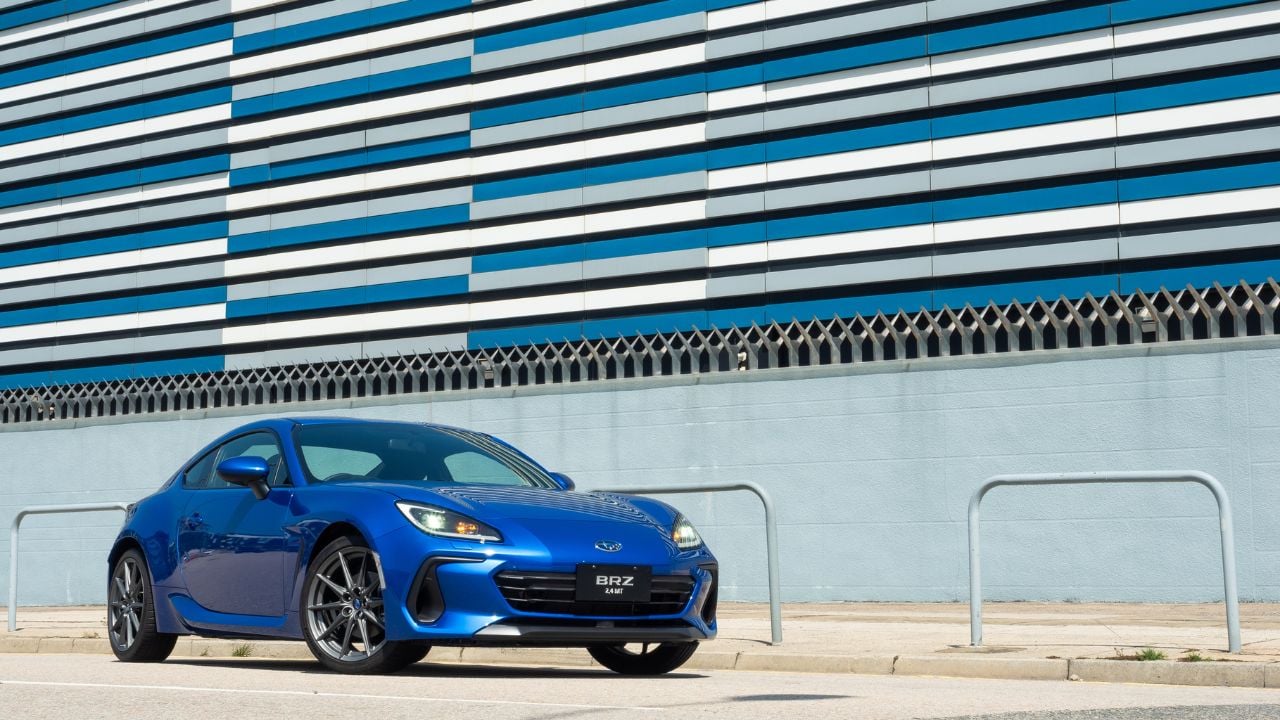
Built with driving enthusiasts in mind, the BRZ and 86 twins are famously mod-friendly from the factory. Their simple, rear-wheel-drive layout, low center of gravity, and naturally aspirated flat-four engine make them a favorite for DIY enthusiasts seeking to tune their vehicles. Whether you’re swapping out the wheels, stiffening up the suspension, or installing an intake and exhaust, the layout is clean, and the parts are accessible. These cars were designed to be fun and fiddled with.
Even better, the community around the 86 platform is incredibly active. Enthusiasts share step-by-step walkthroughs, tuning guides, and troubleshooting tips across platforms like FT86Club and Reddit’s r/ft86. With so many shared parts between the Subaru and Toyota versions, aftermarket options are broad, and it’s easy to find precisely what you’re looking for, whether you’re aiming for a canyon carver or a weekend track weapon.
Chevrolet Corvette (C5 & C6)
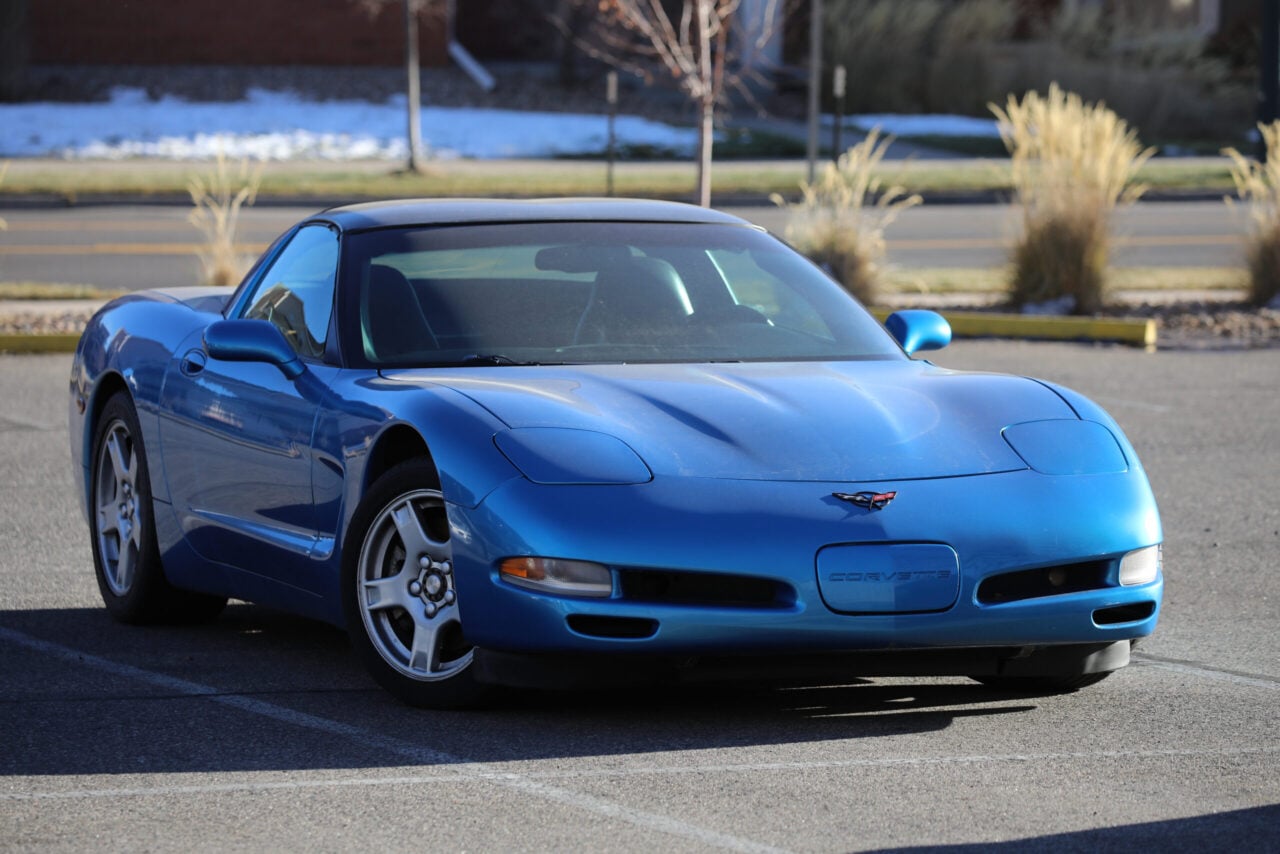
The C5 and C6 Corvettes are often called the best bang-for-buck performance cars on the used market, and they’re just as rewarding to wrench on. Both are powered by LS-series V8 engines, which are not only durable but also extremely well-documented and modifiable. With tons of under-hood space, straightforward diagnostics, and a layout that favors accessibility, these Corvettes make performance upgrades surprisingly approachable.
They’re also supported by a deep aftermarket scene that includes everything from cam kits and headers to brake upgrades and coilovers. The C5 and C6 have become staples in the track day and autocross worlds, not just for their performance potential but also because they can be tuned and maintained by owners without needing a race shop. For DIY speed junkies, few platforms deliver more performance per dollar.
Honda Civic
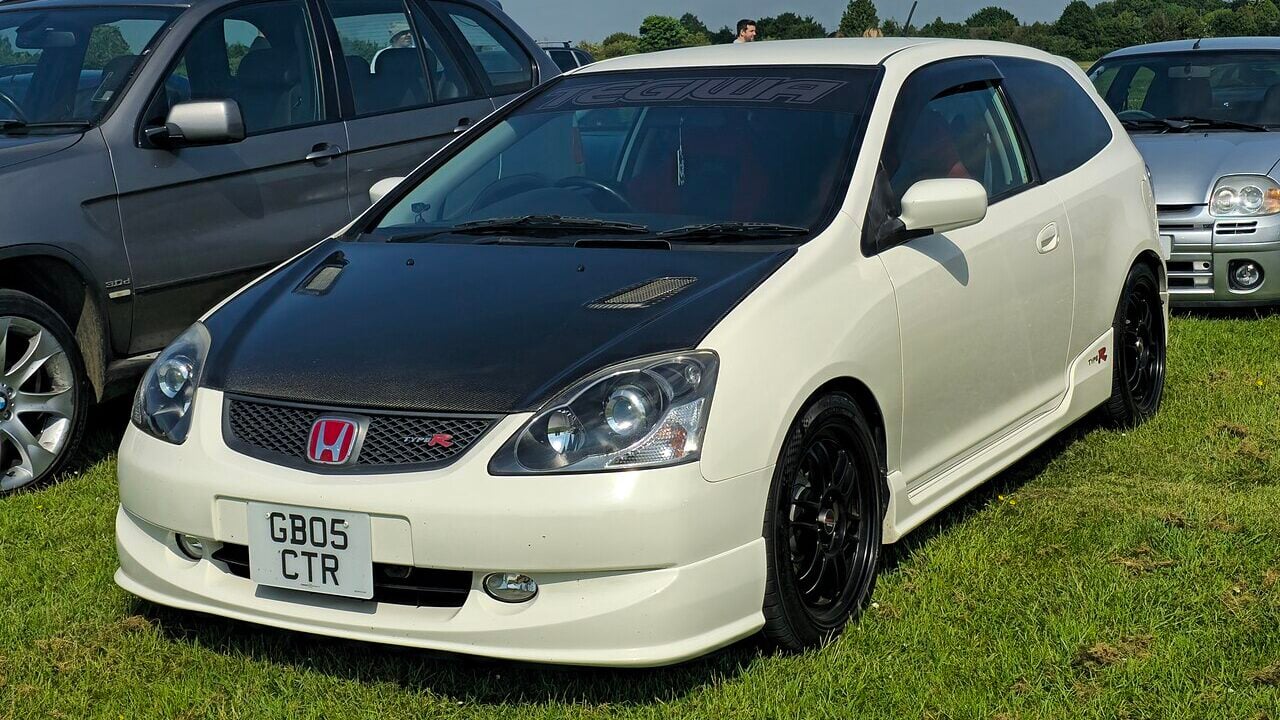
The Honda Civic has long been a cornerstone of the DIY car community. Known for its simple, reliable engineering and vast availability of parts, the Civic is perfect for everything from routine maintenance to high-performance builds. Whether you’re working on an older EG hatchback or a newer generation, the straightforward engine layout and modular components make even complex projects manageable in a home garage. With decades of tuning culture behind it, the Civic has one of the largest aftermarket scenes in the world.
Whether it’s upgrading suspension, turbocharging, or swapping in performance cams, there’s an endless supply of guides, parts, and community support. Sites like Honda-Tech and forums dedicated to every generation ensure help is always just a click away.
Toyota Tacoma

The Tacoma is a favorite among off-road enthusiasts and DIYers alike. Its body-on-frame design, robust drivetrain, and simple mechanical layout make it ideal for owners who want to install lift kits, upgrade bumpers, or add recovery gear without needing specialized tools. Many aftermarket companies design their parts specifically for easy installation on Tacomas, making the DIY process smoother.
Beyond off-road mods, the Tacoma’s reliability and widespread use mean that parts are plentiful and affordable. Whether you’re replacing brakes or installing a snorkel, the truck’s design allows for good accessibility. The vibrant Tacoma community shares countless build threads, how-to videos, and tips, creating a supportive environment for beginners and pros alike.
Ford Mustang (S197 & S550)

Few cars embody the spirit of American muscle like the Ford Mustang, and this is closely tied to a rich history of DIY modifications. The fifth- (S197) and sixth-generation (S550) Mustangs are especially friendly to home mechanics, with relatively simple engine bays and a vast catalog of bolt-on performance parts. From cold air intakes to suspension upgrades and ECU tunes, many projects require nothing more than basic tools and a little patience.
Mustang owners benefit from one of the most passionate enthusiast communities around, with a wealth of resources like MustangForums.com and countless YouTube channels offering detailed DIY guides. Whether you’re a weekend wrench-turner or an experienced gearhead, the Mustang offers a versatile platform to personalize and improve your ride.
Chevrolet Camaro (F-Body & Fifth Gen)

The Camaro has been a muscle car staple for decades, and the F-body (1993–2002) and fifth-generation models (2010–2015) continue that legacy with great DIY potential. The F-body’s simple V8 engines and straightforward chassis make it an accessible platform for engine swaps, suspension upgrades, and cosmetic enhancements. Meanwhile, the fifth-gen Camaro offers modern tech with plenty of room to customize without overwhelming complexity.
A large and dedicated community supports these models, sharing extensive how-to guides and modification tips online. With the availability of affordable aftermarket parts and the car’s inherent performance, the Camaro remains a favorite for those wanting to combine classic muscle car style with hands-on fun in the garage.
Toyota 4Runner

The Toyota 4Runner is legendary for its reliability and off-road capability, and it’s equally respected in the DIY world. Its body-on-frame construction and simple mechanical design make routine maintenance and major upgrades accessible for most enthusiasts. From suspension lifts to bumper swaps and lighting upgrades, many parts are designed for bolt-on installation.
The 4Runner also benefits from a strong, enthusiastic community that shares build advice, troubleshooting tips, and parts recommendations. Whether you’re preparing for trail adventures or daily driving, the 4Runner is a versatile, durable platform that rewards hands-on care and customization.
Nissan 350Z / 370Z
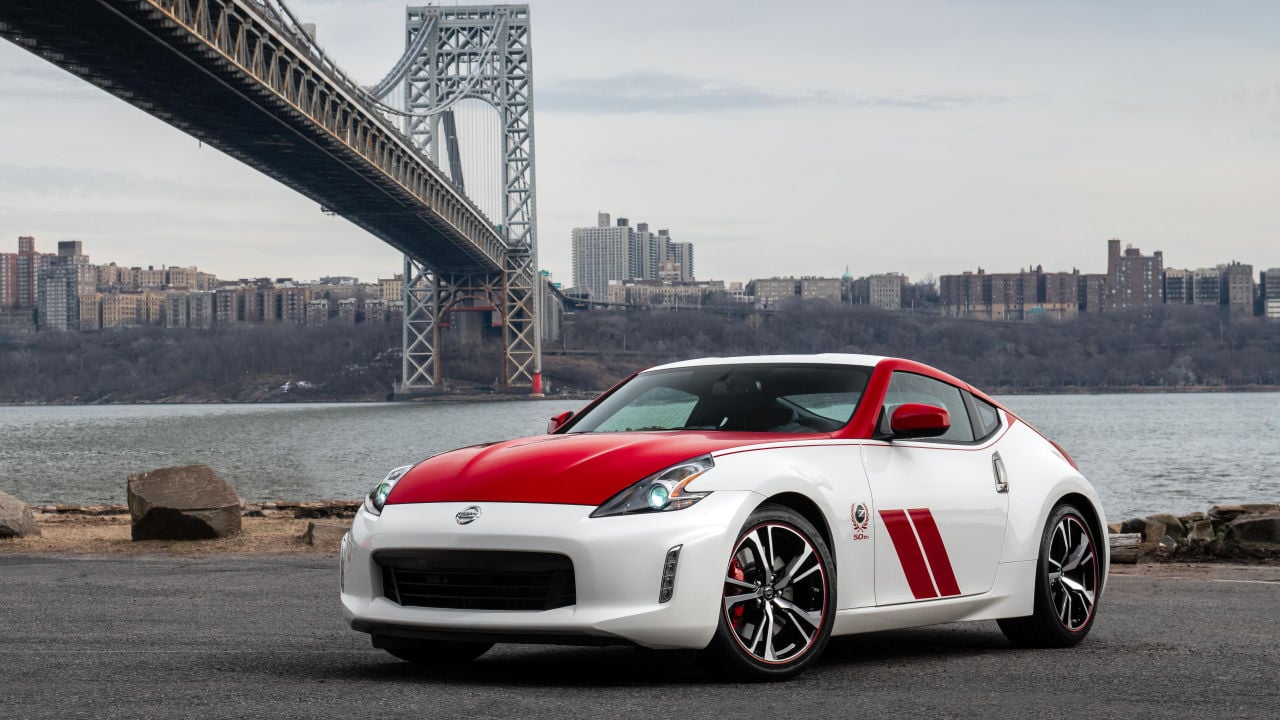
The Nissan 350Z and 370Z sports cars offer a compelling mix of performance, style, and DIY friendliness. Their front-engine, rear-wheel-drive layout is ideal for tuning and handling upgrades, and the engines are well-documented with plenty of swap and modification options. Both models have accessible engine bays and relatively straightforward suspension setups, making them popular choices for home mechanics.
With a passionate online community and a robust aftermarket, the Z cars have become a favorite for those who want to build track-day machines or spirited street cars. DIY-friendly parts are abundant, ranging from intake and exhaust kits to coilovers and aero pieces, enabling enthusiasts to transform their rides with hands-on effort.
BMW E46 / E90 3-Series

BMW’s E46 and E90 generations of the 3-Series have earned a strong reputation among DIY enthusiasts for their engaging driving dynamics and mechanical accessibility. While slightly more complex than some other models on this list, they reward careful wrenching with a refined balance of performance and luxury. Routine maintenance and many common repairs can be done at home with basic tools, especially with the help of detailed guides and online forums like Bimmerforums.
These BMWs also offer a wealth of modification opportunities, from suspension tuning and brake upgrades to performance software and cosmetic enhancements. For enthusiasts looking to combine a European driving feel with DIY customization, the E46 and E90 remain compelling, well-supported platforms.
Keeping DIY Alive

Wrenching on your own car is more than just maintenance or upgrades; it’s a way to connect with your vehicle and the larger community of car enthusiasts. Whether you prefer classic muscle cars, nimble sports cars, or rugged off-roaders, getting hands-on keeps the passion for driving and building alive. Every turn of the wrench helps write the next chapter in your car’s story.
We’d love to hear from you: what’s your favorite car to work on, and why? Drop a comment below and share your experiences, tips, or even your dream project. After all, no matter your style or skill level, the heart of car culture beats strongest when we all get under the hood and get our hands dirty.