Europe is filled with coastal cities where the culinary scene rivals or even surpasses the food of world-famous hubs like Barcelona. From fresh seafood straight off the boat to centuries-old recipes preserved in family-run restaurants, these ports offer authentic, unforgettable meals. Often overlooked by mainstream tourists, they combine scenic harbors with markets, taverns, and street food that truly represent local flavors. Travelers who explore beyond the typical hotspots will discover dishes that tell the story of history, geography, and culture in every bite. These 13 ports prove that amazing food isn’t limited to the famous names on every guidebook.
Each of these destinations blends culinary heritage with lively waterfronts, creating experiences that stimulate all the senses. Visitors can wander through fish markets, watch chefs prepare fresh catches, and dine while soaking in views of boats, sunsets, and bustling quays. Many of these ports have maintained family-owned establishments for generations, offering dishes that are rarely found elsewhere. Exploring them means tasting local life in a way that feels intimate, unhurried, and deeply satisfying. For travelers passionate about food, these hidden gems are a feast for both the palate and the imagination.
1. Porto, Portugal

Porto is famous for its wine, but its seafood scene is equally remarkable, especially along the Ribeira waterfront. Fresh grilled sardines, octopus, and cod dishes dominate menus in riverside taverns that locals swear by. Visitors can pair meals with local specialties like “Francesinha” sandwiches or a glass of port wine. The combination of riverside ambiance and authentic cuisine creates a dining experience that feels rooted in centuries of culinary tradition. Sampling these dishes while watching the Douro River flow by is a uniquely Porto experience.
The city’s markets, such as Mercado do Bolhão, offer a glimpse of the freshest ingredients, from fish to vegetables, directly sourced from regional producers. Chefs and home cooks alike highlight seasonal flavors in simple yet satisfying preparations. Streets just off the main tourist paths hide small restaurants where recipes remain unchanged for generations. For travelers seeking food with a sense of place, Porto provides an intimate taste of Portugal’s rich maritime heritage.
2. Trieste, Italy

Trieste, on Italy’s northeastern Adriatic coast, combines Austro-Hungarian culinary influences with fresh seafood traditions. Plates of calamari, scampi, and anchovies are often complemented by local prosciutto and cheeses. The city’s markets brim with fresh catch daily, allowing chefs to prepare dishes that reflect the changing seasons. Dining here means enjoying meals that feel both cosmopolitan and distinctly local, a true testament to Trieste’s crossroads culture.
Small trattorias and cafes tucked along cobblestone streets allow travelers to witness the city’s daily life while savoring regional specialties. Traditional dishes such as jota, a hearty bean and sauerkraut soup with pork, reflect centuries of cultural fusion. The harbor area offers casual seafood shacks where freshly grilled fish is served with minimal fuss but maximum flavor. For food lovers willing to wander beyond Italy’s better-known ports, Trieste delivers unforgettable culinary rewards.
3. Marseille, France

Marseille is France’s gateway to the Mediterranean, where bouillabaisse reigns as the city’s most iconic dish. Local fishermen supply daily catches that end up in both humble bistros and Michelin-starred restaurants. Sampling this rich, aromatic seafood stew in a harbor-side eatery provides a sensory connection to the city’s maritime heritage. Markets like Marché de Noailles showcase everything from shellfish to sun-dried herbs, reflecting the city’s diverse culinary influences. Visitors can taste a mix of Provençal, North African, and Mediterranean flavors that make Marseille uniquely vibrant.
The port’s lively quays create a backdrop that enhances every meal, with boats, seagulls, and salty breezes adding to the experience. Family-run restaurants often keep recipes secret, passed down through generations. Street vendors serve fresh seafood snacks for travelers in a hurry, while fine dining establishments offer refined versions of traditional recipes. For anyone looking for food that tells the story of the sea and the city, Marseille is a must-visit destination.
4. Genoa, Italy
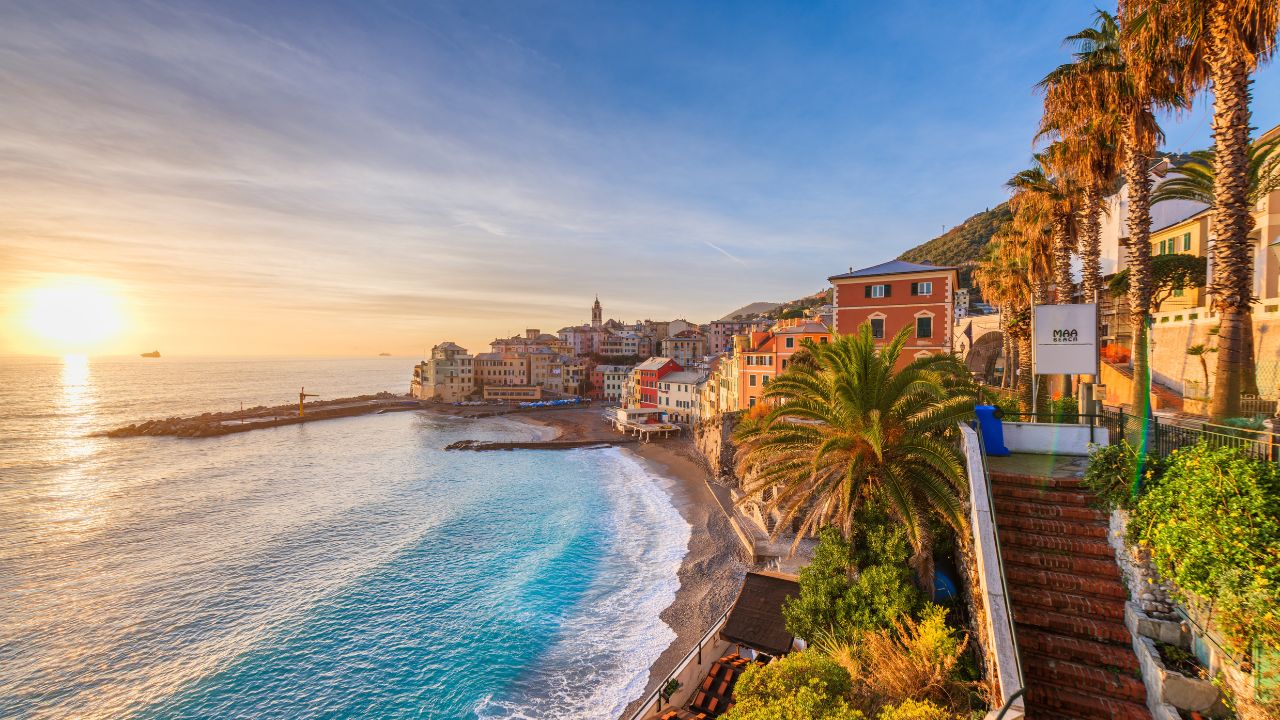
Genoa, the capital of Liguria, is often overlooked by travelers in favor of Rome or Venice, but its culinary scene is exceptional. The city’s narrow alleys, or “carrugi,” are lined with tiny osterias serving freshly prepared seafood, trofie al pesto, and focaccia straight from the oven. Markets like Mercato Orientale overflow with fresh fish, vegetables, and aromatic herbs that inspire local chefs daily. Dining in Genoa combines historical charm with intense flavors that showcase the region’s rich maritime culture. Visitors can savor every bite while watching fishing boats unload their catch along the harbor, creating a direct link between sea and plate.
Hidden trattorias tucked away in historic buildings preserve recipes that have been passed down for generations. Local seafood such as anchovies, cuttlefish, and clams are often prepared simply, highlighting the freshness of each ingredient. Olive oil from nearby hills drizzled over dishes elevates flavors without overpowering them. The city’s food culture blends casual eateries with artisanal markets, giving travelers diverse dining experiences. Genoa is a destination where the history of the port comes alive in every meal.
5. Cadiz, Spain
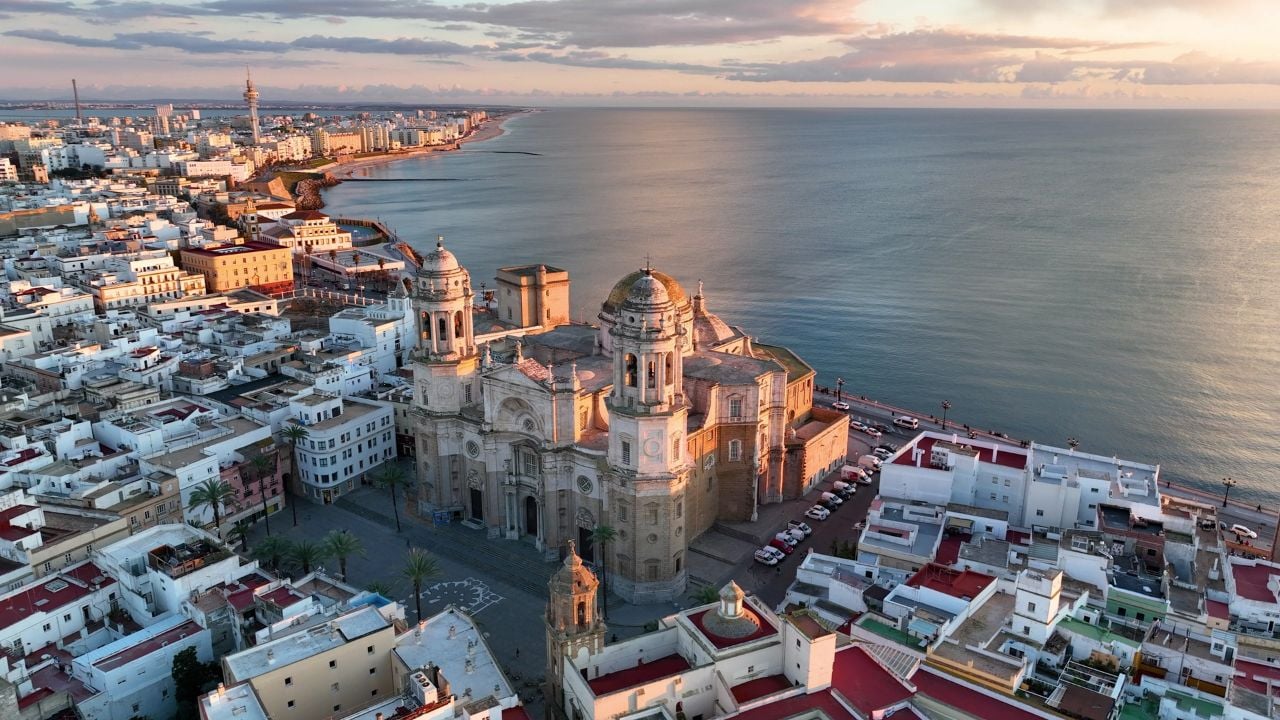
Cadiz, perched on a narrow peninsula in southern Spain, offers seafood experiences that rival even the most famous Mediterranean ports. The city’s bustling fish markets deliver catches fresh from the Atlantic each morning, including prawns, sardines, and tuna, which local chefs transform into simple yet unforgettable dishes. Unlike heavily touristed cities, Cadiz retains a strong sense of authenticity, with family-run taverns serving recipes passed down for generations. Strolling along the harbor, visitors encounter lively markets, street food stalls, and waterfront restaurants, all offering a direct connection to the city’s maritime heritage. Dining here is as much about the atmosphere as it is about the food, with salty sea breezes and colorful fishing boats framing every meal.
Beyond the markets, Cadiz’s culinary culture emphasizes fresh ingredients prepared with minimal fuss to highlight natural flavors. Tapas bars and local eateries offer traditional dishes such as grilled sardines, octopus salad, and “pescaíto frito,” small fried fish served piping hot. Seasonal seafood dictates menus, ensuring meals reflect the best the ocean has to offer. The city’s combination of history, harbor activity, and culinary excellence makes it an ideal destination for travelers who seek both flavor and authenticity. For food enthusiasts exploring Spain, Cadiz provides a hidden yet unforgettable gastronomic experience.
.6. Valencia, Spain

Valencia’s port is not just about paella; its harbor is a hub of culinary innovation using the freshest Mediterranean ingredients. Fishermen deliver catches daily, ensuring seafood is central to local cuisine. Markets like Mercado Central provide an abundance of fish, vegetables, and regional delicacies that inspire both casual vendors and gourmet chefs. Street cafes and waterfront restaurants serve dishes such as fideuà, arroz a banda, and fresh shellfish, offering an authentic taste of the region. Dining here is a sensory adventure where flavors, colors, and the Mediterranean breeze converge in perfect harmony.
Many restaurants focus on locally sourced ingredients, highlighting both tradition and creativity. Chefs balance simple preparations with bold seasonings to emphasize freshness rather than disguise it. The combination of casual eateries and family-run establishments ensures that every traveler finds a meal suited to their tastes. Valencia’s harbor atmosphere, with colorful boats and bustling fish markets, enhances the dining experience. Visitors leave with a full stomach and a deeper connection to Spain’s coastal culinary traditions.
7. Catania, Italy

Nestled at the foot of Mount Etna, Catania’s port is a haven for seafood lovers seeking authentic Sicilian flavors. The city’s fish markets overflow with swordfish, sardines, and tuna, often sold by vendors who have been part of the trade for generations. Traditional trattorias and street stalls serve fried seafood, pasta with clams, and dishes infused with local citrus and olive oil. Dining here feels like a direct connection to the sea, with each bite reflecting the volcanic soil and coastal waters that shape the region’s flavors. The lively market energy adds a sense of celebration to the culinary experience.
Catania’s harbor restaurants combine rustic charm with intense taste, creating a memorable experience for every visitor. Local culinary traditions emphasize simplicity, letting fresh ingredients shine without unnecessary embellishments. Chefs frequently incorporate regional cheeses, vegetables, and herbs to balance the richness of seafood dishes. Eating in Catania is as much about witnessing local life as it is about enjoying exquisite food. Travelers seeking both authenticity and flavor will find few better destinations in Europe.
8. La Rochelle, France
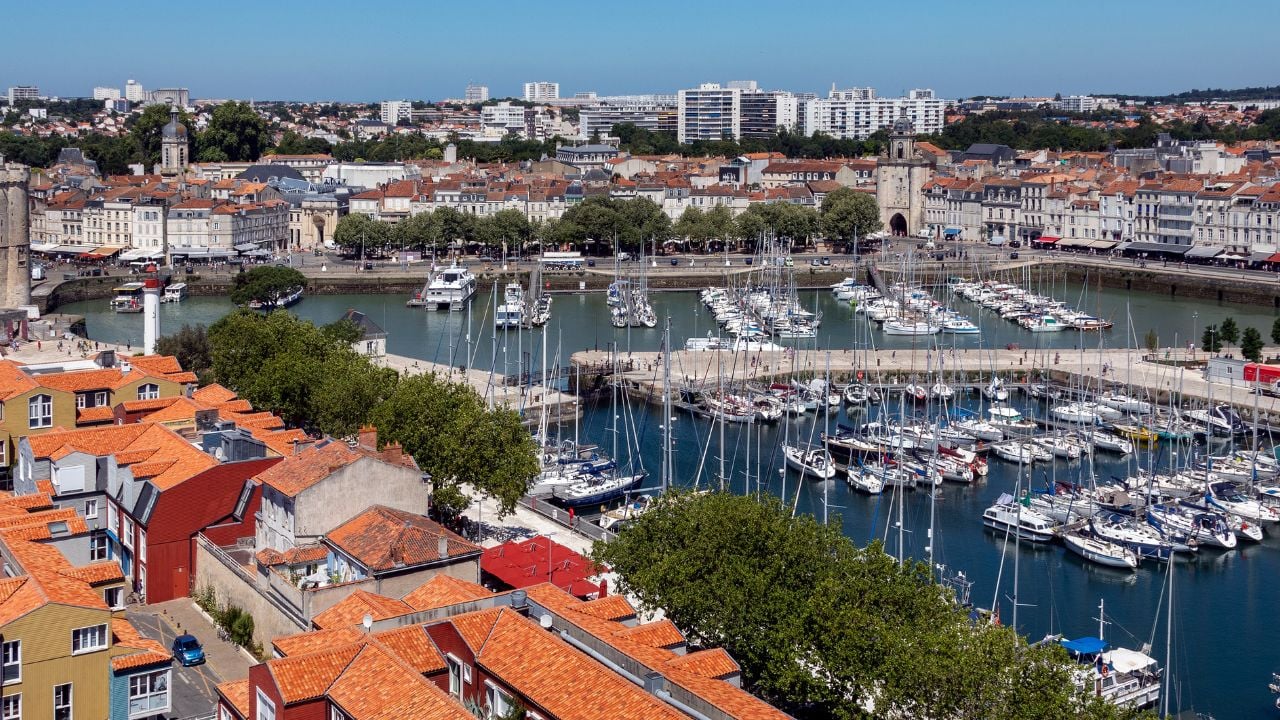
La Rochelle, a charming port on France’s Atlantic coast, is a culinary delight often overlooked by travelers chasing Mediterranean hotspots. The harbor is lined with seafood restaurants and market stalls offering freshly caught oysters, mussels, and sole, prepared in traditional French styles. Visitors can stroll along the quays, watch fishermen unload their daily catch, and enjoy meals that reflect centuries of maritime culture. The city’s culinary scene combines rustic charm with refined techniques, creating an authentic experience that engages all the senses. Dining here feels deeply connected to the sea, the history, and the local community that has shaped these flavors for generations.
Beyond the bustling port, La Rochelle offers hidden gems in narrow streets where family-owned bistros serve dishes passed down through generations. Seasonal ingredients, local herbs, and high-quality Atlantic seafood ensure every meal bursts with flavor. The relaxed atmosphere allows travelers to savor both food and setting, making dining a leisurely cultural experience. Street-side cafes and elegant restaurants coexist, providing options for casual bites or sophisticated tasting menus. For food lovers seeking freshness, history, and authentic French coastal cuisine, La Rochelle is an unforgettable destination.
9. Piraeus, Greece

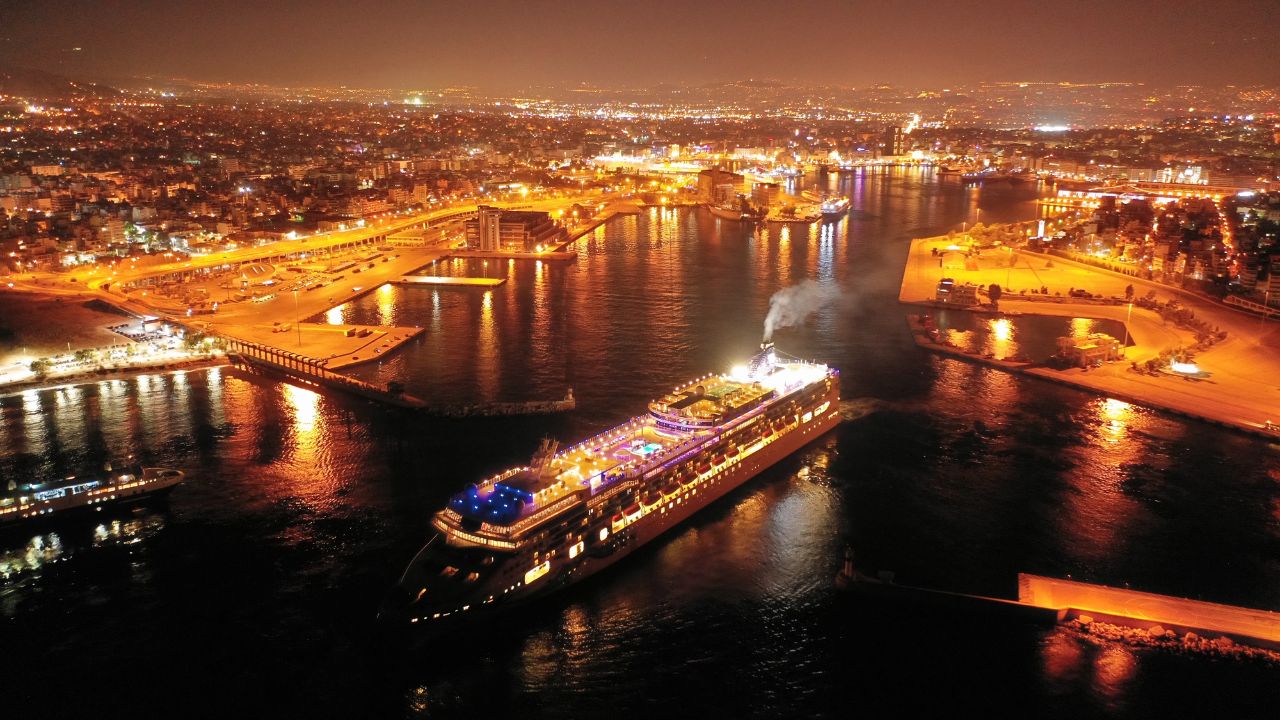
As Athens’ main port, Piraeus is a gateway to the Aegean and a treasure trove for seafood enthusiasts. Tavernas line the harbor, offering grilled fish, octopus, calamari, and freshly caught shrimp prepared simply but perfectly. Daily catches from the nearby sea ensure that each meal is bursting with flavor and freshness. Visitors can dine while watching fishermen unload their catch or the sun set over the Saronic Gulf. Piraeus provides a quintessential Greek experience where maritime culture meets culinary mastery.
The markets surrounding the port enhance the gastronomic experience, with olives, cheeses, and vegetables sold alongside seafood. Traditional Greek recipes, often cooked in family-run tavernas, have remained unchanged for decades, preserving authentic flavors. The simplicity and quality of ingredients are paramount, letting the natural taste of the sea shine. Dining in Piraeus offers both intimacy and spectacle, as guests feel connected to generations of maritime tradition. For anyone passionate about Mediterranean food, the port is a living culinary museum.
10. Bergen, Norway

Bergen’s harbor offers a completely different European seafood experience, centered on the cold waters of Norway. Fresh salmon, cod, and shellfish are staples, with markets like Fisketorget providing immediate access to catches brought in daily. Traditional Norwegian preparations, including smoked fish and fish soups, highlight the clean flavors of the North Sea. Harbor-side cafes and restaurants offer a combination of casual dining and sophisticated plates, making Bergen a versatile destination for food lovers. The scenery of wooden wharves and colorful houses adds charm to every meal, creating a feast for all the senses.
Local chefs rely on the freshest seasonal ingredients, often pairing seafood with wild herbs, berries, and locally baked bread. Travelers can experience both traditional recipes and modern culinary innovations that respect Norway’s maritime heritage. The market atmosphere and working harbor make every meal feel connected to the rhythm of the city. Eating in Bergen is an immersive experience that combines history, geography, and gastronomy. For those willing to explore beyond southern Europe, Bergen offers some of the continent’s most compelling seafood.
11. Palermo, Italy

Palermo’s port is the heart of Sicilian cuisine, where street food and market stalls thrive alongside elegant seafood restaurants. Dishes like arancini, panelle, and fresh fish stews showcase the island’s rich culinary diversity. Markets such as Ballarò and Vucciria provide a feast for the senses, with seafood, spices, and local produce all in abundance. Eating in Palermo feels like stepping into a living museum of flavor, where centuries of trade and cultural exchange have shaped every recipe. Harbor views, warm Mediterranean light, and bustling streets make dining here unforgettable.
Family-run trattorias and casual eateries maintain recipes that have been passed down for generations, preserving authenticity in every dish. Seafood is prepared simply, with an emphasis on freshness, olive oil, and citrus, allowing natural flavors to shine. Dining is often communal, encouraging interaction with locals and fellow travelers alike. Palermo combines urban energy with culinary excellence, creating a port city that satisfies both food enthusiasts and cultural explorers. Each meal offers a story, a taste of history, and a connection to the Mediterranean way of life.
12. Kotor, Montenegro

Kotor, nestled in a stunning fjord-like bay on Montenegro’s Adriatic coast, offers seafood experiences that feel both intimate and unforgettable. The port’s small fishing fleet brings in fresh catches daily, including sardines, sea bream, and calamari, which local restaurants transform into traditional Montenegrin dishes. Cobblestone streets lead visitors from the harbor to cozy taverns where recipes have been preserved for generations, offering authentic flavors far from the tourist crowds. Dining in Kotor is enhanced by panoramic views of the bay, medieval walls, and moored fishing boats, creating a sensory connection between food, history, and the sea. Each meal feels like a direct reflection of the region’s maritime culture and centuries-old culinary traditions.
The local markets and harbor-side eateries focus on freshness, simplicity, and regional techniques that highlight the natural flavors of fish and shellfish. Chefs often prepare seafood grilled, baked, or stewed with olive oil, garlic, and local herbs, keeping dishes light yet flavorful. Seasonal ingredients from nearby farms, such as vegetables and citrus, complement the seafood perfectly. The combination of scenic surroundings, authentic recipes, and attentive preparation makes Kotor a hidden culinary gem in the Adriatic. For travelers seeking both breathtaking views and extraordinary seafood, Kotor delivers an experience that rivals more famous European ports.
13. Vigo, Spain
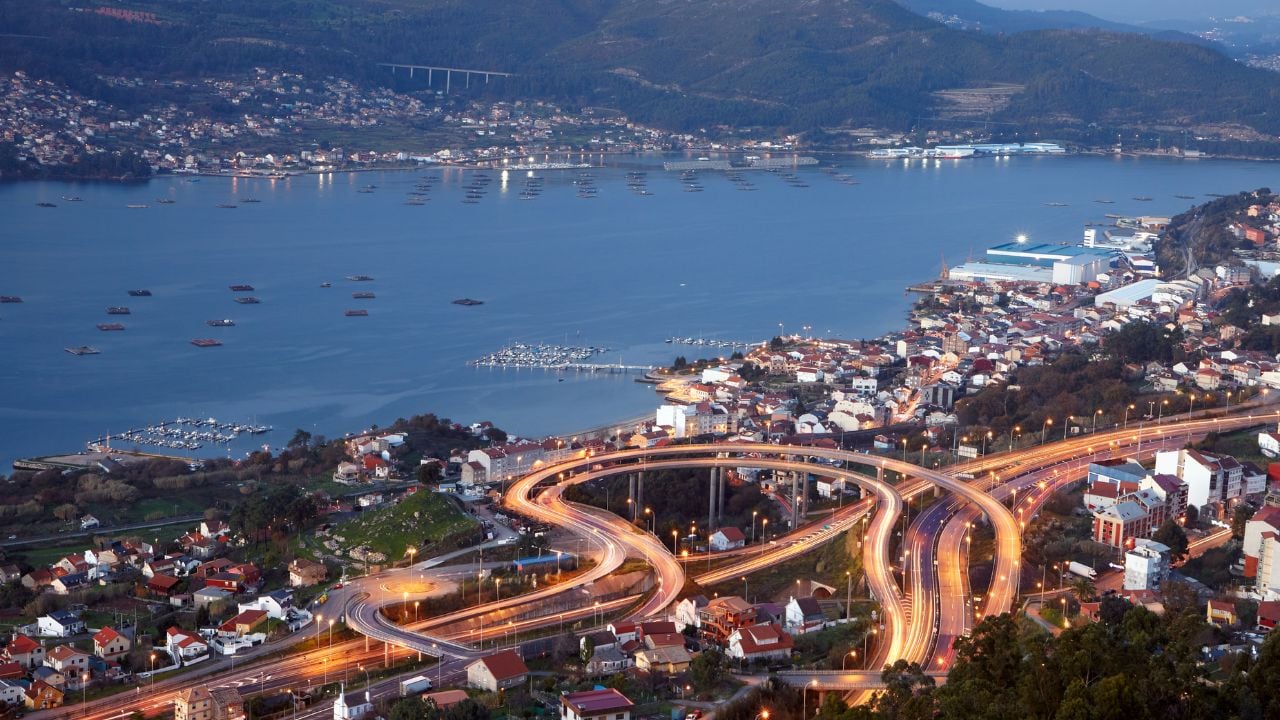
Vigo, located in Galicia on Spain’s rugged Atlantic coast, is a hidden gem for seafood lovers seeking authentic local flavors. The city’s port brings in an incredible variety of fresh fish and shellfish daily, including octopus, mussels, and turbot, which are then transformed into simple yet unforgettable dishes by local chefs. Unlike more tourist-heavy ports, Vigo maintains a strong connection between fishermen and restaurants, ensuring ingredients are handled with care and prepared at their peak. Visitors wandering the bustling waterfront markets can watch as seafood is sorted, priced, and sold to family-run taverns nearby. Dining here feels immersive, connecting the visitor directly to the rhythms of the Atlantic and the centuries-old fishing culture of Galicia.
Beyond the markets, Vigo’s restaurants highlight traditional Galician techniques, like grilling over oak coals or slow-cooking seafood stews that enhance natural flavors. Meals are often accompanied by local Albariño wine, creating a perfectly balanced taste of the region. The city’s harbor atmosphere, with fishing boats returning from early morning trips, adds authenticity to every bite. Small tapas bars and taverns preserve family recipes passed down for generations, offering dishes that rarely appear in guidebooks. For travelers who prioritize genuine culinary experiences over fame, Vigo is a surprising and unforgettable destination on Europe’s Atlantic coast.