
The 1980s were a transformative decade for American cars. Gas crises, changing regulations, and new competition from Japan completely reshaped what Americans drove.
These 12 vehicles dominated driveways across the country and defined automotive culture for an entire generation.
Ford Escort
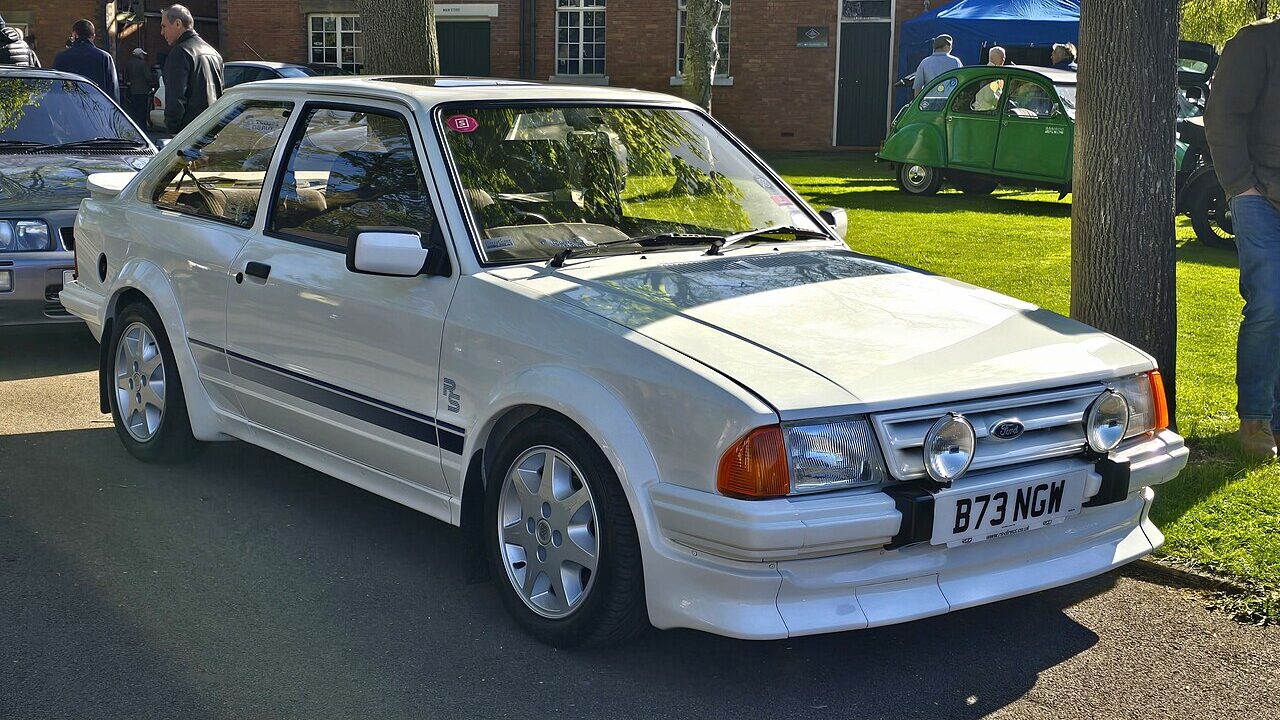
The Ford Escort was one of America’s best-selling cars in the 1980s, even topping passenger-car sales in years like 1987 and 1988 and it’s easy to see why. This compact front-wheel-drive replacement for the Pinto offered practical transportation that was actually pleasant to drive.
Ford sold over 300,000 units annually during its peak years, making it as common as a Starbucks is today.
Chevrolet Celebrity

General Motors bet big on the Celebrity as their mid-size family sedan, and Americans responded by buying them in droves. This boxy four-door offered a roomy interior and front-wheel-drive packaging that prioritized interior space and fuel efficiency.
It consistently ranked among the top five bestsellers throughout the decade, with sales often exceeding 400,000 units per year.
Oldsmobile Cutlass Supreme

The Cutlass Supreme was the quintessential American personal luxury coupe that your cool aunt probably drove. Its formal roofline and plush interior made it feel upscale without the luxury car price tag.
Oldsmobile sold the Cutlass line in huge numbers in the early 1980s, with annual sales in the hundreds of thousands.
Honda Accord
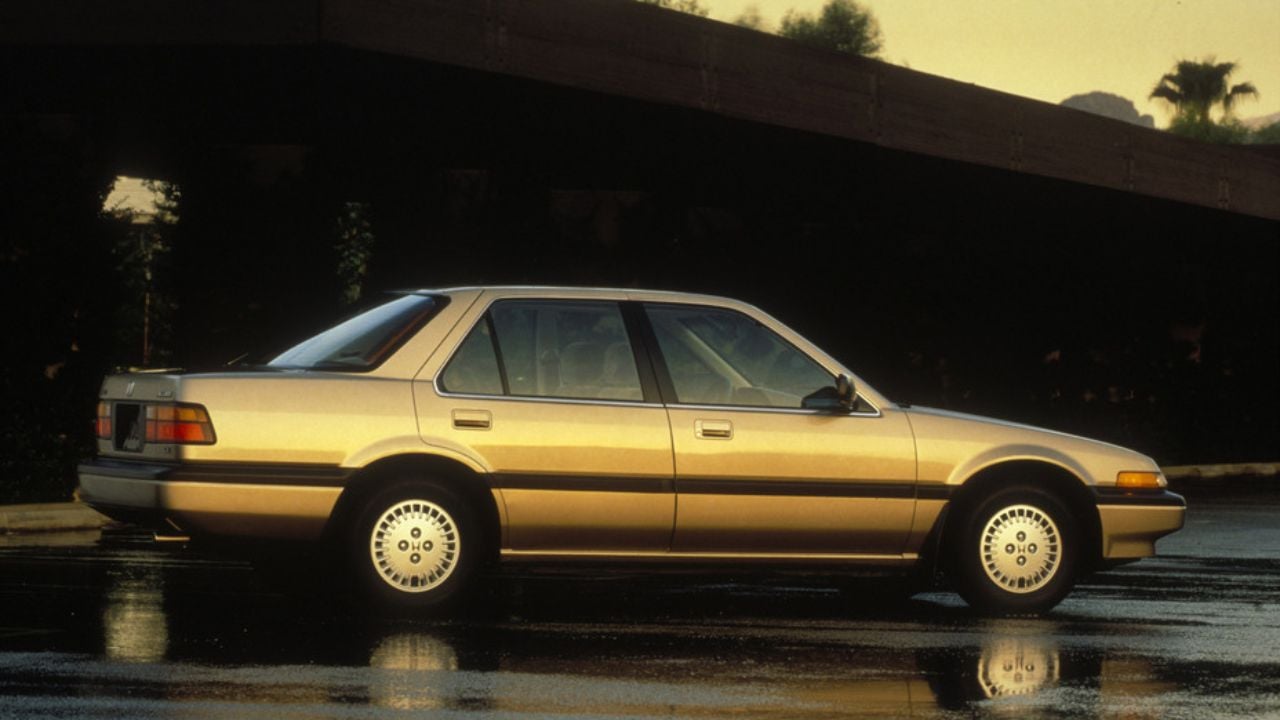
The Accord proved that “Japanese import” didn’t have to mean “econobox.” Its refined driving experience, exceptional build quality, and surprising reliability made converts out of traditional American car buyers.
By 1989, it had become the best-selling car in America, a position previously unthinkable for a foreign nameplate.
Chevrolet Cavalier
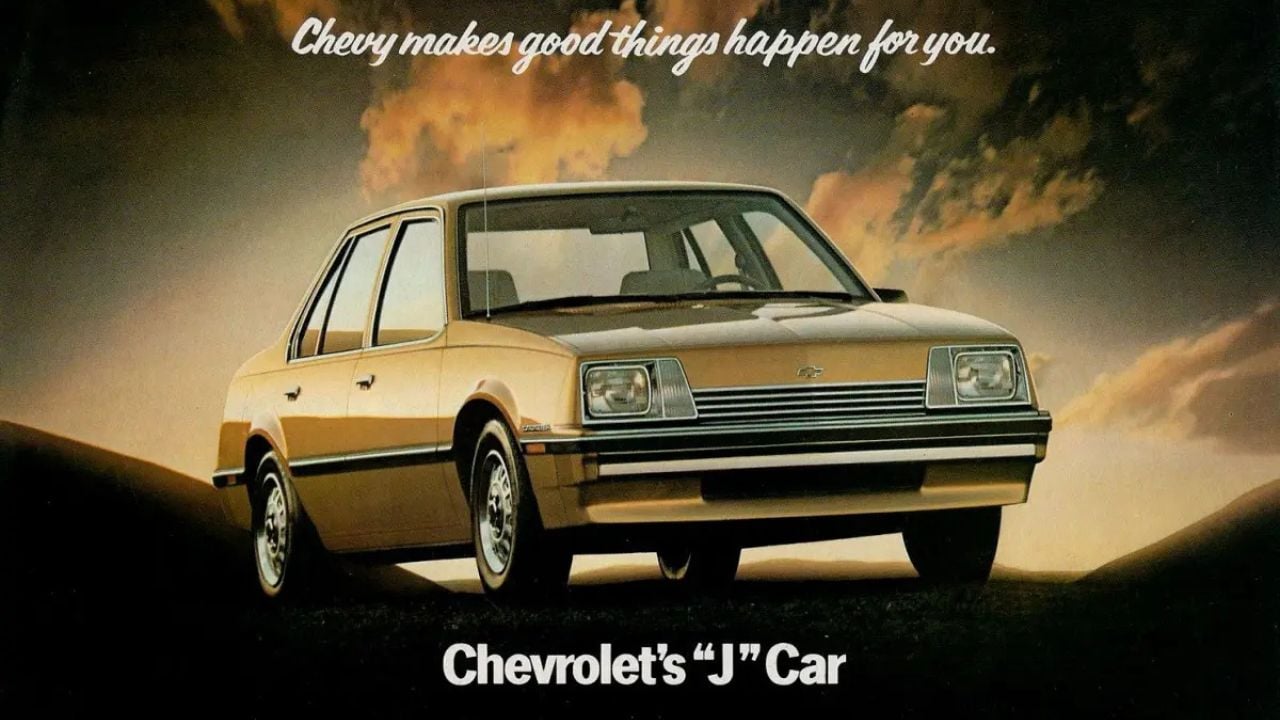
GM’s J-body platform spawned the Cavalier, a compact car that prioritized affordability above all else. It wasn’t particularly exciting or refined, but it was cheap to buy and cheap to run.
Chevrolet dealers moved over 400,000 units in some years, making it a staple of rental fleets and first-time buyers alike.
Ford Taurus

When the Taurus launched in 1986, its jellybean shape looked like nothing else on American roads. Ford’s gamble on aerodynamic styling and front-wheel-drive family transportation paid off spectacularly, with the Taurus quickly becoming one of the best-selling cars in America.
It represented a complete rethinking of what a family sedan could be.
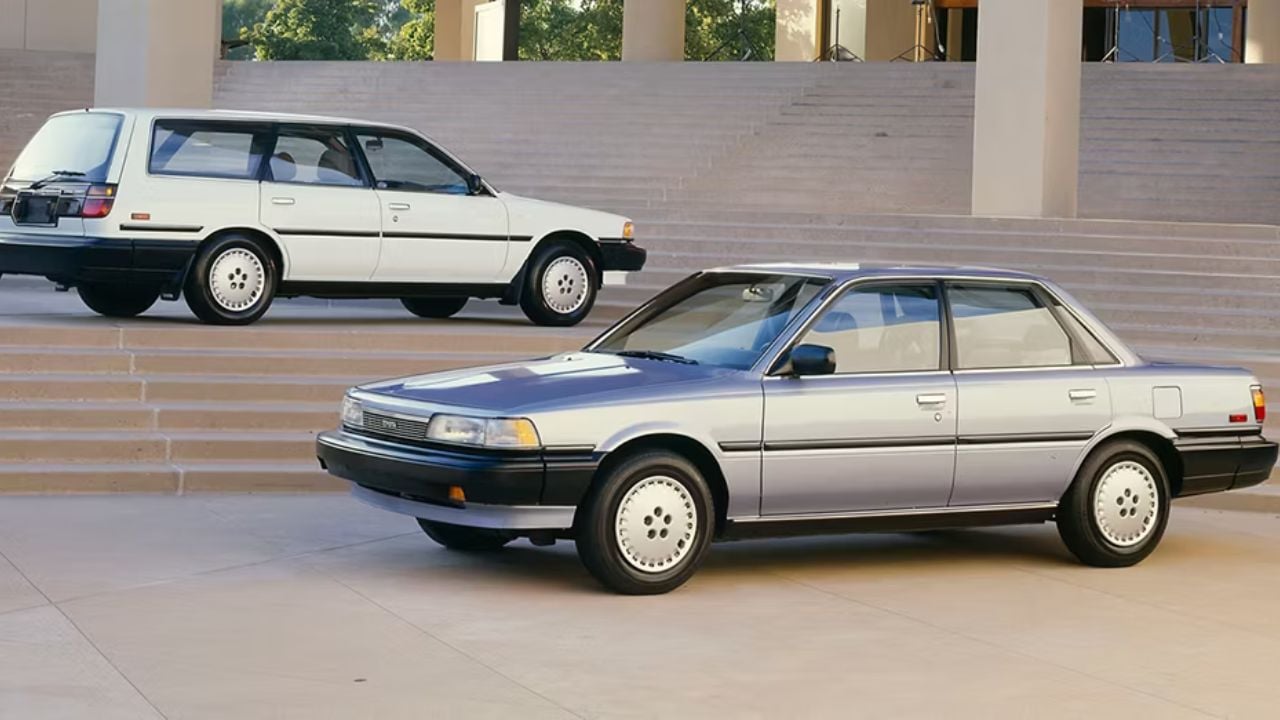
Toyota Camry
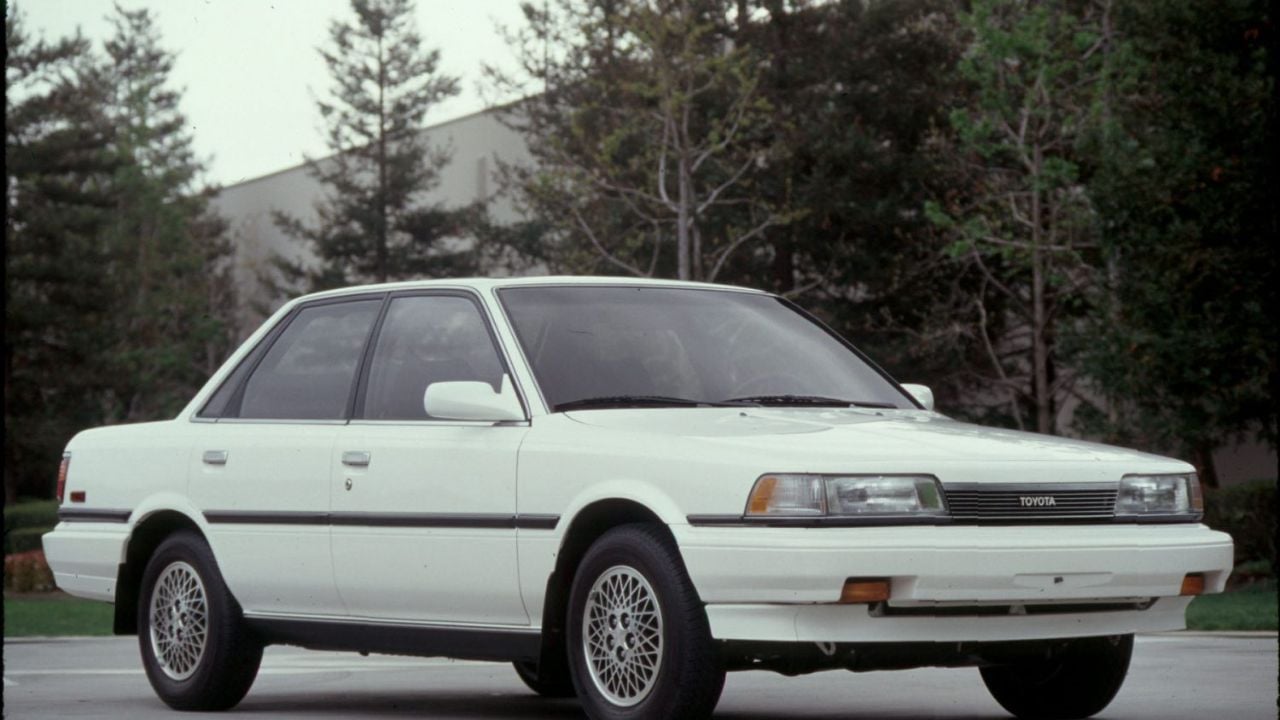
The Camry arrived in the US in 1983 and quietly began building its reputation for bulletproof reliability. While it started as a compact, it grew into a mid-size sedan that appealed to practical buyers who valued dependability over excitement.
Its sensible approach to transportation would eventually make it America’s perennial best-seller in later decades.
Pontiac Grand Am
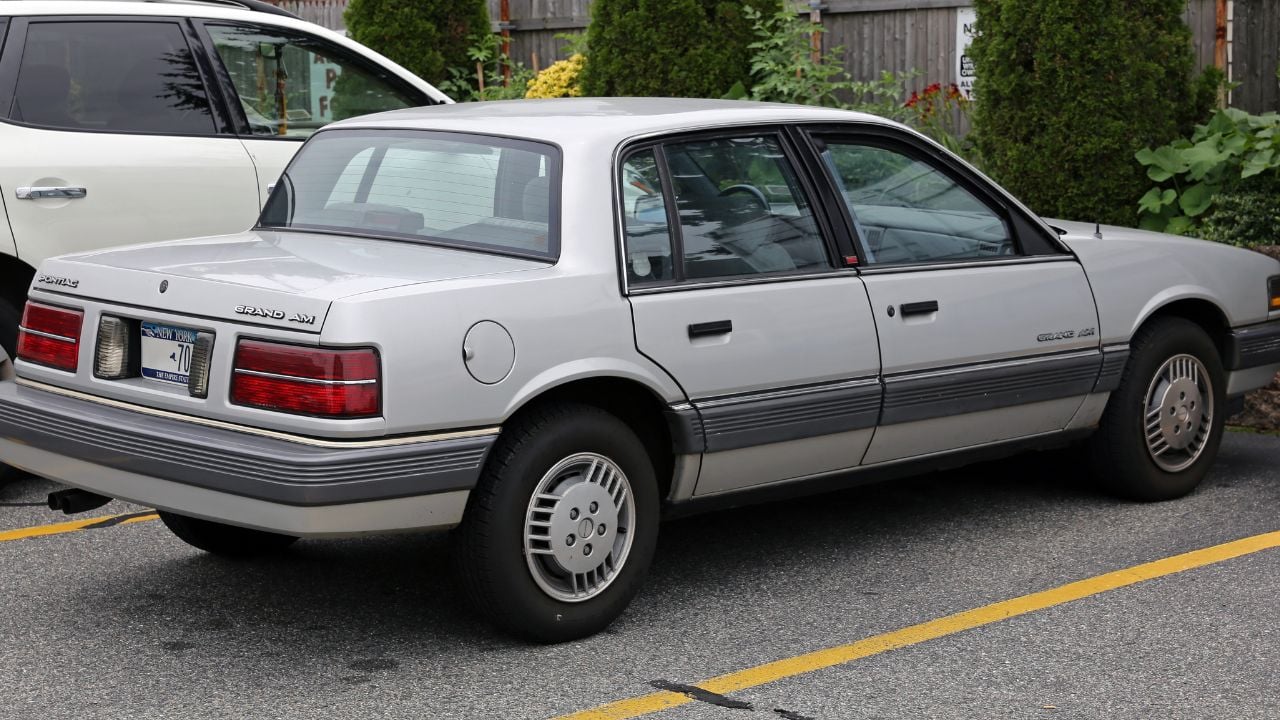
Pontiac marketed the Grand Am as a sportier alternative to typical family sedans, and buyers embraced its more aggressive styling. The third-generation model that debuted in 1985 became particularly popular with younger buyers.
While it started off a bit questionable in the early 1980s, the sales skyrocketed upon its return, topping well over 200,000 units as it became Pontiac’s bread-and-butter model.
Buick Century
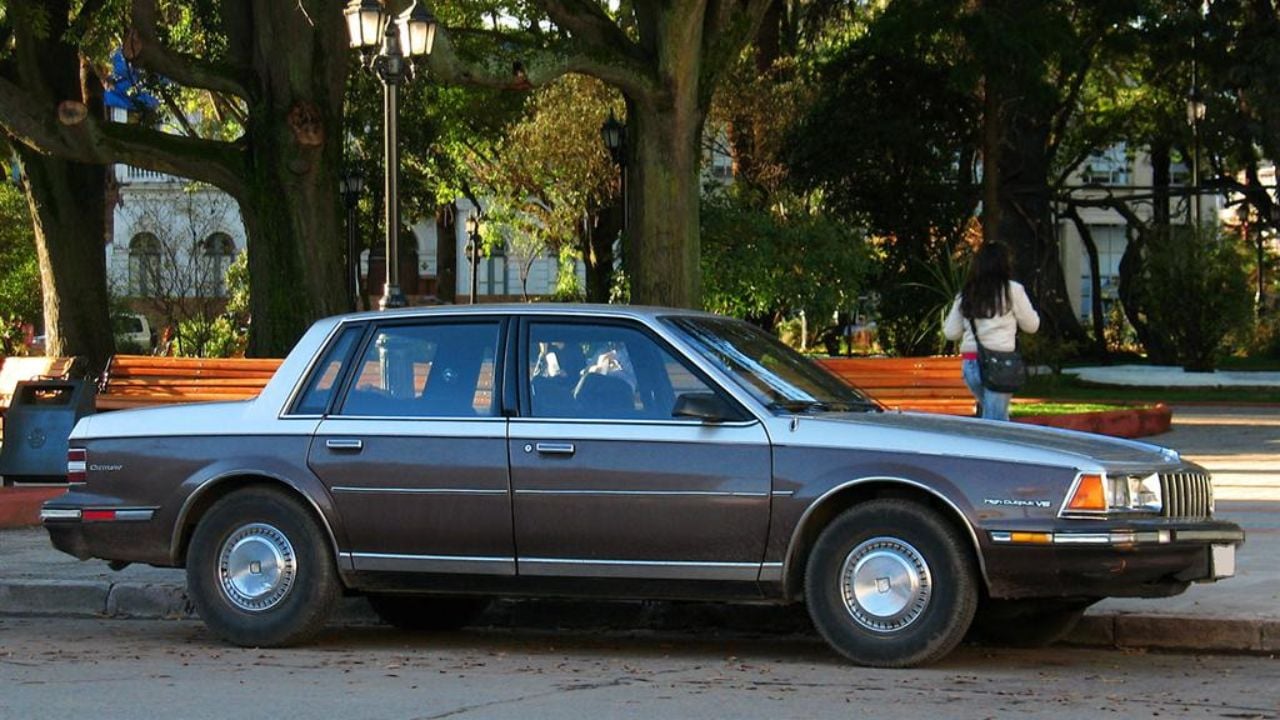
The Century represented American middle-class aspiration in sedan form. It offered a bit more prestige than a Chevy but without the premium of a Cadillac, hitting a sweet spot for suburban families.
Buick consistently sold over 100,000 Centurys annually throughout the decade, making it a common sight in mall parking lots everywhere.
Chevrolet Caprice Classic
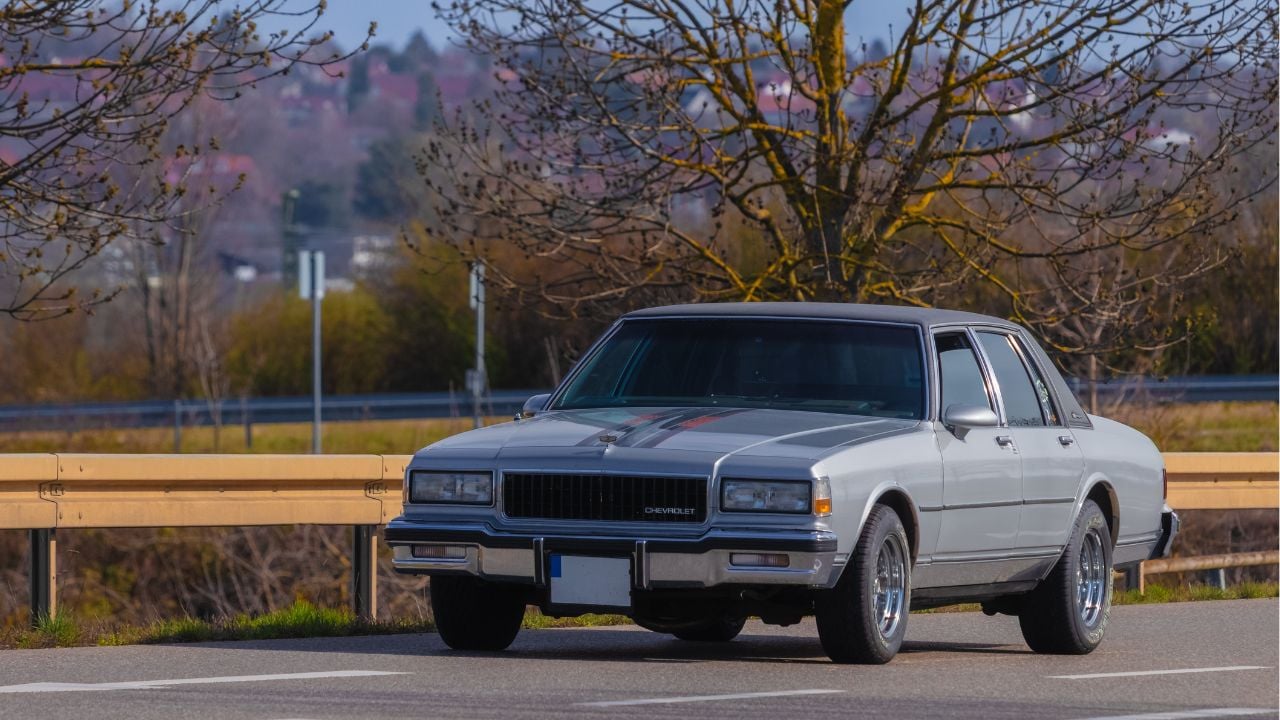
The Caprice was the last of the traditional full-size American sedans, offering a living-room-on-wheels experience that baby boomers remembered from their childhood.
Police departments loved them, families needed them for road trips, and taxi companies wore them out. Its body-on-frame construction and V8 availability made it feel like a throwback even when new.
Dodge Aries / Plymouth Reliant

These K-car twins literally saved Chrysler from bankruptcy in the early 1980s. They were basic, practical, and affordable family transportation that prioritized function over form.
Combined sales reached over 300,000 early on and generally stayed in the hundreds of thousands annually through the mid-1980s, proving that Americans would embrace sensible, fuel-efficient transportation when the price was right.
Ford Thunderbird
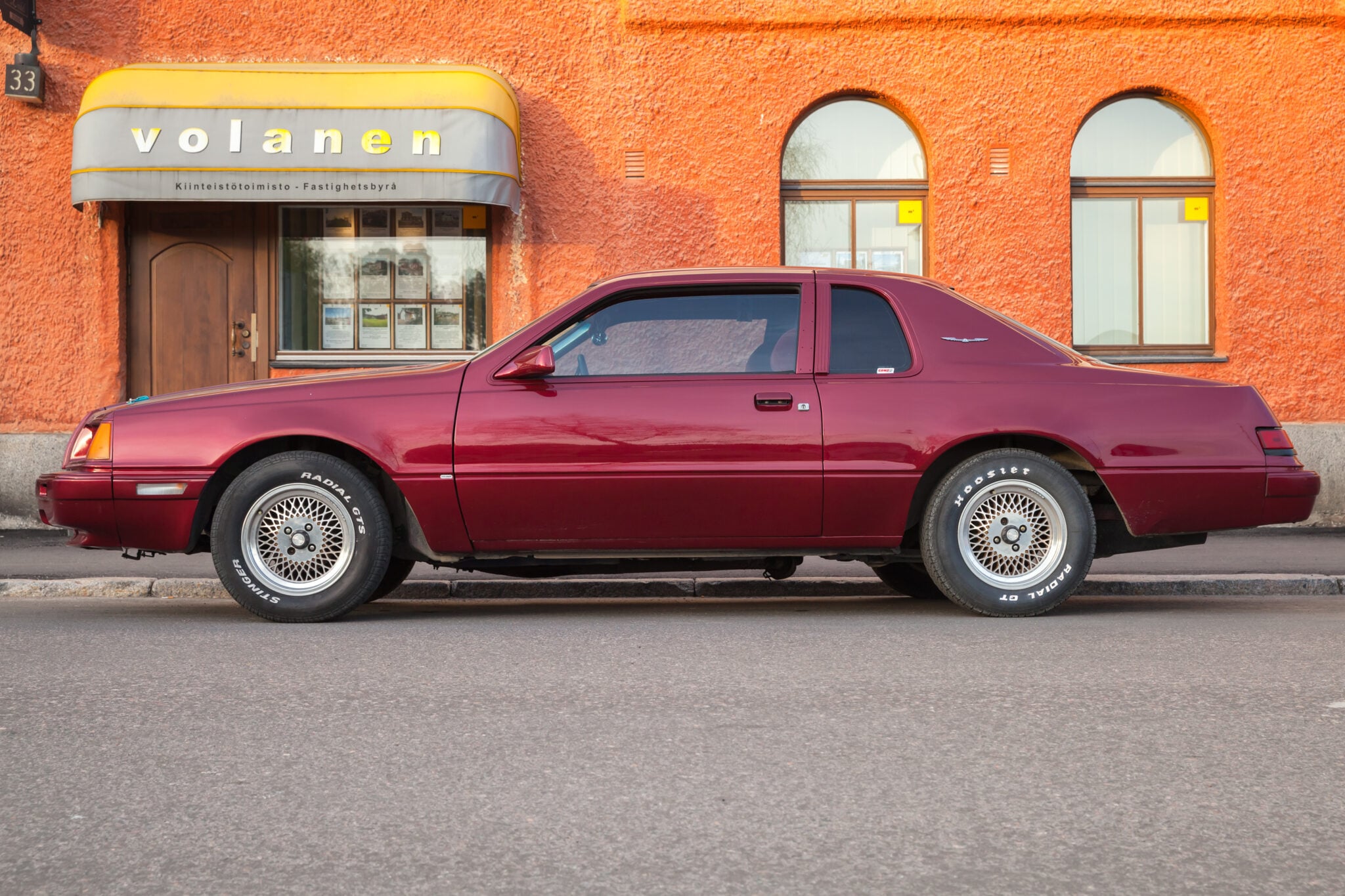
The downsized Thunderbird that debuted in 1983 found a devoted following among buyers who wanted personal luxury with a sportier edge. Its sleek styling made it popular with both retirees and younger professionals climbing the corporate ladder.
While it never matched the sales of economy cars, the 1983–1988 generation consistently sold over 100,000 units per year and defined aspirational motoring for many Americans.
Conclusion
These 12 vehicles tell the story of an American automotive industry in transition. From domestic giants adapting to new realities to Japanese manufacturers establishing themselves as serious players, the 1980s reshaped what Americans expected from their cars.
The decade’s emphasis on fuel efficiency, reliability, and practicality over size and power would permanently change the automotive landscape for generations to come.