
English has become the global language that connects people from all corners of the world, whether for travel, business, or culture. While it’s the native tongue in countries like the United States, the United Kingdom, or Australia, many other nations have mastered it impressively. In these places, travelers can easily order at restaurants, ask for directions, or strike up a conversation with locals without hesitation. Beyond the convenience, speaking a shared language makes exploring a country more enjoyable, allowing visitors to experience it without the frustration of communication barriers.
These countries not only invest heavily in education but also integrate English into daily life through media, business, and pop culture. You’ll find that locals effortlessly switch between their native language and English, making tourists feel welcome and understood. Whether you’re backpacking through Europe or studying abroad in Asia, these destinations offer the perfect balance of cultural richness and linguistic ease. Here are 11 countries that stand out for their impressive English fluency and openness to global communication. We obtained this list from the EF English Proficiency Index.
The Netherlands

The Netherlands consistently ranks among the top countries in the world for English proficiency. In cities like Amsterdam, Rotterdam, and Utrecht, nearly everyone, from café baristas to taxi drivers, speaks fluent English. The Dutch education system emphasizes language learning from an early age, and exposure to English-language media helps them perfect their skills. For travelers, it means effortless communication whether you’re ordering food, asking for directions, or chatting with locals. You’ll often forget that English isn’t even the country’s official language.
Beyond their strong command of the language, the Dutch are famously open-minded and friendly toward international visitors. Conversations often flow naturally, blending cultural curiosity with humor and warmth. This makes visiting the Netherlands especially comfortable for those traveling abroad for the first time. Whether you’re cycling along Amsterdam’s canals or exploring the countryside, the ability to connect so easily in English makes the experience seamless. It’s a place where communication barriers simply don’t exist, and hospitality feels effortless.
Sweden

Sweden’s level of English fluency is nothing short of remarkable, making it one of the easiest countries for visitors to navigate. From Stockholm to Gothenburg, Swedes are known for speaking English with near-native confidence and clarity. The country’s strong educational foundation ensures that children learn English early, and the popularity of English-language TV, movies, and music helps maintain that fluency throughout life. Tourists can comfortably explore museums, order in restaurants, or take public transport without any language issues. In many ways, Sweden feels as globally connected as any English-speaking nation.
What makes Sweden stand out is how naturally English fits into daily life. Locals often switch between Swedish and English mid-conversation without even realizing it, reflecting a deep cultural fluency. For travelers, that means no awkward silences or misunderstandings, just smooth communication everywhere you go. The ease of language opens the door to genuine cultural exchange, letting visitors experience Swedish traditions without feeling like outsiders. Combine that with the country’s hospitality and calm efficiency, and it’s no wonder Sweden remains a favorite for English-speaking travelers.
Denmark

Denmark is another Scandinavian nation where English fluency feels almost universal. Danes are well-known for their clear pronunciation and confidence when speaking English, making it incredibly easy for visitors to communicate. The Danish education system prioritizes language skills, and exposure to international media ensures that English becomes second nature. From Copenhagen’s bustling cafés to the quiet coastal towns, you’ll find locals who can easily hold detailed conversations in English. Travelers quickly realize that asking for help or striking up a chat is never a challenge here.
What sets Denmark apart is the friendliness and ease with which Danes interact with foreigners. They take pride in their communication skills but use them modestly, creating relaxed and pleasant interactions. Whether you’re exploring design shops, sampling Nordic cuisine, or learning about the country’s Viking past, you’ll always feel welcomed and understood. The ability to communicate so freely enhances every aspect of the trip. In Denmark, English isn’t just a language, it’s a bridge to connect cultures.
Norway
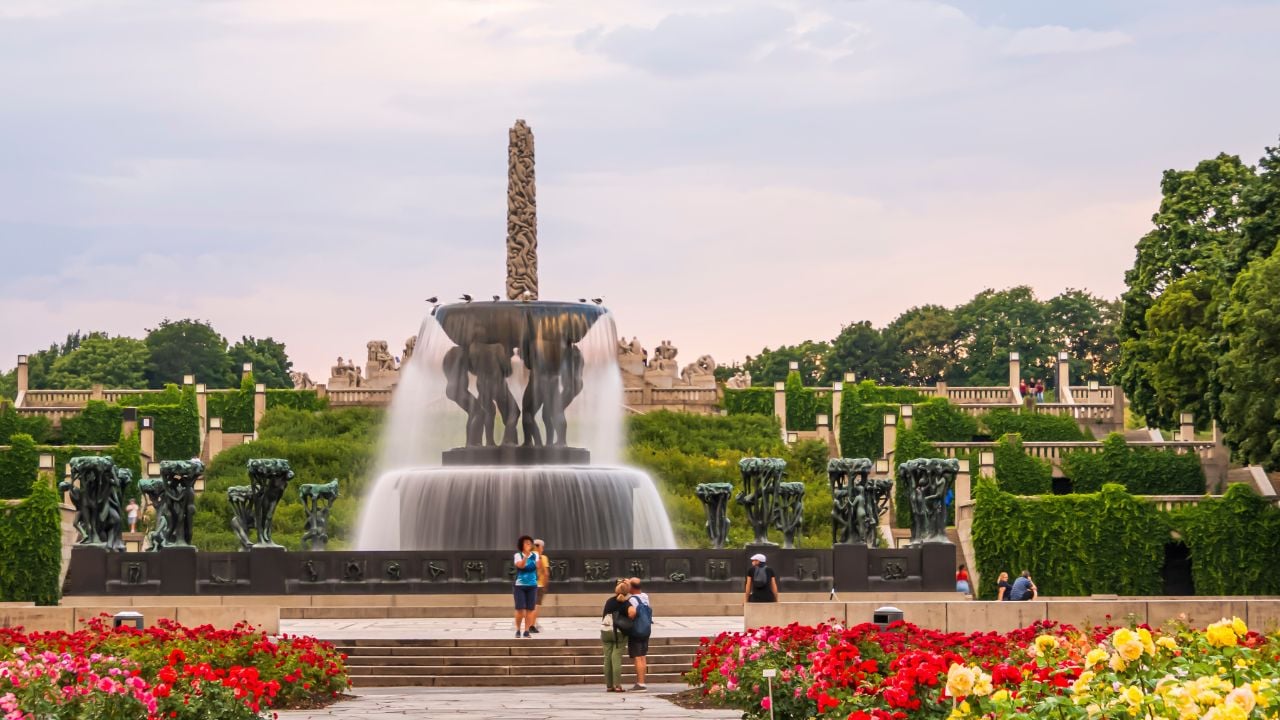
In Norway, English is spoken so fluently that many visitors often forget it’s not an official language. Norwegians learn English from a young age, and because much of the country’s media, from films to online content is in English, they use it effortlessly. Travelers can navigate Oslo, Bergen, or the fjord regions with ease, as nearly everyone can communicate clearly in English. From bus drivers to hotel staff, conversations feel natural and relaxed. This makes exploring Norway’s stunning landscapes even more enjoyable.
Norwegians’ comfort with English also reflects their global outlook and education system. They view communication as a key part of cultural understanding, and this openness makes visitors feel instantly at ease. Whether you’re hiking scenic trails or dining in coastal towns, locals are quick to help and engage. Their ability to discuss everything from nature to history in fluent English enriches the travel experience. Norway proves that linguistic skill and hospitality can go hand in hand.
Finland
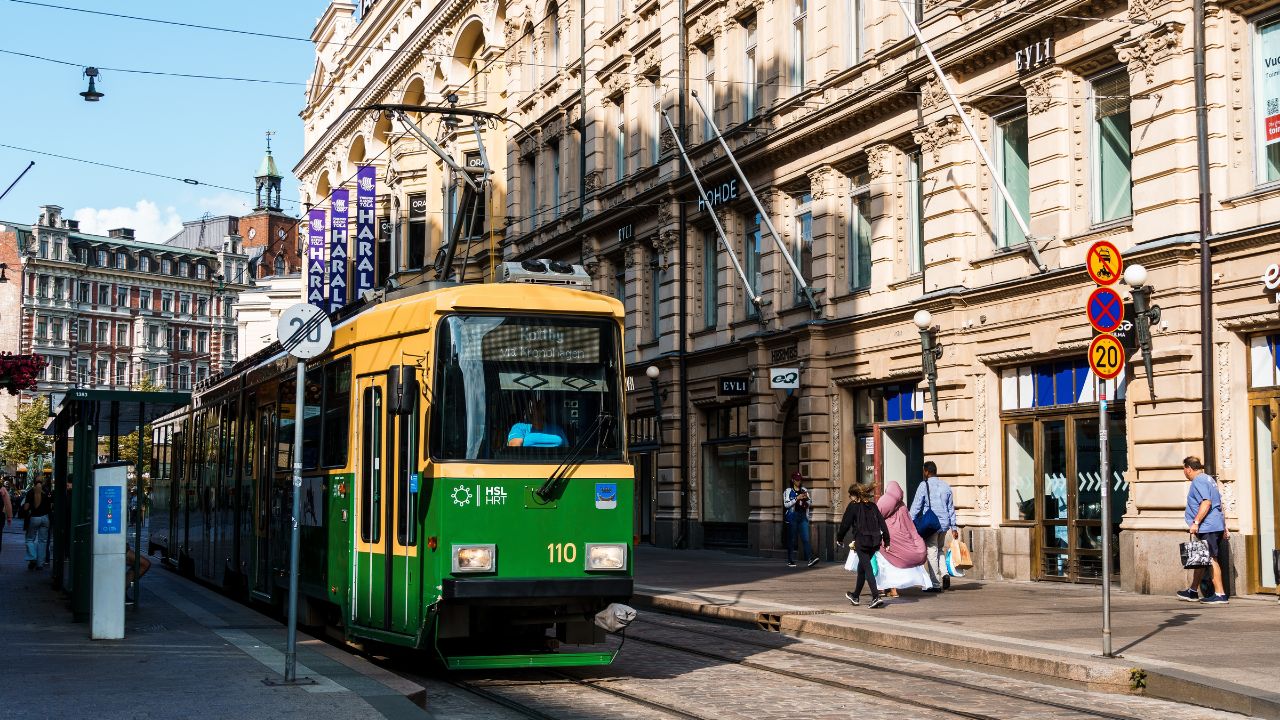
Finland’s quiet charm extends to its mastery of English, making it another standout in Northern Europe. English is taught from early primary school, and exposure to international media keeps fluency levels high. In Helsinki, Tampere, and beyond, visitors can easily communicate with locals in stores, museums, or restaurants. The Finns’ clear accent and patience with learners make interactions especially pleasant. For those nervous about traveling to a non-English-speaking country, Finland is a reassuringly easy place to start.
Finns also use their strong English skills to welcome and connect with visitors. Conversations often lead to deep insights into Finnish culture, from sauna traditions to northern lights folklore. Even in remote regions, locals can assist travelers with directions or advice in near-perfect English. The combination of linguistic ease and genuine friendliness makes the country feel both foreign and familiar. It’s the perfect example of how good communication enhances travel on every level.
Singapore

Singapore is one of Asia’s most multilingual nations, and English plays a central role in everyday life. It’s one of the country’s official languages, used in education, business, and government, so visitors will have no trouble communicating. From airport staff to food vendors, nearly everyone speaks English fluently, often alongside Mandarin, Malay, or Tamil. The clarity and consistency of English signage also make navigating the city effortless. For travelers, it’s one of the easiest and most comfortable destinations in Asia.
What makes Singapore unique is how naturally English blends with its cultural diversity. Locals speak what’s fondly known as “Singlish” a colorful mix of English, Malay, and Chinese expressions that reflect the city’s multicultural identity. While it may sound different at first, it’s full of warmth and personality. Visitors quickly adapt and often find it adds charm to daily interactions. Singapore’s fluency isn’t just practical; it’s part of what makes the city so vibrant and globally connected.
The Philippines

The Philippines stands out as one of the most English-proficient countries in Asia. English is one of its official languages, used in schools, media, and government, so fluency is widespread across the islands. From bustling Manila to beachside resorts in Cebu or Palawan, visitors can easily communicate with locals. Filipinos are known for their friendly nature, and the shared language makes those interactions even more engaging. Travelers often feel instantly comfortable and welcomed.
English in the Philippines carries a unique local flavor, blending Western expressions with Filipino warmth. It’s not uncommon to hear casual slang and idioms mixed with impeccable grammar, reflecting the country’s creative linguistic culture. This fluency extends beyond cities, even in rural areas, communication rarely poses a challenge. For travelers, that means smoother logistics, deeper connections, and more authentic experiences. The Philippines proves that language can truly bring people closer together.
Austria

While German is the official language of Austria, English proficiency here is remarkably high. In Vienna, Salzburg, and Innsbruck, most people, especially the younger generation, speak English confidently. The country’s focus on education and tourism ensures that locals are well-prepared to communicate with international visitors. Travelers can easily navigate museums, hotels, and restaurants without facing a language barrier. The result is an stress-free and enriching travel experience.
Austrians’ friendly and professional attitude adds to the ease of communication. Many are eager to share stories about local traditions, music, or cuisine in English, making cultural exchange effortless. Visitors often find themselves engaging in meaningful conversations that go beyond small talk. This openness reflects Austria’s role as a crossroads of European culture. With so much to explore, speaking the same language just makes the journey smoother and more rewarding.
Germany

Germany’s reputation for precision extends to its language skills, and English is no exception. From Berlin to Munich, Germans are known for their excellent command of English, especially in urban and tourist areas. The country’s strong emphasis on education and international business keeps fluency levels high. Travelers can comfortably explore everything from historical sites to restaurants and shops without any trouble. Even signage and public announcements often include English translations.
The practicality of English fluency in Germany also enhances cultural exploration. Locals are usually patient and eager to help visitors, often switching languages with ease. This makes it easy to ask for travel advice, discuss local customs, or learn about history firsthand. English is seen not just as a tool for communication but as a way to connect cultures. In Germany, conversations can open doors to deeper understanding, and often lasting friendships.
Portugal

Portugal may surprise many travelers with how well its people speak English. In Lisbon, Porto, and the Algarve, fluency is high, particularly among younger generations and those working in tourism. English is widely taught in schools, and the country’s popularity among international travelers has made its use common in daily life. Visitors will find it easy to get around, from ordering at cafés to chatting with locals about hidden gems. Portugal’s warmth and hospitality shine even brighter when communication flows effortlessly.
What stands out about Portugal is how naturally locals use English to welcome guests. They often mix helpful advice with personal recommendations, creating a sense of genuine connection. Whether you’re exploring coastal villages or urban landmarks, it’s easy to engage in meaningful conversations. The friendliness and clarity of communication make every encounter enjoyable. Portugal shows that great language skills, paired with kind hearts, create unforgettable travel memories.
South Africa

South Africa is one of the most linguistically diverse countries in the world, yet English serves as a unifying language. It’s one of 11 official languages and is widely used in business, education, and tourism. From Cape Town to Johannesburg, travelers can expect to communicate easily with locals in clear, fluent English. This makes navigating the country’s stunning landscapes and vibrant cities much simpler. English proficiency here is both practical and welcoming.
What makes South Africa special is how English intertwines with cultural diversity. Locals often speak multiple languages, blending words and accents that reflect the country’s rich heritage. Conversations can reveal fascinating insights into local life, history, and traditions. The ease of communication helps travelers connect more deeply with people and places. In South Africa, language is not just a tool, it’s part of the adventure itself.