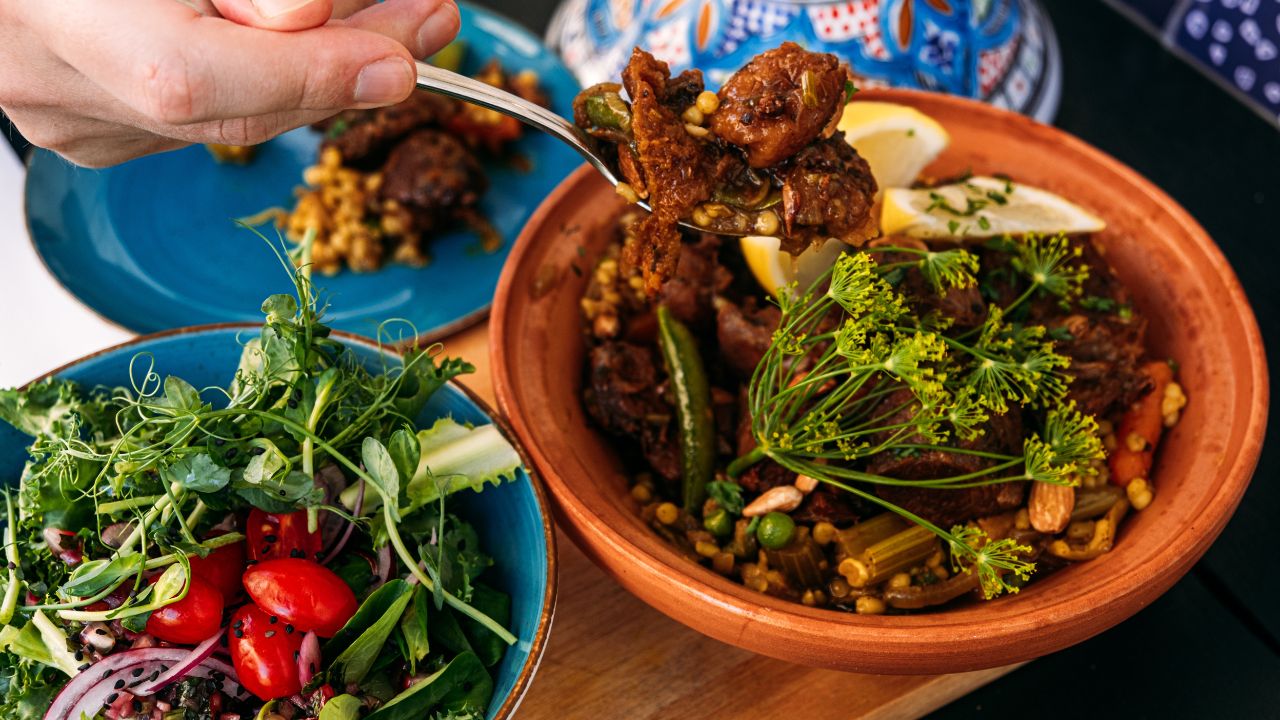
Fine dining is a blast, yet some of the best flavors on earth come with plastic chairs, smoky air, and zero pretension. These stops deliver big taste plus a setting you cannot copy in a quiet dining room. Arrive hungry and treat each entry as a short quest.
1. Japan: Ramen Slurps Are Acceptable
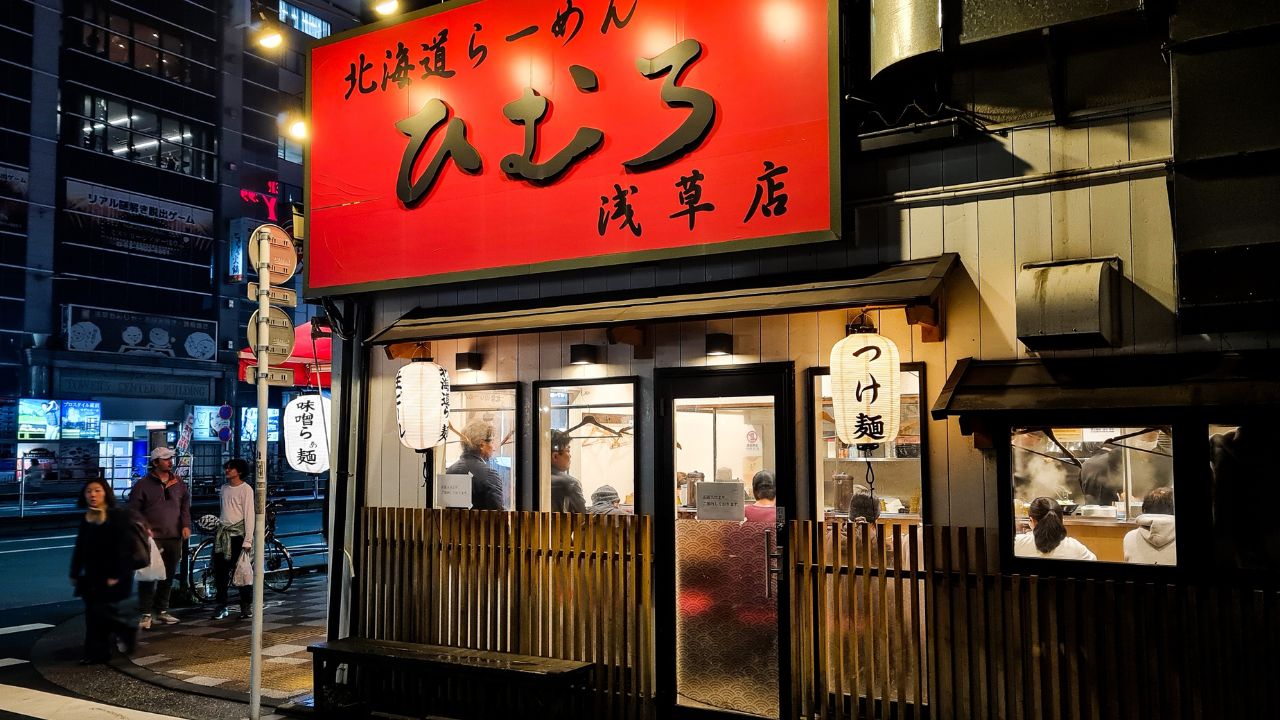
Walk into a ramen-ya and you will hear broth simmering and noodles being loudly enjoyed. Some newcomers force total silence and end up cooling everything into blandness. In Japan, light slurping is typical and sometimes taken as appreciation.
Lift a modest bundle with your sticks, lean in, and sip while it is hot. Aim for controlled volume, since theatrical noise can annoy others. During pauses, set the sticks on a holder or across the rim, never planted upright.
2. China: Upright Chopsticks Resemble Memorial Offerings

Across parts of East Asia, placing chopsticks straight up in a bowl of rice can carry a heavy symbolic meaning, because it resembles incense-style offerings used to honor the dead. It’s especially sensitive in China, where the gesture can immediately shift the mood at a shared table. Visitors sometimes do it out of convenience, not realizing it can read as bad luck or disrespect.
Instead, lay chopsticks down neatly on a rest, on the side of your bowl, or across the rim when you pause. Another move that can feel uncomfortable is passing food directly from chopstick to chopstick, so use serving spoons or plates when they’re available. When in doubt, mirror the calm rhythm of the people around you, and you’ll avoid the awkward moment entirely.
3. Italy: Milky Coffee After Lunch Lands Off-Beat
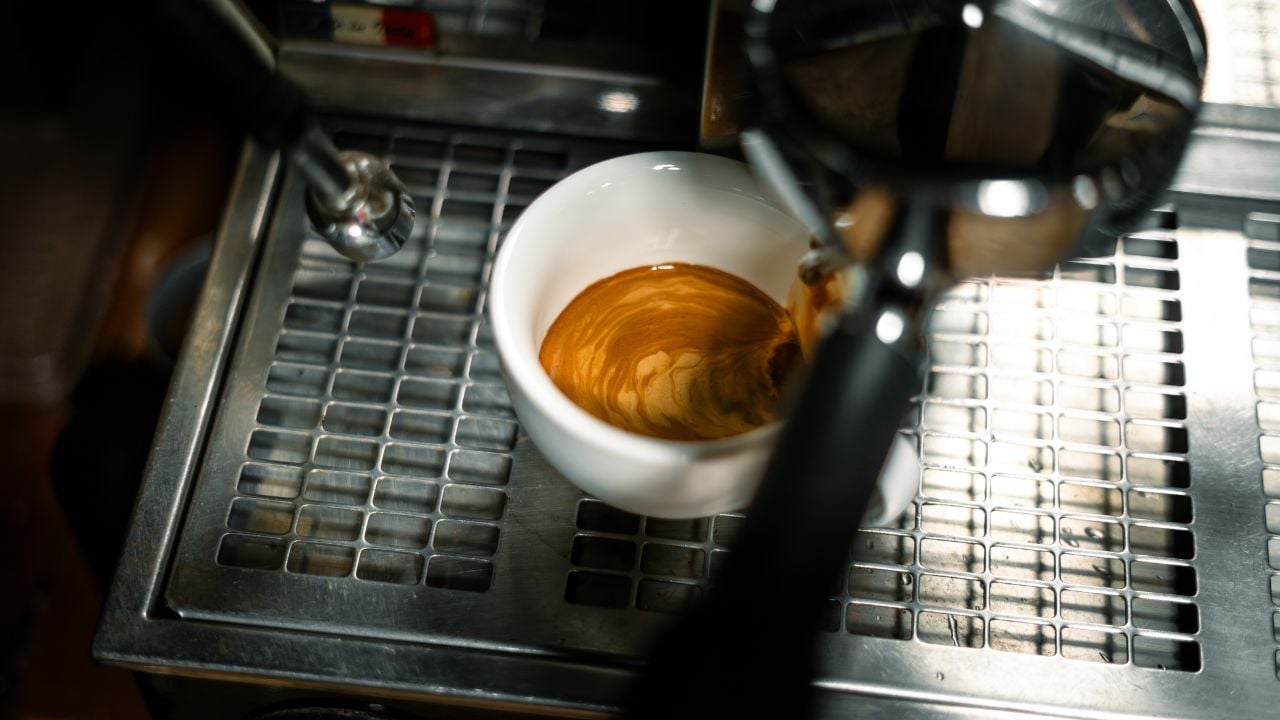
In Italy, cappuccino is strongly linked to breakfast for plenty of locals. Ordering one after lunch is allowed, but it can earn a knowing smile because it clashes with the daily routine. Espresso is the classic finish, as it is speedy and light.
For foam, go early with a cornetto, and nobody will blink. Later, ask for “un caffè,” and you will receive an espresso by default. A macchiato keeps things softer while staying on script.
4. Thailand: One Tool Does the Work
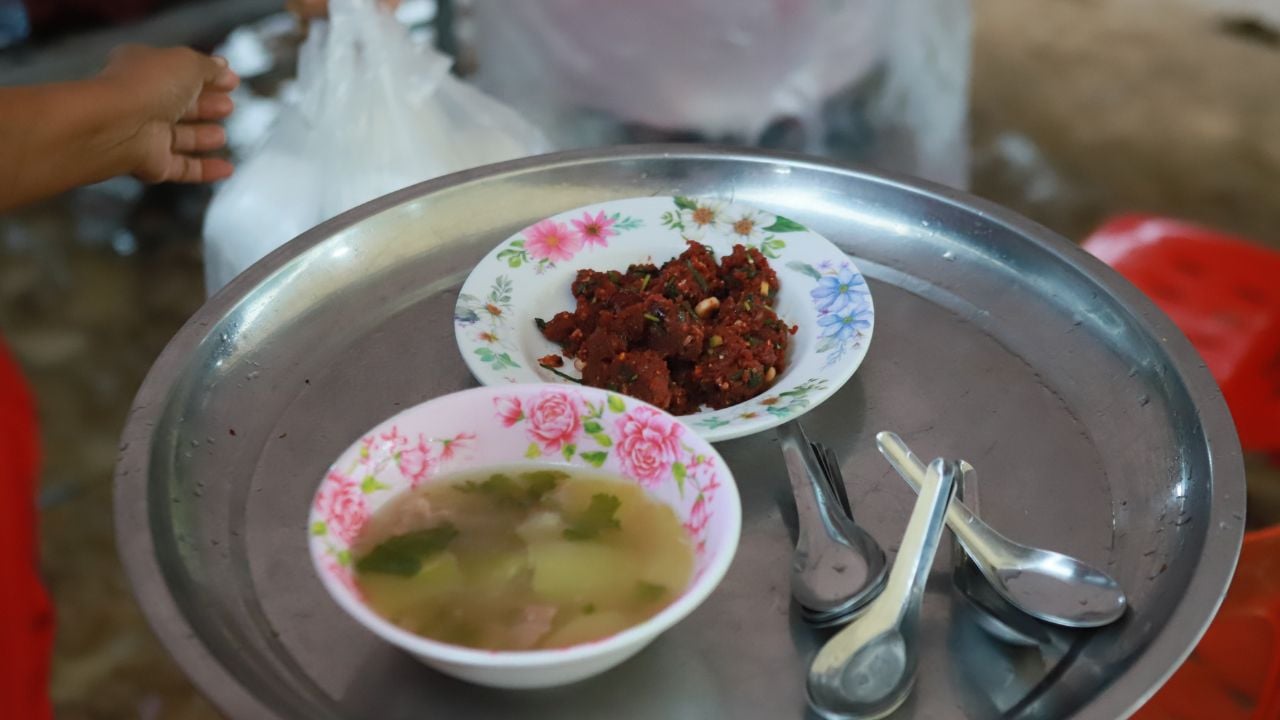
Thai table manners surprise anyone raised in a Western style. Across Thailand, the spoon does the work, and a fork simply nudges mouthfuls onto it. Putting that utensil straight in your mouth can strike others as odd, even in casual spots.
Hold the spoon in your dominant hand and guide bites with the tines. For communal plates, grab the serving ladle if it arrives, instead of reaching in with your own gear. Northern sticky rice sometimes gets eaten with washed fingertips, so copy your neighbors.
5. South Korea: Let Someone Else Top Up Your Drink

Korean dinners often come with a friendly, watchful approach to drinks. Filling your own cup can register as self-focused, especially around older company. Groups tend to pour for each other as a quiet sign of respect.
Spot an empty cup nearby and offer a refill before it is requested. Accept a pour with both hands, which is a safe, polite move in more formal settings. Wait for the eldest person to start, and the night runs smoother.
6. India: The Clean Practice Rule
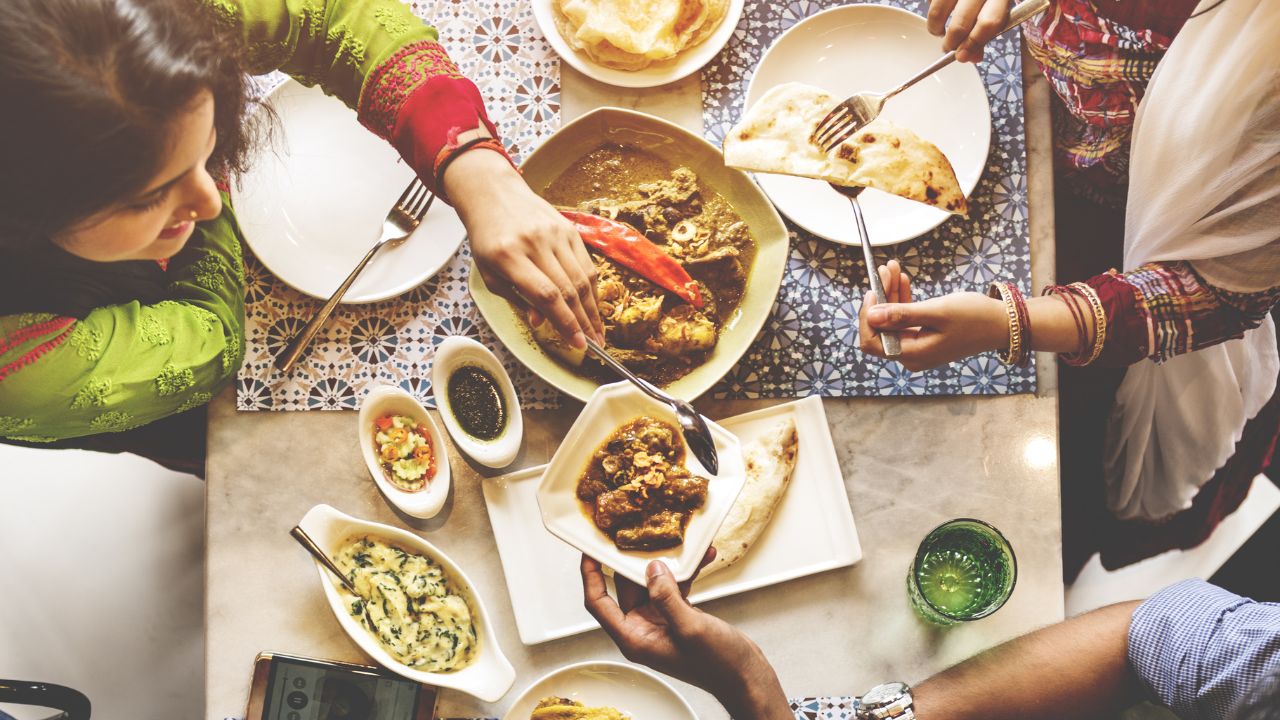
Using your fingers is common in India, especially with flatbreads, grains, and saucy dishes. The left hand is traditionally linked to personal hygiene, so using it for bites can offend, and nobody will say a word. This is less about strict religion and more about a shared clean-practice idea.
Wash up, then eat with your right hand only. Keep contact to fingertips rather than your whole palm, and skip touching communal items with sauce-covered fingers. In higher-end rooms, silverware is normal, but that same idea still matters at shared spreads.
7. Morocco: Eat From Your Tagine Zone
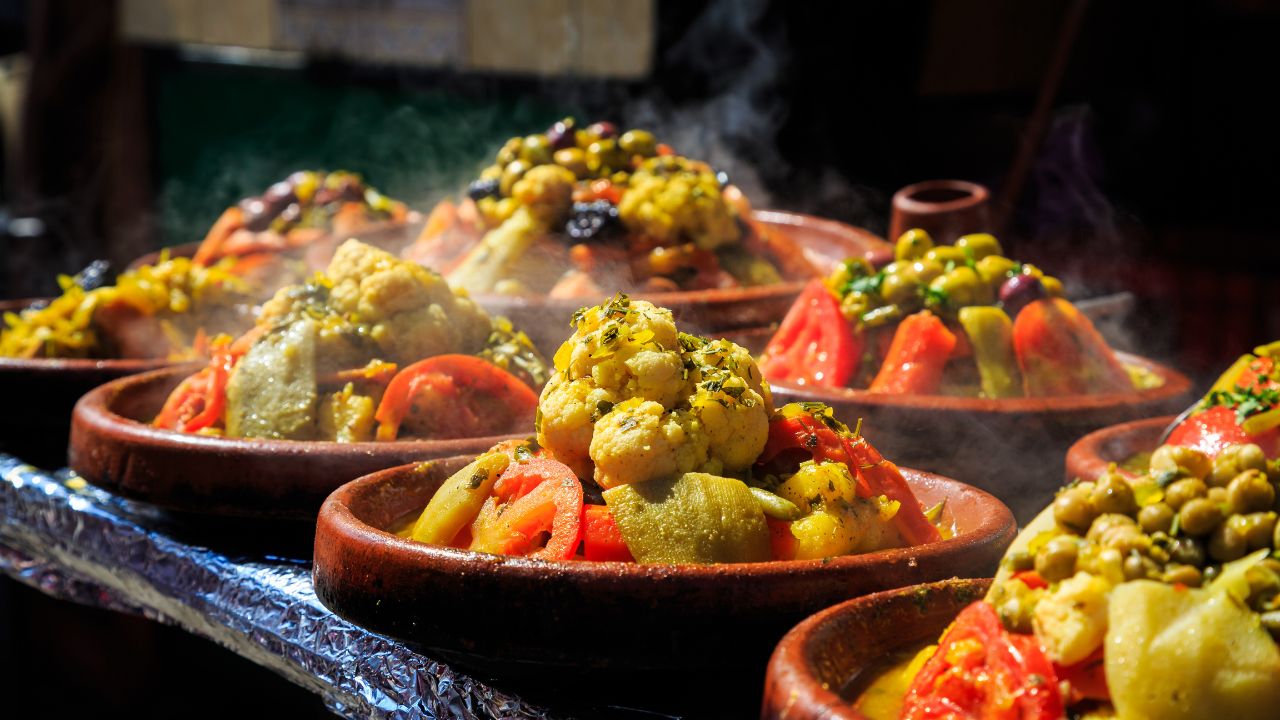
A tagine in the center is commonly treated like a circle divided into personal zones. Reaching over the dish to grab the “best” portion can land as rude, even if nobody comments. A calmer approach is to remain in your section and let the host guide the highlights.
Tear bread into bite-size portions and scoop from the part in front of you. If the host pushes a prized morsel toward your area, take it, because that gesture signals warmth. Afterward, linger for mint tea and conversation, since a quick exit can read as impatient.
8. France: Baguette on the Cloth, Arms in Sight
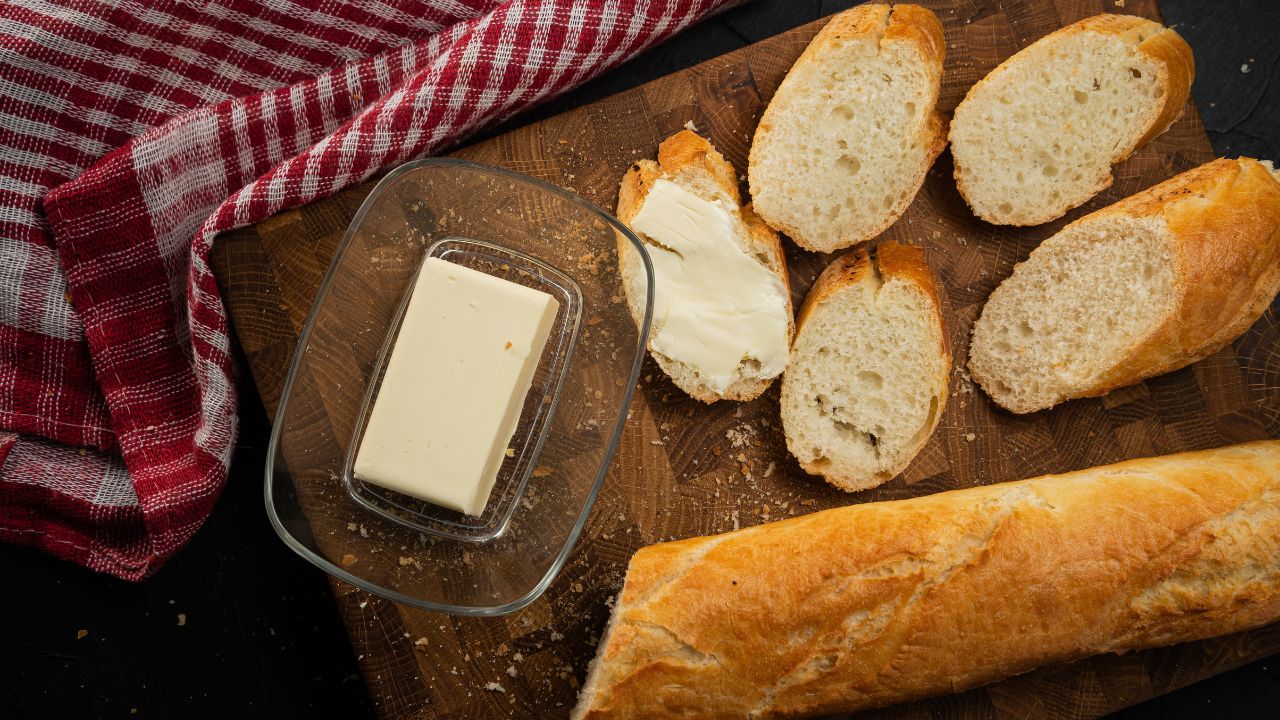
French loaf etiquette can surprise people who automatically stack everything on their plate. In many French lunches, a baguette rests on the tablecloth or beside the setting, not on the plate itself. Nibbling it like a starter can seem out of sync.
Place a small slice near your meal and tear off nibbles as you go. Keep your hands visible, with your wrists resting on the table, which is considered polite in France. Match the group’s pace, and you will glide through formal dinners.
9. Chile: Knife and Fork for Comfort Food
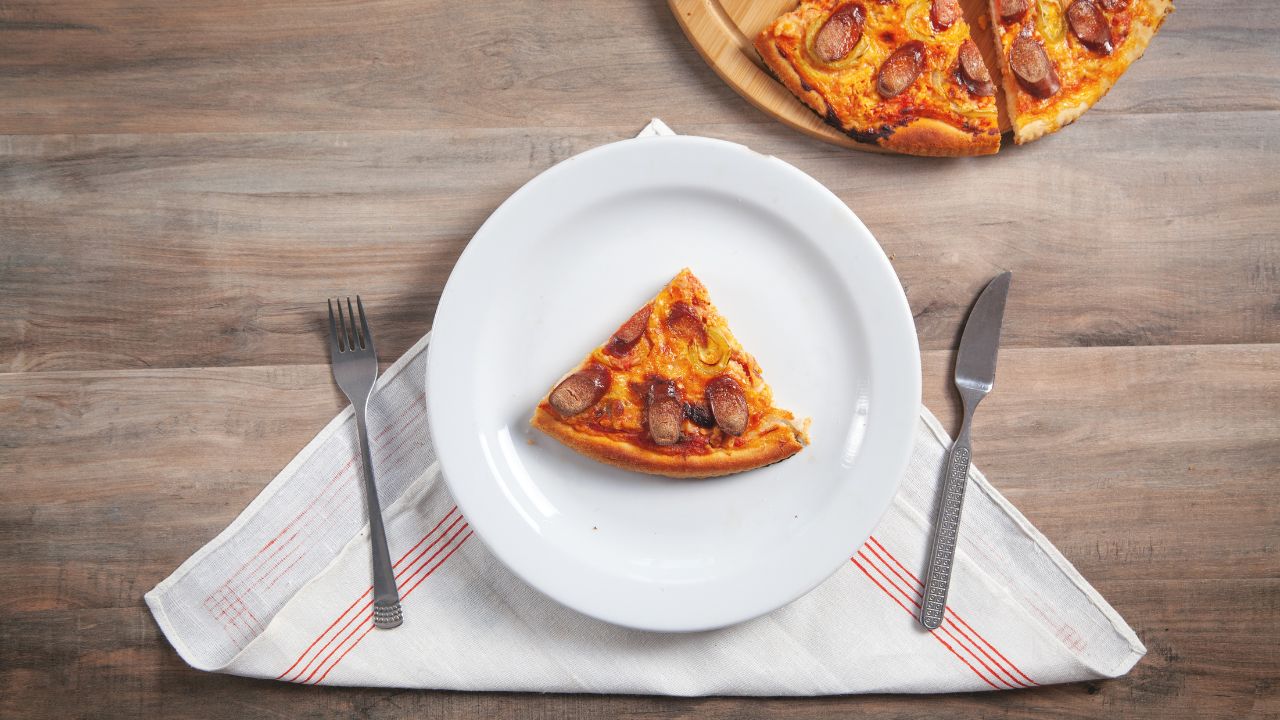
Chilean dining can seem more formal than outsiders expect. Eating pizza, fries, or sandwiches with your hands may look messy at a sit-down meal. Locals commonly cut most dishes into neat pieces.
At a restaurant, reach for a knife and fork and you will blend in. Rest your elbows lightly near the table edge, take smaller pieces, and you will prevent spills. When you finish, place utensils together on the dish to show you are done.
10. Hungary: Beer Toasts Without a Clink
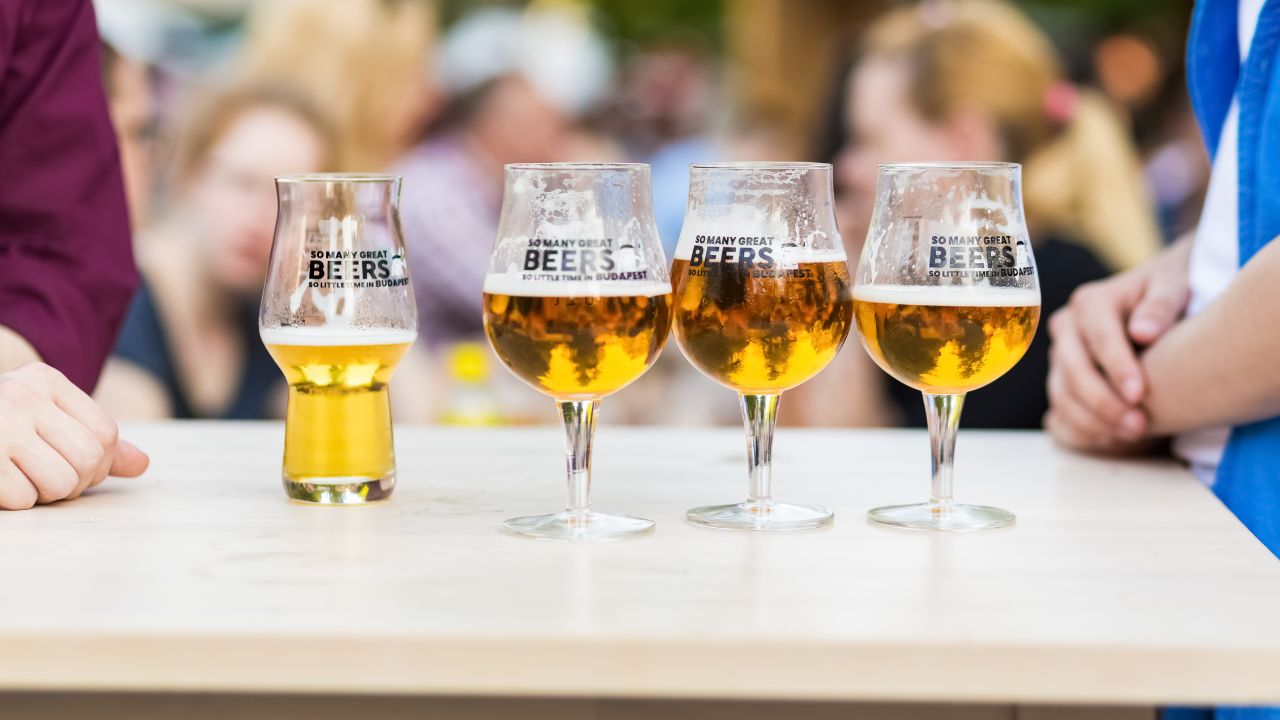
Hungary has a well-known tradition of avoiding clinking beer, tied to stories from the 1848-1849 era. Lots of groups toast normally today, yet some older Hungarians still prefer a simple raised mug. It is easier to play it safe than to stumble into a history lesson.
With lager, lift your drink, make eye contact, and say “egészségedre” without tapping. Wine or spirits usually get a normal clink, so follow the group’s lead. If you mess it up, a quick smile and apology fix the moment fast.