Traveling abroad often feels like freedom, but for many tourists it becomes a harsh lesson in how different legal systems really are. Laws that seem minor, outdated, or rarely enforced at home can be taken extremely seriously elsewhere. What makes these situations dangerous is that travelers are rarely warned in advance, and “not knowing” is almost never accepted as an excuse.
Many arrests involving tourists happen without violence, drugs, or intentional wrongdoing. Instead, they stem from misunderstandings, cultural blind spots, or assumptions that foreign countries operate like home. If you’re detained, your passport offers no protection, and embassies have limited power to help.
These mistakes have landed travelers in prison abroad. Understanding them is not about fear, it’s about awareness, preparation, and respecting the laws of places you choose to visit.
1. Carrying Prescription Medication Without Proper Approval

Many travelers assume prescription medication is universally accepted, especially when it was legally prescribed by a doctor at home. Unfortunately, this assumption has caused serious legal trouble in countries where common medications are classified as narcotics or controlled substances. Drugs for anxiety, ADHD, chronic pain, or sleep are especially risky without advance approval.
In some countries, customs officers do not care whether a medication was prescribed legally elsewhere. If it appears on their banned list and you lack the correct documentation, it can be treated as illegal possession or even trafficking. Tourists have been detained for days or weeks while authorities investigate.
To avoid this, travelers must research destination-specific medication laws well in advance. Carry original prescriptions, doctor’s letters, and translations when required. What feels like a personal medical necessity can quickly become a criminal issue if handled carelessly.
2. Taking Photos of Restricted Areas or People
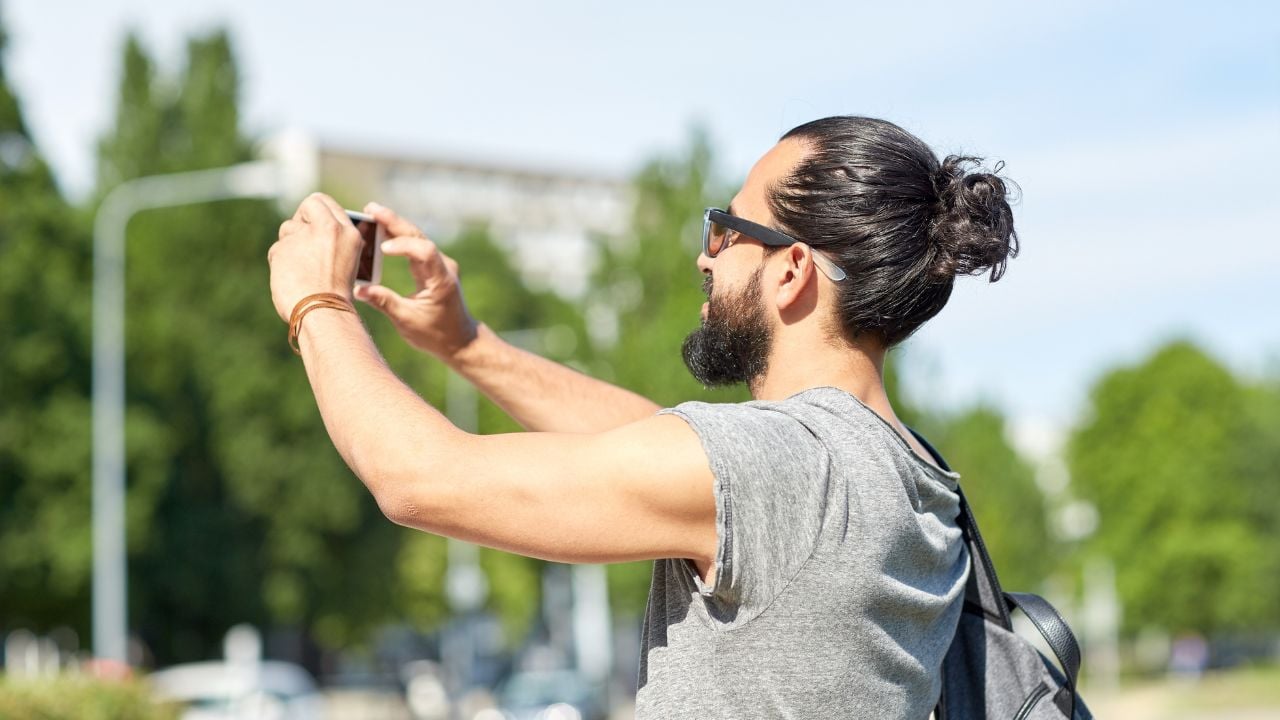
Photography feels harmless to most travelers, but in many countries it is tightly regulated for security reasons. Taking photos of government buildings, military sites, police officers, borders, airports, or infrastructure can be illegal even if no signs are posted. Tourists often realize this only after being stopped by authorities.
In some destinations, photographing protests, public officials, or even poor neighborhoods can be interpreted as political activity or espionage. Cameras and phones may be confiscated, and questioning can escalate rapidly. Explanations rarely help once the law has been violated.
The safest approach is caution. If you are unsure whether something is allowed to be photographed, assume it is not. Asking permission beforehand is always better than explaining yourself in a police station later.
3. Overstaying Your Visa by “Just a Few Days”
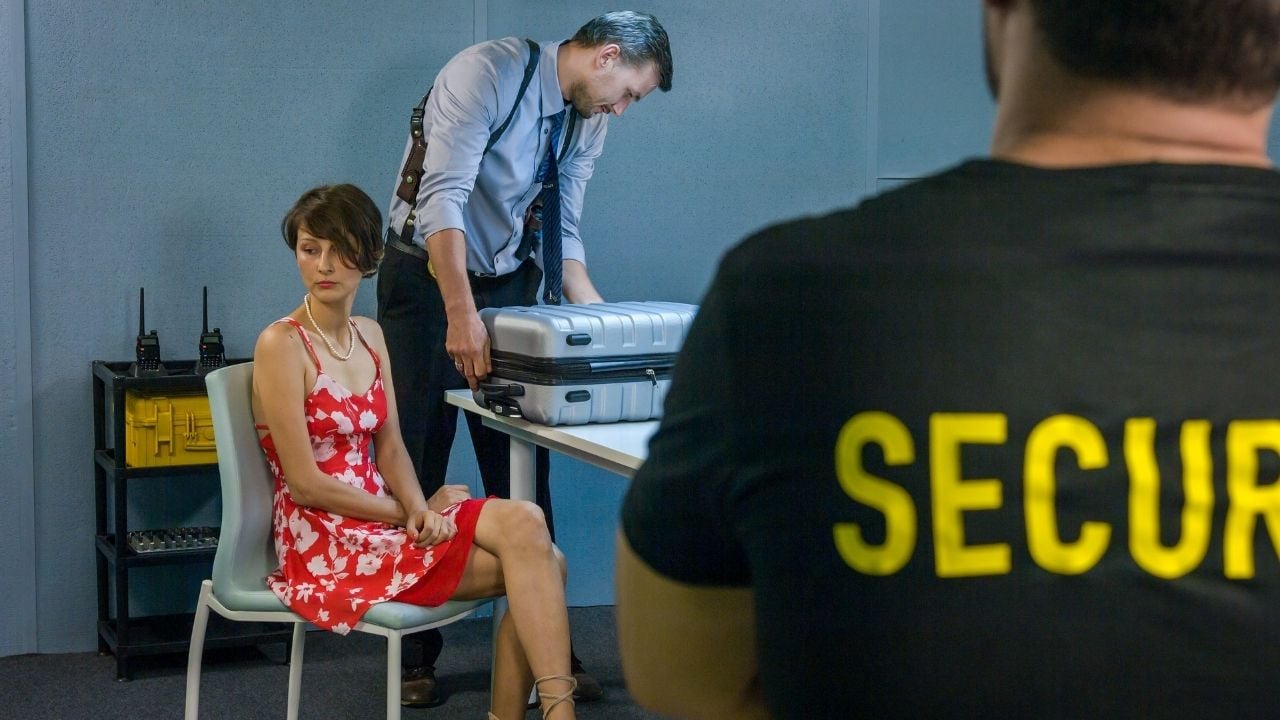
Overstaying a visa is one of the most common travel mistakes and one of the most underestimated. Many travelers believe overstays result in small fines or a warning at the airport. In reality, some countries treat overstaying as a criminal offense, not an administrative error.
Even a single extra day can trigger detention, court proceedings, fines, deportation, or future travel bans. In severe cases, travelers have been jailed while awaiting hearings or exit clearance. Immigration enforcement is often strict and automated.
Responsible travelers track their visa dates carefully and leave earlier than required if uncertainty exists. Assuming flexibility where none exists is a mistake that can end a trip, and freedom, very quickly.
4. Disrespecting Religion, Symbols, or Sacred Places

Religious laws are enforced far more strictly in many parts of the world than travelers expect. Casual behavior, jokes, gestures, or clothing choices that seem harmless at home can be deeply offensive or illegal elsewhere. Sacred sites often have strict codes of conduct.
Blasphemy laws still exist in many countries and apply to foreigners. Tourists have been arrested for social media posts, comments made in public, or actions interpreted as disrespectful. Even unintentional offenses can lead to detention.
Understanding local religious expectations is essential. Respect is not just cultural courtesy, in many destinations, it is a legal requirement with serious consequences.
5. Public Displays of Affection

Public affection is another common cultural blind spot. Holding hands, kissing, or hugging in public may be normal at home but illegal in more conservative societies. These laws are actively enforced, particularly in parts of the Middle East and Asia.
Unmarried couples may face additional scrutiny, and LGBTQ+ travelers may encounter even harsher treatment depending on local laws. Arrests for public affection often shock tourists who had no idea such rules existed.
Researching social norms before arrival is critical. What feels like personal expression can be interpreted as a public offense, and consequences can be far more serious than expected.
6. Posting or Saying the “Wrong” Thing About the Government

Free speech is not universal. In many countries, criticizing the government, leaders, or institutions is illegal, even for tourists. Statements made online, years earlier, have led to arrests upon entry.
Authorities may review phones, laptops, or social media accounts during investigations. Posts that feel mild or humorous at home can be interpreted as defamation or political dissent abroad.
Travelers should be cautious with public statements, online content, and conversations. What you say doesn’t stop existing just because you crossed a border.
7. Using Illegal Money Exchange or Carrying Undeclared Cash

Exchanging money outside approved channels can be illegal in many countries. Tourists drawn to better street rates sometimes unknowingly commit financial crimes. Carrying undeclared cash over limits can also result in detention.
Currency violations are often treated seriously due to concerns over money laundering. Travelers have been detained simply for carrying banned banknotes or failing to declare funds properly.
Stick to official banks, exchange offices, and ATMs. Convenience is never worth legal risk when money laws are involved.
8. Flying a Drone Without Authorization

Drones are banned or tightly regulated in dozens of countries, yet many tourists travel with them unaware of the rules. Flying near landmarks, cities, borders, or crowds can trigger immediate police or military response.
Authorities often view drones as security threats, not toys. Confiscation, fines, detention, and jail time are real consequences travelers have faced.
Always research drone laws before packing one. In many places, permits are required, or drones are prohibited entirely.
9. Working on a Tourist Visa

Remote work feels invisible, but legally it often isn’t. Many countries prohibit any form of work on a tourist visa, including freelancing, blogging, filming content, or consulting online.
Immigration officials increasingly investigate income sources, especially if money is earned locally or services are provided publicly. Violations can lead to fines, deportation, or imprisonment.
If you plan to work while abroad, ensure you have the correct visa. Assumptions about “digital work not counting” can be legally dangerous.
10. Ignoring Strict Alcohol and Drug Laws

Alcohol and drug laws vary dramatically worldwide. Substances that are legal or tolerated at home can carry severe penalties elsewhere, including long prison sentences or corporal punishment.
Even small amounts can lead to serious consequences, and tourists are rarely treated leniently. Some countries enforce zero-tolerance policies without exceptions.
The safest rule is to assume laws are stricter than expected. Research carefully and never rely on rumors or other travelers’ experiences.