You know what’s fascinating about the automotive world? Sometimes the companies building your daily commuter get an itch to build something absolutely bonkers.
We’re talking about regular car brands that decided sensible sedans and family haulers weren’t enough, so they rolled up their sleeves and attempted to create legitimate supercars. These weren’t badge-engineering exercises or mild sport packages. These were genuine attempts to play in the big leagues with Ferrari and Lamborghini.
Some succeeded brilliantly, others taught valuable lessons, but all of them showed that ambition and engineering prowess can come from the most unexpected places.
Honda NSX

Honda was known for reliable Accords and fuel-sipping Civics when it dropped the NSX bombshell. This wasn’t a half-hearted attempt — engineers even worked with Ayrton Senna during development to refine handling.
The NSX used an all-aluminum body and a mid-mounted V6 that delivered around 270 hp in early models, and it proved you could daily-drive an exotic without the usual drama. Priced roughly around $60,000 at launch in the U.S., it undercut many European rivals while offering legendary Honda build quality and long-term reliability.
Dodge Viper

Dodge was making mainstream cars when it unleashed the Viper, a raw, unapologetic American beast. Early Vipers used an 8.0-liter V10 putting out roughly 400 hp, and early iterations famously lacked driver aids like ABS and traction control.
The Viper was theater and performance in one — a car that emphasized brute force and driver involvement rather than electronic safety nets. Its relatively accessible starting price made supercar-level thrills available to buyers who otherwise wouldn’t have had that chance.
Acura NSX (Revival)
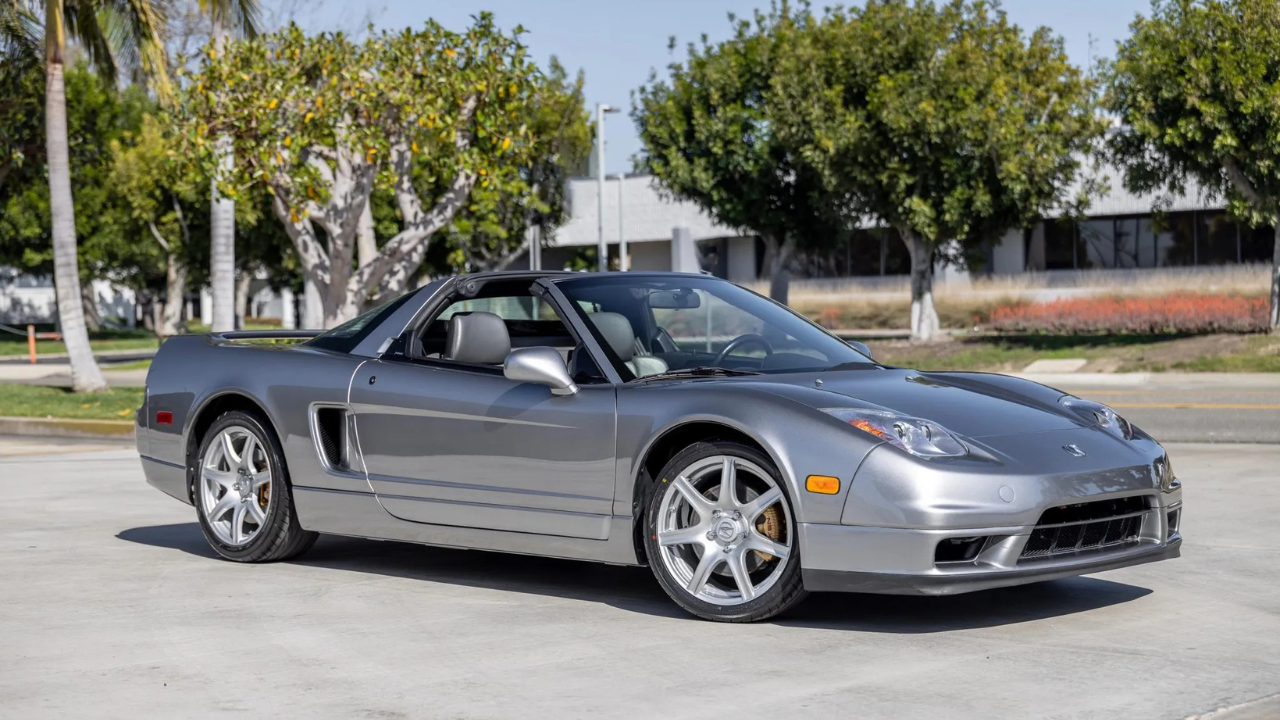
When Acura revived the NSX name it went hybrid: a twin-turbo V6 paired with three electric motors for combined output around 573 hp and an advanced AWD system. The result was a technical tour de force — highly sophisticated, fast, and surprisingly civilized for a supercar.
It was expensive, yes, but it served as a showcase of what hybrid performance could feel like without surrendering driver engagement.
Lexus LFA
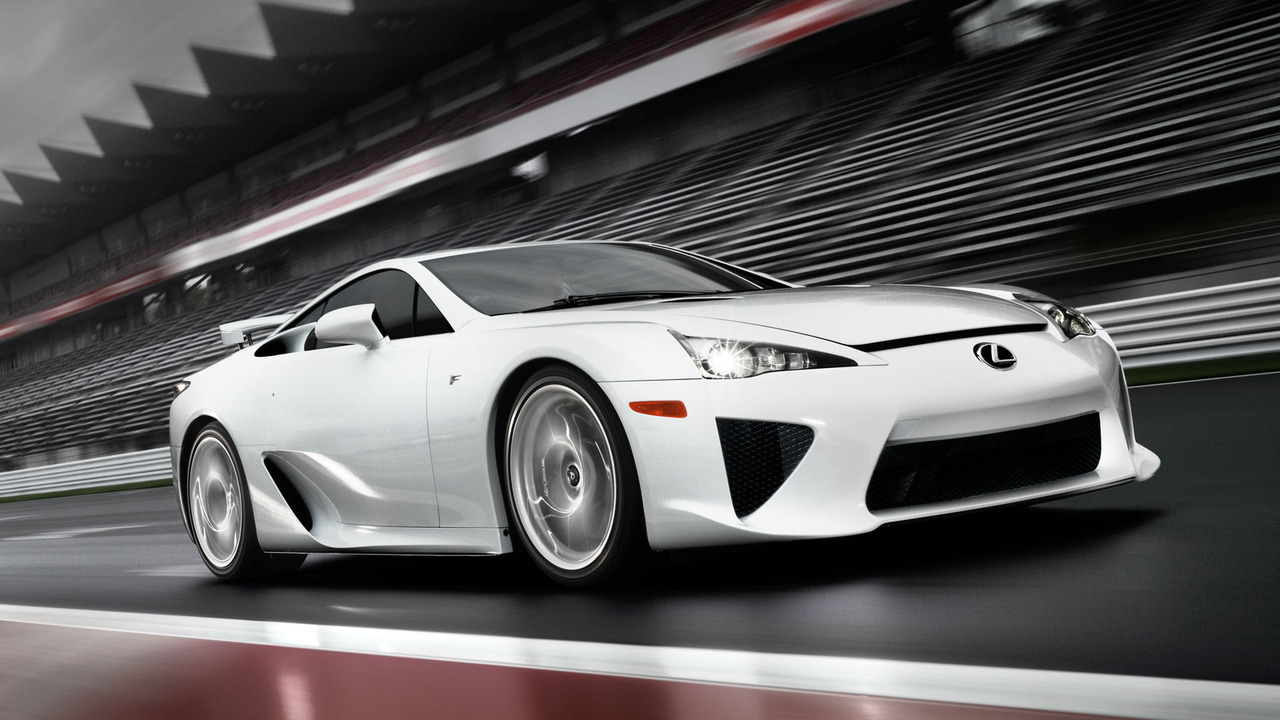
Lexus spent years perfecting the LFA, and that obsession shows. The hand-built carbon-fiber chassis, Yamaha-assisted exhaust tuning, and a naturally aspirated 4.8-liter V10 with around 550+ hp produced a visceral driving experience and an unforgettable soundtrack.
Limited to 500 units, the LFA was both a statement and a halo car — proof that a manufacturer known for quiet luxury could create pure, high-revving performance art.
Ford GT (Modern Revival)

Ford revived the GT with clear DNA from the Le Mans-winning GT40: radical aero, lightweight materials, and a potent engine. The modern GT used a supercharged V8 in its first revival and produced well over 500 hp, delivering top speeds and sprint performance that belonged in supercar territory.
As a limited-production halo car, it reinforced the idea that a mainstream automaker can deliver something truly exotic when it chooses to.
Chevrolet Corvette C8

There’s a huge debate here: Is the Corvette a supercar? I say no, but I’ve seen plenty of car enthusiasts say yes due to its performance and appearance.
After decades of front-engine layouts, Chevrolet took the bold step of going mid-engine with the C8 Corvette. With a naturally aspirated V8 producing roughly 490–495 hp in base form and a starting price that undercut many exotic rivals, the C8 blurred the lines between “American sports car” and “affordable supercar.”
It offers balance, braking, and straight-line performance that surprised many — an accessible car that behaves far more expensive than its sticker suggests.
Nissan GT-R

Nissan globalized the Skyline GT-R legend with the R35 GT-R: a twin-turbo 3.8-liter V6, advanced AWD, and electronics that made supercar performance repeatable and accessible. Early R35s had around 480 hp, and later variants pushed well beyond that.
Depending on the year and model, 0–60 times are commonly in the low-to-mid-three-second range — the GT-R earned its reputation as a technological powerhouse that could embarrass far pricier exotics.
Mazda Furai (Concept)

The Furai was a wild concept that channeled Mazda’s rotary racing heritage into a thoroughly futuristic design. Meant as a styling and technology statement rather than a production car, it combined race-derived aerodynamics and a rotary engine concept that could run on biofuels.
The single running example was tragically destroyed during media testing, cementing the Furai’s mythical status as one of Mazda’s most evocative “what if” creations.
Kia GT4 Stinger (Concept)
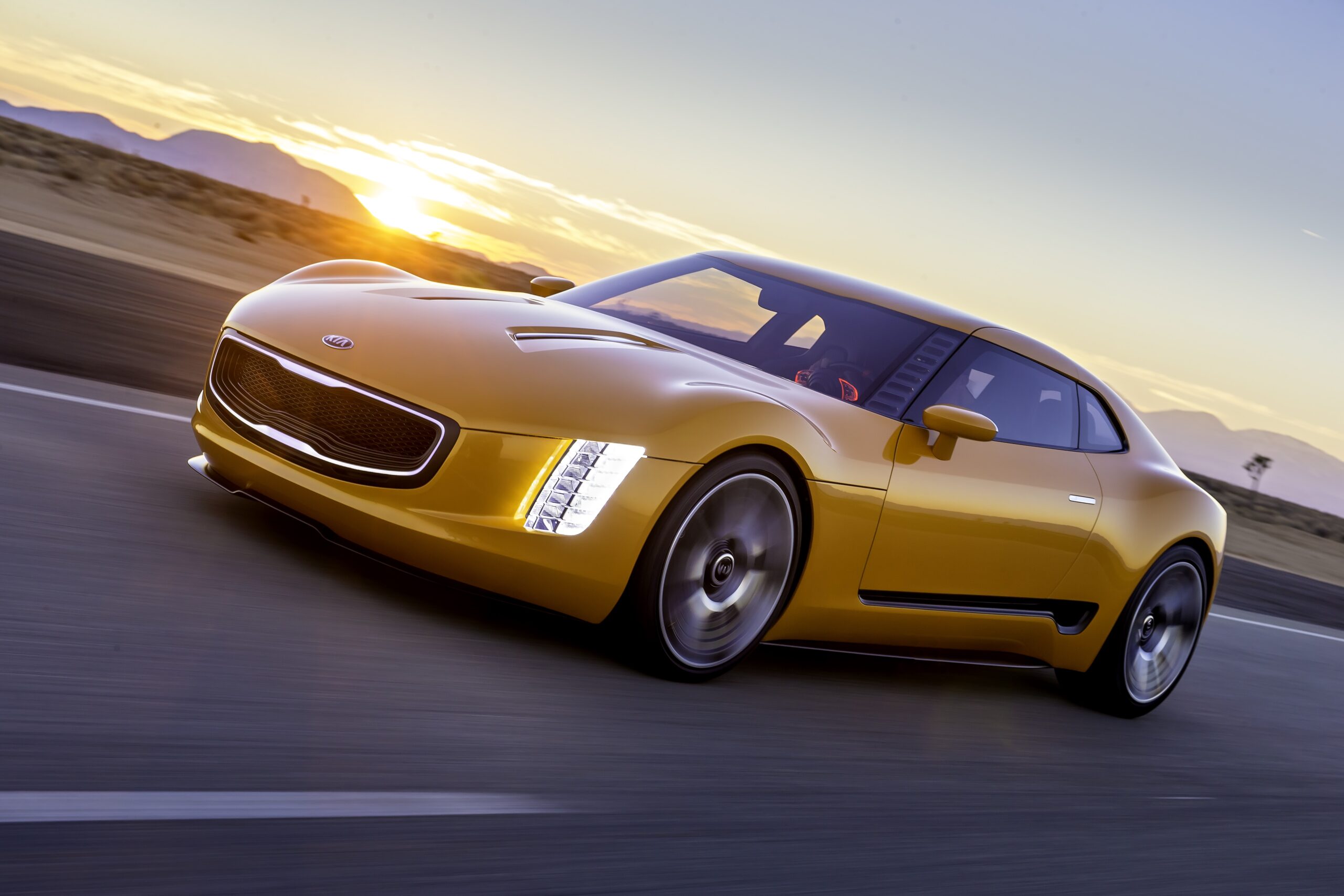
Before Kia earned praise for sporty mainstream cars, the GT4 Stinger concept signaled serious performance intent. It featured rear-wheel-drive proportions and aggressive styling; while the radical concept didn’t reach production unchanged, it helped pave the way for sportier Kia products later on.
The eventual Stinger sedan carried some of that DNA in a more practical, produced form.
Hyundai N Vision 74 (Concept/Prototype)

Hyundai’s N Vision 74 is a striking retro-futuristic prototype that combines hydrogen fuel-cell technology with battery power and electric drive motors to produce very high output (reported in the 600–700 hp ballpark).
It’s a technology statement more than a showroom staple, but it shows how non-traditional brands are exploring alternative powertrains for high-performance machines — and that the future of “supercar” tech might come from places you don’t expect.
Conclusion

When mainstream manufacturers decide to build a supercar, the result is often more than a PR stunt — it’s an engineering manifesto. These cars show that ambition, creativity, and technical skill aren’t reserved for small boutique marques.
Some of these projects became icons, some were limited-run experiments, and some shaped later mainstream performance cars. Either way, they prove that the car world is full of surprises — and that occasionally, the best automotive fireworks come from brands you’d least expect.
So when a familiar badge teases a wild concept or a halo model, pay attention: you might just be watching history in the making.