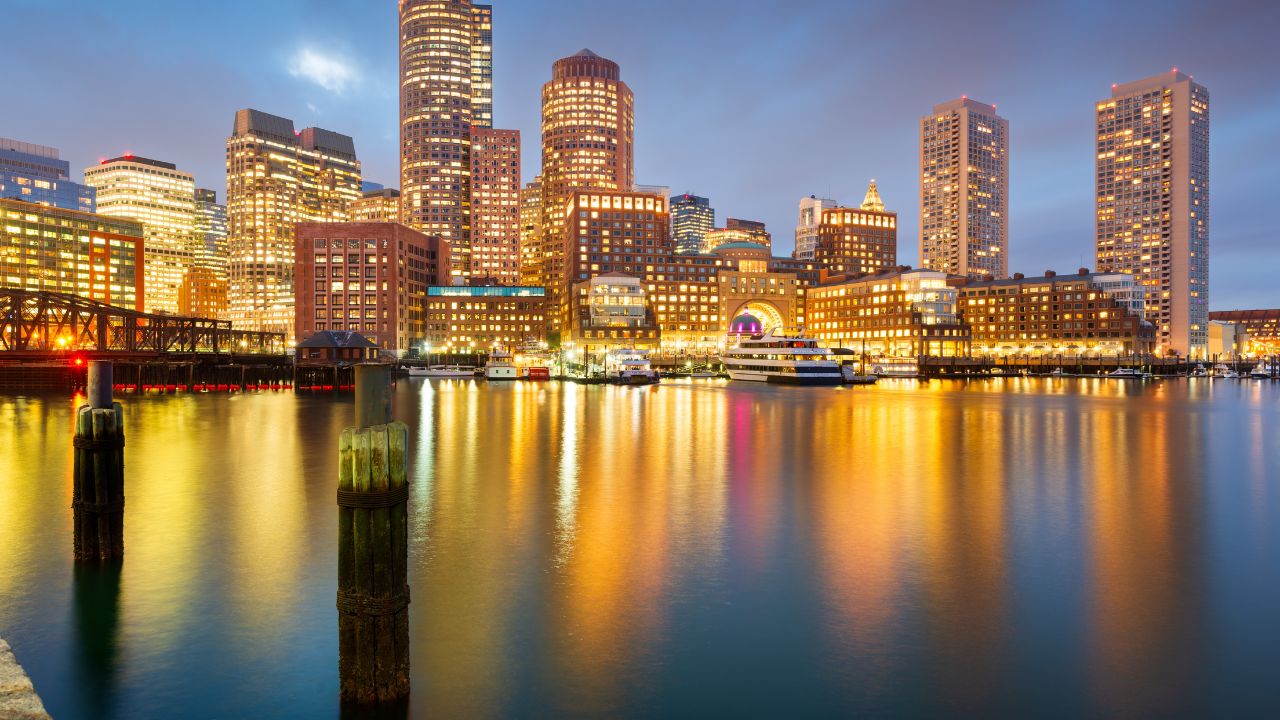
A big price shock rarely comes from one dramatic purchase. It usually arrives as a slow drip: rent, groceries, transit, and utilities, plus the small “how did that cost that much?” moments that pile up in a normal week.
Cost-of-living rankings try to capture that full bundle by comparing a standardized basket of everyday expenses across many locations. In this list, the top spot has a fun geography detail: Manhattan, the most famous slice of New York City, sits on an actual island.
The order below follows Numbeo’s “Northern America: Cost of Living Index by City 2026,” which sets New York as the 100-point baseline and compares other cities to it. Because Numbeo is crowdsourced, the exact numbers can move as new data comes in, but the same high-cost hubs tend to stay clustered near the top. For a second reality check, Mercer’s 2024 cost-of-living survey also names New York City as the most expensive city in North America.
1. New York City

Manhattan’s borders are water on multiple sides, so limited space collides with intense demand and constant job churn. That squeeze shows up in leasing, fees, and small square footage that still commands jaw-dropping monthly numbers. Everyday services climb too, because commercial rents and labor costs ripple into everything from gym memberships to haircuts. Even a quick run for basics can feel like a finance quiz you did not sign up for.
A smart visit shifts your sleep base outside the core while keeping access easy by subway or commuter rail. Parks, public libraries, waterfront walks, and neighborhood galleries can fill a day with little or no admission cost. Pick one sit-down meal you truly care about, then let delis, bakeries, and slice counters cover the rest without wrecking the budget. Plan your late-night return before you’re tired, because surge pricing loves end-of-day indecision.
2. Honolulu
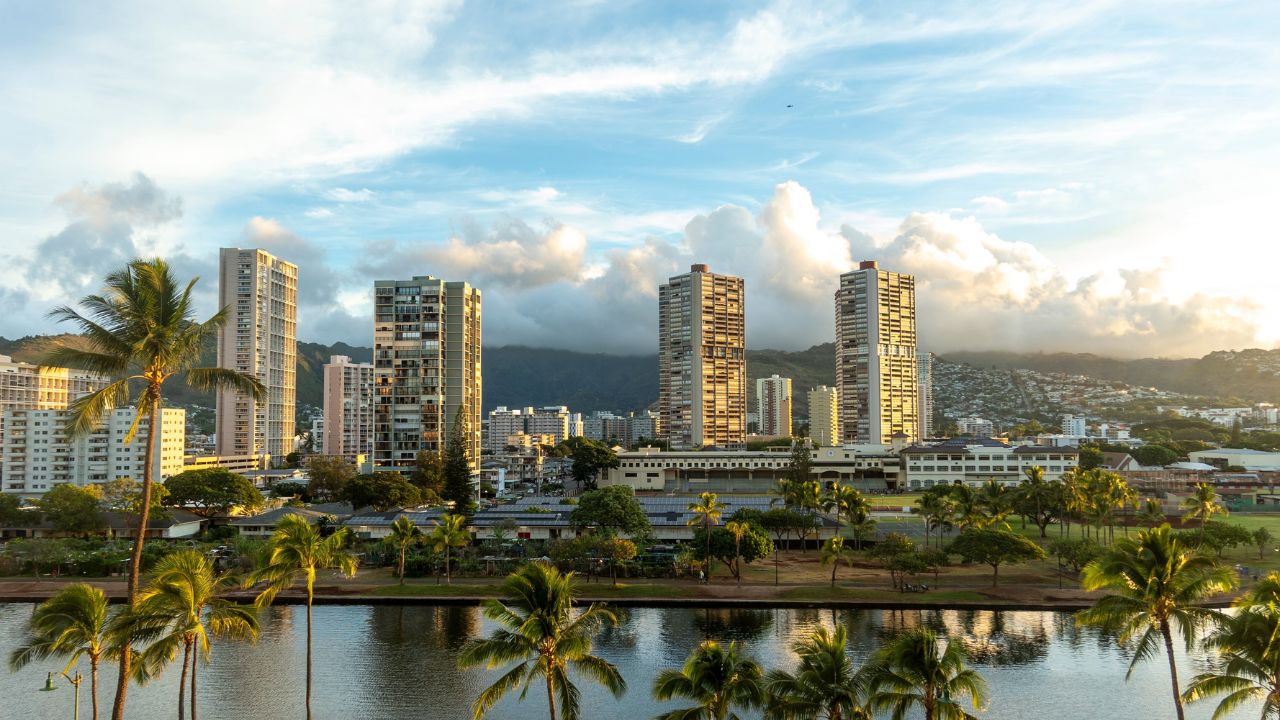
Ocean distance shapes the price tag here, since shipping raises the baseline on many household goods before they reach a shelf. Utilities can sting as well, especially in places that rely heavily on cooling. Housing competition stays strong because buildable land is limited and demand remains steady. Restaurant checks often mirror the higher operating costs that come with island logistics.
A traveler-friendly plan leans into what the setting gives you for free: beaches, lookout points, and hikes that cost little once you arrive. TheBus covers major stretches of Oahu and can replace pricey parking, tolls, and rental car add-ons on many days. Plate-lunch spots and neighborhood markets tend to feel far kinder than resort dining, especially if you order like a regular. Book one ocean activity you actually want, then let sunrise swims and sunset walks do the heavy lifting.
3. San Francisco
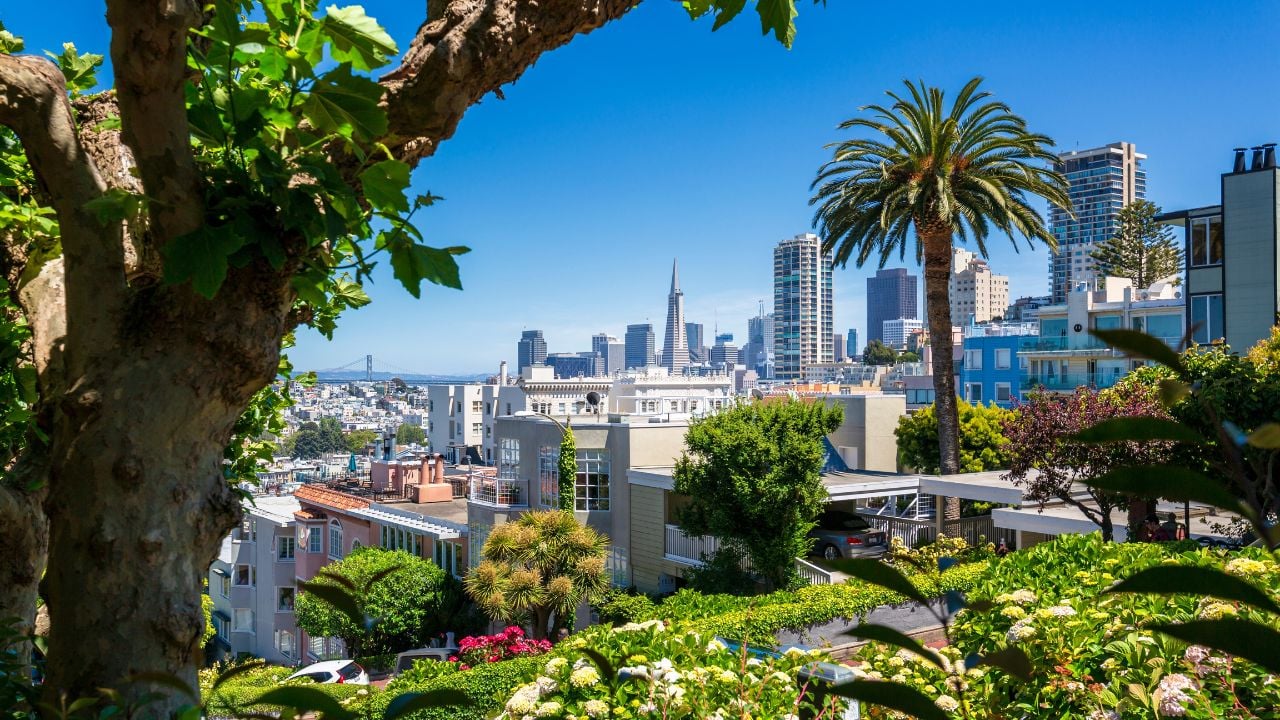
A compact peninsula, strict zoning, and high-paying industries keep pressure high on apartments and shared rentals. Dining out can run steep, partly because commercial space is expensive and staffing has to compete with other pay scales. Hills also nudge people toward ride apps, which quietly adds up when it becomes the default move. Last-minute convenience, delivery, taxis, and impulse tickets can feel premium-priced by habit.
Build your day around Muni and ferries, then handle shorter segments on foot through distinct neighborhoods. Pack picnic supplies and eat in Golden Gate Park or on a waterfront bench where the view does the work. Many iconic moments cost nothing, including bridge overlooks, stairway streets, and sunsets from higher blocks when fog cooperates. Choose one paid attraction as an anchor, then keep the rest of the schedule loose so you are not buying your way through every hour.
4. Seattle

Rapid growth brought wage gains and heavier competition for housing near the most convenient corridors. Food and drink totals often rise alongside that shift, especially in popular central districts. Gray-season weather can push social life indoors, where cafés and breweries become default hangouts. Over a month, those “small comforts” can turn into a real budget leak.
Let the water and the scenery carry the trip instead of constant purchases. Pike Place Market works well for grazing, and it’s easy to turn snacks into a full meal without paying for a formal restaurant seat. A ferry ride doubles as low-cost sightseeing, with skyline views that feel far more expensive than the ticket. Pick lodging with a kitchenette, and breakfast becomes both cheaper and faster, which also frees time for exploring.
5. Washington, DC

A stable pipeline of government, university, and contractor jobs keeps demand high along the most connected areas. Hotels and rentals can spike during conferences and major events, which pushes visitor costs up quickly. Dining near the biggest landmarks often comes with inflated pricing for convenience. The upside is huge: many world-class institutions here do not charge entry.
Start with Smithsonian museums, then link them with monument walks when evening light makes the city look cinematic. Metro navigation is straightforward, and many neighborhoods reward wandering without any shopping agenda. Night plans can stay simple: live music in smaller venues, a waterfront stroll, or a single well-chosen cocktail without turning into an accidental splurge.
6. San Jose
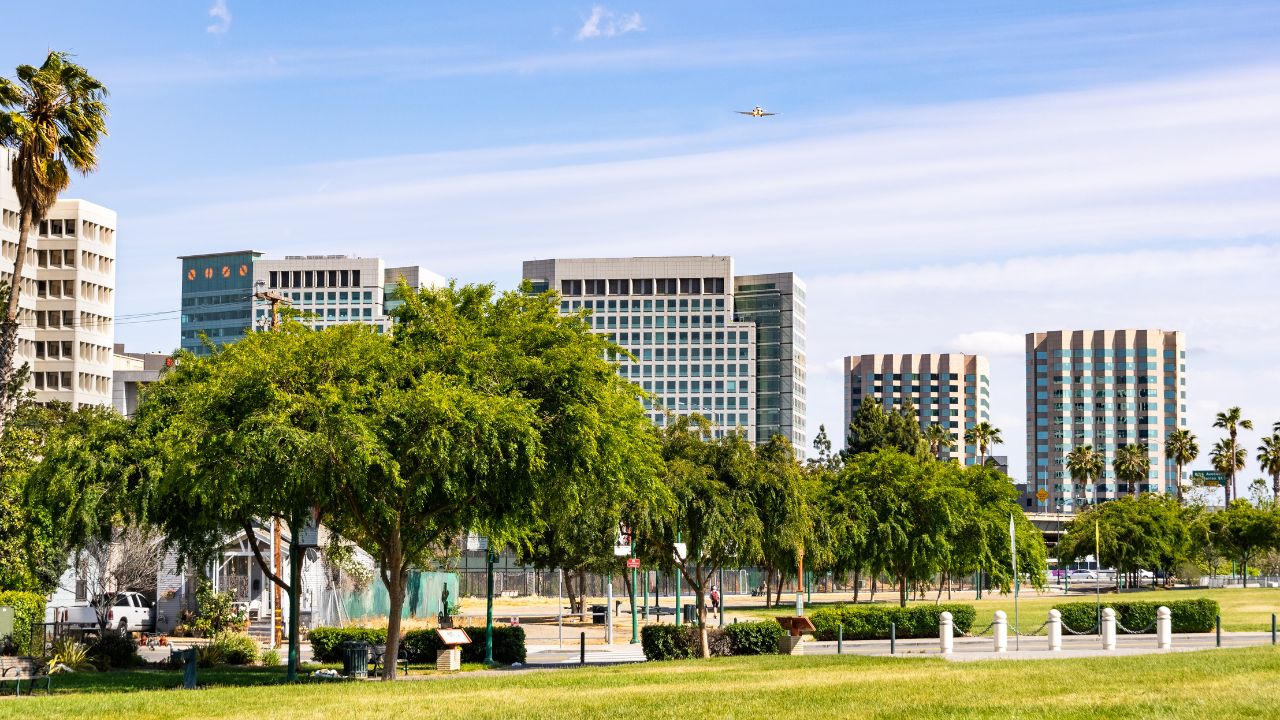
Silicon Valley paychecks lift the floor for everyday services, from childcare to car repairs. Sprawl nudges many households toward driving, which adds fuel, insurance, tolls, and parking to the monthly stack. Housing remains tight, so new supply often arrives at premium pricing rather than bargain levels. Even errands can feel designed around traffic patterns that cost you time as well as money.
For a short stay, aim for nature plus food instead of nonstop ticketed attractions. Foothill parks deliver wide views, and the weather often cooperates for outdoor plans much of the year. The dining scene, including Vietnamese and Mexican spots, can be both excellent and comparatively reasonable if you skip the trendiest reservations. Schedule around rush hours, and the day feels longer, calmer, and cheaper.
7. Boston

Universities and biotech keep demand steady, while older building stock limits rapid expansion. That pressure shows up in rents near rail stops and higher pricing for services in walkable districts. Seasonal move-in periods can tighten availability and push short-term rates upward. Cold months also shift hangouts indoors, where spending can creep if every plan involves a cover charge and cocktails.
Let walking do most of the work, using the Freedom Trail as a built-in route through major sights. The waterfront and historic streets are open access, so you can stack highlights without buying tickets all day. Student-heavy areas often hide the best meal value, from dumplings to sandwiches to late-night slices that feel designed for survival. Choose one paid anchor, a museum block, or a matinee, then keep everything else flexible and cheap.
8. Charleston

Tourism and coastal appeal raise the baseline for lodging and restaurant checks, especially in the historic core. In-migration has tightened long-term rentals, which can ripple into service pricing in popular zones. Peak-season weekends can feel like a surcharge on everything from parking to brunch. Even so, the strongest part of Charleston is its atmosphere, and that part does not require constant spending.
Start early with a sunrise walk along the Battery, then take a self-guided architecture loop through quiet streets. The City Market area and nearby parks offer slow wandering that costs little and feels like a full activity. Balance one planned seafood dinner with casual daytime bites so you are not paying sit-down prices three times in a row. A short drive to nearby beaches can turn the afternoon into pure scenery with minimal extra cost.
9. Oakland

Being next door to major job hubs across the bay keeps demand high and vacancies tight. Fast-changing districts can lift everyday pricing as new restaurants and renovated spaces arrive quickly. The upside is cultural density, with art, music, and food that reward curiosity. That mix can feel pricey, but it does not require nonstop spending if you plan around what is already happening.
Use Lake Merritt as your central loop, then branch out for murals, bookstores, and small galleries. Food halls let you sample broadly without committing to one expensive full-service meal. BART works well as a connector, and walking handles the rest if you keep your day focused by neighborhood. Catch a community event or a daytime performance, and you get the city’s personality with a smaller bill.
10. Berkeley
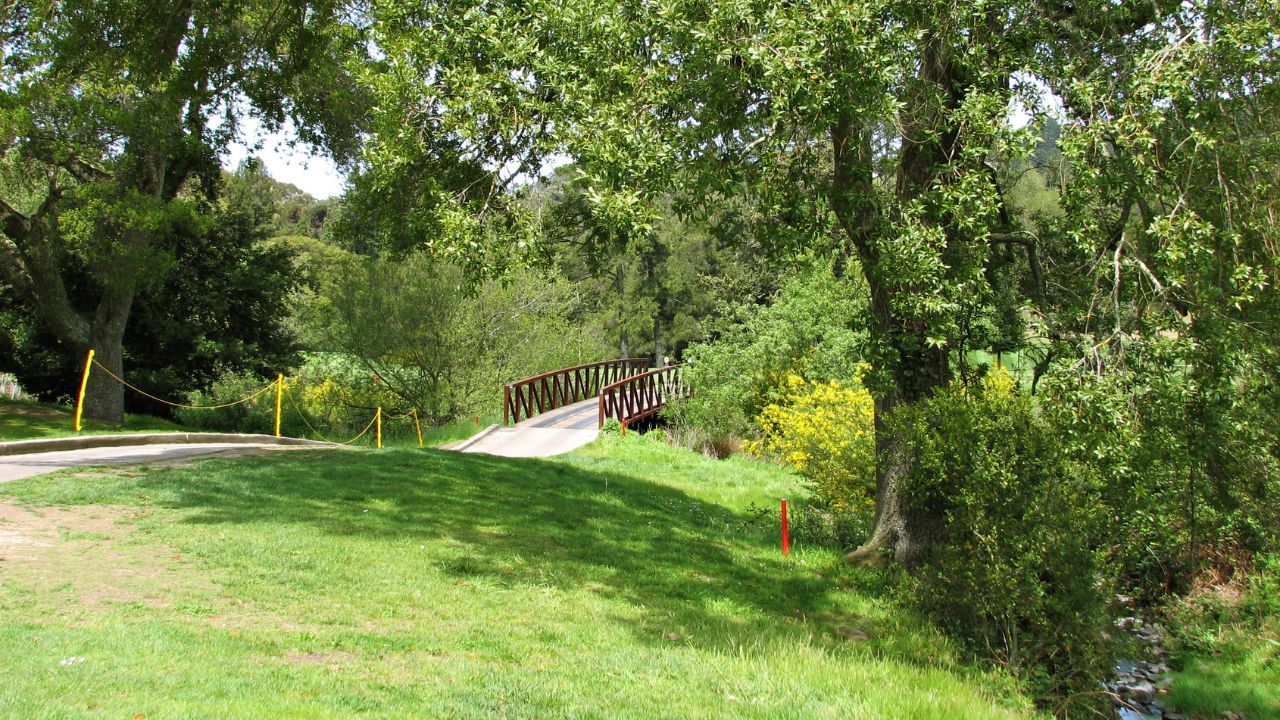
A major university, limited space, and steady student demand create a classic squeeze in the rental market. Near campus, smaller apartments can command striking prices simply for location. Cafés and grocery runs around the busiest blocks often reflect that captive audience. The hills, though, offer quick escapes that make the place feel refreshingly simple.
Head to Tilden Regional Park for panoramic views, then return for bookstores and casual eats. Telegraph Avenue is great for people-watching and thrift browsing, which can be genuine entertainment without a ticket. Coffee breaks often get cheaper when you pick quieter side streets rather than the obvious corner spots. End with a sunset from a higher overlook, and you get the best moment of the day for free.