Some affordable used cars make sense because they are practical. Others stay interesting because something under the hood still gives enthusiasts a reason to care. Those are the cars that remain memorable long after newer screens, cleaner cabins, and better fuel economy have moved the market forward.
A great engine can change the whole personality of an otherwise ordinary coupe, sedan, hatchback, or sports car. It can make an older car feel eager instead of outdated, special instead of merely used, and worth seeking out even when newer alternatives are objectively easier to live with.
That is why certain engine names still carry weight in the used market. Honda’s K-series fours, Lexus and Toyota’s 2JZ, Nissan’s VQ, BMW’s N52, GM’s LS V8s, and Ford’s Coyote all built reputations that outgrew the cars they came in. Enthusiasts remember them because the driving experience still feels distinct.
Affordability needs a realistic definition here. These are not all disposable cheap cars anymore, especially the Corvette, GTO, and Coyote Mustang. They are still attainable by enthusiast-car standards, with many examples found from the high four figures into the teens, and some of the more desirable V8 cars stretching into the low $20,000s.
When The Engine Is The Reason To Buy

The strongest cars in this corner of the market share one important trait: the engine is not just a specification. It is the reason the car still has a following. A famous badge, sharp styling, or a good chassis can help, but the powertrain has to carry real weight in the car’s reputation.
That usually shows up in the way enthusiasts talk. Some engines are remembered by code or family name because they built an identity beyond the original brochure. K20, 2JZ, VQ, RENESIS, DISI, N52, LS1, LS2, and Coyote all mean something to people who spend time around used performance cars.
The best part is that many of these cars still sit within reach. Prices vary heavily with mileage, condition, transmission, modifications, and region, but the basic idea remains strong: a memorable engine can still be found in an attainable used car without crossing into unobtainable collector territory.
2002 To 2006 Acura RSX Type-S, 2.0-Liter K20A2 Or K20Z1 Inline-Four

The RSX Type-S remains one of the cleanest ways into the K-series world. The car feels built around letting that engine show off, with a close-ratio manual gearbox, a light front-drive platform, and the kind of upper-rpm personality that helped define early-2000s Honda and Acura performance.
Early Type-S models used the 200-hp K20A2, while 2005 and 2006 cars received the upgraded K20Z1. Acura introduced the revised 2005 RSX Type-S with 210 hp at 7,800 rpm, giving the later cars a little more factory muscle while keeping the same rev-happy character.
The RSX Type-S still works because it feels complete rather than one-dimensional. It is usable enough for normal driving, sharp enough to enjoy on a good road, and mechanical enough to remind drivers why the K-series reputation became so strong in the first place.
Prices have not stayed truly cheap, but the car remains attainable compared with many cleaner Japanese performance icons from the same era. Strong examples often sit around the low-to-mid teens, while exceptional low-mileage cars can climb much higher.
2006 To 2011 Honda Civic Si, 2.0-Liter K20Z3 Inline-Four
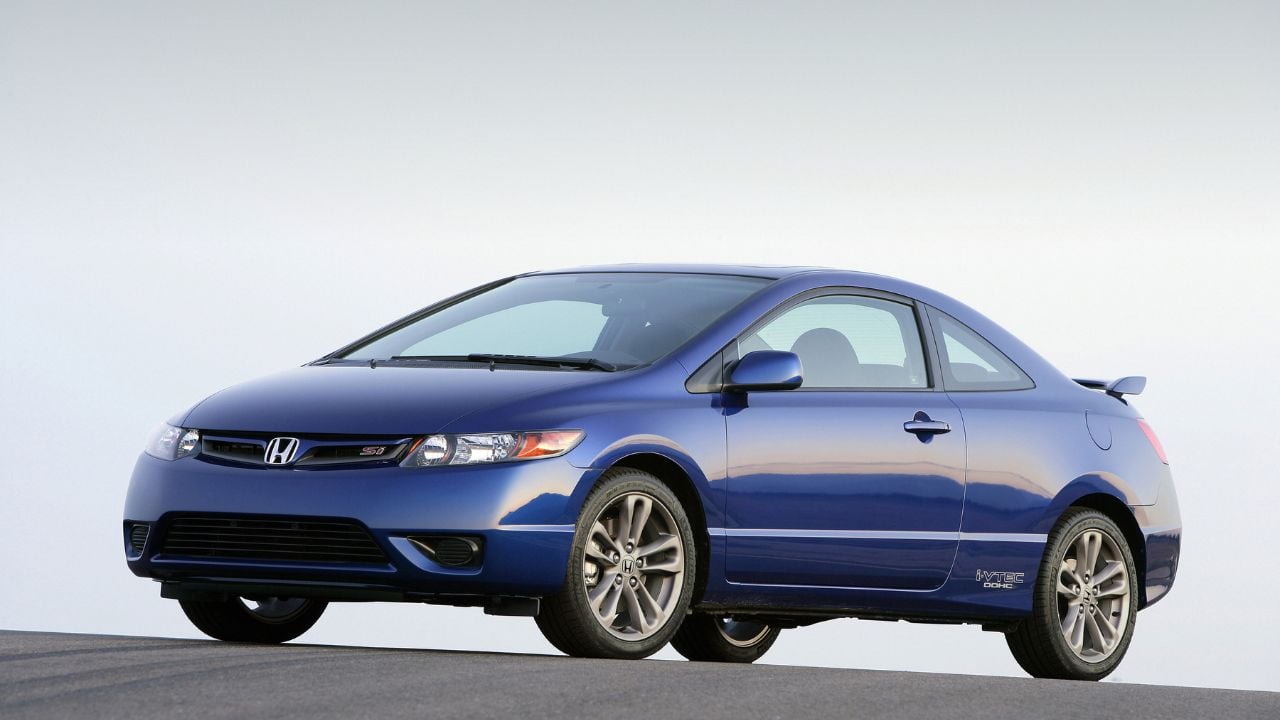
The Civic Si took the high-revving Honda formula and put it in a car that still feels usable, affordable, and eager. The K20Z3 was never about huge torque or effortless speed. Its appeal came from clean throttle response, a 7,800-rpm horsepower peak, and a manual gearbox that rewarded proper use.
That kind of engine character has aged well because it asks the driver to participate. The Si is more satisfying when it is revved out, shifted cleanly, and driven with intent. In a market full of turbocharged torque and automatic gearboxes, that old-school naturally aspirated personality feels more special than it did when the car was new.
Recent national used listings have shown eighth-generation Civic Si examples across a wide price spread, with driver-quality cars still appearing well below the cost of most modern performance compacts. Condition matters, because many have been modified or used hard, but the engine remains the reason people keep hunting for clean ones.
2001 To 2005 Lexus IS300, 3.0-Liter 2JZ-GE Inline-Six
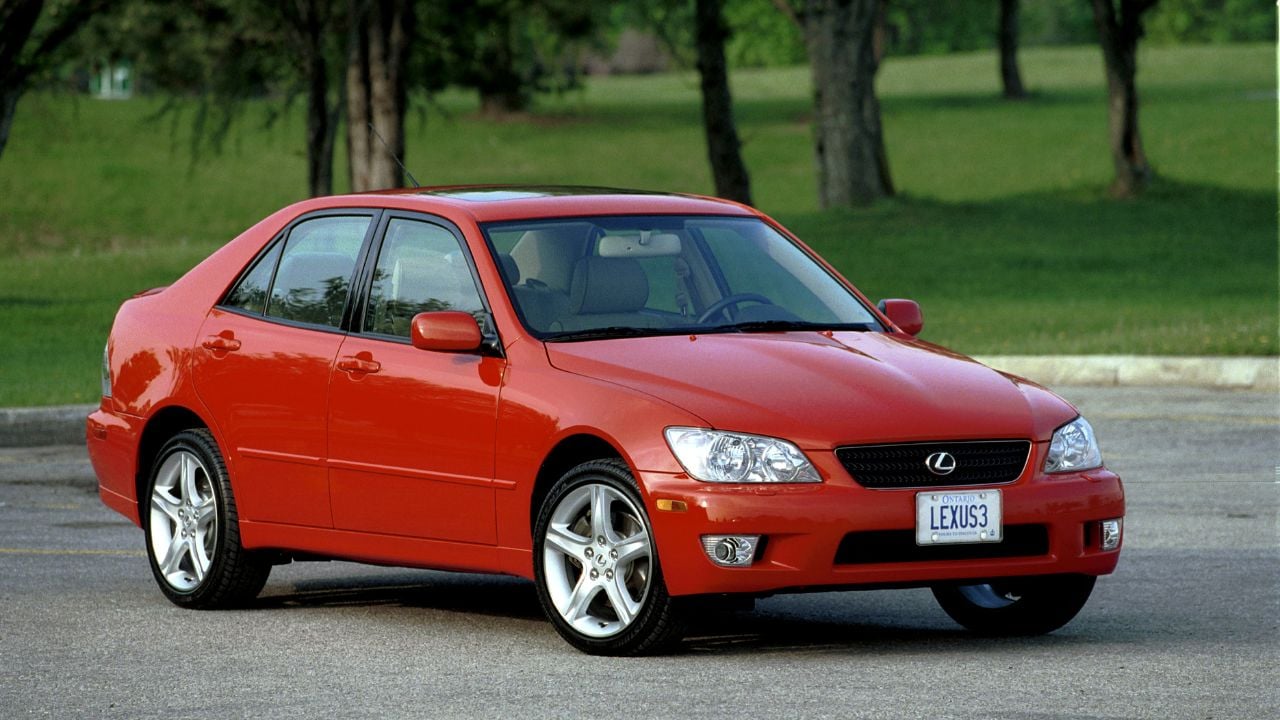
The first-generation IS300 earns its reputation through one of the most famous engine families of its era. The naturally aspirated 2JZ-GE is not the twin-turbo Supra engine, but the name still carries weight because the basic architecture is so deeply respected among Japanese-car enthusiasts.
In stock form, the IS300 was never a brute. Its appeal came from smooth delivery, rear-wheel drive, Lexus build quality, and the knowledge that a durable straight-six sat up front. That combination has aged into a strong used-car formula, especially for buyers who want something more interesting than a normal compact luxury sedan.
The IS300 also benefits from being pleasantly unpretentious. It does not need wild styling or huge factory power to make its case. It has the right layout, the right engine family, and enough tuning culture around it to stay relevant decades later.
Good examples can still appear around the upper four figures to the low teens, though manual cars and exceptionally clean examples are a different story. The 2JZ connection is no secret anymore, but it still feels unusually accessible in this Lexus package.
2004 To 2011 Mazda RX-8, 1.3-Liter RENESIS Rotary

The RX-8 belongs here because some engines are loved for being different rather than sensible. Mazda’s RENESIS rotary is one of those engines. It is smooth, compact, high-revving, and unlike anything else most buyers will find in this price range.
Early six-speed manual RX-8s were rated at 238 hp with a 9,000-rpm redline, while later 2009-to-2011 manual cars were rated at 232 hp. Either way, the appeal is the same: a vibration-free rush toward the top of the tachometer, delivered by an engine that feels more exotic than the car’s used price suggests.
The warning has to be just as clear as the praise. Compression health, maintenance records, ignition-system condition, oil-consumption habits, and owner knowledge matter more here than they do with most cars in this budget. A neglected RX-8 can become expensive quickly.
That complicated reputation is part of why prices remain accessible. Used RX-8s can still start very low, with many presentable examples landing around the five-figure mark. For buyers who understand the rotary and shop carefully, the RX-8 still offers one of the most distinctive engine experiences in the affordable used market.
2003 To 2008 Nissan 350Z Coupe, 3.5-Liter VQ35DE Or VQ35HR V6
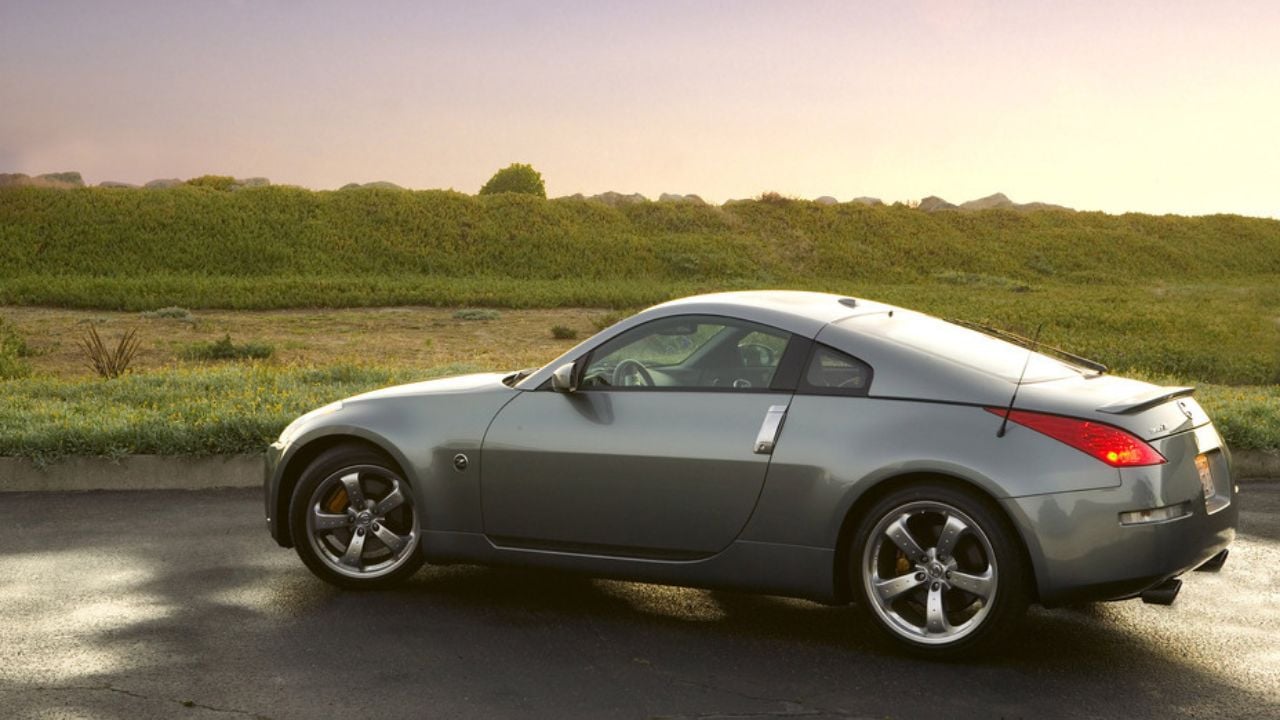
The 350Z puts Nissan’s VQ V6 at the center of the experience. Early coupe models used the broad-shouldered VQ35DE, while 2007 and 2008 coupes gained the VQ35HR with 306 hp and a 7,500-rpm redline. The 350Z Roadster continued into 2009, but the coupe story is cleanest through 2008.
That engine evolution matters because it kept the Z muscular without making it feel complicated. The formula stayed direct: naturally aspirated V6, rear-wheel drive, manual availability, and a shape that still looks purposeful. It is not delicate or precious, which is a big part of the appeal.
The VQ’s sound has its critics, and many 350Zs have lived hard lives, but the basic package still feels honest. Clean, unmodified cars are becoming more desirable because they preserve the original argument: a big engine in a relatively compact sports coupe for attainable money.
Recent used-market listings still show a wide spread, from high-four-figure driver cars to cleaner examples in the teens. That keeps the 350Z relevant for buyers who want a lot of naturally aspirated engine character without jumping into modern sports-car pricing.
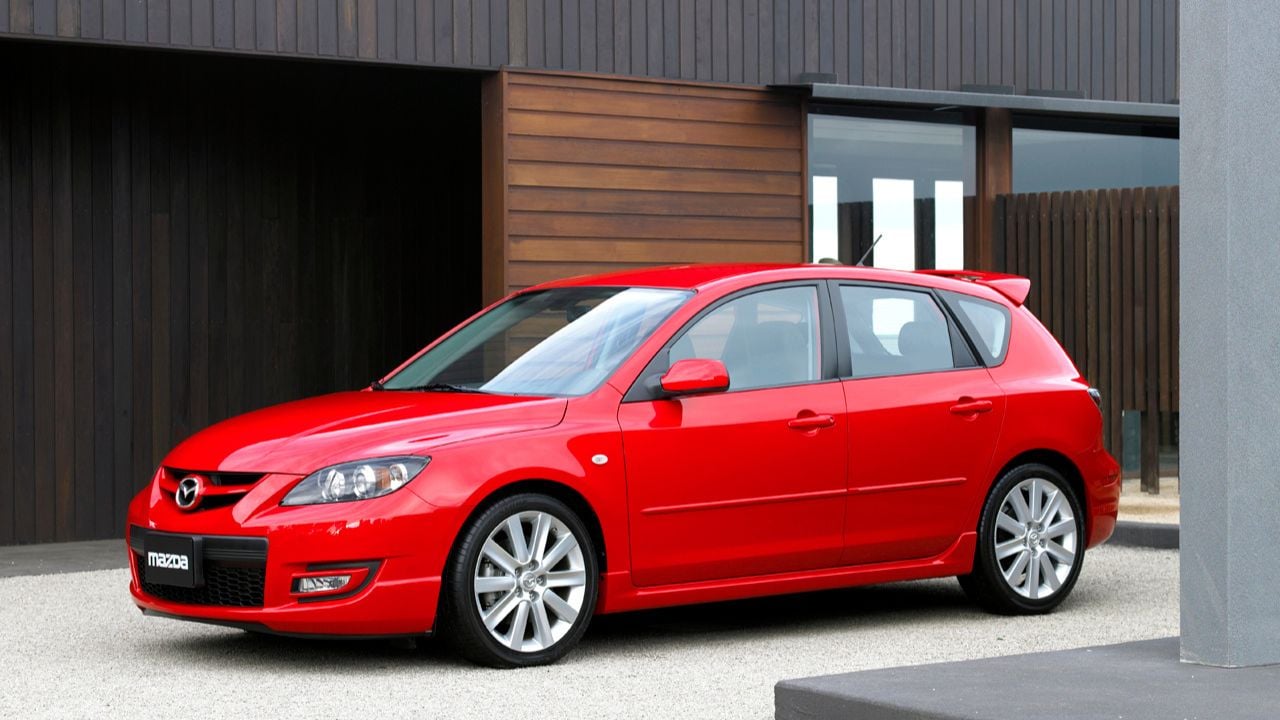
2007 To 2013 Mazdaspeed3, 2.3-Liter DISI Turbo Inline-Four
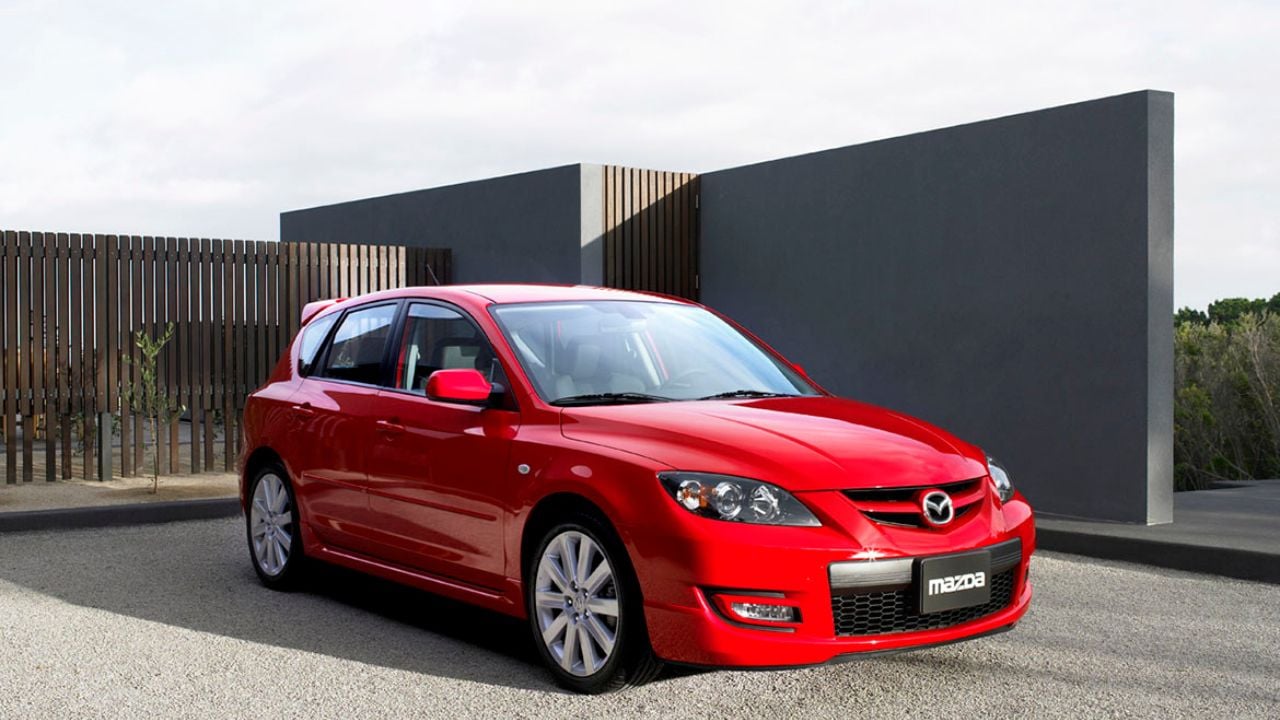
The Mazdaspeed3 never tried to make turbocharged front-wheel-drive performance feel polite. Mazda’s 2.3-liter DISI turbo four gave it 263 hp and 280 lb-ft of torque, which was a huge number for a compact hatchback when the car arrived.
That engine gave the Mazdaspeed3 a personality modern hot hatches often smooth away. It had boost, torque steer, urgency, and a slightly unruly edge that made the whole car feel alive. The powertrain did not hide the fact that the front tires had a lot of work to do, and that honesty became part of the charm.
The result is a car people remember for its attitude as much as its speed. It was practical enough to use every day, but it never felt like a normal Mazda3 with a little extra power. The turbo motor changed the mood completely.
Prices remain reasonable for what the car offers, though clean examples are harder to find because many were modified or driven aggressively. Recent listings still put usable cars from the lower end of the enthusiast market into the low teens, keeping one of Mazda’s cult engines within reach.
2008 To 2013 BMW 128i, 3.0-Liter N52 Inline-Six
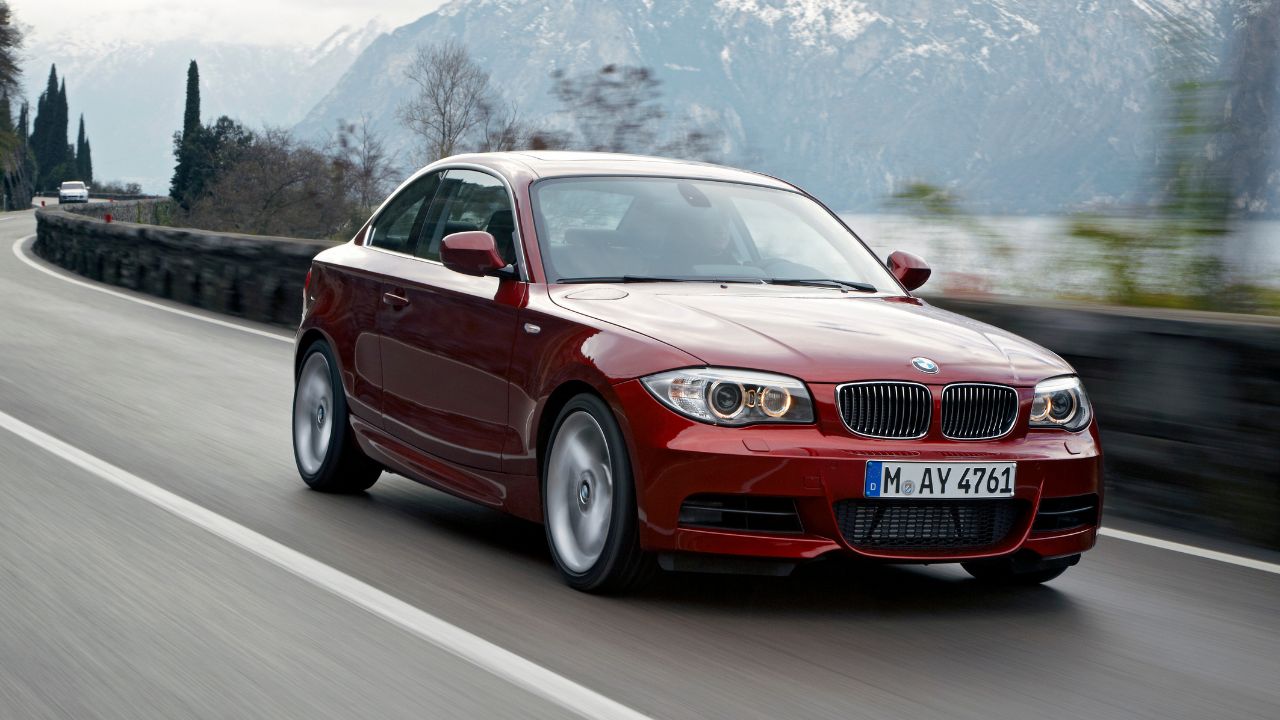
The 128i is the quiet connoisseur choice, a car for buyers who care more about feel than headline horsepower. BMW’s naturally aspirated N52 straight-six is the reason. It is smooth, responsive, and unforced in a way that has become harder to find as modern BMWs have moved deeper into turbocharging.
BMW’s U.S. launch materials listed the 128i Coupe with a 3.0-liter inline-six producing 230 hp and 200 lb-ft of torque. Car and Driver later urged connoisseurs to buy the 128i as the last BMW to offer the naturally aspirated inline-six in that form, which captures the car’s appeal perfectly.
The 128i is not about big numbers. It is about the way a good naturally aspirated BMW six pulls, sounds, and responds. Paired with the smaller 1 Series body, the N52 gives the car a balanced, old-BMW character that many newer models no longer deliver.
The used market still keeps the idea realistic. Driver-quality 128i examples can sit around the lower end of modern enthusiast pricing, while cleaner manual coupes tend to command more attention. Either way, the engine remains the reason this understated BMW keeps showing up in enthusiast conversations.
1997 To 2004 Chevrolet Corvette C5 Base, 5.7-Liter LS1 V8
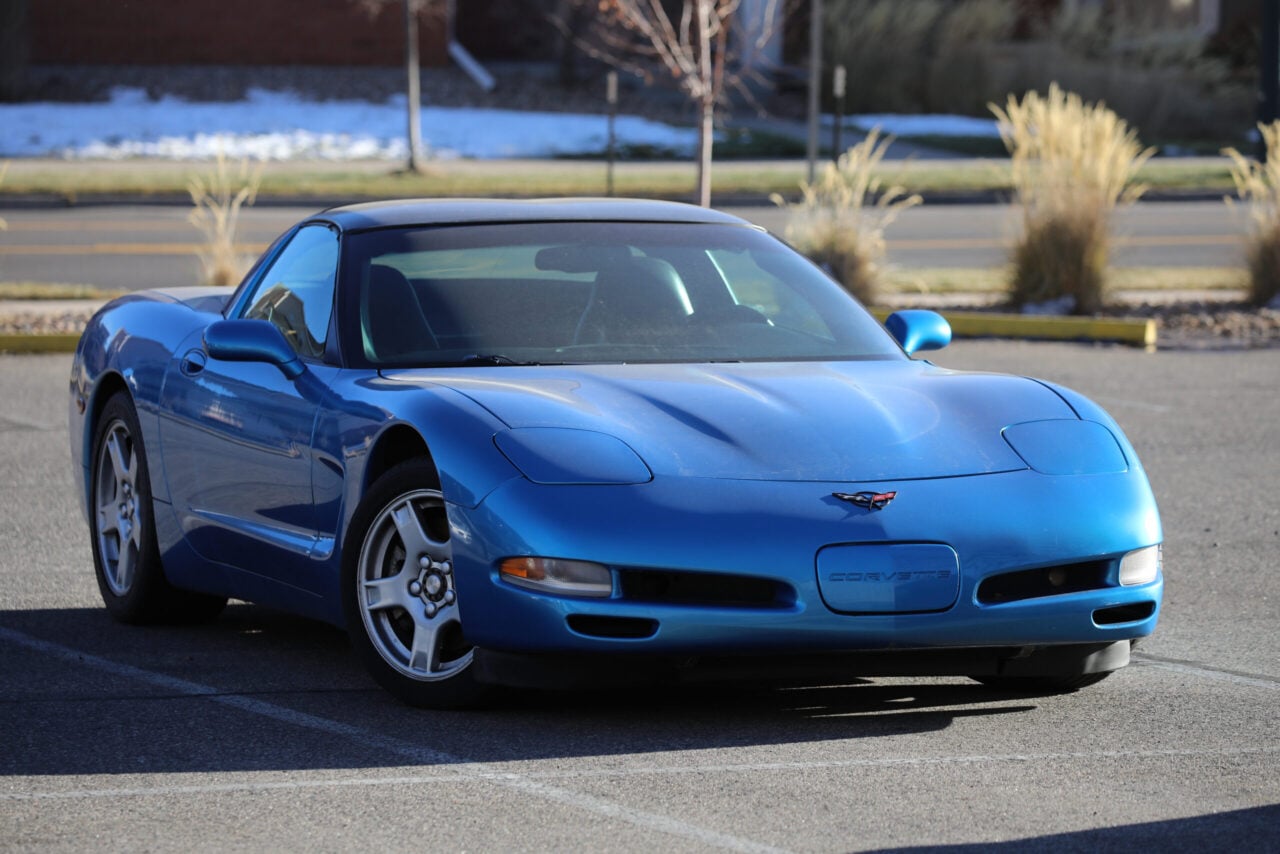
The base C5 Corvette belongs here because the LS1 changed the way enthusiasts thought about affordable American performance. It was compact, strong, tunable, and installed in a real sports car rather than something that merely borrowed muscle-car attitude.
When the C5 arrived, the new 5.7-liter LS1 V8 made 345 hp and helped push the Corvette into a more modern era. The engine’s reputation only grew from there as the LS family became one of the defining performance platforms of the last 30 years.
The C5 still feels like a lot of machine for the money. It has real sports-car proportions, strong performance, a huge aftermarket, and an engine family that can be maintained, modified, and understood almost anywhere in the American performance world.
Prices are not giveaway-cheap anymore, but the value argument remains strong. Many C5s now live in the high-teens to low-$20,000s depending on condition, mileage, transmission, and body style, which still feels approachable for a Corvette with an LS1 under the hood.
2004 To 2006 Pontiac GTO, 5.7-Liter LS1 Or 6.0-Liter LS2 V8
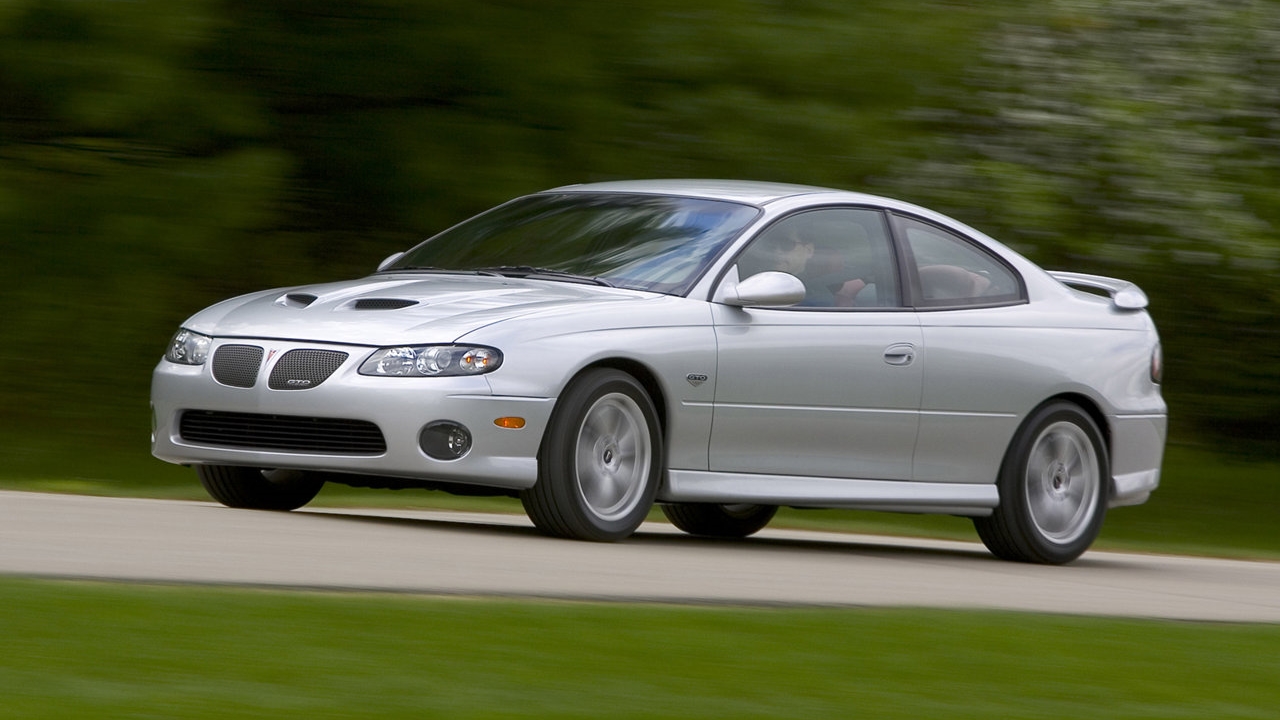
The modern GTO still makes sense for buyers who want the engine first and can live with understated styling. That was always the car’s strange advantage. People argued about the way it looked, but very few argued about the hardware.
The 2004 model brought a 350-hp LS1, while 2005 and 2006 cars moved to the 6.0-liter LS2 with 400 hp. That upgrade gave the revived GTO much more weight in enthusiast memory and made the car feel less like a curiosity and more like a serious modern muscle coupe.
Underneath the calm shape sits one of the most admired engine families of the last quarter century. The GTO does not shout like a Mustang or Camaro, but that restraint has aged better than many people expected. It feels like a sleeper with a proper V8 heart.
The used market still keeps the proposition believable, even if the nicest examples have become more expensive. Many cars sit from the high teens into the low $20,000s, with some 2004 LS1 examples still appearing below that range.
2011 To 2014 Ford Mustang GT, 5.0-Liter Coyote V8
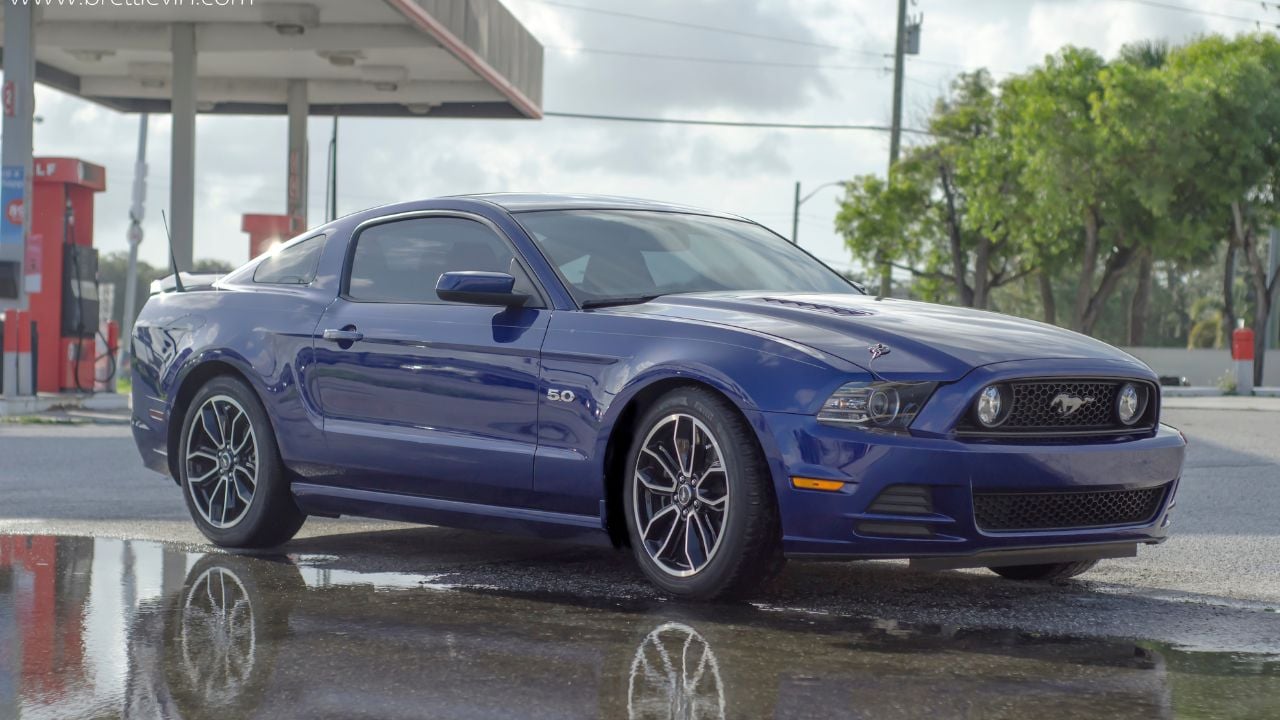
The Mustang GT became a different kind of used performance car when Ford brought back the 5.0-liter V8 for 2011. The first-generation Coyote gave the Mustang modern power, a willingness to rev, and a level of respect that immediately changed the conversation around the car.
Car and Driver wrote that if the new Coyote 5.0-liter was not the best engine Ford had ever made, the 2011 Mustang GT was still likely the best car Ford sold in the United States at the time. The praise made sense. Ford had given the Mustang GT a 412-hp naturally aspirated V8 that felt modern without losing the old-school appeal of displacement and sound.
That is why these cars still pull buyers in. The chassis still has an old-fashioned live rear axle, but the engine feels like the beginning of a newer Mustang era. It loves rpm, responds well to modification, and gave the GT a powertrain with lasting identity.
Prices have stayed approachable compared with newer performance cars. Many 2011-to-2014 GTs now sit from the high teens into the low $20,000s, which remains a tempting number for one of the most important modern American V8s.
The Powertrains That Keep Attainable Cars Interesting
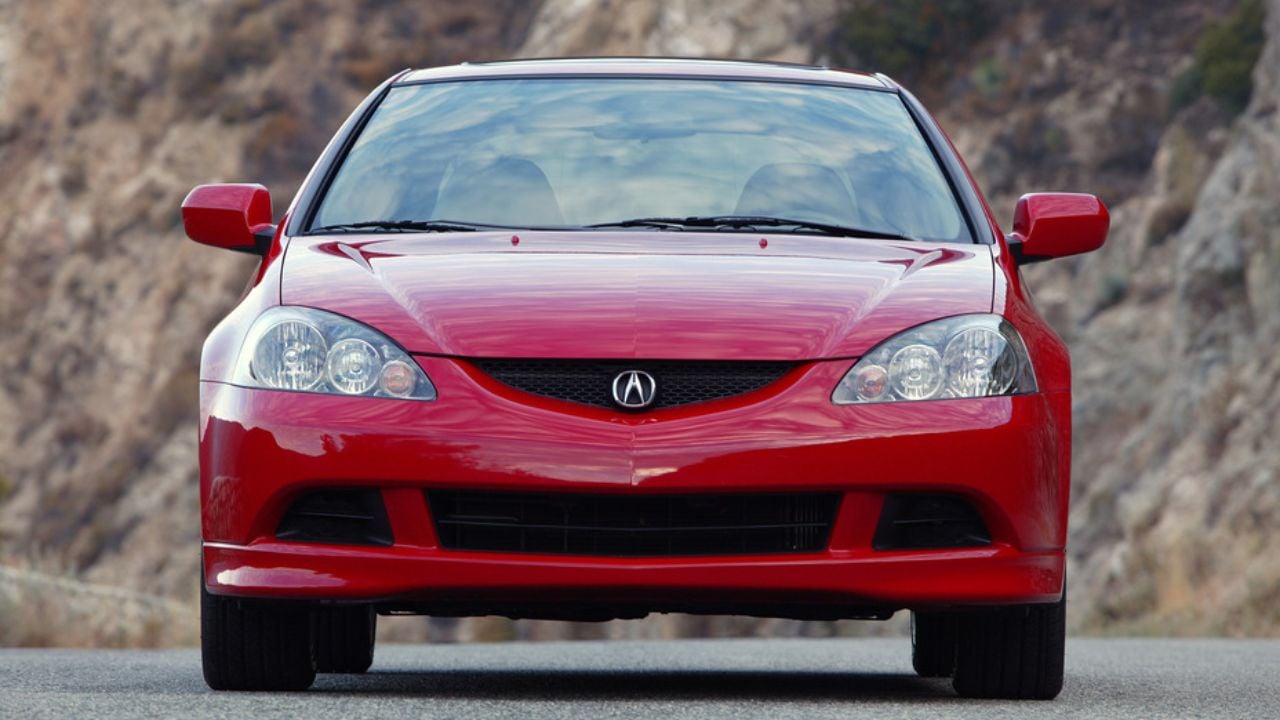
Affordable enthusiast cars usually need one great reason to rise above the noise. For the RSX Type-S and Civic Si, it is the high-revving Honda K-series. For the IS300, it is the 2JZ connection. For the RX-8, it is the strange brilliance of the rotary. For the 350Z, it is the broad punch of the VQ. For the Mazdaspeed3, it is turbocharged attitude in a practical hatchback.
The same logic carries through the larger cars. The BMW 128i gives buyers one of the last simple naturally aspirated BMW sixes. The C5 Corvette and Pontiac GTO deliver LS V8 power without modern collector-car pricing. The 2011-to-2014 Mustang GT brings the first-generation Coyote into a package that still feels attainable.
Newer cars may be faster, quieter, safer, and easier to use every day. That does not erase the appeal of an engine with a reputation. A memorable powertrain gives an older car a reason to matter, and that reason can outlast fashion, technology, and the usual used-car spreadsheet.
That is the difference between buying transportation and buying something with a pulse. The smartest choice is not always the newest or most rational car. Sometimes it is the one whose engine keeps calling your name long after the practical arguments have gone quiet.