
Sports cars are supposed to get your heart racing before you even turn the key. Sleek lines, low stances, and names that hint at breaking the sound barrier. However, not every so-called performance machine lived up to its looks. Some were more bark than bite; a whole lot of style with very little under the hood to back it up.
From showroom stunners that couldn’t outrun a family sedan to overpriced posers that handled like shopping carts, this list celebrates the sports cars that talked a big game but didn’t quite deliver on the road. They looked the part, turned heads, and maybe even earned a spot in a James Bond flick or two, but when it came time to drive, they left a little too much on the table.
When Beauty Doesn’t Equal Speed

This list isn’t here to ruin anyone’s favorite car. We love a good-looking coupe as much as anyone, but sometimes the performance just didn’t live up to the promise. We looked at period reviews, spec sheets, and real-world owner impressions to spotlight sports cars that didn’t quite deliver the thrills you’d expect from their styling.
And that’s okay. Not every car has to be a track weapon. Some of these were built for cruising, impressing valet attendants, or just looking great parked at the golf club. We chose cars that made a big visual statement but came up short on speed, handling, or engagement behind the wheel. This isn’t about hate, it’s about honesty, context, and maybe a little tough love for the beautiful underachievers of the automotive world.
Pontiac Fiero GT

The Pontiac Fiero GT was bold for its time, with a mid-engine layout and dramatic wedge styling that made it look like a miniature supercar. Pop-up headlights and low slung proportions gave it an edge that few affordable cars could match. Yet behind that striking design, its acceleration felt tame. Independent tests recorded a 0-60mph time of about 7.9 seconds and a quarter mile in roughly 16 seconds.
Those numbers placed it closer to mainstream coupes than true sports cars. Drivers found it more suited for relaxed weekend drives than spirited performance runs. Reliability concerns, including cooling issues, added to the disappointment. Even so, its styling keeps it alive in the hearts of collectors who appreciate its ambition. The Fiero GT remains a car remembered more for looks than speed (and, you know, kind of being a death trap).
DeLorean DMC 12

Few cars became icons as quickly as the DeLorean DMC 12. Its brushed stainless steel body, gull-wing doors, and futuristic lines gave it instant star power. Sadly, the performance figures did not match the drama. Testing from the period measured its 0-60mph time at about 9.5 seconds, with the quarter mile taking roughly 17 seconds.
For a car that looked like it could leap through time, those numbers were unremarkable. Drivers described the acceleration as sluggish, with a driving experience that felt more like a grand tourer than a sports car. While its speed fell short, its visual impact and cultural presence never did. Even now, the DeLorean is celebrated more for its role in popular culture and its unique design than for the way it performed on the road. At least it can get you up to 88mph…eventually.
Chevrolet Corvette C3 (1978)
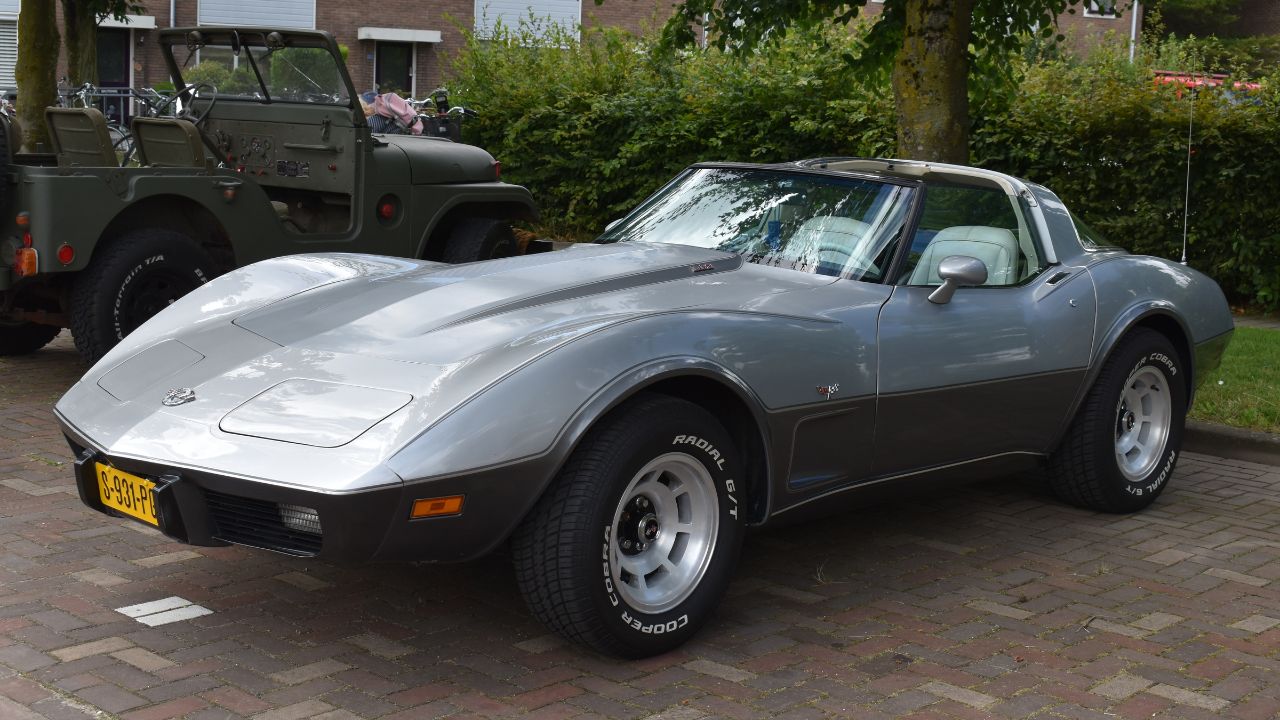
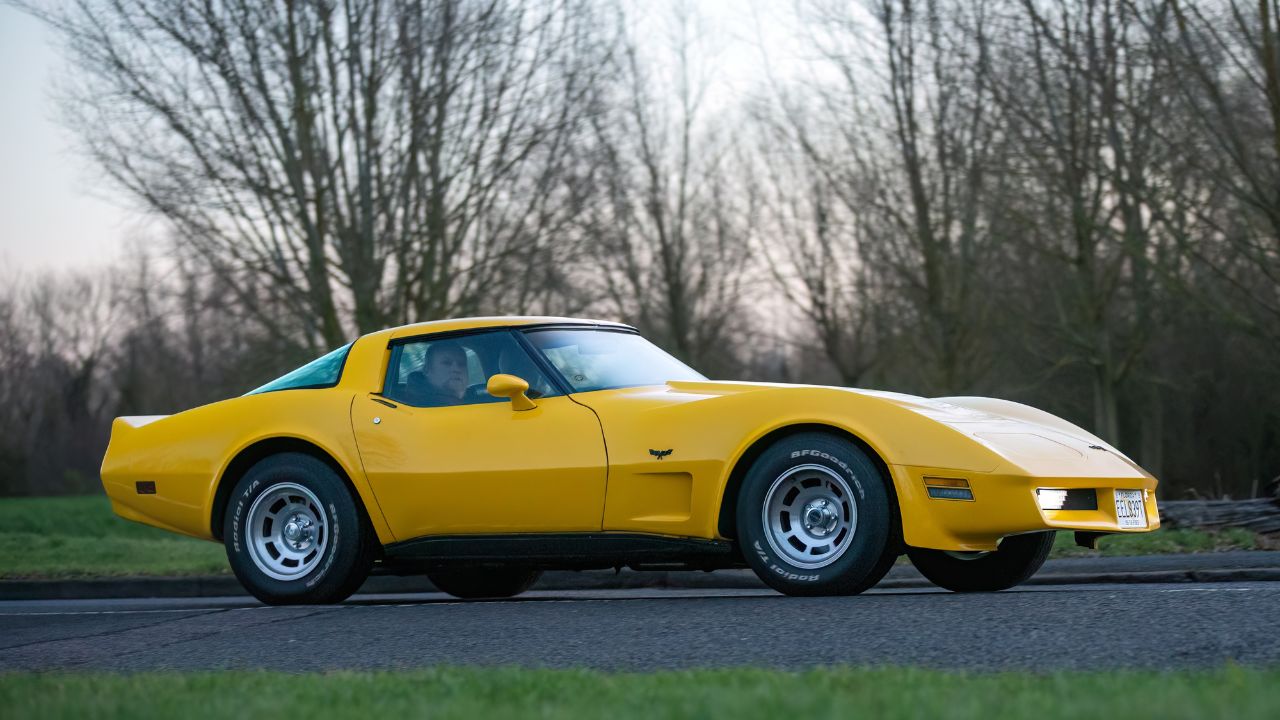
The 1978 Chevrolet Corvette C3 had curves that turned heads and a silhouette that suggested serious speed. The long hood, aggressive stance, and signature lines gave it undeniable presence. But when it came to actual performance, this Corvette was more bark than bite. Testing showed a 0-60mph time of around 7.3 seconds and a quarter mile in approximately 14.3 seconds.
These were respectable numbers for the late 1970s, but they fell short of the expectations that came with the Corvette badge. Emissions regulations had taken their toll, softening the car’s once ferocious demeanor. Still, its style kept fans loyal, and the C3 became an icon of the era. It remains a car admired as much for its sculpted looks as for its performance, which never quite matched its promise. You can make them fast, though, if you’ve got some money to throw at the engine. So, there’s always that.
Ferrari Mondial 8

I bet you didn’t expect to see “slow” and “Ferrari” in the same sentence. The Ferrari Mondial 8 offered an elegant design, mid-engine balance, and the prestige of wearing the prancing horse emblem. From the outside, it looked like a car built for thrilling drives and high-revving excitement. Yet period tests told a different story. This Ferrari managed a 0-60mph time of about 9 seconds and a quarter mile in roughly 17.9 seconds, figures more aligned with sporty coupes than exotic supercars.
Drivers described the experience as smooth and comfortable, but not especially urgent. It felt more like a refined tourer than a pure sports car. While critics pointed out its lack of firepower, the Mondial’s understated beauty and practical layout earned it a devoted following. Today, it stands as a reminder that Ferrari sometimes values design harmony over outright performance.
Porsche 924

The Porsche 924 carried a name that promised performance, and its slim, aerodynamic profile looked every bit the part. It had the long hood, short rear deck, and balanced stance that suggested a driver’s car. In practice, it was far less dramatic. Testing put its 0-60mph time at about 8.4 seconds, with the quarter mile completed in roughly 16.5 seconds.
While adequate for a sporty coupe of the late 1970s and early 1980s, these numbers disappointed those expecting a true Porsche experience. Its acceleration was smooth rather than thrilling, and its speed capabilities placed it well below its stablemates. Yet the 924 succeeded in bringing Porsche style to a broader audience. Its design and accessibility ensured it left a lasting mark, even if it never felt especially fast.
Mazda RX-8

The Mazda RX-8 had the kind of design that turned heads everywhere. Its flowing lines, low stance, and unique rear-hinged doors gave it an appearance that suggested high performance. It felt exotic in all the right ways. Yet the speed figures told a slightly different story. Testing consistently recorded a 0-60mph time of around 6.2 seconds, with the quarter mile completed in about 14.8 seconds. While respectable, it wasn’t the ferocious acceleration that its styling seemed to promise. Drivers noted that the car required high revs to deliver its best, making it less responsive in everyday driving.
Still, its balanced handling and characterful rotary engine made it a joy for those who valued driving feel over sheer speed. The RX-8 remains admired for its personality more than its outright pace. Don’t get us wrong, they can make a ton of power, but from the factory, they just don’t.
Toyota GT86 / Subaru BRZ
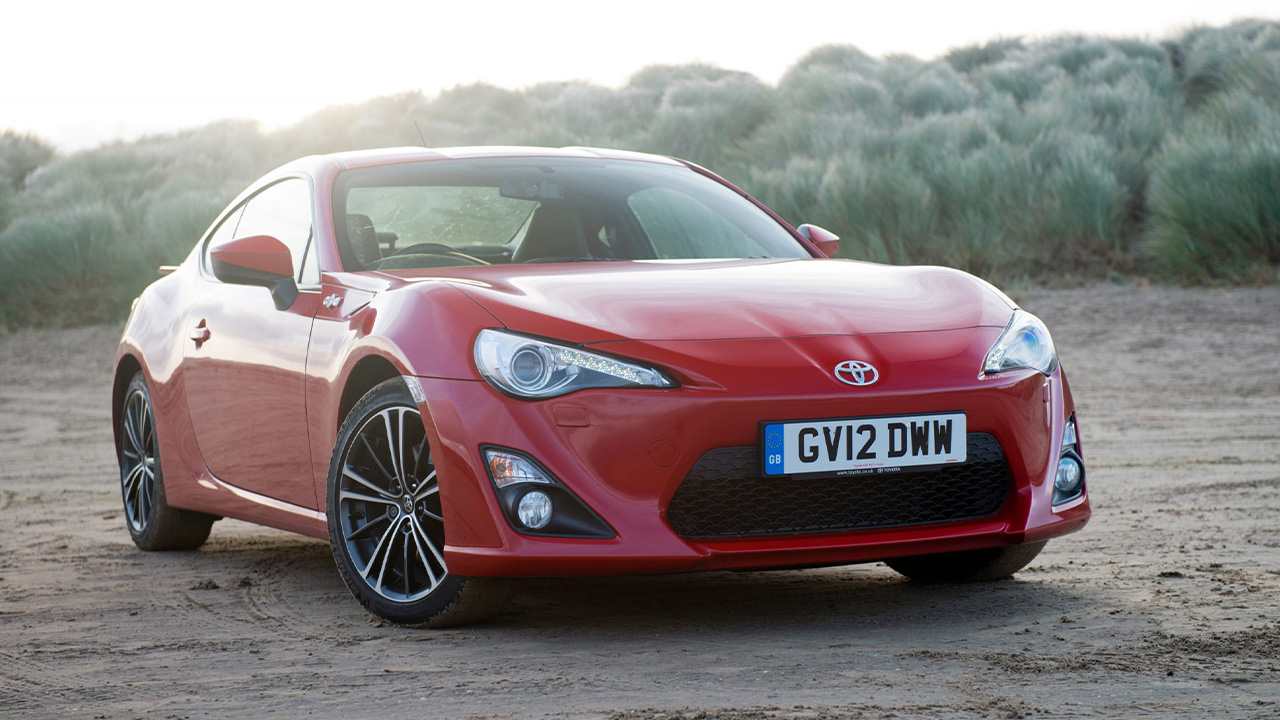
The Toyota GT86 and Subaru BRZ came with sharp styling, low profiles, and an aggressive stance that suggested pure performance. The look was track-ready, with design cues that made enthusiasts expect blistering acceleration. In reality, testing revealed a 0-60mph time of about 7.0 seconds and a quarter mile in roughly 17 seconds.
That made it quick enough for daily driving but far from a powerhouse. Drivers found that it prioritized handling and balance over straight-line speed, delivering joy in the corners rather than dominance on the drag strip. For some, this was disappointing, for others, it was exactly what they wanted. Its style matched its purpose — a lightweight, fun-to-drive sports car. Even today, it is celebrated more for its engaging feel than its acceleration numbers.
Ferrari 348
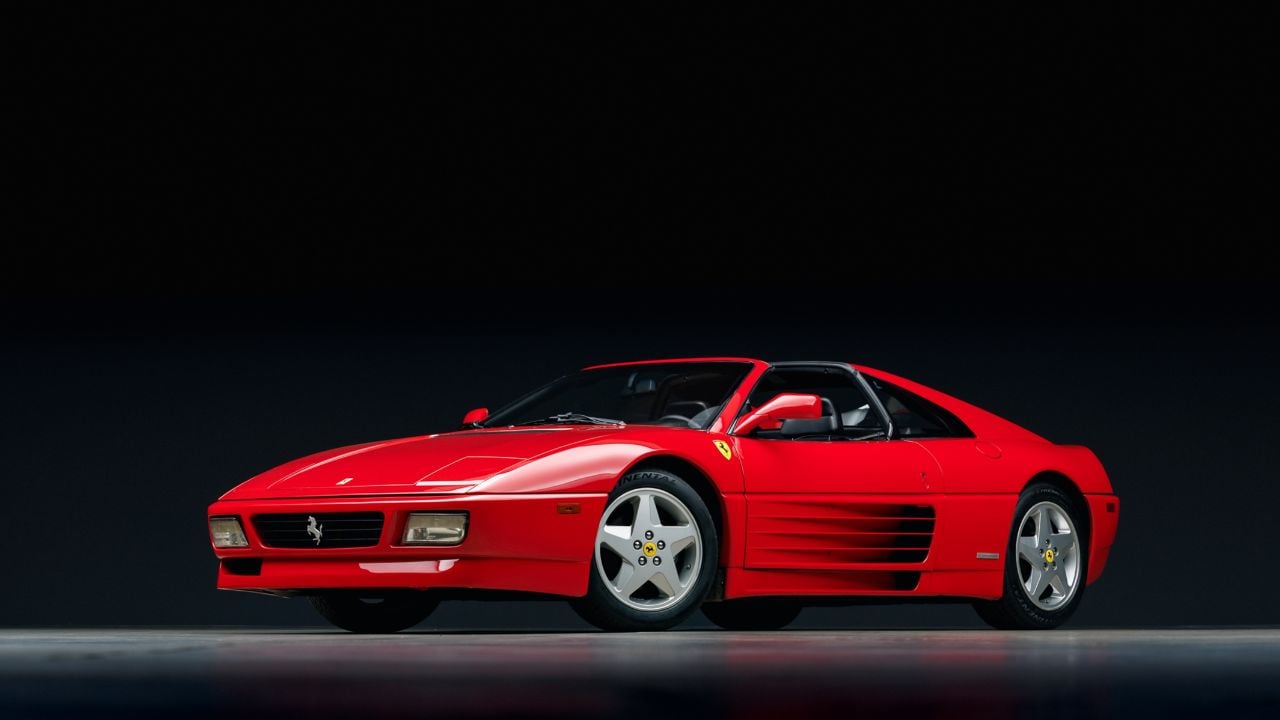
Another Ferrari?? The Ferrari 348 had the wedge shape, side scoops, and unmistakable proportions of a true Italian exotic. It looked ready to dominate the road and lived up to Ferrari’s design standards, and if you didn’t know any bette,r you might think it’s a Testarossa at first glance. Yet its speed was more modest than its appearance suggested. Tests from the period put its 0-60mph time at about 5.7 seconds, with a quarter mile in roughly 14.2 seconds. While faster than many cars of its era, it was considered underwhelming by Ferrari’s own standards. Drivers noted that it felt more composed than aggressive, with performance that didn’t always live up to its visual promise.
Still, the 348 has gained appreciation over time for its classic looks and connection to a transitional era for Ferrari. It remains a head turner first and a performer second.
Fiat 124 Turbo Spider 2000
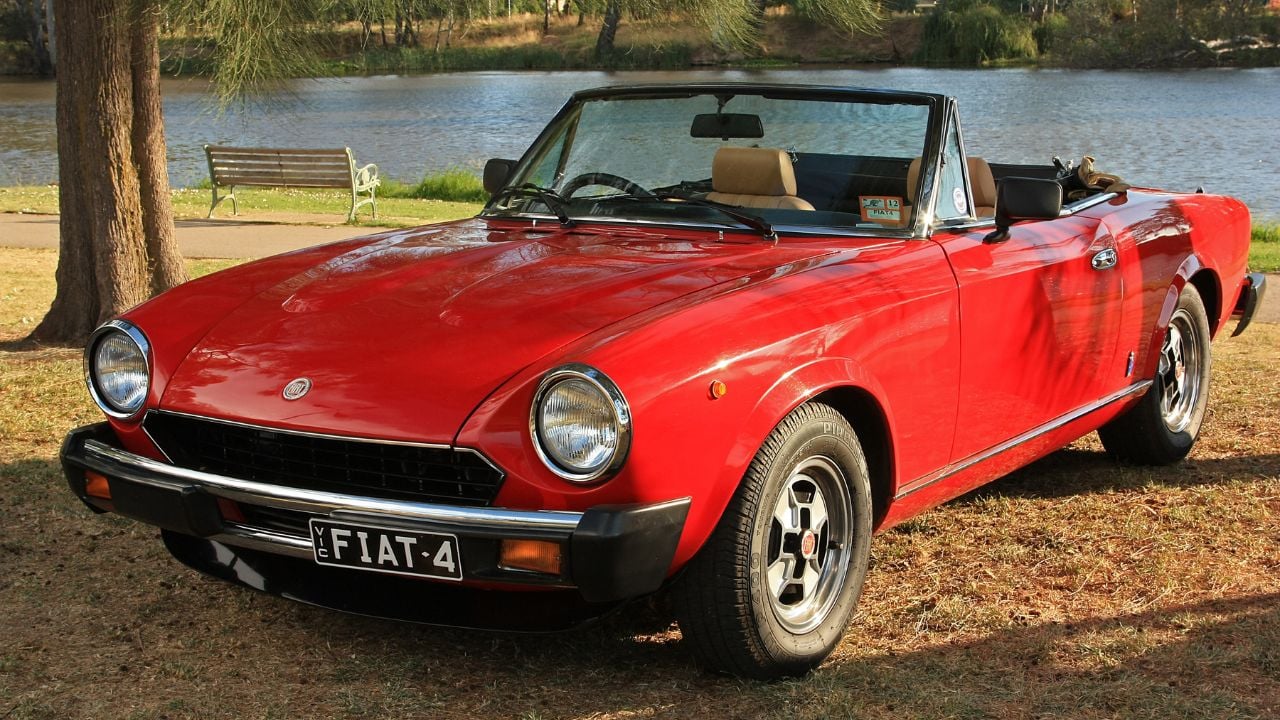
Italian charm radiated from the Fiat 124 Turbo Spider 2000, a roadster with flowing lines and classic proportions that made it instantly desirable. It exuded style, with an open top design perfect for leisurely drives along the coast. Yet speed was never its strength. Period tests measured its 0-60mph time at about 9.2 seconds and a top speed just above 110mph.
Those numbers put it well behind the era’s true sports cars. The Turbo Spider was more about enjoying the drive than winning races, with a relaxed demeanor that prioritized comfort and flair over raw pace. Even so, it has earned a loyal following among those who value its vintage appeal. This Fiat remains a symbol of Italian design that emphasizes experience rather than outright performance.
Lotus Elise Series 1
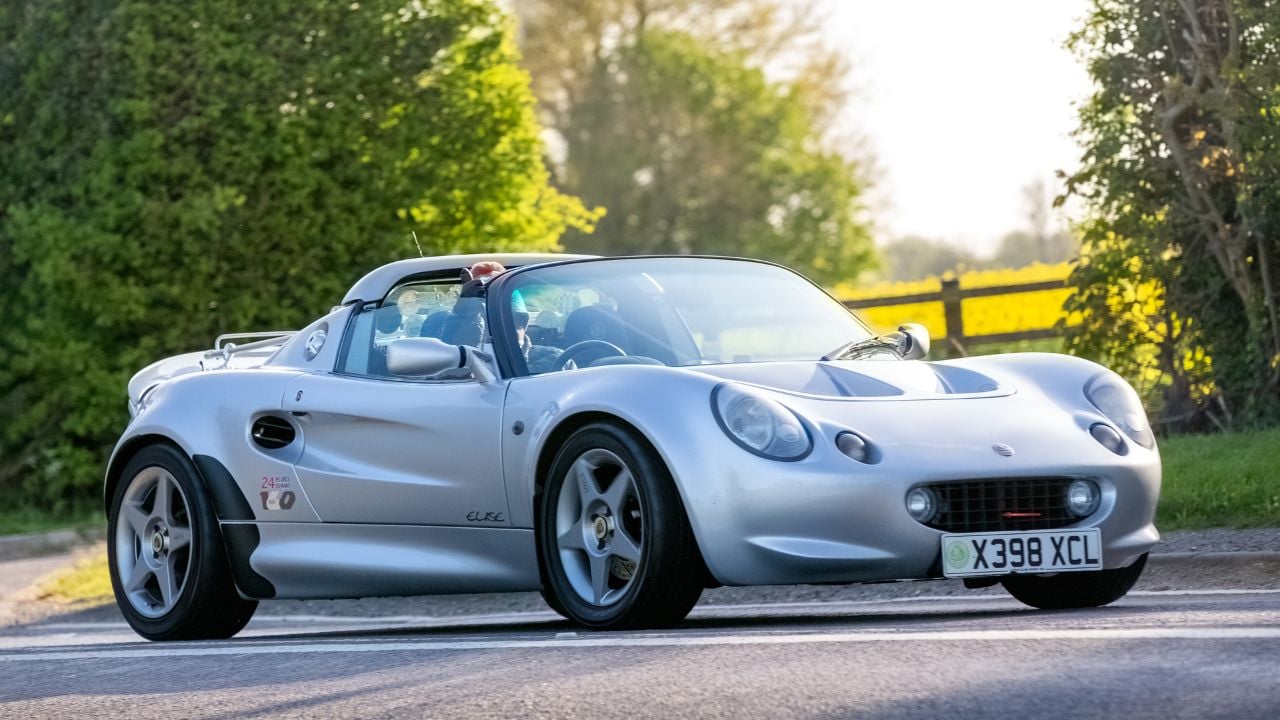
The Lotus Elise Series 1 had a look that promised razor-sharp performance. Its low stance, sculpted body, and minimalist design made it seem ready to take on anything. On the road, it delivered incredible handling, but straight-line speed was less impressive than its form suggested. Testing from the late 1990s put its 0-60mph time at about 5.8 seconds, which was quick but not in the supercar territory its styling implied. Drivers praised its agility and connection to the road, yet it lacked the explosive acceleration of its visual rivals.
The Elise wasn’t built for raw speed, it was designed for pure driving enjoyment. Its appeal lies in that balance of lightweight construction and precision handling, making it an enduring favorite for those who appreciate driving finesse.
Opel GT (1970s)
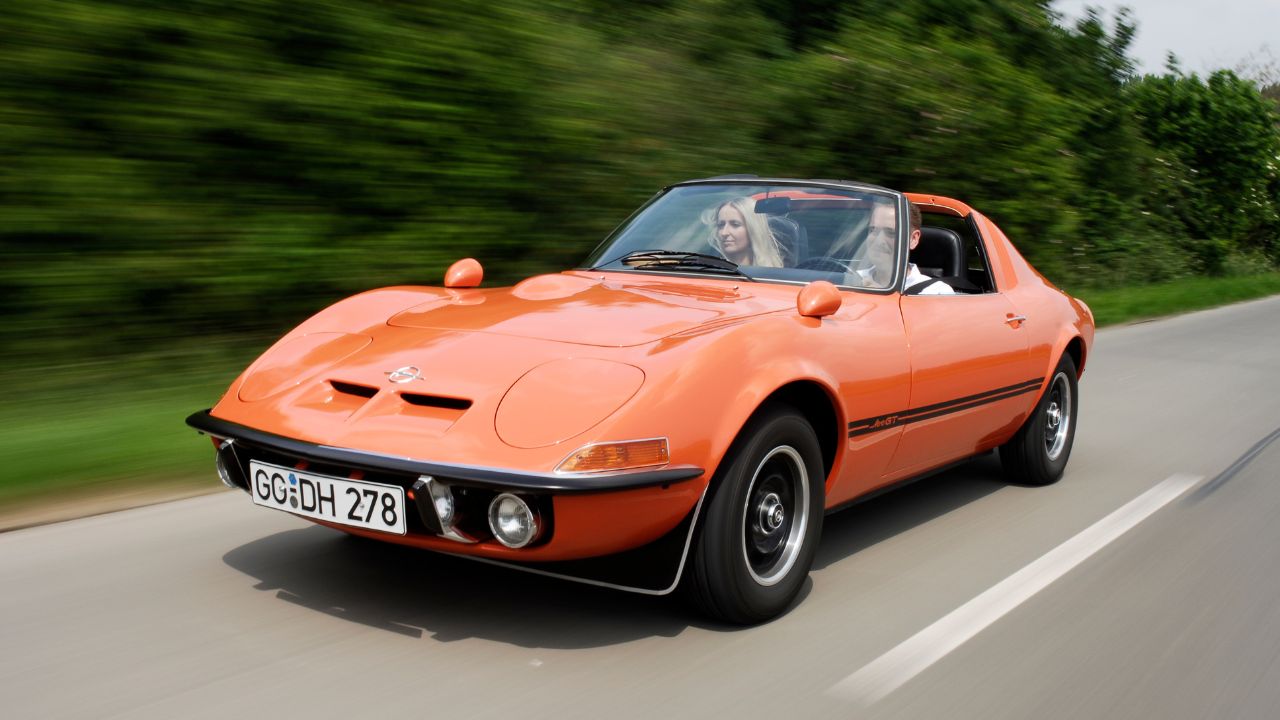
The Opel GT looked like a scaled-down Corvette, with a long hood, flip-up headlights, and a curvaceous body that made it a visual star. Parked, it gave the impression of a car ready to pounce. Driving told another story. Tests from the period showed a 0-60mph time of about 10.6 seconds and a top speed just under 100mph. Those numbers were far from impressive, even for the time. The GT was more about affordable style than performance thrills, appealing to buyers who wanted the sports car look without the price tag.
While it disappointed those expecting serious speed, its design has earned it a place as a beloved classic. The Opel GT’s charm lies in its appearance, offering beauty that overshadows its relatively slow performance.
Ford Mustang King Cobra (1978)
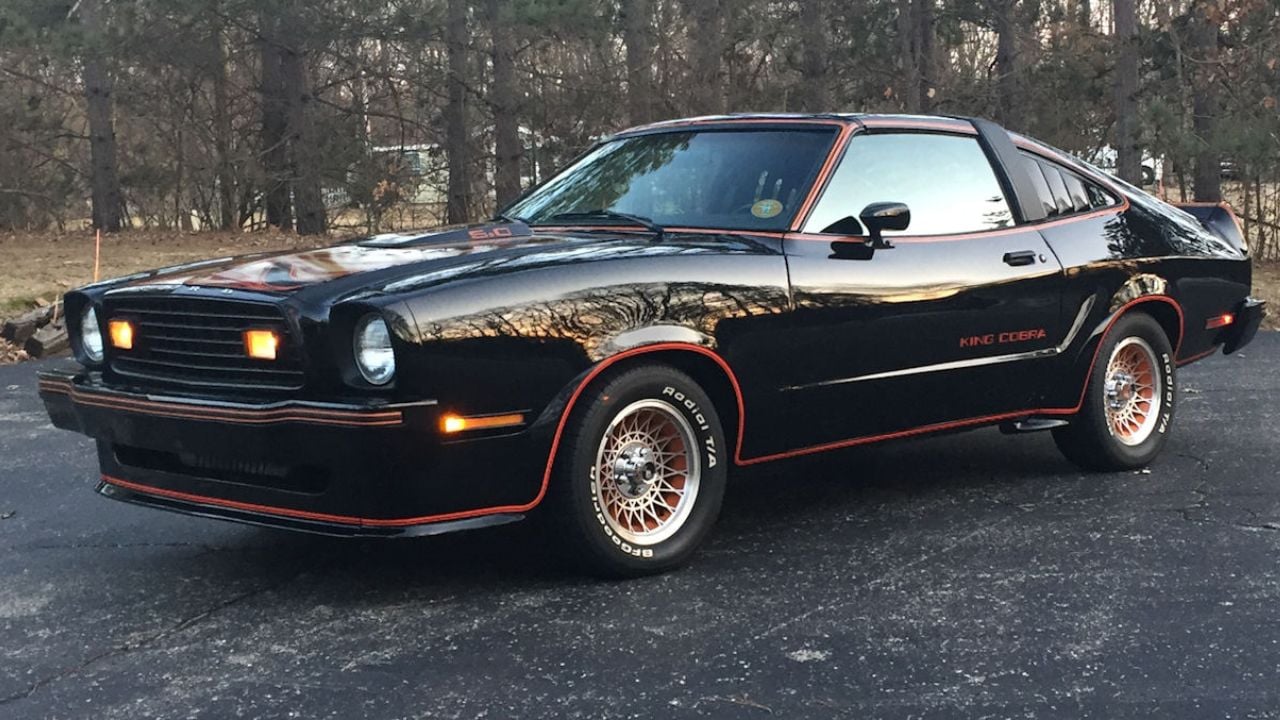
The Ford Mustang King Cobra of the late 1970s wore aggressive graphics, a wide stance, and a long hood that screamed performance. It looked like a muscle car built to dominate. Unfortunately, its numbers didn’t back up the promise. Testing recorded a 0-60mph time of about 10 seconds and a top speed near 120mph. For a Mustang with such bold looks, these figures were a letdown.
Emissions regulations and changing market demands had tamed its once wild spirit. Still, the King Cobra’s styling makes it memorable, a standout from a transitional period in Mustang history. It remains an example of how design can project an image of power even when the driving experience feels subdued. For collectors, it offers character, even if it lacks the performance bite.
Beauty Over Speed: A Lesson in Design Illusion
Timeless styling draws eyes before numbers tell their story. Some of these sports cars remain beloved because they defined eras visually, and some of them handled well enough that we didn’t care about raw acceleration anyway. Commercial appeal often leaned hard on aesthetics. Real performance didn’t always match visual ambitions. Drivers chose brand, looks, and hope. Manufacturers prioritized image, sometimes at the expense of torque or throttle response.
Enthusiasm grows from curves, headlights, and stance. Yet what lies beneath often whispers rather than roars. A design can look blistering while accelerating like a family sedan. Fans often remember the shape long after forgetting the lap times. Even now, collectors prize appearance over stats. Design legacy outperforms raw numbers in enduring reputation. This reminds us that style can masquerade as speed, and that appearance can matter more than punch.