
That “new car smell” is iconic, instantly recognizable, and oddly satisfying. For many drivers, it’s a sensory symbol of something fresh, clean, and full of possibility. But behind that crisp scent is a surprising story of chemistry, manufacturing, and changing consumer expectations.
What you’re actually smelling isn’t leather or luxury but rather a complex blend of airborne chemicals known as volatile organic compounds (VOCs), which are released by the plastics, foams, adhesives, and fabrics used in your car’s interior. These compounds evaporate over time in a process called off-gassing, filling the cabin with a cocktail of synthetic scents.
It might feel nostalgic and even comforting for some. But that new car aroma is far from natural, and today’s automakers are quietly phasing it out. Here’s what’s really happening inside your nose when you take that first deep breath behind the wheel.
How We Broke It Down
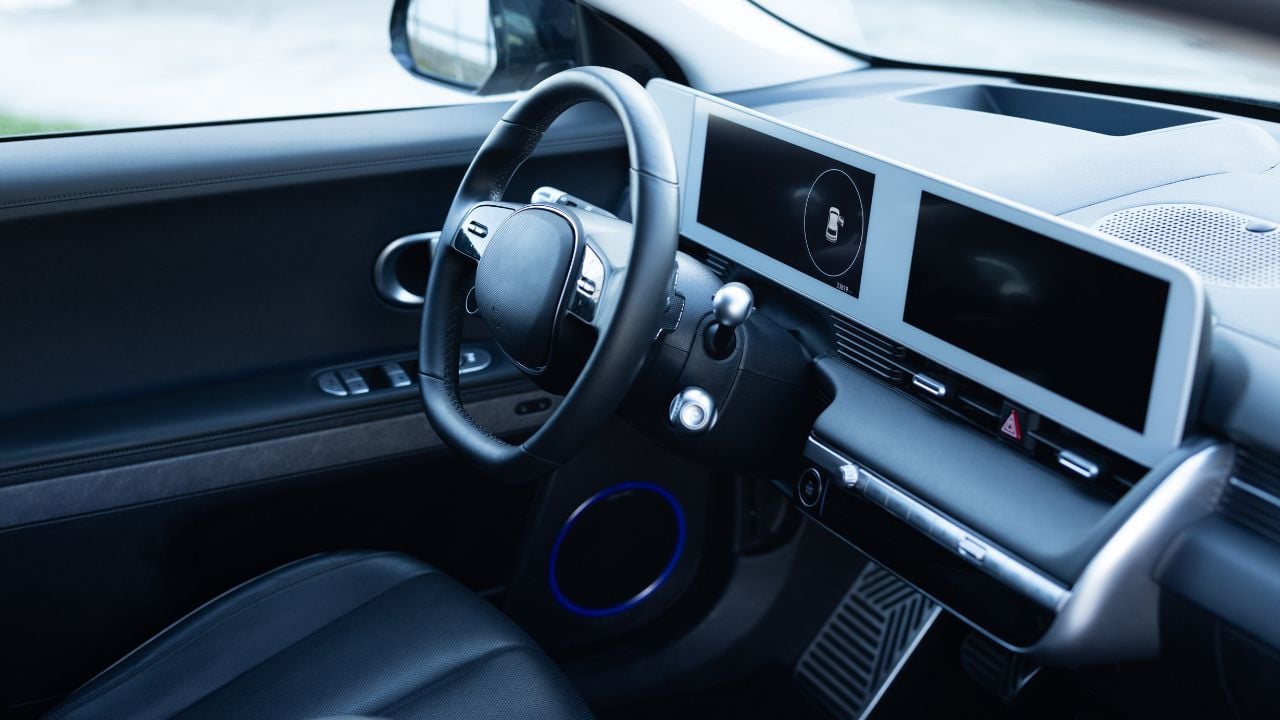
When I was younger, I never gave much thought to what that “new car” smell actually was. Most of the time, I never purchased a new car myself, so I was subjected to Little Trees’ “new car smell” air fresheners or enjoyed a vehicle purchase by a friend or family member.
But, when you think about it, what is that smell actually, and why is it so recognizable in new cars? I had to find out.
It’s Not Just One Smell — It’s a Chemical Cocktail

That new car smell? It’s not just one scent; it’s dozens of chemicals called VOCs, released from things like plastic, foam, and glue. This happens through off-gassing, especially when the car gets warm.
A 2000 screening study published in the Journal of Environmental Engineering reported over 60 chemicals in the interiors of four new vehicles. Compounds commonly found across the vehicles included toluene, ethylbenzene, and xylenes (among others). Some have a strong smell, others don’t, but they’re all in the air you breathe.
The Main Ingredients? Plastic, Glue, and Solvents

The new car smell originates from materials such as seat foam, vinyl, plastics, and adhesives. As these materials cure and age, they can emit VOCs. Depending on the vehicle and materials, measured compounds may include BTEX (benzene, toluene, ethylbenzene, and xylenes) and other VOCs such as aldehydes.
These aren’t just car-related. The U.S. EPA describes VOCs as common indoor air pollutants and notes that they can come from many products that use solvents, adhesives, or coatings, which are found in products such as paint, cleaners, and glues. In a new car, they all mix together in a warm, enclosed space, and that’s what you’re breathing in.
Temperature Plays a Big Role

Heat doesn’t just warm up your car; it ramps up the release of chemicals inside it. That’s why the new car smell is strongest after your vehicle’s been sitting in the sun, which is why that scent hits hardest on hot days.
Car makers are working to reduce these fumes, but for now, that “fresh” smell is mostly just a matter of chemistry.
It’s Fading – On Purpose

That new car smell isn’t as strong as it used to be, and that’s intentional. Automakers are working to reduce VOC emissions to meet growing health and environmental standards. Many automakers and suppliers have shifted toward lower-emission interior materials, including low-VOC plastics/foams and water-based or low-solvent adhesives, and they increasingly test interior air quality as part of material selection and validation to reduce chemical buildup inside the cabin.
The goal is to make cars safer and cleaner to breathe in, even if that means losing a bit of that “just-off-the-lot” scent.
Some Markets Want It Gone Completely

Not everyone loves that new car smell. In China, surveys have shown that many buyers find it unpleasant, even off-putting. In response, automakers have started designing “low-odor” interiors specifically for that market. China has also issued passenger-car cabin air-quality guidelines that set limits for several VOCs, which has increased pressure on manufacturers to control interior emissions. Some, like Geely, have in-house interior emissions standards to make sure these scents aren’t overpowering before the car reaches customers.
Airing It Out Helps

One of the simplest ways to reduce VOCs? Just crack a window. In general, ventilation helps dilute airborne chemicals in enclosed spaces. If a new-car odor feels strong, airing the vehicle out (opening doors/windows briefly before driving) and avoiding heat buildup can reduce the intensity.
Parking in the shade, using a sunshade, and letting the car air out before driving can all help lower those VOC levels and make your ride a little fresher and safer.
Some People Miss It

As manufacturers reduce VOCs, the iconic scent is fading, sparking demand for aftermarket “new car smell” air fresheners.
While these products try to mimic the aroma, most aftermarket ‘new car smell’ products rely on fragrance formulations to approximate the scent, rather than reproducing the exact mixture of VOCs found in a brand-new vehicle cabin. Popular examples include offerings from Yankee Candle and Chemical Guys, though the results vary.
The Scent of Change

That new car smell isn’t some magic finishing touch from the factory; it’s the byproduct of dozens of synthetic materials breaking down and releasing trace chemicals into the air. For years, it was almost a badge of honor, a sensory signal that you were driving something fresh off the line. However, as our understanding of air quality and chemical exposure advances, automakers are increasingly engineering it away intentionally.
Some drivers still love that scent and associate it with quality and luxury. Others worry about what it means for their health, especially in a sealed environment like a car. The shift toward safer, low-emission materials means your next new car might not smell quite like the last one, and that’s by design.
In the end, the “new car smell” is becoming less of a standard feature and more of a nostalgic memory. It’s a sign of progress, even if your nose isn’t thrilled about it.