The most advanced cars in 2026 are not just vehicles with large screens installed across the dashboard. Their technology has to manage real tasks: charging, route planning, driver assistance, cabin comfort, entertainment, performance, energy use, and safety systems.
The best high-tech cars also know when technology should stay out of the way. A useful system reduces driver workload, shortens charging stops, improves visibility, makes parking easier, or helps passengers use the cabin more comfortably.
This list focuses on 2026 models available to U.S. buyers. Each one brings a different version of modern automotive technology, from electric range and fast charging to hands-free driver assistance, rear-seat entertainment, software updates, and intelligent chassis systems.
The strongest choices are not here because of one impressive display or one headline feature. They stand out because several systems work together in a way that makes daily ownership easier.
The Tech Standard Behind These Picks

This selection focused on 2026 vehicles available in the U.S. market with technology that shapes the ownership experience. The criteria included digital cabin design, driver-assistance capability, charging speed, electric range, software integration, route planning, connected services, energy management, infotainment quality, advanced suspension systems, and how naturally the technology fits the vehicle’s purpose.
Cars with one impressive feature ranked lower than models where multiple systems work together in a useful way. A large screen mattered only when it improved control, information, passenger experience, or route planning.
Luxury, performance, and price helped only when they supported a stronger technology story. The final group covers sedans, SUVs, and electric performance cars because high-tech leadership now appears across several vehicle types.
Mercedes-Benz EQS Sedan

The Mercedes-Benz EQS Sedan belongs here because its technology is built around long-range electric luxury. Mercedes lists the 2026 EQS with a 118-kWh battery and up to 390 miles of EPA-estimated range.
The cabin is centered on MBUX and the available Hyperscreen layout, which combines a 12.3-inch driver display, a 17.7-inch OLED center display, and a 12.3-inch OLED passenger display beneath one glass surface.
The useful part is not just screen size. The EQS uses electric route planning, augmented navigation, natural voice control, and Mercedes’ zero-layer interface concept to reduce the number of menus the driver has to search through.
The EQS makes this list because its technology supports quiet electric travel. Range, navigation, cabin interface, and comfort systems all work toward the same goal: making long EV trips feel less demanding.
BMW i7
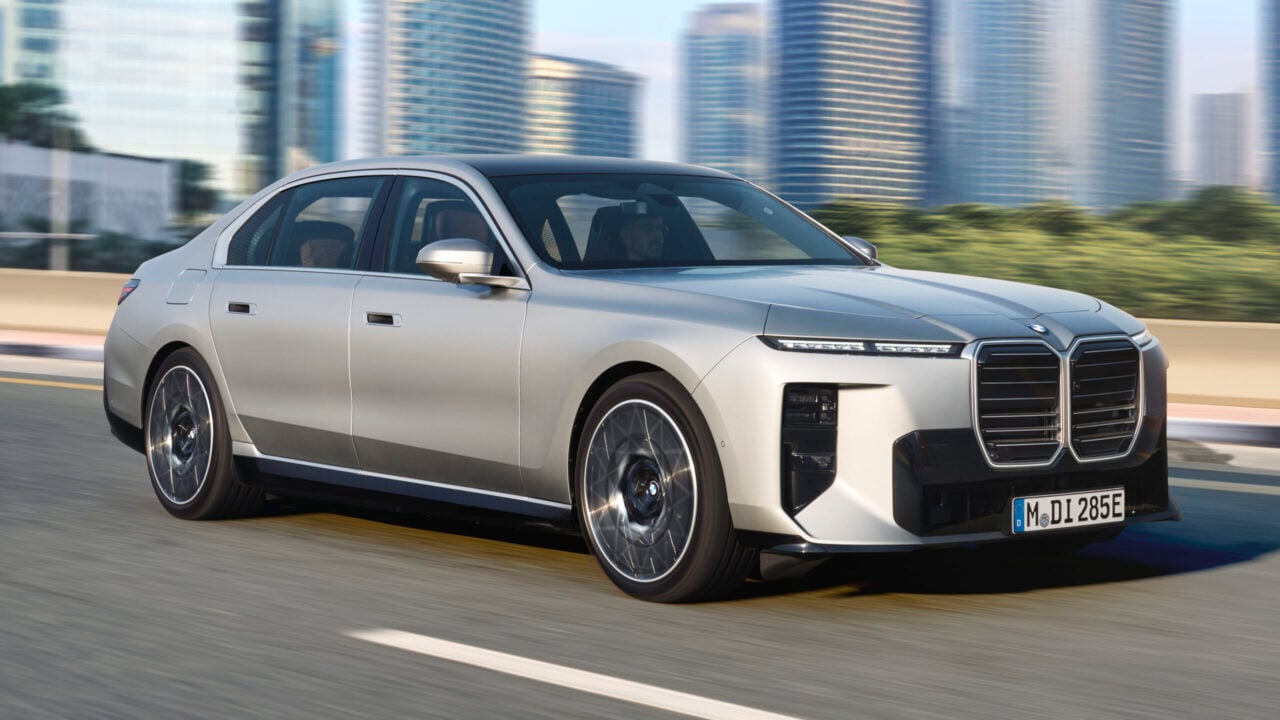
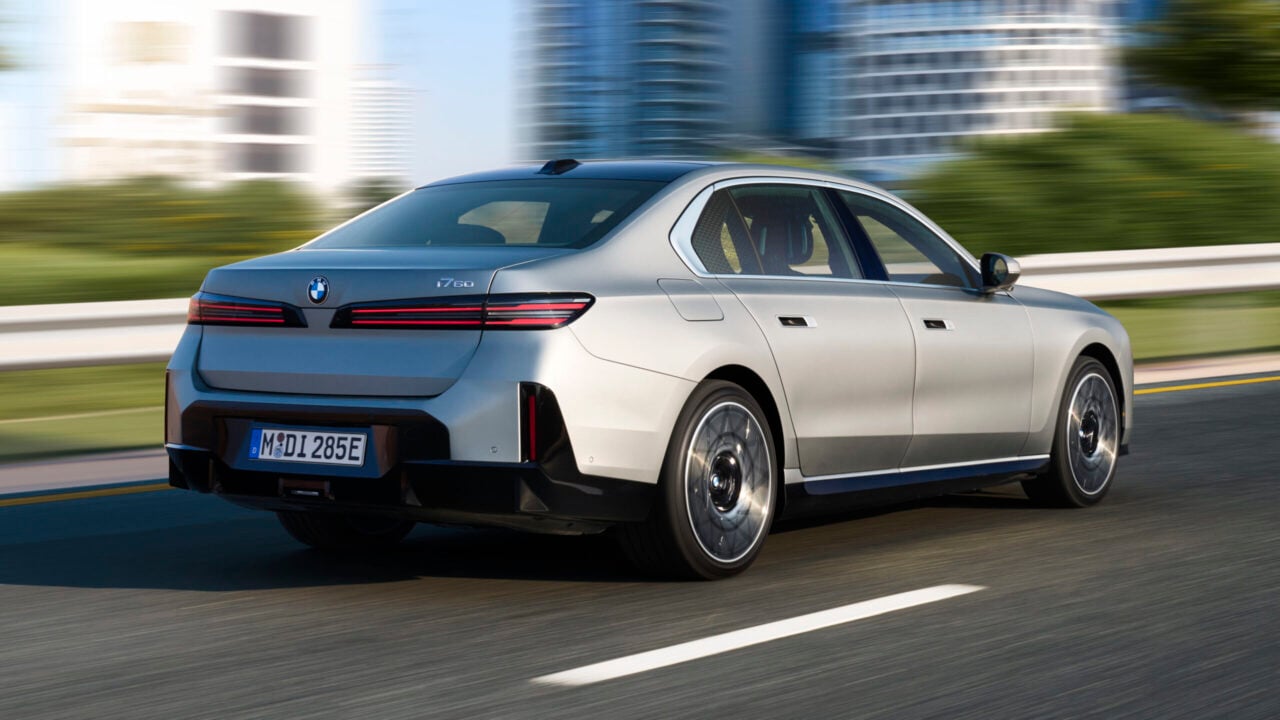
The BMW i7 turns rear-seat technology into a major part of the luxury experience. BMW highlights an available 31.3-inch BMW Theatre Screen with integrated Amazon Fire TV, giving rear passengers a cinema-style display inside the car.
The i7 also uses the electric 7 Series platform to combine silent driving, strong acceleration, available xDrive traction, and a cabin designed for both driver and passenger use.
The technology story is strongest in the second row. The Theatre Screen changes how passengers use the car on long trips, while the electric powertrain and driver-assistance features help the i7 work as both a luxury sedan and an executive shuttle.
It belongs here because its most advanced feature is not aimed only at the driver. The i7 treats passengers as part of the technology brief, which is still rare outside the top end of the luxury market.
Cadillac Escalade IQ
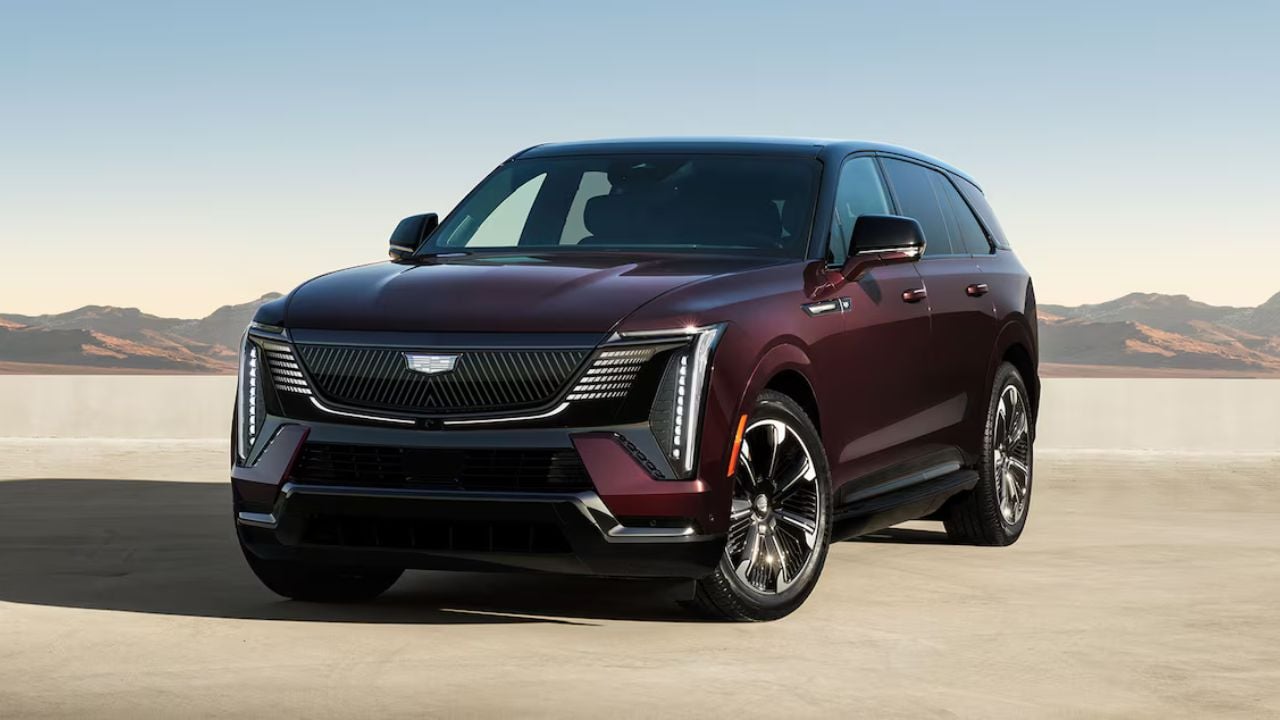
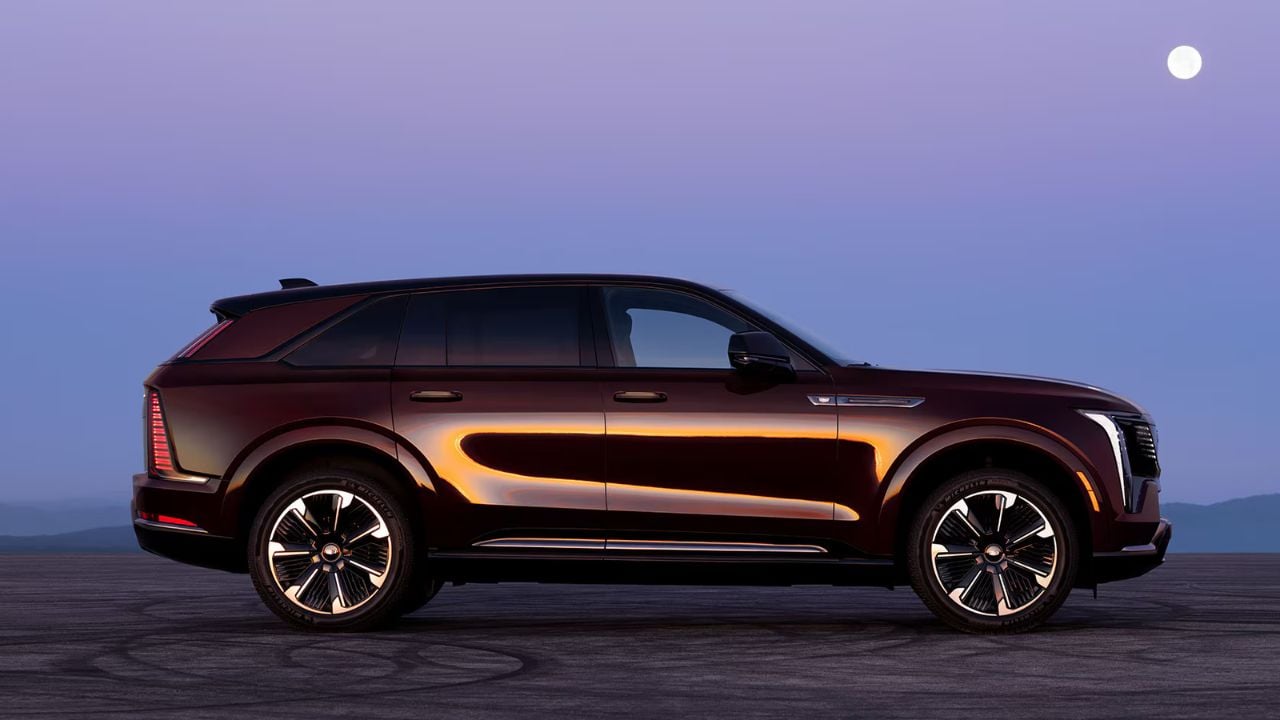
The Cadillac Escalade IQ brings the Escalade name into the electric technology era. Cadillac says the 2026 Escalade IQ is built from the ground up on a proprietary EV architecture and lists a Cadillac-estimated 465 miles of range.
The cabin and chassis tech are central to the vehicle. Cadillac highlights a curved pillar-to-pillar 55-inch Horizon Display, Super Cruise hands-free driver-assistance technology, Google built-in compatibility, 5G Wi-Fi hotspot capability, a 12.2-cubic-foot eTrunk, Air Ride Adaptive Suspension, Magnetic Ride Control, and 4-Wheel Steer.
Those systems help solve real problems for a very large electric SUV. The range supports road trips, the eTrunk adds secure storage, the suspension improves ride comfort, and 4-Wheel Steer helps maneuver a full-size luxury SUV in tighter spaces.
The Escalade IQ belongs here because it uses technology to update a familiar American luxury formula. It is still large, comfortable, and commanding, but the experience now depends on battery range, software, displays, ride systems, and maneuverability tech.
Lucid Air Grand Touring

The Lucid Air Grand Touring makes range and efficiency the center of its technology story. Lucid lists the Air Grand Touring with up to 512 miles of EPA-estimated range when equipped with 19-inch wheels, 819 hp, all-wheel drive, and a 3.0-second 0-to-60 mph time.
Charging speed supports that long-distance role. Lucid says the Air Grand Touring can add up to 200 miles of range in about 12 minutes when connected to a 350-kW DC fast charger and equipped with 19-inch wheels.
The car’s 0.197 drag coefficient also matters. It shows that the Air’s technology is not limited to screens or software; aerodynamics, battery efficiency, charging performance, and powertrain tuning all shape the experience.
The Air Grand Touring belongs here because it uses engineering efficiency as luxury technology. Long range, fast charging, strong performance, and a quiet cabin make it one of the most convincing EV sedans for long-distance travel.
Tesla Model S
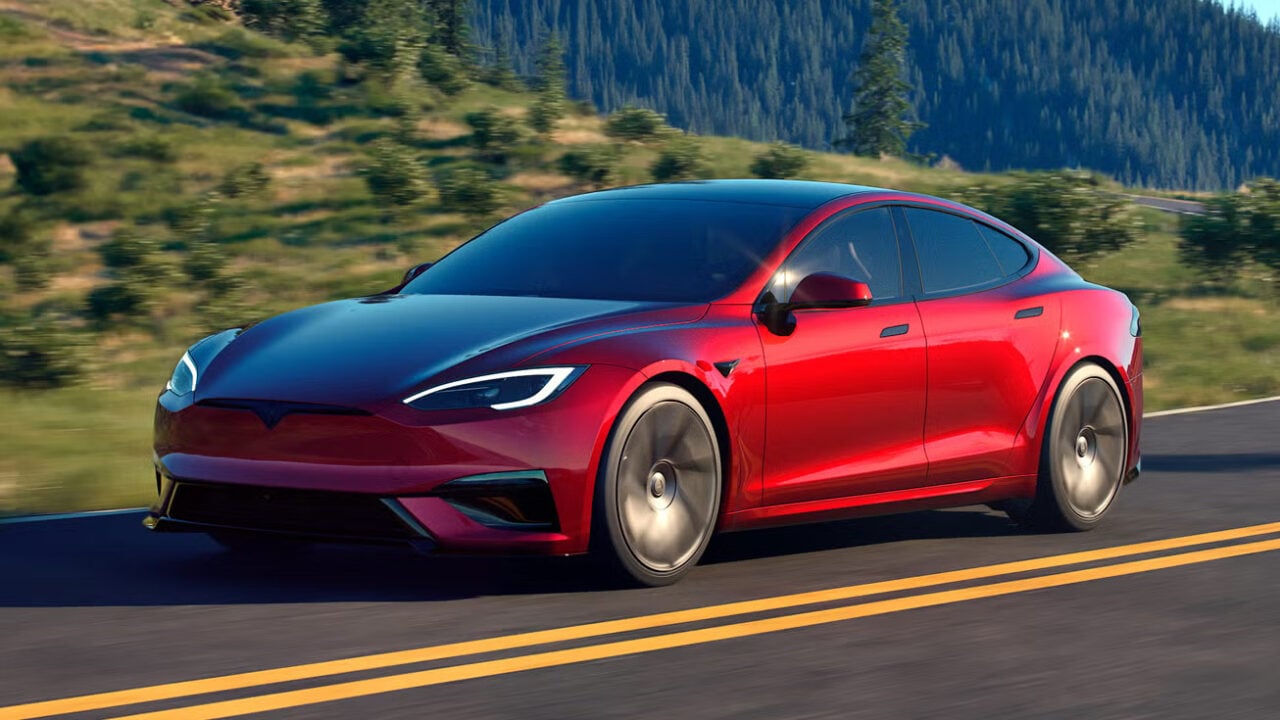
The Tesla Model S remains one of the clearest examples of software shaping a car’s identity. Tesla lists the Model S with up to 410 miles of EPA-estimated range, 670 hp, a 3.1-second 0-to-60 mph time, and 250-kW Supercharging capability.
Tesla’s Full Self-Driving Supervised system can assist with lane changes, route-following, navigation choices, parking, and turns, but Tesla states that the driver remains responsible and must actively supervise the system. That caveat matters because the technology is driver assistance, not full autonomy.
The Model S also benefits from Tesla’s charging integration and software-based ownership experience. Route planning, Supercharger access, battery preconditioning, app controls, and over-the-air updates remain central parts of how the car works.
It belongs here because the Model S still treats software as part of the vehicle’s core engineering. The cabin is simpler than some newer luxury rivals, but the charging ecosystem and software layer remain major advantages.
Rivian R1S

The Rivian R1S uses technology for family travel, safety, and adventure rather than only luxury display value. Rivian describes the R1S as a seven-seat electric SUV built for performance, luxury, sustainability, and adventure.
Rivian says its vehicles offer up to nine drive modes, depending on configuration, to optimize performance for different terrain at the touch of a button. That matters in an SUV designed for pavement, dirt, snow, sand, towing, and family trips.
Rivian’s autonomy page highlights Dynamic Brake Support and notes that the 2026 R1S earned a Top Safety Pick+ rating from the IIHS. The company also stresses that driver-assistance features support the driver but do not replace attention or control.
The R1S belongs here because its technology supports several jobs at once. It has to work as an electric family SUV, an adventure vehicle, a safety-focused daily driver, and a quiet long-distance cruiser.
Porsche Taycan
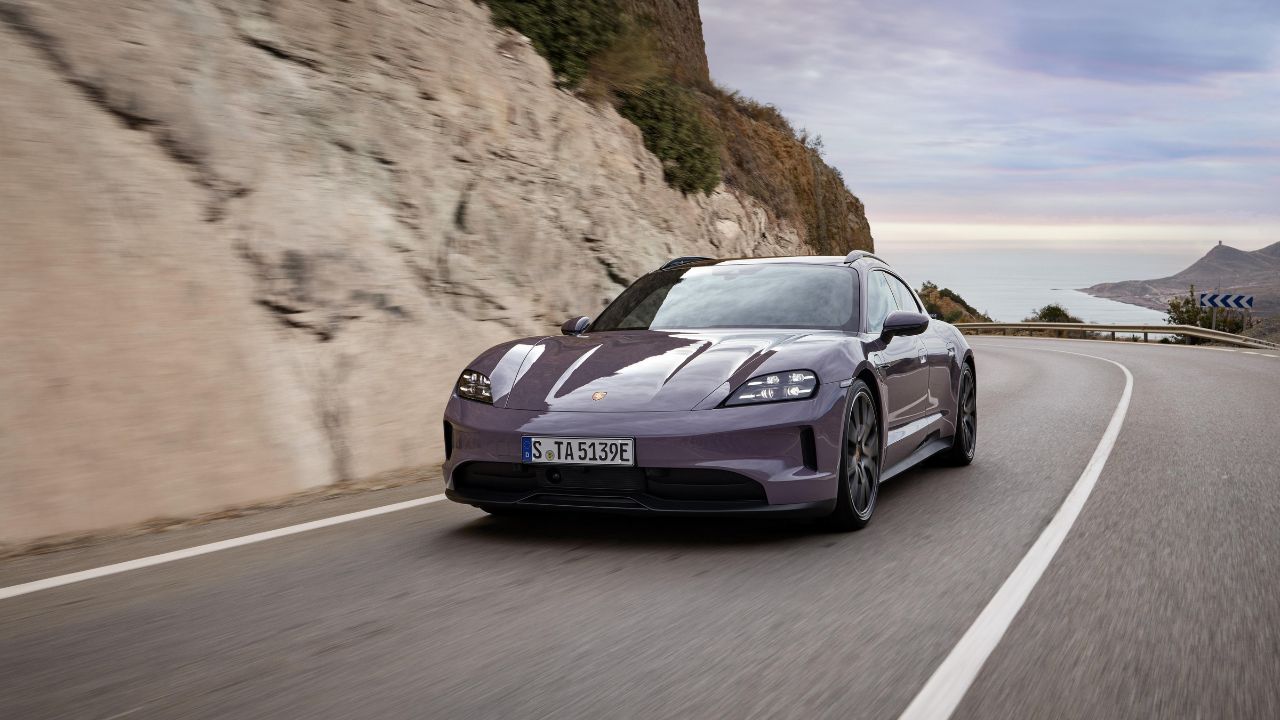
The Porsche Taycan proves that high technology can still be built around driving feel. Porsche lists 800-volt battery technology with up to 320-kW charging capability when equipped with the Performance Battery Plus.
Under ideal conditions, Porsche says the Taycan can charge from 10 to 80% in as little as 18 minutes. Porsche EV drivers also gained Tesla Supercharger access through a NACS adapter, with Porsche planning deeper integration through its own charging services.
The Taycan’s technology is not mainly about cabin spectacle. It is about thermal control, charging speed, battery architecture, repeatable performance, chassis tuning, and steering response.
That is why it belongs here. The Taycan uses advanced engineering to make an EV feel precise, quick, and usable over distance without giving up the driving character expected from Porsche.
When Technology Actually Makes Driving Easier
The most advanced cars in 2026 are not defined by the largest screen alone. They are defined by how well the technology solves normal problems: route planning, charging stops, parking, safety support, passenger comfort, ride quality, and energy use.
The EQS and i7 focus on cabin interface and luxury travel. The Escalade IQ uses technology to make a large electric SUV easier to drive and more useful. The Lucid Air and Model S show two different versions of long-range EV thinking. The Rivian R1S uses software for family use and adventure, while the Taycan applies advanced EV hardware to performance driving.
The strongest systems reduce friction. They make the car easier to charge, easier to navigate, easier to park, easier to relax in, or easier to trust in changing conditions.
That is the real test now. The most advanced car is not always the one with the most visible hardware. It is the one whose technology keeps helping after the first impression has worn off.