The 1970s weren’t exactly known for fuel efficiency or environmental consciousness, but they sure knew how to build vehicles that could go anywhere and haul anything. This was the decade when SUVs started transitioning from purely utilitarian workhorses to something families might actually consider driving to the grocery store.
While these machines were thirsty at the pump and about as refined as a wooden crate, they possessed a rugged charm and capability that modern SUVs often struggle to match.
Chevrolet K5 Blazer (1969 to 1994, peaked in the 1970s)

The K5 Blazer was basically a pickup truck that someone had the brilliant idea to put a roof on. With its removable hardtop and soft top options, it offered the versatility that made it equally at home on a construction site or a weekend camping trip.
The thing was built like a tank and could climb over obstacles that would make today’s crossovers whimper.
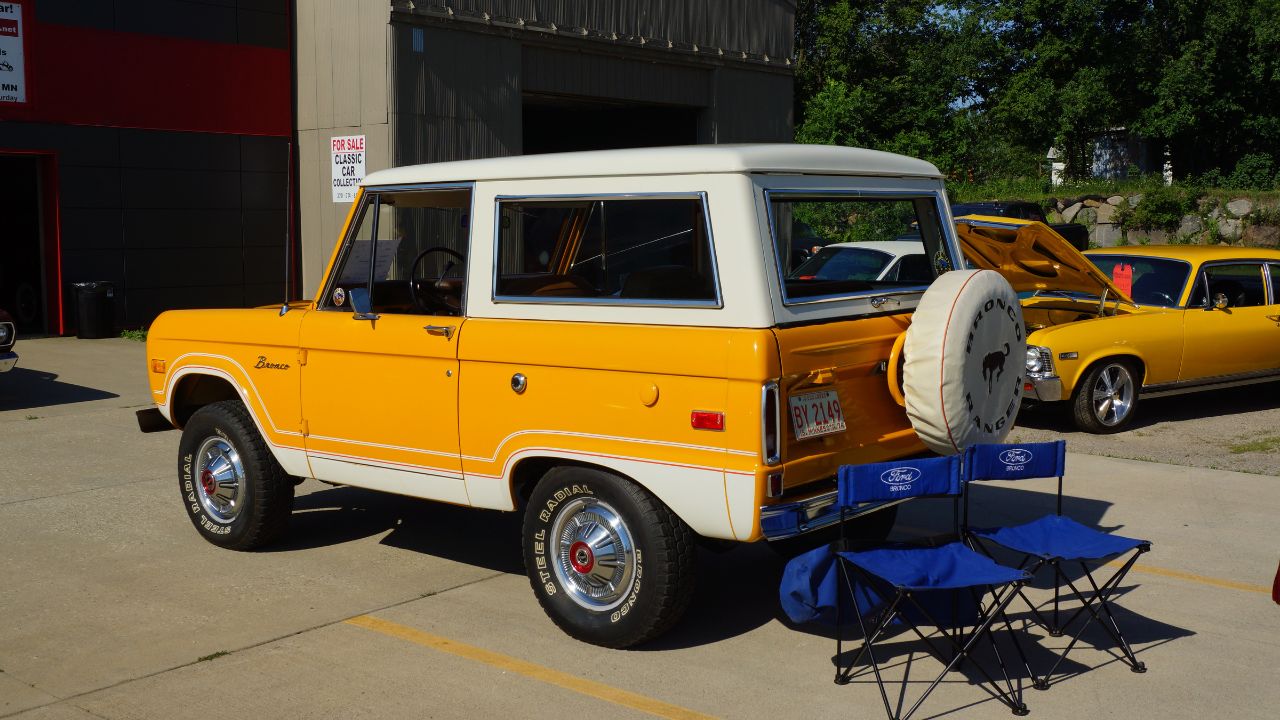
Ford Bronco (First Generation, 1966-1977)
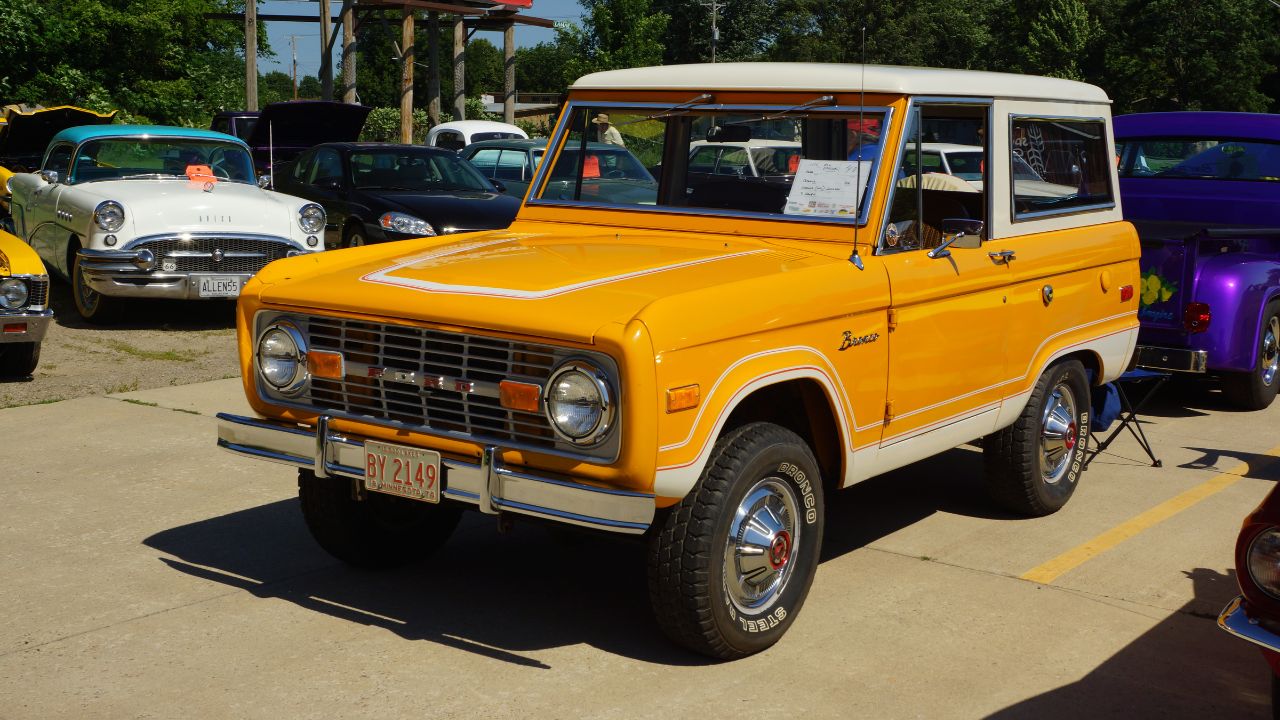
Ford’s answer to the Jeep CJ series came with a compact frame but serious off-road credentials. The early Broncos were refreshingly simple; you got four-wheel drive and not much else to break down. They started with a 170 cubic inch inline six, and a 289 V8 was available as an option.
What made it special was its perfect size: small enough to navigate tight trails but substantial enough to feel secure when things got rough.
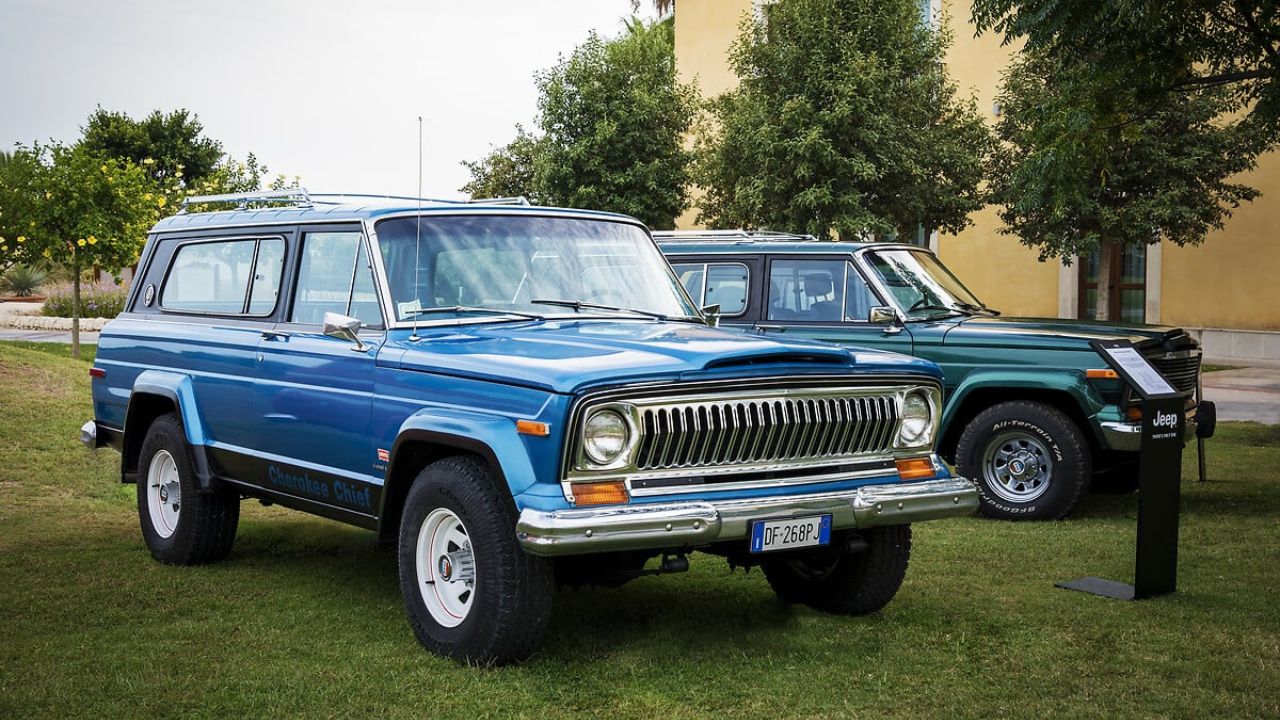
Jeep Cherokee SJ (introduced in 1974, sold through 1983)

This was Jeep’s attempt to create a more civilized SUV without losing its off-road DNA. The Cherokee SJ offered more interior space and comfort than the smaller CJ models, making it one of the first SUVs that families could actually live with daily.
It struck a nice balance between capability and comfort that would influence SUV design for decades to come.
International Harvester Scout II (1971-1980)

International Harvester built farm equipment, so they knew a thing or two about making things tough. The Scout II had a distinctive boxy design that prioritized function over form, and it delivered serious off-road performance.
While it never achieved the popularity of its competitors, those who owned one swore by its durability and no-nonsense approach to getting work done. And they were apparently fun to drive, too, reported MotorTrend.
Jeep Wagoneer (1963-1991, Refined Through the ’70s)

Often considered a key early upscale 4×4 wagon, the Wagoneer helped normalize comfort features in a four-wheel-drive family vehicle. Early Wagoneers offered an available automatic transmission, factory optional air conditioning arrived by 1964, and power steering and other conveniences became common options as the model evolved. It proved that you didn’t have to sacrifice comfort to get serious four-wheel-drive capability.
The wood-grain paneling that appeared in later years might look dated now, but it showed that SUVs could appeal to suburban families, not just outdoorsmen. At the time, it was quite stylish (and it still turns heads now).
Chevrolet Suburban (Seventh Generation, 1973-1991)
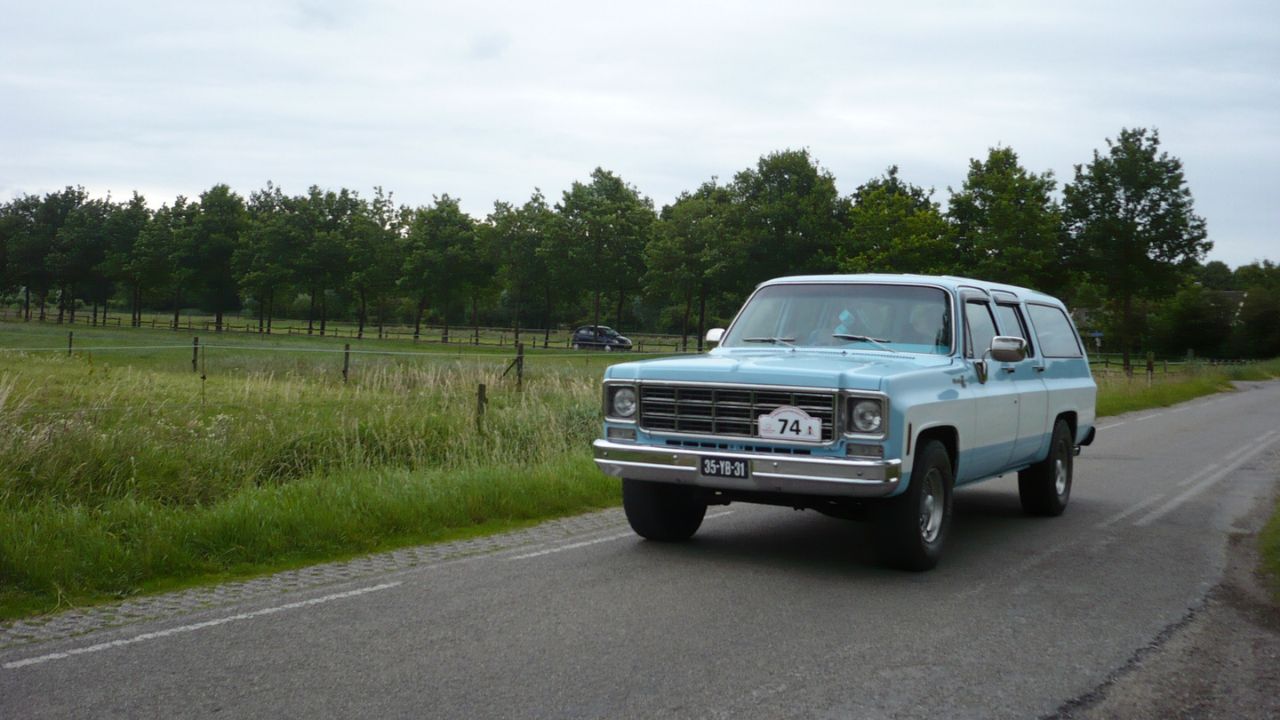
The Suburban was the SUV for people who needed to haul an entire baseball team and their equipment. Built on a truck chassis, it offered three rows of seating and cargo space that seemed almost unlimited.
While it handled like the truck it essentially was, nothing else could match its combination of passenger capacity and towing capability.
Conclusion
These 1970s SUVs laid the groundwork for today’s SUV-dominated market, though they approached the job with a completely different philosophy. They were honest vehicles built for people who actually needed their capabilities, not just the image of ruggedness. Sure, they got terrible gas mileage and rode like covered wagons, but they could also run for decades with basic maintenance and tackle terrain that would strand most modern vehicles.
In an era before computer-controlled everything, these SUVs proved that sometimes the best approach is simply building something strong enough to handle whatever you throw at it.