The best sleeper cars never announced themselves with flashy spoilers or racing stripes. Instead, they quietly rolled off dealer lots looking like your neighbor’s daily driver, hiding serious performance under mundane bodywork. These unassuming machines often surprised people who underestimated them, delivering quick acceleration and sharp handling without drawing unwanted attention.
From muscle car era wolves in sheep’s clothing to import sedans and wagons that blended into traffic, the golden age of sleepers spans decades of automotive history. For enthusiasts, these are the “if you know, you know” cars: subtle on the surface, serious under the skin.
Performance figures vary by model year and configuration; specifications below reflect commonly cited factory ratings for each model. Here are some of the most deceptive performers who blended in everywhere except at the stoplight.
Buick Grand National

Buick’s farewell to performance came wrapped in sinister black paint and understated elegance. The turbocharged 3.8-liter V6 produced 245 horsepower in 1986-1987 models, making it quicker than the 1986 Corvette in straight-line acceleration.
What made it the ultimate sleeper was its luxury car demeanor, complete with a plush interior and smooth ride quality that belied its 13-second quarter-mile capability.
Plymouth Duster 340
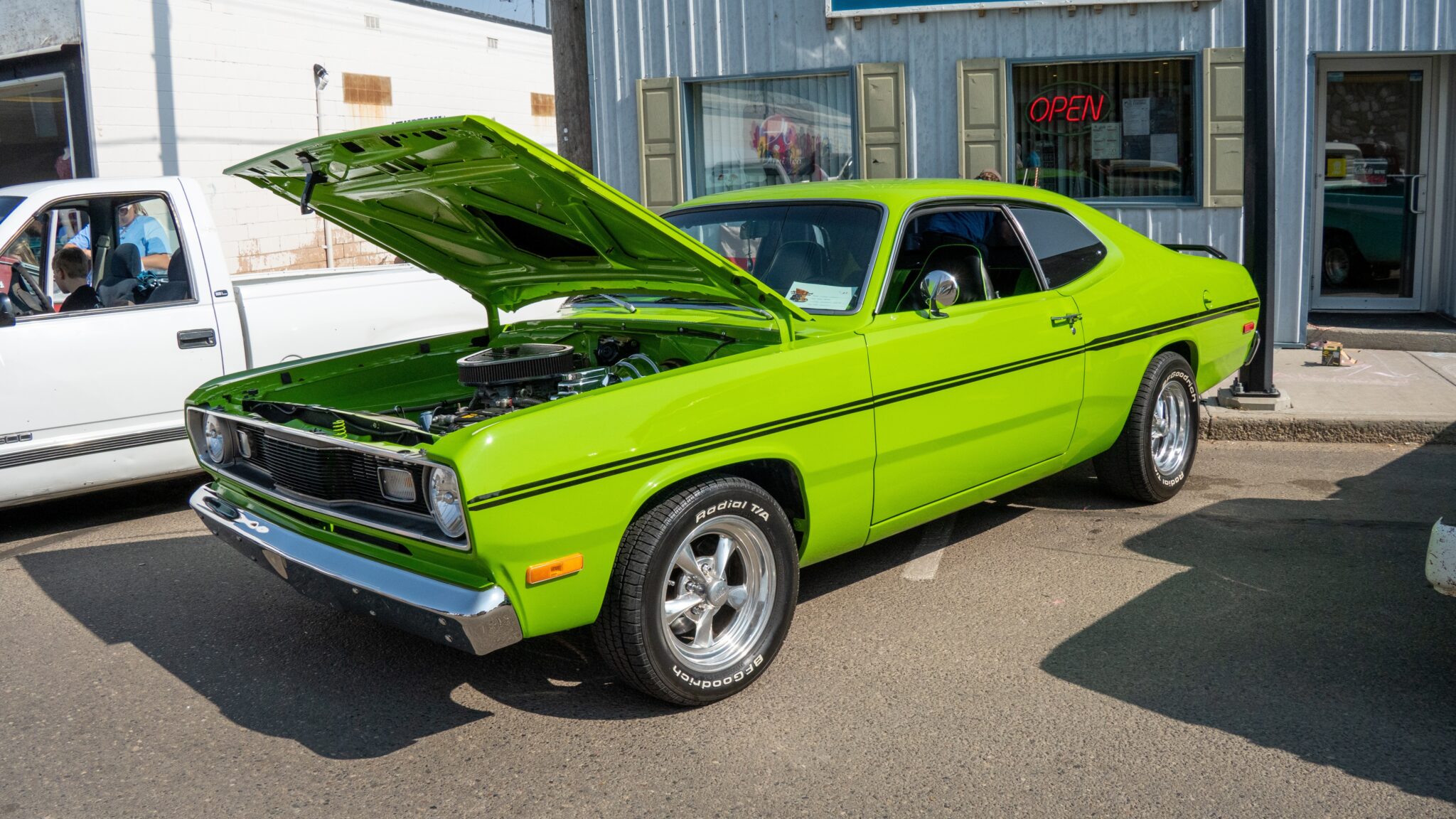
Compact, affordable, and designed to be practical, the Duster didn’t look like a performance car at first glance. But when fitted with Chrysler’s 340-cubic-inch small-block V8, it could hold its own against much more obvious muscle.
From the outside, a six-cylinder Duster looked very similar to the 340 version, aside from subtle trim and badging differences, the difference only became clear once the engine roared to life. That made it a favorite among street racers who valued staying under the radar while still having serious power.
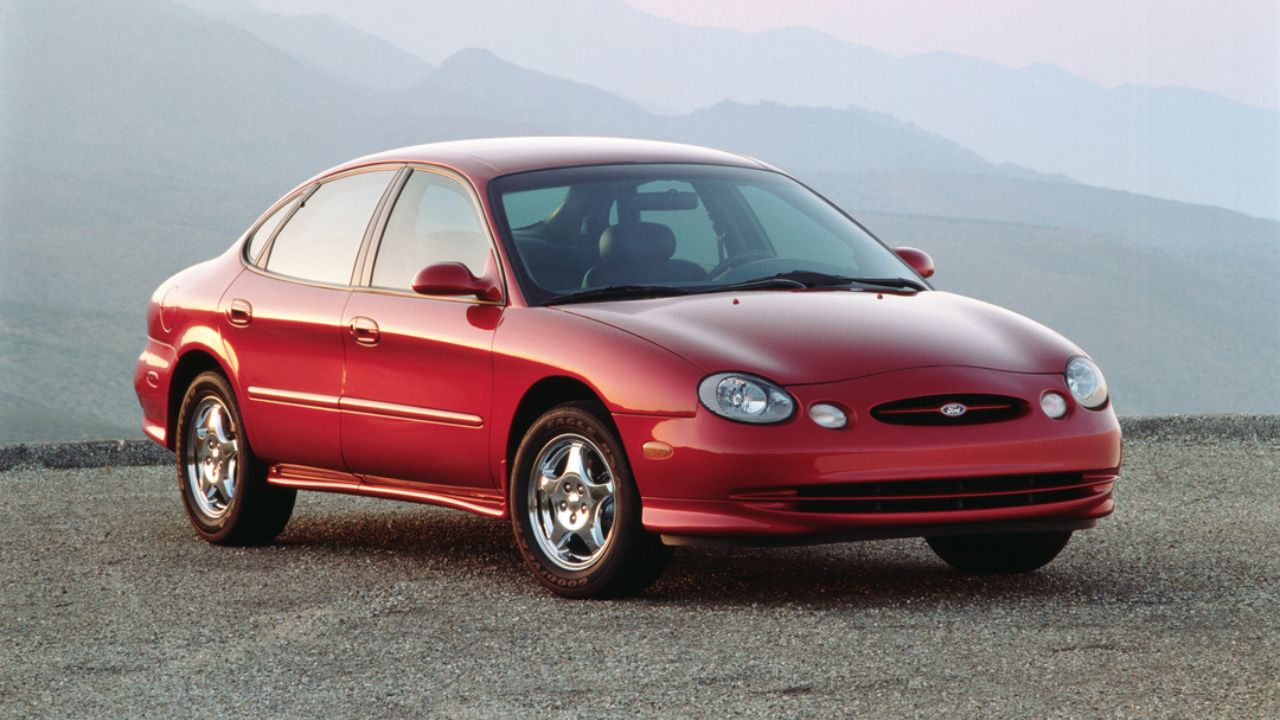
Ford Taurus SHO

Ford shocked the sedan world by stuffing a Yamaha-built V6 into their family hauler. The Yamaha-designed 3.0-liter engine revved to 7,000 rpm (manual models) and produced 220 horsepower, transforming the mundane Taurus into a genuine sports sedan.
Only subtle SHO badges and different wheels distinguished it from the rental car fleet, making it the perfect Q-ship.
Ford Contour SVT
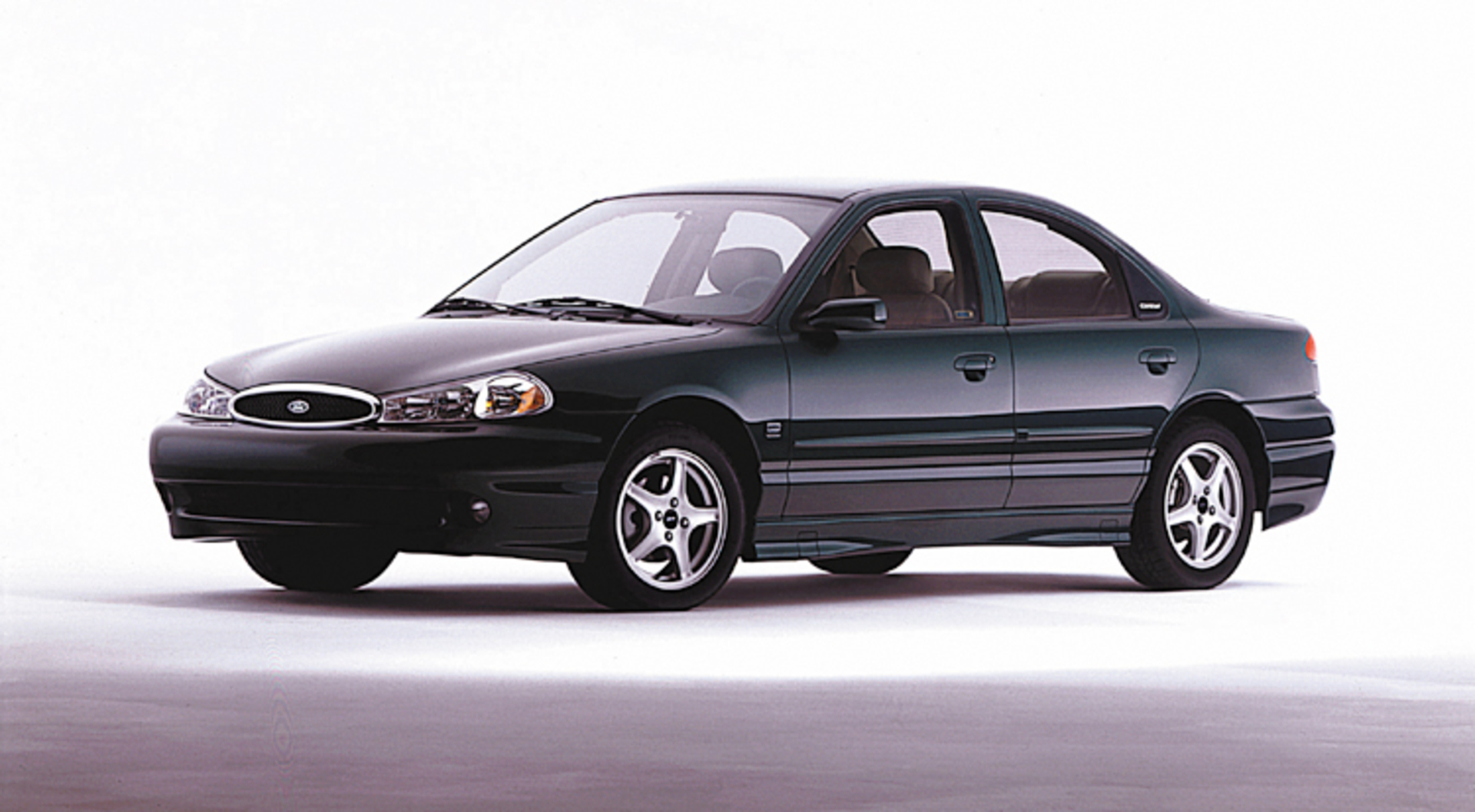
Ford’s Special Vehicle Team gave the humble Contour a serious upgrade in the late 1990s and early 2000s. The SVT badge might have tipped off enthusiasts, but to most buyers, it was just another compact sedan parked in the office lot.
Underneath, it had a high-revving 2.5-liter V6 tuned for 195 horsepower in 1998–1999 models (200 hp in 2000), a slick 5-speed manual, and one of the sharpest chassis of its era. For those who didn’t follow car magazines closely, the Contour SVT went unnoticed, but among drivers who knew, it became a hidden gem of handling and balance.
Dodge Dart/Plymouth Valiant

These compact A-bodies became legendary when equipped with small-block V8 engines, particularly when equipped with the 340 V8 (and later 360 in some trims). A slant-six Dart looked identical to a 340 Swinger until the engine fired up.
Their unassuming nature and relatively affordable prices made them popular with street racers who appreciated flying under the radar while delivering serious performance.
Ford Mustang SVO

People expected a Mustang with a 5.0 V8 to be quick. What they didn’t expect was for a four-cylinder version to hold its own. The Mustang SVO’s turbocharged 2.3-liter delivered up to 200 horsepower in later models and impressive handling, making it ahead of its time in the mid-1980s.
The SVO wore a unique front end and rear wing, but many casual observers didn’t associate four-cylinder Mustangs with serious performance. In Europe, turbocharging was already understood; in the U.S., many enthusiasts had to experience it firsthand to believe it.
Chevrolet SS

At a glance, the Chevy SS looked like a Malibu or Impala. In reality, it hid a 6.2-liter LS3-based L77 V8 with 415 horsepower and rear-wheel drive. Brembo brakes, sport suspension, and an optional manual transmission made it a true performance sedan, but one that blended into traffic almost too well.
Unless you knew what you were looking at, the SS was just another big sedan in a dealership lot. On the road, it was anything but ordinary.
Volvo S60R / V70R
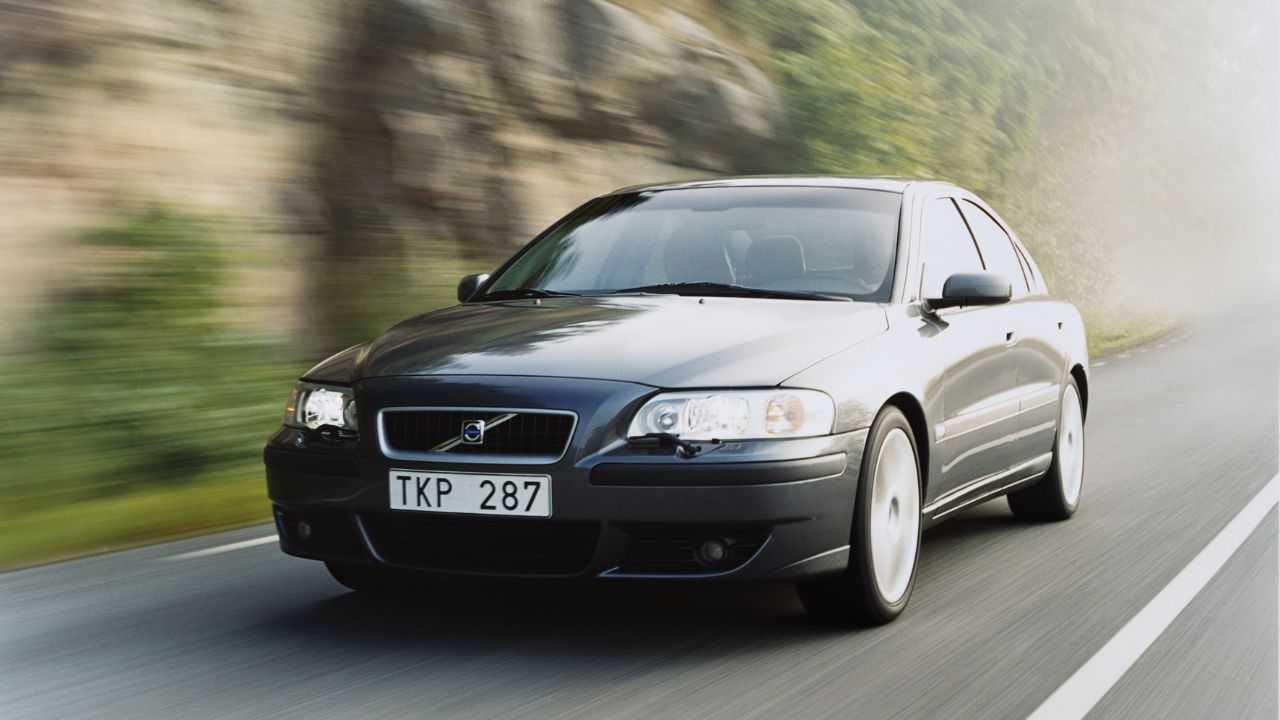
Volvo’s reputation for safety and sensible wagons made the R models some of the best sleepers of the 2000s. Beneath the understated styling lay a 2.5-liter turbocharged five-cylinder engine producing 300 horsepower, paired with Haldex-based all-wheel drive and adaptive suspension.
To most people, it was just another Swedish family car. To those in the know, it was a stealthy rival to European sport sedans, especially in wagon form.
Mercury Marauder
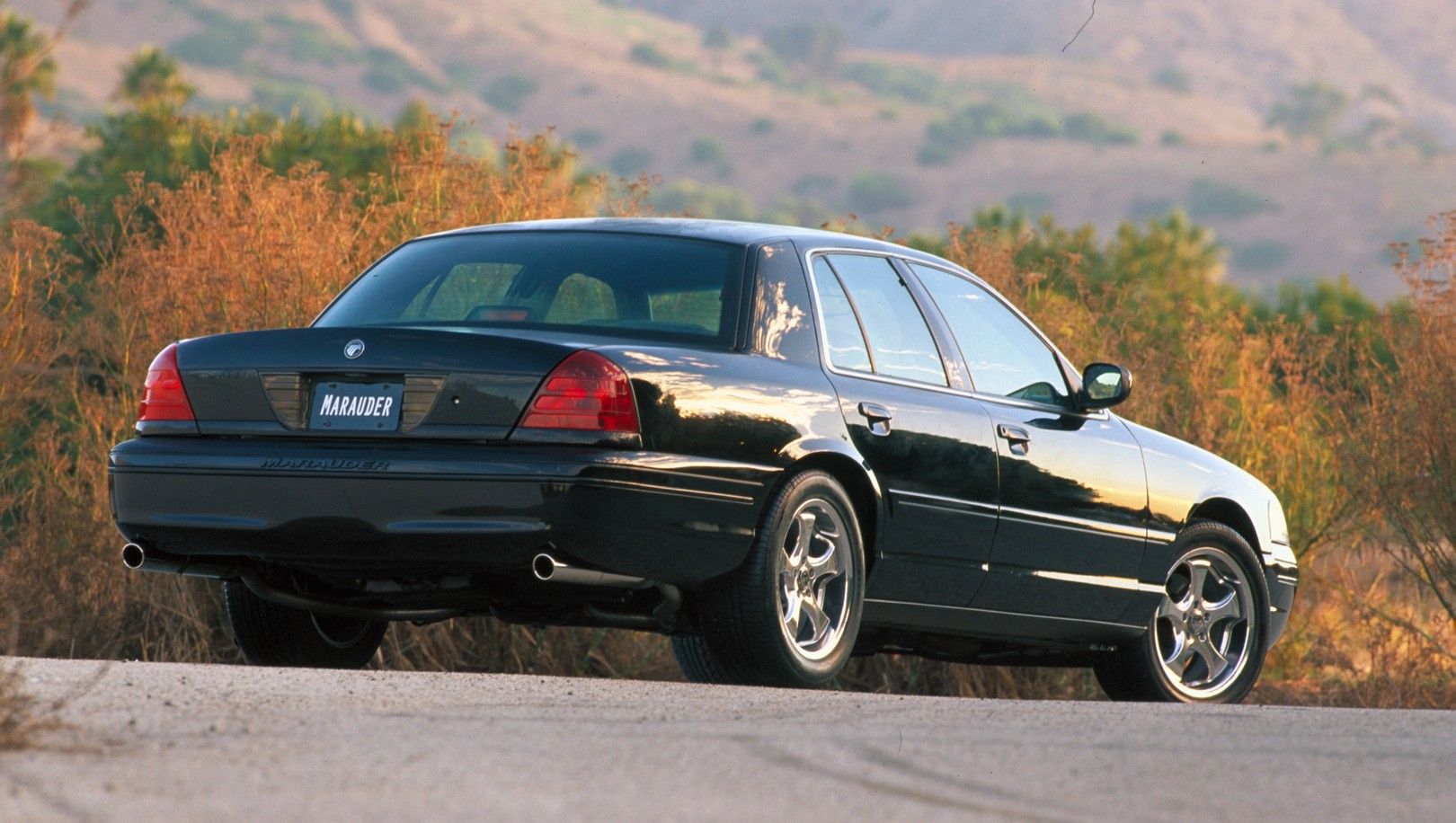
The Marauder looked like a blacked-out Grand Marquis, the kind of car you’d expect to see in an airport parking lot. Underneath, though, was a 302-horsepower 4.6-liter DOHC V8 related to the Mustang Mach 1’s 4.6-liter DOHC V8 but tuned differently, along with stiffer suspension and larger brakes.
It never shed its full-size sedan demeanor, which made its performance even more surprising. For anyone who assumed it was just another fleet car, the Marauder had a way of changing minds quickly.
Mazdaspeed6
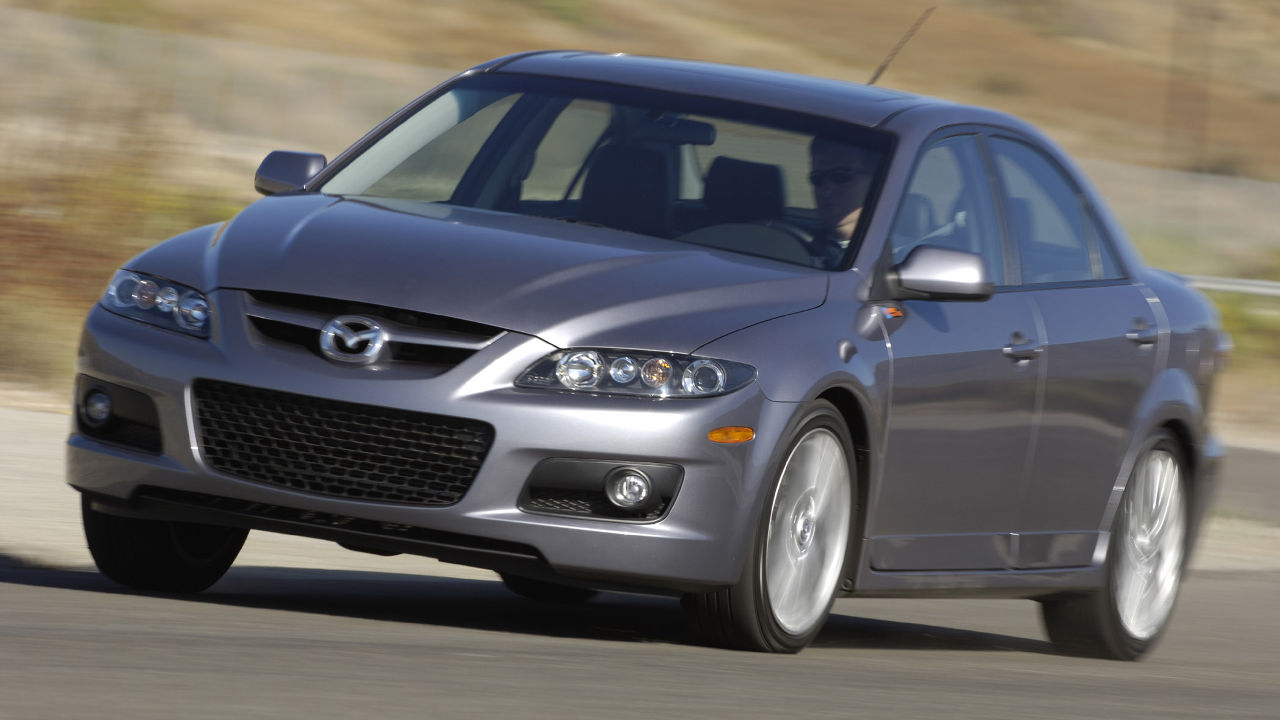
At a time when midsize sedans blended, Mazda slipped a turbocharged 2.3-liter four-cylinder under the hood of the otherwise mild-mannered Mazda6. With 274 horsepower, active all-wheel drive, and a sport-tuned chassis, the Mazdaspeed6 could run with far more expensive machinery.
Visually, it wasn’t much different from a standard family sedan. That anonymity, paired with its performance, made it a true sleeper of the 2000s.
Conclusion

These sleeper cars prove that the most memorable automotive experiences often come from the least expected places. While exotic supercars grabbed magazine covers, these understated performers were winning street races and building loyal followings among those who knew what to look for.
Their legacy lives on in today’s market, where clean examples command serious money from collectors who finally appreciate their subtle genius. The best sleepers never needed to shout about their capabilities, they just quietly delivered when it mattered most.