Spain is often associated with scorching summer heat, packed beaches, and overcrowded historic centers, but winter reveals a very different and often more enjoyable side of the country. As temperatures cool, cities become more livable, cultural attractions more accessible, and daily life more authentic. Travelers who visit Spain during the winter months often discover calmer streets, lower prices, and a deeper connection to local culture. In many cases, these cities are not just tolerable in winter, but genuinely better.
Winter in Spain brings mild weather compared to much of Europe, making sightseeing comfortable without extreme cold. Hotels and rentals drop in price, restaurants are easier to book, and attractions can be enjoyed without long lines. Seasonal traditions, food festivals, and local celebrations add richness to the experience. These ten Spanish cities shine brightest when summer crowds disappear.
Seville

Seville is notoriously hot in summer, with temperatures often exceeding 40°C, making sightseeing exhausting and uncomfortable. In winter, the city transforms into a pleasant and walkable destination, with mild days perfect for exploring historic neighborhoods. The absence of extreme heat allows visitors to fully appreciate architectural masterpieces like the Alcázar and Seville Cathedral. Streets feel calmer, and daily life unfolds at a relaxed Andalusian pace.
Winter temperatures in Seville typically hover between 10°C and 18°C, ideal for long walks and outdoor dining. Cafés and tapas bars regain their local character, welcoming residents rather than crowds of tourists. The city’s orange trees, plazas, and narrow streets feel more intimate during this season. Even popular areas retain a sense of authenticity rarely found in summer.
Cultural life thrives during winter, with flamenco performances, concerts, and religious events taking center stage. Seasonal dishes like hearty stews and local pastries become more prominent on menus. Accommodation prices drop significantly, allowing visitors to stay in central neighborhoods affordably. Winter reveals Seville at its most comfortable and genuine.
Córdoba

Córdoba’s summer heat can be overwhelming, often deterring travelers from exploring its rich history. Winter brings mild temperatures that make wandering the old Jewish Quarter and Roman streets far more enjoyable. Landmarks like the Mezquita can be visited without crowds pressing in every direction. The city feels open, calm, and deeply atmospheric.
With fewer tourists, Córdoba’s historic center becomes a place of quiet discovery rather than hurried sightseeing. Winter light enhances the city’s stone buildings and hidden courtyards. Local markets and cafés feel more personal, offering a slower and more authentic experience. The city’s rhythm aligns naturally with the season.
Winter also highlights Córdoba’s culinary traditions, with warming dishes replacing summer fare. Prices for accommodation and dining remain lower, especially compared to peak spring and summer months. Cultural events and exhibitions continue without interruption. Córdoba in winter feels timeless and deeply immersive.
Granada

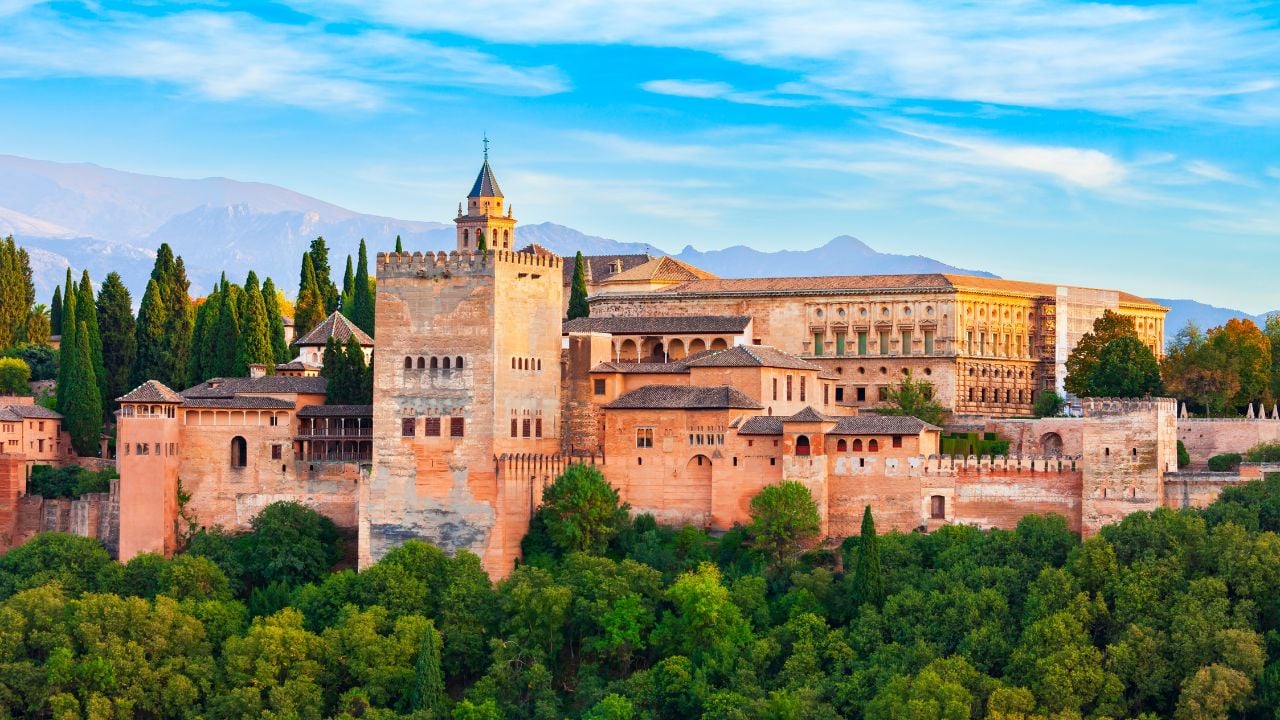
Granada benefits enormously from winter, when the heat subsides and the city regains its balance. Exploring the Alhambra becomes far more comfortable without intense sun or long summer queues. The surrounding Sierra Nevada mountains often add dramatic snowy backdrops. The city feels visually richer and more serene.
Winter allows visitors to enjoy Granada’s neighborhoods on foot, from Albaicín to Sacromonte. Tapas culture thrives year-round, and winter evenings feel especially cozy. Locals reclaim public spaces, giving the city a lived-in feel. The atmosphere is cultural rather than commercial.
Accommodation prices drop, and availability increases across the city. Winter festivals and religious events add depth to the travel experience. The contrast between snowy mountains and mild city temperatures is uniquely appealing. Granada becomes more soulful and accessible in winter.
Madrid
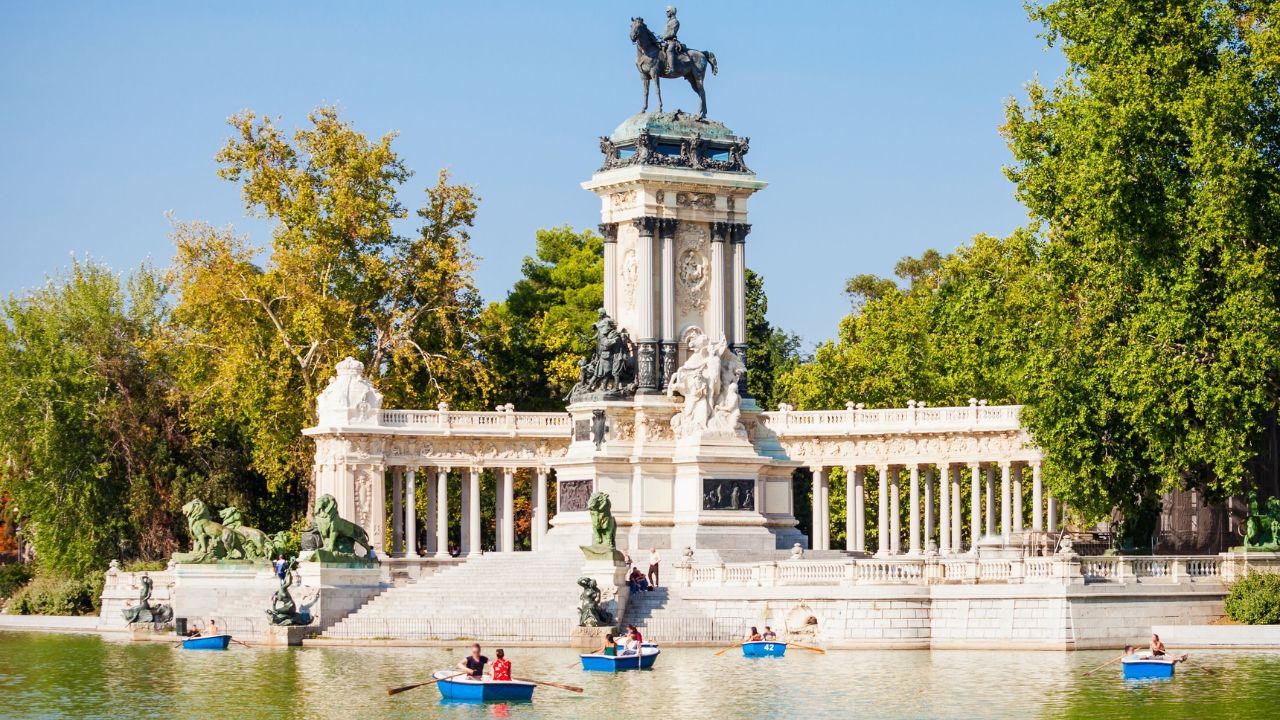
Madrid’s summer heat can make sightseeing draining, while winter offers cool but comfortable conditions. Museums, parks, and historic streets can be enjoyed without exhaustion. The city’s cultural calendar remains vibrant throughout the season. Life feels dynamic without being overwhelming.
Winter brings a more local feel to Madrid’s neighborhoods, as tourists thin out and residents reclaim public spaces. Markets, cafés, and bars operate at a relaxed pace. Long walks through districts like Malasaña and La Latina become genuinely pleasant. The city feels more personal and authentic.
Seasonal food, holiday lights, and cultural events define Madrid’s winter charm. Hotel prices are lower, especially outside major holidays. The absence of crowds enhances museum visits and dining experiences. Winter reveals Madrid’s everyday elegance.
Valencia

Valencia’s summers are hot and humid, making winter a far more enjoyable time to explore the city. Temperatures remain mild, allowing visitors to enjoy both historic sites and the modern City of Arts and Sciences. Beaches become peaceful rather than crowded. The city feels balanced and livable.
Winter is ideal for cycling, walking, and outdoor dining without discomfort. The Turia Gardens become a favorite space for locals and visitors alike. Neighborhoods feel calmer, offering insight into everyday Valencian life. The city’s Mediterranean charm remains intact without summer chaos.
Seasonal cuisine, including warming rice dishes, takes center stage. Accommodation and transport costs drop noticeably. Cultural events continue throughout the winter months. Valencia feels refined and approachable during this season.
Málaga
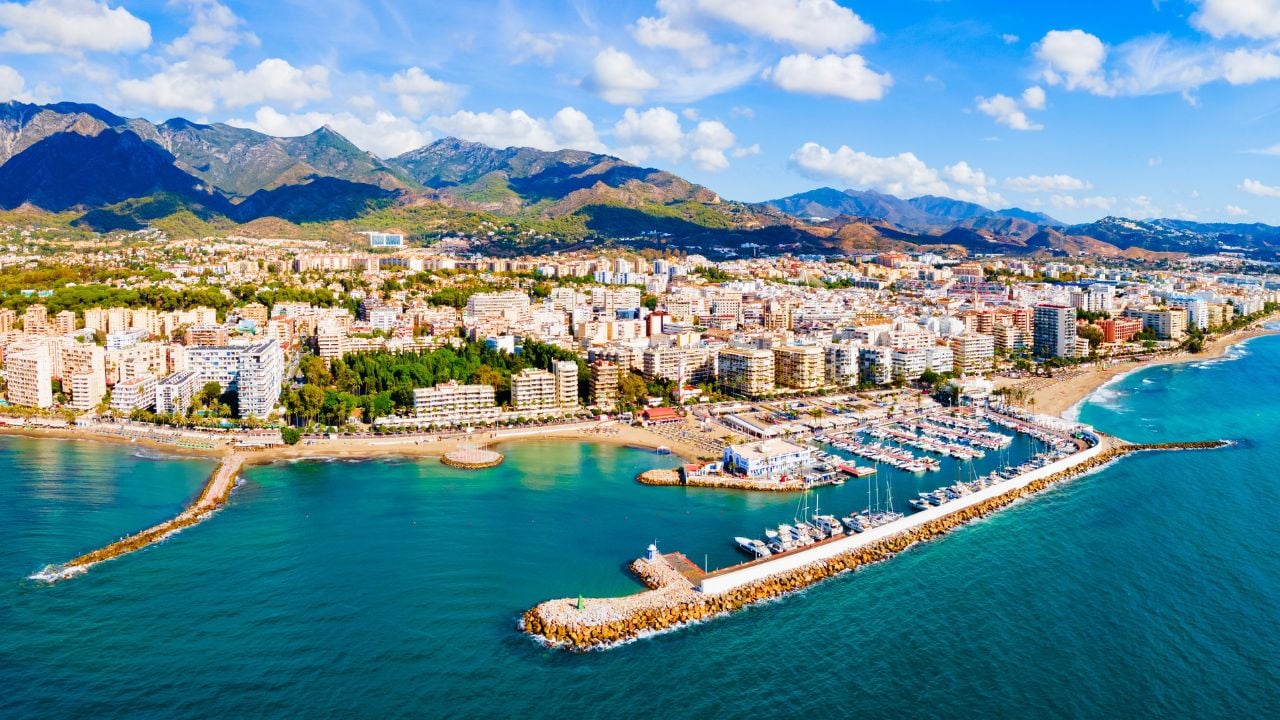
Málaga enjoys one of the mildest winters in Spain, making it especially attractive outside summer. Temperatures are comfortable, and the city remains lively year-round. Museums, historic sites, and promenades can be enjoyed without intense heat. The city feels relaxed and inviting.
Winter brings a slower pace to Málaga’s streets and waterfront. Locals dominate cafés and markets, giving the city an authentic rhythm. Day trips to nearby villages are easier and more enjoyable. The city retains its coastal charm without summer crowds.
Prices for accommodation drop, especially near the old town. Seasonal dishes and cultural programming enrich the experience. Winter sunlight enhances the city’s colors and architecture. Málaga feels effortlessly enjoyable in winter.
Toledo

Toledo’s steep streets and exposed location can be uncomfortable in summer heat. Winter brings cool air that makes exploration manageable and rewarding. The city’s historic architecture feels more dramatic under winter skies. Crowds thin significantly, allowing deeper exploration.
Winter enhances Toledo’s medieval atmosphere, with misty mornings and quiet evenings. Museums and landmarks can be enjoyed without pressure. The city’s layered history becomes easier to absorb. Walking its streets feels contemplative rather than exhausting.
Accommodation is more affordable, and restaurants cater more to locals. Seasonal dishes suit the colder weather perfectly. Cultural events continue throughout winter. Toledo feels more authentic and atmospheric during this season.
Zaragoza

Zaragoza is often overlooked, but winter reveals its true character. Cooler temperatures make sightseeing comfortable and enjoyable. The city’s historic center becomes easier to explore on foot. Landmarks feel spacious and uncrowded.
Winter emphasizes Zaragoza’s cultural life, with museums, theaters, and events thriving. Local cafés and bars create a warm social atmosphere. The city feels lived-in rather than touristic. Everyday life becomes the main attraction.
Prices remain low throughout winter, adding to the city’s appeal. Seasonal food reflects regional traditions. The Ebro River adds quiet beauty to the winter landscape. Zaragoza feels genuine and accessible.
Cádiz
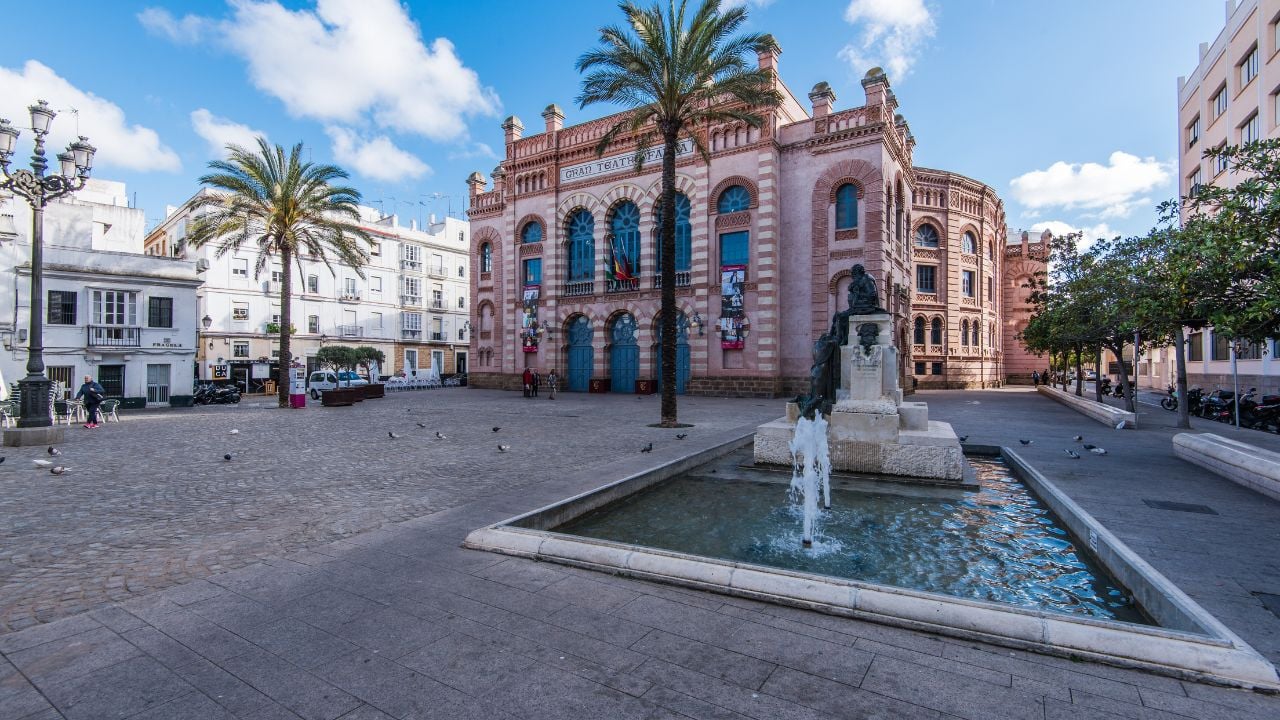
Cádiz in winter offers mild coastal weather without the intense summer crowds. The historic center becomes a peaceful place to explore. Beaches are calm and scenic rather than packed. The city feels authentic and deeply local.
Winter highlights Cádiz’s maritime heritage and relaxed lifestyle. Local markets, cafés, and plazas regain their neighborhood feel. Walking the city walls becomes a pleasure rather than a challenge. The ocean remains a constant presence.
Accommodation prices drop significantly in winter. Seasonal food focuses on hearty seafood dishes. Cultural traditions continue uninterrupted. Cádiz feels timeless and welcoming during this season.
Alicante
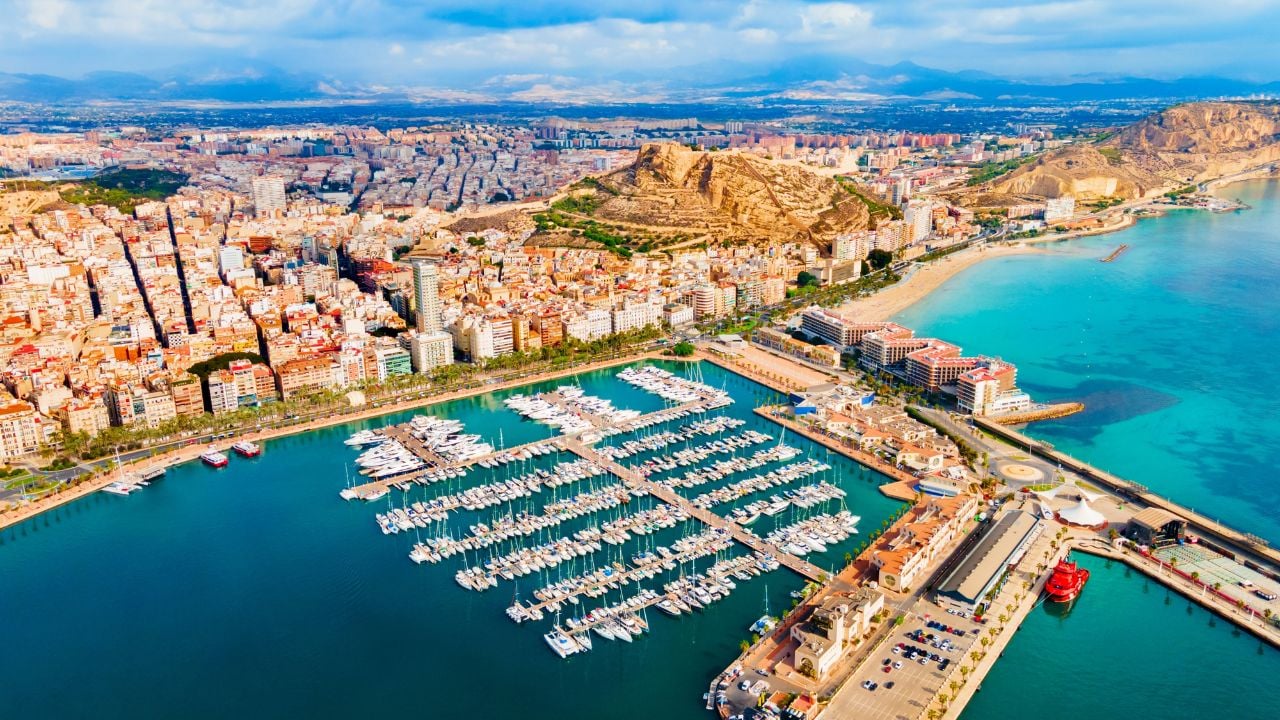
Alicante’s winter climate remains mild and sunny, making it ideal for slow travel. The city avoids the humidity and crowds of summer. Beaches and promenades become serene and enjoyable. The atmosphere feels balanced and comfortable.
Winter allows visitors to explore the old town and castle without discomfort. Local businesses cater to residents rather than tourists. The city’s pace slows, revealing its everyday charm. Alicante feels approachable and authentic.
Prices for lodging and dining decrease noticeably. Seasonal events and traditions enrich the experience. Outdoor life continues year-round. Alicante truly shines in winter.