Southern Europe has long attracted travelers with its sun-drenched coastlines, historic cities, and relaxed way of life, but some of its most rewarding destinations remain quietly under the radar. While major cities and famous resorts grow increasingly crowded, smaller towns continue to preserve authenticity, slower rhythms, and deeply rooted local culture. These places offer travelers a chance to experience Southern Europe as it once was, before mass tourism reshaped daily life.
From coastal villages shaped by fishing traditions to inland towns rich in history and community life, these destinations reward curiosity and patience. Visitors find genuine hospitality, affordable dining, and landscapes that feel personal rather than staged. Life unfolds at a human pace, allowing deeper connections with people, food, and place. For those seeking meaningful travel experiences rather than checklist sightseeing, these fourteen Southern European towns are worth visiting now, while they still feel undiscovered.
Noto, Italy

Noto is a baroque town in southeastern Sicily that feels preserved in time, with honey-colored stone streets and a calm daily rhythm. Unlike crowded Italian hotspots, the town maintains a lived-in atmosphere where residents shape the pace rather than tourism. Architecture dominates the experience, as churches, palazzi, and balconies reflect centuries of artistic ambition and local pride.
Walking through Noto reveals small bakeries, quiet cafés, and neighborhood markets that cater primarily to locals. Prices for food, lodging, and everyday pleasures remain reasonable because mass tourism has not yet fully arrived. This balance of beauty, affordability, and authenticity makes Noto feel like a discovery rather than a destination.
Life in Noto unfolds slowly, encouraging visitors to adjust their expectations and appreciate subtle details. Meals are seasonal and grounded in local agriculture, emphasizing freshness over presentation. Residents welcome visitors with warmth but without performance, allowing genuine cultural exchange. Even during peak seasons, evenings remain peaceful, with streets filling naturally rather than overwhelming crowds. Nearby countryside, beaches, and small villages expand the experience without demanding long travel. Visiting Noto now offers the rare chance to enjoy southern Italy before global attention changes its character.
Tavira, Portugal

Tavira is a tranquil town on Portugal’s eastern Algarve coast that feels far removed from the region’s busier resort cities. Set along the Gilão River, the town blends Moorish influences, whitewashed buildings, and a relaxed local rhythm. Life here centers on small cafés, family-run restaurants, and daily markets rather than nightlife or large tour groups.
Beaches lie just offshore on barrier islands, remaining quieter and more natural than Algarve hotspots to the west. Prices for dining and accommodation stay relatively low because Tavira has resisted large-scale tourism development. This calm balance of culture, scenery, and affordability makes Tavira a place travelers stumble upon rather than intentionally seek out.
Daily life in Tavira moves at an unhurried pace that encourages lingering rather than rushing. Locals gather in plazas for conversation, coffee, and evening strolls along the river. Food reflects regional traditions, with fresh seafood, simple preparations, and seasonal ingredients dominating menus. Visitors are welcomed naturally, without the transactional feeling common in overtouristed towns. Even during summer months, Tavira retains a sense of space and quiet charm. Visiting now allows travelers to experience the Algarve as it existed before global crowds reshaped its identity.
Cadaqués, Spain

Cadaqués is a secluded coastal town in northeastern Spain, framed by rocky cliffs and the deep blue Mediterranean. Its relative isolation has protected it from mass tourism, preserving a quiet, artistic atmosphere. Whitewashed houses cluster along narrow streets that open suddenly toward the sea. Daily life centers on fishing, small galleries, and intimate cafés rather than large tourist infrastructure. Prices remain reasonable compared to more famous Costa Brava destinations nearby. Cadaqués feels like a place discovered slowly rather than consumed quickly.
Life in Cadaqués unfolds gently, shaped by the sea and changing light. Meals are simple and seasonal, often built around fresh fish and local produce. Locals maintain routines that feel untouched by global tourism trends. Visitors are welcomed as temporary participants rather than customers. Even during summer, the town retains moments of stillness and reflection. Visiting now allows travelers to experience its authenticity before popularity reshapes its identity.
Monopoli, Italy
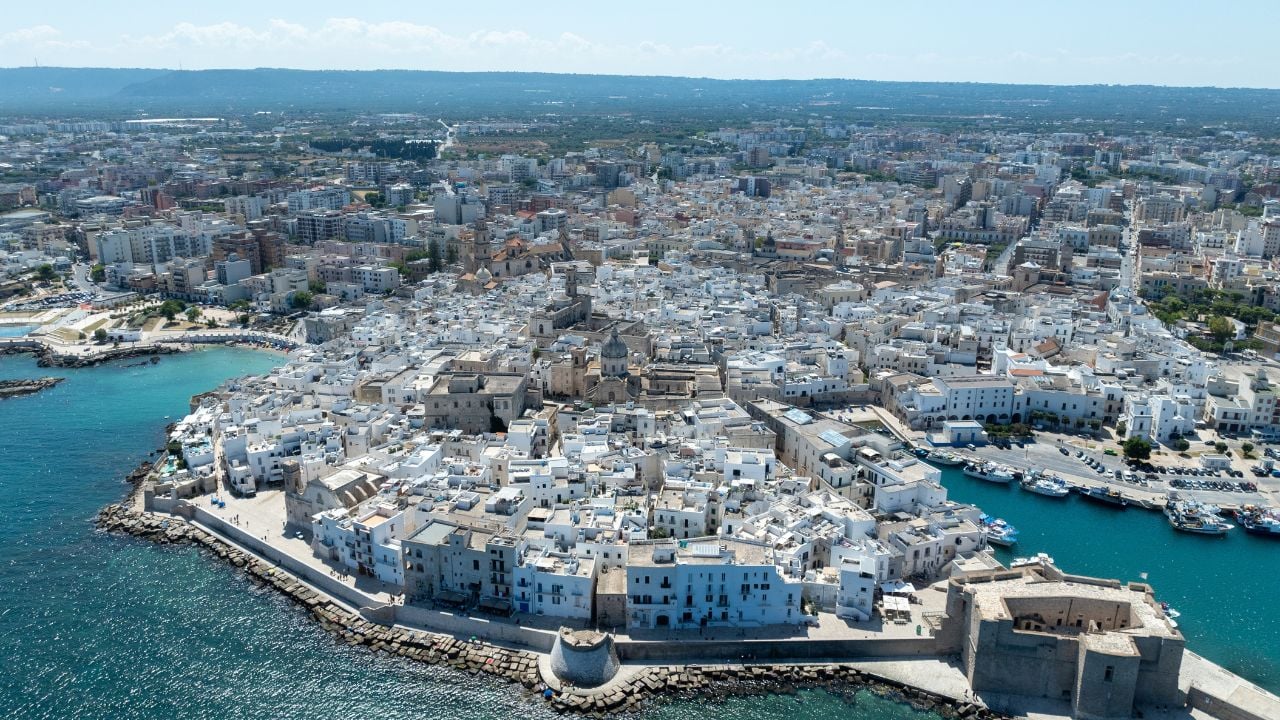
Monopoli is a coastal town in southern Italy where daily life remains closely tied to the sea. Fishermen still mend nets along the harbor, creating scenes that feel timeless. The historic center is compact and walkable, filled with stone houses and quiet piazzas. Tourism exists but has not overtaken local routines or inflated prices excessively. Restaurants focus on regional dishes rather than tourist menus. Monopoli offers beauty without the performative feel of larger destinations.
Living rhythms in Monopoli encourage lingering rather than rushing. Meals stretch into long conversations accompanied by local wine. Beaches are accessible and largely uncrowded outside peak weeks. Locals move through town with familiarity, greeting one another naturally. Visitors blend into daily life instead of standing apart from it. Experiencing Monopoli now reveals southern Italy before attention shifts elsewhere.
Piran, Slovenia
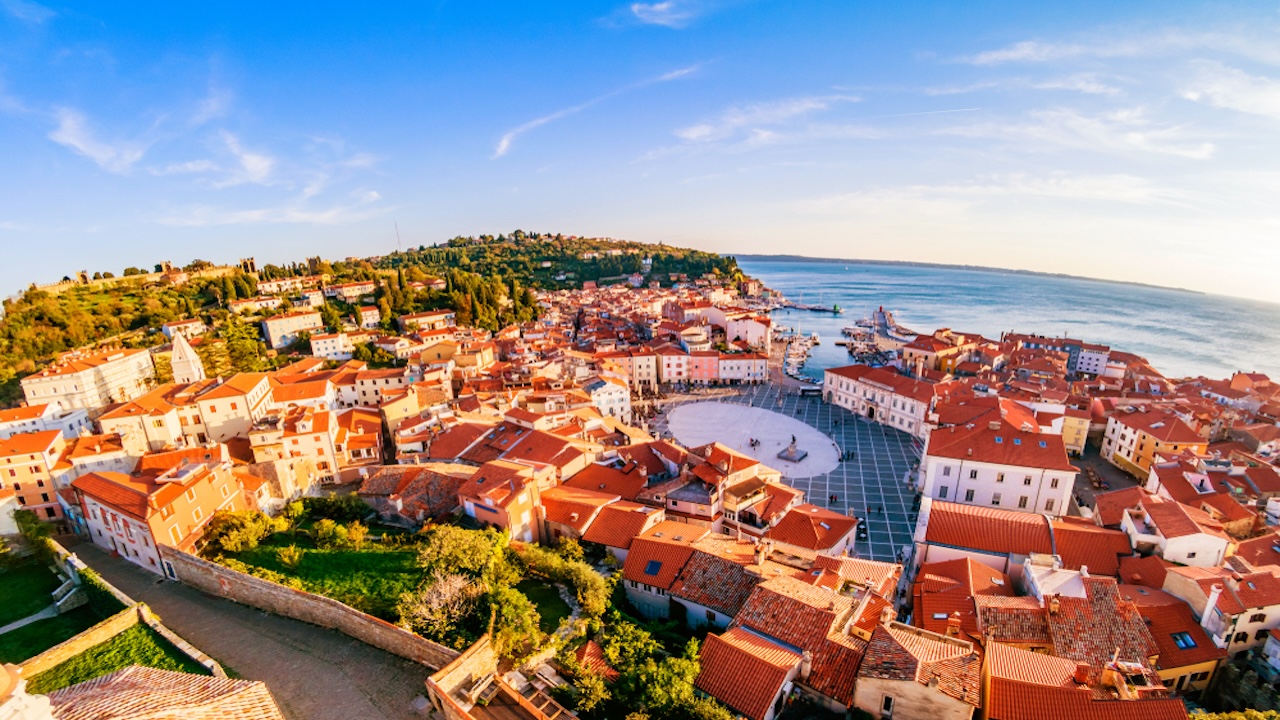
Piran is a small Adriatic town shaped by Venetian history and maritime traditions. Its compact old town rises gently from the sea, creating dramatic yet intimate views. Streets are narrow and largely car-free, encouraging exploration on foot. Tourism remains present but restrained, allowing local life to remain visible. Dining, markets, and daily routines still cater primarily to residents. Piran feels curated by history rather than marketing.
Life in Piran moves with the rhythm of tides and seasons. Locals gather in squares for conversation rather than entertainment. Seafood meals reflect simplicity and freshness without excess. Visitors experience calm rather than spectacle. Evenings bring quiet walks and shared moments instead of crowds. Visiting now preserves the feeling of a coastal town untouched by mass discovery.
Kotor, Montenegro

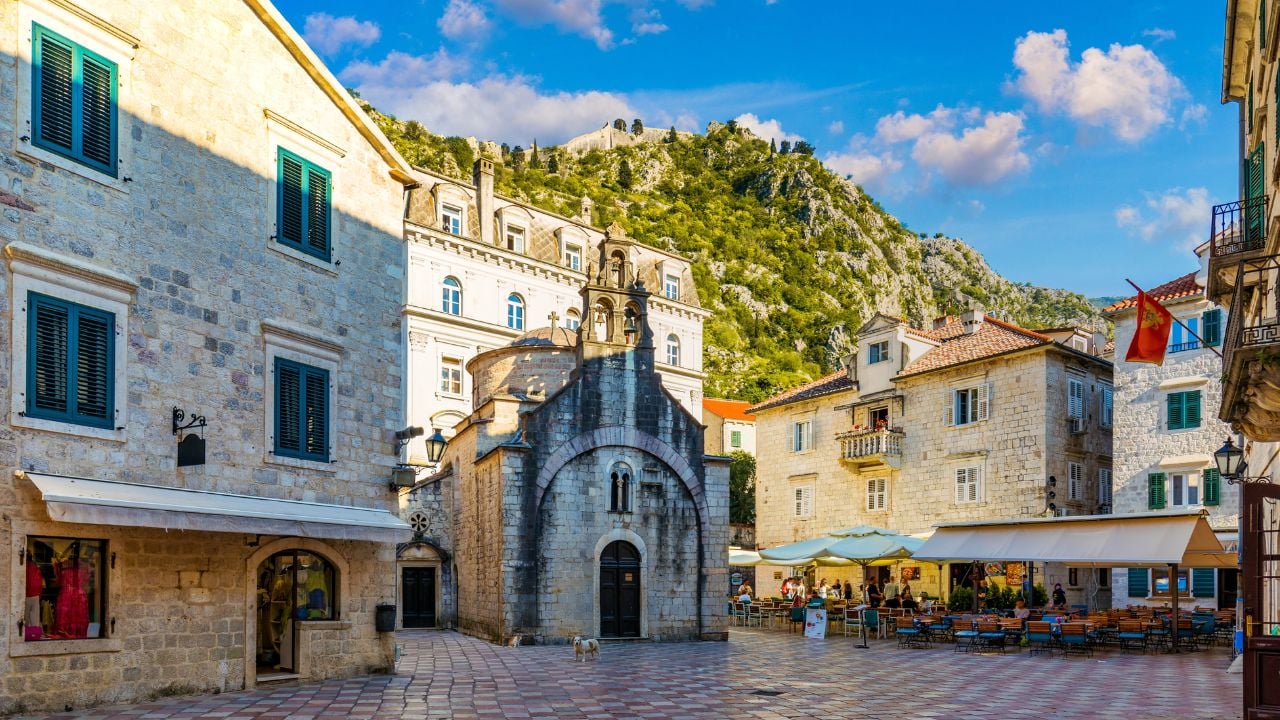
Kotor sits dramatically at the edge of a deep bay, surrounded by mountains that protect it from rapid expansion. Its medieval old town remains compact, walkable, and deeply atmospheric. While cruise ships arrive, most visitors never venture beyond the walls. Local neighborhoods continue daily life undisturbed by passing tourism. Prices outside peak hours remain approachable and fair. Kotor still feels like a town rather than an attraction.
Life beyond the harbor moves slowly and intentionally. Cafés serve locals more than visitors. Evenings quiet quickly once day-trippers leave. Cultural traditions remain part of everyday routines. Residents preserve their pace despite outside attention. Experiencing Kotor now offers insight into a place balancing discovery and preservation.
Nafplio, Greece

Nafplio is a historic seaside town in Greece where neoclassical architecture, stone streets, and coastal scenery combine into a refined yet relaxed atmosphere. Once the first capital of modern Greece, the town carries historical weight without feeling like an open-air museum. Unlike heavily touristed Greek islands, Nafplio maintains a daily rhythm shaped by local residents rather than visitors.
Small bakeries, family-run tavernas, and neighborhood cafés dominate the streets instead of souvenir shops. Prices for food, accommodation, and everyday experiences remain reasonable throughout much of the year. This balance of beauty, history, and normal life makes Nafplio feel quietly special rather than widely discovered.
Life in Nafplio encourages slow movement and observation rather than constant activity. Residents gather in public squares during the evening, creating a strong sense of community presence. Meals emphasize simple Greek flavors prepared with care and seasonal ingredients. Visitors are welcomed naturally without exaggerated hospitality or pressure to spend. Even during warmer months, the town avoids overwhelming crowds and noise. Visiting Nafplio now allows travelers to experience Greece in a form that still prioritizes local life over tourism demand.
Alghero, Italy
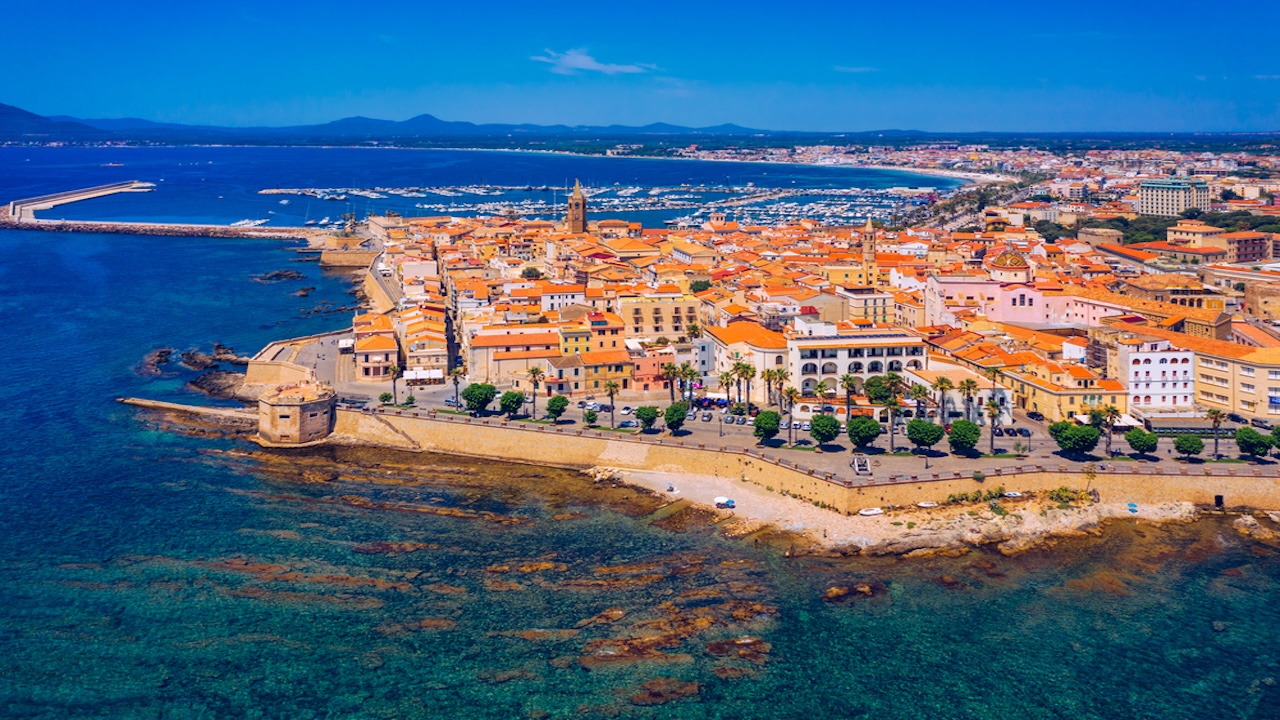
Alghero is a coastal town in northwestern Sardinia where Catalan heritage, stone streets, and maritime traditions remain deeply embedded in everyday life. The historic old town faces the sea, enclosed by fortified walls that still shape movement and identity. Unlike more famous Italian destinations, tourism here has not overtaken local routines or cultural priorities. Residents continue to use central streets for daily errands rather than tourist performance. Restaurants, bakeries, and markets primarily serve locals, which helps keep prices grounded and realistic. Alghero offers beauty and atmosphere without the pressure of constant international attention.
Life in Alghero moves at a steady and familiar pace shaped by long-established habits. Locals gather in piazzas during the evening to talk, walk, and share meals. Food reflects Sardinian traditions rather than visitor expectations or trends. Visitors are welcomed politely but without exaggerated hospitality. Even during summer, moments of quiet remain accessible throughout the town. Experiencing Alghero now reveals a version of coastal Italy still anchored in daily local life.
Rovinj, Croatia

Rovinj is a historic Adriatic town rising steeply from the sea, defined by narrow streets and layered stone architecture. Its dramatic setting attracts visitors, yet everyday life remains visible and active beneath the scenery. Fishing traditions continue to shape local identity and economic rhythms. Tourism has grown gradually but has not displaced residents from the old town entirely. Shops, cafés, and markets still cater to local needs alongside visitors. Rovinj feels balanced between recognition and preservation rather than overwhelmed by attention.
Daily life in Rovinj unfolds through slow walks, shared meals, and familiar routines. Locals maintain habits independent of tourist presence or seasonal demand. Restaurants reflect regional cooking rather than trend-driven menus. Evenings grow calmer once day visitors depart. Visitors experience intimacy and atmosphere rather than spectacle. Rovinj remains most rewarding before wider popularity alters its delicate equilibrium.
Sète, France
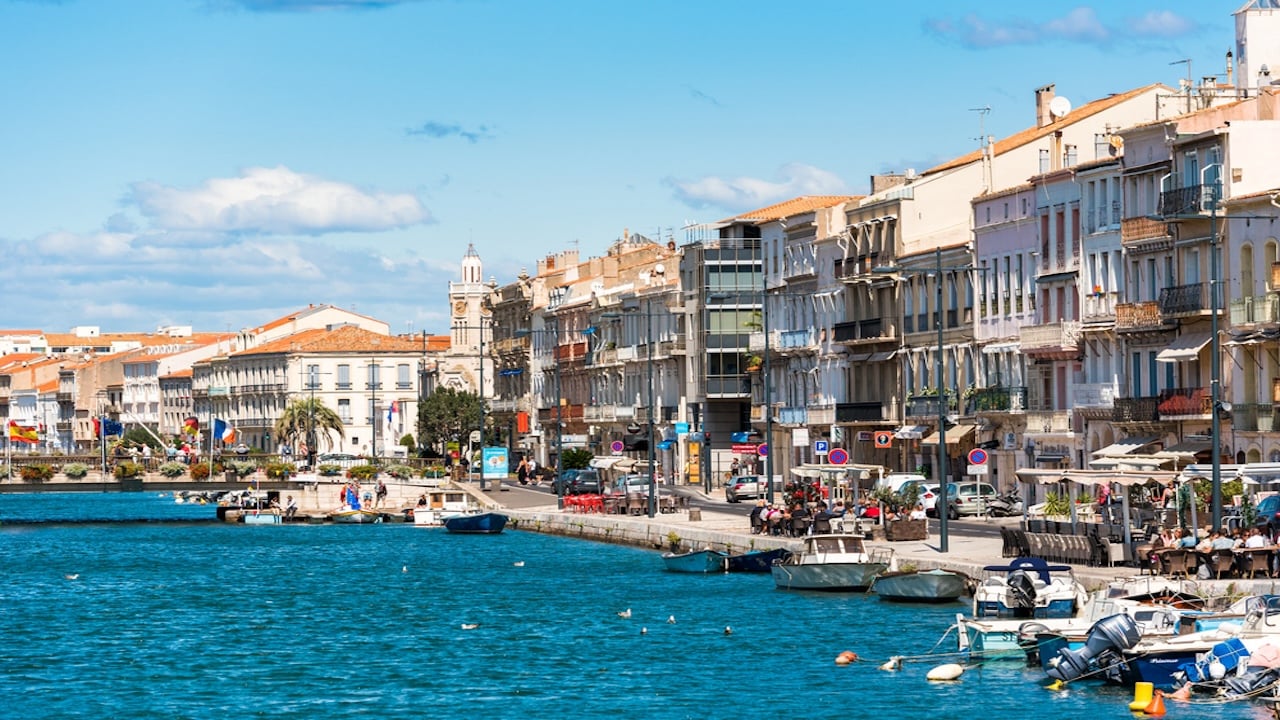
Sète is a working port town in southern France where canals, fishing boats, and markets define daily rhythms. Unlike nearby resort cities, it lacks polish, which preserves its authenticity and character. Fishing remains a visible and essential part of the local economy. Tourism exists but plays a supporting role rather than dominating urban life. Prices reflect resident needs rather than visitor expectations. Sète feels functional, lived in, and grounded rather than curated.
Life in Sète centers on routine, markets, and long meals shared among locals. Residents move through the town with familiarity and purpose. Food traditions emphasize freshness, simplicity, and regional identity. Visitors observe authentic patterns instead of staged experiences. Even busy periods maintain a sense of balance. Sète rewards curiosity and patience more than casual sightseeing.
Chania (Old Town), Greece
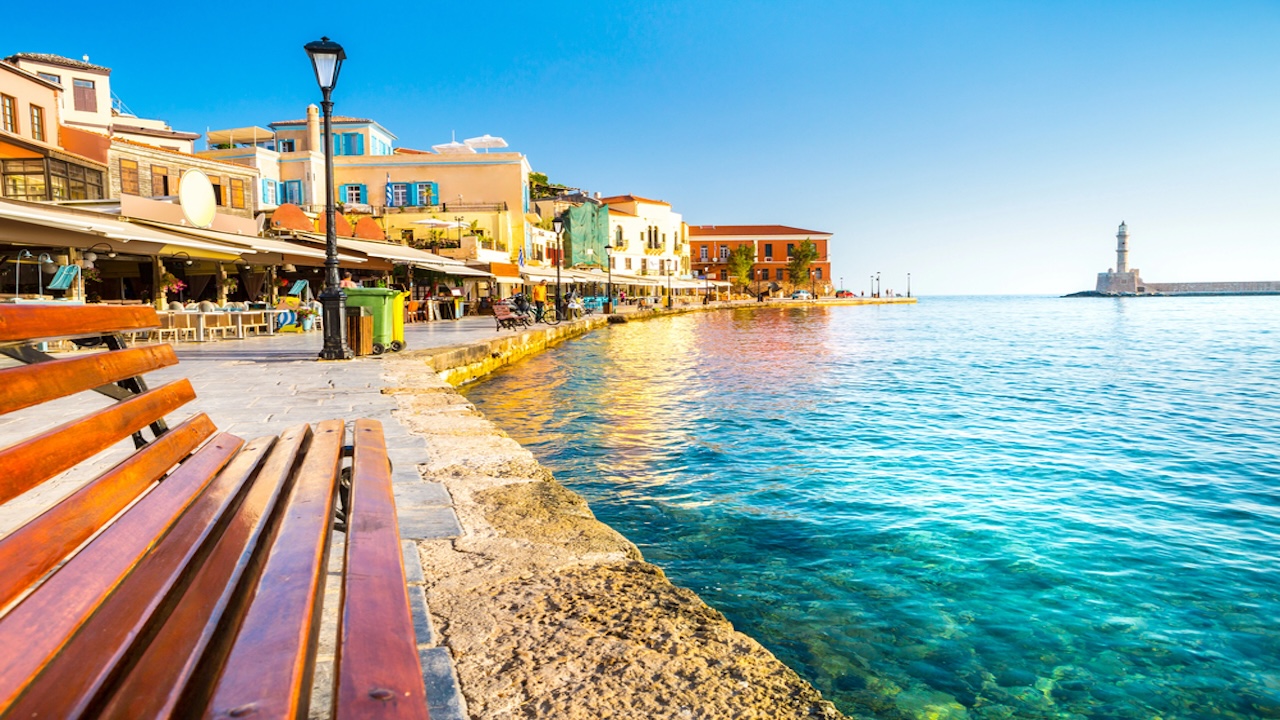
Chania’s old town is a compact coastal area where Venetian architecture blends seamlessly with Cretan daily life, offering a rich sense of history while remaining deeply functional for residents. Despite growing attention from visitors, the town has managed to retain its authentic character, with local shops, bakeries, and cafes serving the community first rather than catering solely to tourists.
Narrow streets wind through historic squares, opening onto views of the harbor that have remained largely unchanged for centuries. Fishing remains an active part of the local economy, and markets display fresh catches daily for both residents and curious travelers. Prices reflect the town’s rhythms rather than tourist expectations, making everyday meals and goods accessible to locals and visitors alike. Life here moves deliberately, inviting those who arrive to slow down and experience Chania as it has been for generations.
Daily life in Chania revolves around public squares, markets, and communal meals that define social interactions within the old town. Residents fill cafes and tavernas naturally, creating spaces for conversation and connection rather than staged hospitality. Food is prepared with care, emphasizing local ingredients, seasonality, and simplicity over extravagant presentation.
Visitors blend into the rhythms of daily life, observing traditions rather than interrupting them. Even during busier periods, streets and squares remain manageable and welcoming. Experiencing Chania now allows travelers to witness a town that has maintained continuity, culture, and authenticity before tourism fully transforms it.
Vieste, Italy
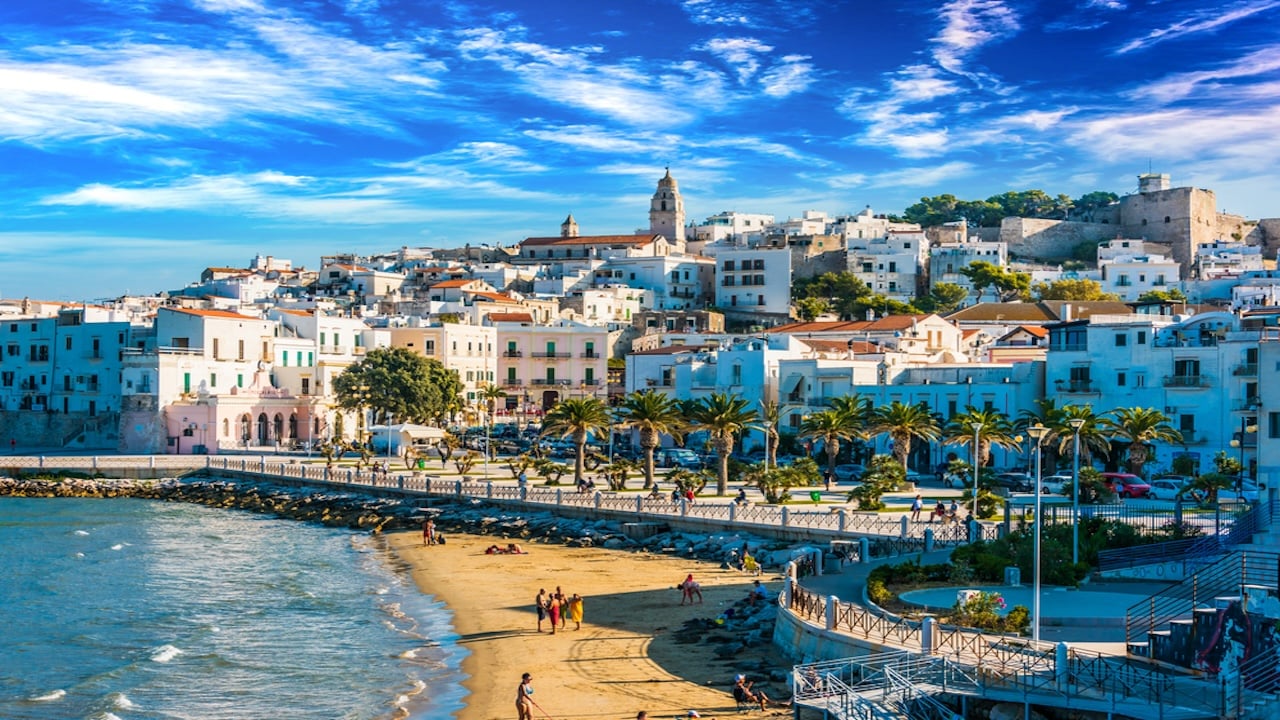
Vieste is a coastal town on the Gargano Peninsula where cliffs, beaches, and winding streets create a dramatic yet welcoming environment for both residents and visitors. Its relative isolation has slowed the development of mass tourism, allowing the town to retain a strong sense of local identity and tradition. Fishing and small-scale agriculture continue to shape daily life, providing fresh ingredients for meals prepared according to long-standing regional recipes.
Streets remain functional and navigable, with residents going about their routines without interruption from outside attention. Prices for dining, markets, and accommodations remain accessible, reflecting the town’s focus on local life rather than tourist profit. Visiting Vieste now offers the chance to experience southern Italy as it has been, with authenticity preserved and charm intact.
Life in Vieste unfolds slowly, emphasizing routine, community, and seasonal rhythms. Locals gather in squares and along the waterfront, sharing conversation and meals in an unhurried manner. Seafood and regional dishes dominate menus, prepared simply to highlight freshness and natural flavors.
Visitors are welcomed as temporary participants in daily life rather than as the center of attention. Even during busier summer months, the town maintains its quiet charm and human scale. Experiencing Vieste today allows travelers to engage with a community and environment largely untouched by overexposure or commercialization.
Olhão, Portugal
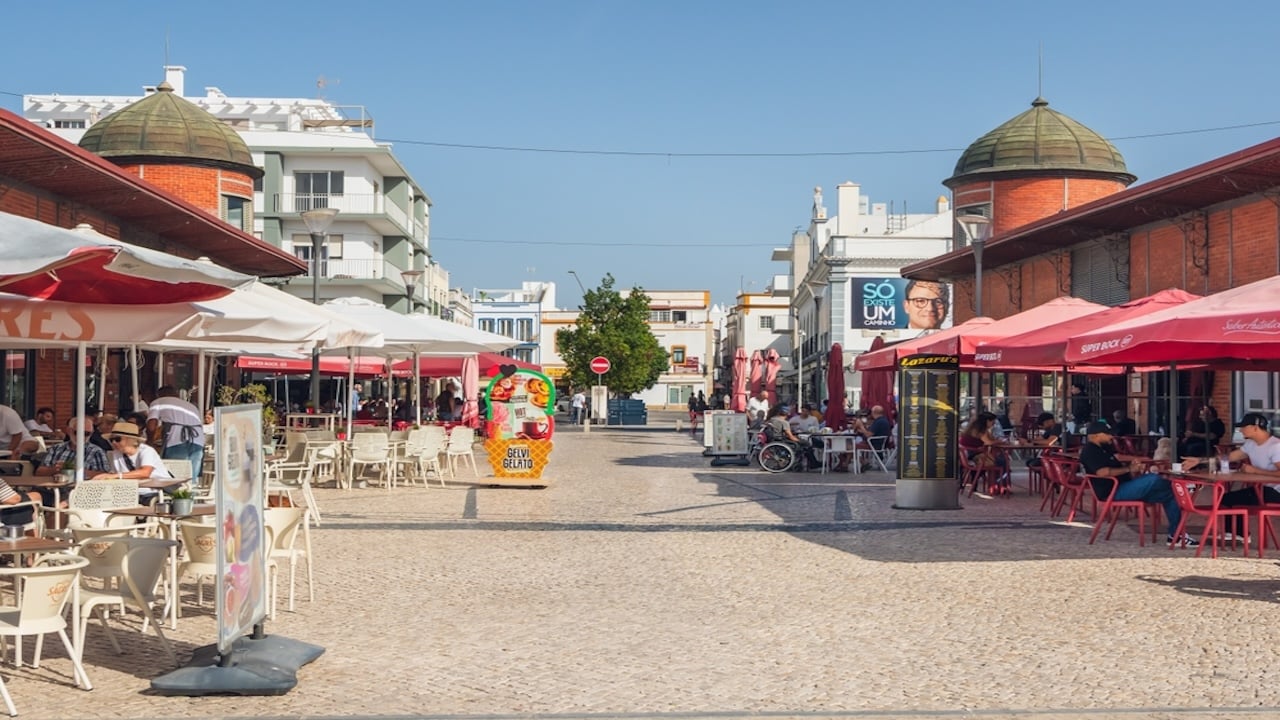
Olhão is a fishing town on the Algarve coast where markets, boats, and narrow streets define the rhythm of daily life for residents. Its architecture prioritizes practicality and authenticity, avoiding the artificial polish of heavily touristed towns. Tourism exists but has not yet overshadowed local routines or culture. Markets remain the heart of the town, providing fresh seafood and produce for both residents and small local restaurants.
Prices are fair and consistent, reflecting real community needs rather than inflated visitor expectations. Olhão feels grounded, lived in, and remarkably unaltered, offering travelers an authentic glimpse of Portuguese coastal life.
Daily life in Olhão revolves around market activity, family meals, and neighborhood interactions that maintain a strong sense of continuity. Residents frequent cafes and public spaces naturally, creating vibrant social hubs without performance for outsiders. Seafood dominates menus, prepared simply to highlight the quality and freshness of local catches. Visitors can blend into the town’s rhythm, observing traditions rather than altering them. Streets remain navigable even in busy periods, allowing exploration without crowds or chaos. Experiencing Olhão today provides the rare opportunity to witness an authentic fishing town before widespread recognition changes its character permanently.
Girona, Spain

Girona is a historic Catalan town where medieval walls, cobblestone streets, and cultural heritage create a living tapestry of history and everyday life. Despite growing recognition, it remains overshadowed by Barcelona, allowing the town to retain its authentic rhythms. Daily life continues largely independent of tourism, with locals running shops, cafes, and markets primarily for the community.
Prices remain reasonable and reflective of local standards, rather than inflated for visitors. Neighborhoods are functional yet charming, providing both beauty and practicality for residents and travelers. Girona combines culture, history, and accessibility in a way that feels personal, calm, and immersive rather than staged.
Life in Girona emphasizes routine, tradition, and community connection throughout the old town. Meals are prepared with regional ingredients and enjoyed slowly, reinforcing local culinary culture. Streets and squares are filled naturally with residents, creating an authentic social environment. Visitors are able to observe and participate without overwhelming or disrupting local life. Even during busier periods, the town maintains balance, calm, and human scale. Experiencing Girona now allows travelers to engage fully with a place that preserves continuity, identity, and charm before it gains broader attention.
Life in Alghero moves at a steady and familiar pace shaped by long-established habits. Locals gather in piazzas during the evening to talk, walk, and share meals. Food reflects Sardinian traditions rather than visitor expectations or trends. Visitors are welcomed politely but without exaggerated hospitality. Even during summer, moments of quiet remain accessible throughout the town. Experiencing Alghero now reveals a version of coastal Italy still anchored in daily local life.