
The American South has long captivated filmmakers with its dramatic landscapes, historic architecture, and deeply rooted sense of place. From grand plantations to coastal towns and lively cities, the region offers settings that feel cinematic even without a camera present.
Hollywood has repeatedly returned to the South to tell stories of love, conflict, resilience, and transformation. These locations often become characters themselves, shaping the mood and identity of the films shot there. Over time, movies and television series have turned once-quiet places into cultural landmarks. Today, travelers visit them not only for their beauty, but for the stories they helped bring to life.
Savannah, Georgia

Savannah’s historic district has appeared in countless films due to its preserved architecture and atmospheric streets. The city gained worldwide recognition through Forrest Gump, with its famous park bench scenes. Spanish moss, iron balconies, and cobblestone squares create a timeless visual appeal. Filmmakers are drawn to Savannah’s ability to double as multiple historical periods. The city balances Southern elegance with cinematic drama. Savannah feels like a living film set.
Beyond film fame, Savannah retains a strong local identity. Historic homes and churches remain active parts of daily life. Tourism blends naturally with neighborhood routines. Walking tours highlight filming locations alongside history. The coastal setting adds depth to its visual character. Savannah’s Hollywood legacy enhances rather than overwhelms its charm.
New Orleans, Louisiana

New Orleans has served as a backdrop for films ranging from dramas to thrillers and fantasy stories. Its unique blend of cultures creates a visual style unlike any other American city. Movies such as Interview with the Vampire and The Curious Case of Benjamin Button showcased its mystique. The French Quarter offers instant atmosphere for filmmakers. Music, color, and motion define every frame. New Orleans feels cinematic by nature.
The city’s film industry is deeply integrated into local life. Crews and productions are a common sight. Architecture and street life provide constant inspiration. Despite fame, neighborhoods retain authenticity. Festivals and traditions continue uninterrupted. New Orleans remains unmistakably itself on and off screen.
Charleston, South Carolina

Charleston has become one of the most recognizable Southern cities in film history due to its preserved architecture and coastal elegance. Hollywood frequently chooses Charleston to represent romance, nostalgia, and historic Southern life. Pastel homes, gas lamps, and cobblestone streets create a visually consistent setting. Films like The Notebook amplified its global recognition.
Waterfront views add cinematic depth to many scenes. Directors value how little modern alteration is required. Charleston feels visually timeless, allowing filmmakers to evoke multiple eras without heavy production design, extensive digital modification, or disruptive set construction interfering with authenticity and atmosphere.
Despite its film exposure, Charleston remains grounded in local tradition and community life. Residents actively support preservation efforts that protect historic neighborhoods. Tourism is carefully managed to prevent overcommercialization. Churches, markets, and local businesses continue serving daily needs. Film locations coexist naturally with residential streets.
Coastal weather influences daily rhythms. The city balances elegance with lived reality. Charleston’s Hollywood identity enhances its charm rather than overwhelming it, allowing visitors to experience a real Southern city shaped by history, continuity, and restraint rather than spectacle or constant performance.
Natchez, Mississippi
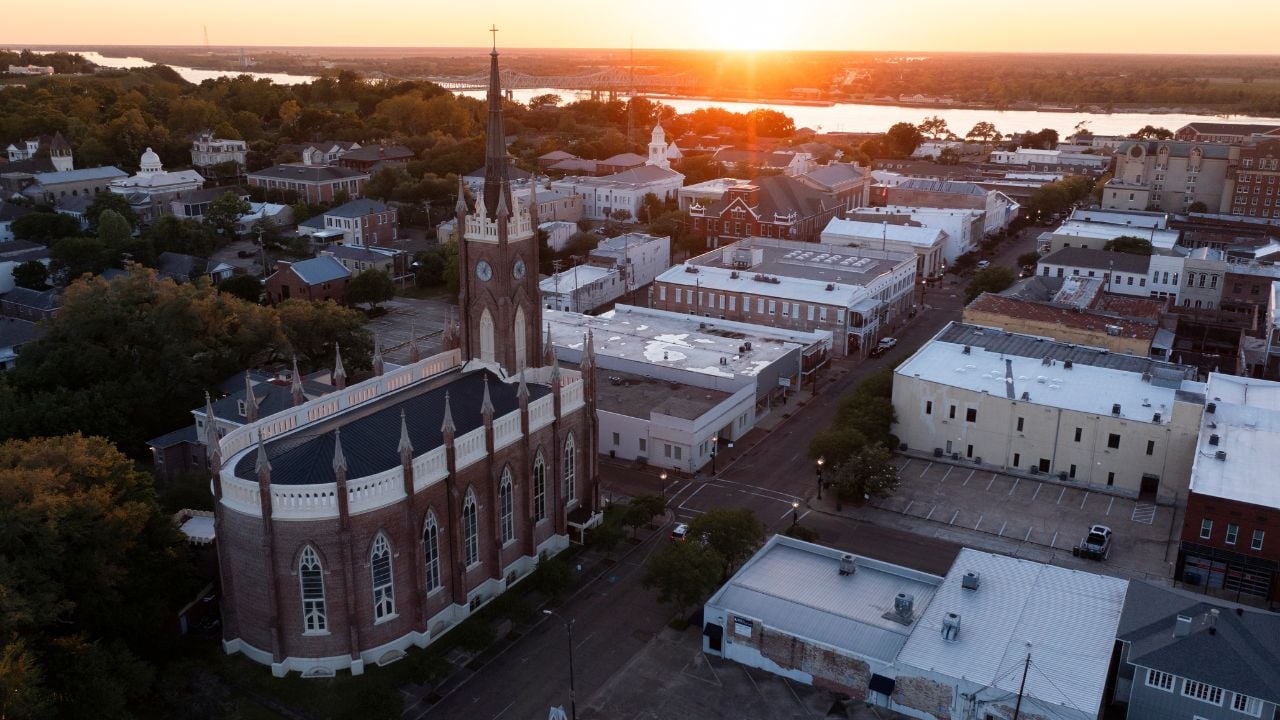
Natchez is frequently used by Hollywood to represent the Old South because of its preserved antebellum architecture. Grand estates line bluffs overlooking the Mississippi River, creating dramatic visual impact. Filmmakers rely on Natchez for historical authenticity without extensive reconstruction. The town’s layout remains largely unchanged for generations. Period films and documentaries frequently return here. River views add scale and gravity. Natchez offers a setting where history feels tangible, grounded, and visually intact rather than recreated artificially through sets, props, or digital effects.
Life in Natchez continues quietly despite cinematic recognition. The town remains reflective rather than performative. Historic preservation is deeply valued by residents. Tours focus on education and context. Daily routines remain unchanged by film crews.
Tourism remains measured and seasonal. Community identity centers on continuity and memory. Natchez maintains dignity and authenticity while serving as a cinematic symbol of Southern history, balancing visibility with restraint and preserving meaning beyond visual appeal or commercial storytelling demands.
Wilmington, North Carolina

Wilmington has become one of the most active filming locations in the American South over recent decades. The city earned the nickname “Hollywood East” through consistent production work. Television series and films frequently use its neighborhoods. Coastal scenery provides visual contrast. Studios support long-term projects. Filmmakers appreciate logistical efficiency. Wilmington adapts easily to different genres, serving as beach town, small city, or suburban setting without losing coherence, visual credibility, or functional authenticity across productions.
Residents of Wilmington are accustomed to film crews and temporary disruptions. The local economy benefits significantly from production activity. Neighborhoods remain functional and lived in. Film tourism supplements existing industries. Beaches maintain everyday use. Infrastructure continues evolving responsibly. The city balances working film production with normal coastal life. Wilmington thrives as a practical, adaptable, and reliable Southern filming destination without sacrificing community stability or identity.
Oxford, Mississippi

Oxford gained cinematic recognition through its association with Southern literature and intellectual culture. Hollywood often references the town’s atmosphere rather than specific landmarks. The courthouse square provides a classic Southern visual anchor.
Films inspired by William Faulkner’s work reflect its tone. Oxford conveys introspection and tradition. The town feels thoughtful rather than dramatic. Its appeal lies in suggestion, mood, and restraint rather than overt spectacle or visual excess typical of larger cinematic settings.
The presence of the university shapes Oxford’s rhythm and identity. Film recognition has not altered daily life significantly. Bookstores and cafés remain central gathering places. Cultural events emphasize literature and dialogue. Tourism stays modest and respectful. The town values reflection over attention. Oxford’s cinematic reputation exists quietly, reinforcing its image as a place of depth, continuity, and intellectual calm rather than performance or tourism-driven identity.
Beaufort, South Carolina

Beaufort’s coastal beauty has attracted filmmakers seeking understated Southern elegance. Films like Forrest Gump showcased its scenery to global audiences. Oak-lined streets and waterfront homes define its appearance. The town feels visually balanced and calm. Filmmakers value its accessibility. Beaufort’s size allows easy production movement. Its natural light and preserved architecture require minimal alteration, making it ideal for authentic storytelling without heavy modification or artificial enhancement.
Despite film exposure, Beaufort remains relaxed and residential. Tourism is present but controlled. Local life continues at a measured pace. Nature remains central to daily experience. Preservation efforts protect architectural integrity. Community involvement remains strong. Beaufort integrates its cinematic past into everyday life without disruption, maintaining authenticity, continuity, and calm while welcoming visitors drawn by its screen presence.
Atlanta, Georgia

Atlanta has become one of the most important film production hubs in the United States. Major franchises rely on the city’s infrastructure. Urban diversity allows it to double for many locations. Studios and sound stages support large projects. The workforce is highly skilled. Filmmakers value logistical efficiency. Atlanta frequently appears on screen while representing other cities, blending versatility with scale and modern production capability.
Film industry growth has influenced Atlanta’s economy and development. Creative industries continue expanding. Neighborhoods retain distinct identities. Cultural life remains vibrant. Production activity integrates into daily rhythms. The city balances growth with heritage. Atlanta represents the modern South in cinema, combining innovation, diversity, and ambition without losing its regional character.
Montgomery, Alabama
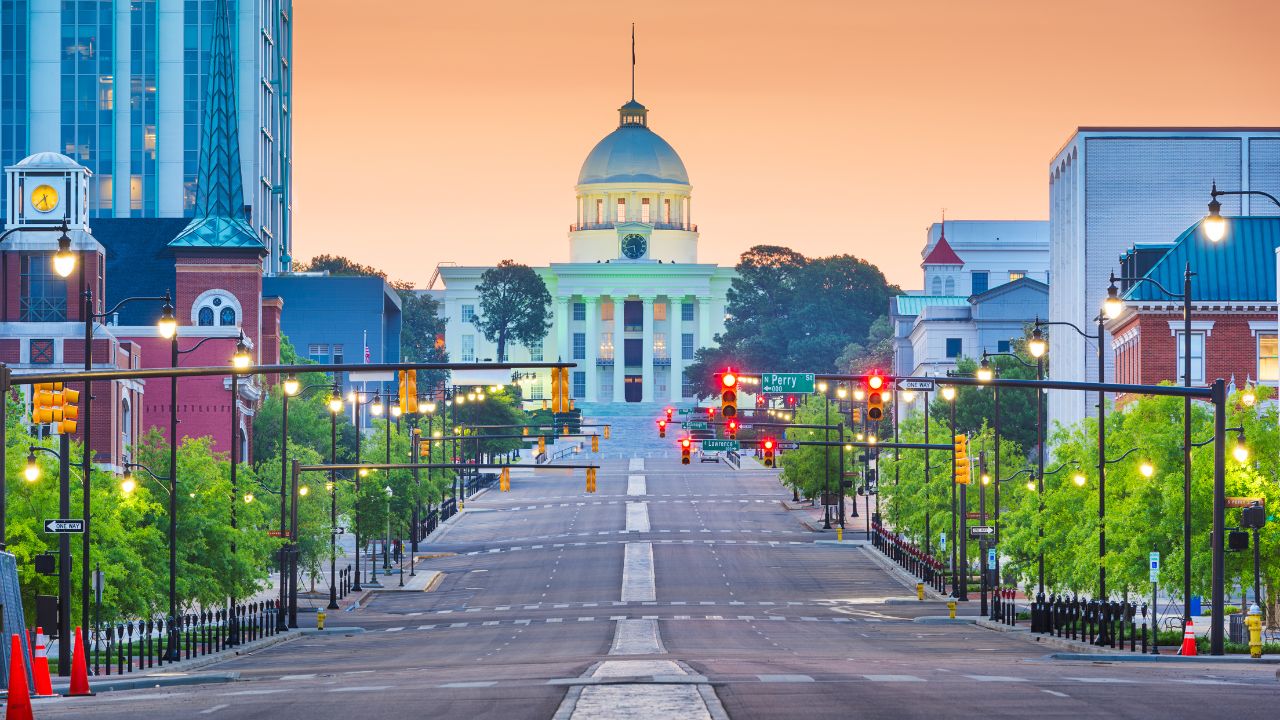
Montgomery’s historical significance attracts filmmakers telling civil rights stories. The city provides authentic settings tied to pivotal American events. Government buildings and landmarks add realism. Hollywood turns to Montgomery for emotional weight. Films emphasize truth over spectacle. The city’s presence feels intentional. Montgomery represents conscience, struggle, and transformation within Southern cinematic narratives, offering depth beyond visual appeal or dramatic scenery alone.
Local history remains central to community identity. Film projects are approached respectfully. Tourism emphasizes education and remembrance. Residents value accurate representation. The city balances reflection with progress. Daily life continues beyond filming. Montgomery’s cinematic role supports broader understanding while preserving dignity, context, and historical responsibility within storytelling.
Key West, Florida

Key West has appeared in countless films due to its colorful streets and tropical atmosphere. Its architecture differs from mainland Southern towns. Hollywood uses Key West to suggest escape and eccentricity. Bright light defines every scene. The island’s compact layout aids filming. Visual character is instantly recognizable. Key West offers cinematic energy shaped by isolation, creativity, and coastal culture rather than traditional Southern imagery.
Despite fame, Key West retains a relaxed rhythm. Local culture dominates daily life. Tourism blends with long-standing traditions. Nature frames everyday routines. Residents maintain strong community identity. Film crews adapt to island pace. Key West remains unmistakably itself, closing the list as a Southern destination where cinematic image and lived reality coexist comfortably.