There’s practical, there’s luxurious, and then there’s whatever category these things belong in. The SUV market has given us plenty of sensible family haulers over the years, but it’s also produced some genuinely wild machines that make you wonder who exactly asked for this, and then immediately want one anyway.
These aren’t your typical grocery getters with all-wheel drive. We’re talking about SUVs that pack supercar engines, weigh as much as small planets, cost more than most houses, or look like they escaped from a military base. Some were built to conquer the Nürburgring, others to survive actual warfare, and a few seem designed purely to make other drivers question their life choices.
What they all share is an absolute refusal to play it safe, and honestly, the automotive world is better for it.
Rezvani Tank
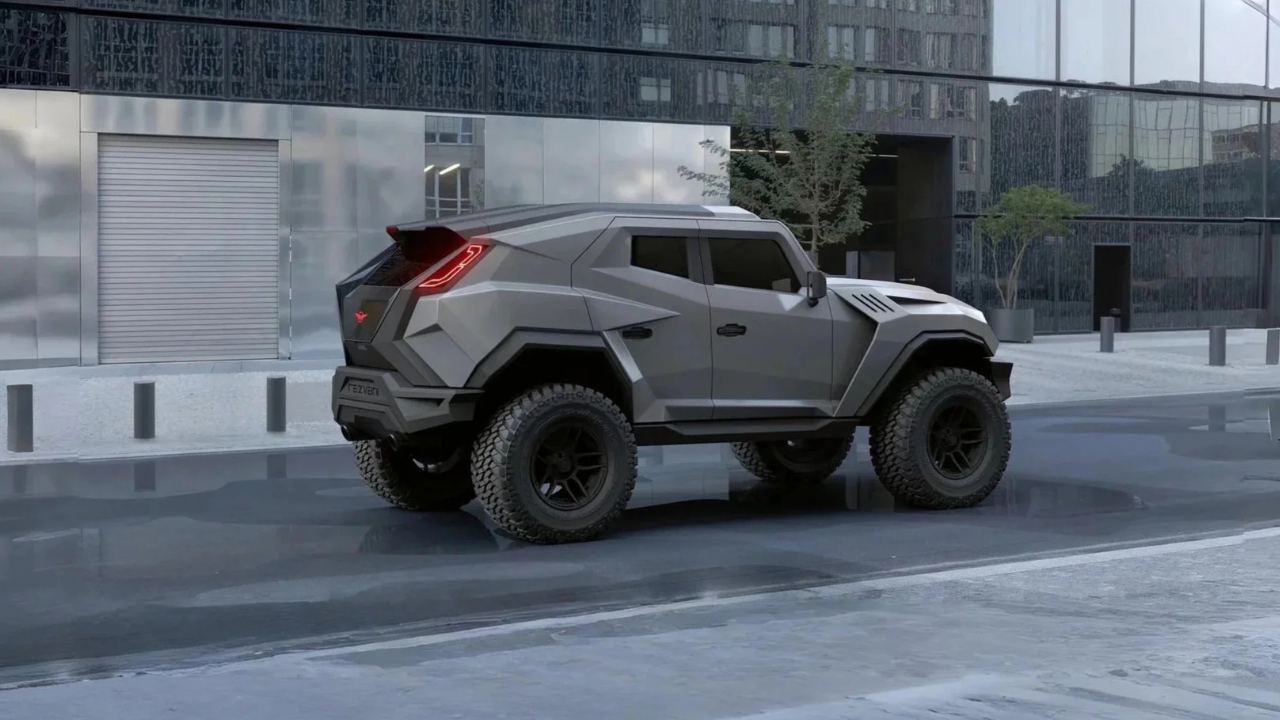
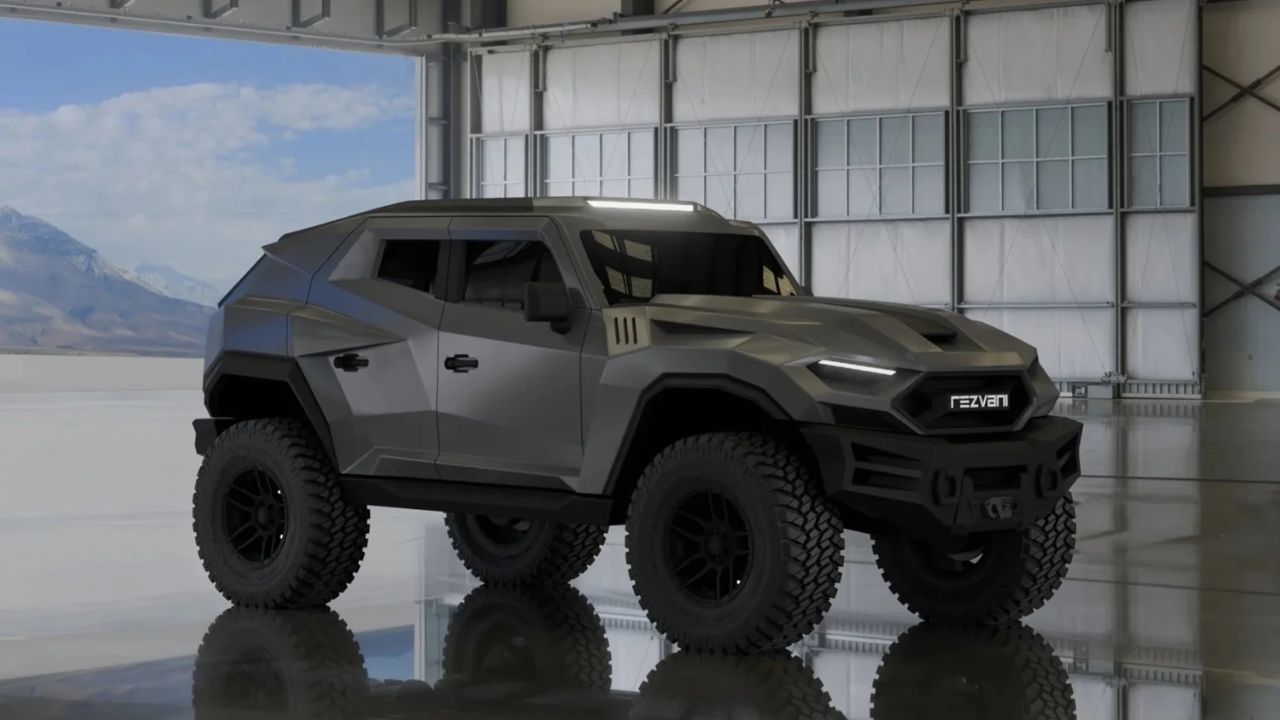
Imagine an SUV built for the end of the world and you’re halfway to understanding the Rezvani Tank.
Based on Jeep Wrangler architecture (generation varies by model year), this military-inspired beast comes with styling that looks ready for combat and a powertrain lineup that escalates quickly from sensible to absolutely ridiculous. The base 3.6-liter V6 is fine, but the real action starts with the optional 500-horsepower 6.4-liter V8, and for those who think moderation is overrated, and (in the highest-output configuration) a supercharged 6.2-liter V8 rated at up to 1,000 horsepower borrowed from Dodge’s most unhinged creations.
The off-road hardware backs up the aggressive looks with standard four-wheel drive, a four-inch lift, and 37-inch tires, with options to go even bigger. But the real party trick is the options list, which includes ballistic armor, smoke screens, pepper spray dispensers, night vision, and a full survival kit complete with gas masks.
Starting around $175,000 and climbing rapidly from there, the Tank proves that some buyers want their daily driver to double as a tactical vehicle, and Rezvani is more than happy to oblige.
Lamborghini LM002
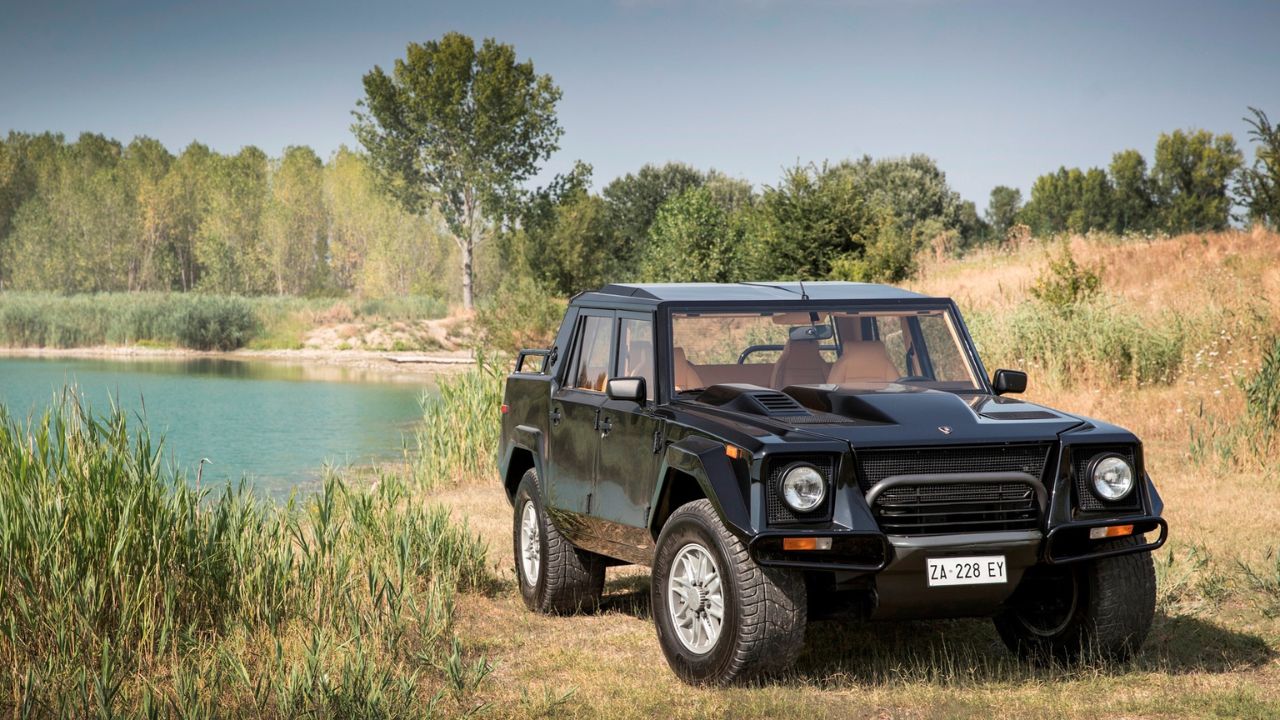
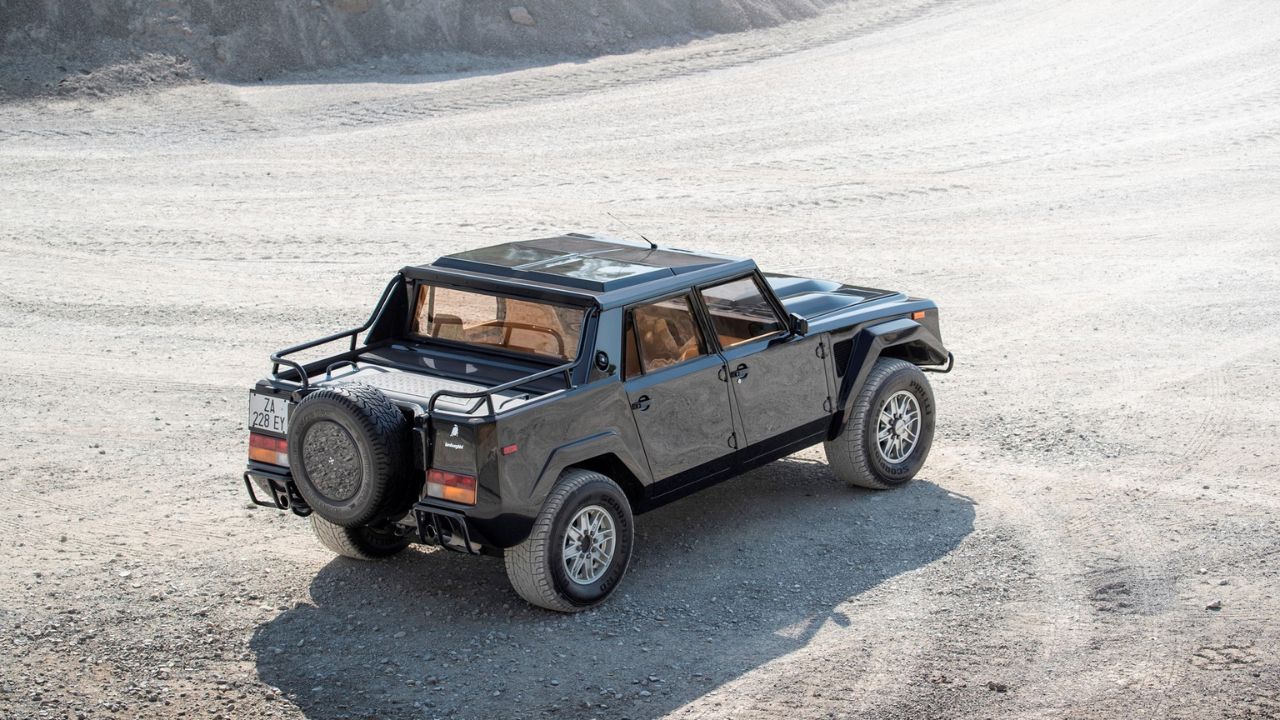
Before luxury automakers decided putting their sports car engines in SUVs was a good idea, Lamborghini went ahead and did it anyway with the LM002, and they used a V12 because of course they did.
Nicknamed the “Rambo Lambo,” this 1980s oddball combined Italian supercar DNA with military-grade toughness, creating something that looked equally at home in the desert or parked outside a Beverly Hills restaurant. Under the hood sat the same 5.2-liter V12 from the Countach, making 444 horsepower and giving this nearly 6,000-pound beast (about 2,700 kg) a top speed that had no business existing.
The interior mixed luxury leather with utilitarian design, air conditioning with gun racks, and somehow it all made sense in the most Lamborghini way possible. Only around 300 were built between 1986 and 1993, and these days they’re collector’s items that proved the supercar SUV concept could work decades before the Urus showed up.
It’s big, loud, thirsty, and completely impractical for almost everything, which is exactly what makes it brilliant.
Mercedes-Benz G63 AMG 6×6
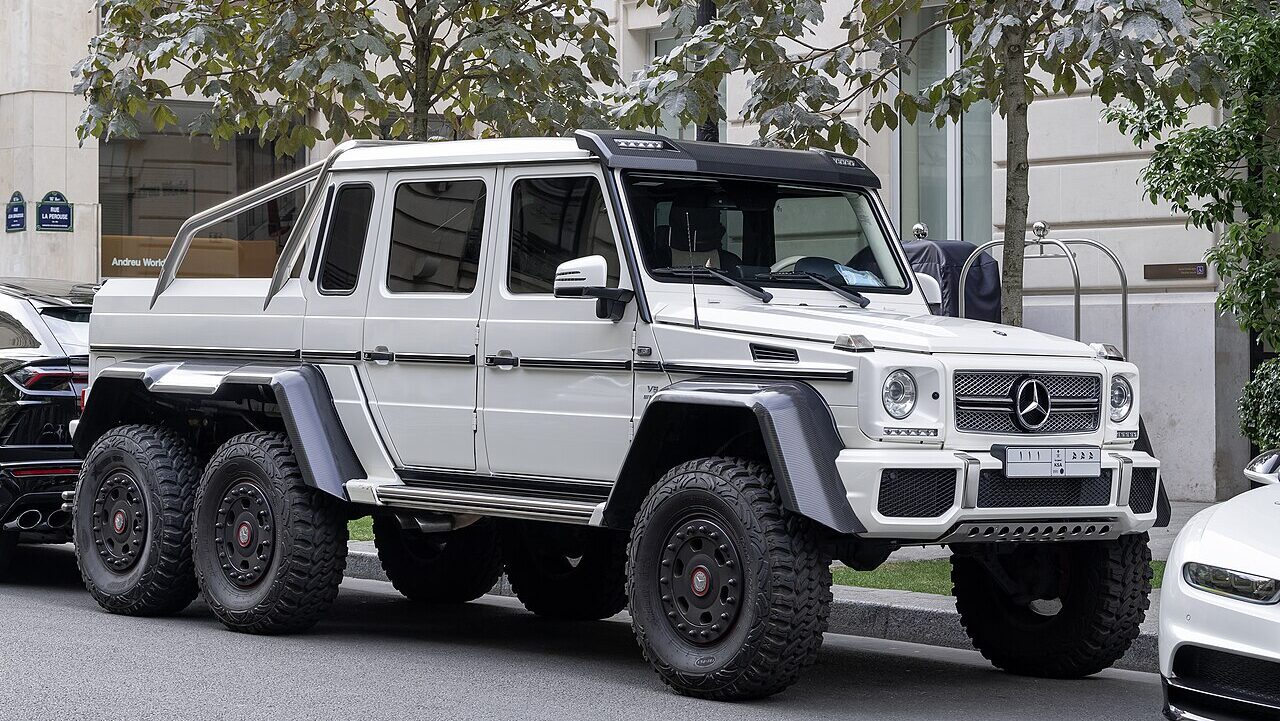
When Mercedes-AMG engineers looked at the already excessive G-Class and thought “needs more wheels,” the result was the G63 6×6, and the world became a slightly more interesting place.
Originally developed for the Australian military, this six-wheeled monster stretches over 18 feet long, stands nearly seven feet tall, and tips the scales at well over 8,000 pounds (depending on spec and measurement standard) of German engineering gone gloriously mad. Power comes from AMG’s twin-turbo 5.5-liter V8 cranking out 536 horsepower, which sounds modest until you remember it’s driving six wheels through portal axles that give this thing nearly 18 inches of ground clearance.
Production exceeded 100 vehicles, and it was built in very limited numbers from 2013–2015. starting in 2013, each one priced around $500,000, and somehow Mercedes had no trouble finding buyers willing to pay that for a truck they’d probably never take off-road. With five differential locks, tire pressure control, and the ability to ford nearly four feet of water, the 6×6 could genuinely go anywhere, though most ended up cruising through London or Dubai making everybody’s Escalade look boring.
Jeep Grand Cherokee Trackhawk

Jeep took a perfectly reasonable family SUV, stuffed in a supercharged Hellcat V8, and created something that makes absolutely no sense on paper but feels completely right on the road.
The Trackhawk’s 6.2-liter supercharged V8 delivers 707 horsepower and 645 lb-ft of torque, launching this 5,300-pound SUV to 60 mph in the low-3-second range and through the quarter-mile in the high-11s in testing. That’s genuinely supercar quick, wrapped in a package that seats five and has a decent cargo area.
Jeep upgraded the brakes to 15.75-inch Brembos up front, widened the body slightly, and added functional hood vents to keep that massive supercharger cool, but otherwise kept things surprisingly low-key for something this powerful. The party trick is the all-wheel-drive system that can route up to about 70% of the torque to the rear in Track mode, giving the Trackhawk surprisingly entertaining handling dynamics for something shaped like a brick.
Starting around $90,000 when it was available, it offered Hellcat performance for less than half the price of most European super SUVs, proving American excess doesn’t always require a European price tag.
Brabus 900 Rocket Edition (Mercedes-AMG G63)
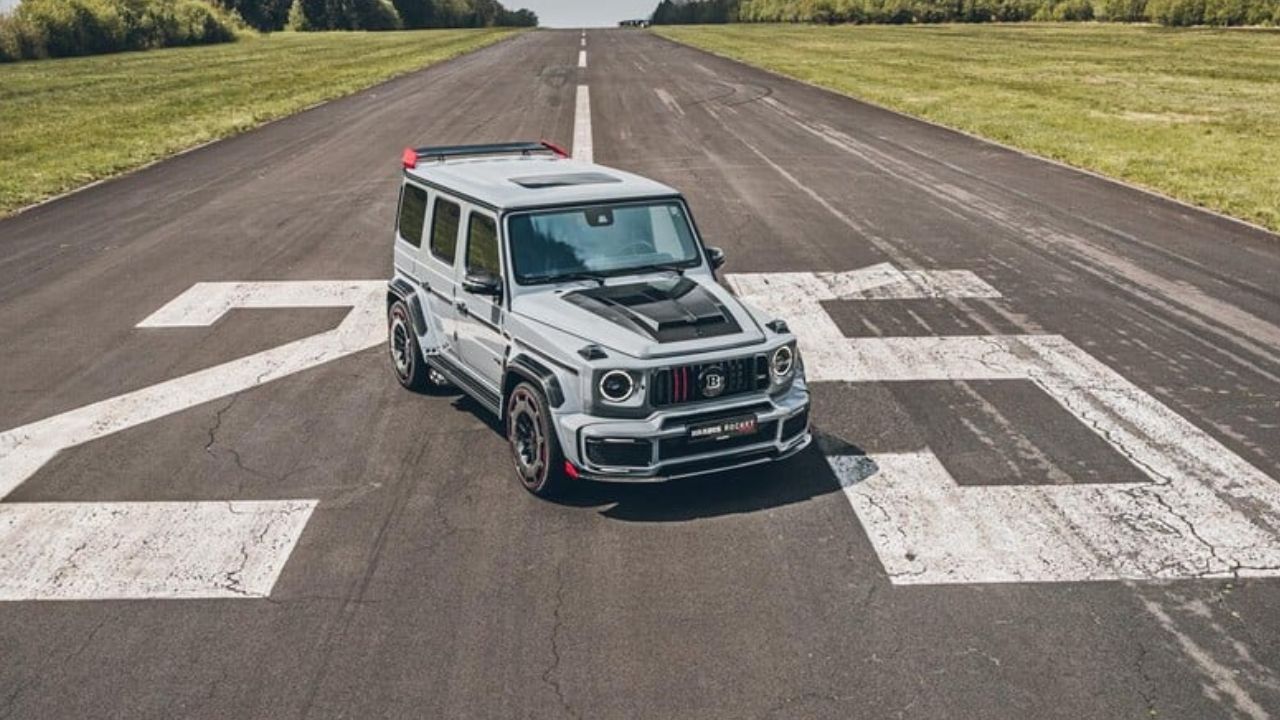
The Mercedes-AMG G63 already makes 577 horsepower, which apparently wasn’t nearly enough for Brabus, so they rebuilt the entire engine and created a 900-horsepower luxury bunker on wheels.
The German tuning house bores out the 4.0-liter twin-turbo V8 to 4.5 liters, adds bigger turbos, and completely reworks the internals to produce 900 metric horsepower (888 by American standards) and a 1,250 Nm of torque (about 922 lb-ft), typically electronically limitede. That’s enough to shove this nearly three-ton SUV to 60 mph in 3.7 seconds and onward to a top speed of 174 mph, which is genuinely disturbing for something with the aerodynamics of a shipping container.
The exterior gets a full carbon fiber body kit, 24-inch forged wheels, and enough aggressive styling to ensure nobody mistakes this for a regular G-Wagon. Inside, Brabus covers nearly everything in leather and Alcantara, adds illuminated door sills, and installs a custom gauge cluster that reminds you every time you start it that this is very much not a normal Mercedes.
Pricing starts around $600,000, proving that some customers want their off-roader to have more power than a Lamborghini Huracán while still being comfortable enough for the school run.
Karlmann King
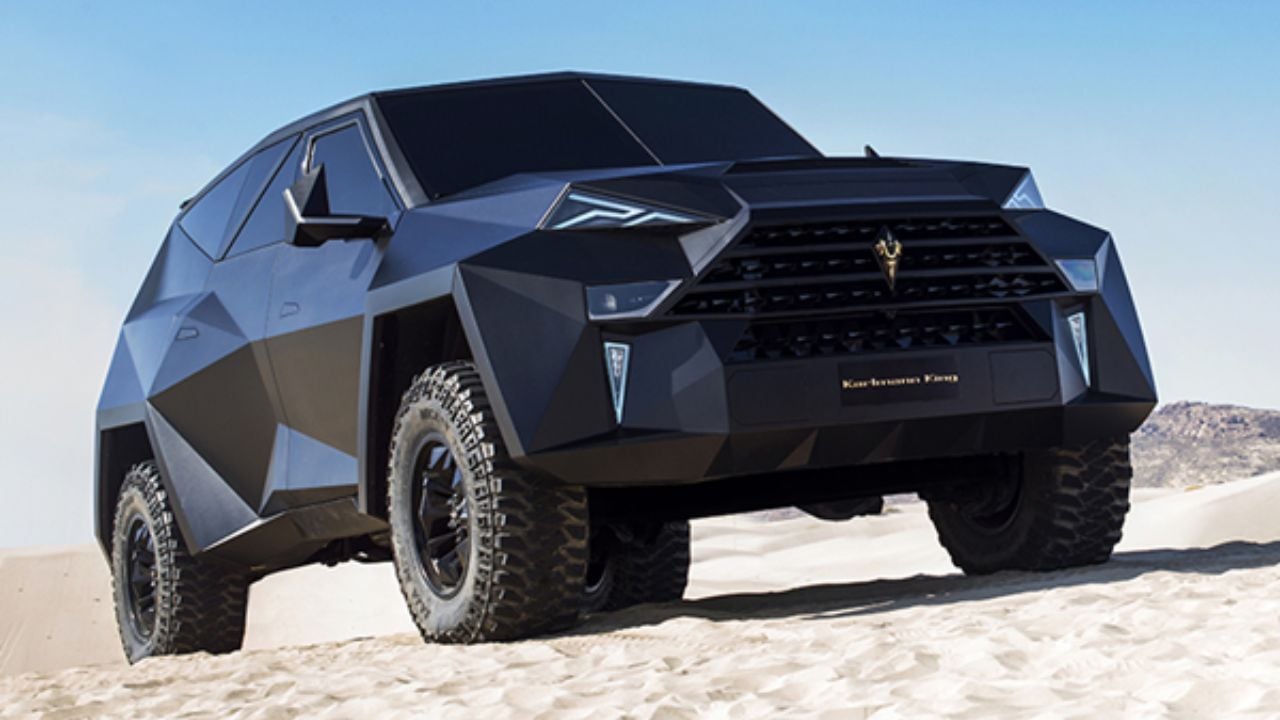
If Batman designed an SUV after winning the lottery, it might look something like the Karlmann King, a Chinese-built fortress that costs up to $2 million and looks like it was sketched during a fever dream.
Based on a Ford F-550 chassis, this angular monstrosity weighs nearly 13,000 pounds and measures over 20 feet long, with exterior panels that look more like stealth fighter jet surfaces than automotive bodywork. The base version comes with a a Ford-sourced 6.8-liter V10 (reported around the 400-hp range, depending on spec), which is barely adequate for moving this much mass but seems beside the point for a vehicle like this.
Inside, buyers get options like a built-in coffee maker, satellite TV, refrigerator, safe, and even a PS4, all wrapped in enough leather and exotic materials to furnish a small apartment. Optional features include bulletproof armor, night vision, and a communications system that would make James Bond jealous.
Very few are believed to have been built, and exact production numbers aren’t consistently reported, and at that price point and with that styling, it’s not hard to see why, this is transportation for people who think a Rolls-Royce Cullinan is too understated.
Bentley Bentayga Speed
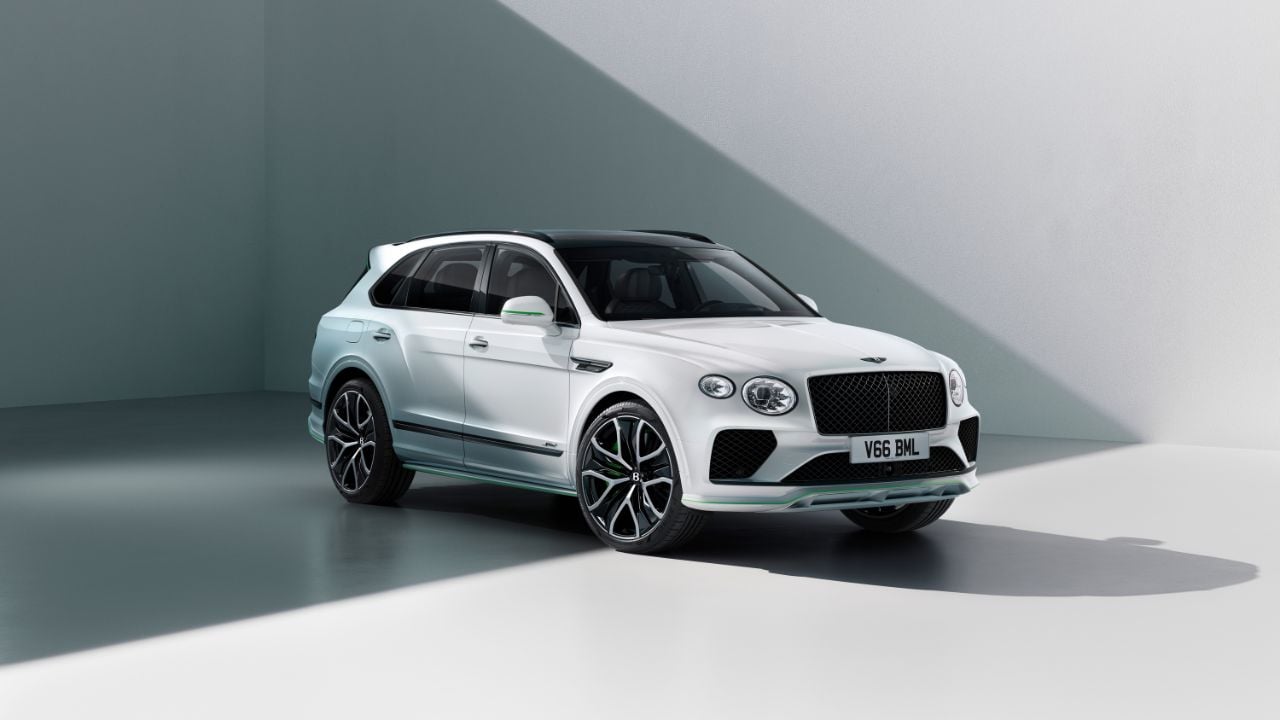
Bentley decided to prove their SUV could embarrass sports cars at the track, and the Bentayga Speed backs up that claim with a 6.0-liter twin-turbo W12 producing 626 horsepower and 664 lb-ft of torque.
In its W12-era form, it was Bentley’s fastest production SUV, with a 190-mph top speed and a 0-60 time of 3.8 seconds that seems impossible for something weighing nearly 6,000 pounds. The all-wheel-drive system, air suspension, and optional carbon-ceramic brakes work together to give this luxury SUV handling dynamics that would shame plenty of dedicated sports cars.
Inside, it’s pure Bentley craftsmanship with hand-stitched leather covering nearly every surface, real wood veneers, and enough customization options to ensure no two are quite alike. The Speed model adds diamond-quilted seats, dark-tint brightware, and exclusive 22-inch wheels that signal this isn’t your typical Bentayga.
Starting around $245,000, it occupies that rare space where genuine luxury meets genuine performance, proving you don’t have to sacrifice either when price isn’t really a concern.
Hennessey VelociRaptor 6×6
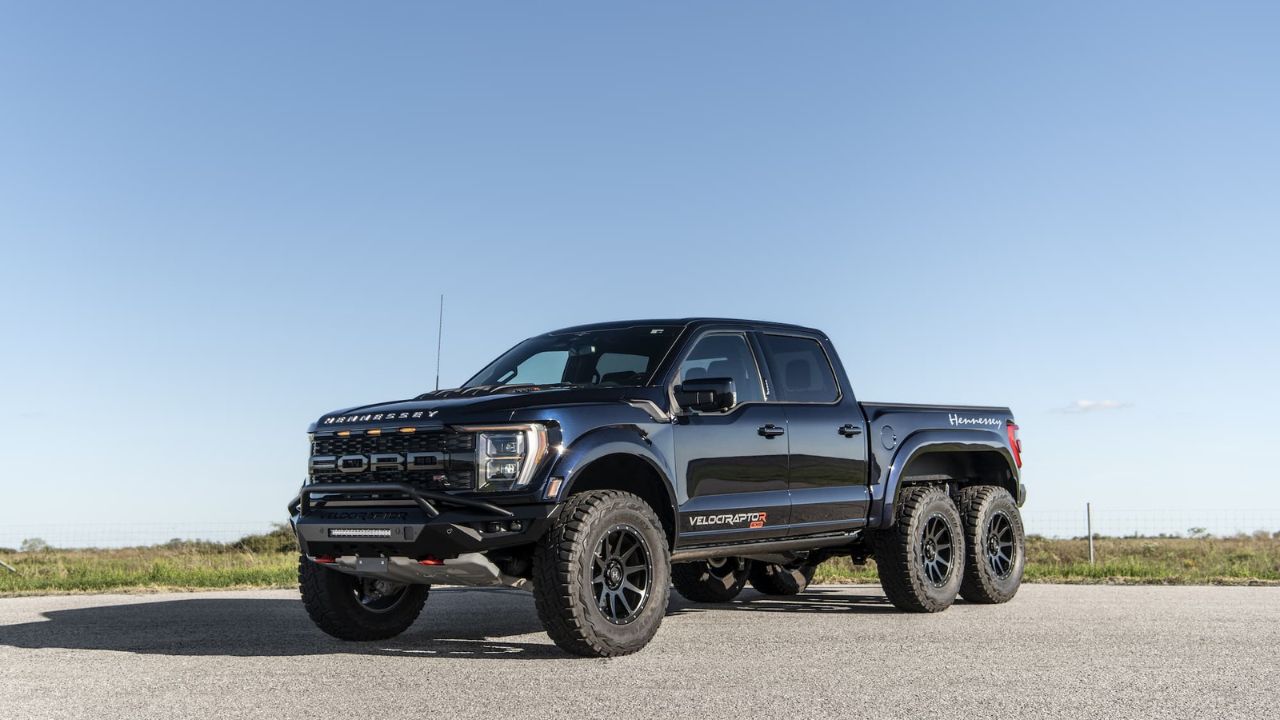
Texas tuner Hennessey Performance looked at the Ford F-150 Raptor and decided it needed more wheels, more power, and more of pretty much everything.
The VelociRaptor 6×6 starts life as a standard Raptor before Hennessey adds a third axle, stretches the frame, and bolts on custom suspension that includes suspension and chassis upgrades that increase off-road capability and clearance and 20 inches of wheel travel. Power comes from a supercharged 5.2-liter V8 with output depending on the chosen Hennessey package (varies by generation and configuration), which is routed through all six wheels via a custom drivetrain setup that makes this thing surprisingly capable off-road.
The conversion adds LED lighting, custom bumpers, a roll bar, and upgraded brakes to handle the extra mass, while inside it remains surprisingly civilized with leather seats and modern tech. Only about a dozen are built per year, each one priced around $350,000, making this the American answer to Mercedes’ 6×6 but with more horsepower and Texas-sized attitude.
It’s absurdly excessive, completely impractical for almost everyone, and somehow that’s exactly the point, this is a toy for people who think two extra wheels automatically makes everything better.
Aston Martin DBX707

Aston Martin’s first SUV was already impressive, but apparently the engineers felt it needed more aggression because the DBX707 showed up with a 697-horsepower twin-turbo V8 and a point to prove.
That power figure makes this one of the most powerful luxury SUVs in its class, and among the quickest in real-world testing, delivered by AMG’s 4.0-liter twin-turbo V8 that’s been thoroughly reworked to push this British bruiser to 60 mph in 3.1 seconds. Top speed hits 193 mph, which is genuinely supercar territory and more than a little terrifying in something this tall.
The chassis received significant updates including recalibrated air suspension, a new electronic rear differential, and carbon-ceramic brakes that can actually slow this 5,000-pound machine from those speeds. Inside, it’s classic Aston Martin with beautiful leather, Alcantara, and enough bespoke options to ensure no two are exactly alike, all while maintaining actual usability with five seats and decent cargo space.
Starting around $240,000, the DBX707 proves British sports car makers can build SUVs that are genuinely thrilling to drive rather than just nice to sit in.
Mercedes-Maybach GLS 600
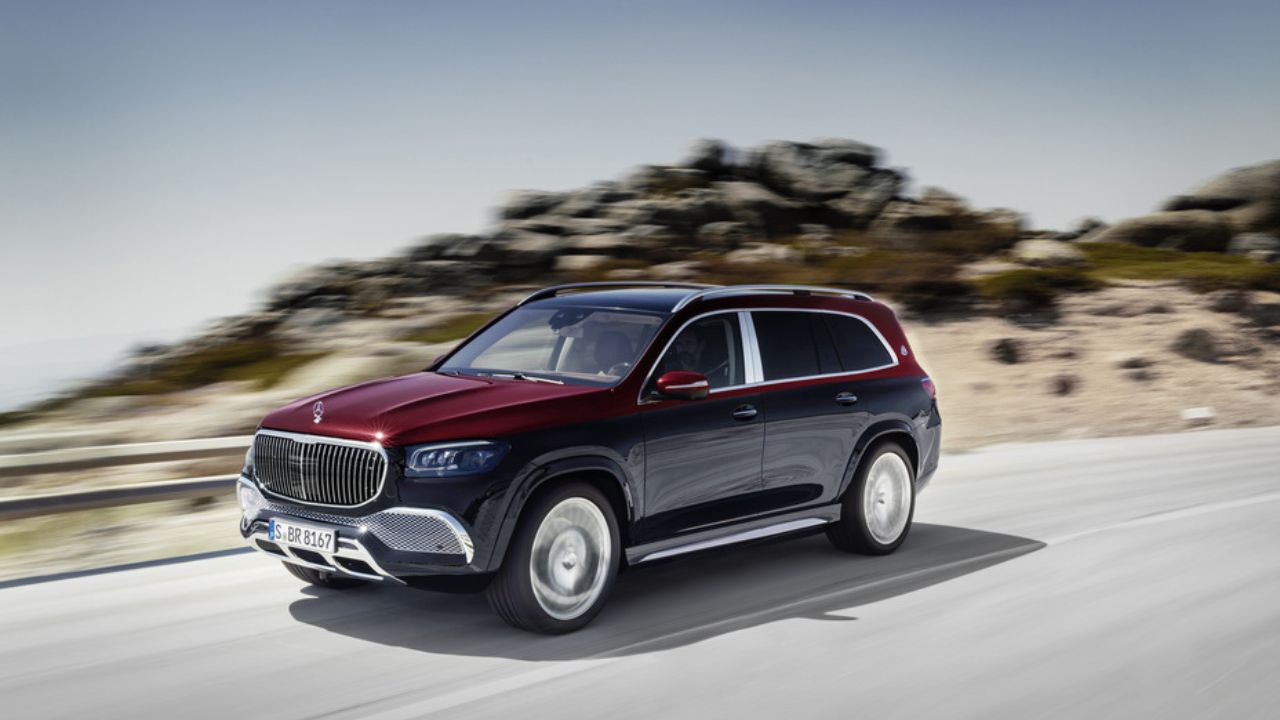
Some SUVs focus on performance, others on capability, but the Maybach GLS 600 is laser-focused on making rear-seat passengers feel like royalty, and it succeeds spectacularly.
Based on the already luxurious Mercedes-Benz GLS, the Maybach version adds reclining rear seats with leg rests, heated armrests, Nappa leather everywhere, a built-in refrigerator with silver champagne flutes, and enough sound insulation to make the cabin quieter than most recording studios.
Power comes from a 4.0-liter twin-turbo V8 paired with a 48-volt hybrid system rated at about 550 horsepower, with additional short-duration assist from the 48-volt EQ Boost system, which is more than adequate for moving this 6,000-pound luxury lounge around. The E-Active Body Control suspension can actually raise one side of the vehicle to make entry and exit easier, and it’ll bounce the SUV gently to help free it if stuck, because even getting unstuck should be comfortable. Outside, the Maybach grille, unique wheels, and subtle brightwork signal this isn’t a regular GLS without being obnoxiously flashy about it.
At around $160,000, it’s expensive but not outrageous by ultra-luxury standards, offering a level of rear-seat comfort that rivals Rolls-Royce while being slightly more subtle about it.
Dodge Durango SRT Hellcat

Dodge looked at their three-row family SUV and asked “what if Hellcat?” and the beautiful madness that resulted was the Durango SRT Hellcat, the most powerful three-row SUV ever built.
Under the hood sits the supercharged 6.2-liter Hemi V8 making 710 horsepower and 645 lb-ft of torque, launching this 5,710-pound people hauler to 60 mph in 3.5 seconds flat. That makes it quicker than a Porsche 911 Carrera while carrying six passengers and their luggage, which is either brilliant or insane depending on your perspective.
Dodge upgraded the brakes to massive Brembos, added a functional hood scoop to feed the supercharger, and installed a high-performance all-wheel-drive system that could send up to 70% of the power rearward when the front tires gave up. Inside, it was mostly standard Durango with some SRT badges and upgraded seats, because when you’re building something this ridiculous, the party trick is under the hood.
Dodge initially positioned it as a limited 2021 run (often cited around 2,000 planned), but the Durango Hellcat later returned for additional model years, at around $80,000, making them instant collectibles and proof that Dodge’s philosophy of stuffing Hellcat engines into everything was peak American automotive entertainment.
Land Rover Range Rover SVAutobiography
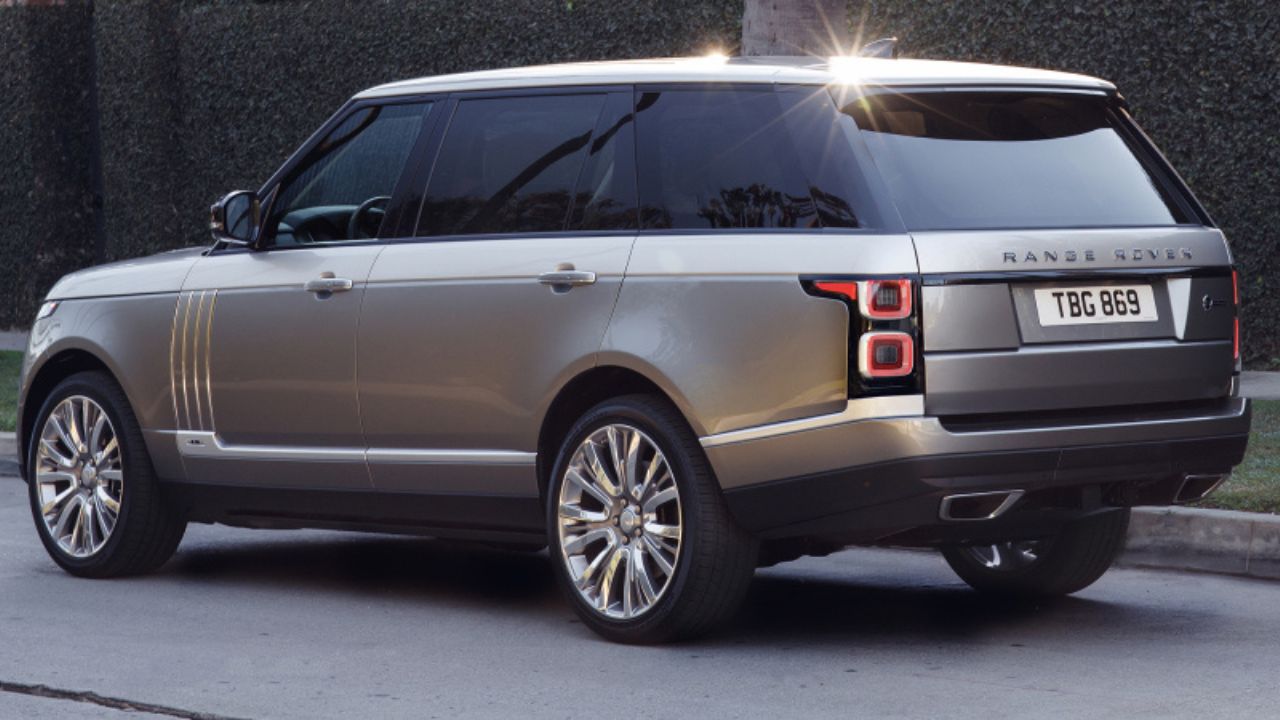
Range Rover’s SVAutobiography takes the already upscale Range Rover and dials luxury up to levels that would make a private jet jealous, all while maintaining genuine off-road capability that most owners will never use.
The long-wheelbase body provides extra rear legroom for occupants sitting in heated and cooled executive seats that massage, recline, and adjust in about 20 different ways. Power comes from a supercharged 5.0-liter V8 producing roughly 550–557 horsepower (depending on year/market), with top speed typically around 140 mph for those V8 SVAutobiography configurations.
The interior is dressed in premium leather, real wood veneers, and Alcantara headliner, with options like a refrigerated center console, deployable tables, and a Meridian sound system with more speakers than most concerts. Despite all the luxury, it still has Range Rover’s Terrain Response system, air suspension, and low-range gearing that make it genuinely capable off-road, though most will never venture further off-pavement than a gravel driveway.
Priced around $200,000, it represents the pinnacle of the luxury SUV formula: combine serious capability with outrageous comfort and charge accordingly, knowing some buyers want the best of both worlds regardless of cost.
Conclusion
The SUVs on this list represent automotive excess at its finest, where practicality takes a back seat to power, luxury, or just plain spectacle. Some pack enough horsepower to embarrass dedicated sports cars, others offer luxury that rivals private jets, and a few seem designed primarily to make a statement at any cost.
What’s fascinating is that automakers keep building them and buyers keep buying them, proving there’s always a market for vehicles that push boundaries just because they can. These machines might not make much logical sense, but they make perfect emotional sense for anyone who believes transportation should be an experience rather than just a way to get from point A to point B.
The automotive world needs its wild experiments and excessive creations, they’re what keep things interesting and remind us that sometimes more really is more, especially when you’ve got the engine bay space and the engineering budget to prove it.