
The Roman Empire may have fallen more than 1,500 years ago, but its streets never truly disappeared. Across Europe and the Mediterranean, entire towns still follow the original Roman layouts, with stone roads worn smooth by centuries of footsteps. These aren’t reconstructed ruins or museum replicas, they are living places where modern life unfolds on ancient foundations. Walking through them feels less like sightseeing and more like time travel.
What makes these towns remarkable is continuity. Markets still gather where forums once stood, churches rise from former temples, and alleyways trace the same paths Roman citizens walked daily. Unlike isolated ruins, these towns allow you to experience Roman urban life as an evolving story rather than a frozen relic. Here are the places where Rome’s streets are not just remembered, they are still walked.
Pompeii, Italy
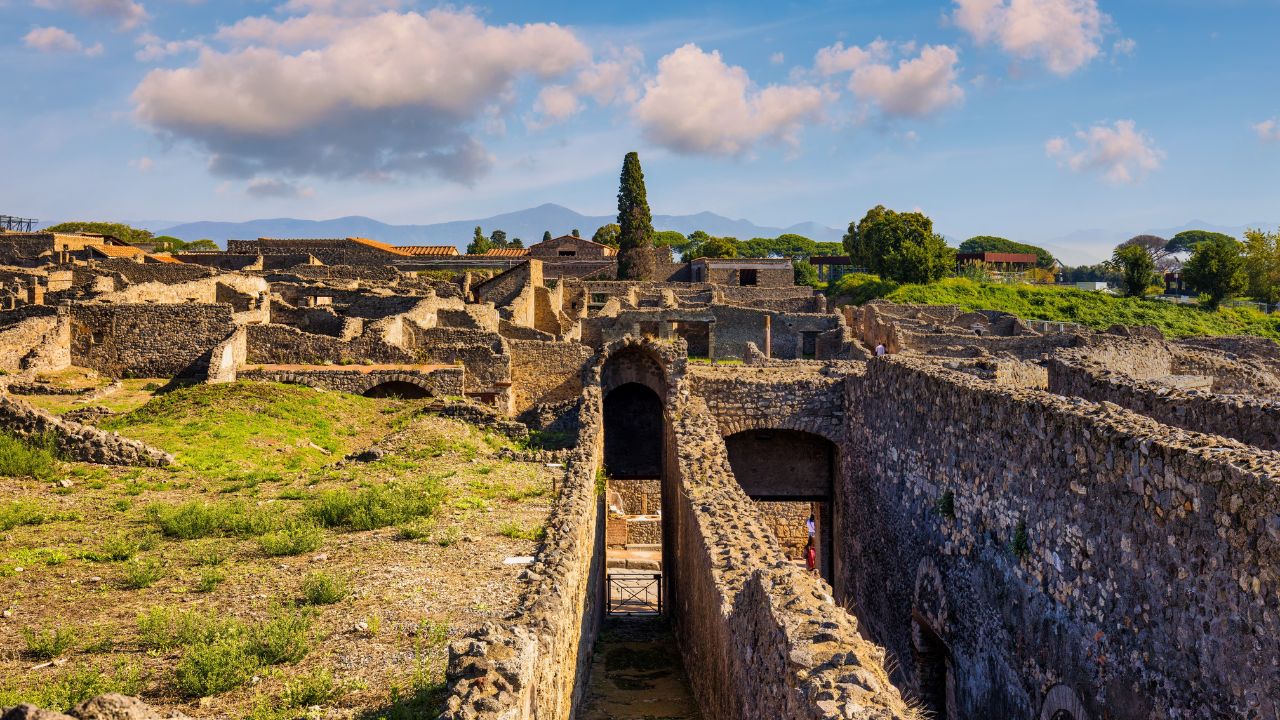
Pompeii offers one of the most complete and immersive experiences of Roman street life ever preserved. Its stone roads remain deeply grooved from chariot wheels, guiding visitors through neighborhoods exactly as they existed nearly 2,000 years ago. Crosswalk stones still rise above the streets, designed to keep pedestrians dry while carts passed through. Every step follows an ancient pattern.
What makes Pompeii extraordinary is its scale. Entire districts, homes, shops, and bathhouses remain intact enough to feel navigable rather than symbolic. You can stand in front of bakeries with original ovens, taverns with painted menus, and villas with courtyards that once echoed with conversation. The town feels paused, not destroyed.
Walking Pompeii isn’t about imagining Rome, it’s about witnessing it. The streets dictate movement just as they did centuries ago. There are no shortcuts or modern alterations. Pompeii remains the gold standard for experiencing ancient Roman urban life on foot.
Ostia Antica, Italy
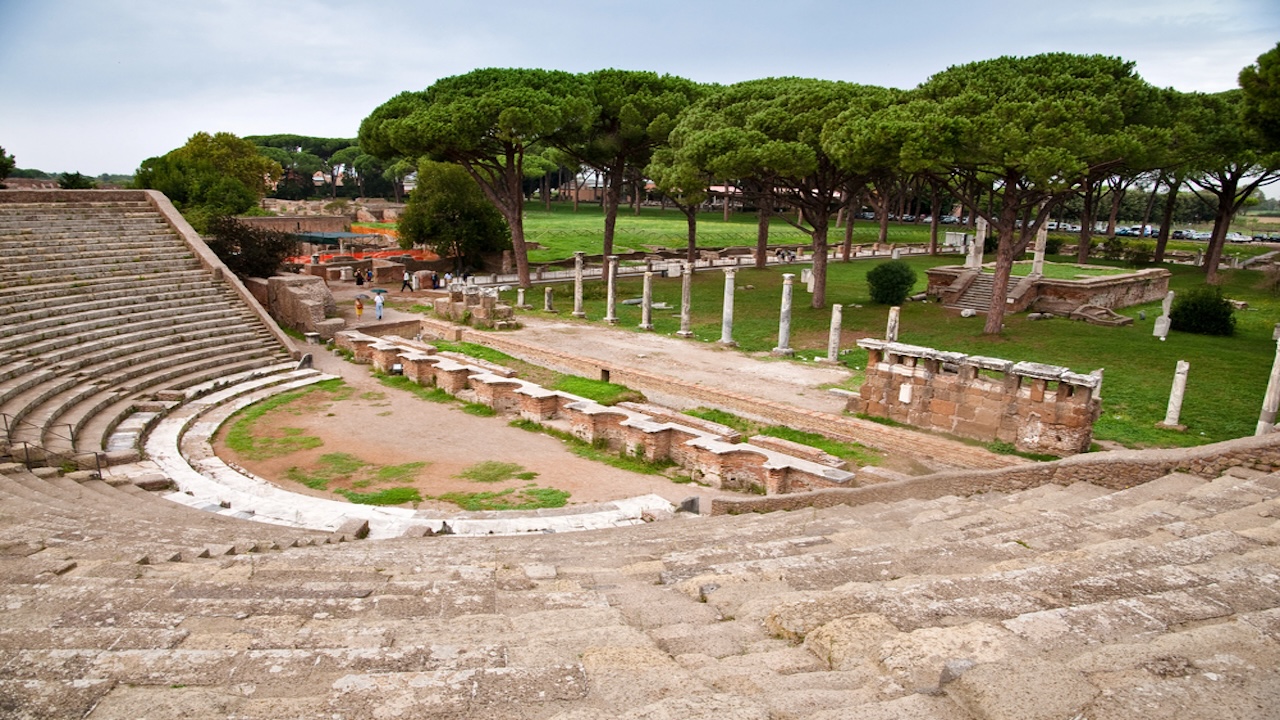
Ostia Antica was once Rome’s main port, and its streets still reveal the rhythms of commerce and daily activity. Broad stone roads cut through apartment blocks, warehouses, and public squares that feel remarkably intact. Unlike Pompeii, Ostia was not frozen by disaster but slowly abandoned, preserving its layout naturally. The town feels lived-in rather than staged.
Walking Ostia’s streets offers a sense of realism. Multi-story apartment buildings still loom over roads, bakeries open onto intersections, and public latrines remain clearly identifiable. You can trace the movement of goods from port to market with ease. The city tells its story quietly.
What sets Ostia apart is atmosphere. Crowds are thinner, silence is deeper, and imagination flows freely. The streets guide you gently through Roman daily life. It feels less like a site and more like a city waiting to wake up.
Herculaneum, Italy
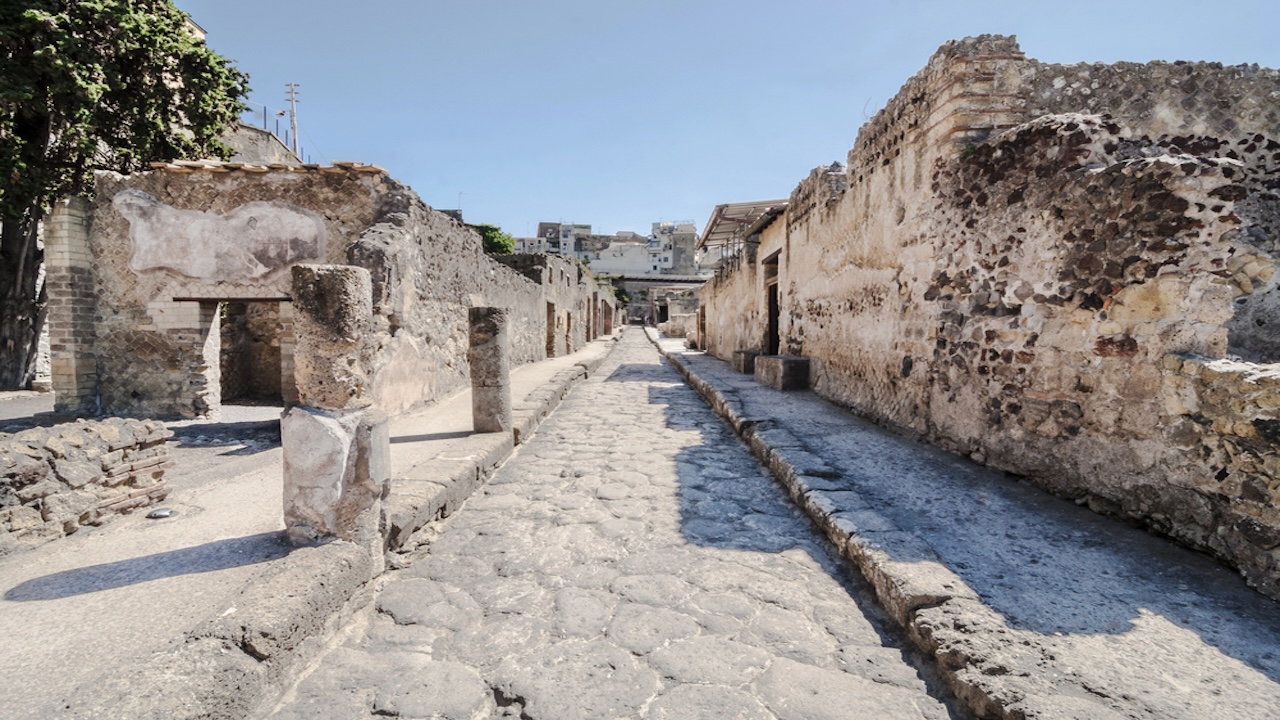
Herculaneum offers a more intimate version of Roman street life, preserved with extraordinary detail. Its streets are narrower, its buildings taller, and its materials richer than Pompeii’s. Wooden beams, balconies, and even doors survived, making the town feel shockingly familiar. The streets feel enclosed and personal.
Walking here reveals how Romans truly lived. Shops open directly onto sidewalks, upper floors project over streets, and homes blur the line between private and public space. The scale feels human rather than monumental. You move through the town naturally.
Herculaneum’s streets feel alive despite their age. You can sense footsteps, voices, and routines embedded in stone. The town doesn’t overwhelm, it invites. It’s one of the closest connections we have to everyday Roman life.
Timgad, Algeria

Timgad stands as one of the purest examples of Roman urban planning ever built. Its streets follow a perfect grid, with the main cardo and decumanus still clearly defined. Stone paving remains remarkably intact, creating long sightlines through the city. The order feels almost modern.
Walking Timgad is an exercise in clarity. The forum sits at the heart of the grid, flanked by baths, temples, and libraries. Each street leads somewhere logical. The city feels designed for movement and efficiency.
What makes Timgad remarkable is how readable it remains. The streets explain themselves. You don’t need signs to understand how the city functioned. Roman engineering speaks directly through stone.
Jerash, Jordan
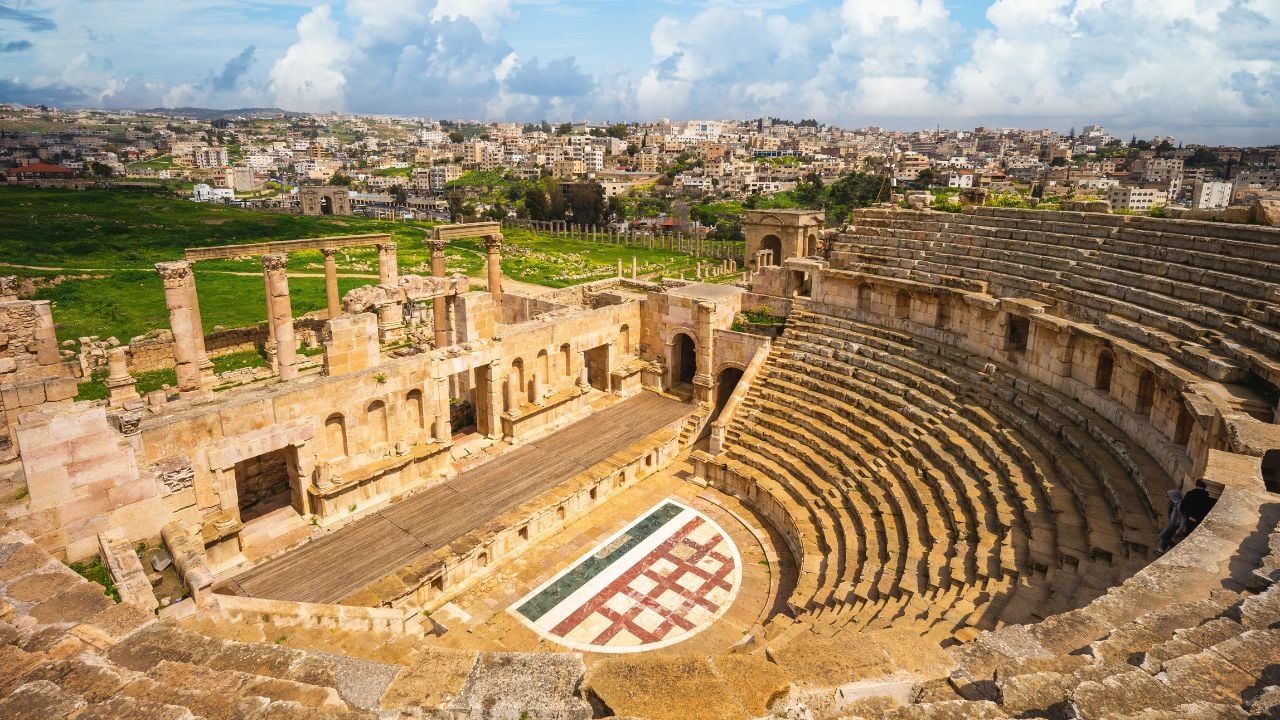
Jerash preserves Roman streets at a monumental scale, with colonnaded avenues stretching across the ancient city. The Cardo Maximus remains fully walkable, its original paving stones still in place. Columns line the road in rhythmic precision. The street feels ceremonial.
Walking Jerash feels grand and deliberate. Chariot ruts remain visible, worn into stone by centuries of use. Side streets branch into theaters, plazas, and temples. The city unfolds confidently.
Jerash shows how Roman streets could be both functional and theatrical. Movement here was designed to impress as much as to serve. The experience feels powerful and immersive. Few places capture Roman ambition so clearly.
Split, Croatia

Split is unique because Roman streets remain fully integrated into a modern city. Diocletian’s Palace wasn’t abandoned, it evolved into a living neighborhood. Ancient streets still guide daily life, lined with shops, apartments, and cafés. Roman stone meets modern footsteps.
Walking Split feels layered rather than preserved. You pass through narrow Roman corridors that suddenly open into lively squares. The original layout remains intact beneath centuries of adaptation. History feels continuous.
Split proves Roman streets were durable enough to survive time itself. They didn’t become relics, they became foundations. Few places allow you to live Roman space so naturally. The past here never left.
Volubilis, Morocco
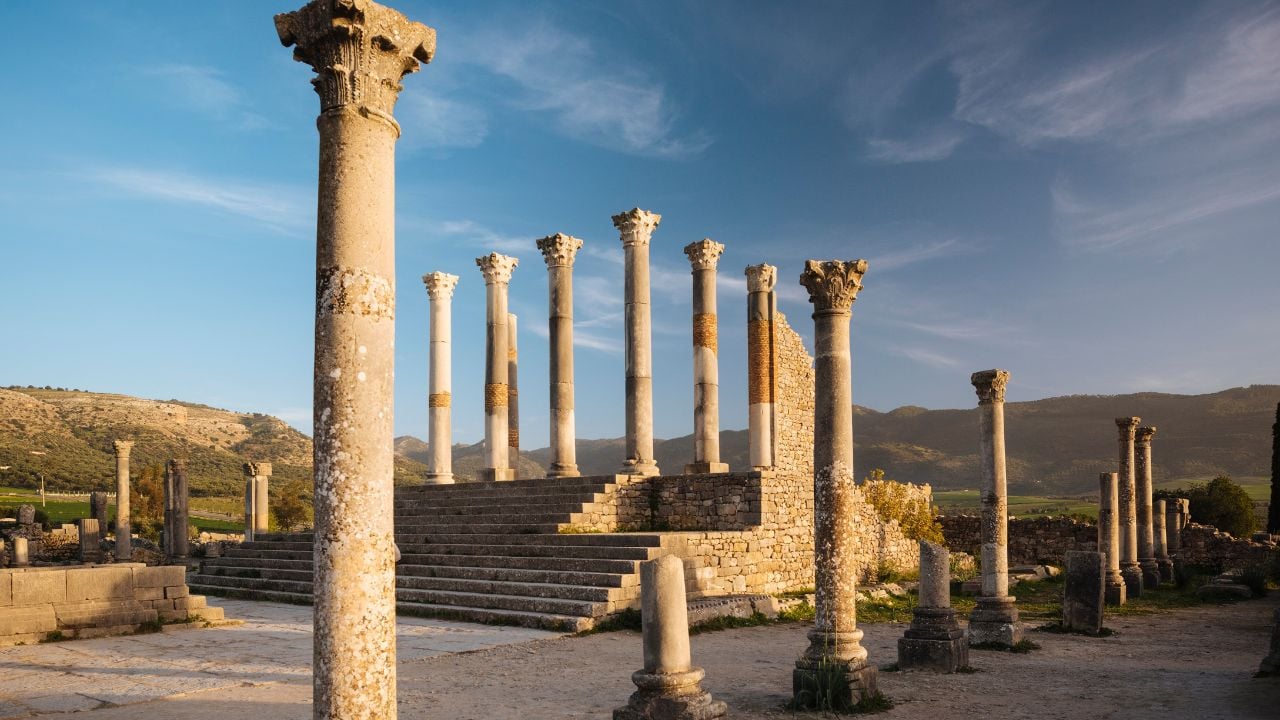
Volubilis preserves Roman streets against a dramatic natural backdrop, with olive groves and hills framing the ancient city. Stone roads remain clearly defined, connecting homes, forums, and triumphal arches. The layout feels open and expansive. The streets invite wandering.
Walking Volubilis offers clarity and calm. Without modern intrusion, the streets reveal their original logic. You can trace routes effortlessly. The city feels intelligible.
What makes Volubilis special is context. Roman streets here exist far from Rome itself, reminding visitors of the empire’s reach. Walking them feels powerful and grounding. The stones still carry authority.
Mérida, Spain
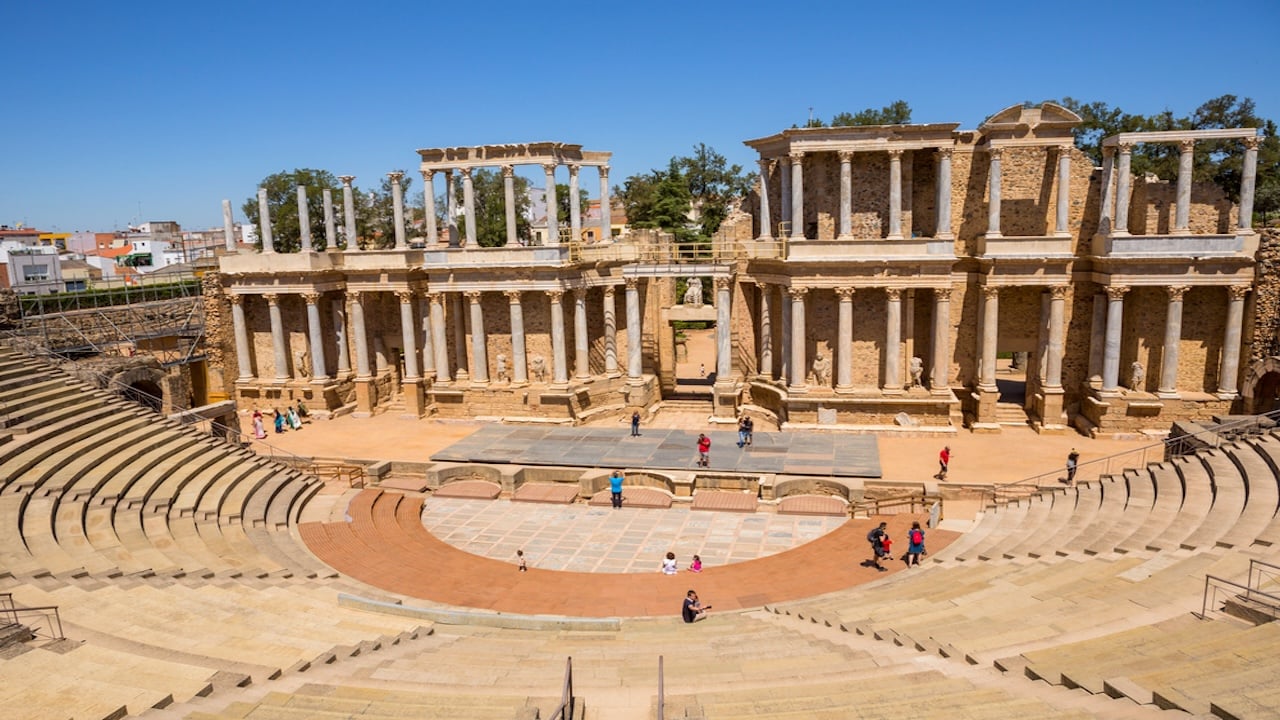
Mérida was once one of the most important Roman cities in Hispania, and its streets still reflect that status today. Modern roads follow ancient Roman routes, while original stone paving appears throughout the historic center. Walking through the city feels layered, with Roman foundations supporting everyday Spanish life. The past here is structural, not decorative.
What makes Mérida special is how seamlessly Roman streets blend into a living city. You might cross an ancient road on your way to a café or pass Roman walls on a casual evening walk. The city never isolates its ruins from daily use. History remains practical.
Mérida proves that Roman streets were built for longevity. They still organize movement, commerce, and social life. You’re not stepping into a closed archaeological site. You’re walking through a city Rome never truly left.
Pula, Croatia
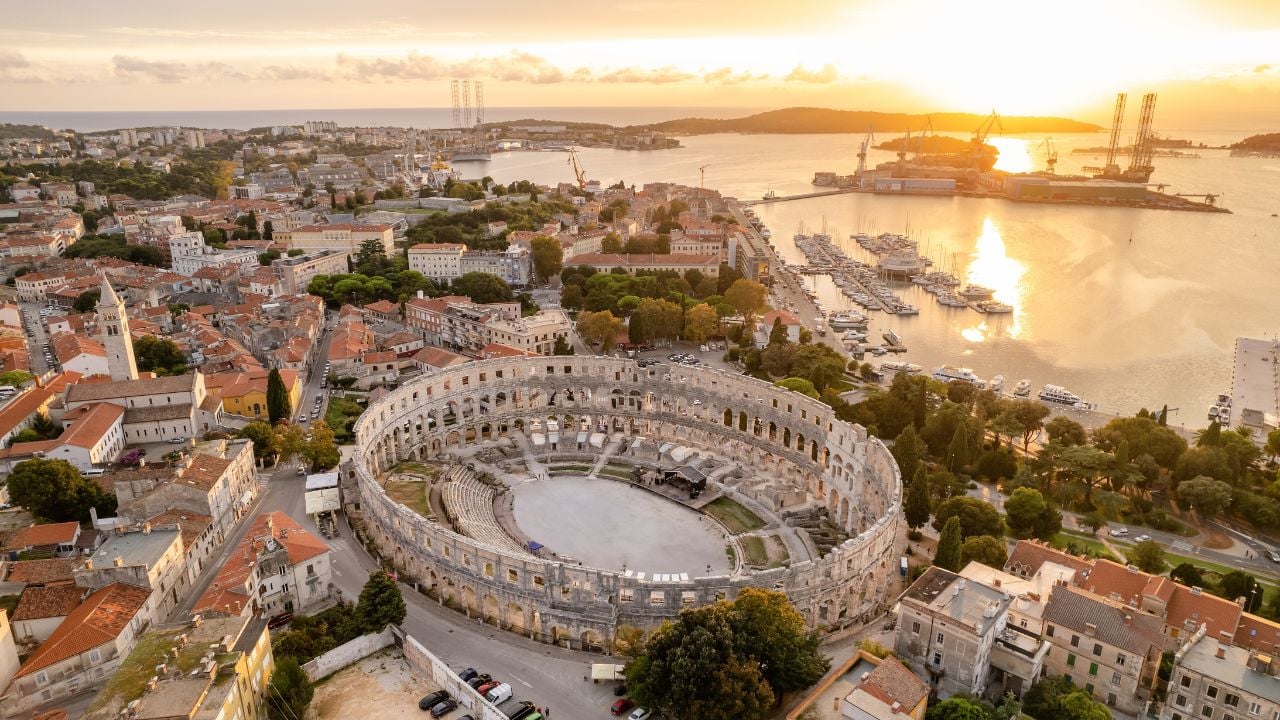
Pula’s Roman streets radiate outward from its famous amphitheater, forming a layout that has survived nearly two millennia. Stone roads remain embedded beneath modern paving, guiding traffic and footpaths alike. The city feels anchored by its Roman core. Ancient geometry still shapes movement.
Walking Pula reveals Rome’s influence at street level. Temples, arches, and forums appear naturally along your route rather than as isolated landmarks. The streets connect everything logically. You sense intention in every turn.
What sets Pula apart is continuity. The city adapted without erasing its Roman skeleton. Everyday life unfolds along ancient paths. It’s a rare example of Roman urban planning still doing its job.
Dougga, Tunisia
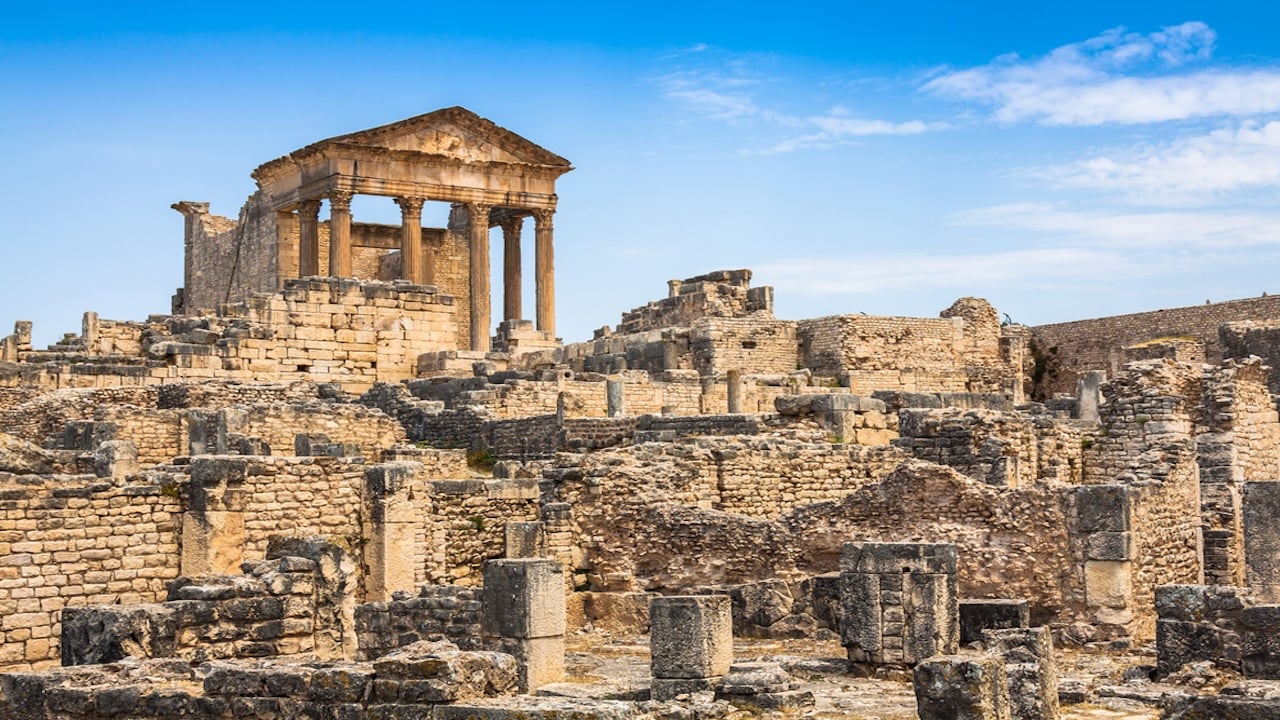
Dougga sits high above the Tunisian countryside, its Roman streets preserved in remarkable condition. Stone paving remains visible and intact, connecting temples, homes, and public buildings. The city feels expansive and orderly. Roman design dominates the landscape.
Walking Dougga is quiet and contemplative. Without modern intrusion, the streets reveal their original purpose clearly. You can follow processional routes and residential paths with ease. The city speaks through structure.
What makes Dougga exceptional is preservation through abandonment. Nothing was rebuilt incorrectly or reshaped for convenience. The streets remain honest. They tell Rome’s story without interruption.
Chester, England
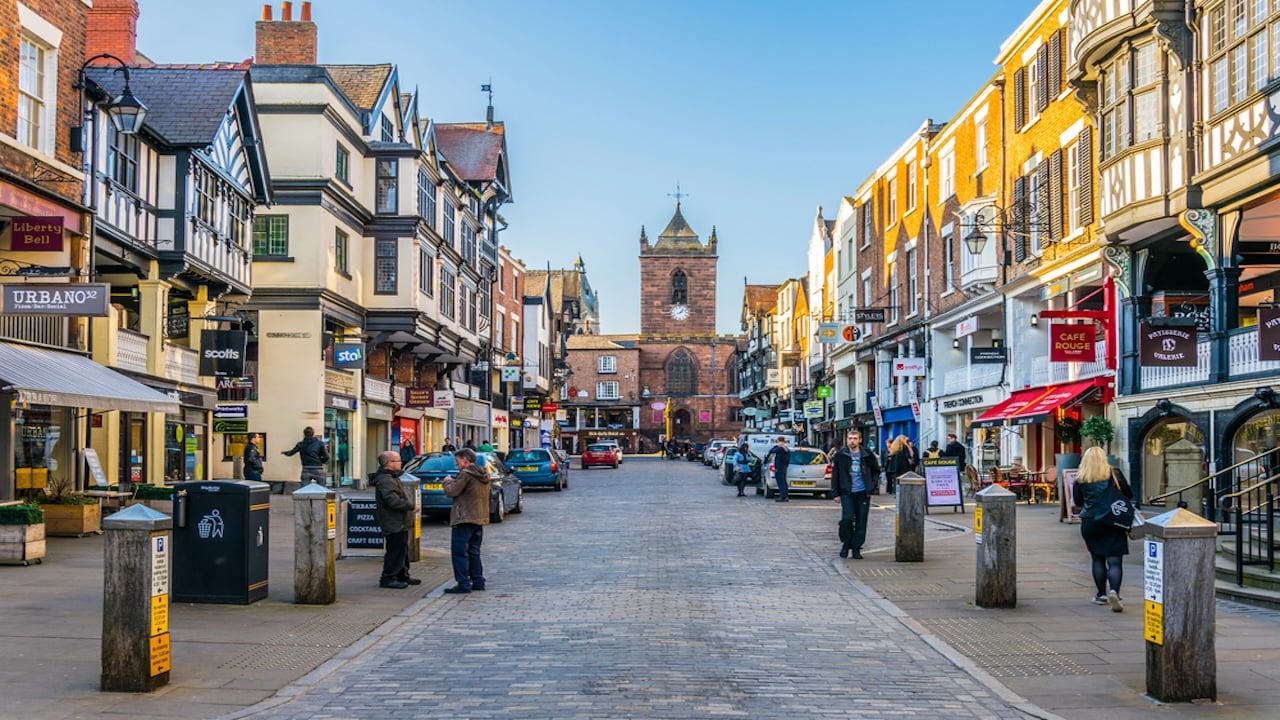
Chester’s Roman streets still define the city’s historic core, following the original fortress layout. Modern shops and homes line roads first laid down by Roman soldiers. The grid remains unmistakable. History here is functional.
Walking Chester means moving along routes planned for military efficiency. Corners feel deliberate, distances measured. The city retains a sense of order uncommon in medieval towns. Roman logic still governs space.
Chester shows how Roman streets influenced Britain long after Rome withdrew. They became permanent organizers of urban life. The past didn’t vanish, it adapted. The streets never surrendered their authority.
Nîmes, France
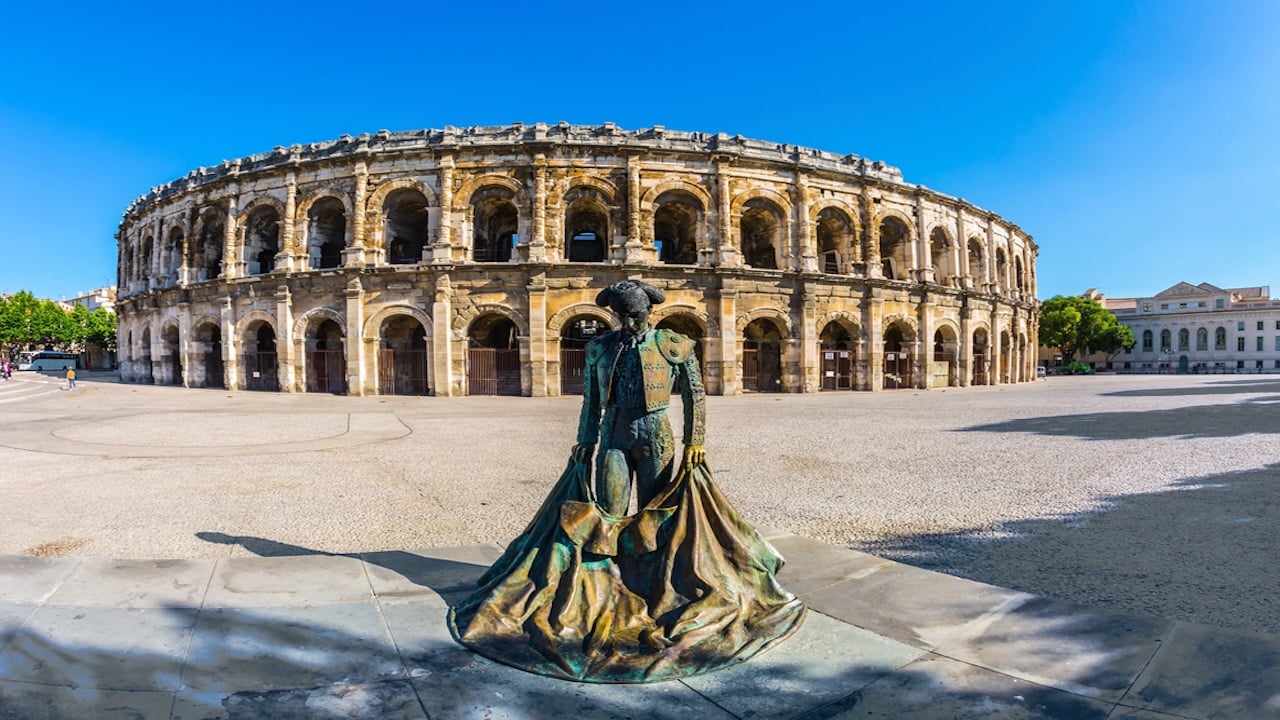
Nîmes preserves Roman streets beneath a refined French cityscape. Roads still connect the arena, temples, and baths exactly as they did in antiquity. Stone foundations guide modern movement. The city feels intentional.
Walking through Nîmes feels smooth and balanced. Roman planning softened by centuries of use creates harmony rather than rigidity. Streets feel welcoming and open. The past blends into the present.
Nîmes demonstrates how Roman streets could evolve without disappearing. They absorbed culture rather than resisting it. The result is elegance layered over strength. Rome still whispers here.
Verona, Italy
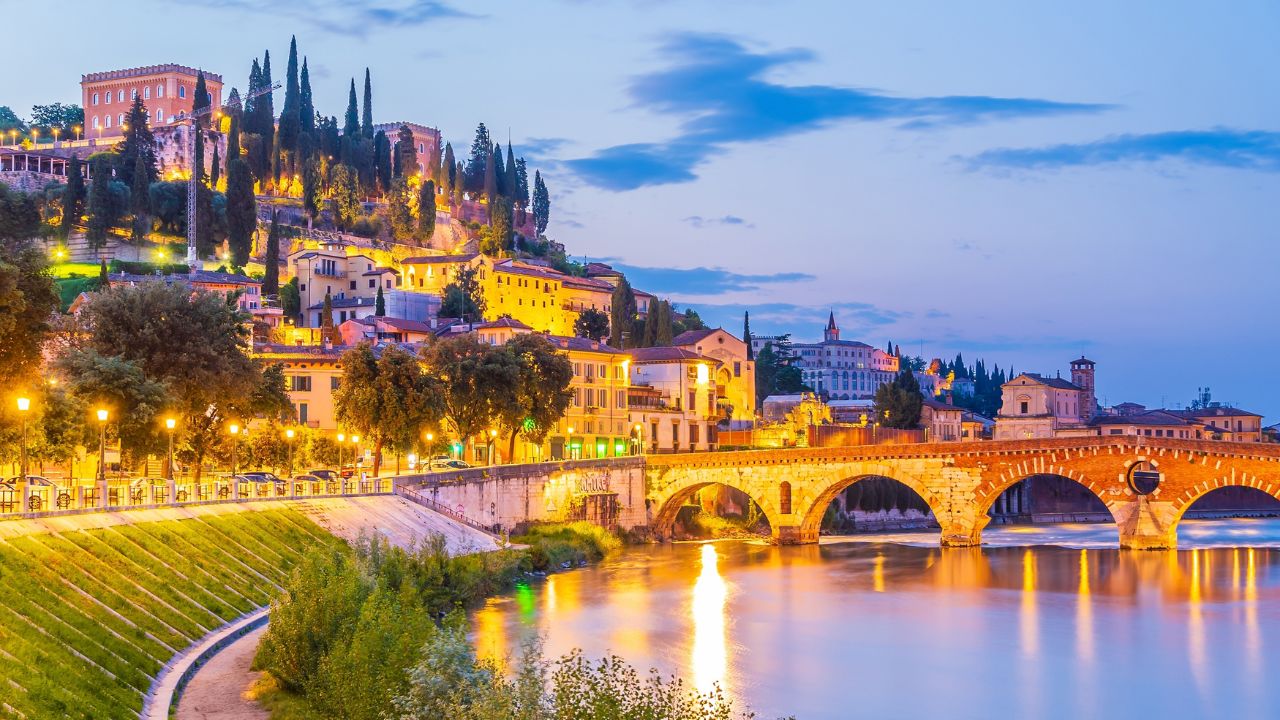
Verona’s Roman streets form the backbone of its historic center, radiating from the ancient forum. Cobblestones follow original Roman routes, polished smooth by time. The city feels romantic but structured. Beauty rests on order.
Walking Verona reveals how Roman design shaped later centuries. Medieval buildings rise along Roman paths, respecting the original layout. Streets feel intuitive and walkable. Movement feels natural.
Verona’s streets prove that good design outlives empires. They supported poetry, trade, and everyday life long after Rome fell. The past remains useful. That’s true survival.
Silchester, England
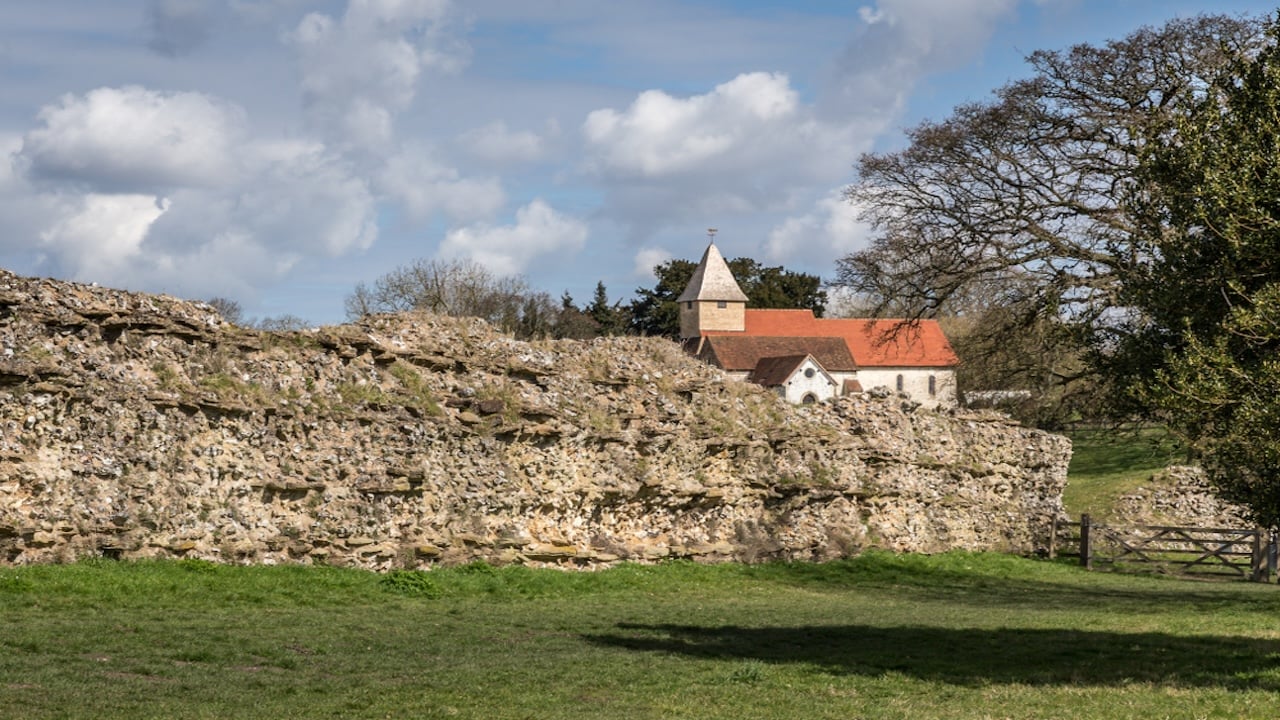
Silchester offers a rare chance to walk Roman streets in their original rural setting. Unlike urban sites, its roads cut through open land, clearly visible and untouched. The grid remains readable. The city plan still exists.
Walking Silchester feels archaeological and intimate. Streets lead nowhere modern, emphasizing their original purpose. You move through absence rather than adaptation. The silence amplifies history.
Silchester shows Roman streets without layers. No medieval city replaced them. What remains is pure structure. Time didn’t overwrite it, it stepped aside.