When most people think of Porsche, they picture the 911, a shape that has been refined for more than half a century and, for many enthusiasts, embodies the brand itself. Because that form is so iconic, any change, whether it is made to the 911 or to an entirely new model, makes the Porsche world hold its breath and usually start yelling. These moments of stylistic rebellion are the company’s biggest gambles, yet they often define entire eras.
It turns out that the most controversial designs are often the most influential, setting the stage for future models and ensuring the company’s financial health. Here is a look at the Porsche designs that broke the rules, caused an uproar, and ultimately became legends in their own right.
These styling changes sparked the most significant arguments yet proved the most consequential, defining new eras for the famed German marque.
The 928’s Front-Engine Grand Tourer Shape

When the 928 arrived in 1978, its sleek, integrated bodywork was an absolute and total departure from the rear-engined blueprint. Porsche had already built front- and mid-engined models like the 924 and 914, and both had sparked their own debates among purists, but none directly confronted the 911’s identity the way the 928 did.
The fundamental shock was seeing that long, low hood housing a massive V8 engine instead of the beloved compact flat-six tucked behind the axle. Many enthusiasts viewed this as a direct challenge to the brand’s core sporting philosophy. The 928 was engineered not as a lightweight sports car but as a luxurious, high-speed grand tourer designed for transcontinental cruising.
Its aesthetics were truly revolutionary for the period, featuring seamlessly integrated polyurethane bumpers and retractable headlamps that created a smooth, glass-like profile when lowered. Sales were steady but modest throughout its long run until 1995. Even so, the 928 was a masterpiece of engineering that used a complex transaxle layout to achieve a near-perfect weight distribution. Early models delivered around 240 horsepower, while powerful later versions like the GTS offered more than 340 horsepower, giving it the sophisticated, high-speed performance that defined the car at its peak.
The 930 Turbo’s Whale Tail
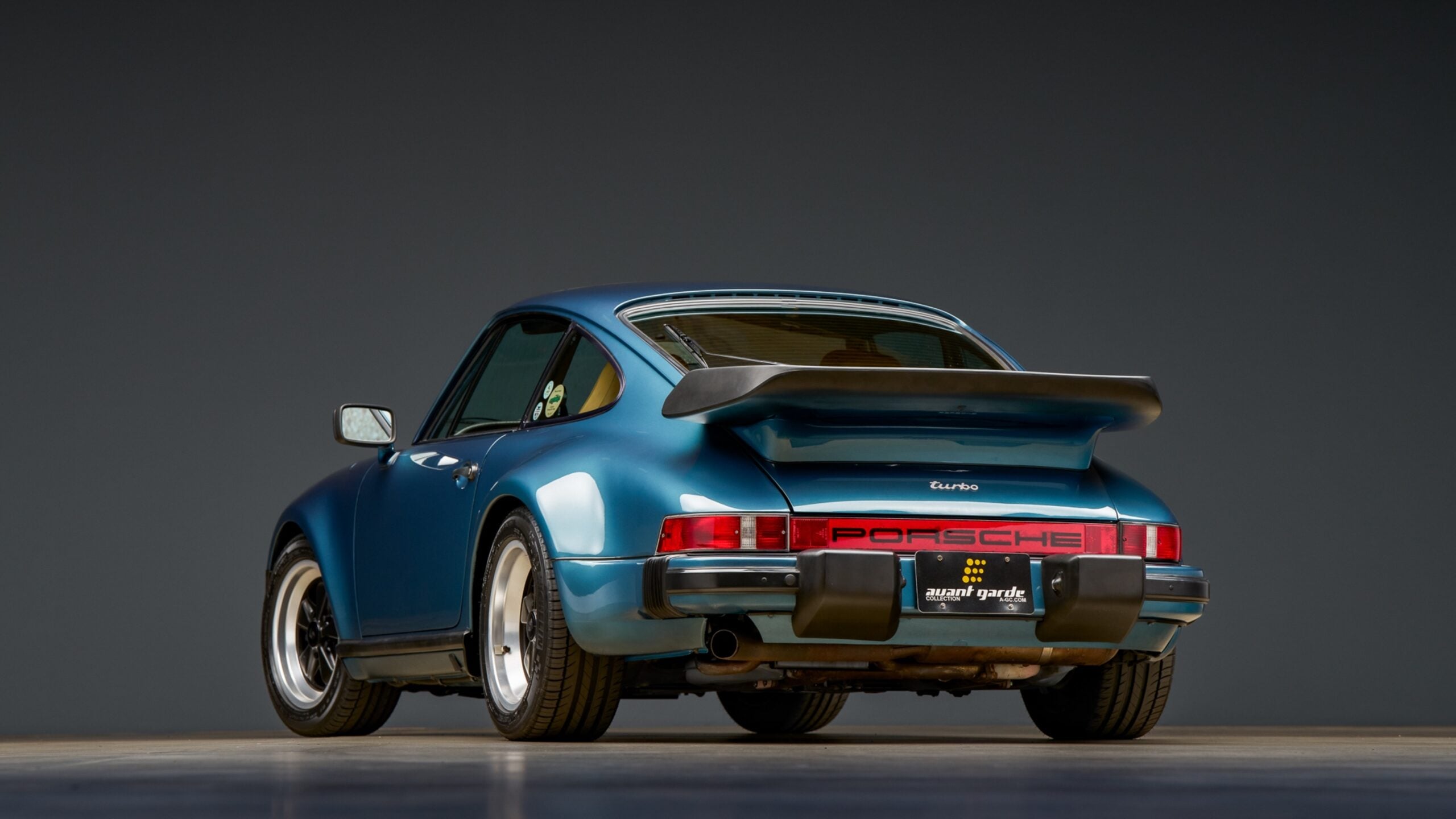
The very first 911 Turbo, the 930 generation, arrived in the mid-1970s, making an unforgettable visual statement with an uncompromising piece of bodywork: a massive, fixed rear wing instantly nicknamed the ‘whale tail.’ Its sheer size caused a major visual shock, dramatically interrupting the famously clean, graceful silhouette of the standard 911. The wing looked like a brazen act of over-the-top styling, but its prominence was strictly dictated by engineering necessity.
This was less a choice of style than a matter of crucial function. It helped counteract the rear-engine lift and, more critically, provided the necessary downforce to manage the notorious, sudden breakaway handling characteristics of the early, first-generation turbocharged flat-six engine. That controversial wing quickly became the visual symbol of the Turbo’s raw power and cemented its place as the definitive, aggressive high-performance 911.
The 996’s ‘Fried Egg’ Headlights
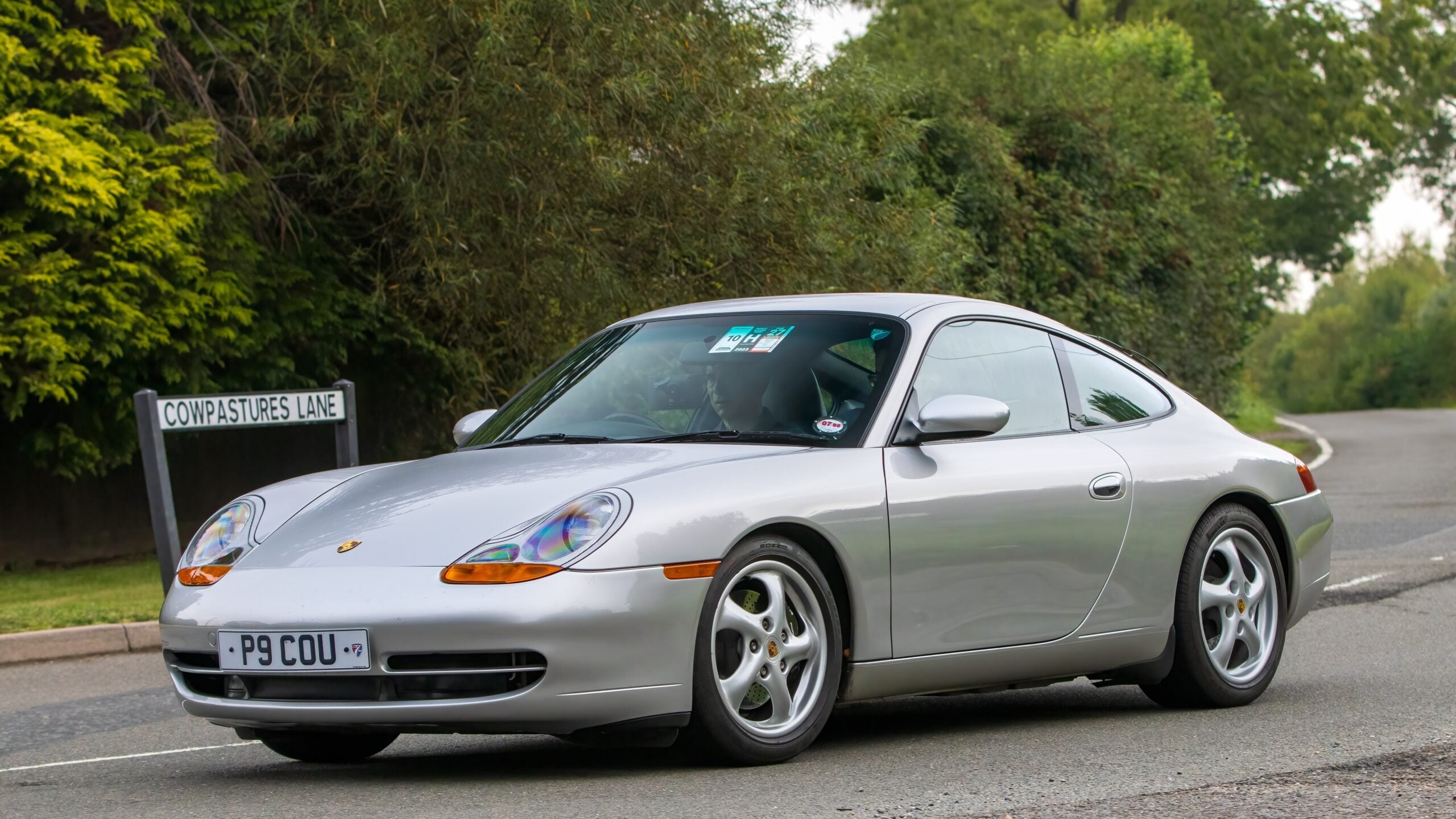
For decades, the 911 always had round headlamps, a non-negotiable part of the design language. That tradition was abruptly tossed aside for U.S. buyers with the arrival of the water-cooled 996 for the 1999 model year, which introduced composite, non-round units that merged the main lamp with the turn signal. Enthusiasts immediately and derisively nicknamed them “fried eggs.”
This design was intensely polarizing for breaking the sacred round-light tradition, but the bigger sin in the eyes of many purists was that the shape was shared with the Boxster. This visual overlap diminished the perceived exclusivity of the more expensive 911 Carrera.
Despite the styling complaints, the 996 was a commercial success, selling well early on and providing Porsche with the financial stability it needed to streamline production. Today, the 996 is respected as an affordable way into Porsche ownership, with clean examples often listing in the mid-$30,000s to low-$40,000s and offering strong performance for the money.
The Cayenne’s Headlight Design
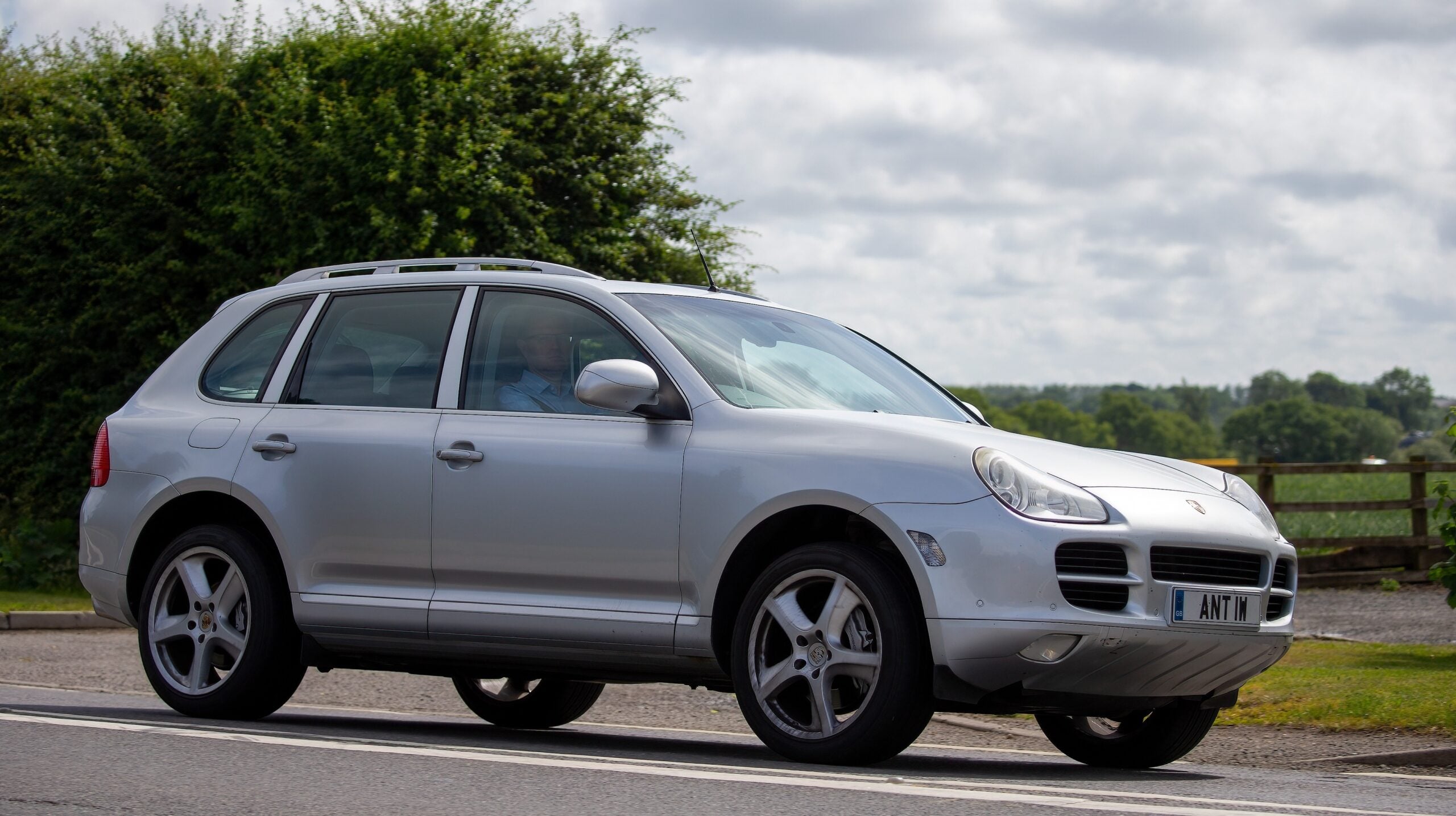
When the Cayenne arrived for U.S. buyers in the 2003 model year, it instantly became one of Porsche’s most polarizing moves. An SUV wearing the badge was controversial enough, but giving it a similar “fried egg” headlight design as the already-debated 996 doubled the outrage. Fans expecting an aggressive, high-performance look instead got a softer, organic front end that felt worlds away from Porsche’s sports-car heritage.
Then came the headaches. Early Cayenne headlights were notorious for electrical issues, bulbs failing, connections loosening, constant “dipped headlight” warnings, and the xenon units were so easy to steal that thieves targeted them specifically. It turned a stylistic debate into a functional nightmare for owners.
And yet, the Cayenne became a massive sales success. It didn’t just sell well; it financially stabilized Porsche and helped fund the continued development of the 911, Cayman, and Boxster. The controversial design that fans loved to hate ultimately became a cornerstone of the brand’s survival.
The 957 facelift (2008–2010) cleaned up the styling with better-integrated headlights, but the original Cayenne remains a textbook example of Porsche design decisions that drove enthusiasts crazy — even as the vehicle itself reshaped the company’s future.
The 911 Targa’s Permanent Roll Hoop

The Targa was introduced in 1965 as Porsche’s ingenious answer to looming US safety regulations that threatened to ban convertibles entirely. Instead of abandoning open-air motoring, Porsche engineered a fixed, stainless-steel-covered roll bar behind the seats. This broad structural band reshaped the 911’s silhouette, giving it its now-iconic “basket-handle” profile.
Early Targas paired this roll hoop with a removable roof panel and a soft, foldable rear window, a setup that offered remarkable versatility: part coupe, part roadster, part full-open cabin depending on how much airflow the driver wanted. While the design stirred controversy among purists who longed for a true cabriolet, it delivered open-top freedom with the added rigidity and safety regulators demanded.
Over time, the Targa’s look and configuration evolved, including the later adoption of a fixed glass rear window, but its identity never wavered. What began as a clever compliance workaround became one of the most recognizable and enduring interpretations of the 911 lineage.
The 964’s Aerodynamic ‘Cup’ Mirrors

The 964 generation (1989-1994) was widely praised for modernizing the 911 while retaining its air-cooled engine. However, during its run, Porsche introduced the aerodynamic ‘Cup’ mirrors, which were eventually fitted to standard Carreras. These mirrors were much smoother and more integrated than the traditional ‘flag’ mirrors, and while functional, they sparked intense debates over their aesthetic purity.
The argument centered on whether the sleek, rounded shape detracted from the more upright, classic, and blocky character of the air-cooled era. It was seen as a subtle sign of the coming shift toward full modernization and smoother lines. Today, enthusiasts often swap between the two styles to match their preferred aesthetic, proving that even a small component like a side mirror can carry huge visual weight in a highly scrutinized design.
The 959’s Functional Bumpers

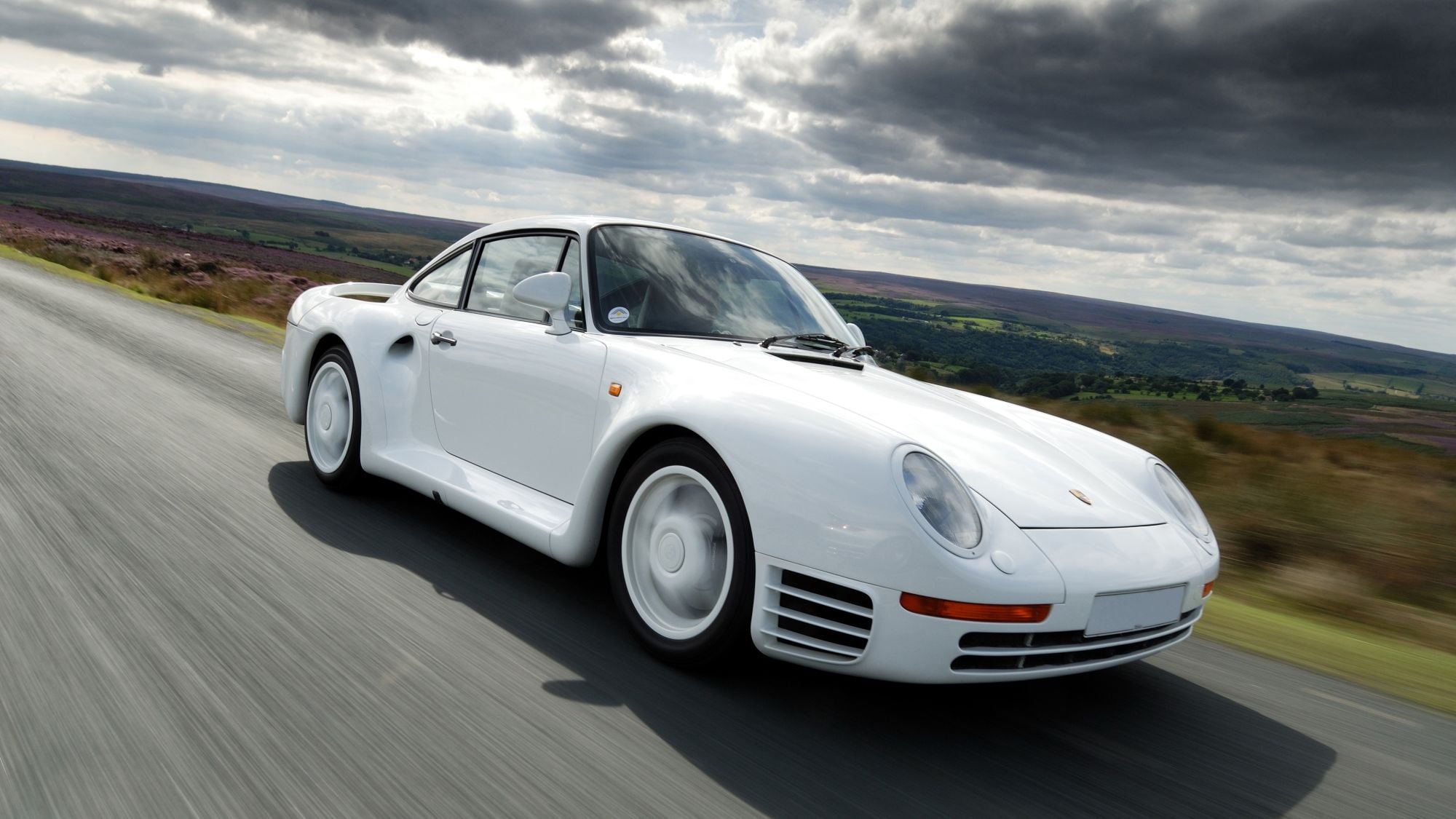
The 959 hypercar of the mid-1980s was a technological atom bomb, a rolling preview of everything Porsche engineering would become. But visually, it wasn’t trying to seduce like a 911. It was trying to shock. Its deep front bumper, swollen fenders, massive vents, and functional scoops weren’t exercises in beauty; they were the consequences of extreme performance demands. Air had to be shoved, pulled, and managed with scientific precision. The body became a collection of purposeful surfaces that made the car look more like a moonshot prototype than an elegant road-going Porsche.
For longtime 911 loyalists, the 959’s wide, wild stance and integrated aero apron felt like a seismic shift. It tossed aside the 911’s classic, understated sexiness and replaced it with something fiercer — a shape dictated almost entirely by the pursuit of a ~0.31 drag coefficient and zero lift at warp speeds. This wasn’t about purity or prettiness. It was about pushing the envelope so hard that fans couldn’t help but argue, obsess over, and ultimately fall for the sheer audacity of it.
The 959 didn’t just break rules; it broke expectations — in the kind of way that drives enthusiasts crazy with admiration, and still does.
The 993 Targa’s Glass Roof

The final air-cooled 911, the 993 generation, sold in the United States from the 1995 to 1998 model years, is almost universally adored for its updated, smooth styling. Yet, the Targa version introduced a design that was a radical break from tradition: a large, electrically sliding glass roof that eliminated the beloved fixed silver Targa roll hoop.
This new greenhouse Targa was a true technical feat, offering an expansive, open-air experience that was smoother and quieter than the original. But visually, it looked radically different, and enthusiasts missed the structural statement of the traditional silver bar. This glass-roof style carried over for two generations (996 and 997) before Porsche finally bowed to enthusiast pressure and brought back the classic roll-hoop design for the 991 Targa.
The Panamera’s ‘Hunchback’ Rear End
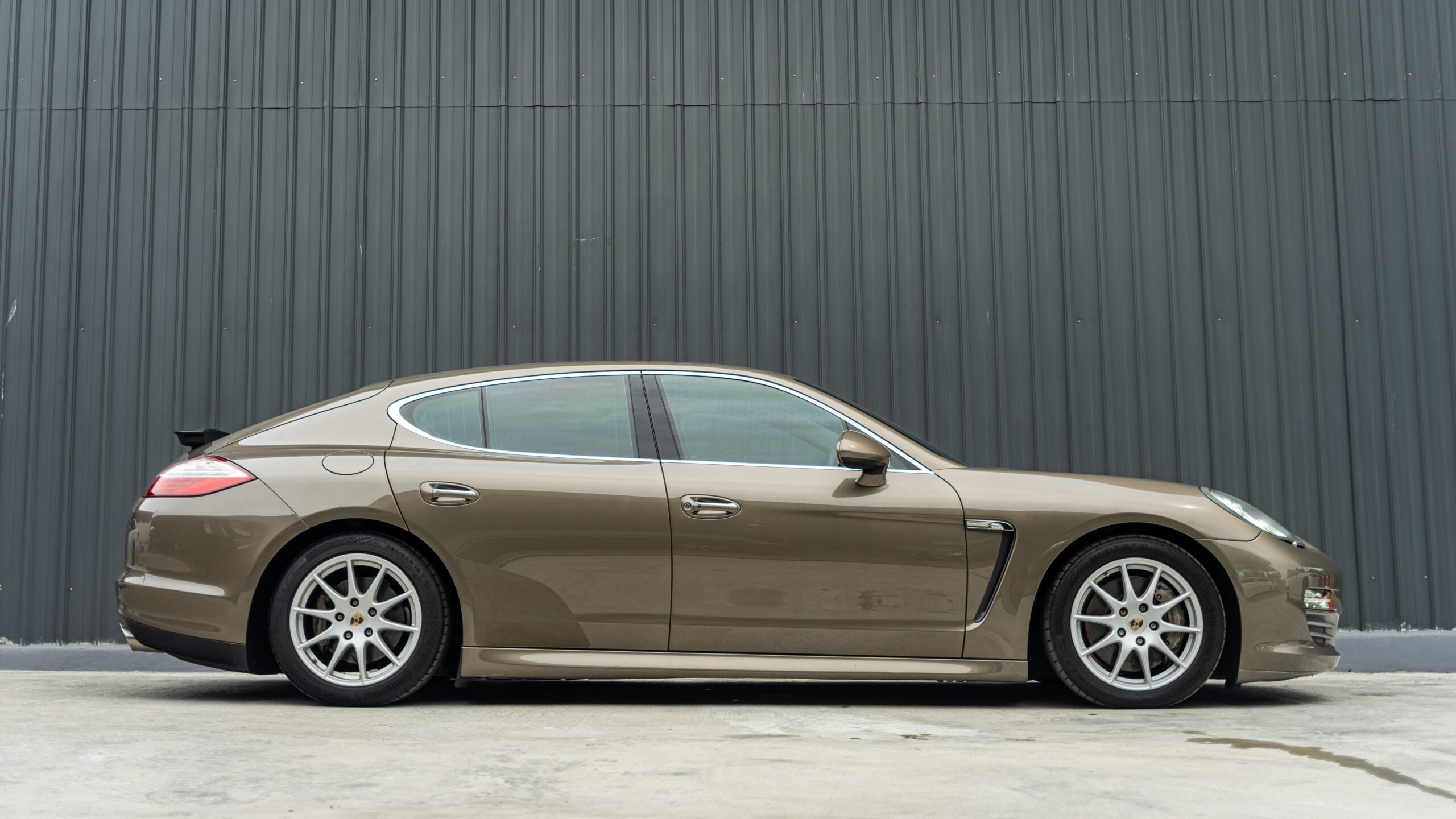
Just like the Cayenne, the Panamera sedan, introduced in the United States for the 2010 model year, sparked heated debate and challenged the idea that the brand should stick to two-door sports cars. Most of the criticism focused on the rear end, which many thought looked bulky, almost humped or slouched from certain angles.
The proportions made practical sense, since the steep roofline provided generous headroom for rear passengers and a spacious trunk, both of which are essential for a true four-seater. And even if opinions were divided on its appearance, the Panamera delivered serious performance, with early S versions producing more than 400 horsepower while keeping pace with sharp-handling two-seat sports cars.
It became another major sales success, proving once again that Porsche’s engineering strengths can outweigh even the most controversial design choices.
The Legacy of Necessary Change

The history of Porsche styling proves that controversy is often a sign of growth. Almost every one of these initial ‘mistakes’ (the front-engine layout, the huge spoiler, or the SUV’s styling) was either a direct result of necessary safety requirements or a strategic financial move that allowed the brand to thrive.
These moments of design disruption didn’t dilute the brand; they provided the essential evolution for the 911 lineage to continue. The most polarizing designs are now widely accepted, and in some cases, cherished as the unique stylistic hallmarks of their respective eras.