
These machines strutted their way onto the pavement into our garages and hearts, like Saturday Night Fever on four wheels. If you ever drove one, you know it was less about the destination and more about the noise, the shake, and the burnouts.
The early ’70s were a golden window when you could stroll into a dealership, toss some cash on the hood, and drive off in a fire-breathing V8 that made disco look quiet. This one’s for the enthusiasts who still dream in leaded gas and think a shaker hood is a fashion statement. Let’s crank the Foghat and count down the twelve most powerful muscle cars the decade ever unleashed.
How We Piled the Ponies: Our Methodology

We ranked these muscle cars by one thing: factory-rated horsepower. No dealer tricks, no drag-strip unicorns, just real production models you could actually buy. When possible, we used the old-school gross horsepower numbers from before the feds rained on the parade in ’72.
This isn’t just a Big Three greatest hits. AMC, Buick, and even Mercury came to play. If it had a wild badge, a big engine, and was sold to the public, it had a shot. We checked original brochures, spec sheets, and historical records to keep it legit.
So, whether it had a shaker hood, hideaway headlights, or more stripes than a Bee Gees album cover, it earned its place here the loud way…with pure, unapologetic V8 power.
Chevrolet Chevelle SS 454 LS6 450-hp

The LS6 variant of the Chevelle SS 454 was volcanic. This monster pushed out 450 horsepower and 500 lb-ft of torque, making it the most powerful muscle car of its time. The engine came with an 800 cfm Holley 4-barrel carb, heavy-duty internals, and aggressive camshaft timing. It looked every bit the street king with its cowl-induction hood and racing stripes.
Mated to either a 4-speed manual or Turbo Hydra-Matic 400 automatic, it delivered tire-melting performance in any configuration.
The Chevelle SS was a dominant force on both drag strips and boulevard cruises. Inside, the cabin offered no-frills comfort and a deep-throated rumble that vibrated through the steering wheel. For enthusiasts, the LS6 was an attitude on wheels.
Plymouth Hemi Cuda 425-hp

The Plymouth Hemi Cuda was the street version of a dragster with just enough civility to wear license plates. Its 426 cubic-inch Hemi V8 was legendary for its hemispherical combustion chambers and dual 4-barrel carbs. With 425 horsepower on tap, it offered instantaneous throttle response and acceleration that pinned you to the seat like a rollercoaster ride at Six Flags in 1971.
The shaker hood and color-matched grille made sure you never mistook it for anything else, and if the looks didn’t get you, the idle sounded like it was chewing nails. This was a car built for straight-line performance and sheer intimidation.
The TorqueFlite automatic or a pistol-grip 4-speed manual completed the aggressive drivetrain setup. Painted in High Impact colors like In-Violet and Lemon Twist, it was loud in every possible way, and looked like something Evel Knievel might’ve driven to a stunt show. The Hemi Cuda defined what Mopar madness was all about.
Dodge Charger R/T 426 Hemi 425-hp

This Charger came to the fight dressed like a mob boss and punched like a heavyweight champ. With a 426 Hemi under the hood, it pushed out the same 425 horsepower as its Cuda cousin. Weighing more than most muscle cars, it still delivered eye-watering speed thanks to its brute-force engine.
The long, sleek body gave it a distinct road presence, and the hidden headlights added a touch of drama. Dodge tuned the suspension for straight-line speed but also gave it a confident road feel.
Buyers had options for high-back bucket seats, rallye wheels, and even a vinyl roof if they wanted a bit of flair. The Charger R/T was a fusion of American luxury and dragstrip fury. In this car, every red light felt like a challenge.
Buick GSX Stage 1 360-hp

Buick’s GSX was the gentleman’s muscle car, but don’t let that fool you. Under its smooth lines and luxurious interior lay a 455 cubic-inch Stage 1 V8 with 360 horsepower and a mind-bending 510 lb-ft of torque. It could run the quarter-mile in the low 13s, dusting many of its louder rivals.
The GSX came loaded with features like power steering, disc brakes, and a performance-tuned suspension. Stripes and a rear spoiler gave it the necessary muscle-car attitude without going overboard. The ride was smoother than most, thanks to Buick’s focus on refinement.
Inside, it offered plush seats, a rallye dash, and a tilt steering wheel. This car proved you could devastate the dragstrip without sacrificing comfort.
Oldsmobile 442 W-30 370-hp

Oldsmobile’s 442 W-30 was a masterclass in muscle with a sophisticated twist. Powered by a 455 cubic-inch V8, it put out 370 horsepower and enough torque to make your tires beg for mercy. The W-30 package added a fiberglass hood with functional scoops, an aluminum intake manifold, and a hotter camshaft.
This car came together with a clear focus on performance, built from the ground up with engineering aimed at delivering speed. The 442 handled better than most of its contemporaries, offering a balanced ride along with straight-line prowess.
The dual exhaust system delivered a throaty growl that turned heads at every corner. Inside, it had one of the best dashboards in muscle car history, with clear gauges and sporty trim. It was a true driver’s car with brains to match the brawn.
Ford Mustang Boss 429 375-hp
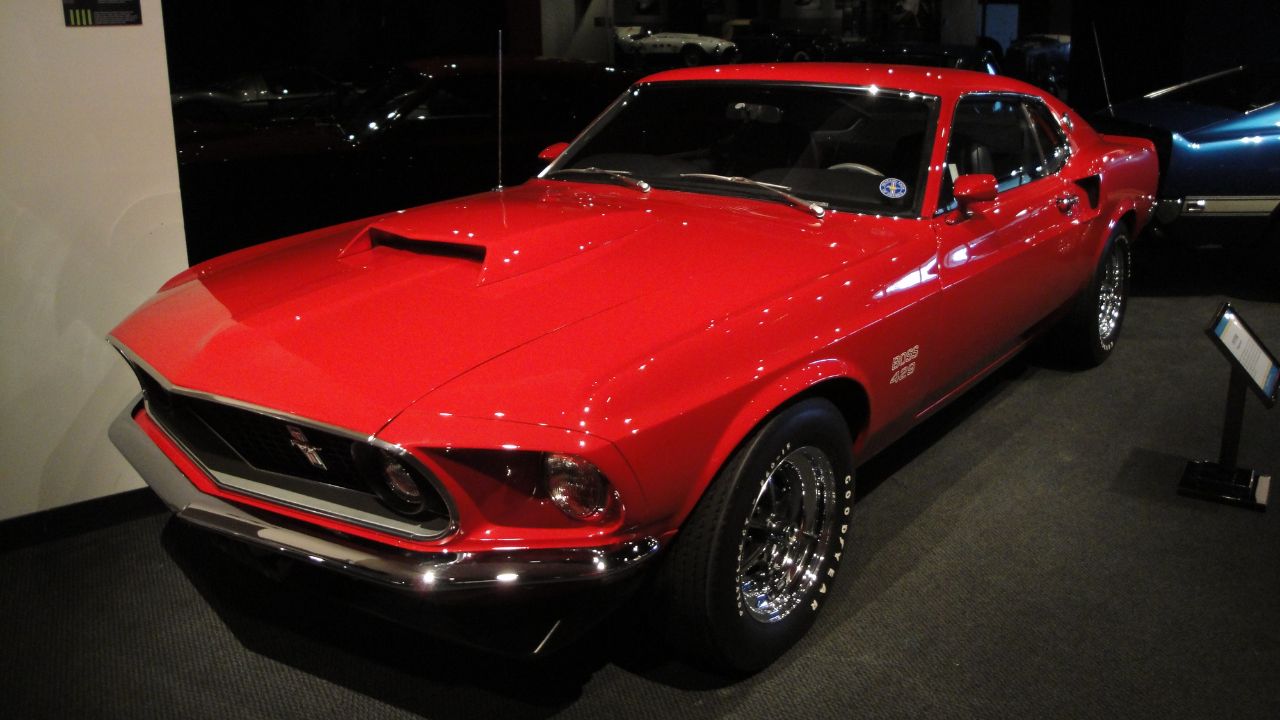
The Boss 429 was Ford’s moonshot. Built to homologate a massive NASCAR engine, the Boss 9 stuffed a 429 cubic-inch semi-hemi V8 into the Mustang’s tight engine bay. Producing 375 horsepower, it offered high-revving performance and loads of torque. The suspension was tuned for serious road holding, and the car rode lower than other Mustangs. Special wide fenders and a functional hood scoop completed the menacing look.
Inside, the Boss was all business with minimal trim and maximum purpose. The engine was hand-built and the entire car assembled in a special facility by Kar Kraft. It remains one of Ford’s most revered muscle machines.
Pontiac GTO Judge Ram Air IV 370-hp

The GTO Judge Ram Air IV took the already potent Goat and dialed it up. With 370 horsepower from its 400 cubic-inch V8, it launched with ferocity and kept pulling hard through the gears. The Ram Air IV package included high-flow cylinder heads, a radical camshaft, and an aluminum intake. The bold graphics and rear wing made it unmistakable on the street.
The Judge delivered bold styling along with track-proven performance, offering a complete package that lived up to its image.
The handling was surprisingly agile for a big car, and the braking system was up to the task. A Hurst shifter and rallye gauges completed the driver-focused interior. Every ride in the Judge felt like a parade, whether you wanted one or not.
AMC Rebel Machine 340-hp

AMC’s Rebel Machine was the blue-collar hero of the horsepower wars. With a 390 cubic-inch V8 producing 340 horsepower, it punched far above its weight. The red, white, and blue paint scheme wasn’t subtle, and neither was the acceleration. The Machine could sprint the quarter-mile in around 14 seconds, shocking more prestigious brands. It came with a functional ram-air hood scoop and a beefy suspension setup.
The cabin was straightforward with bucket seats and a floor shifter. AMC priced it competitively, giving budget-minded speed freaks a real option. It had the numbers to earn respect.
Pontiac Firebird Trans Am SD-455 290-hp (net)

The Super Duty 455 was the phoenix rising from the ashes of early 70s regulation. While net horsepower ratings dropped industry-wide, the SD-455 was a monster in disguise. With forged internals, a functional shaker scoop, and upgraded rods and pistons, it was engineered for performance.
The factory rating was 290 hp net, but real output hovered closer to 370 gross. The Trans Am’s body lines were aggressive and aerodynamic, and the handling was better than most muscle cars of the day.
The screaming chicken decal on the hood became a pop culture icon. The 4-speed manual made sure drivers could wring out every ounce of power. It was one of the few bright spots during the muscle car decline.
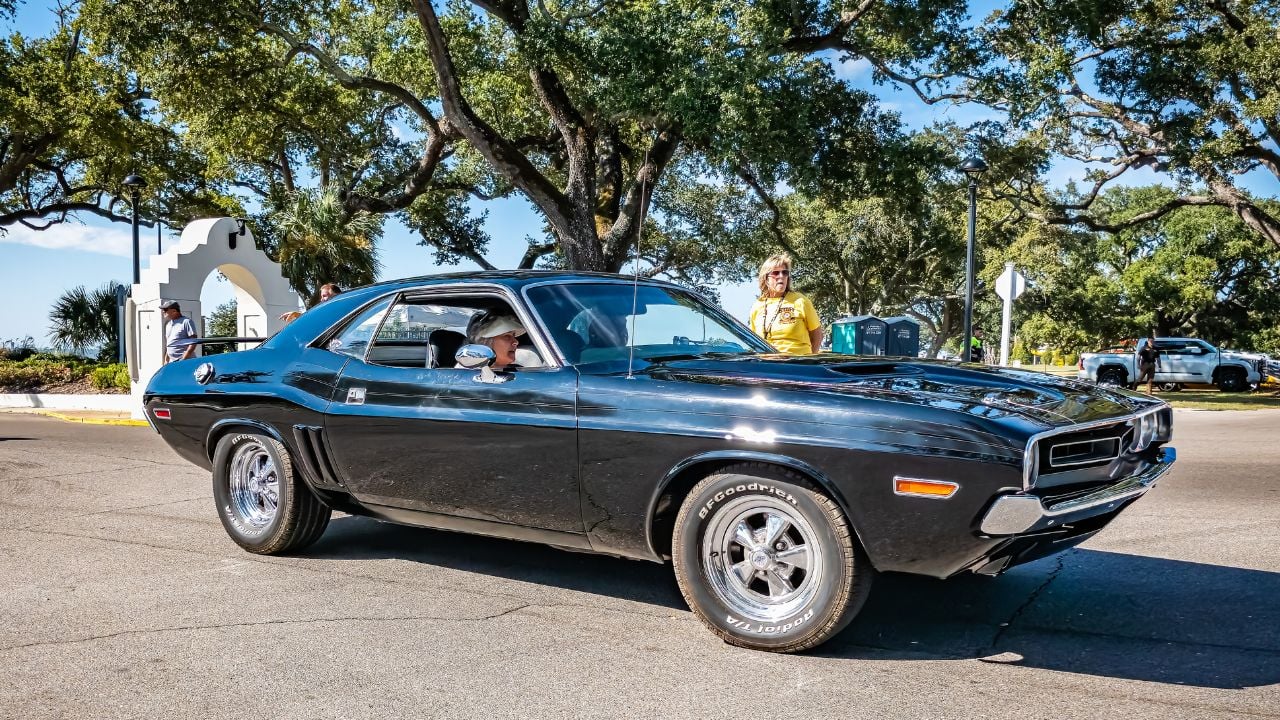
Dodge Challenger R/T 426 Hemi 425-hp

This Challenger was born to brawl. Powered by the 426 Hemi, it delivered 425 horsepower and breathtaking acceleration. The long wheelbase gave it a planted ride, and the body styling was both menacing and beautiful. Optional Shaker hoods and Rallye wheels enhanced its already imposing look. Inside, drivers found high-back bucket seats, full instrumentation, and a serious attitude.
Dodge offered a range of colors, including the infamous Go Mango and Top Banana. The Hemi Challenger was built for dominating the drag strips and left a lasting impression on anyone lucky enough to drive or hear one. It became one of the most collectible Mopar’s ever built.
Mercury Cyclone Spoiler

The Cyclone Spoiler delivered high performance with a dose of Mercury luxury. A functional hood scoop, rev limiter, and 3.91 gears made it a formidable factory drag racer. The Cyclone’s sleek fastback design and hidden headlights set it apart visually. The handling was respectable thanks to a heavy-duty suspension and wide track.
Inside, it offered vinyl bucket seats and optional instrumentation panels. This car had the muscle to match its NASCAR-inspired looks. The Spoiler package made it feel like you were driving a limited-edition racing car for the street.
Chrysler 300 Hurst 375-hp

The Chrysler 300 Hurst was a muscle car dressed in a tuxedo. It featured a 440 cubic-inch TNT V8 producing 375 horsepower. Built in collaboration with Hurst Performance, it wore a two-tone paint scheme with a fiberglass hood and spoiler. At over 4,000 lbs, it was no lightweight, but it moved with surprising authority. The Torque-Flite automatic transmission delivered power smoothly.
Inside, it offered full luxury amenities including leather seats and power everything. The 300 Hurst was never meant for the strip, it was built for high-speed interstate cruising. It remains one of the most underrated high-power machines from the era.
Final Gear: Wrapping Up the Glory Days
The 1970s started loud and proud, and while the decade ended under a cloud of regulations and gas rationing, the muscle cars from the early years left tire marks on history. They were symbols of freedom, rebellion, and a little bit of disco-fueled madness.
From the Chevelle LS6’s brute force to the Boss 429’s factory-bred fury, these machines turned spec sheets into street legends. They roared through suburbia with glasspacks, shaker hoods, and paint names loud enough to make Don Draper blush.
Whether you’re wrenching on a survivor or just fantasizing about a Lemon Twist burnout on Woodward Avenue, one thing’s still true: muscle cars of the ’70s delivered speed and soul.